Exterior Design Features That Can Become Pest Shelters Over Time
Discover exterior design features that can become pest shelters over time and learn how to reduce hiding spots through smart design and regular maintenance.

A home's exterior is more than curb appeal. Every decorative element, every shutter, trim board, and porch overhang adds character, but it can also create small, protected spaces that insects and rodents find appealing. Over time, these architectural details often turn into overlooked shelters, especially in regions with humid summers and mild winters where pest activity rarely slows down completely.
Understanding how design choices intersect with pest behavior helps homeowners maintain their property more effectively, without assuming that every pest problem starts indoors. In many cases, the real activity begins outside, tucked into the very features that make a house look finished and well-built.
Where Pests Actually Hide in Plain Sight
Pests are opportunists. They look for three things: shelter from weather, protection from predators, and proximity to food or moisture. Exterior architectural features often satisfy all three requirements without anyone noticing.
Spiders build webs in corners protected from wind and rain. Wasps prefer elevated, sheltered spots to construct nests, similar to the undersides of eaves. Ants follow moisture trails into wood that has begun to soften. Rodents, meanwhile, look for narrow gaps that lead to warm, enclosed cavities. Decorative elements precisely because they include seams, joints, and hollow spaces tend to check every box.
Research from structural pest management studies has repeatedly noted that pest infestations correlate strongly with construction gaps larger than a quarter inch, a size common in aging trim, shutters, and siding overlaps. Small gaps like these are often invisible from ground level but fully accessible to insects and small rodents.
Shutters, Trim, and Ornamental Woodwork
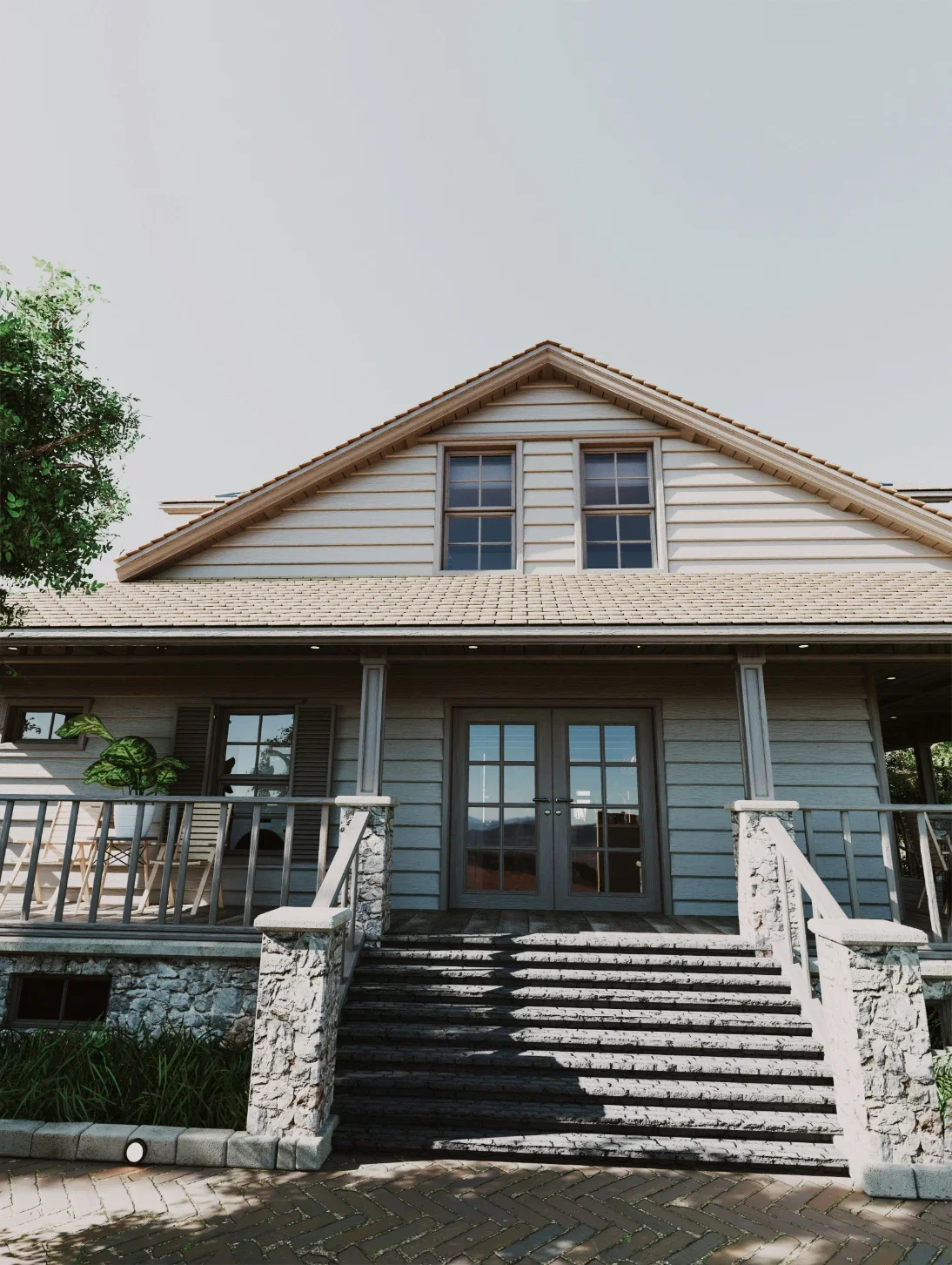
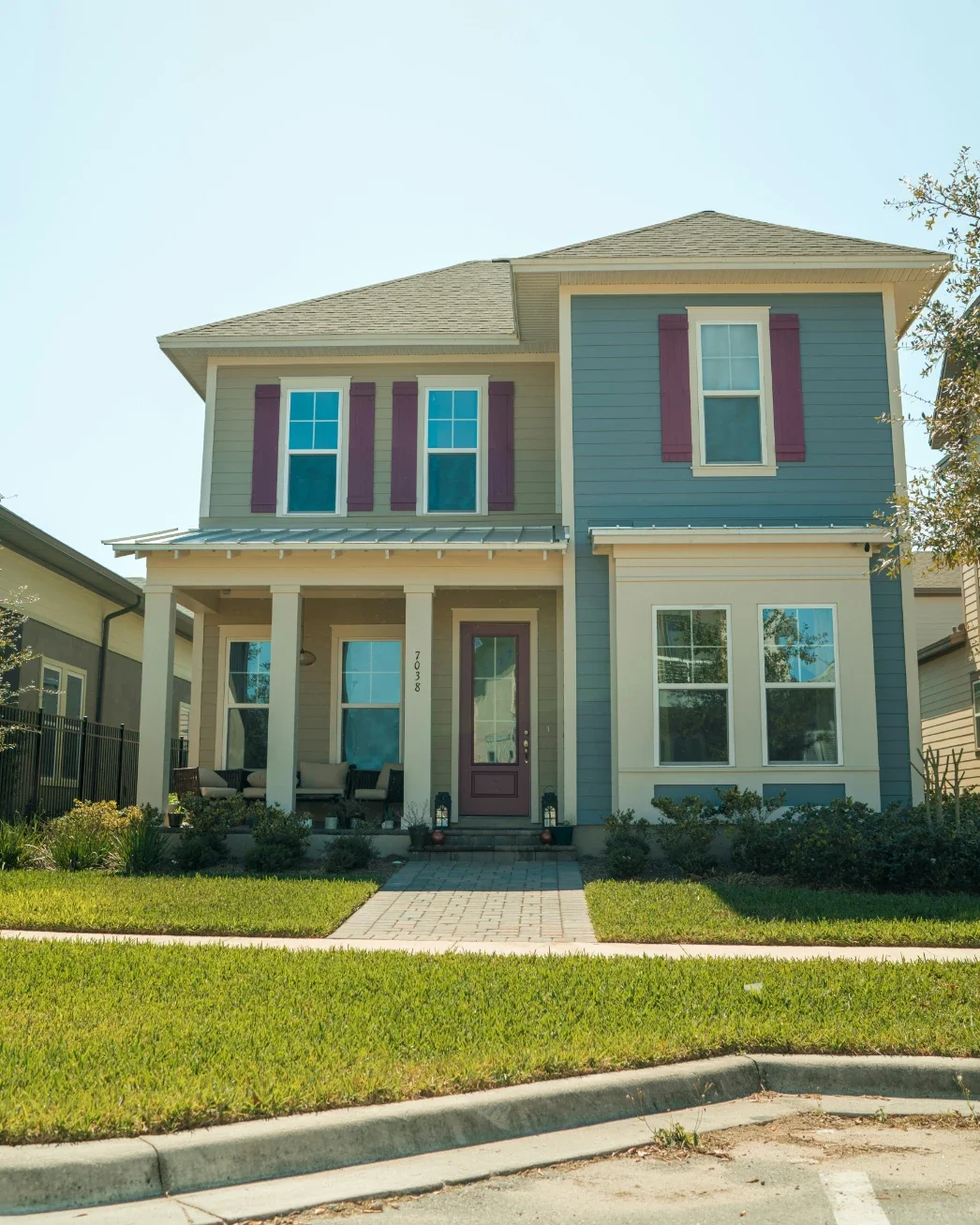
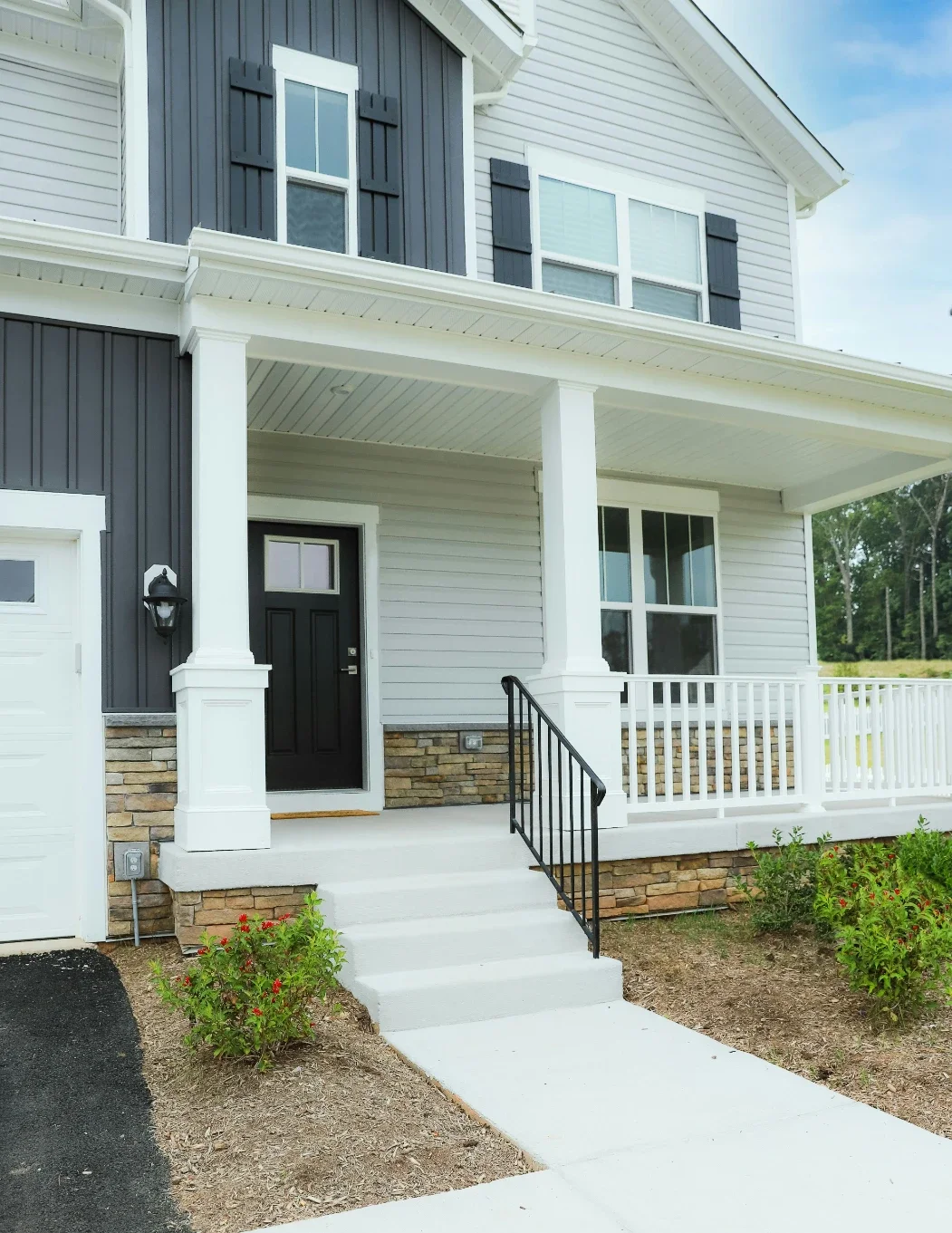
Shutters and ornamental trim add visual depth to a home's facade, but their design often includes narrow voids between the panel and the wall. These voids stay dark, dry in some seasons and damp in others, and largely undisturbed, an ideal combination for spiders and small insects looking for a stable shelter.
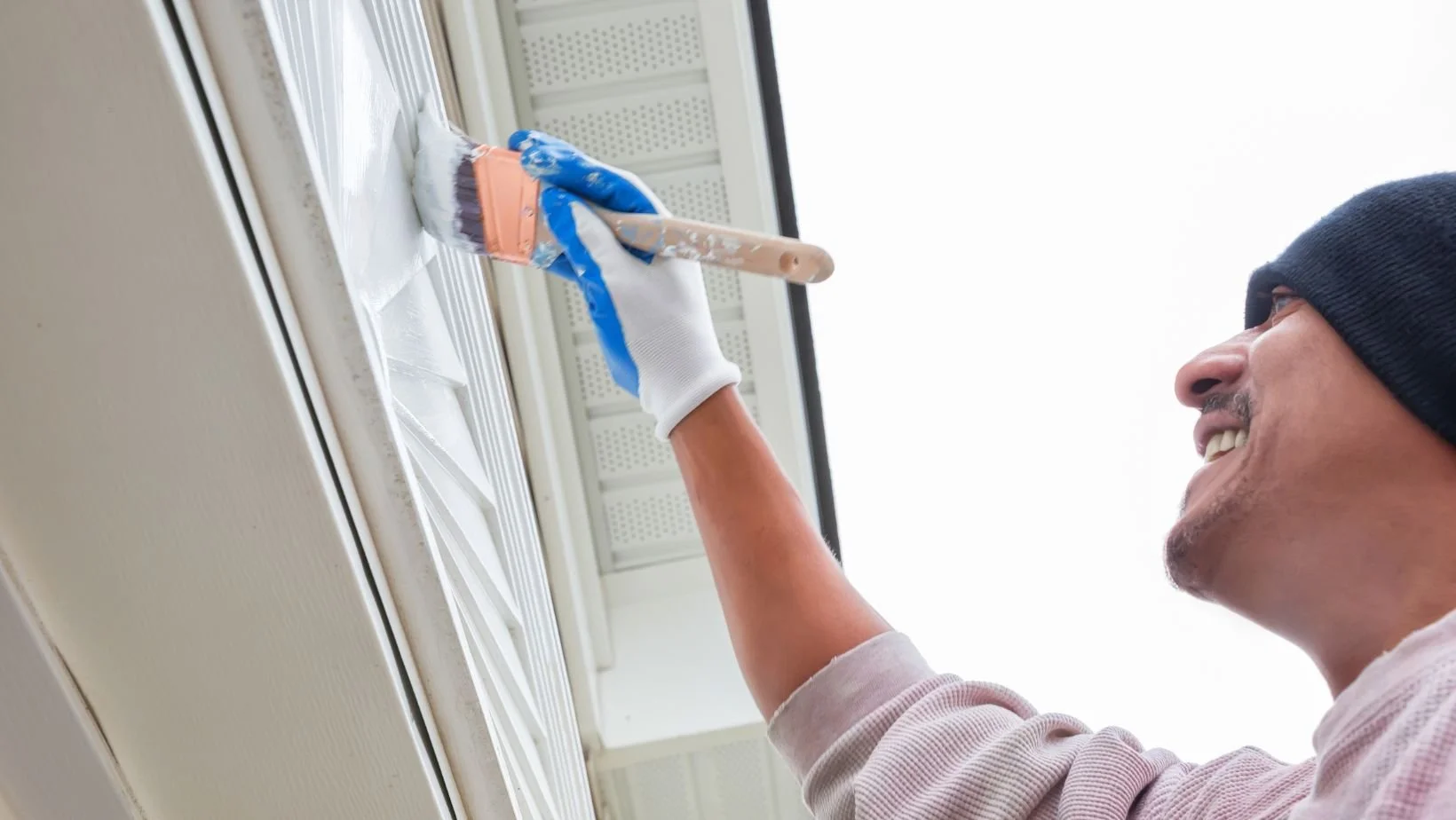
Wood trim is particularly vulnerable when paint or sealant begins to wear away. Once moisture penetrates unprotected wood, it softens the material, making it easier for pests such as carpenter ants or termites to tunnel through. Homeowners searching for pest control Mustang services often discover during an inspection that interior ant activity can be traced to compromised exterior trim rather than anything happening inside the home itself.
Regular inspection of these features—checking for peeling paint, soft spots, or small holes—can catch early signs of pest activity before it becomes a larger structural issue.
Pergolas, Porch Ceilings, and Shaded Structures
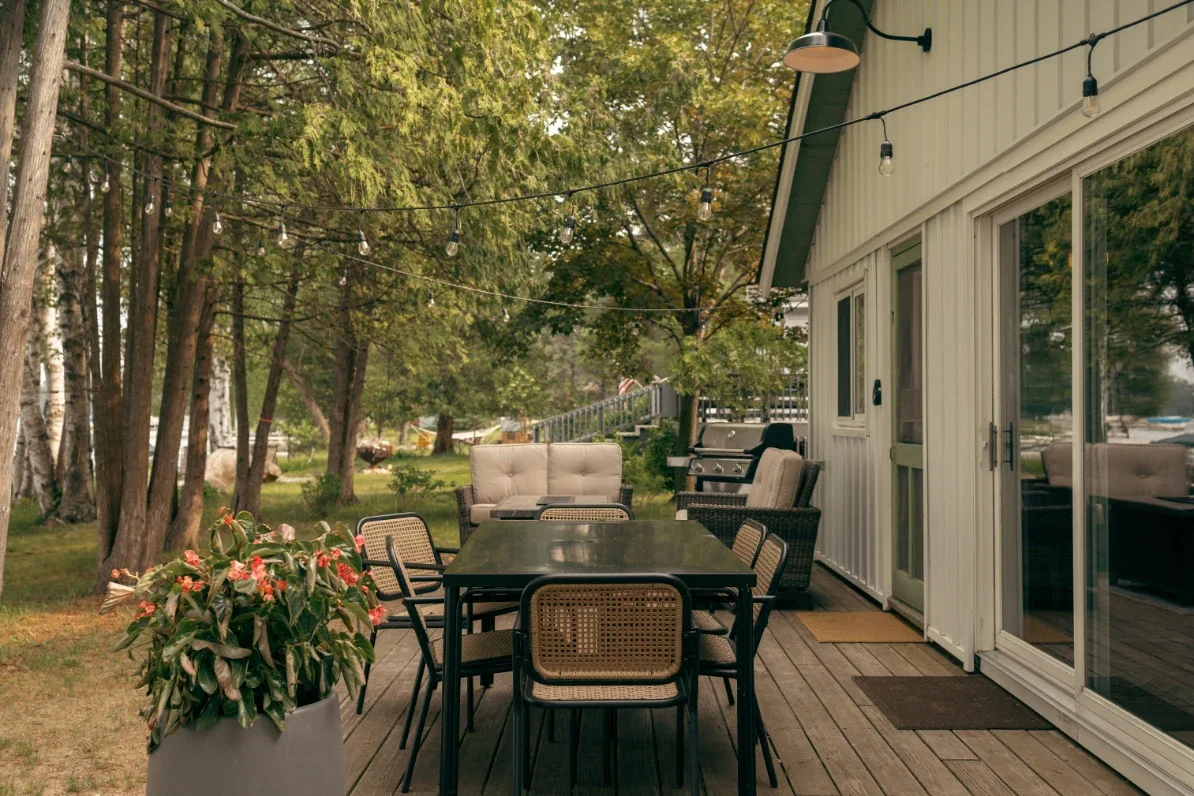
Pergolas and covered porch ceilings are functional and attractive, offering shade and definition to outdoor living spaces. However, their open lattice work and beam intersections create countless small crevices, and the shaded, wind-protected environment underneath is exactly what many pests seek.
Wasps are especially drawn to porch ceilings because the flat, sheltered surface mimics the undersides of tree branches, their natural nesting environment. A single nest can house dozens of wasps within a few weeks under the right conditions. Similarly, mud dauber nests and spider webs often accumulate in the corners of pergola beams, particularly on structures that are not walked past or inspected often.
Because these areas are elevated and sometimes difficult to reach, they are frequently overlooked during general yard maintenance. Homeowners in warmer climates who rely on pest control professionals for seasonal inspections often find that pergolas and porch ceilings account for a disproportionate share of exterior nest removals, simply because they are high-traffic areas for flying insects but low-traffic areas for people.
Planter Boxes, Siding Gaps, and Moisture Retention
Few features hold as much consistent moisture as planter boxes, and moisture is one of the strongest pest attractants that exists. Wooden planter boxes attached directly to a home's siding can trap water against exterior walls, softening both the box and the adjacent building material over time. This creates ideal breeding conditions for ants, termites, and occasionally cockroaches, particularly in warmer months.
Siding gaps compound the issue. Vinyl and wood siding naturally expand and contract with temperature changes, which can widen seams over the years. Combined with nearby moisture sources like planter boxes or irrigation lines, these gaps offer both entry points and hospitable microclimates.
A few conditions make planter boxes and siding especially attractive to pests:
• Standing water after rain or irrigation
• Decaying mulch or organic matter in direct contact with siding
• Wood-to-wood or wood-to-soil contact points
• Poor drainage that keeps material consistently damp
• Cracked caulking around box attachments or siding seams
Addressing these conditions—improving drainage, elevating planter boxes slightly off the wall surface, and resealing gaps—reduces the risk significantly.
Practical Maintenance Steps That Reduce Pest Activity
Preventing pests from settling into decorative exterior features doesn't require constant vigilance, but it does require a predictable maintenance rhythm. The following practices are widely recommended by structural pest management professionals and building maintenance specialists alike:
1. Inspect shutters, trim, and ornamental woodwork twice a year for gaps, soft spots, or discoloration.
2. Clean spider webs, wasp nests, and debris from porch ceilings and pergola beams before they become established colonies.
3. Seal joints and seams with weather-appropriate caulking, particularly where two different materials meet.
4. Improve drainage around planter boxes and ensure they are not in direct, prolonged contact with siding.
5. Repair or replace deteriorated wood promptly, since decayed material is significantly more attractive to wood-destroying insects.
6. Trim vegetation away from pergolas and trellises to reduce insect highways leading toward the structure.
For those managing older homes with more elaborate exterior detailing, scheduling a periodic professional evaluation can help identify shelter points that aren't visible during routine cleaning. This is often when pest control services are most useful—not as a reactive treatment, but as part of a preventive inspection cycle that catches structural vulnerabilities early.
Comparing Common Exterior Features and Their Pest Risks
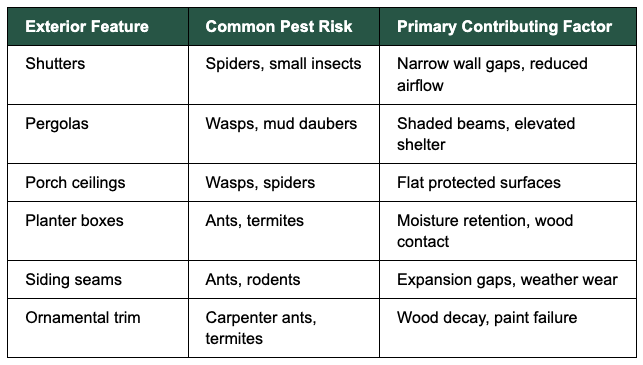
This kind of comparison highlights a consistent pattern: pest vulnerability tends to follow moisture, shelter, and limited visibility rather than any single design flaw.
What We've Learned
Decorative exterior features serve an important aesthetic purpose, but their structural characteristics gaps, shaded cavities, and moisture-prone materials—often make them unintentional shelters for pests. Shutters, pergolas, porch ceilings, planter boxes, and trim each carry distinct risks depending on their material and placement.
Routine inspection, moisture control, and timely repairs go a long way toward reducing these risks. When pest activity becomes difficult to trace or manage independently, professional evaluation can help identify shelter points that aren't obvious from a simple visual check. Understanding how architectural design intersects with pest behavior allows homeowners to maintain both the appearance and the structural integrity of their property over the long term.
Stay up to date with our latest ideas!