Compare terracotta tile and ceramic tile to see which material offers better durability, maintenance, longevity, and performance for different spaces in your home.
Choosing the right tile for your home improvement or interior design project can make a significant difference in both aesthetics and longevity. Among the various options, Terracotta Tile and Ceramic Tile are popular choices, each offering distinct advantages. Understanding their durability is crucial when selecting the most suitable material for your space. This article explores the durability factors of Terracotta and Ceramic Tiles, providing insights into their real-world applications and longevity. Whether you're in the design development phase of a renovation or simply looking to refresh your space, this comparison will guide your decision.
Terracotta Tile vs Ceramic Tile: An In-Depth Comparison
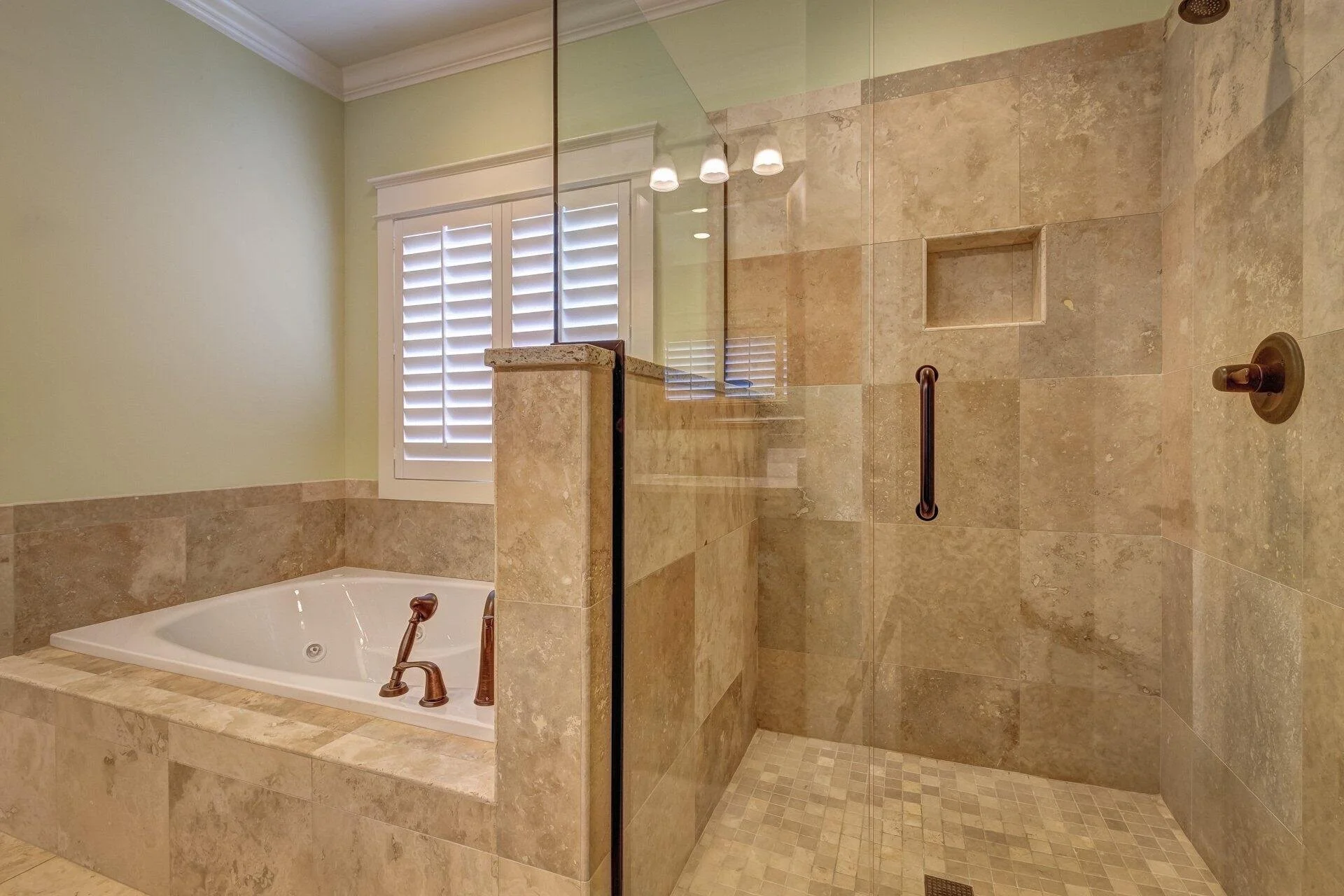
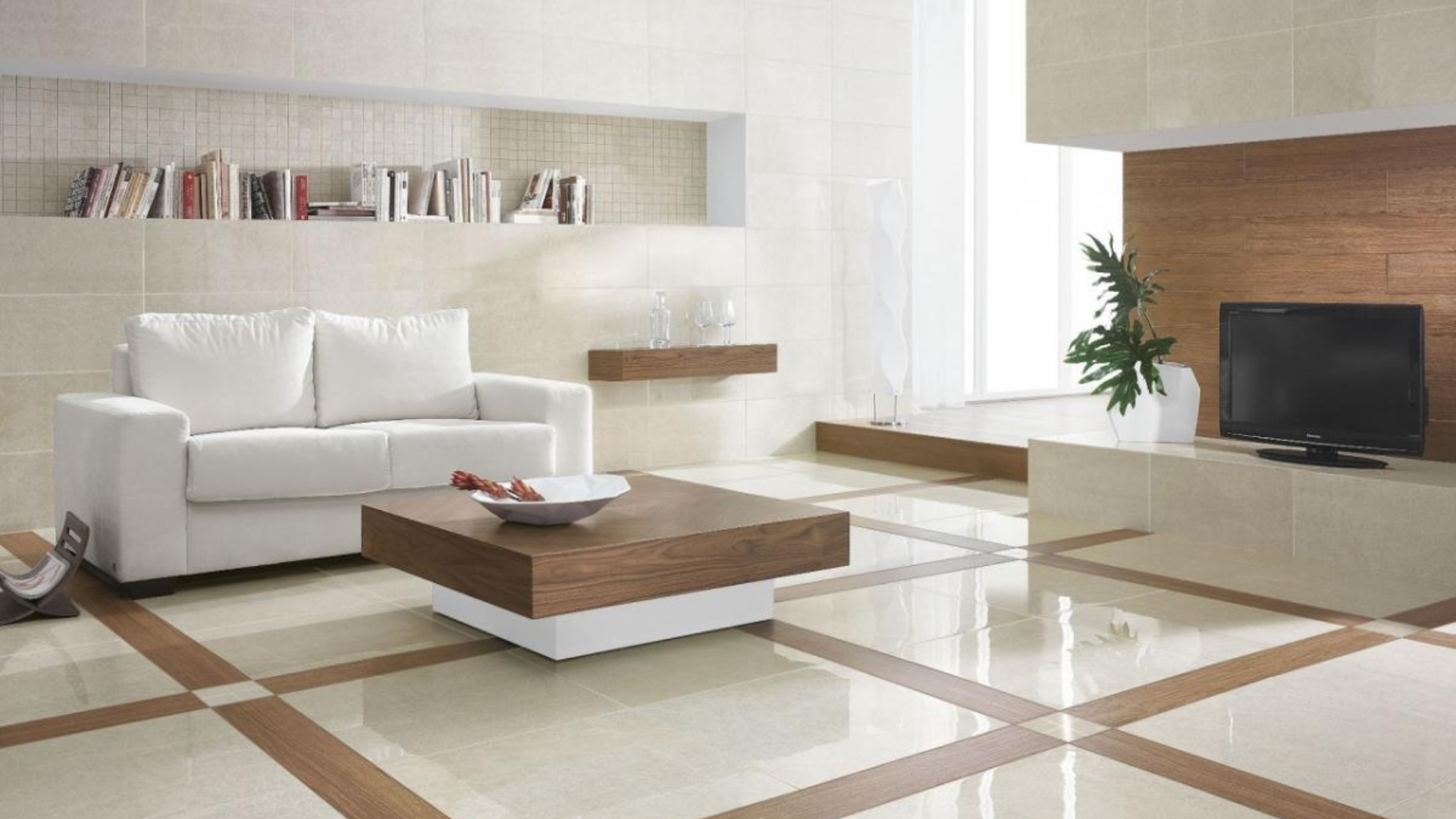
The choice between Terracotta and Ceramic Tiles often depends on your specific design goals and practical needs. Terracotta Tile are renowned for their rustic charm and natural, earthy tones, making them a staple in historic preservation standards. They are typically handmade, which means each tile is unique, adding character to any room. Ceramic Tiles, on the other hand, are highly versatile and come in a wide array of colors and finishes, making them a popular choice in modern material palettes.
In terms of durability, Terracotta Tiles are naturally porous, which requires sealing to prevent stains and water damage, while Ceramic Tiles are denser and less porous, providing better resistance to moisture. Both materials have their merits, but understanding their unique characteristics is essential for space planning and ensuring compliance with building code requirements.
Durability Factors of Terracotta Tiles
Terracotta Tiles, made from natural clay, are celebrated for their ability to blend seamlessly with various design styles, from traditional to speculative design concepts. Their durability largely hinges on the quality of clay and the firing process. When properly maintained, Terracotta Tiles can last for decades. However, their porous nature demands regular sealing to protect against moisture and stains, which is a key consideration during the finish schedule of any project.
Another factor affecting the durability of Terracotta Tiles is their susceptibility to chipping and cracking under heavy impact. This makes them more suitable for areas with less foot traffic, such as walls or accent features, rather than high-traffic floors. Despite these drawbacks, when sourced through sustainable sourcing practices, Terracotta Tiles offer an eco-friendly option with a unique aesthetic appeal.
Recent research from ArchDaily suggests that Terracotta Tiles, when used in appropriate settings, can enhance the thermal comfort of a space, which is an added benefit for energy-efficient home designs.
Durability Factors of Ceramic Tiles
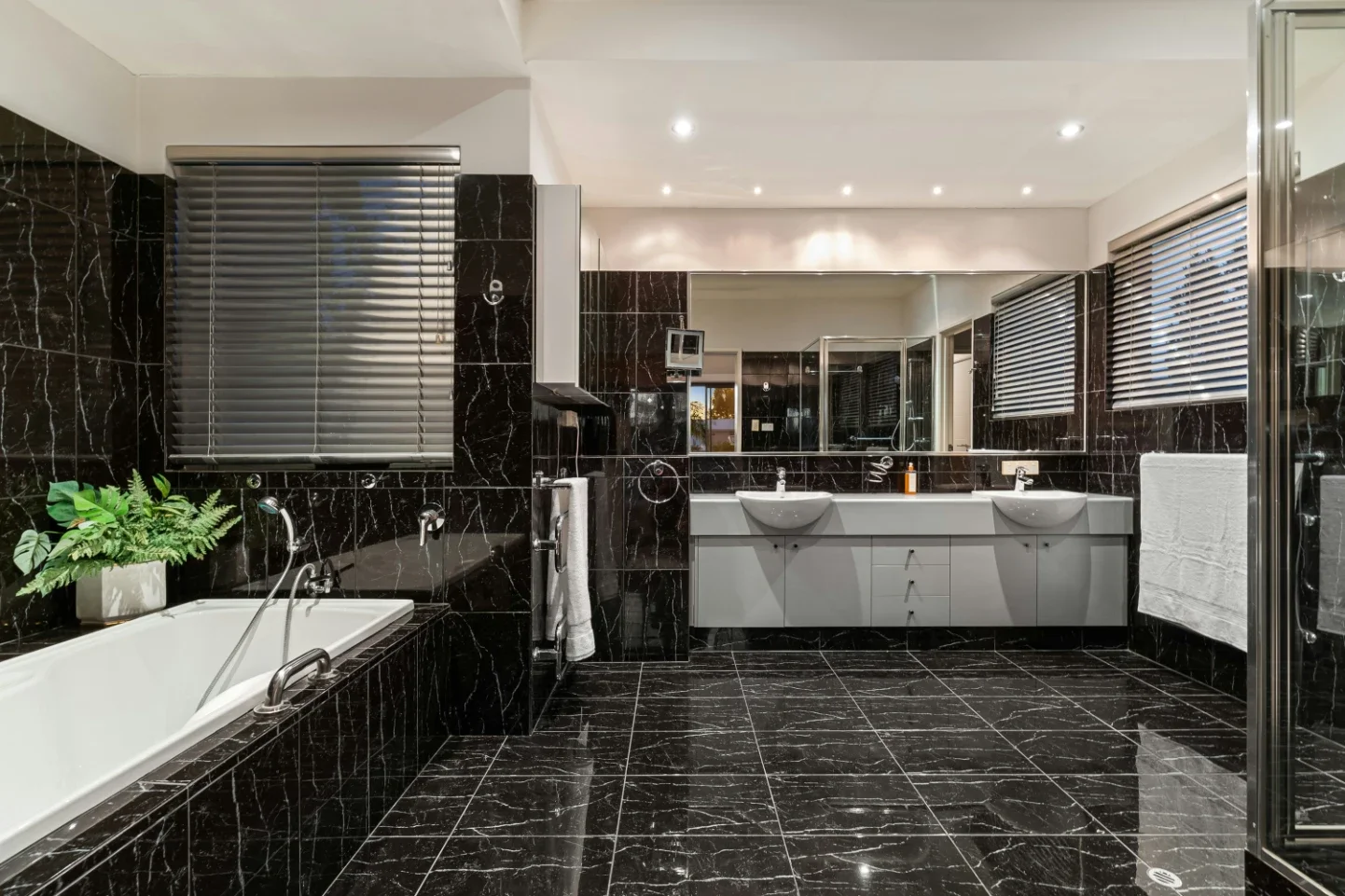
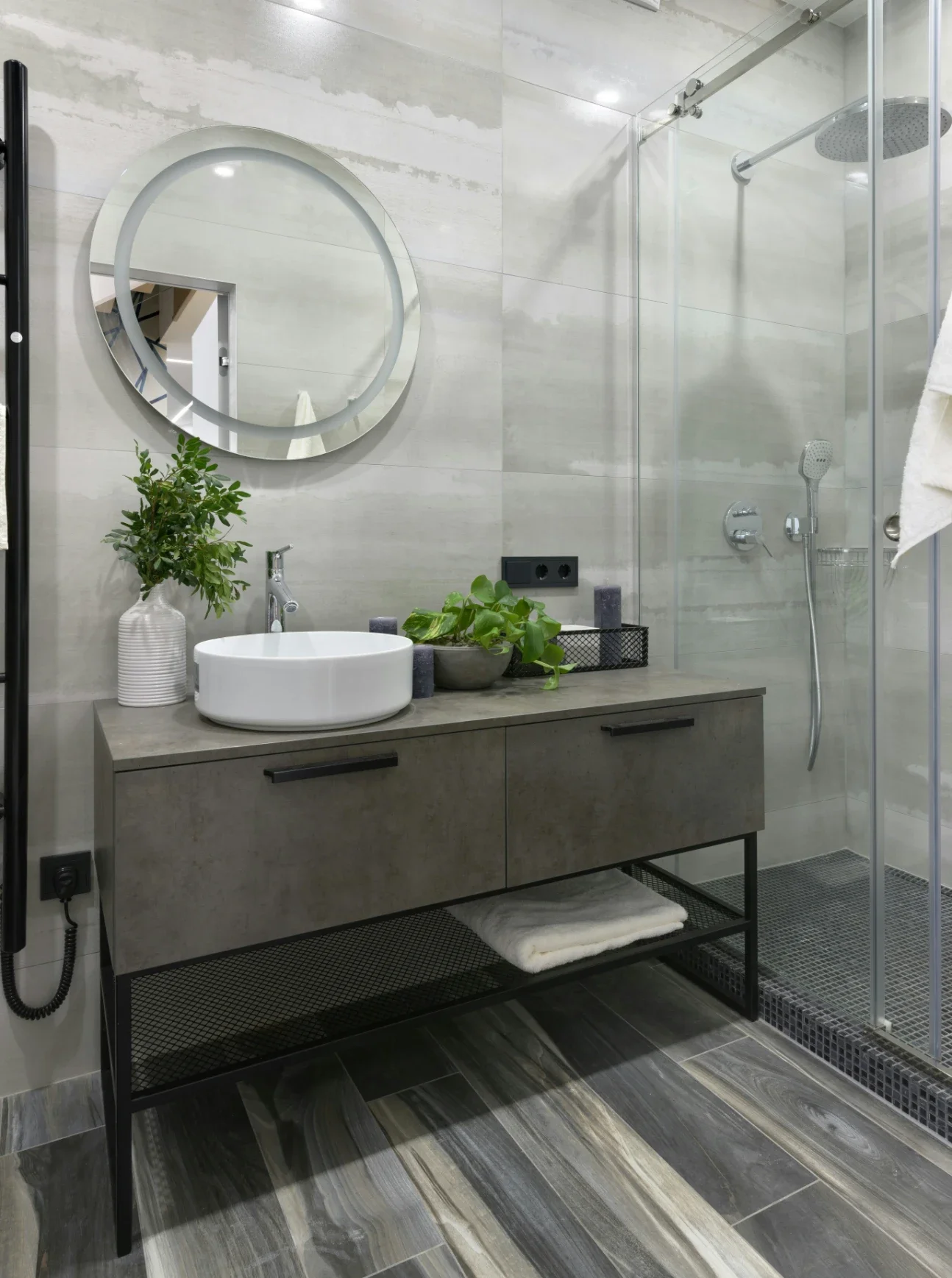
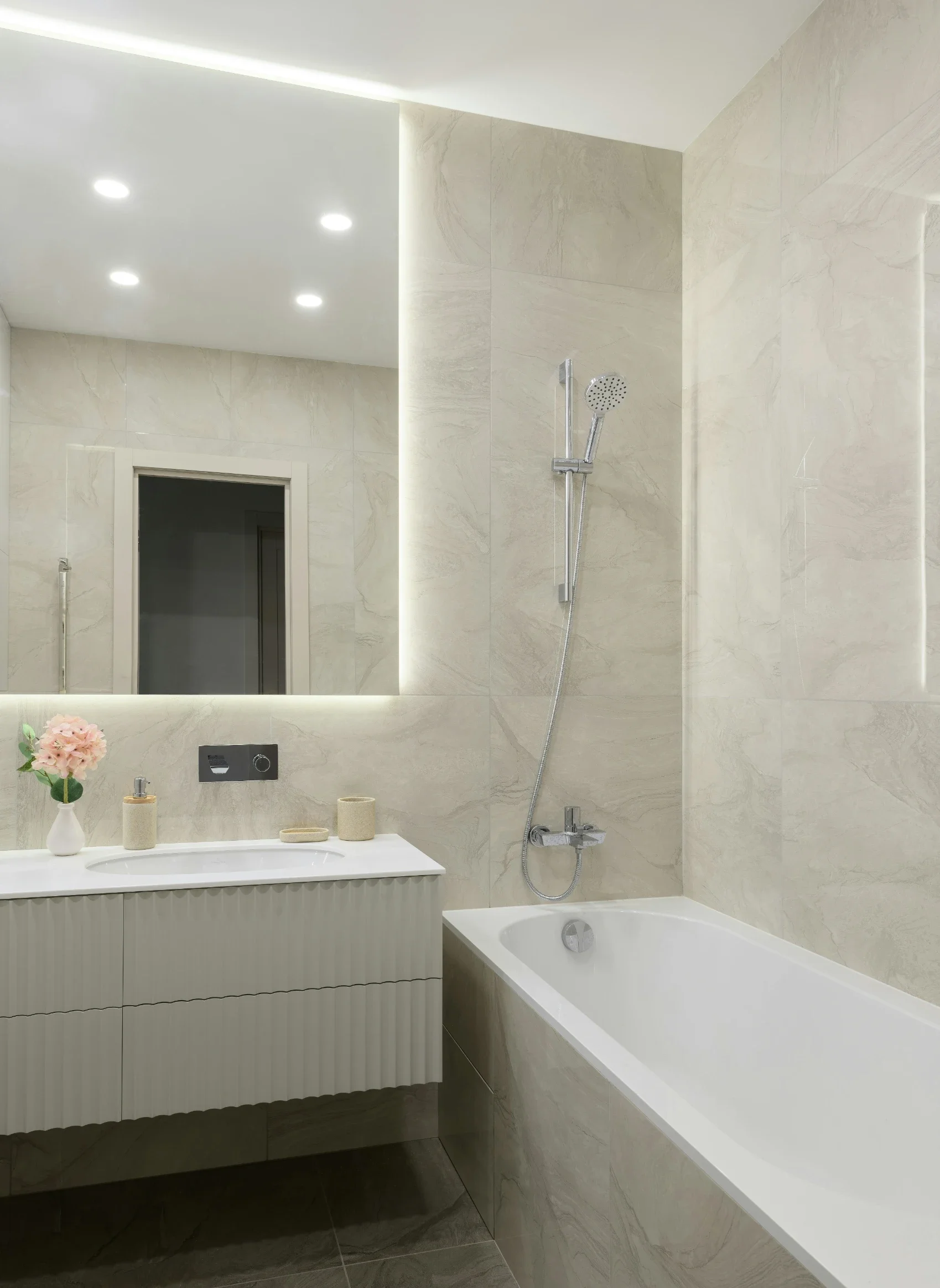
Ceramic Tiles are engineered for durability, making them a preferred choice for high-traffic areas such as kitchens and bathrooms. Their resilience against moisture and stains is a result of the glazing process, which provides a protective layer. This makes them ideal for meeting strict building code compliance in wet areas.
Additionally, Ceramic Tiles undergo a rigorous manufacturing process that enhances their strength and longevity. They are less prone to cracking and chipping compared to Terracotta Tiles, making them a practical choice for flooring. The array of finishes available in Ceramic Tiles also allows for creative exploration within color theory applications, offering designers flexibility in achieving desired aesthetic outcomes.
According to a report from Floor Covering News, Ceramic Tiles are projected to remain a dominant choice in the market due to their durability and design versatility, particularly in residential projects.
Real-World Applications and Longevity of Both Materials
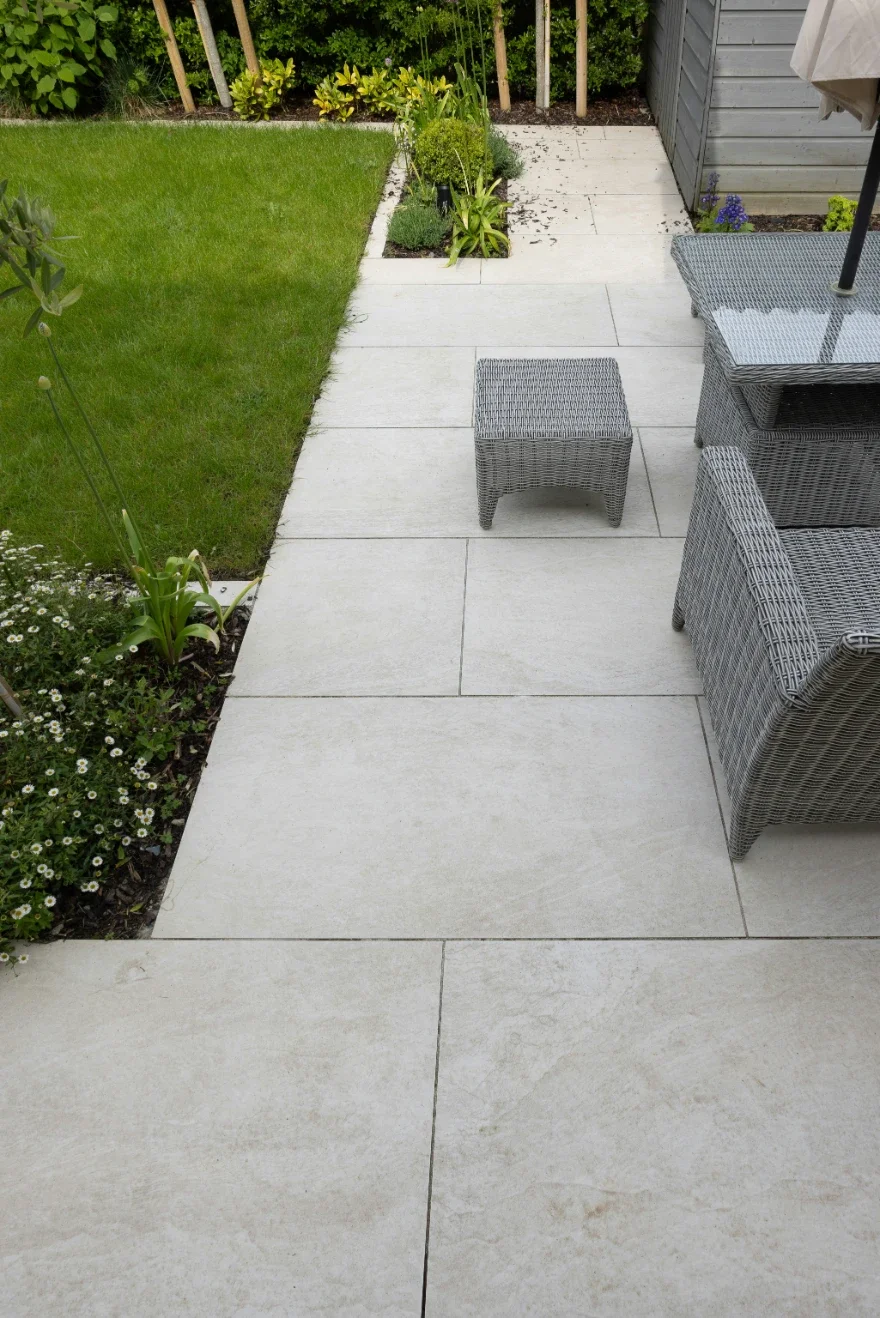
In real-world applications, both Terracotta and Ceramic Tiles have proven their worth. Terracotta Tiles are often favored in outdoor settings as hardscape elements, where their natural tones complement the landscape. They are also popular in regions with warm climates, where their thermal properties contribute to energy efficiency.
Ceramic Tiles, with their robust durability, are frequently used in commercial spaces as well as residential areas that require high durability and easy maintenance. Their application is not limited to floors but extends to walls and countertops, offering solutions that align with ergonomic design principles.
For homeowners considering an investment in flooring that balances aesthetics with longevity, Terracotta Tile serves as a timeless option. Its unique texture and warmth can enhance any interior design project, embodying a blend of historic charm and modern durability.
Conclusion
When deciding between Terracotta and Ceramic Tiles, the choice ultimately comes down to the specific requirements of your project. Terracotta Tiles offer a unique, rustic appeal that suits projects valuing natural aesthetics and historic preservation. In contrast, Ceramic Tiles provide versatile, durable, and moisture-resistant options, ideal for high-traffic and wet areas. Both materials have their strengths and can significantly contribute to the overall design and functionality of a space. For those prioritizing longevity and ease of maintenance, Ceramic Tiles are often the go-to choice, while Terracotta Tiles offer a warm, inviting character unmatched by other materials.
Stay up to date with our latest ideas!