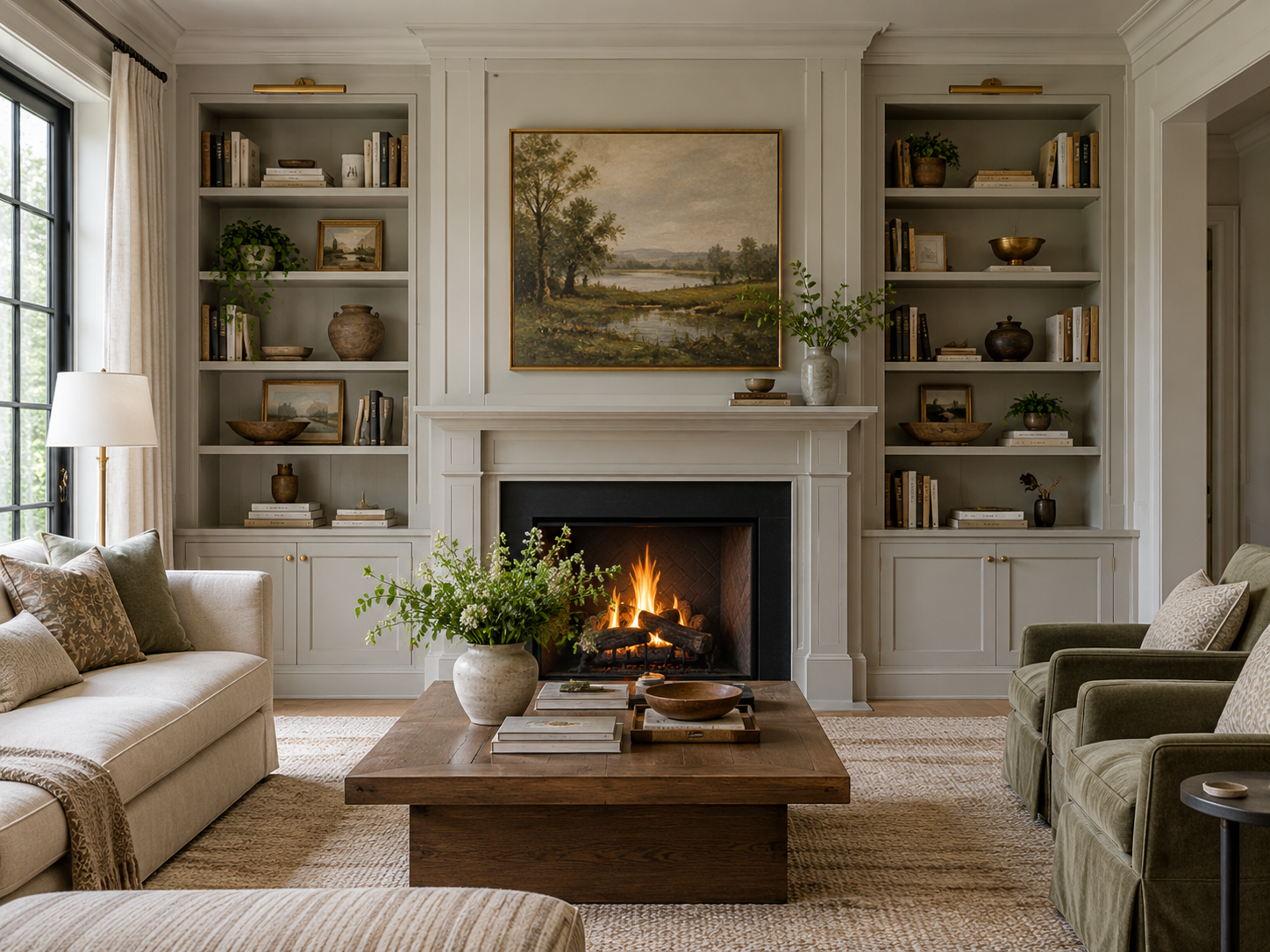
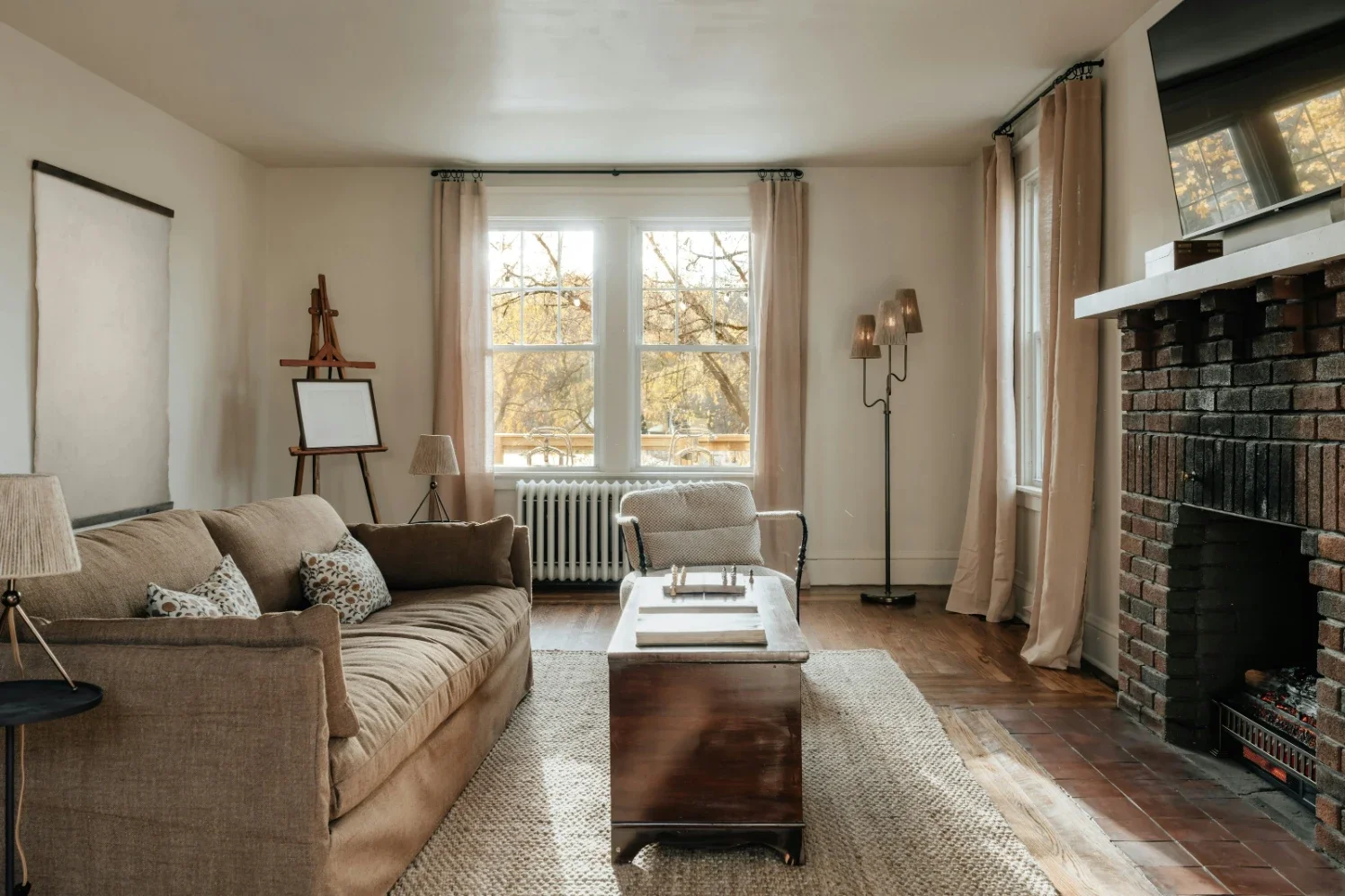
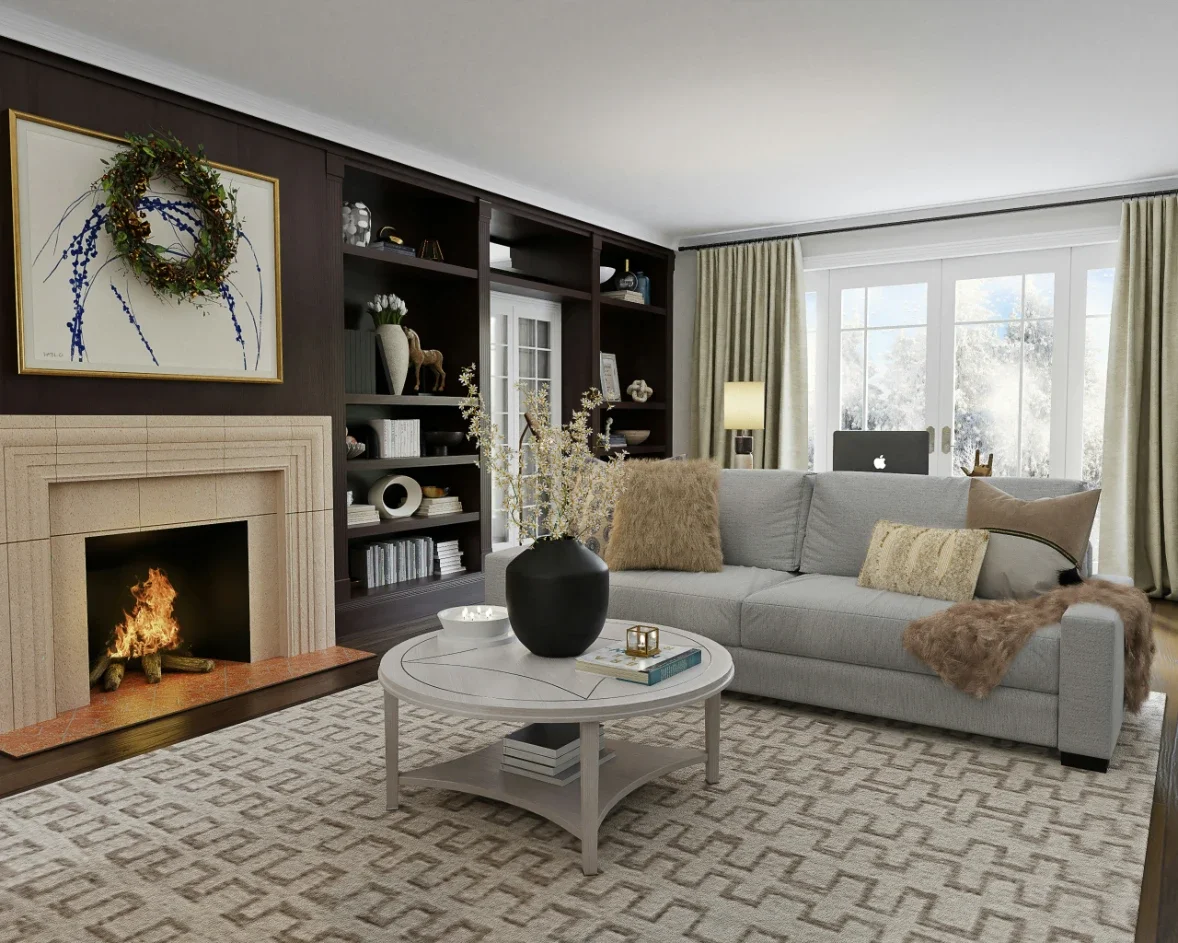
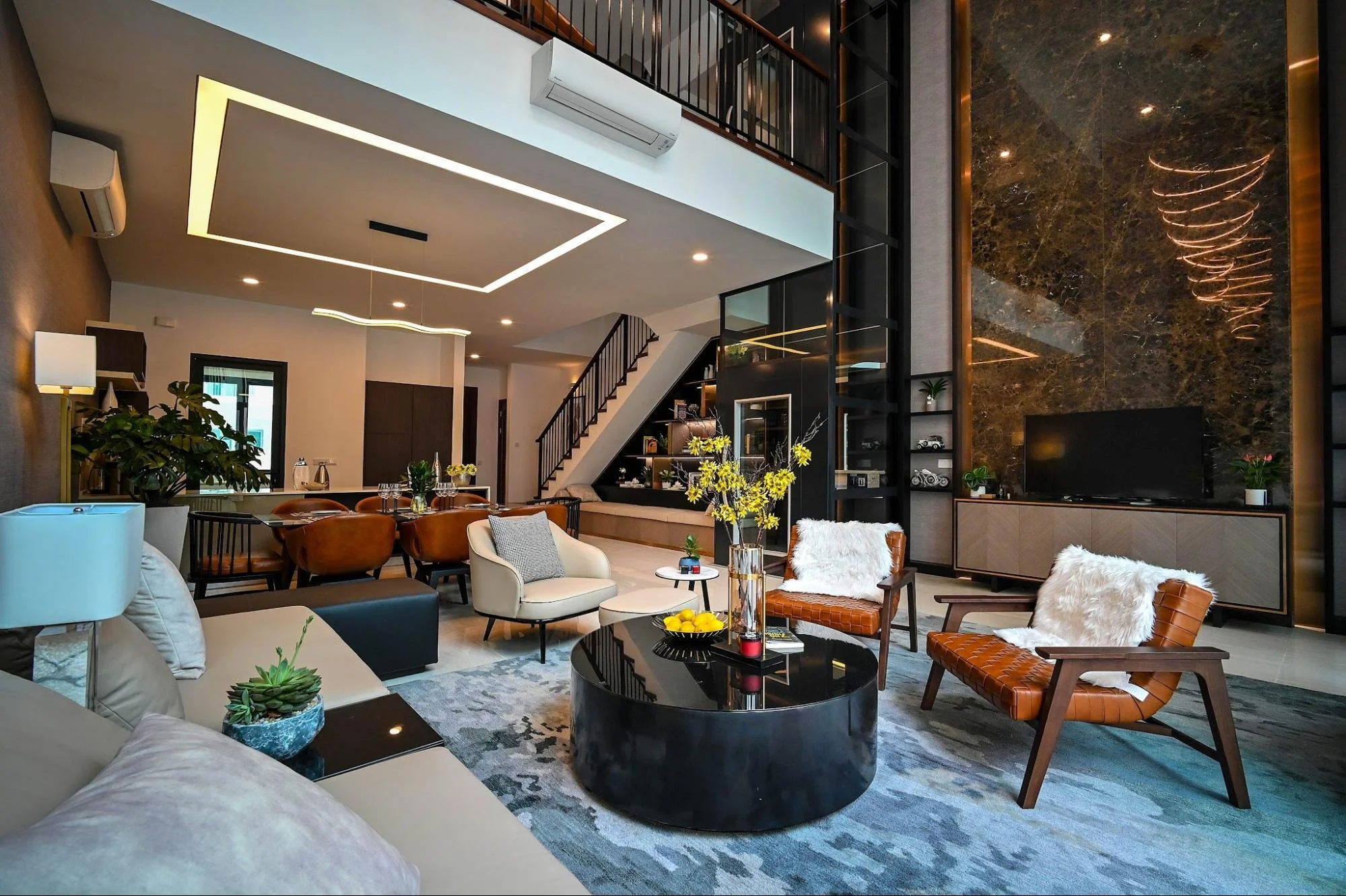
Learn how to choose the perfect skirting board style for minimalist interior design, enhancing clean lines, subtle detail, and a cohesive modern look.

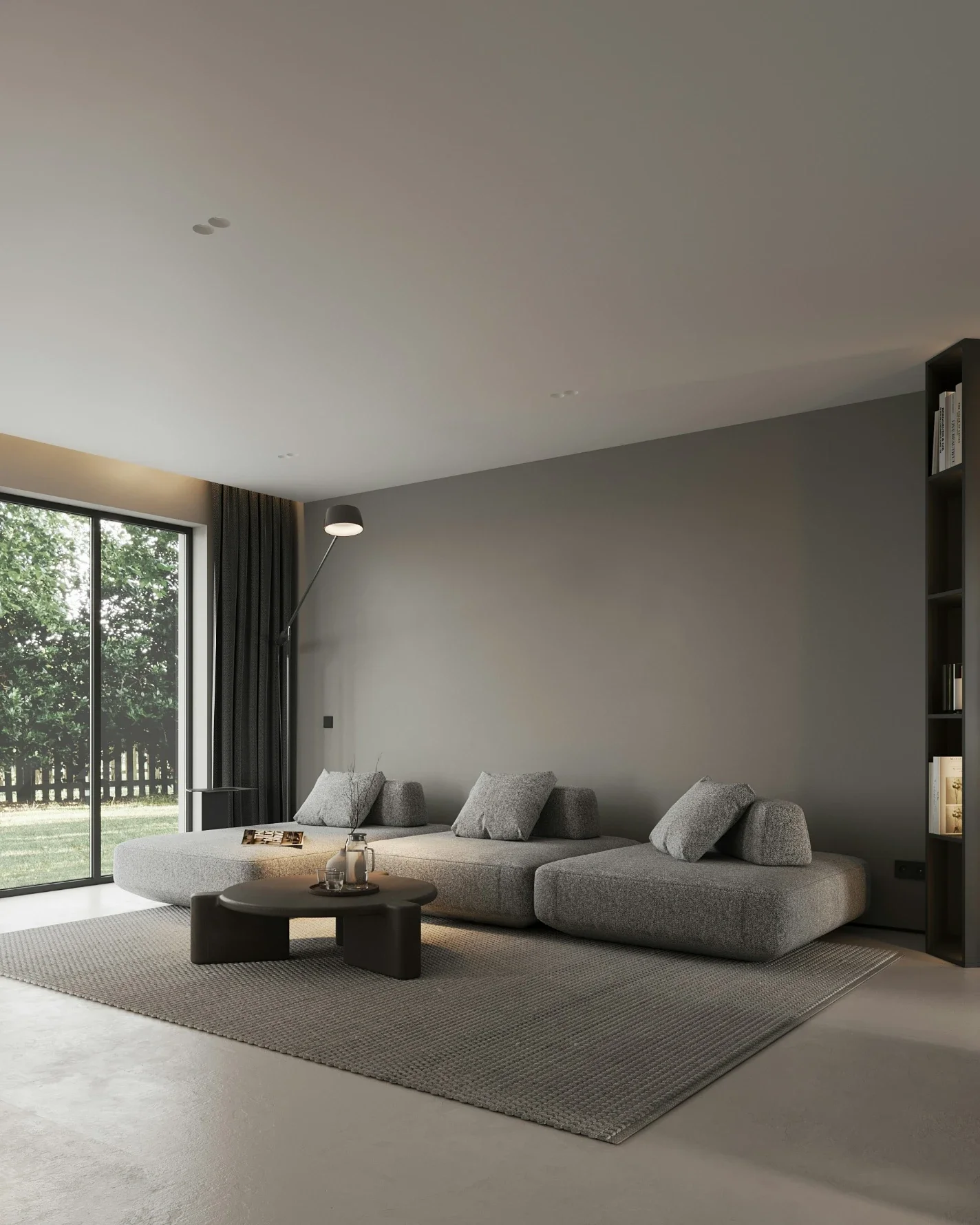
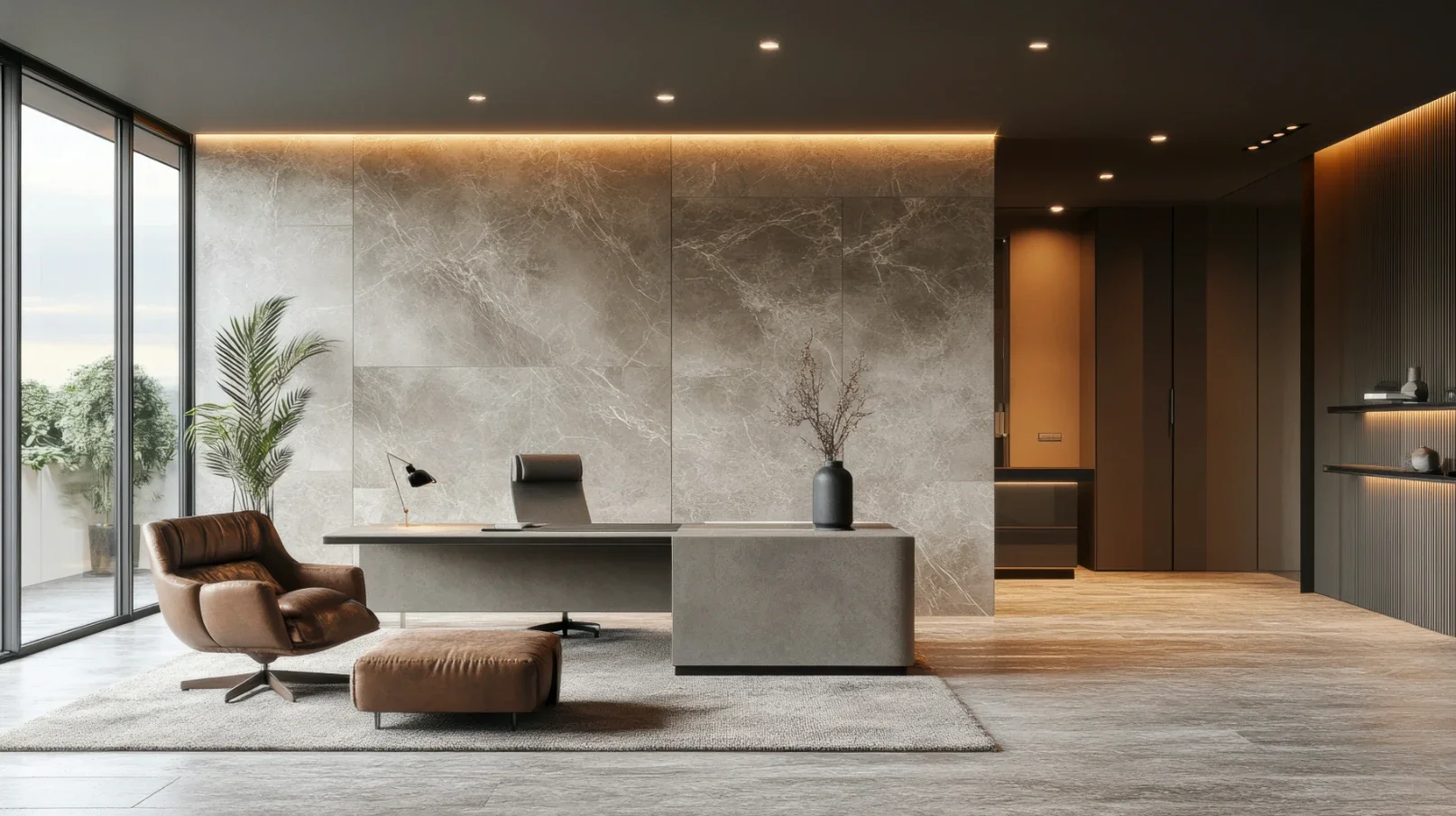
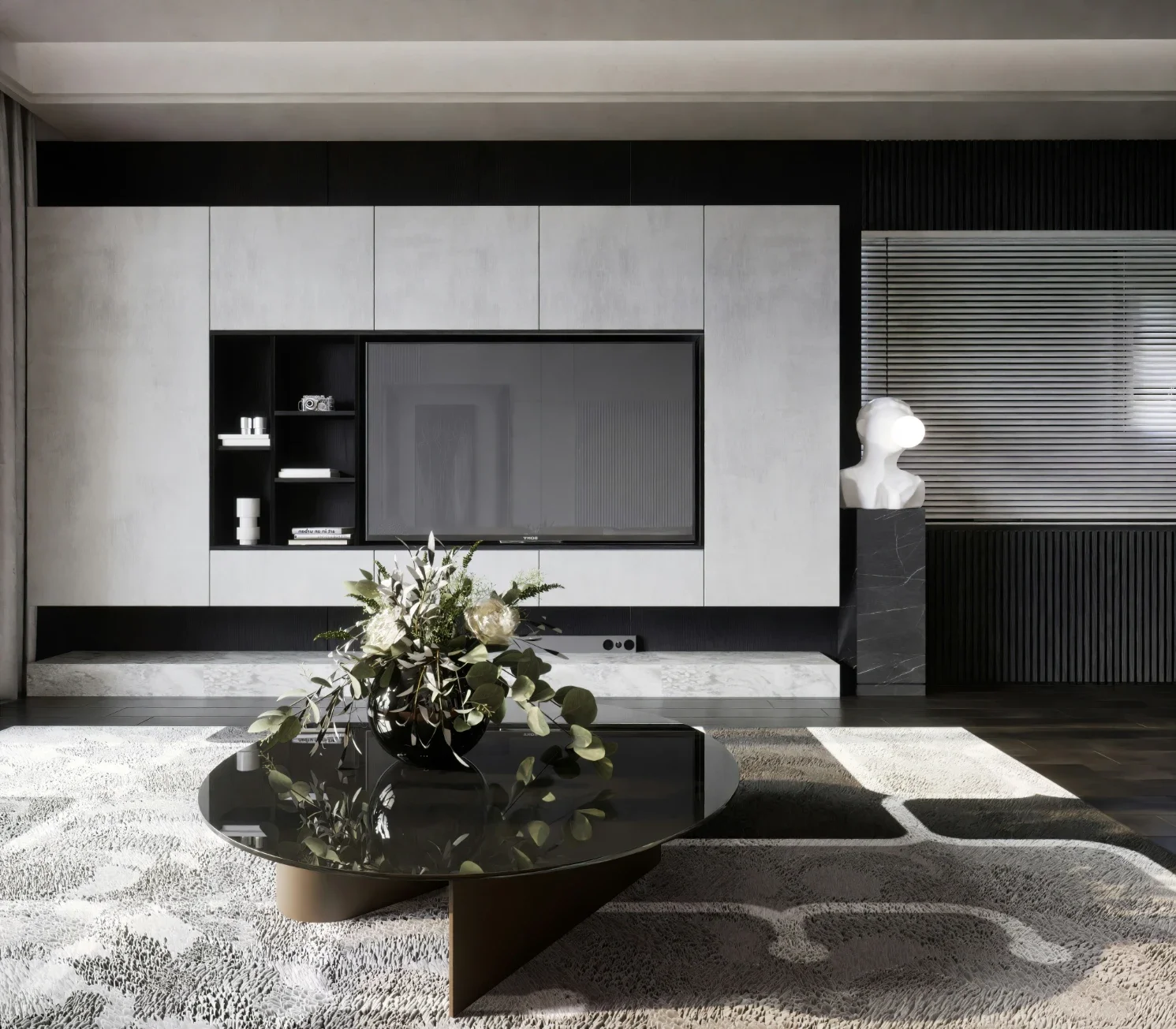
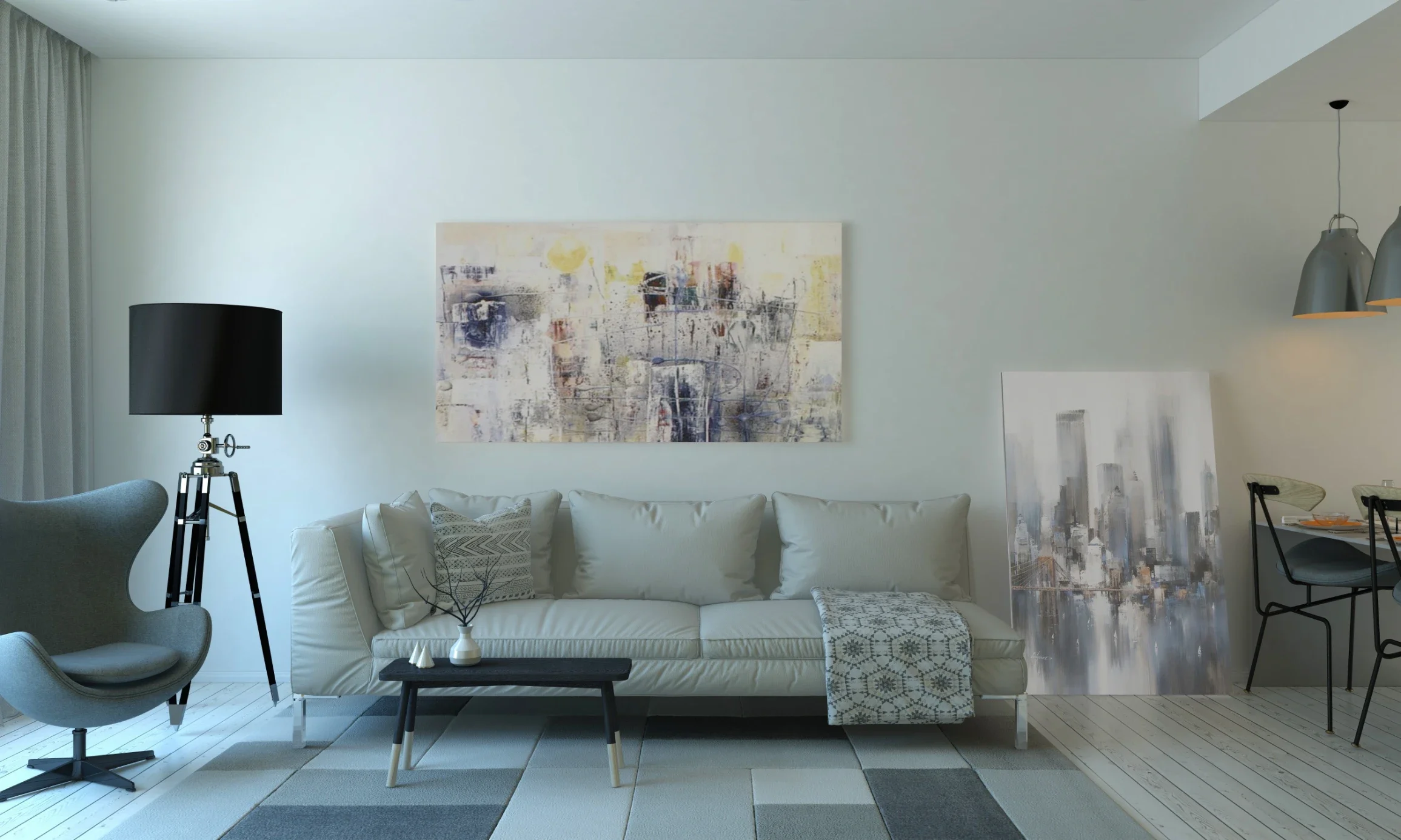
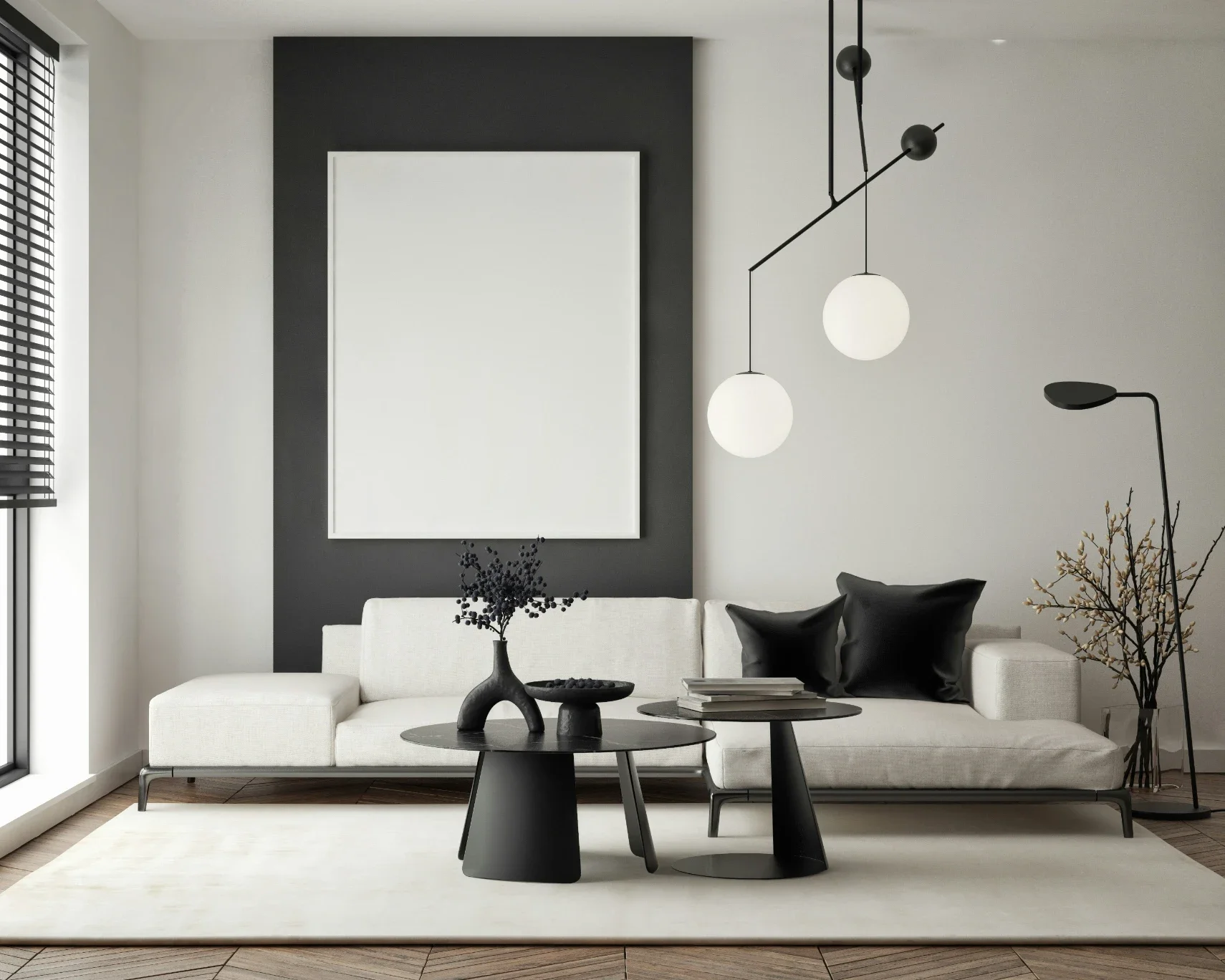
Minimalist interior design is built around simplicity, clean lines, and a focus on functional beauty. Every element within the space should contribute to a balanced and uncluttered environment. While furniture and color schemes often take center stage, architectural details also play an important role in maintaining the minimalist aesthetic. One such detail is the skirting board, which helps create a clean transition between walls and flooring.
Choosing the right skirting board style can enhance the elegance of a minimalist space while maintaining the simplicity that defines this design approach.
The Importance of Subtle Architectural Details
Minimalist interiors rely heavily on carefully chosen details rather than decorative excess. Elements such as trim, wall edges, and flooring transitions help define a room's structure without overwhelming the space.
A well-chosen skirting board supports this concept by creating a neat boundary between the wall and the floor. Instead of drawing attention to itself, it quietly contributes to the room's overall balance. When selected thoughtfully, this detail can help maintain the clean and refined look that minimalist design is known for.
Choosing Simple and Clean Profiles
One of the defining features of minimalist design is the preference for simplicity. Ornate or highly decorative trim styles may feel out of place in a minimalist environment. Instead, flat or square-edge profiles tend to work best.
Simple designs allow the skirting board to blend seamlessly with the surrounding walls and flooring. Smooth surfaces and straight lines reinforce the minimalist aesthetic while keeping the focus on the room’s overall layout and natural light.
By avoiding unnecessary detailing, the design remains elegant and uncluttered.
Matching Colors With the Interior Palette
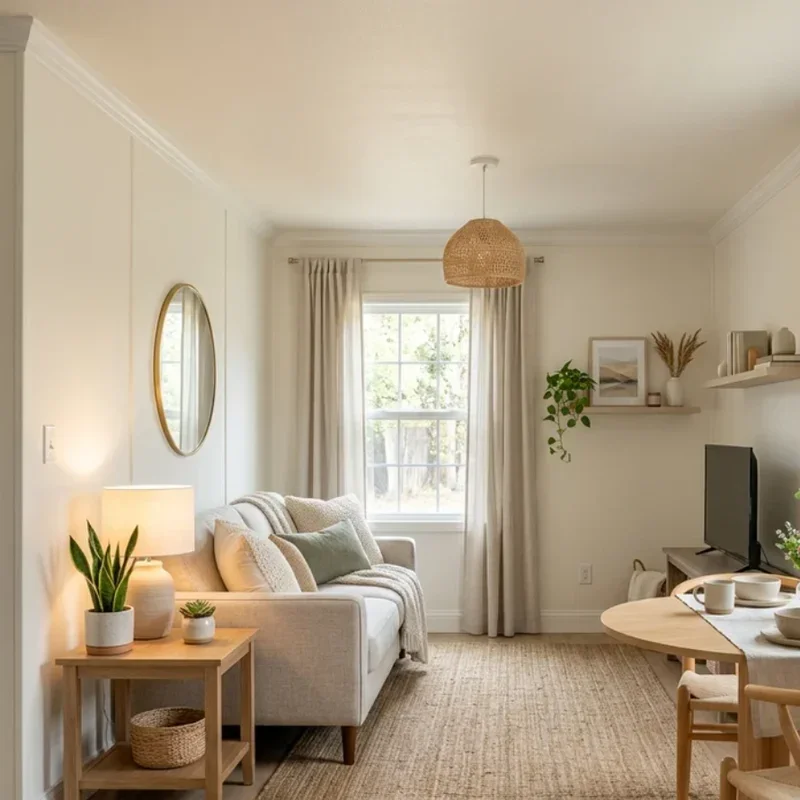
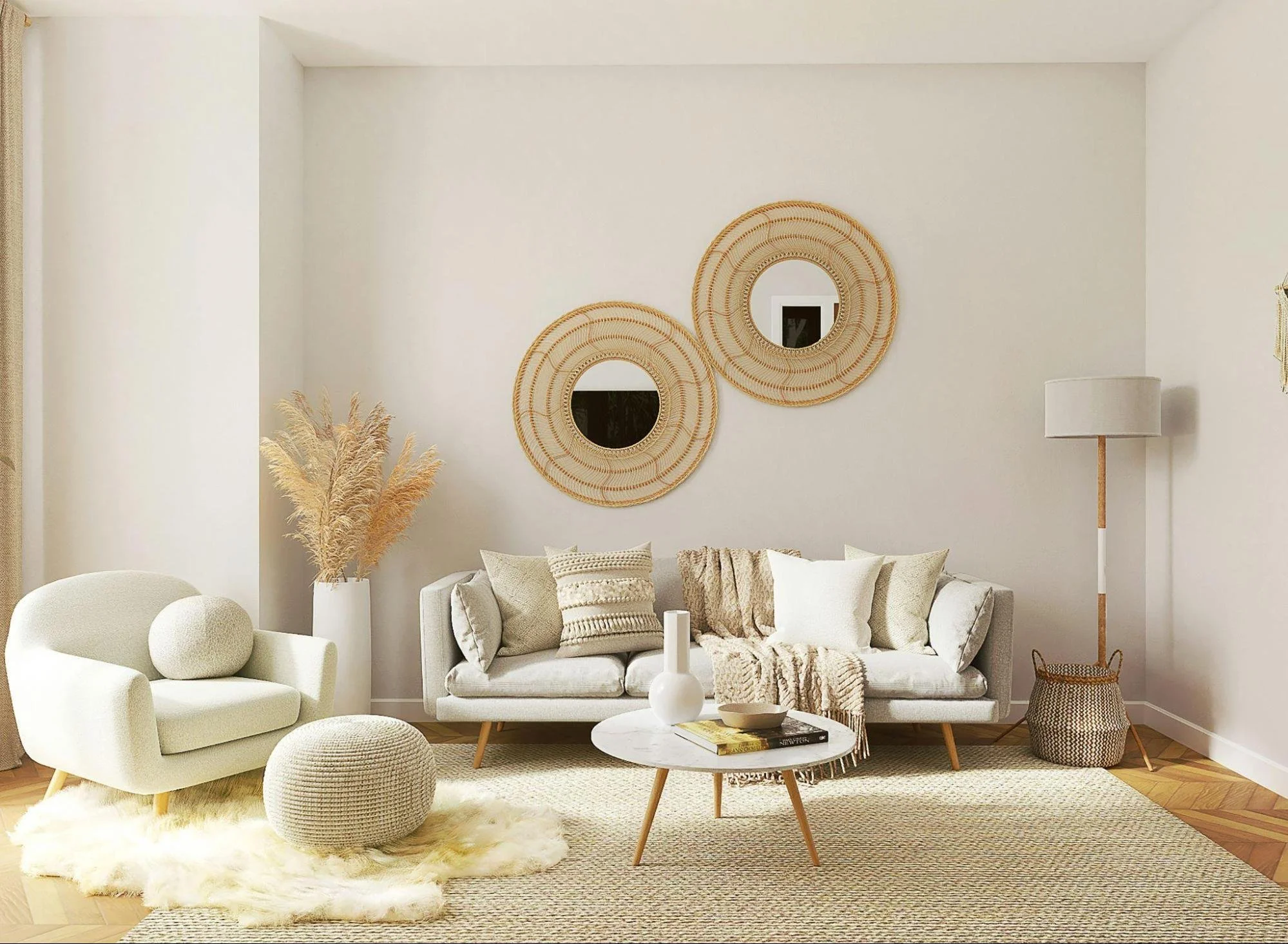
Color coordination is another important factor when selecting trim styles for minimalist spaces. Many minimalist interiors rely on neutral palettes such as white, beige, grey, or soft earth tones.
Painting the skirting boards the same color as the walls can create a seamless visual effect, making the room feel larger and more cohesive. Alternatively, subtle contrasts between the trim and flooring can help define the space without introducing strong visual distractions.
The key is to ensure the color choice supports the calm, balanced atmosphere that the minimalist design aims to achieve.
Considering Proportion and Room Size
Proportion plays a significant role in minimalist design. The size of the trim should complement the dimensions of the room rather than dominate it.
In smaller rooms, slimmer trim designs help maintain a light and open appearance. In larger spaces with higher ceilings, slightly taller trim can add structure without disrupting the design's simplicity.
Selecting the right proportions ensures that architectural details remain subtle yet effective within the overall layout.
Creating a Cohesive Minimalist Interior
Minimalist design is not about removing every detail from a space; it is about choosing the right details that support simplicity and functionality. Even small architectural elements can influence how a room feels and how well its design comes together.
By selecting a simple and well-proportioned skirting board style, homeowners can maintain clean lines, protect walls, and enhance the overall finish of their interiors. When combined with thoughtful furniture choices and a balanced color palette, these subtle details help create a calm, refined environment that reflects the true essence of minimalist design.
Stay up to date with our latest ideas!