Austin Interior Design Trends Shaping Luxury Homes in 2026
Explore Austin interior design trends shaping luxury homes in 2026, from sustainable materials and bold textures to smart technology and refined layouts.
Austin continues to grow, and so do the expectations of homeowners building or renovating here. Luxury homes in 2026 are not just larger or more detailed. They are more thoughtful. Every layout choice, finish, and furnishing decision supports how the family lives day to day.
Design is no longer about picking a style and filling rooms with beautiful pieces. It is about shaping the structure of the home, guiding construction decisions early, and carrying that vision through to the final layer of furnishings. Here are the trends shaping luxury homes across Austin this year.
Architecture Led Interiors
One of the biggest shifts in Austin is the move toward interiors that begin with architecture. Instead of decorating a finished shell, designers are involved from the planning stage. They create layouts, refine room proportions, and plan lighting and plumbing before construction begins.
This approach leads to homes that feel balanced and intentional. Ceilings align with millwork. Windows frame views with purpose. Kitchens flow naturally into living spaces without awkward transitions.
For homeowners building a new property or planning a full remodel, bringing in a luxury interior designer early allows the entire home to feel cohesive. It also avoids expensive changes later.
Warm Modernism With Texas Character
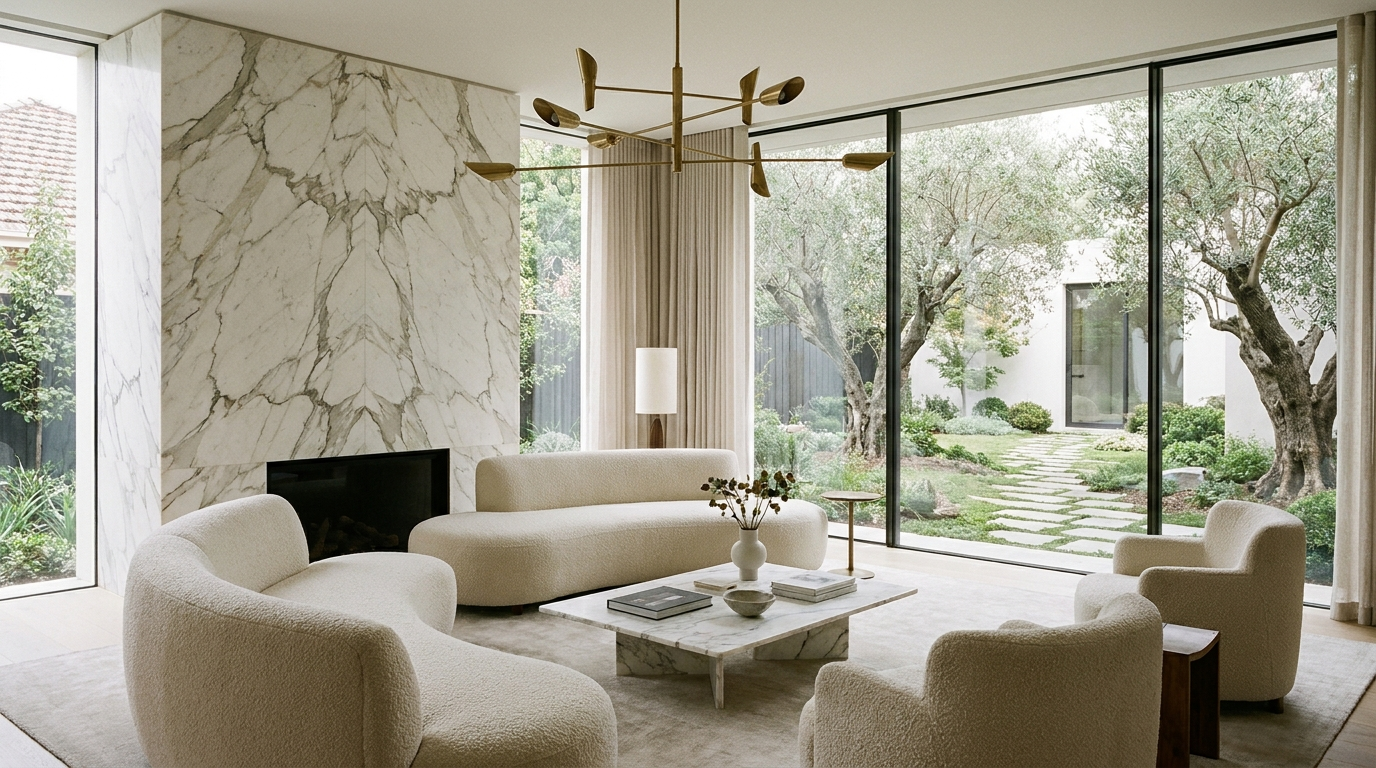
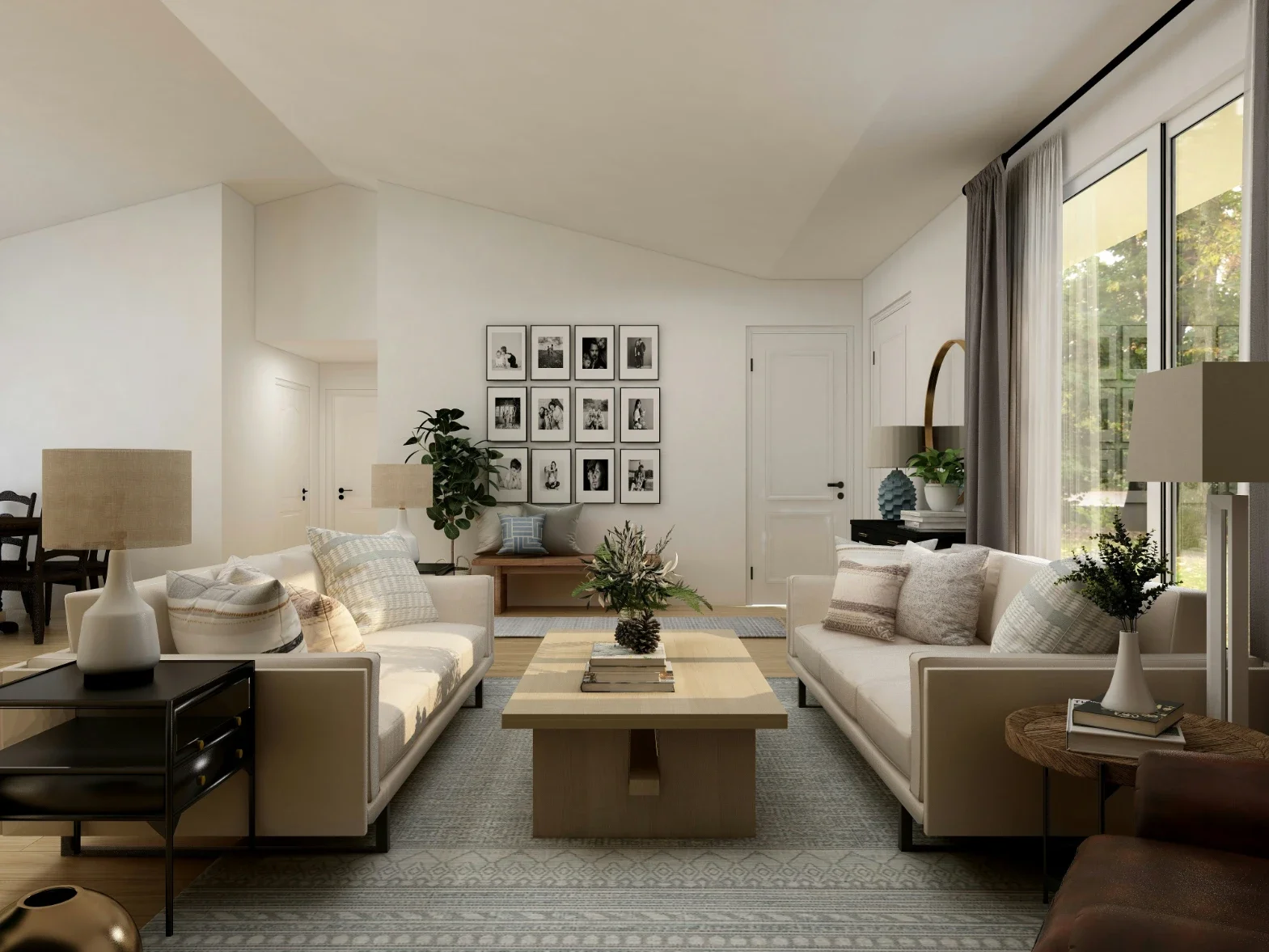
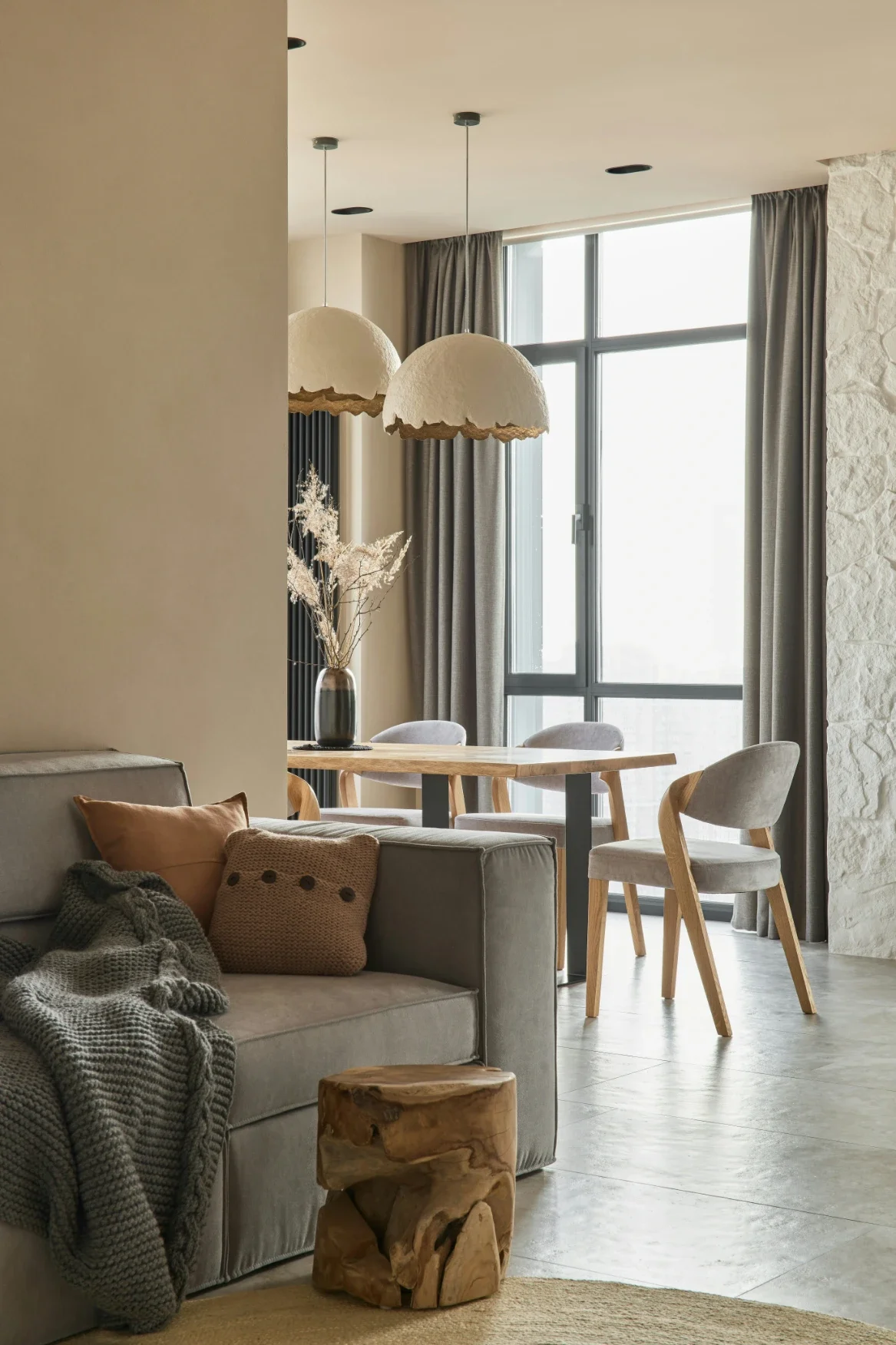
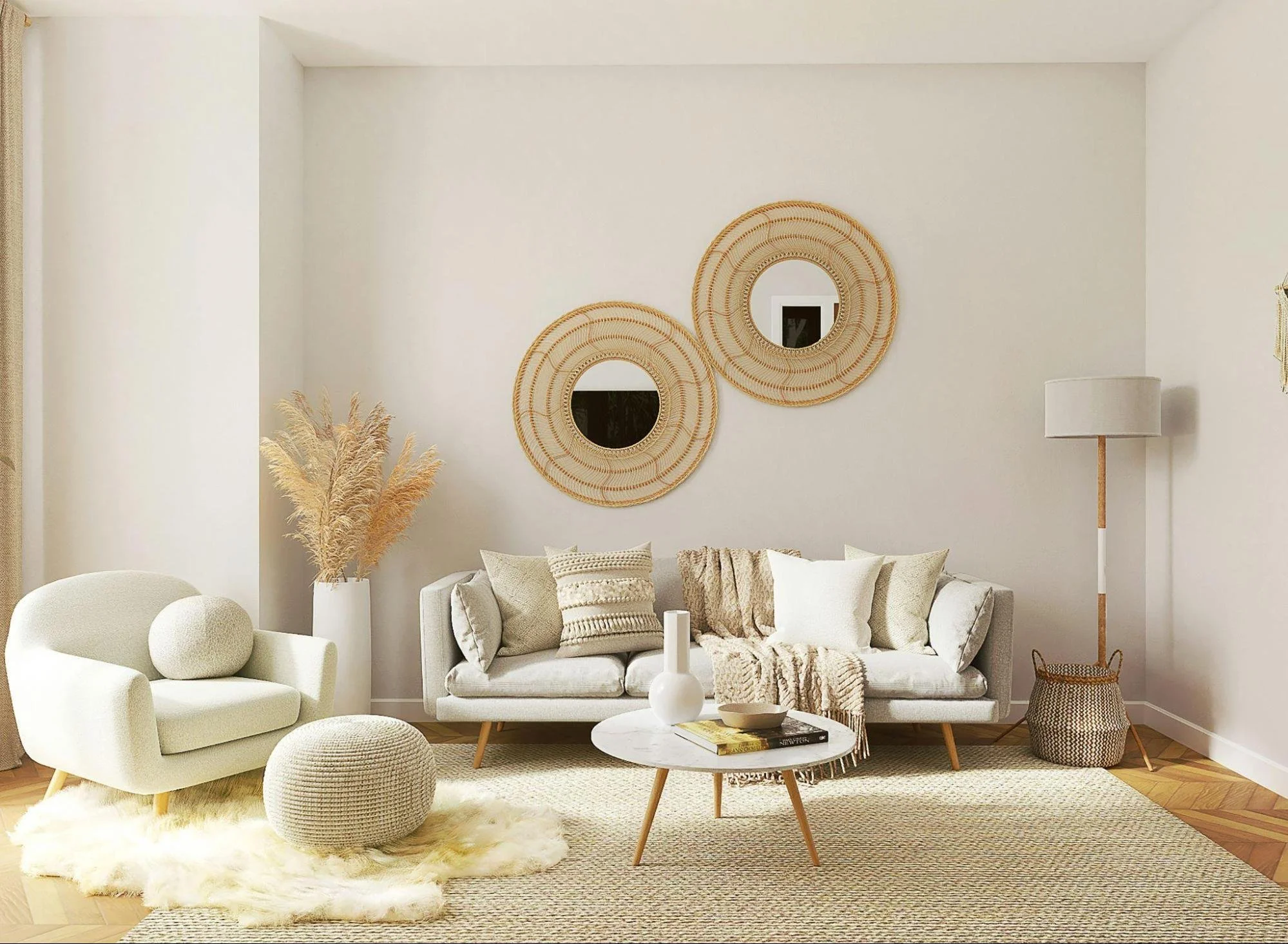
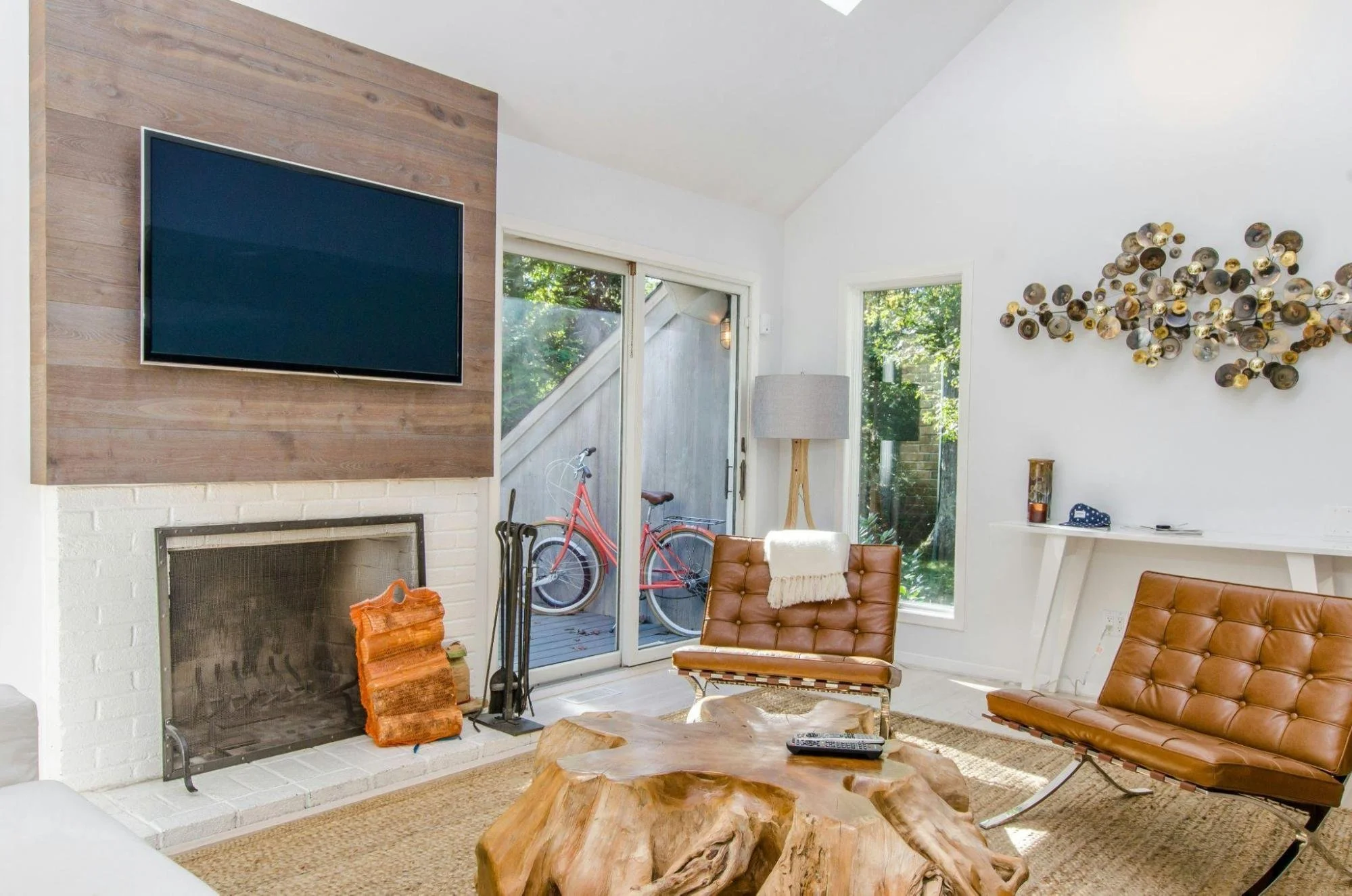
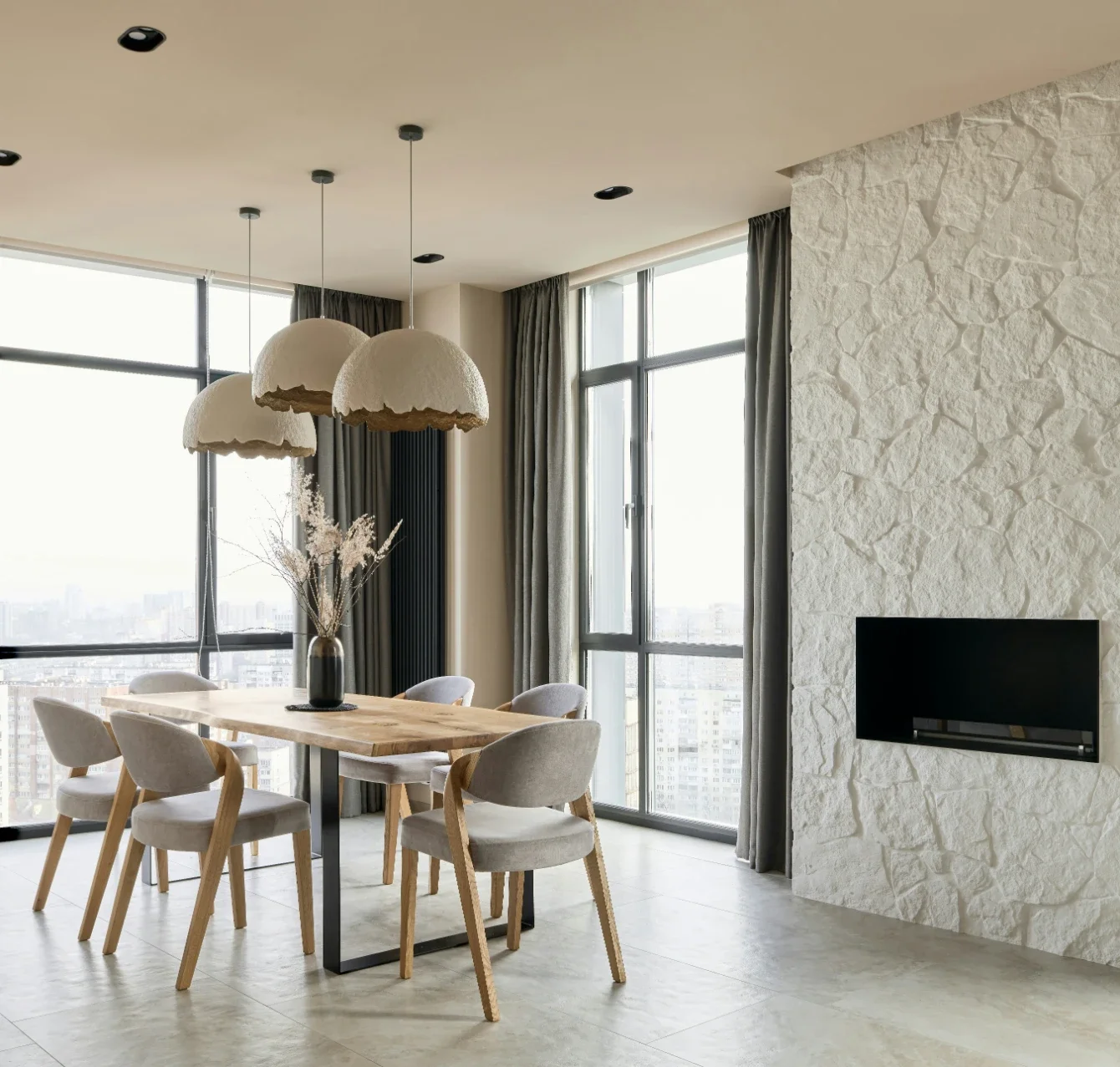
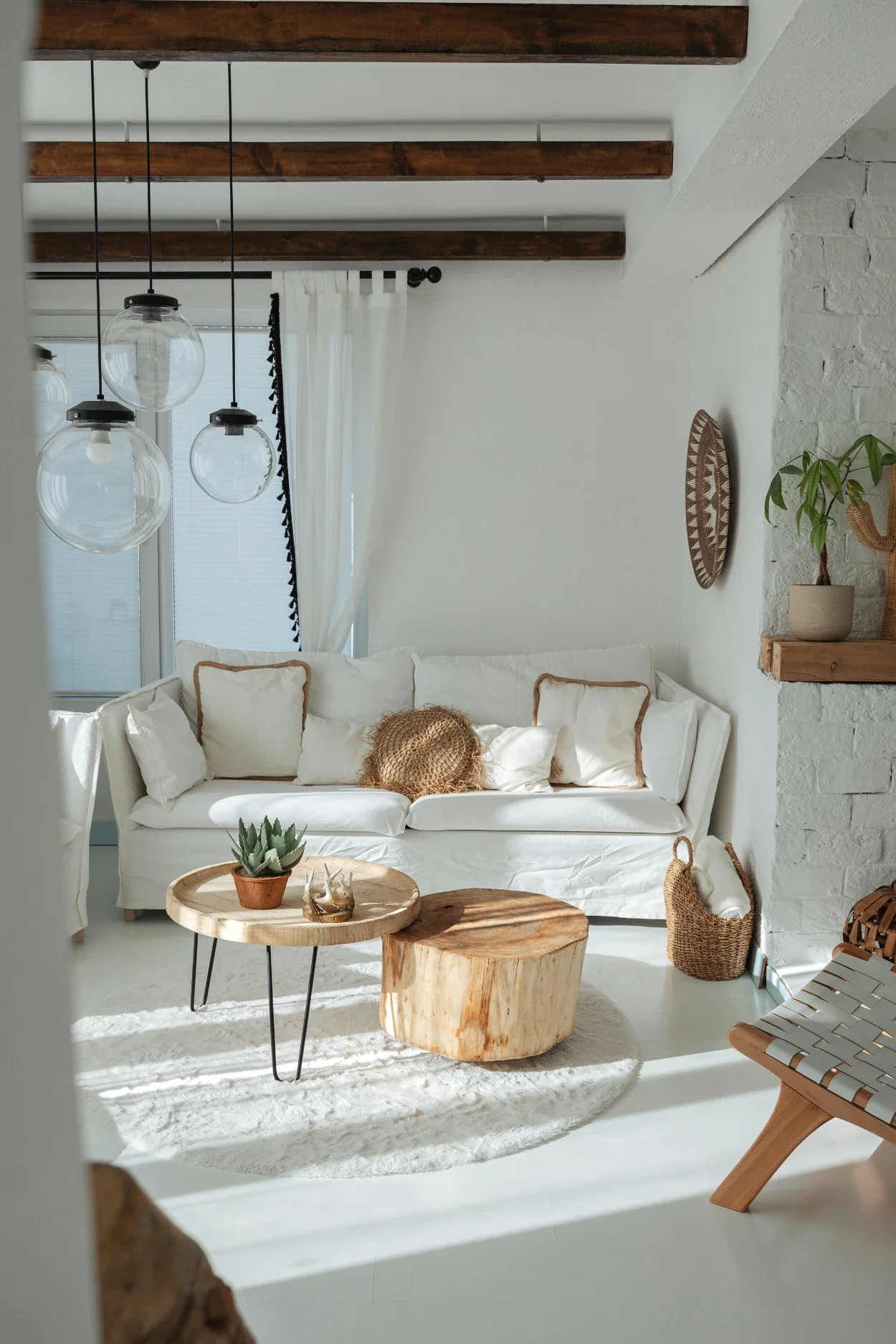
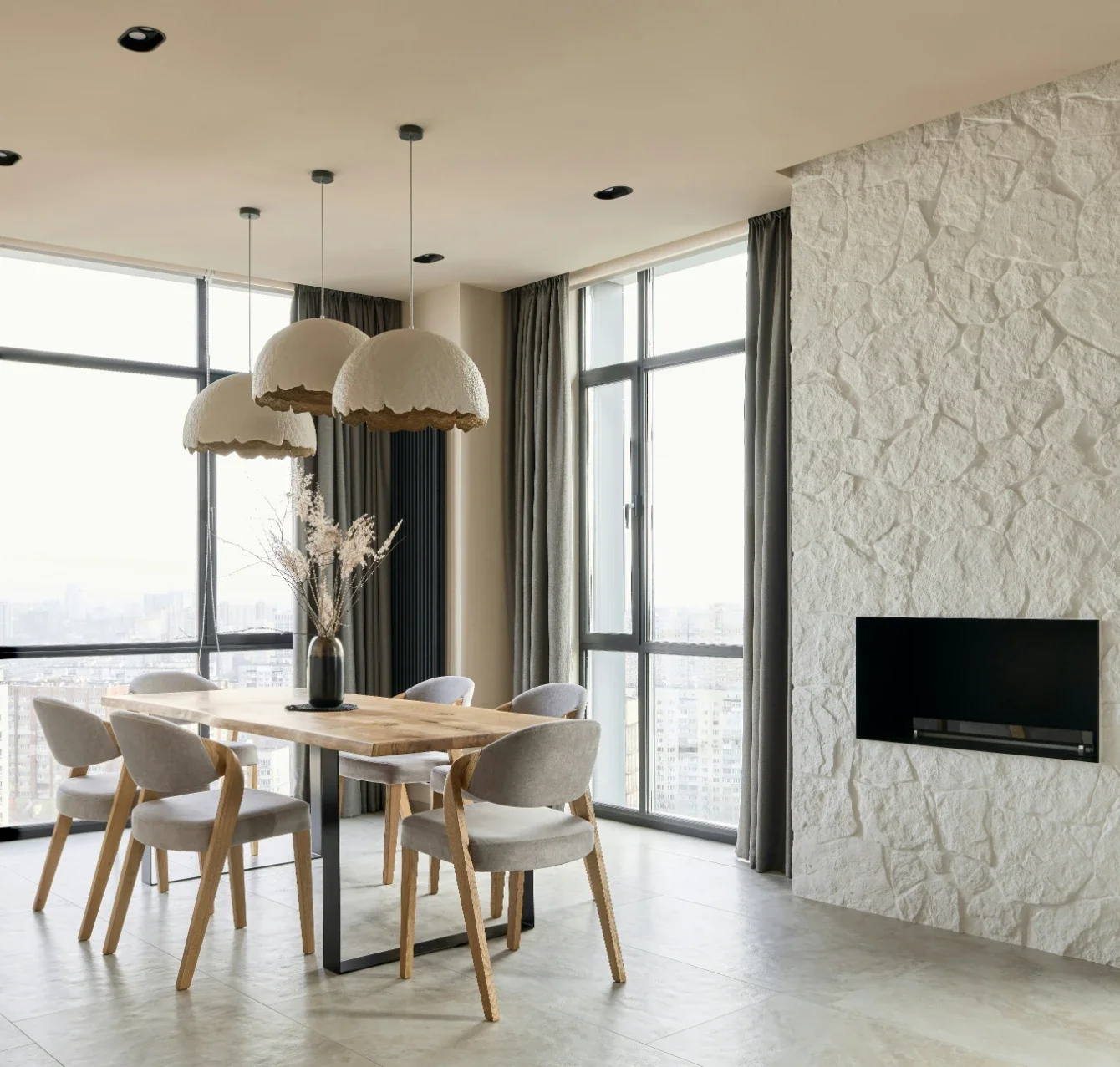
Clean lines remain popular, but Austin homeowners are asking for warmth. In 2026, we see modern homes layered with natural stone, warm woods, plaster finishes, and soft textiles.
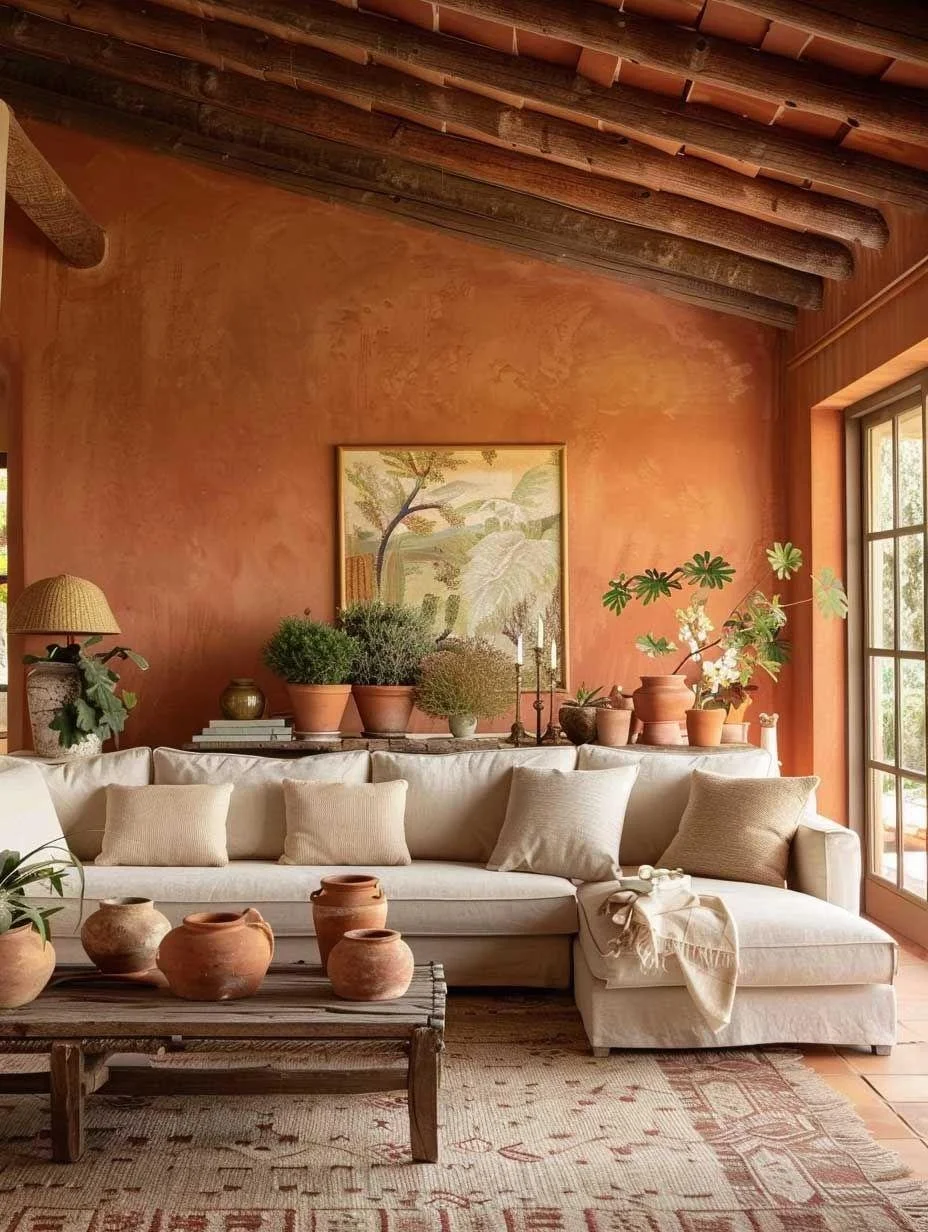
Ranches and large estates are embracing materials that reflect the Texas landscape. Limestone, white oak, and handmade tile add depth without feeling heavy. Even contemporary homes are stepping away from stark white palettes in favor of soft neutrals and earthy tones.
The result is a modern home that feels welcoming rather than formal.
Dedicated Spaces for Real Living
Open concept layouts are still valued, but they are being refined. Families want defined areas for work, wellness, and entertainment.
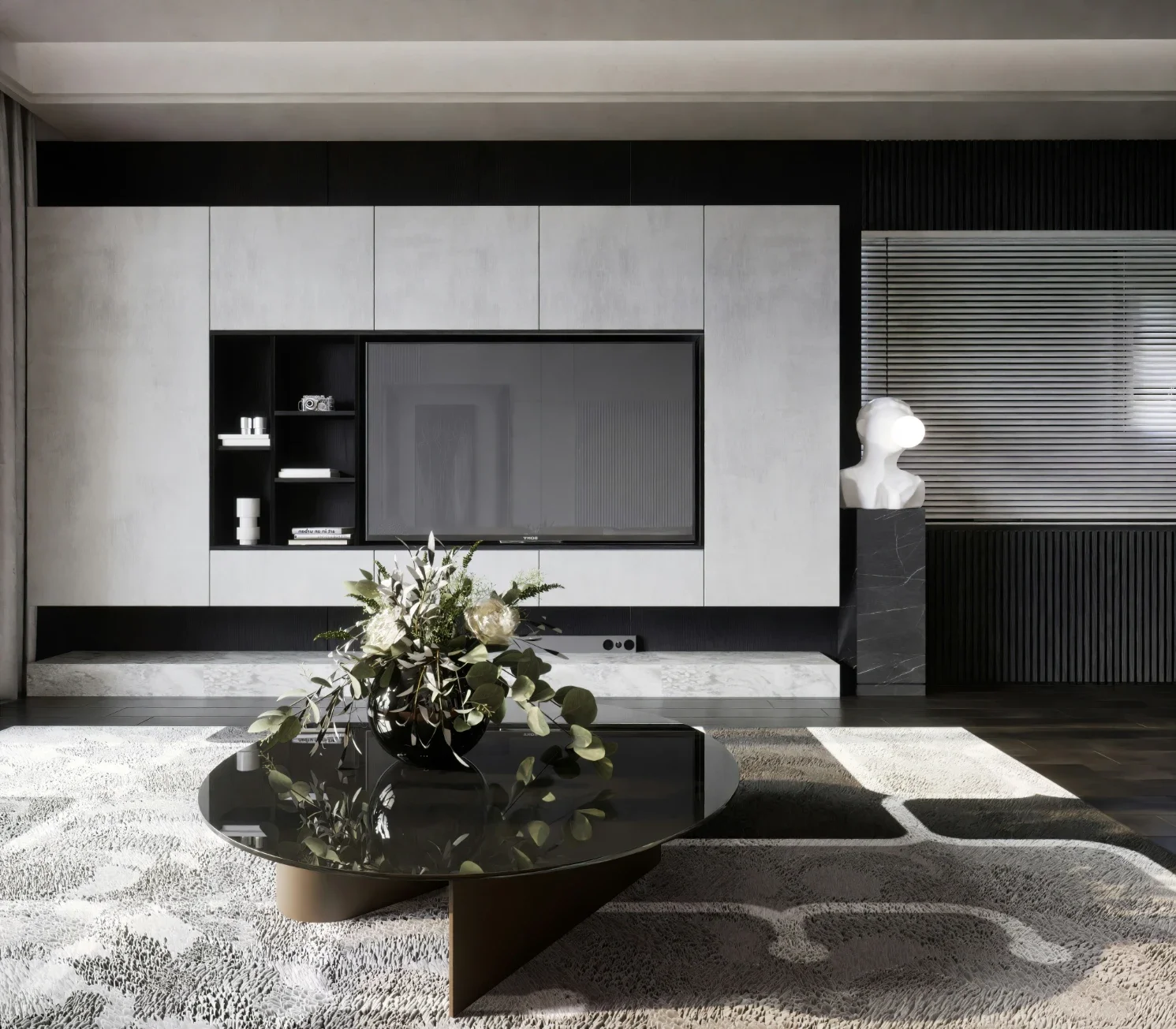
Private studies with custom millwork are in demand, especially as more homeowners work from home. Fitness rooms, wine rooms, and media lounges are designed as permanent features rather than afterthoughts.
These spaces require detailed planning. Electrical layouts, built-in cabinetry, and lighting schemes must support how the room will actually function. That level of detail only happens when design is approached as a whole-home process rather than a single-room update.
Layered Lighting Plans
Lighting is no longer a final step. In luxury homes, it is planned alongside architectural drawings.
A layered lighting plan includes recessed lighting, decorative fixtures, accent lighting, and natural light control. In Austin, where sunlight is strong for much of the year, thoughtful window treatments and shading systems are also part of the design conversation.
The goal is flexibility. A living room should feel bright and open during the day, then calm and intimate at night. That transformation happens through careful planning, not last-minute fixture selections.
Kitchens as Statement Spaces
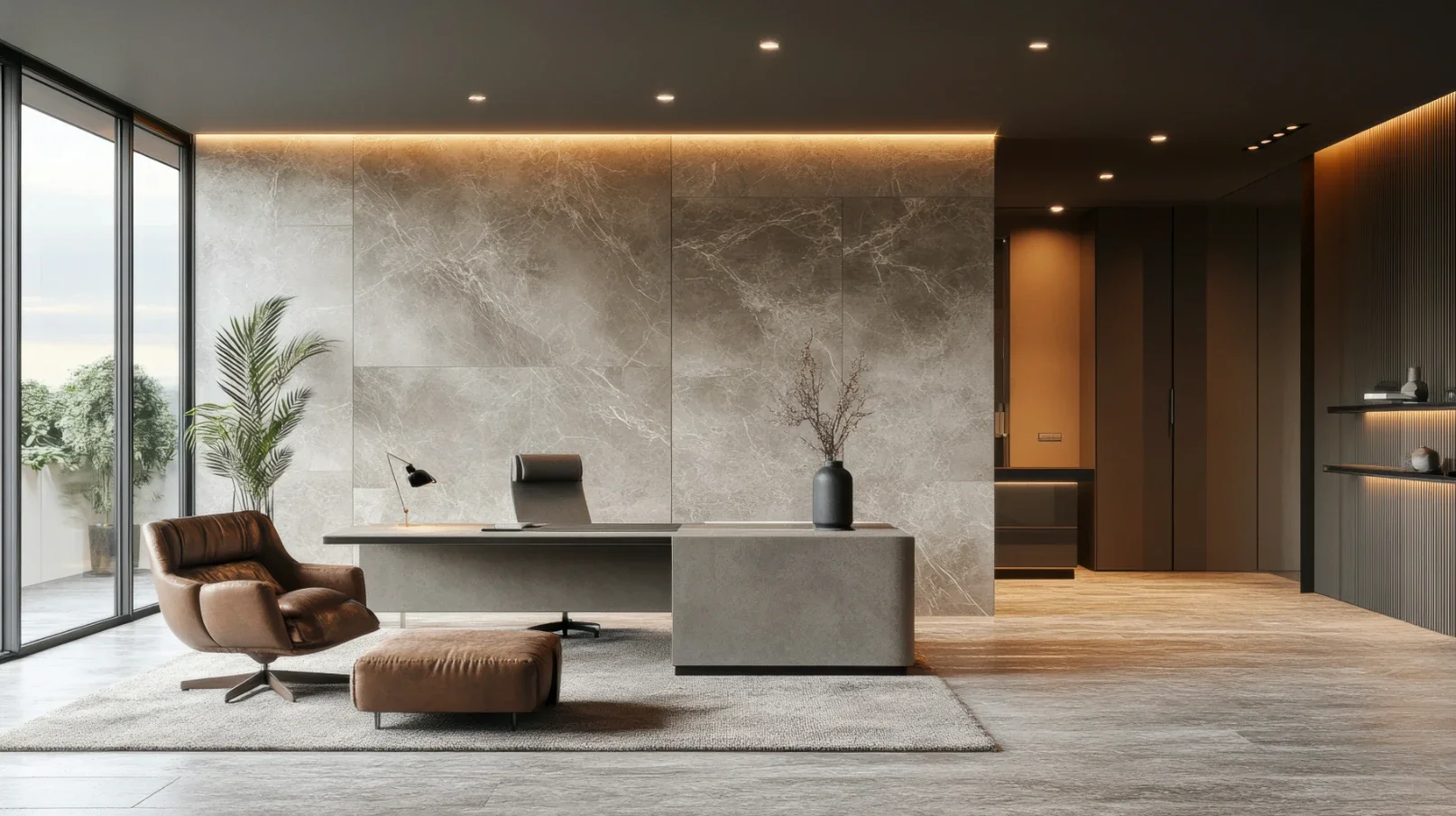
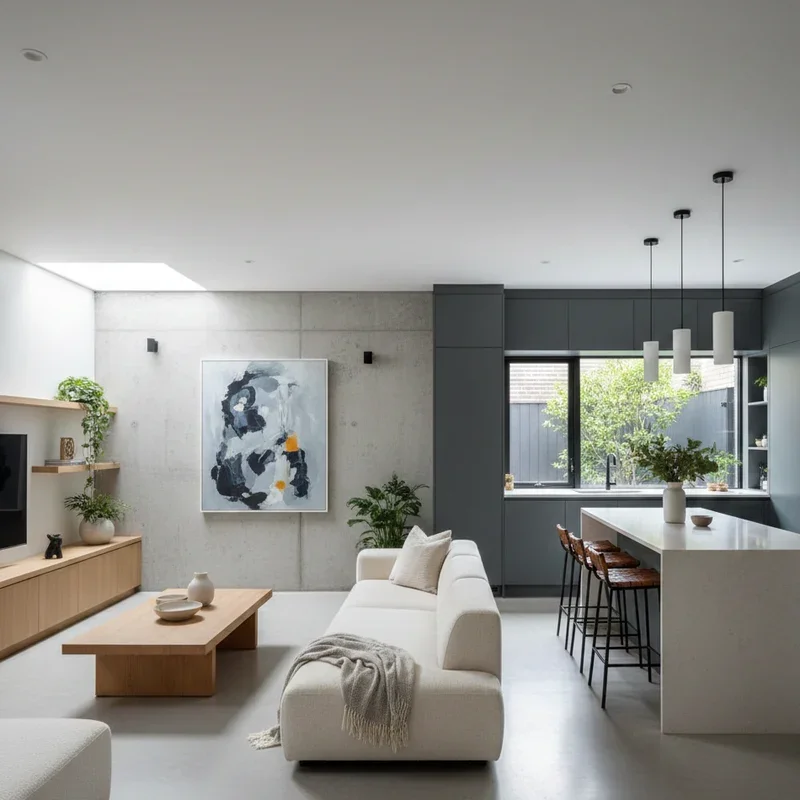
Kitchens continue to anchor the home, but in 2026 they are more refined. Custom cabinetry, stone slabs with dramatic veining, and concealed appliances are common requests.
Large islands remain popular, yet their design is more considered. Seating, storage, and circulation are studied closely. Adjacent prep kitchens or sculleries are also appearing in larger homes, keeping the main kitchen clean and composed during gatherings.
Because kitchens require coordination between cabinetry, plumbing, appliances, and finishes, they benefit from a full-service residential interior design approach that guides every detail from start to finish.
Furnishings That Reflect a Collected Life
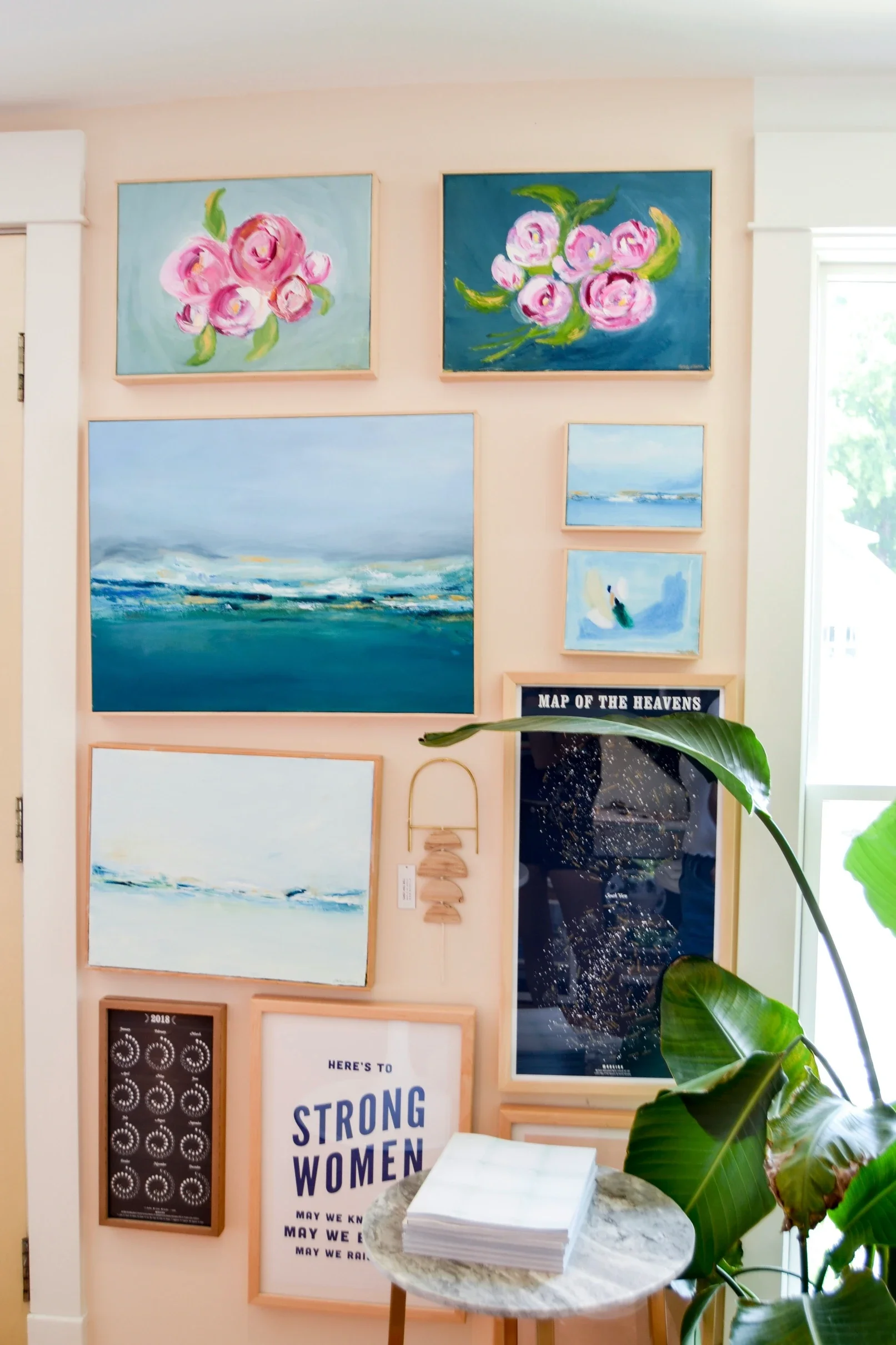
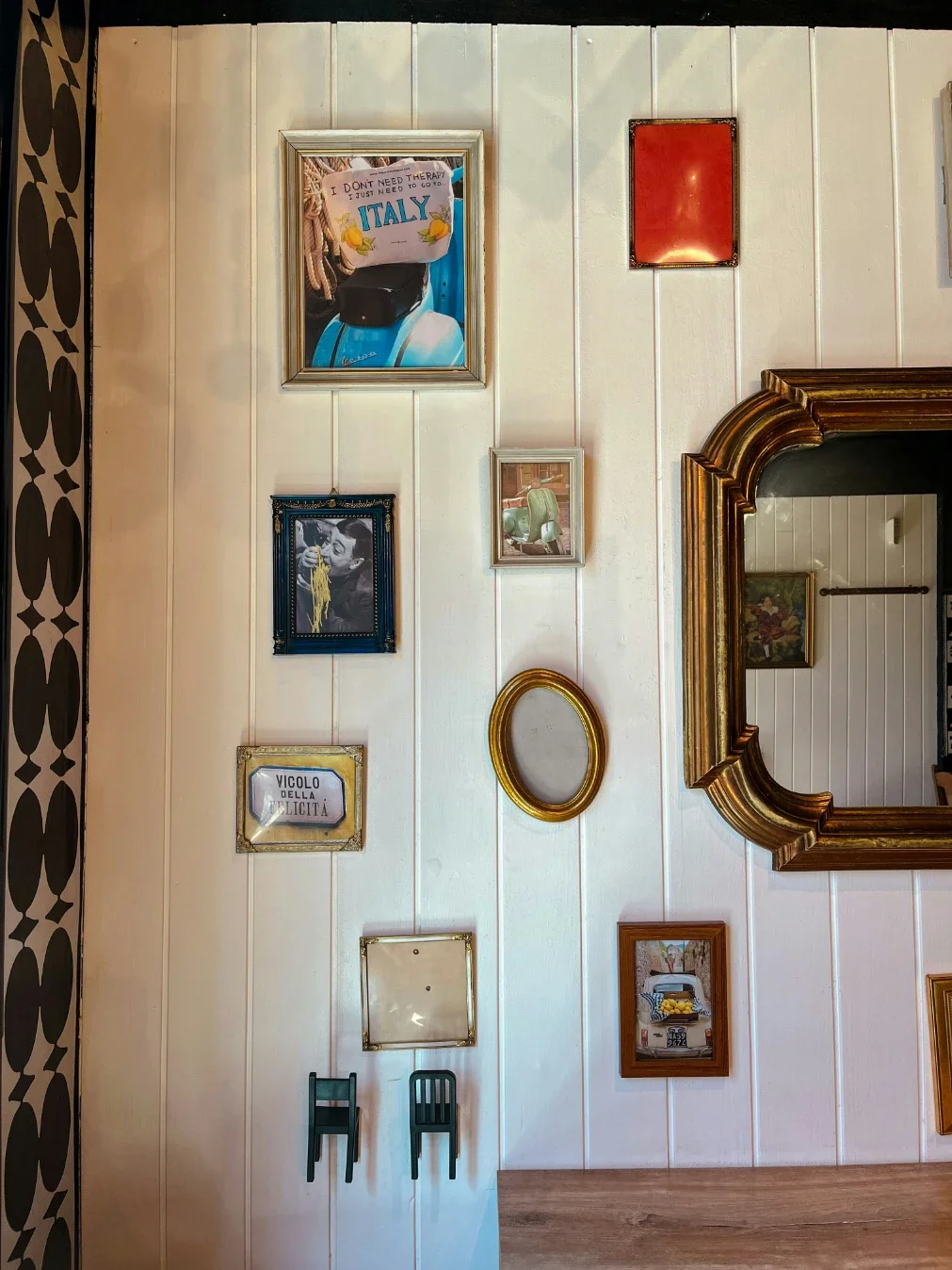
In Austin’s luxury market, furnishings are rarely pulled from a showroom floor and placed in a room. Homeowners are looking for custom pieces, unique textiles, and art that reflects their travels and personal stories.
Scale plays a major role. Large rooms need furnishings that match their proportions. Custom sofas, oversized rugs, and carefully selected artwork prevent spaces from feeling empty or unfinished.
This stage often takes months of planning and sourcing. It is the final layer that brings warmth and personality to a carefully designed architectural foundation.
A Focus on Long-Term Value
More homeowners are thinking about how their home will serve them for years to come. Flexible guest suites, adaptable layouts, and durable materials are top priorities.
In Austin’s competitive property market, well-designed homes also hold strong resale appeal. Buyers recognize quality millwork, thoughtful layouts, and cohesive finishes. Homes that were designed as a complete vision stand apart from those updated one room at a time.
For homeowners considering a major remodel or new build, 2026 is reinforcing one clear message. Luxury design is not about quick updates or isolated rooms. It is about shaping an entire home with intention, from architectural plans to the final furnishing detail.
In a city known for growth and creativity, Austin’s most impressive homes are the ones where every layer works together.
Stay up to date with our latest ideas!