Modern Roofing Materials are Transforming Home Curb Appeal and Long-term Durability
As extreme weather tests household durability, suburban homeowners are turning to resilient architectural roofing systems that elevate exterior curb appeal.

As extreme weather tests household durability, suburban homeowners are turning to resilient architectural roofing systems that elevate exterior curb appeal.
Severe storms and sudden temperature shifts put your home through relentless physical stress throughout the calendar year. You need an exterior perimeter that defends against driving rain and high winds while presenting a crisp, attractive profile to anyone pulling up to your driveway.
Upgrading your roof provides the direct balance between high-grade weather protection and architectural elegance. Selecting modern engineered materials lets you safeguard your equity while transforming your property into a striking focal point on the block.
How Do Modern Rooflines Elevate Property Market Value?
Appraisers evaluate your roofline the moment they arrive at your curb. A sagging ridge or discolored shingles instantly signals deferred maintenance, which prompts buyers to discount their initial offers.
Clean roof pitches pair with modern siding profiles to give older suburban structures a complete visual refresh. Upgraded architectural lines communicate structural integrity to prospective buyers before they walk through your front door.
Real estate agents understand that curb appeal drives strong opening bids in competitive housing markets. Investing in dimensional profiles gives your home a commanding visual stance that separates it from standard track-built houses.
Why Are Standing Seam Metal Panels Dominating Neighborhoods?
Metal systems have moved from rural barns directly into premier suburban developments. Concealed fasteners keep moisture away from structural wood decking while delivering crisp vertical lines that complement contemporary architecture.
Data from the Metal Roofing Alliance reveals that engineered metal packages achieve an operational lifespan between 40 and 70 years while withstanding wind gusts reaching 140 miles per hour. That endurance eliminates the cycle of premature shingle replacements that frustrates so many property owners. You gain decades of reliable coverage with minimal exterior maintenance requirements.
Durable factory coatings protect the underlying steel from chalking, oxidation, and fading under relentless summer sun. These interlocking standing seams create a continuous barrier that blocks blowing debris during severe seasonal storms. You invest once and protect your home for generations of occupancy.
Compare Lifespan Realities Across Popular Shingle Materials
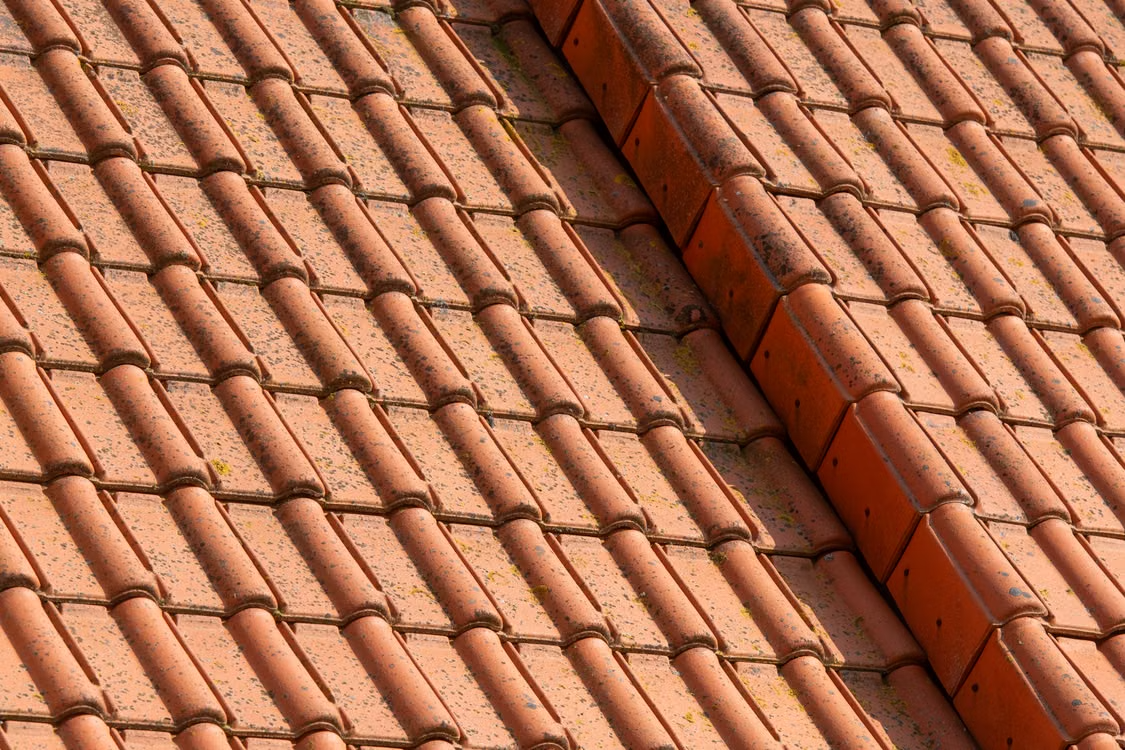
Every shingle material brings distinct structural traits and longevity expectations to your home exterior. Standard asphalt shingles remain a popular baseline option, offering 20 to 25 years of service when installed over clean decking.
You must weigh raw material durability against local climate stressors before purchasing any roofing package. When you research qualified residential roofing near me options, local contractors can explain how humidity cycles and freeze events affect each surface material. Reliable installers help you calculate total ownership expenses rather than focusing solely on upfront material costs.
Standing seam panels outlast organic and composite materials by decades under severe conditions. Choosing metal or high-grade architectural laminates shields you from routine leak calls and recurring patch jobs.
How Do Reflective Surfaces Lower Daily Cooling Demands?
Dark traditional shingles absorb solar heat all afternoon and transfer radiant warmth straight into your attic space. This thermal buildup forces your air conditioning system to run continuously during peak summer hours.
Published research from the U.S. Department of Energy indicates that reflective roofing surfaces reduce outdoor deck temperatures by up to 50 degrees Fahrenheit while lowering household peak cooling demand by 10 to 15 percent.
Cool roof technology protects air handlers and ductwork installed in unconditioned attic cavities. Lower operating temperatures reduce mechanical wear on your climate control equipment. You save money on monthly energy bills while extending the operational life of your HVAC appliances.
What Critical Inspection Cues Reveal Hidden Decking Decay?
Surface shingle wear represents only a fraction of what threatens your overhead protection. Wind storms often lift outer flashing and loosen perimeter drip edges without leaving visible tears on the shingles themselves.
Testing from the Insurance Institute for Business & Home Safety shows that over 90 percent of roof failures during wind and hail events stem from perimeter edge-metal detachment or unsealed underlayment rather than shingle surface degradation. Perimeter flashing must remain tightly fastened to protect the building envelope against wind uplift.
You can detect structural decay by evaluating attic rafters after intense rainstorms. Spongy decking beneath your feet during gutter cleanouts indicates that moisture has compromised the timber substrate.
Recognize the Warning Signs Demanding a Structural Tear-Off
Patching localized shingle loss works after minor wind events, but repeated repairs often conceal extensive substrate failure. Laying new shingles over old layers traps residual moisture against the structural rafters and conceals rotting plywood.
Watch for clear physical symptoms that show your roof decking requires complete stripping:
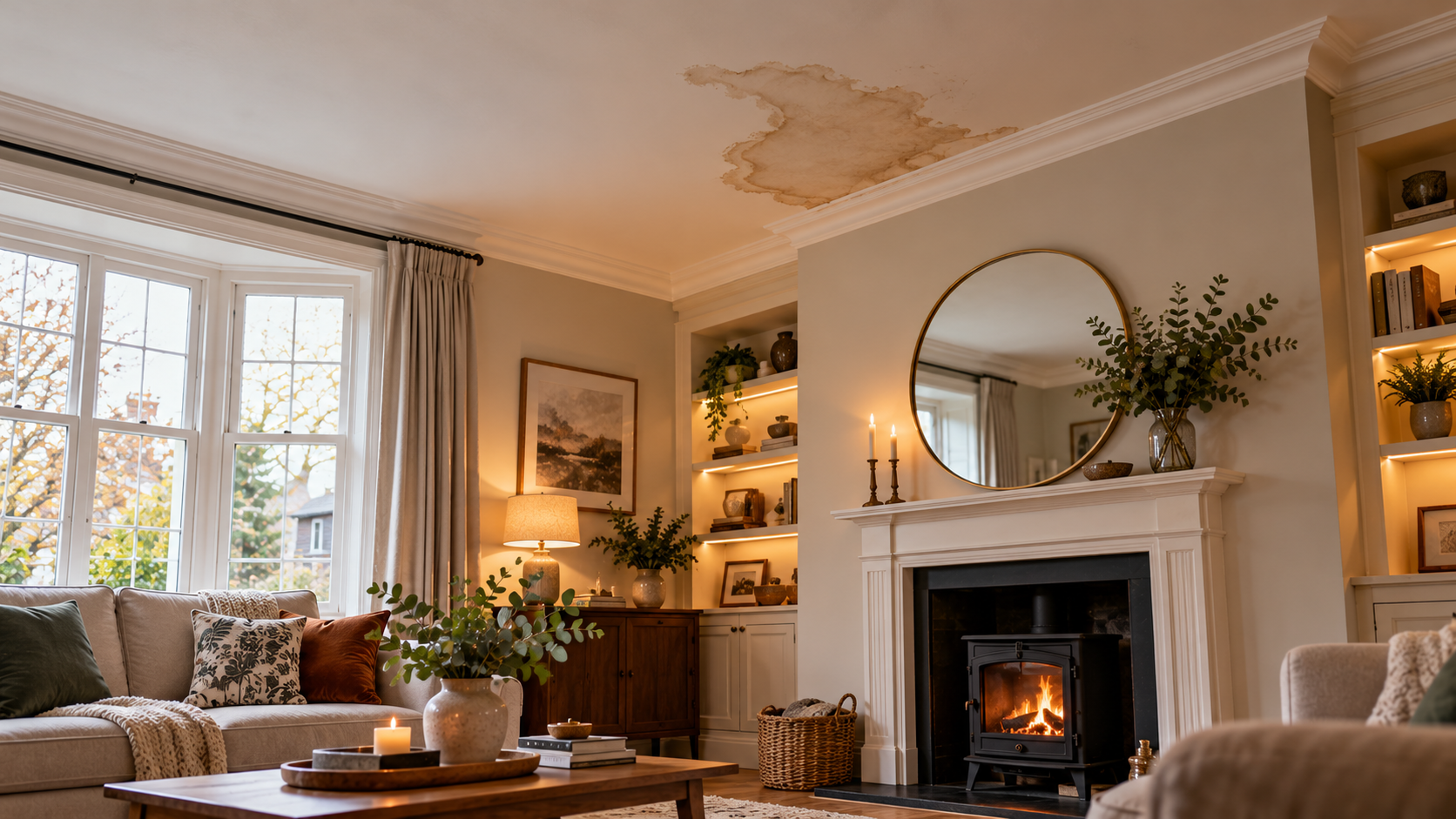
Check interior drywall: Water stains across upper ceilings indicate continuous water migration through multiple structural barriers.
Inspect roof planes: Pronounced dips between rafters point to softened plywood decking that cannot support heavy snow loads.
Examine shingle valleys: Widespread granular loss and cracked shingle valleys prove the protective waterproof barrier has broken down completely.

Protecting your home begins with recognizing that your roof is a dynamic structural barrier rather than a passive decorative shield. Investing in durable architectural materials and maintaining a consistent seasonal inspection calendar keeps your house secure against severe weather shifts.
Take decisive action at the first sign of perimeter moisture intrusion to protect your family and preserve your equity. Thoughtful roofing upgrades combine resilient weather defense with distinct visual appeal, giving you enduring pride in your property.
Stay up to date with our latest ideas!