The Psychology of Space: Why Thoughtful Interior Design Is Becoming the Ultimate Modern Luxury
Discover why thoughtful interior design is becoming a modern luxury, using psychology to enhance comfort, mood, and overall quality of life at home.

In a world that moves faster than ever, our homes are becoming more than shelter — they’re becoming emotional sanctuaries. We work, relax, recharge, and often rediscover ourselves within these walls. As a result, thoughtful interior design has emerged as one of the most meaningful modern luxuries.
It’s not defined by expensive décor or extravagant architecture, but by the quiet, intentional choices that shape how we feel every day. The psychology of space is at the heart of this shift, guiding homeowners toward environments that support wellness, clarity, creativity, and a sense of belonging.
The Emotional Blueprint Behind Great Design
At its core, interior design is shifting from a focus on trend-following to one of self-understanding. The colors we gravitate toward, the textures that comfort us, and the way rooms flow all influence our emotional experience. By embracing these psychological principles, modern design is transforming into a tool for improving the quality of life.
Every environment triggers an emotional response, whether we’re consciously aware of it or not. A cluttered room can spark anxiety, while a balanced, harmonious space can create instant calm. Good design leverages these natural responses, shaping interiors that enhance well-being rather than compete with it.
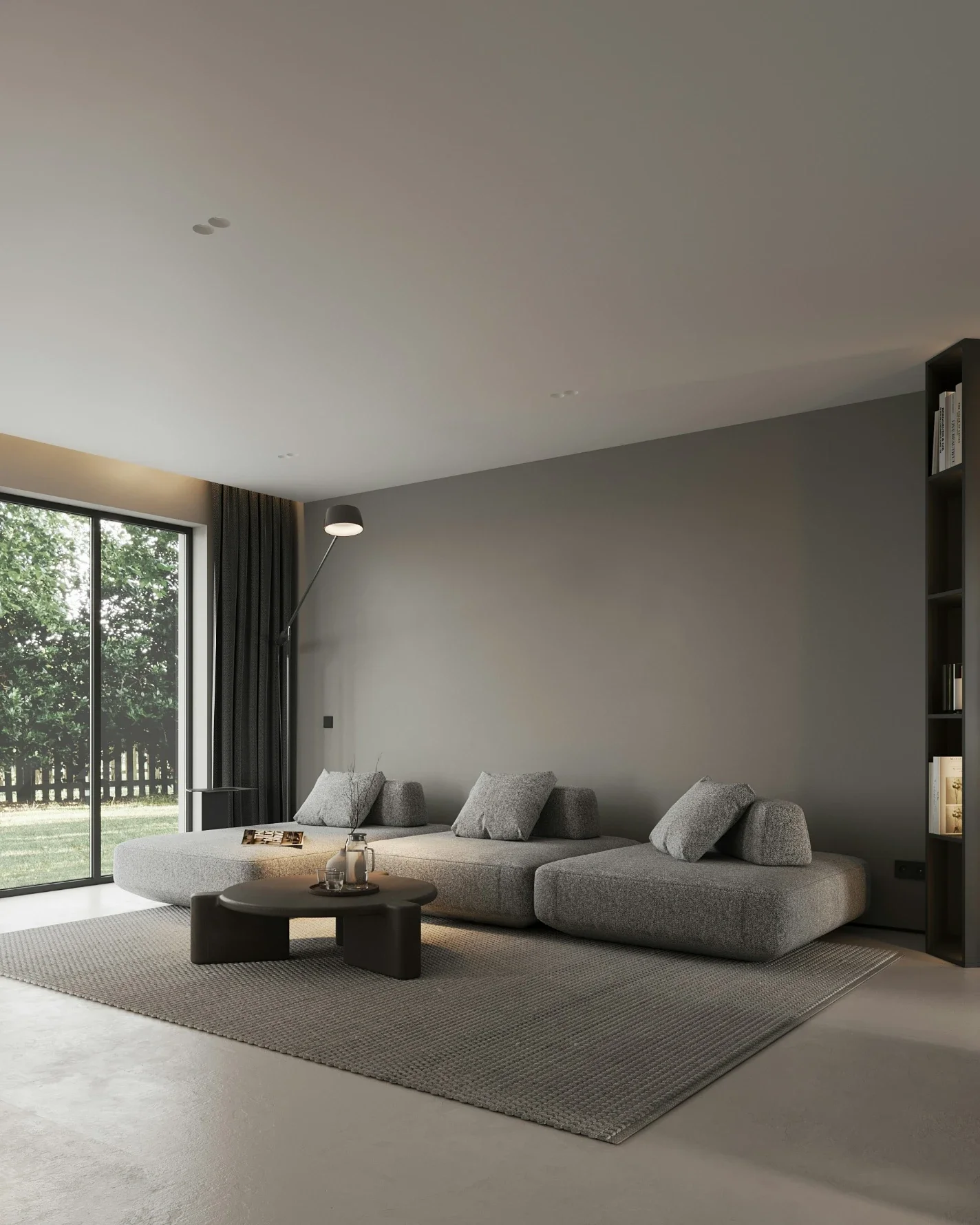
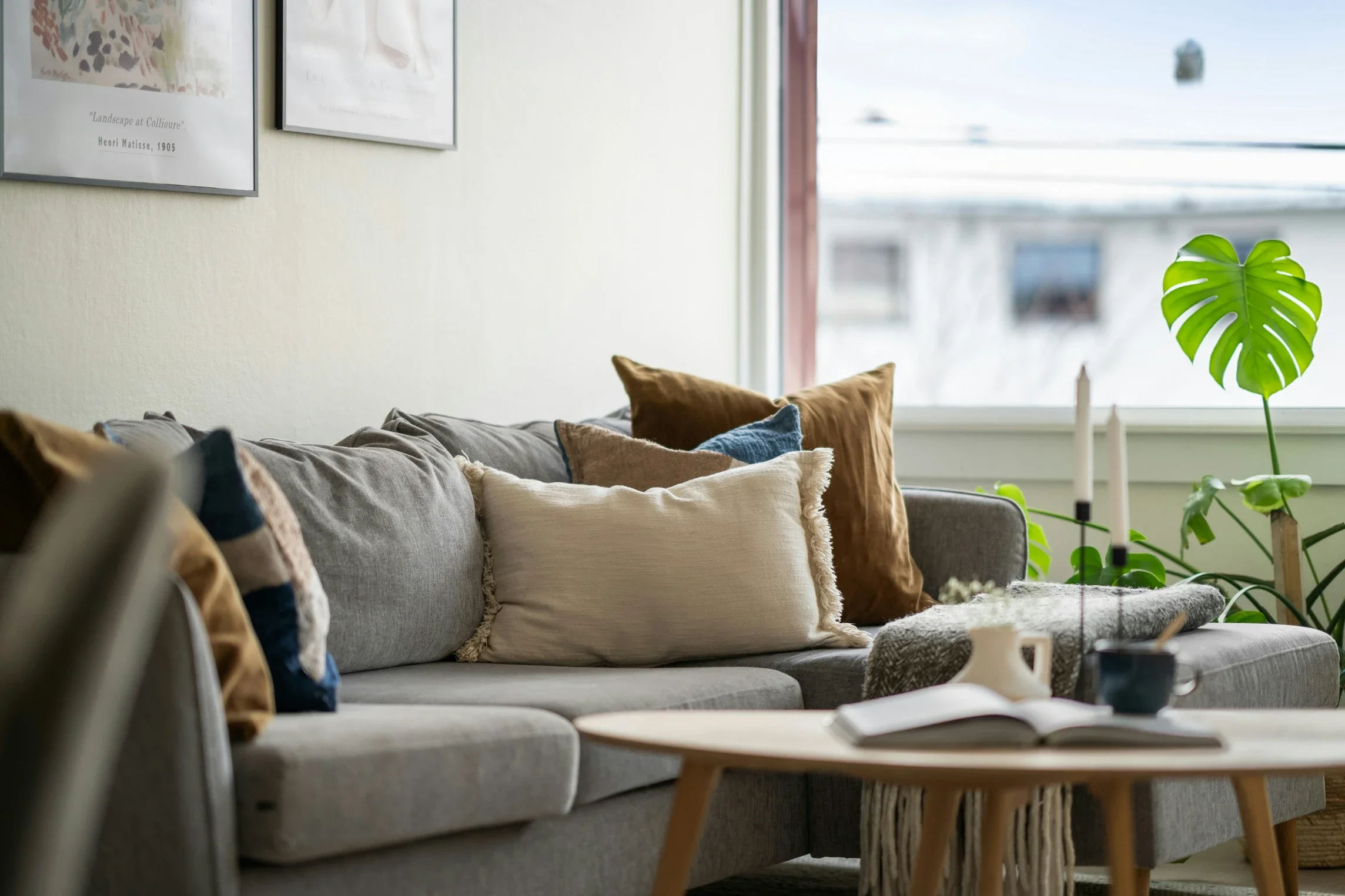
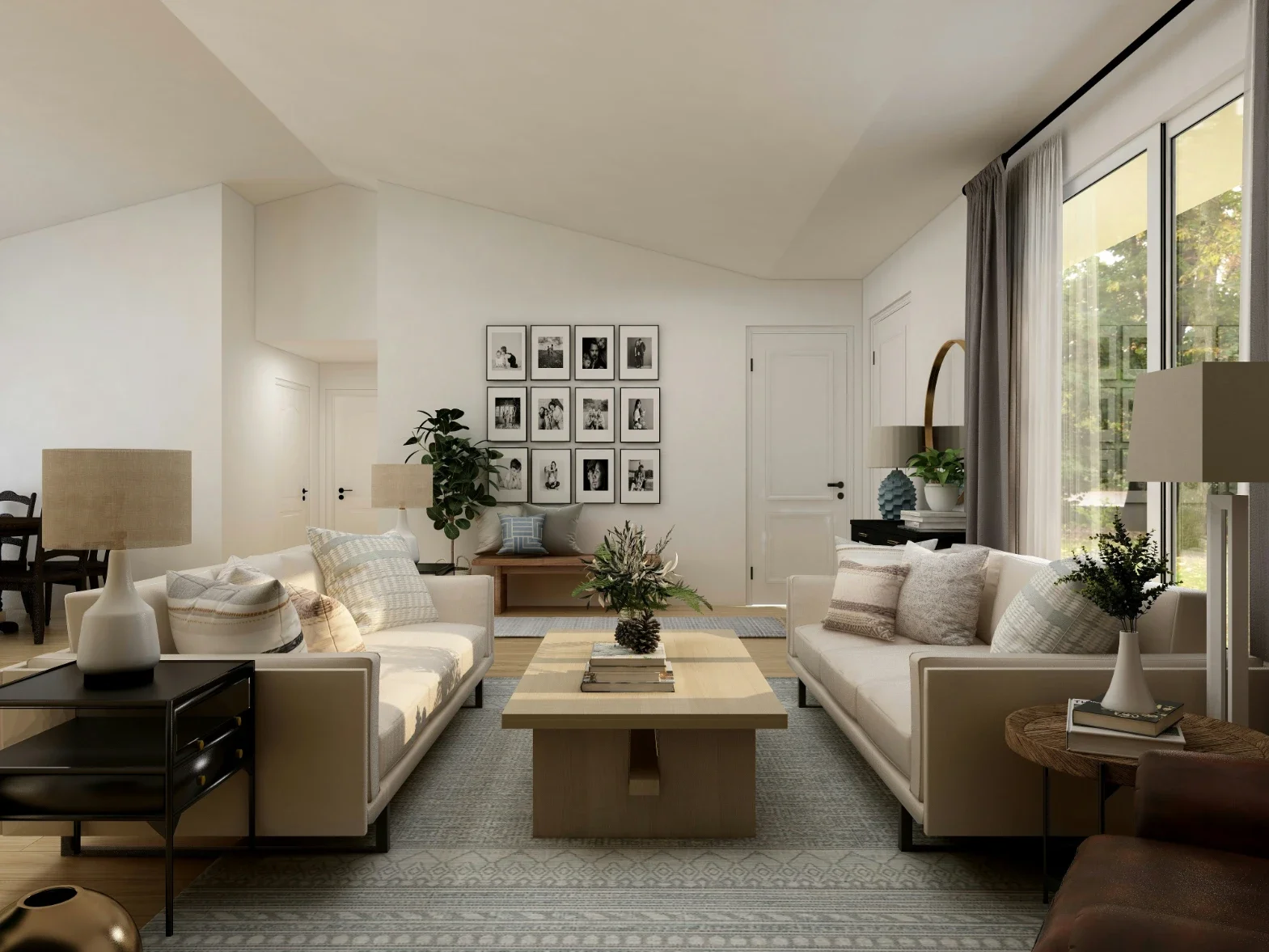
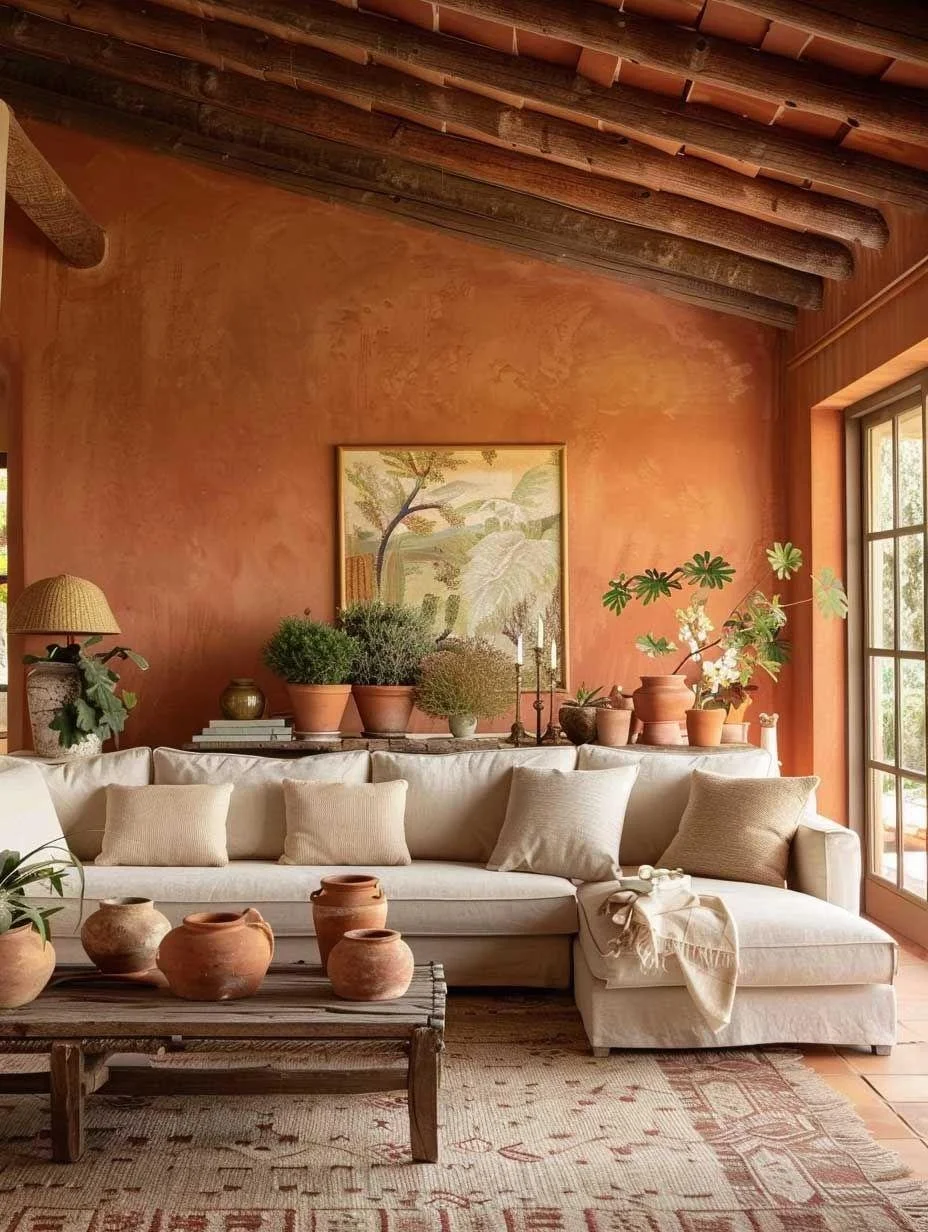
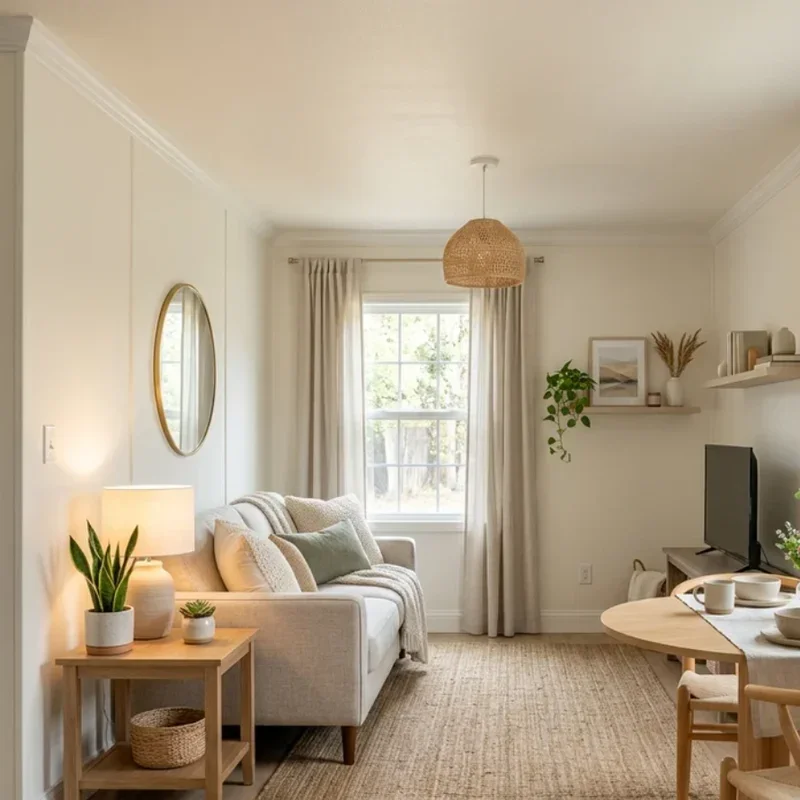
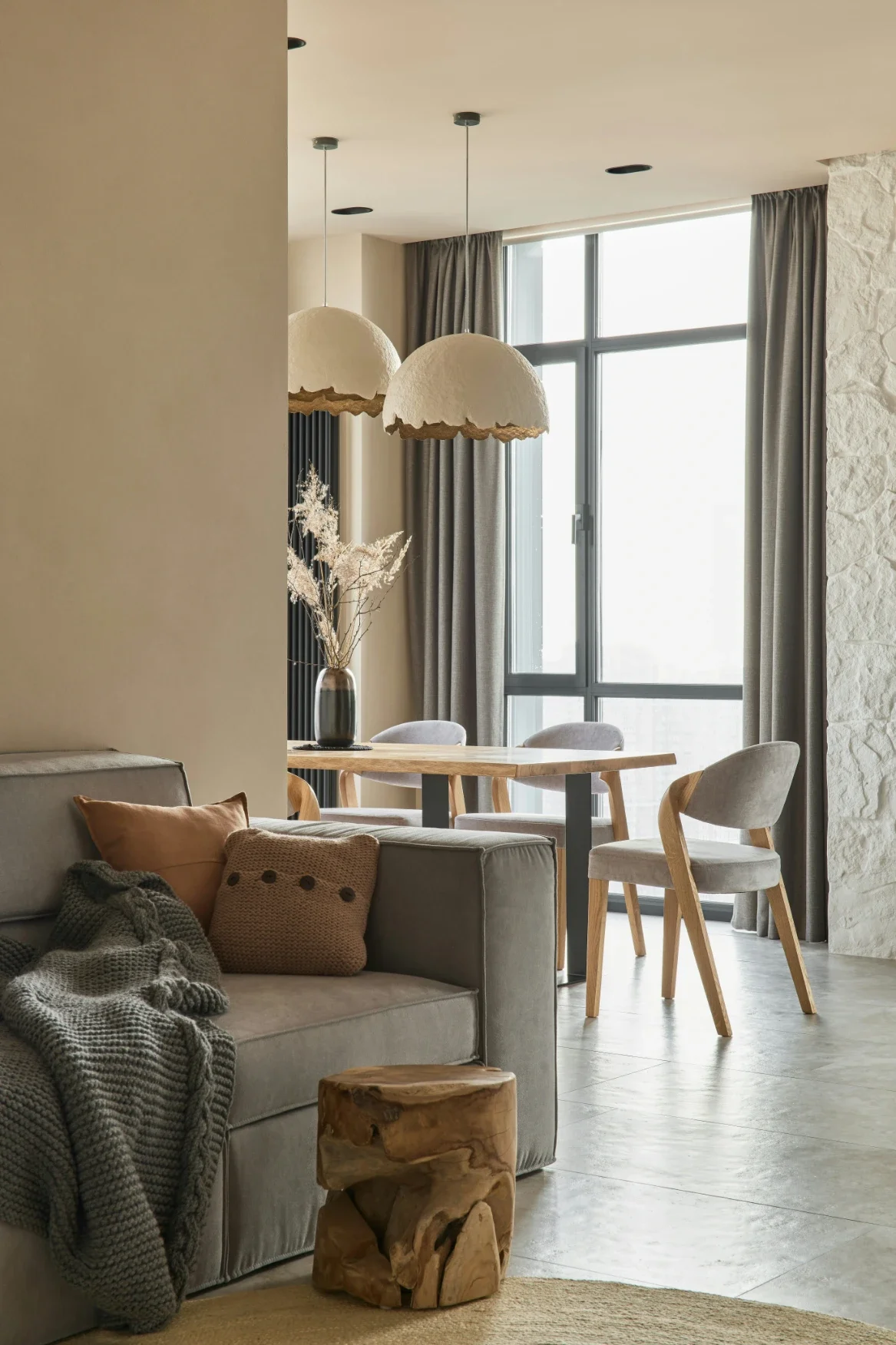
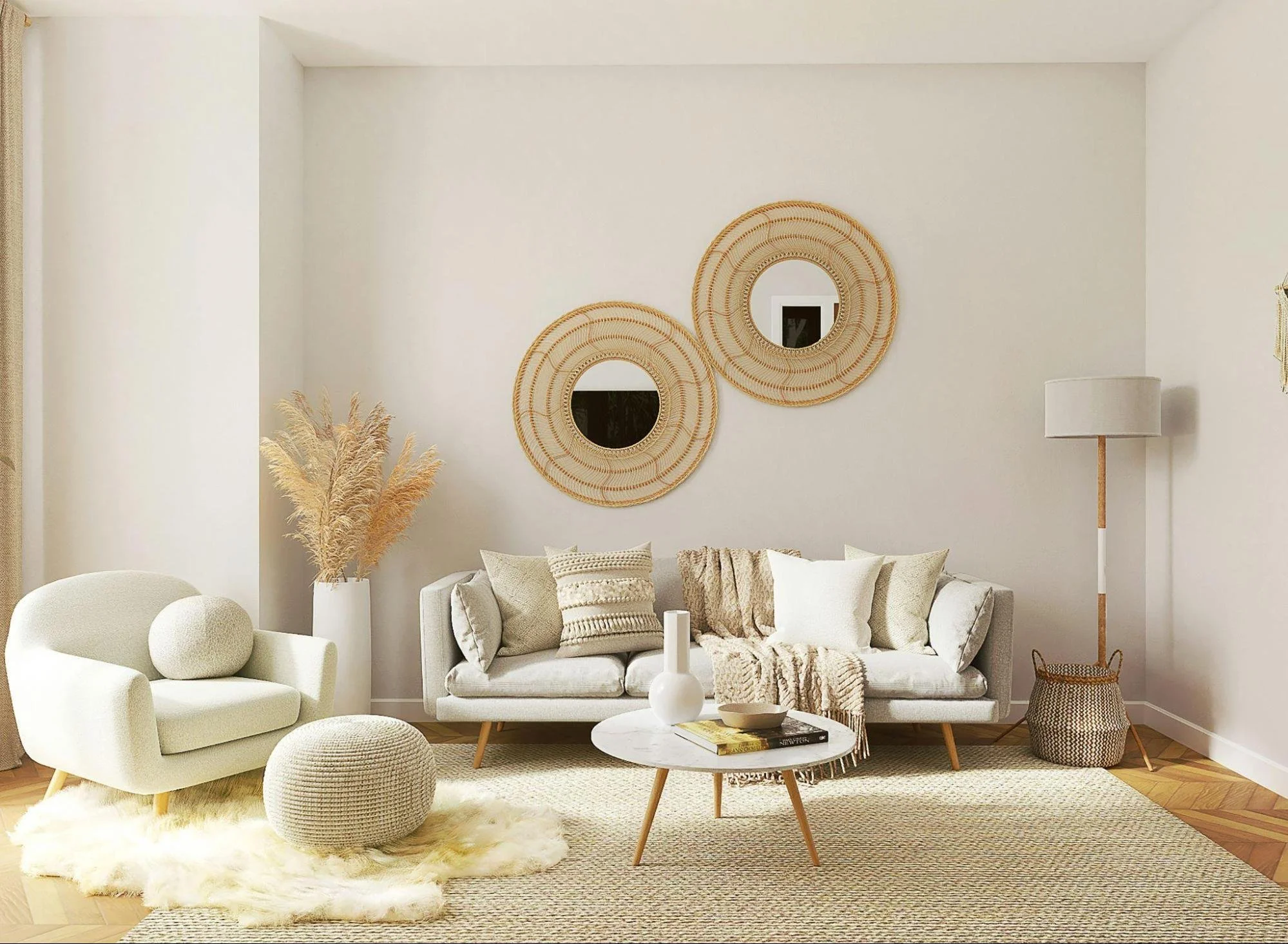
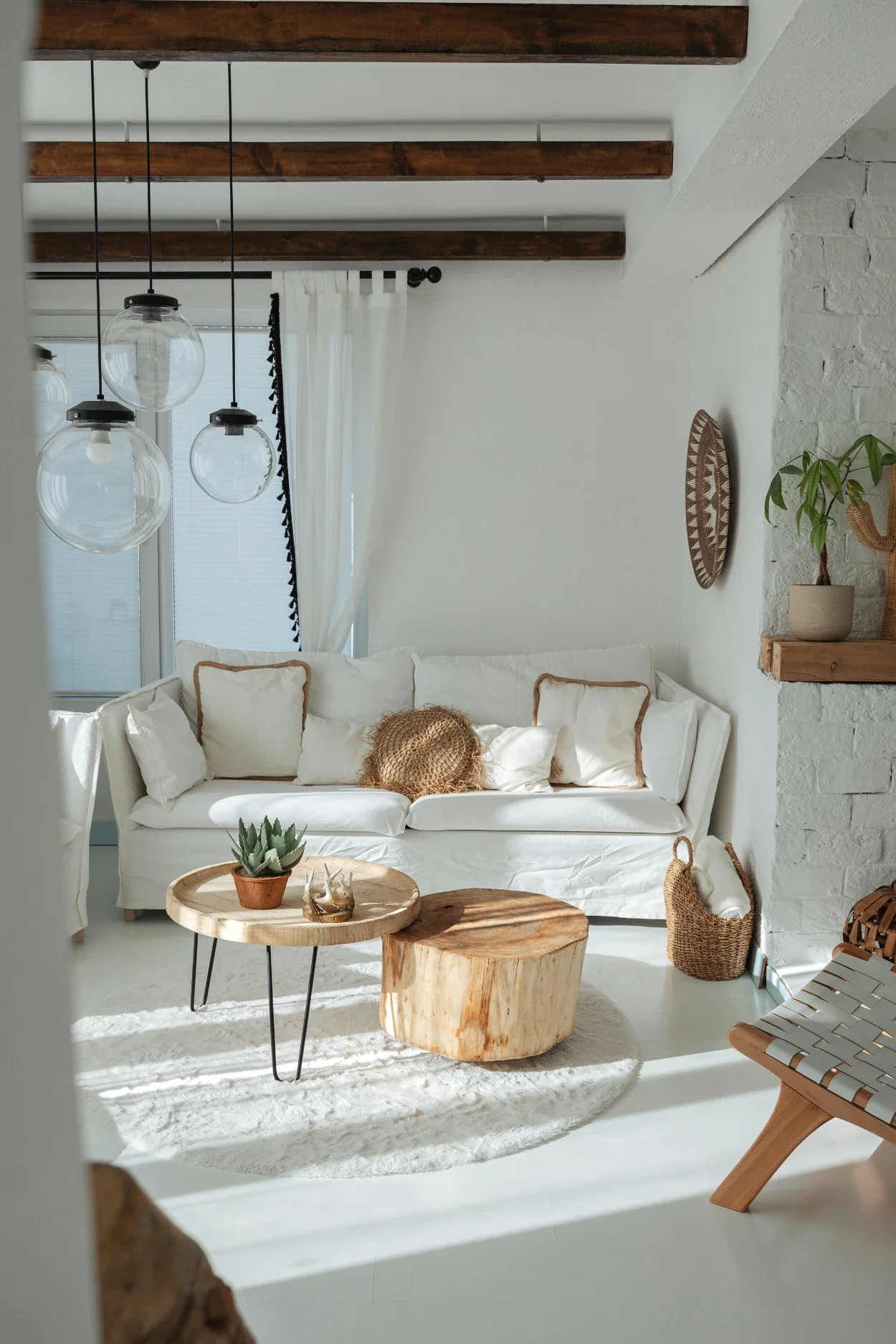
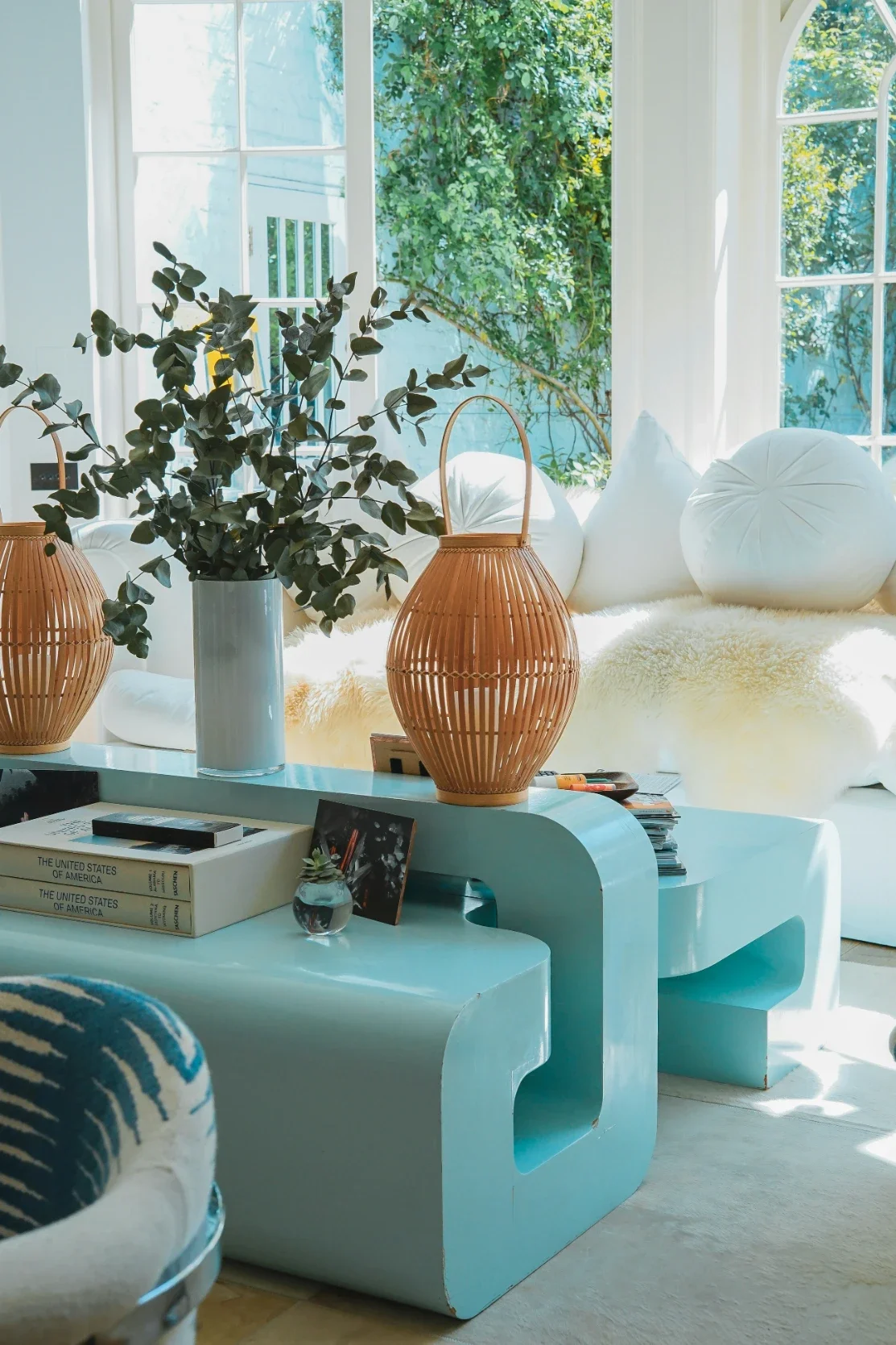
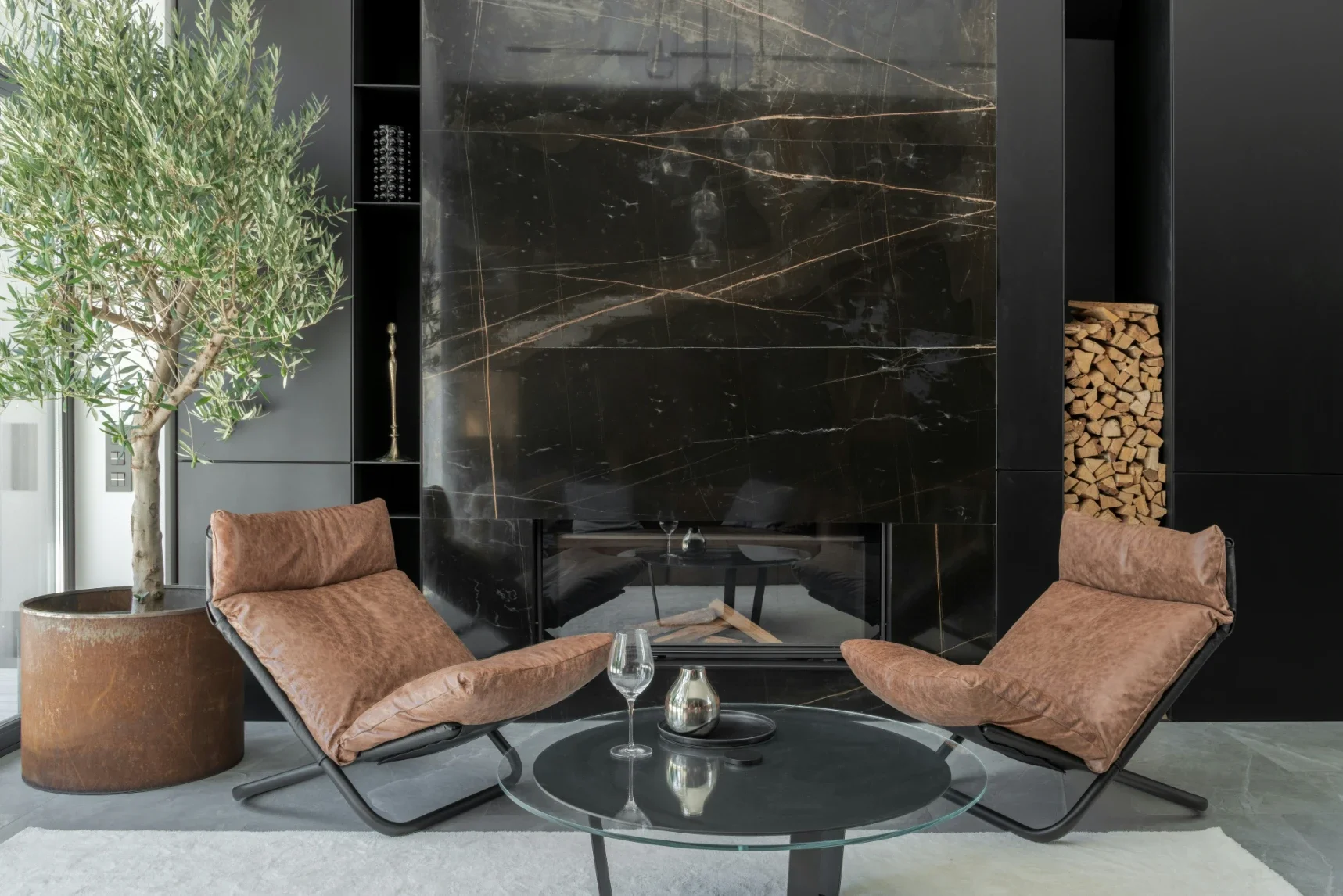
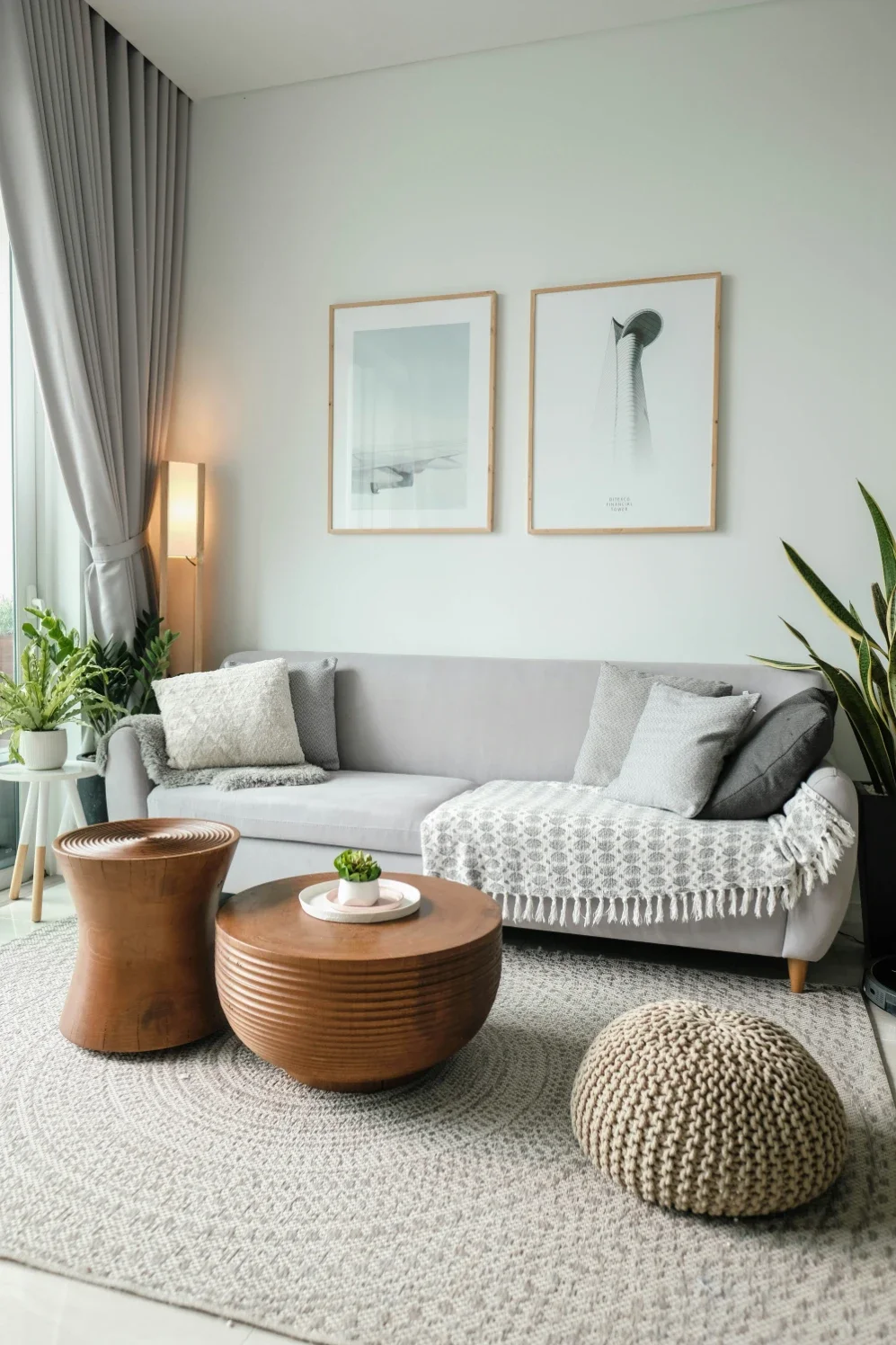
Psychologically informed design considers elements like color theory, natural light, visual balance, and sensory comfort. Warm neutrals may evoke a sense of peace, while vibrant tones can energize and uplift. Soft textures invite relaxation, whereas overly sharp or sterile environments may cause subtle discomfort.
This emotional blueprint is one reason thoughtfully designed spaces feel luxurious — they speak to us on a human level. It’s not about how much décor you have, but about how the space supports your state of mind.
Aligning Space With Personal Identity
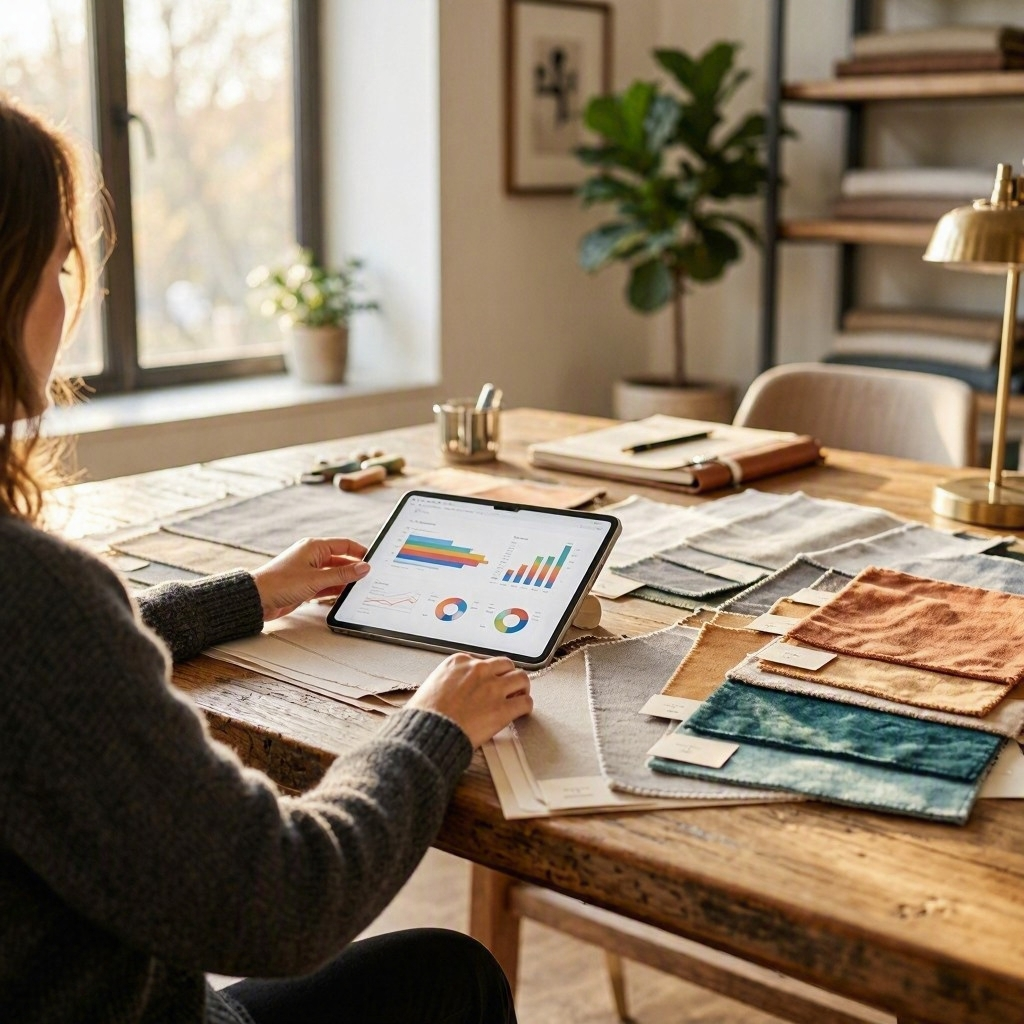
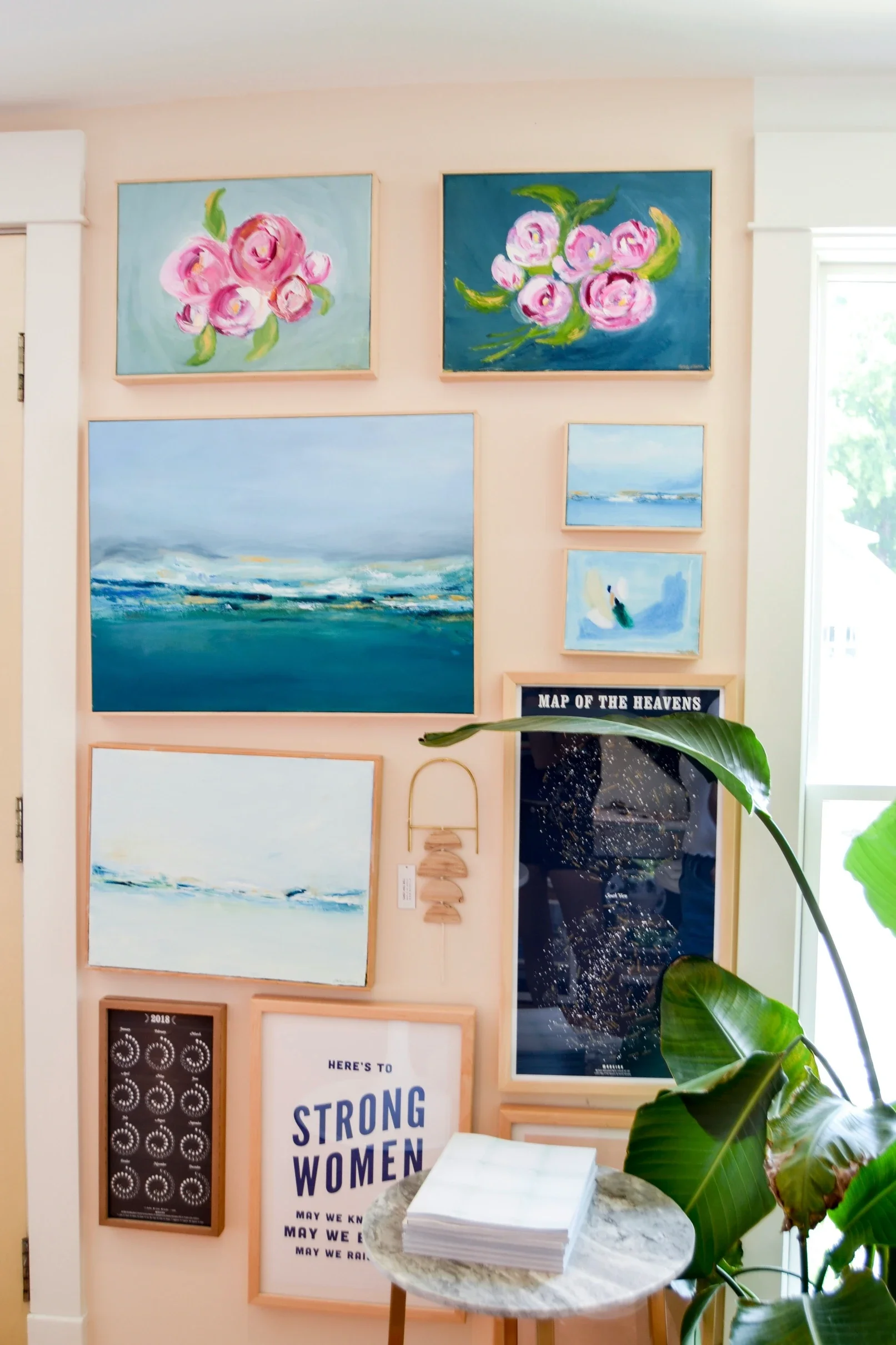
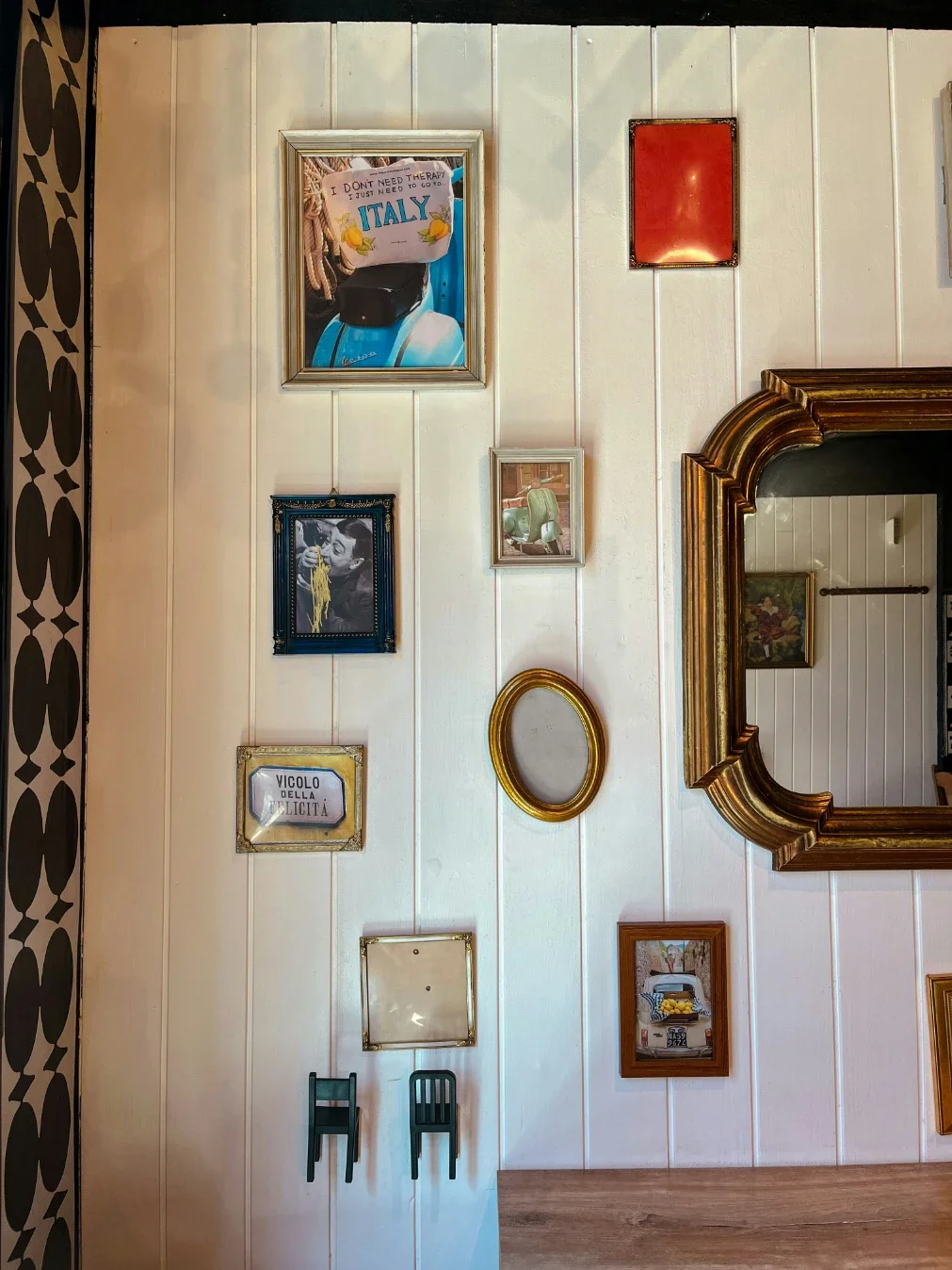
Contrary to what social media might suggest, beautiful design is not about replicating the latest trend. The most meaningful interiors are the ones that reflect the people who live in them. From cherished heirlooms to favorite colors, from open-concept layouts to cozy nooks, each choice reveals something about personality and lifestyle.
Homeowners are increasingly seeking spaces that reflect their individuality, rather than conforming to generic aesthetic standards. This shift is driving many to seek professional interior design services that can translate personal stories, preferences, and emotions into cohesive, functional designs. It's a collaborative, introspective process — one that goes far deeper than choosing paint colors.
The Influence of Wellness on Modern Homes
As mental wellness gains attention, the design world has responded with spaces intentionally crafted to soothe, restore, and support the rhythms of daily life. Home is now a place for mindfulness, for remote work, for rest — roles that demand a thoughtful atmosphere.
Cue the rise of wellness-driven interiors: biophilic elements, warm lighting, ergonomic furnishings, breathable layouts, and textures that comfort the senses. Designers are paying closer attention to how airiness affects stress levels or how lighting temperature influences circadian rhythms. Sound, scent, and touch matter more than ever.
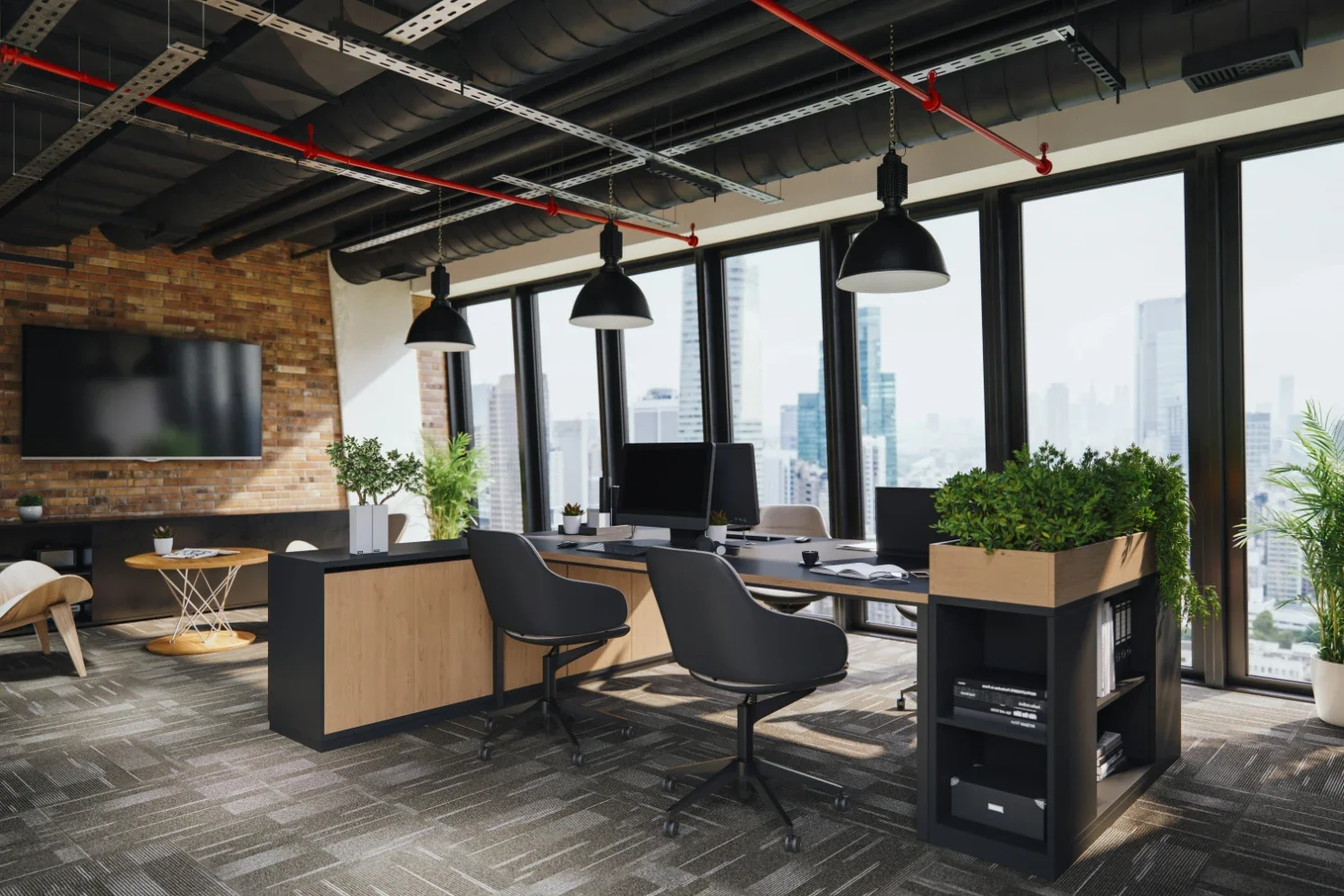
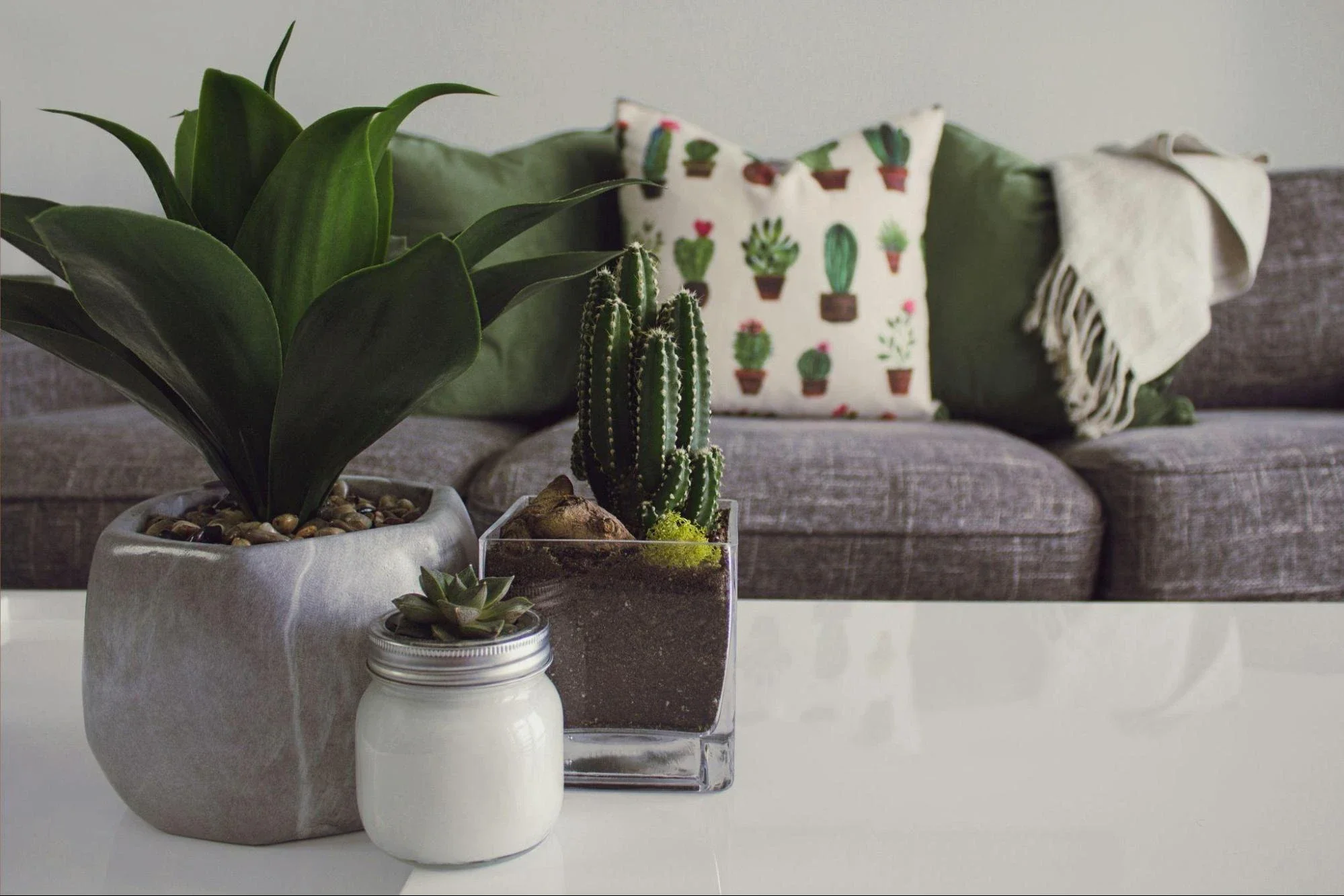
Small design decisions can have a profound psychological impact. A tranquil bedroom can promote deeper , more restfulsleep. A sunlit workspace can boost productivity. Even a strategically placed plant can soften tension within a room. These nuances are redefining what “luxury living” truly means.
Functionality as a Form of Luxury
In the modern home, luxury is intertwined with ease. A beautifully designed room has little value if it isn’t practical. People now crave spaces that make everyday living more fluid — kitchens that simplify movement, living rooms that encourage togetherness, and storage that reduces clutter rather than hides it.
Functionality enhances mental clarity. When you can move effortlessly through your home, you conserve energy, reduce stress, and experience a sense of control. It’s no surprise that space planning, organizational systems, and multi-purpose layouts are becoming signatures of contemporary design.
Designers understand that behind every visually stunning room lies a deeper purpose: to make life feel smoother, calmer, and more enjoyable.
Why Thoughtful Design Represents the New Luxury Standard
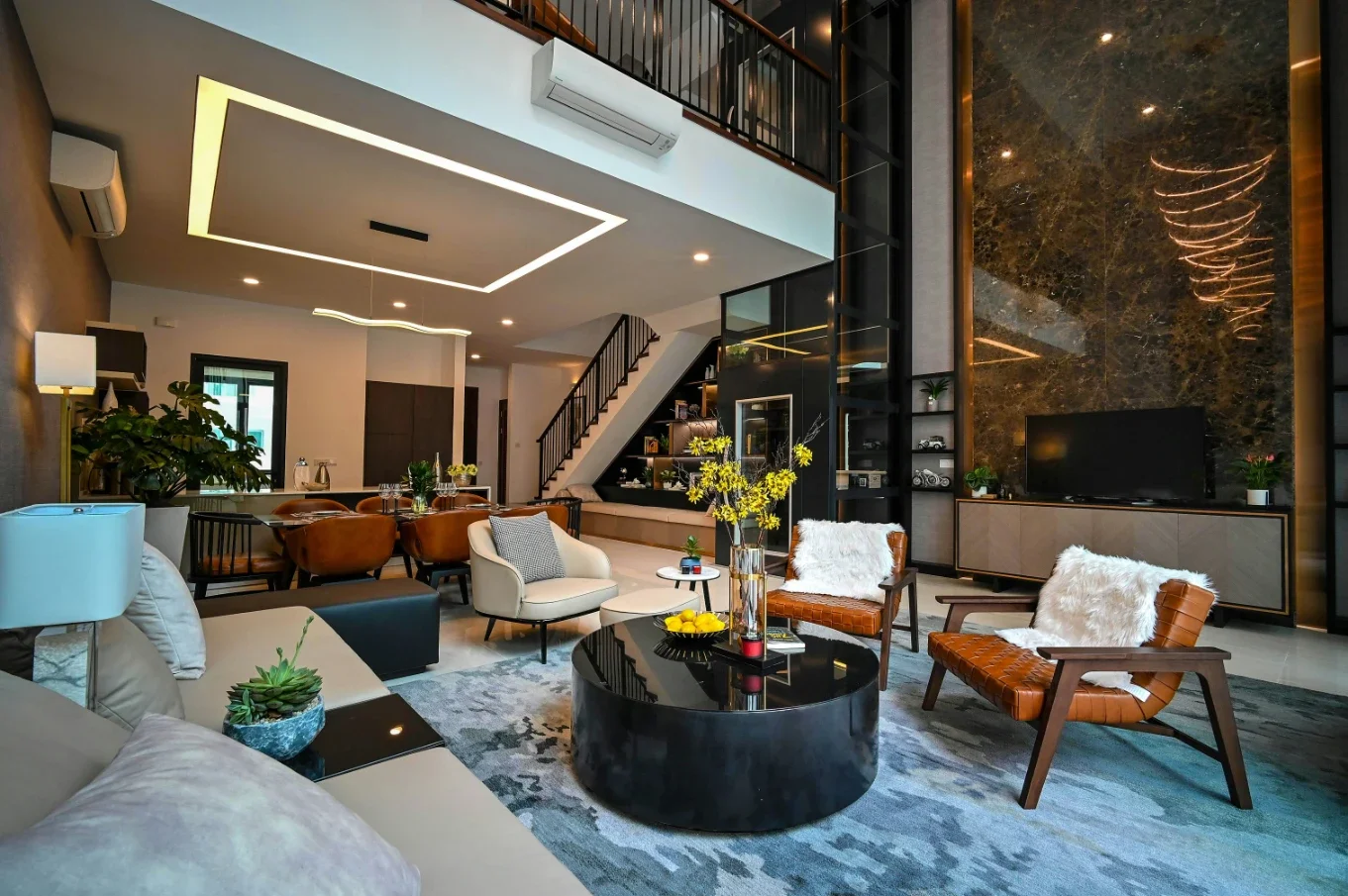
Luxury once meant rare materials, ornate details, or grand architecture. Today, it’s defined by emotional comfort and intentional living. Thoughtful design fosters environments that resonate with our deepest needs — safety, creativity, rest, connection, and joy.
As our homes assume more roles in our lives, the demand for intelligent, human-centered interiors continues to increase. People want spaces that protect them from the world’s noise, support their ambitions, and offer beauty without sacrificing ease. In this sense, thoughtful interior design is not just a trend — it is the future of modern living.
Conclusion: Living Beautifully, By Design
Ultimately, the true luxury of interior design lies in its ability to transform daily life. A thoughtfully crafted space can calm your mind, inspire your creativity, and bring a sense of harmony to even the most hectic days. It’s not about perfection — it’s about intention.
Whether achieved through simple updates or professional guidance, aligning your home with your emotional needs is one of the most powerful investments you can make. In a world filled with constant stimulation and rapid change, a beautifully designed space becomes a refuge — a place where you feel understood, supported, and deeply at home.
Stay up to date with our latest ideas!