The Hidden Elements that Make a Home More Comfortable All Year Round
Discover the hidden elements that make a home more comfortable year-round, from insulation and airflow to lighting, humidity control, acoustics, and smart design.

Think about a comfortable living space – what do you picture? Probably things like furniture, colour schemes and decorative touches. That said, many of the features that shape how your home feels every day sit more in the background.
From the air you breathe to the light that fills a room, these details influence your experience through every season.
How Good Ventilation Supports Everyday Comfort
Fresh air plays a bigger role in daily wellbeing than many people realise. As modern homes become more energy efficient, they often hold heat more effectively, but they can also trap moisture, odours, stale air and airborne pollutants if air does not circulate properly.
Good ventilation helps manage humidity levels and reduces the risk of condensation forming on windows and colder surfaces. For example, after cooking a family meal or taking a hot shower, moisture can build up quickly. Effective airflow removes that excess humidity before it creates a lingering damp feeling.
Many homeowners and landlords now consider mechanical ventilation with heat recovery systems because they introduce fresh air while retaining much of the warmth already inside the property. This approach can help create a more consistent indoor environment without relying on opening windows during colder weather.
The Importance of Maintaining a Stable Indoor Temperature
Comfort usually depends less on achieving a consistently high temperature and more on avoiding sudden changes or swings. A room that stays relatively stable throughout the day usually feels more pleasant than one that swings between chilly mornings and overheated evenings.
Insulation, draught-proofing and airtight construction all help reduce these fluctuations. Well-insulated lofts and walls slow the movement of heat, while properly sealed gaps around doors and windows prevent unwanted cold air from entering.
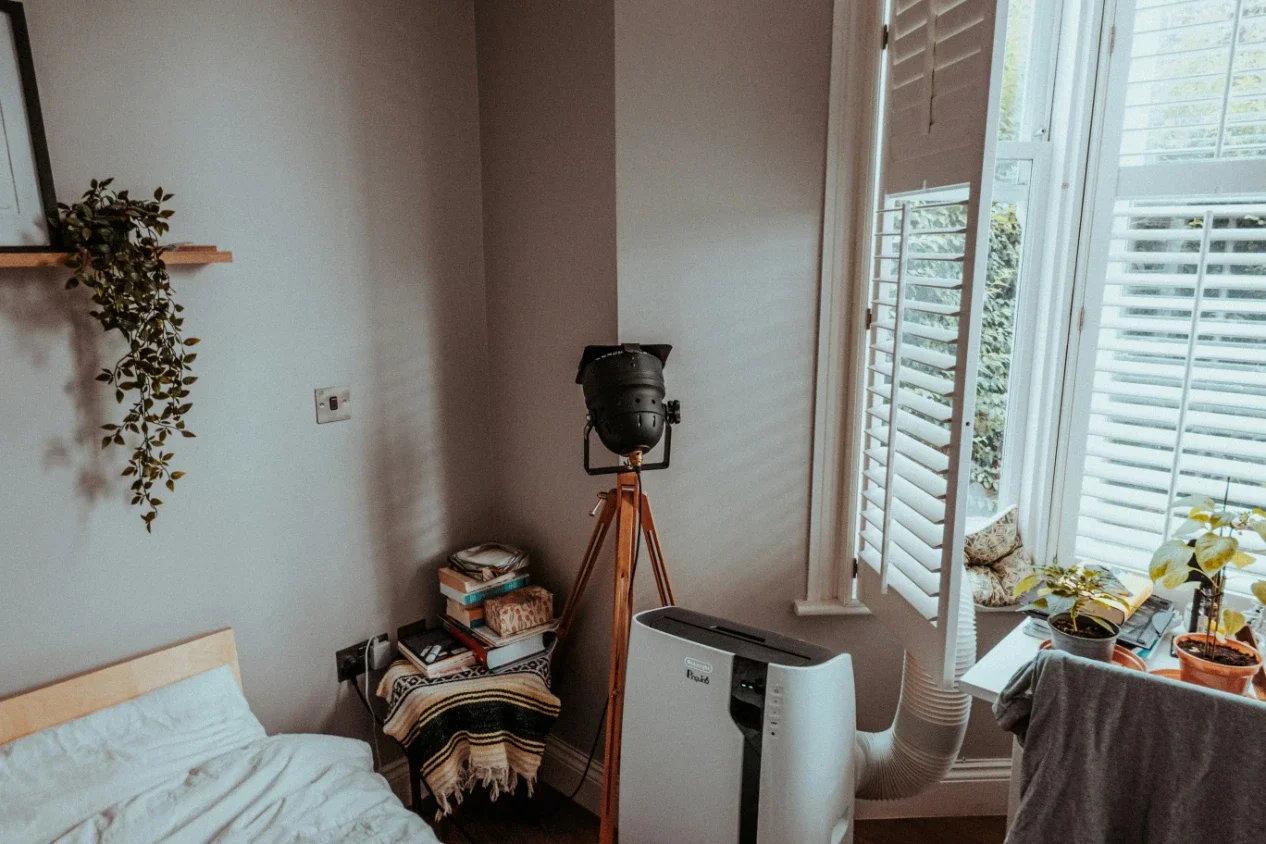
Take time to check for draughts around window frames and external doors. A simple improvement can make a noticeable difference when you sit near those areas during winter, while also helping your home stay cooler during warmer periods by reducing unwanted heat transfer.
Managing Natural Light Throughout the Seasons
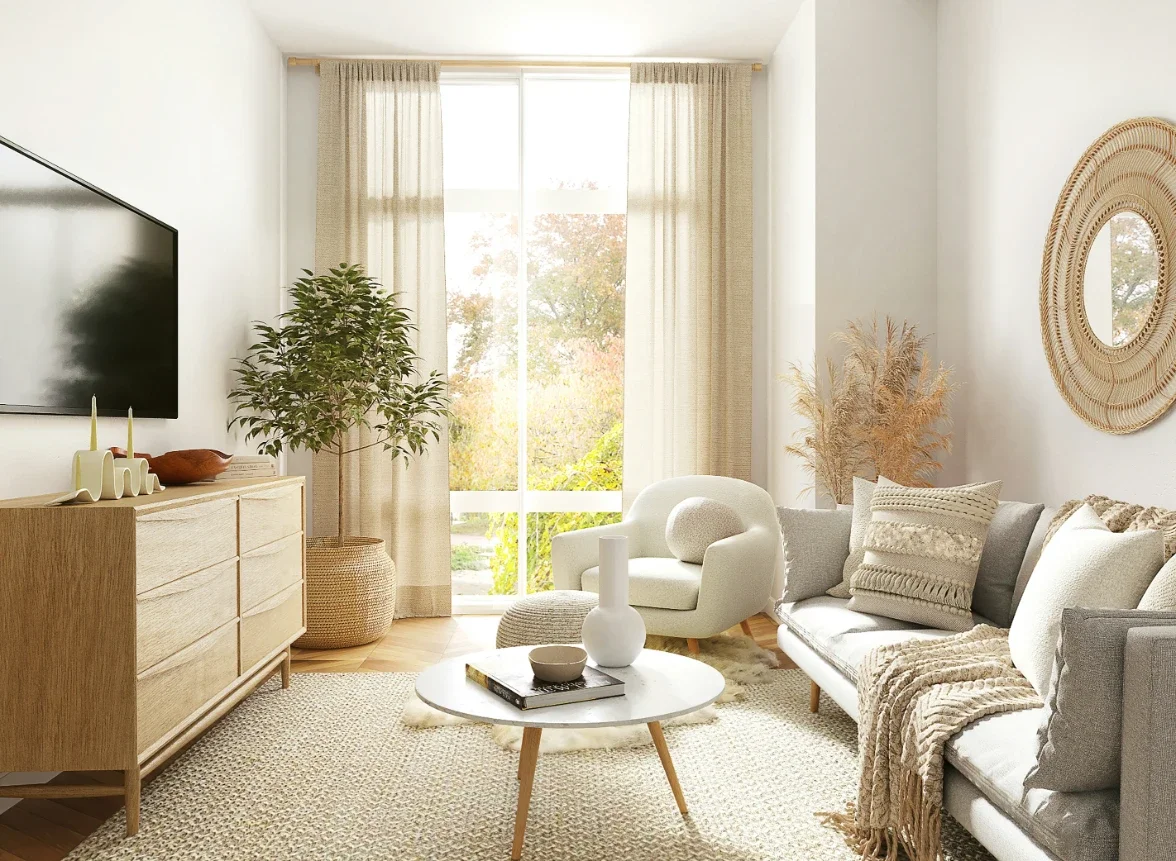
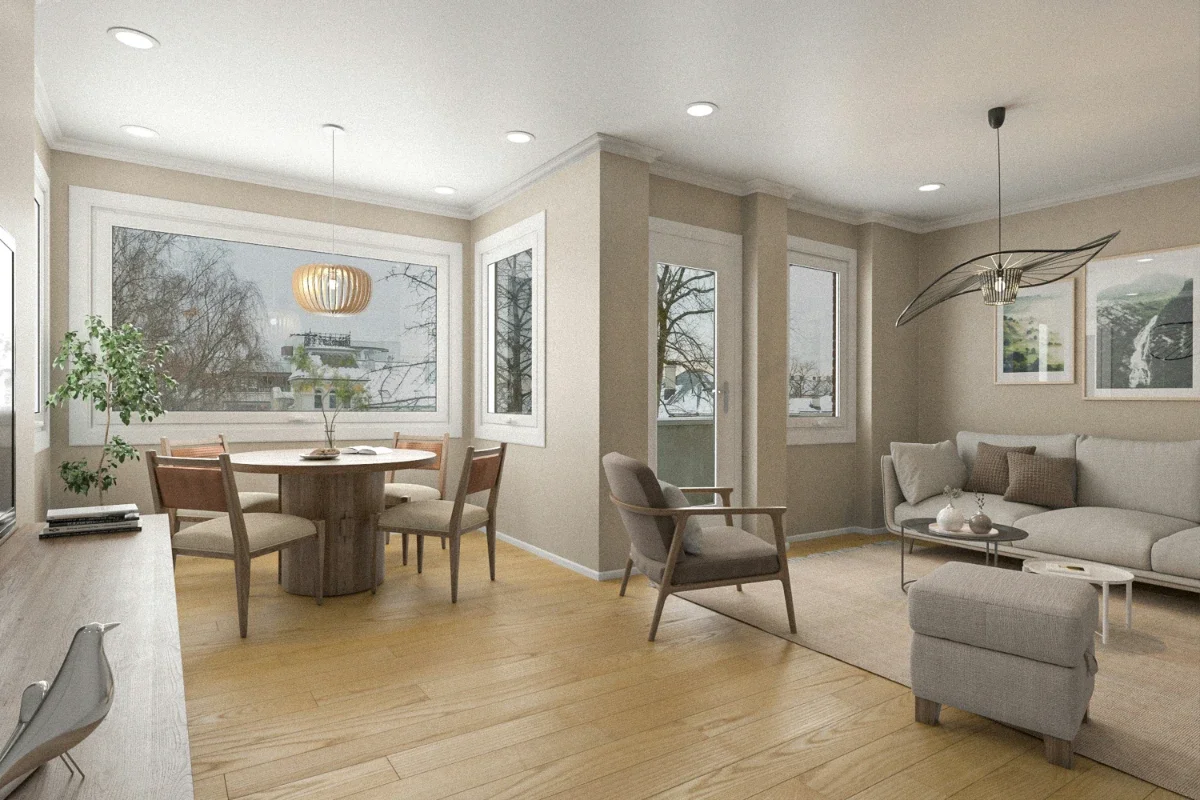
Natural light affects how welcoming a space feels. Bright rooms often seem more open and uplifting, particularly during the darker months when daylight hours become limited.
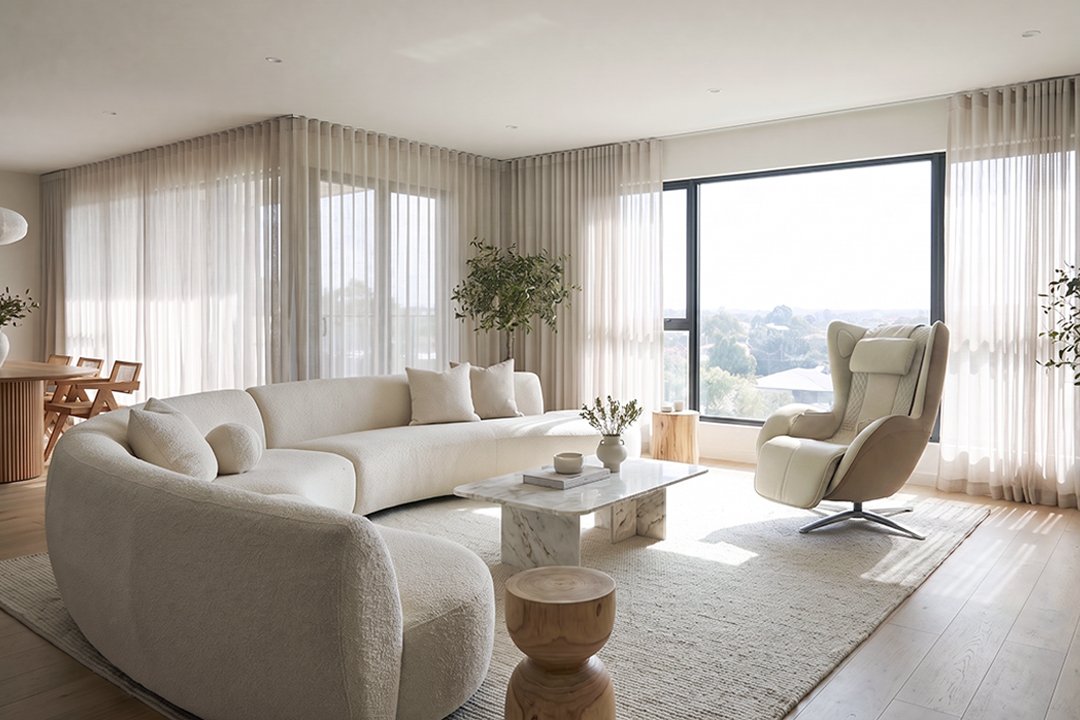
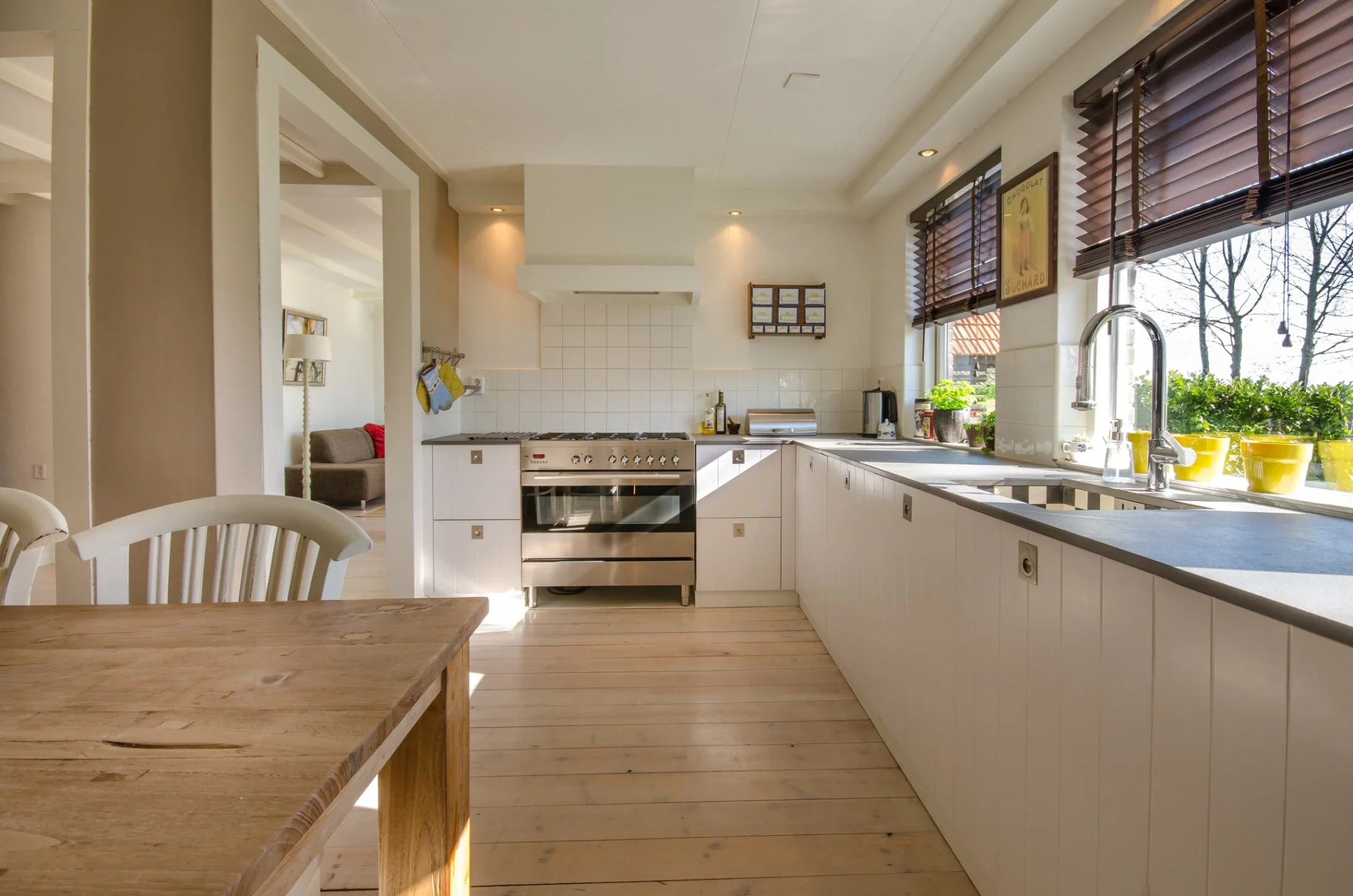
While you can’t change it easily, the position of windows influences how sunlight travels through your home during the day. South-facing rooms typically receive more consistent daylight, while north-facing spaces can feel cooler and dimmer. Thoughtful shading also matters. Blinds, shutters and curtains help control glare during sunny afternoons without blocking light completely.
During winter, keeping window areas clear of bulky furniture allows more daylight to reach deeper into the room. Even small adjustments, such as using lighter-coloured furnishings near windows, can help reflect available sunlight and make spaces feel brighter.
Reducing Everyday Noise for a More Relaxing Home
Noise affects comfort in subtle but important ways. Traffic, neighbours, household appliances and outdoor activity can all create distractions that make it harder to unwind.
Effective glazing helps reduce external sounds, while insulation within walls and floors can limit noise travelling between rooms. In busy urban locations, this can transform how peaceful a property feels during both daytime and evening hours.
Ventilation also plays a part. Homes that depend entirely on open windows for fresh air may allow more outside noise indoors. By combining sound-reducing measures with suitable airflow solutions, you can maintain a calmer atmosphere without sacrificing air quality.
The most comfortable homes combine good airflow, steady temperatures, balanced daylight and thoughtful acoustic control, creating an environment that feels pleasant to live in throughout the year.
Stay up to date with our latest ideas!