Home Staging Ideas That Actually Sell: 15 Designer Tricks for Making Every Room Look Bigger, Brighter, and Move-In Ready
Discover 15 designer home staging tricks to make every room look bigger, brighter, and move-in ready while creating an appealing space that attracts buyers.

Here is the uncomfortable truth about selling a home: buyers decide in the first eight seconds, and they are not buying your house. They are buying a fantasy version of their own life that happens to be set inside your walls. Home staging is the art of getting your stuff out of the way of that fantasy — and the data behind it is not subtle. Staged homes consistently sell faster than unstaged ones, and agents routinely report offers coming in above asking when a home photographs well enough to drive weekend traffic.
The good news: most effective home staging ideas are not renovations. They are designer tricks — furniture math, light manipulation, and strategic emptiness — that you can execute in a week or two. Here are the fifteen that earn their keep, room by room.
Trick #1: Stage for the Photos First, the Showings Second
More than 90% of buyers meet your home online before they meet it in person. So before you rearrange a single chair, walk through your house looking at each room through your phone camera. Rooms read differently through a lens: that side table you stopped noticing years ago becomes a glaring obstruction, and the dark corner you never think about becomes a black hole in the listing photos. Stage for the camera and the in-person showing take care of themselves.
Trick #2: Remove a Third of Your Furniture
This is the single highest-impact staging move, and almost nobody does it aggressively enough. Professional stagers work with a brutal rule of thumb: every room should lose about a third of what's in it. Extra dining chairs, the second armchair, the overflow bookcase, the treadmill that became a clothes rack — all of it goes.
Where it goes matters just as much. Do not stuff it into the garage, the basement, or the closets, because buyers open everything, and a crammed closet whispers "this house doesn't have enough storage." The cleaner play is short-term storage: have an Atlanta moving company shuttle the excess to a storage unit in one trip, and you get the double win — rooms that look bigger and closets that look half-empty. In hot markets where listings move fast, sellers often book this as the first step of the staging week, then have the same crew handle the real move once the house closes.
Trick #3: Depersonalize Without Sterilizing
Family photos, kids' artwork on the fridge, the diploma wall, sports memorabilia — pack them now. Buyers should never wonder about the people who live there. But don't overcorrect into a dentist's office: a staged home still needs signs of a pleasant life. Keep a stack of attractive books, a bowl of lemons, and one beautiful throw. The formula is: no identity, plenty of warmth.
Trick #4: Make Every Room Answer One Question Instantly
A buyer should be able to name the purpose of any room within one second of entering it. The home office that's also a guest room, and where the elliptical lives, reads as "this house is too small." Pick the highest-value identity for each ambiguous space — in family neighborhoods, that's usually a bedroom; in condo markets, an office — and stage it as exactly that, alone.
Trick #5: The Living Room — Float the Furniture
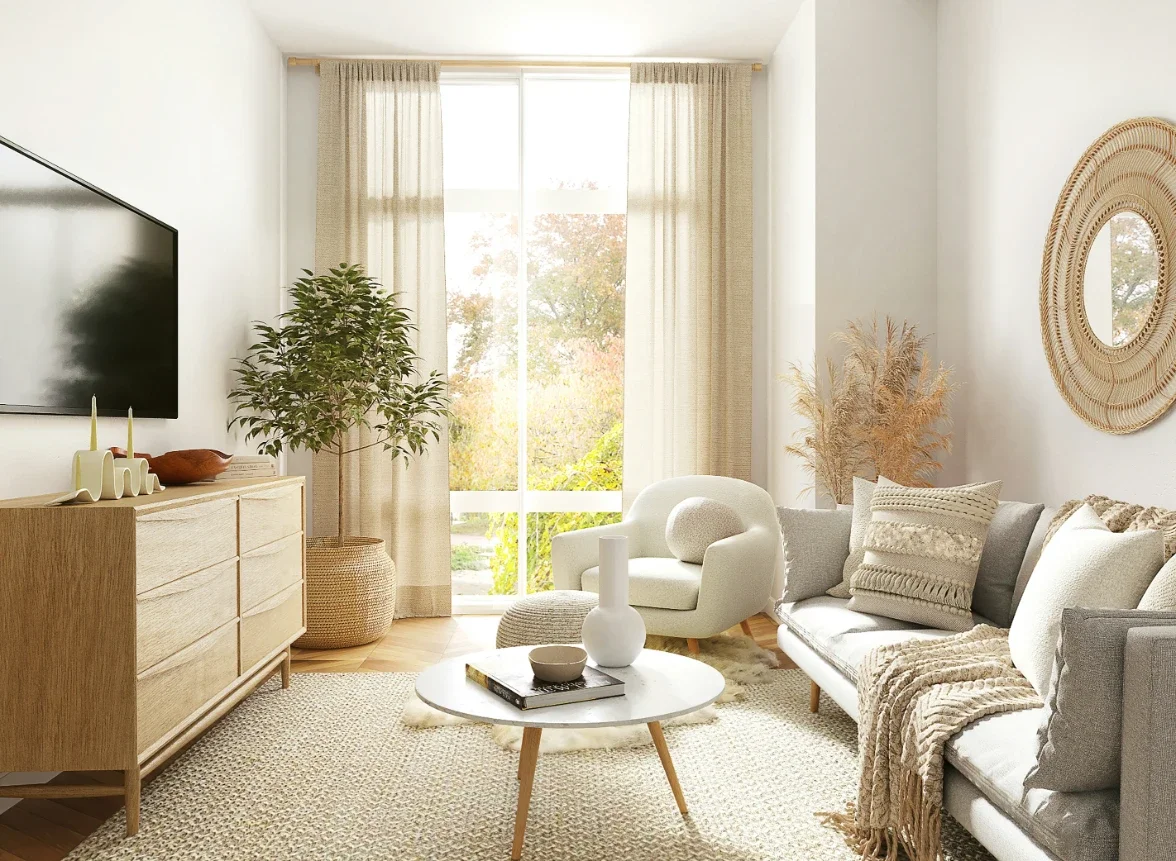
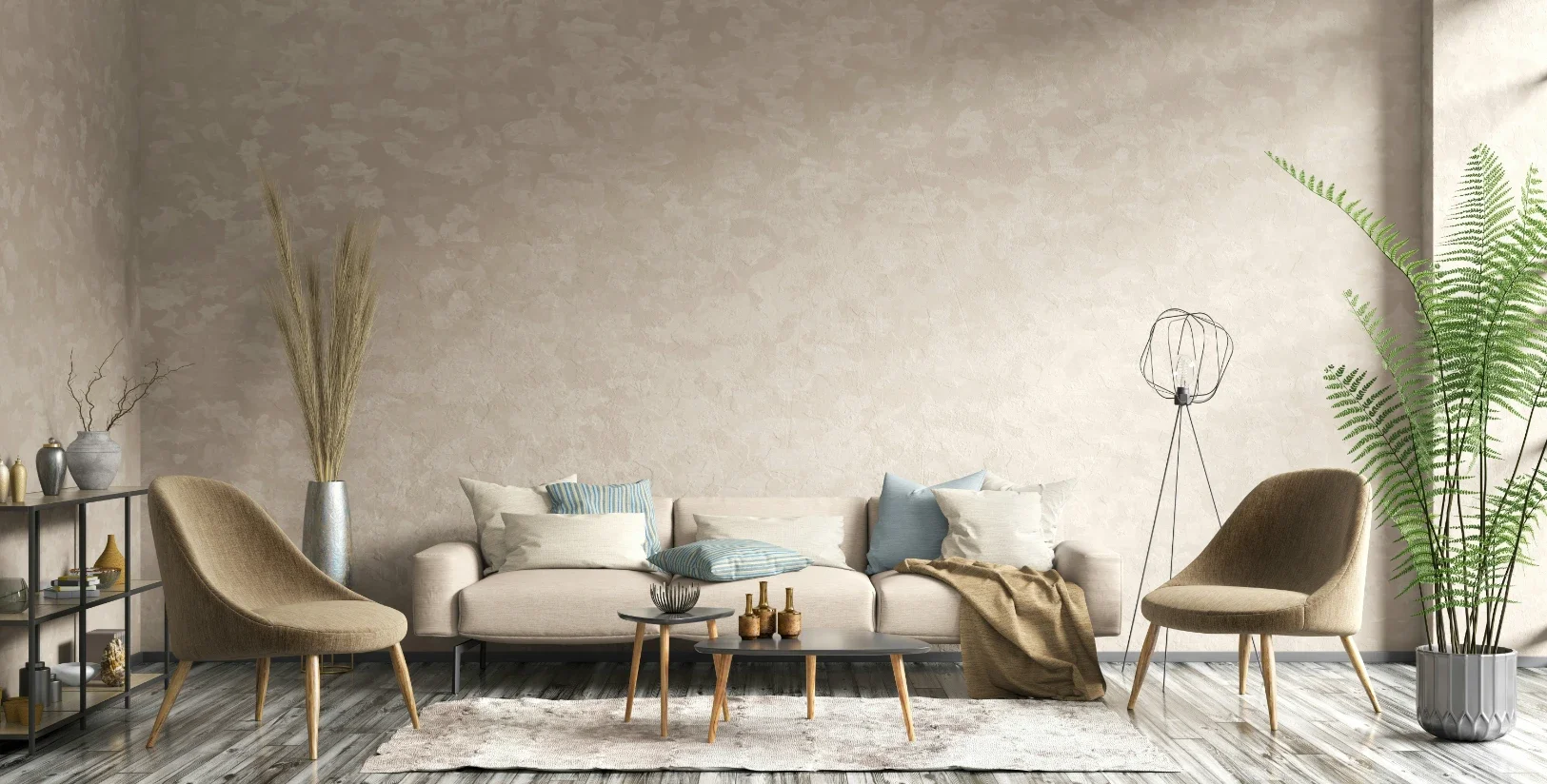
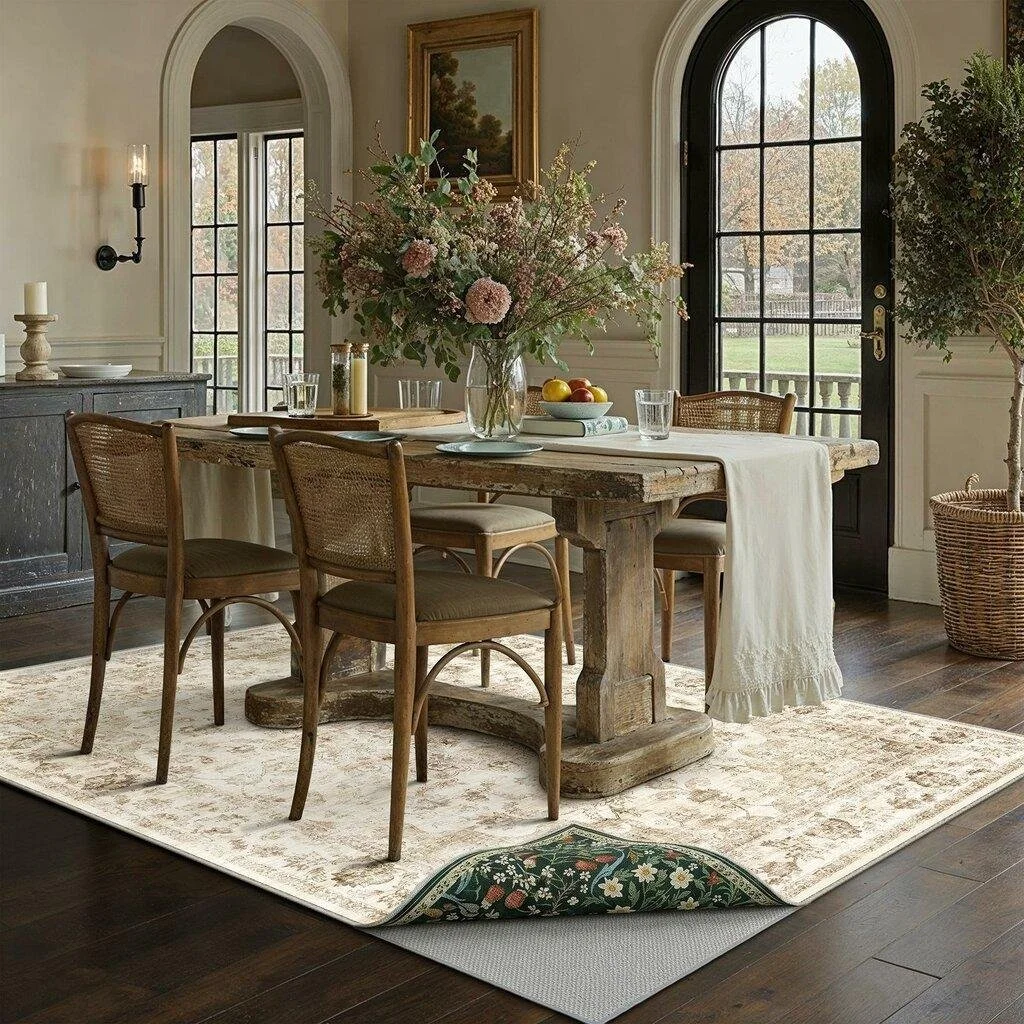
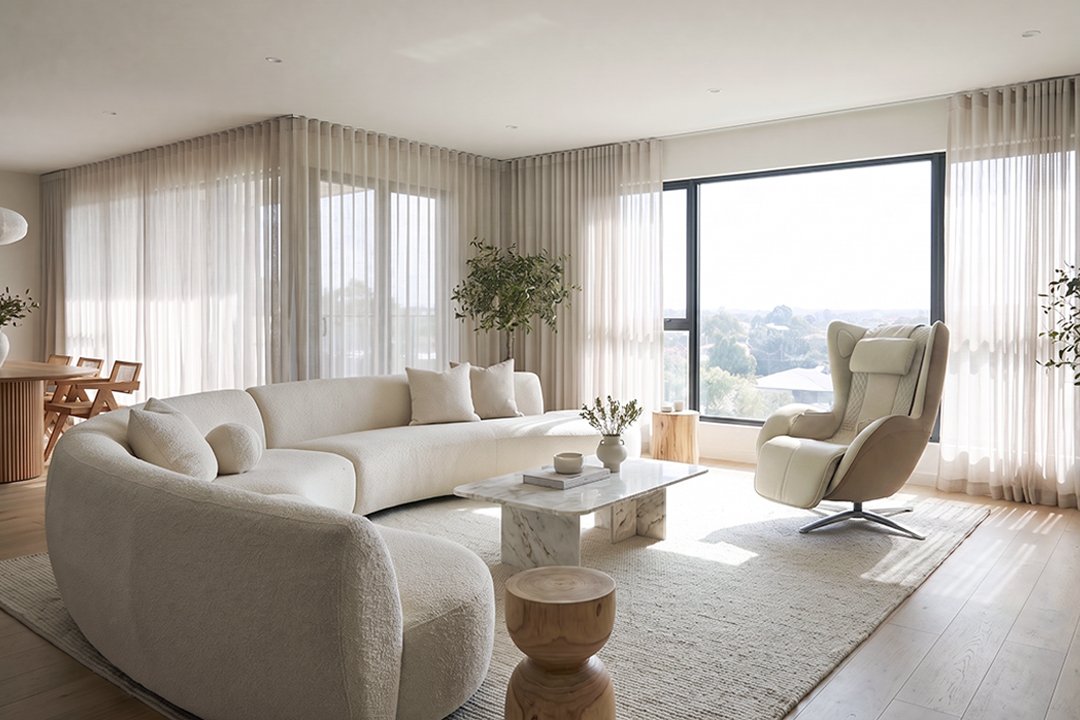
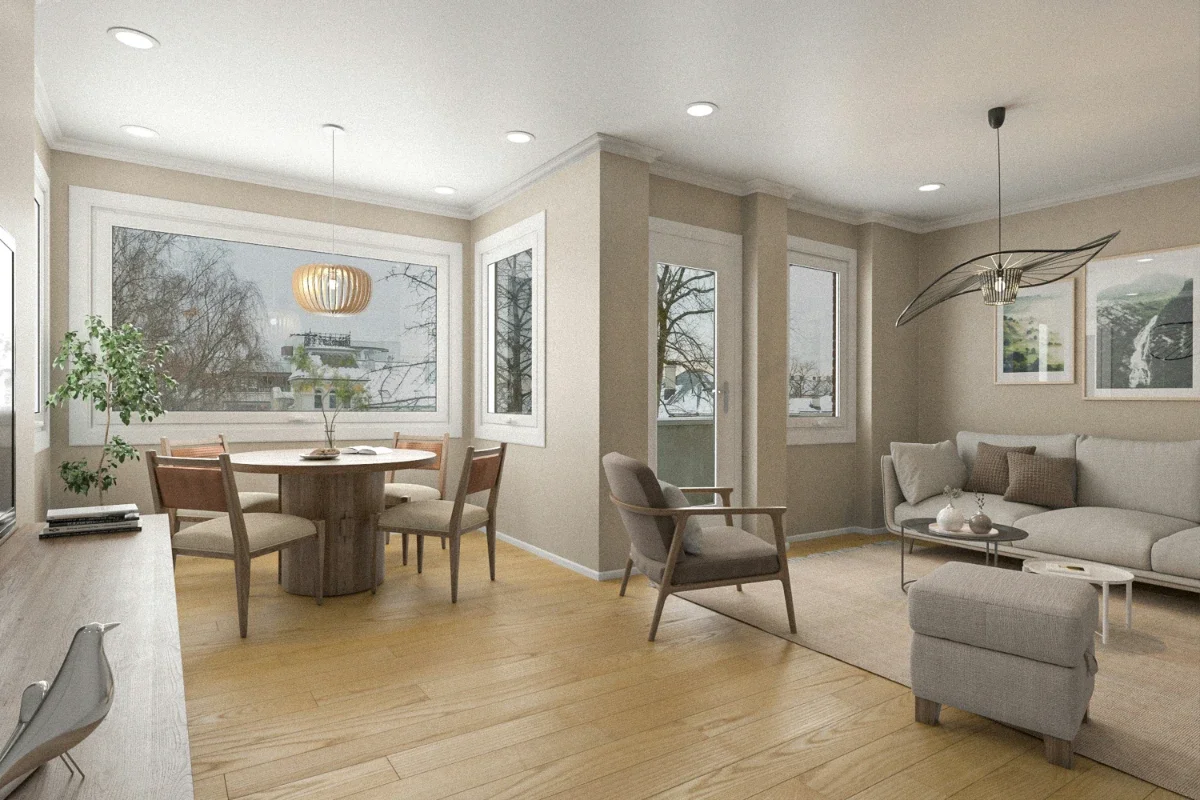
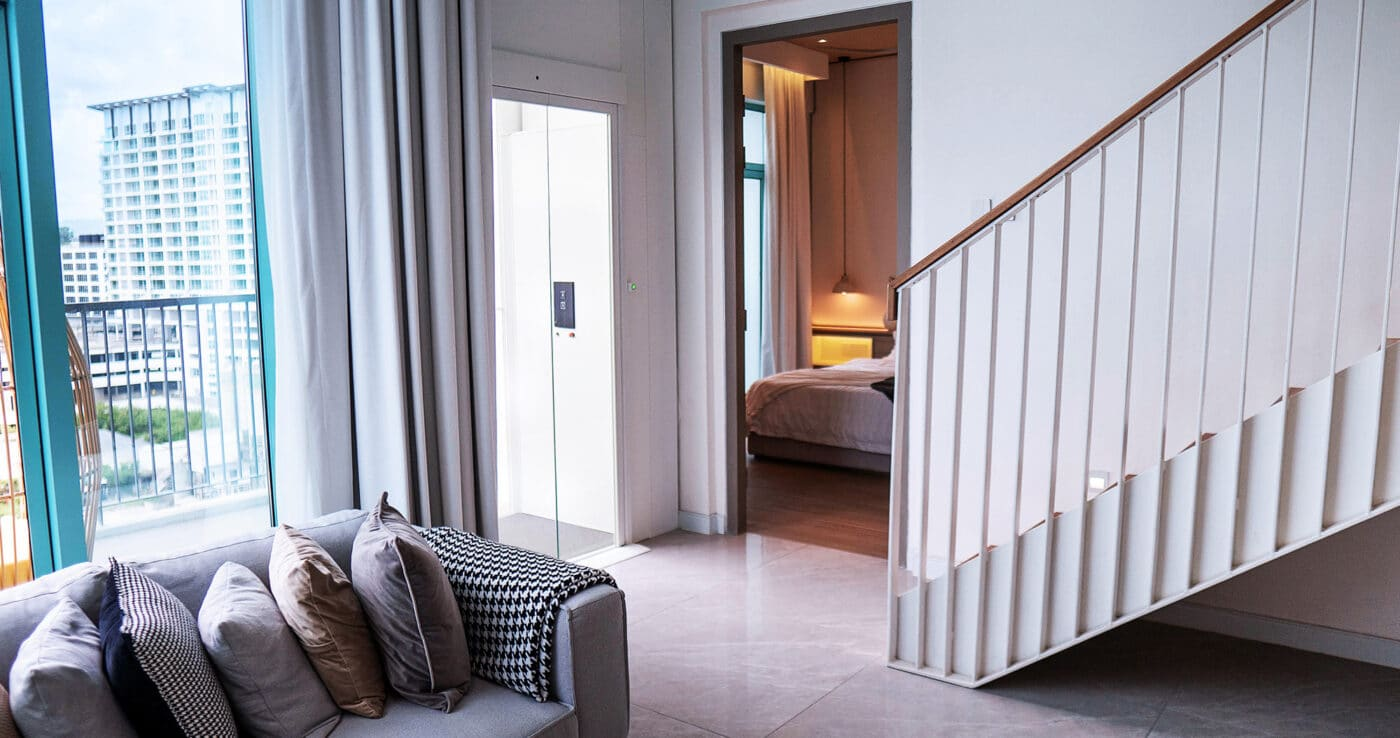
Pushing every piece against the walls does not make a room look bigger; it makes it look like a waiting room with a stage in the middle. Pull the sofa off the wall even six inches, angle chairs into a conversation grouping, and anchor it all on a rug large enough that the front legs of every piece land on it. The room instantly reads as intentional and, counterintuitively, larger.
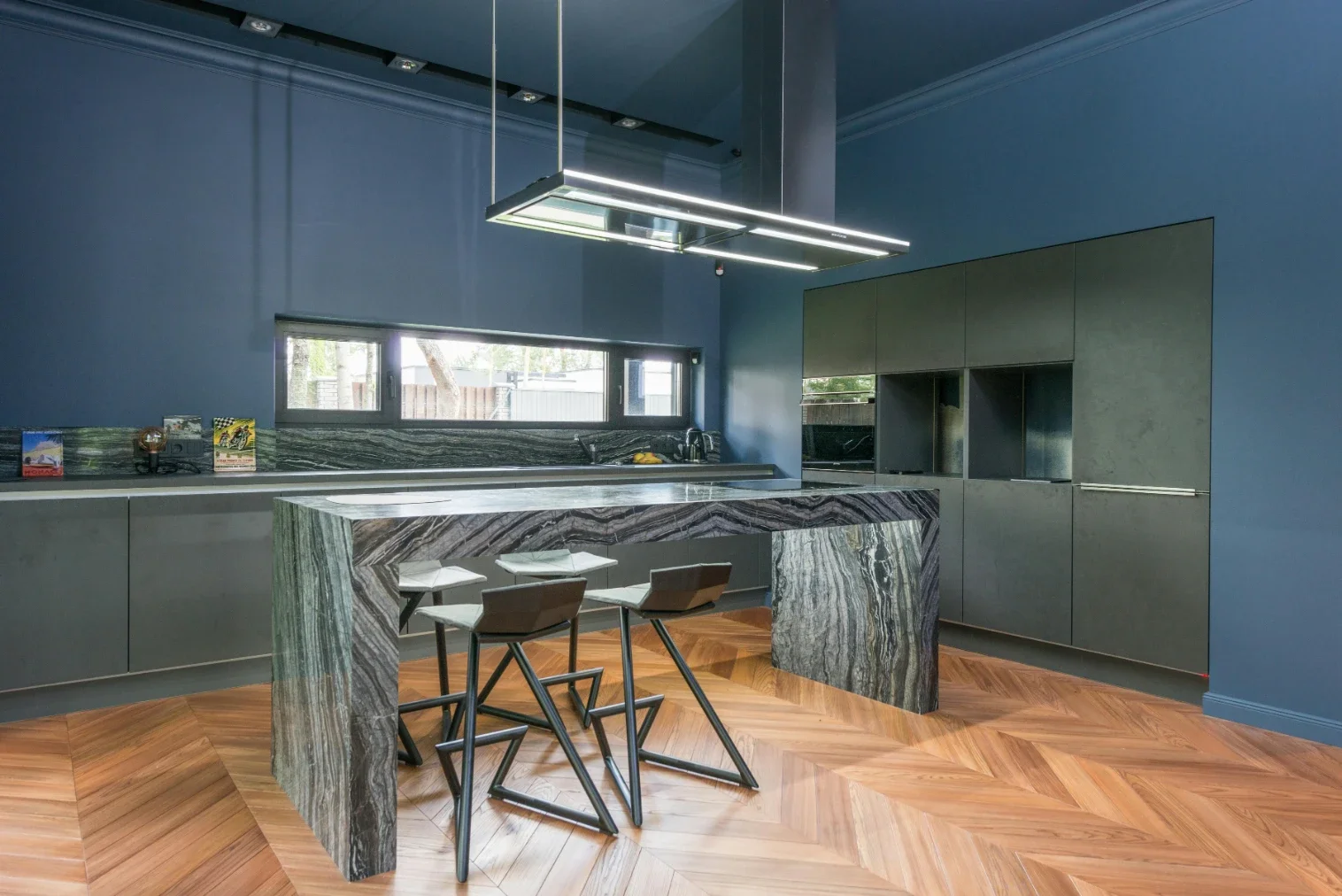
Trick #6: The Kitchen — Clear 90% of the Counters
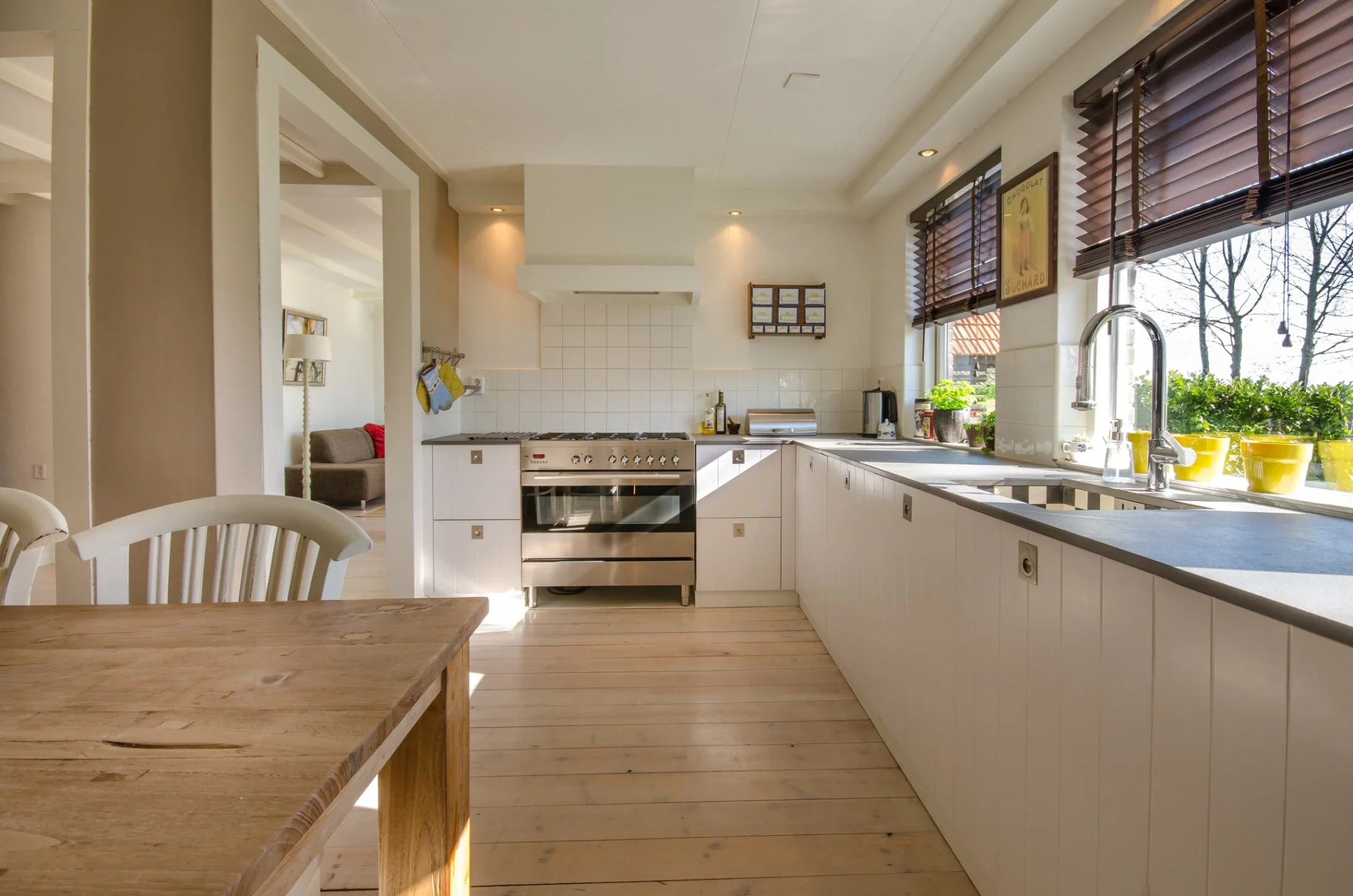
Leave a maximum of three things on the counters: a coffee maker if it's handsome, a bowl of fruit, and a cutting board with a plant or cookbook. Everything else — the toaster, the knife block, the vitamin lineup, the paper-towel holder — gets stored. Empty counters are how buyers see counter space, and counter space sells kitchens.
Trick #7: The Primary Bedroom — White Hotel Bedding
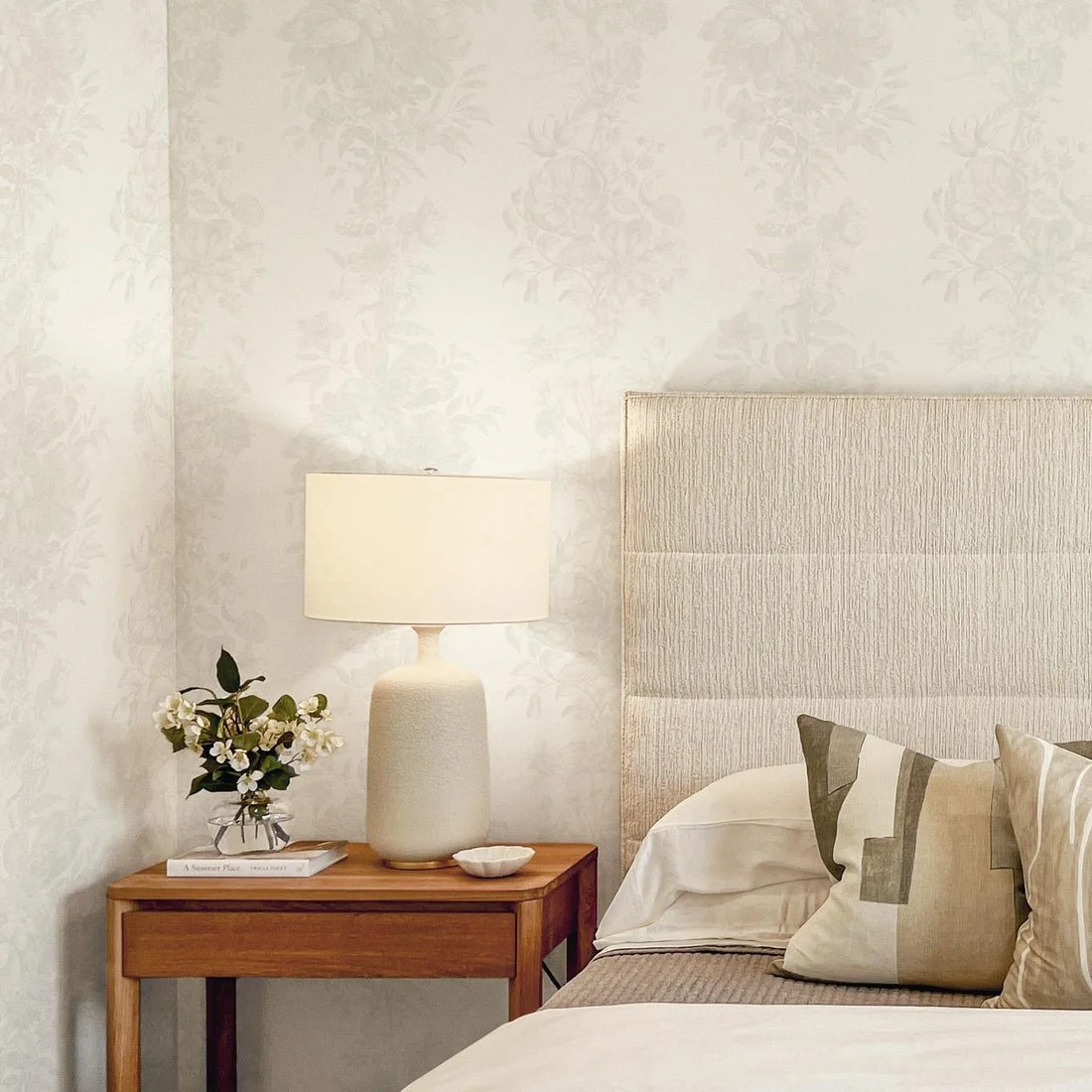
Whatever your personal style, stage the primary bedroom with crisp white bedding, layered with one throw and a neat row of pillows. It photographs like a hotel, reads as clean to every buyer demographic, and costs less than a hundred dollars. Symmetrical nightstands and matching lamps finish the effect.
Trick #8: The Bathroom — Stage It Like a Spa, Use the Guest Towels
Bathrooms sell on the impression of cleanliness. New white towels (never the family towels), a single tray with a candle and rolled washcloths, clear shower glass, and absolutely nothing personal in the shower caddy. Recaulk anything that's even slightly gray — it's a $12 fix that erases ten years.
Trick #9: Let There Be (Warm) Light
Walk the house and turn on every light. Any room that still feels dim needs help: swap bulbs for brighter warm white (2700–3000K, same temperature everywhere—mixed bulb colors photograph terribly), add a floor lamp to dark corners, and remove window screens in rooms that need more daylight. Before every showing: every light on, every blind open.
Trick #10: Mirrors Are Cheap Square Footage
A large mirror opposite or adjacent to a window effectively doubles the window's apparent size. In small rooms, dark hallways, and dining rooms, one oversized mirror is the highest-return décor purchase in staging. Lean a floor mirror in a cramped bedroom and watch it grow.
Trick #11: Neutralize the Bold Rooms — and Only the Bold Rooms
You do not need to repaint the whole house. You need to repaint the burgundy dining room, the purple kid's bedroom, and anything that will dominate a listing photo. Soft warm whites and greiges photograph best. If a room is already neutral, spend the paint budget on touching up scuffs and repainting the front door instead.
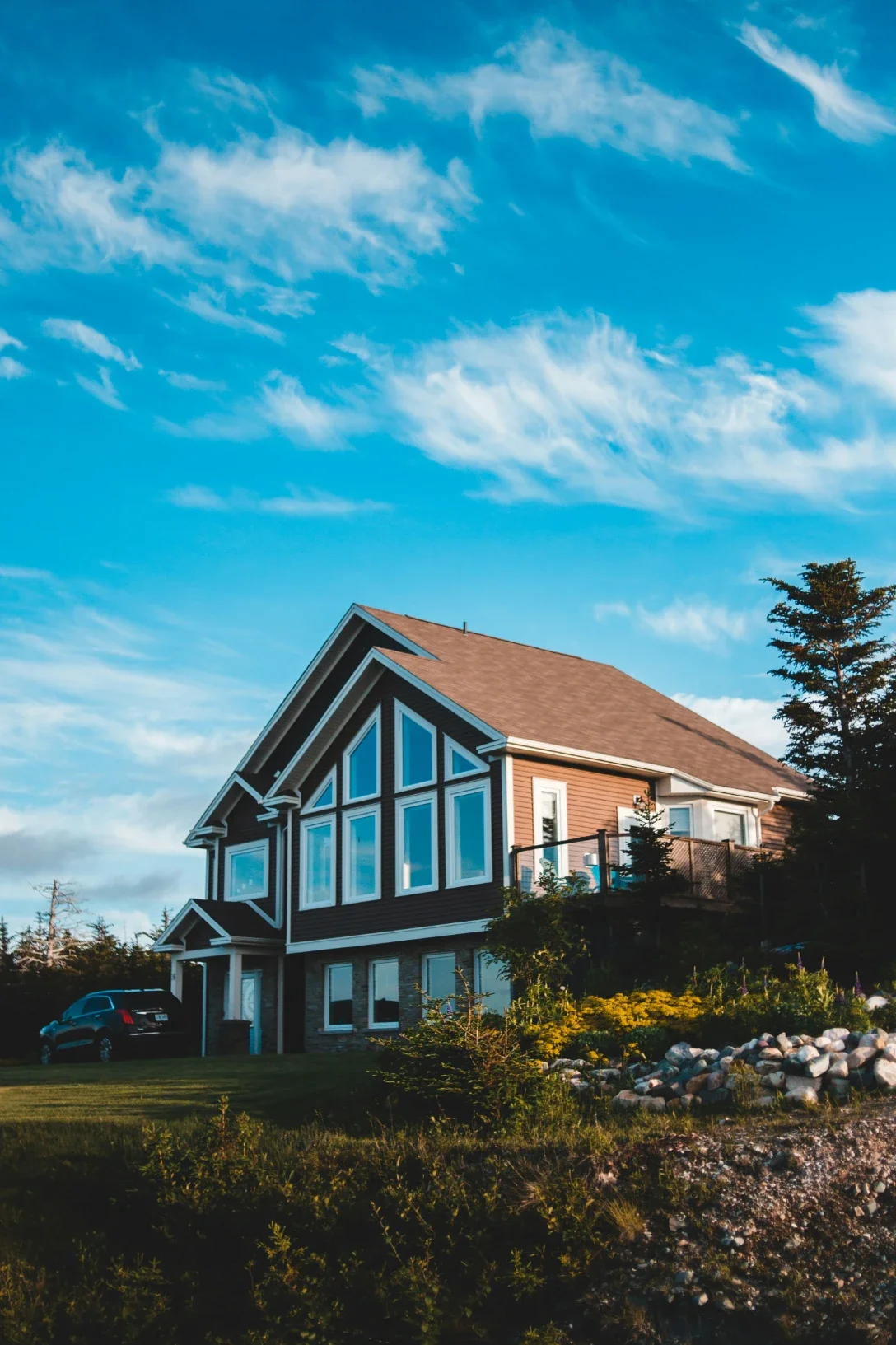
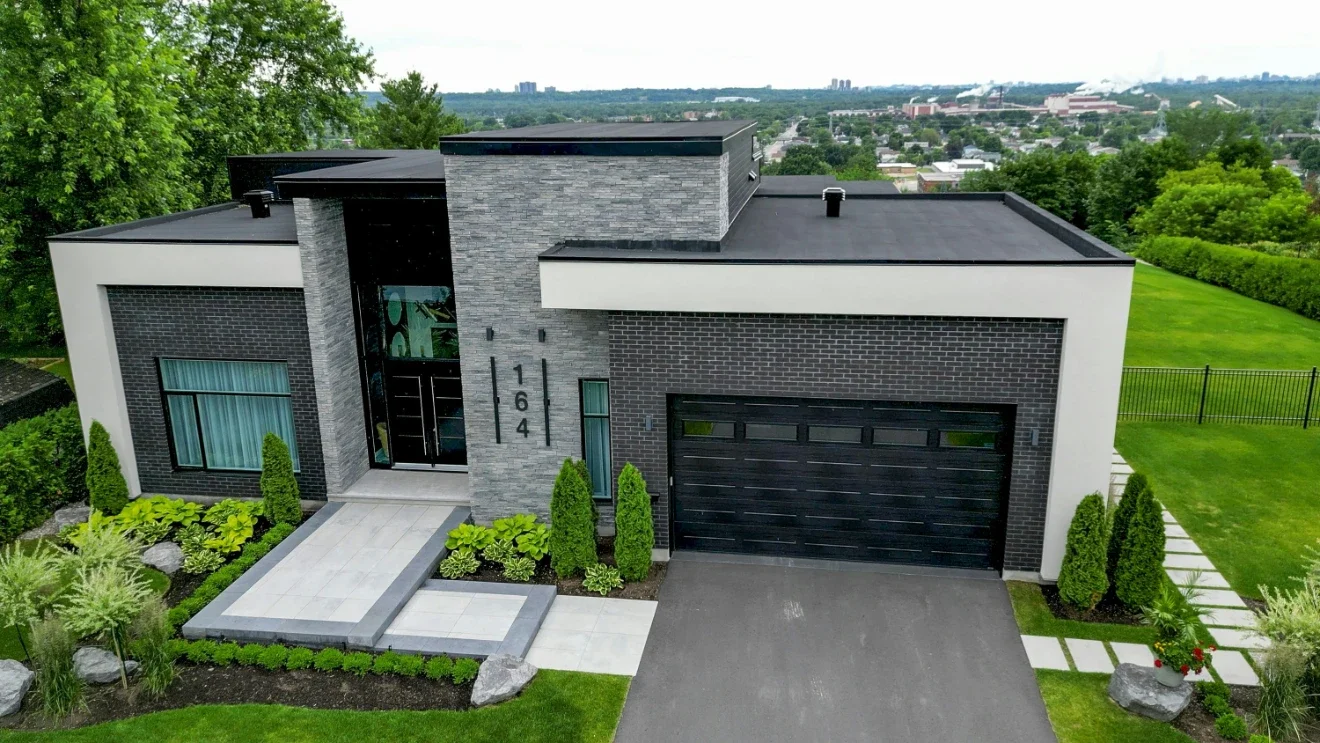
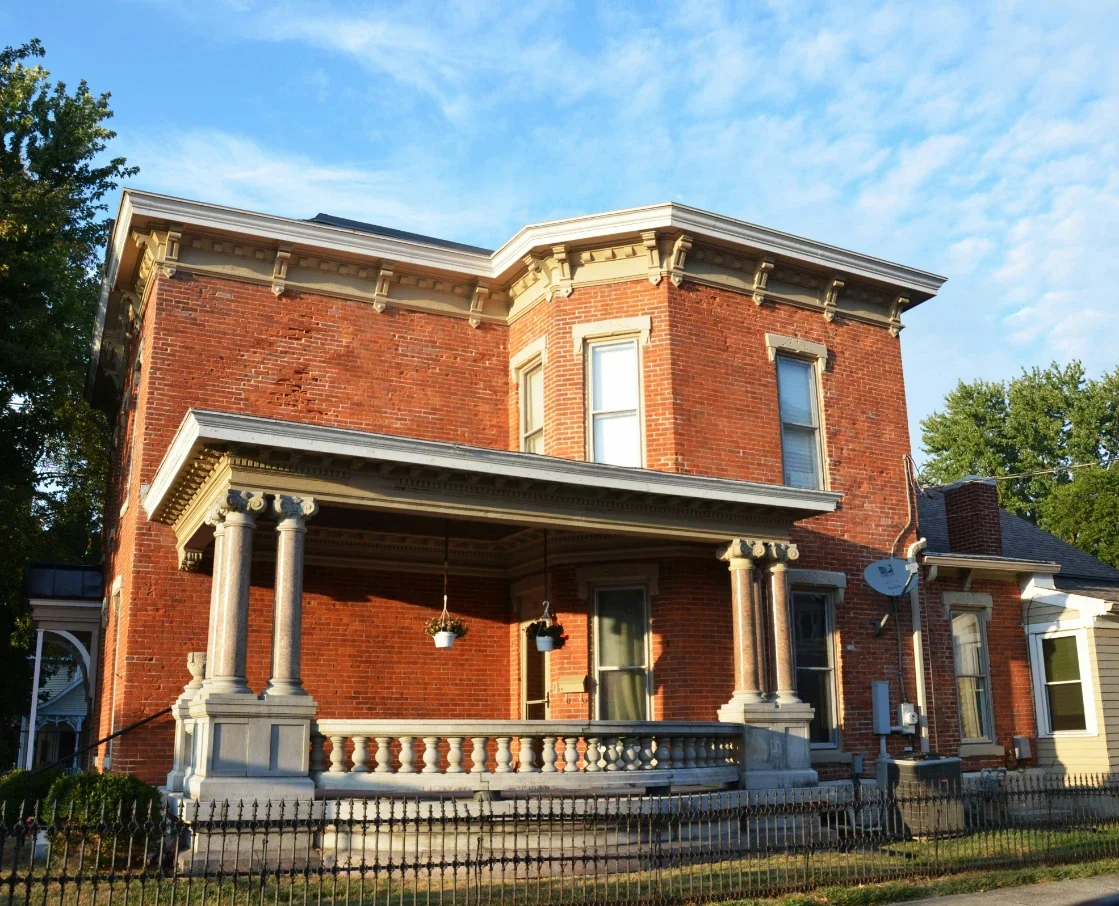
Trick #12: Curb Appeal Is the First Photo, Not the Last Chore
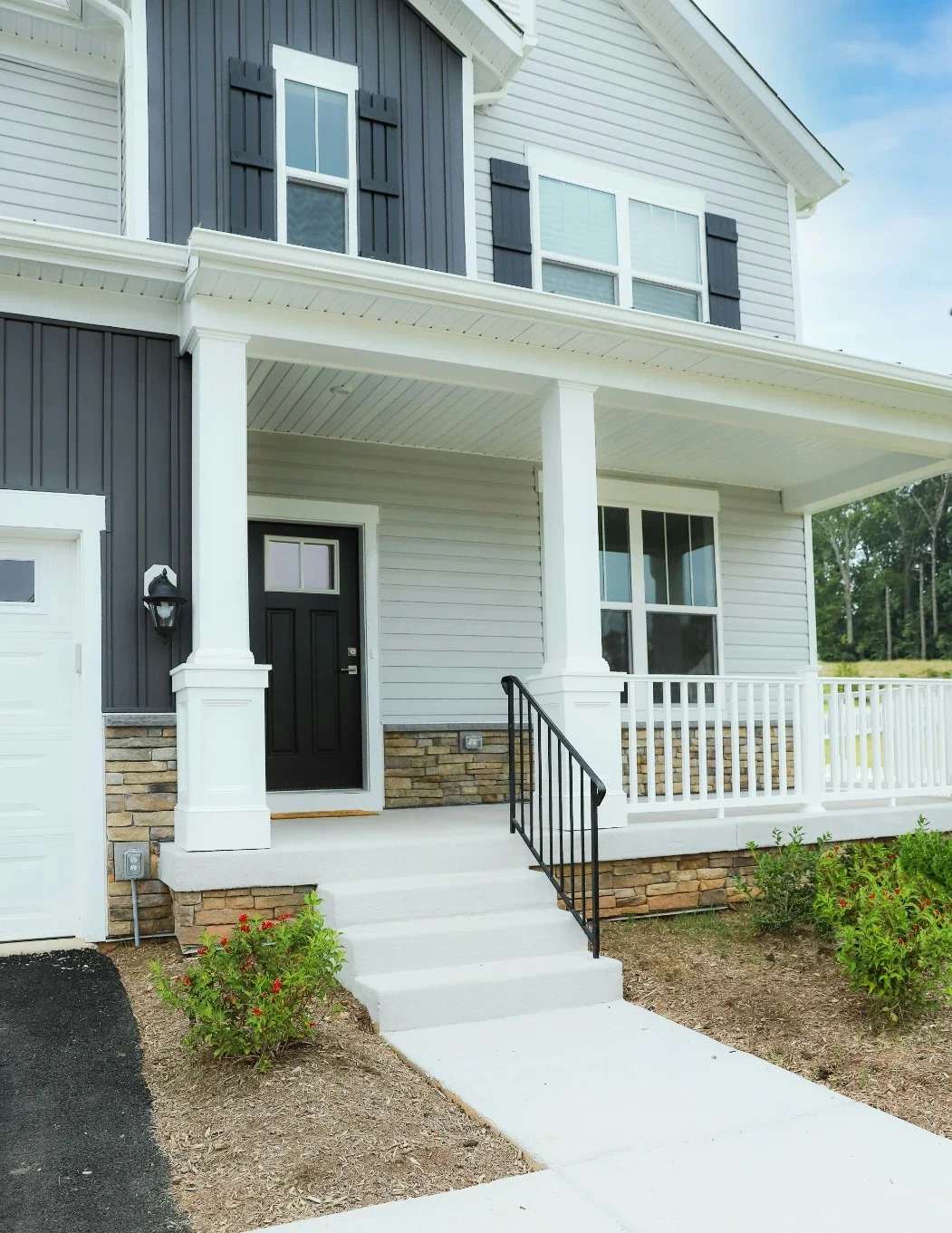
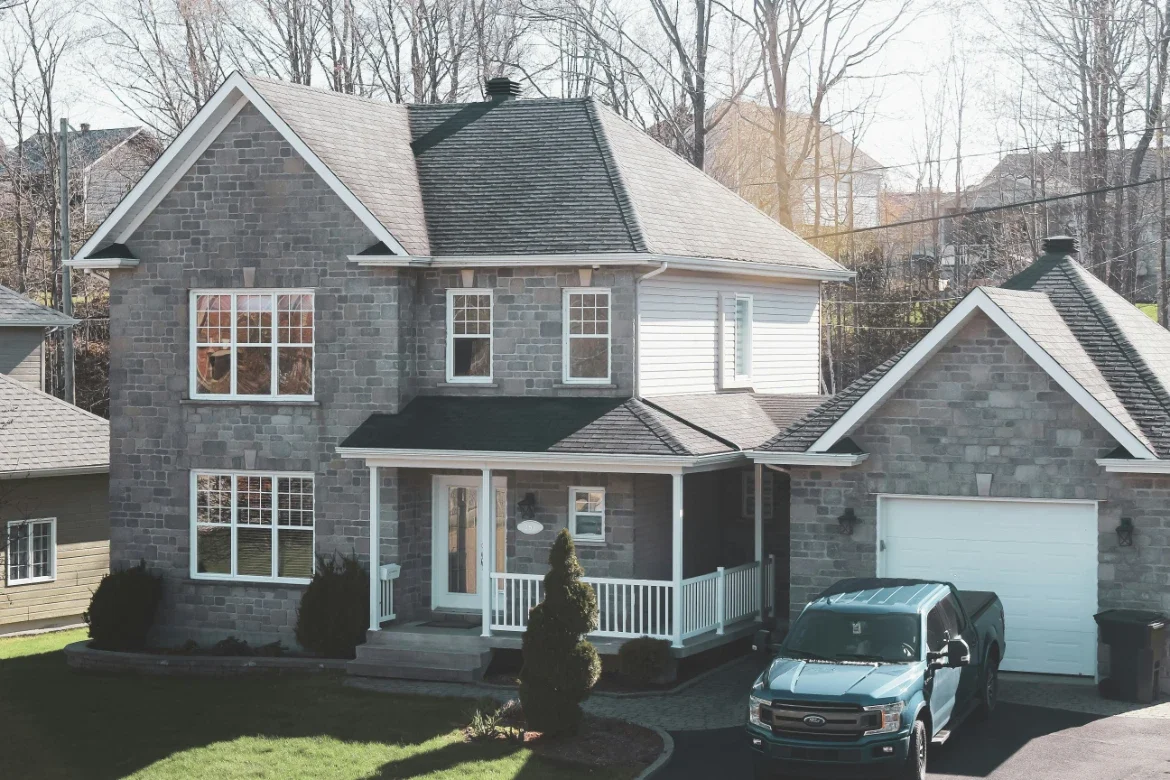
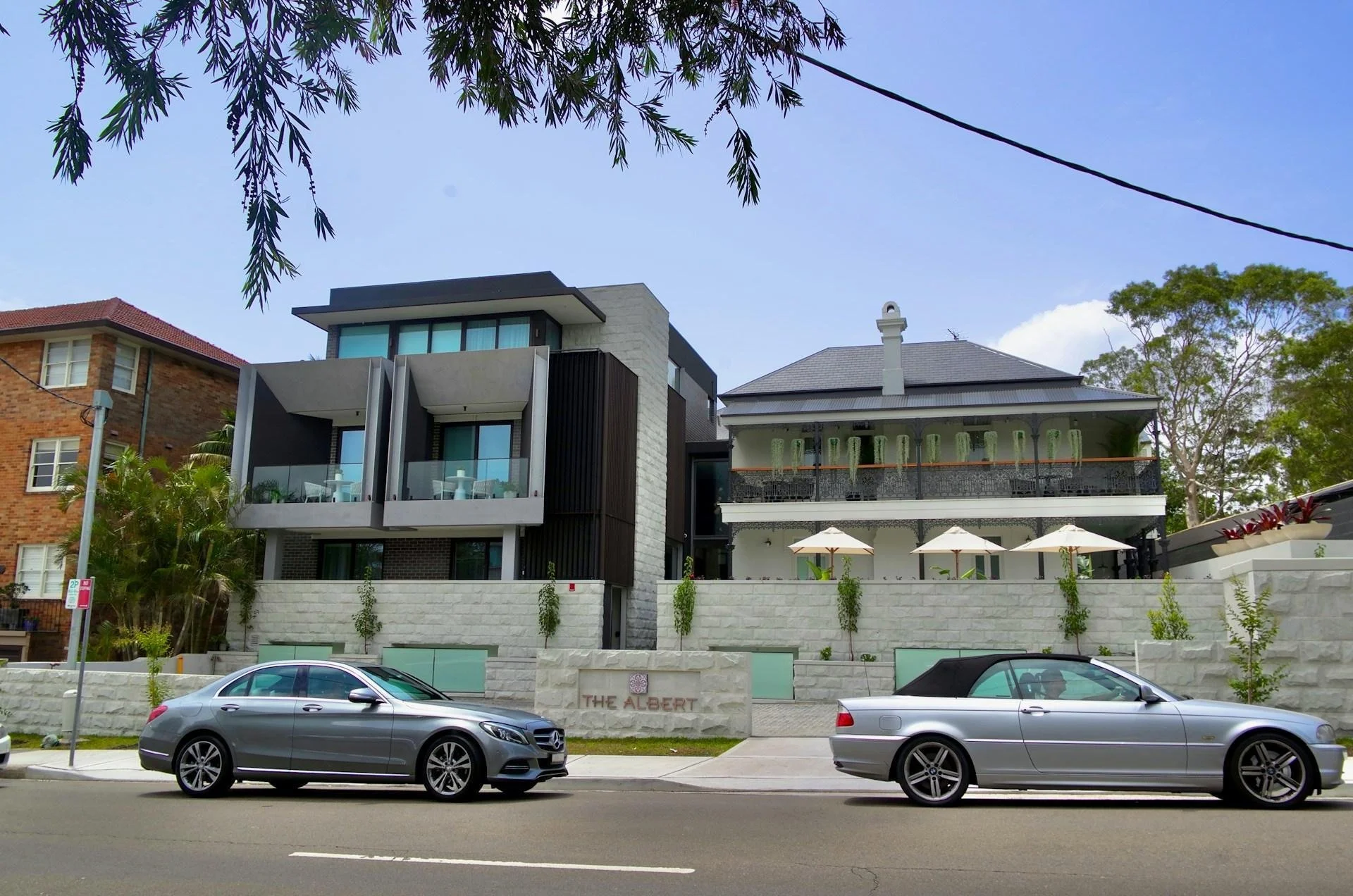
Buyers form their opinion in the driveway. One weekend covers it: mow, edge, mulch the beds, pressure-wash the walk, paint or restain the front door, replace the porch light if it's dated, and set two matching planters at the entry. In leafy markets — Atlanta's tree-lined neighborhoods are famous for this — a blown-clean driveway and fresh pine straw can transform the entire first impression for under $200.
Trick #13: Silence the House
Smell and sound are staging categories people forget. No candles burning during showings (buyers assume you're hiding something); instead, air the house out the morning of, run the HVAC fan, and empty every trash can. Oil the squeaky door hinge and tighten the rattling cabinet pull — small sounds read as deferred maintenance.
Trick #14: Stage the Storage
Buyers open closets, pantries, and cabinets, so those spaces are rooms too. The rule: every closet at two-thirds capacity or less, with matching hangers all facing one direction, shoes in rows, shelves with visible gaps. It's theater, and it works — a closet with breathing room convinces buyers the house has storage to spare.
Trick #15: The 48-Hours-Before-Photos Checklist
Two days before the listing shoot, run the final sweep:
Every surface cleared to three items or fewer
All personal photos and papers boxed and moved out
White bedding on, hotel corners, pillows chopped
Every bulb working, all one temperature
Windows cleaned inside and out
Fresh flowers or greenery in the kitchen and living room
Cars out of the driveway, bins out of sight, hose coiled
One final phone-camera walkthrough of every room
Staging is not decorating — it's packaging. The version of your home that sells is emptier, brighter, and blander than the version you loved living in, and that's exactly the point: you're clearing the stage so the buyer can imagine their own life on it. Do it well, and you won't just be staging a house. You'll be staging a bidding war.
Stay up to date with our latest ideas!