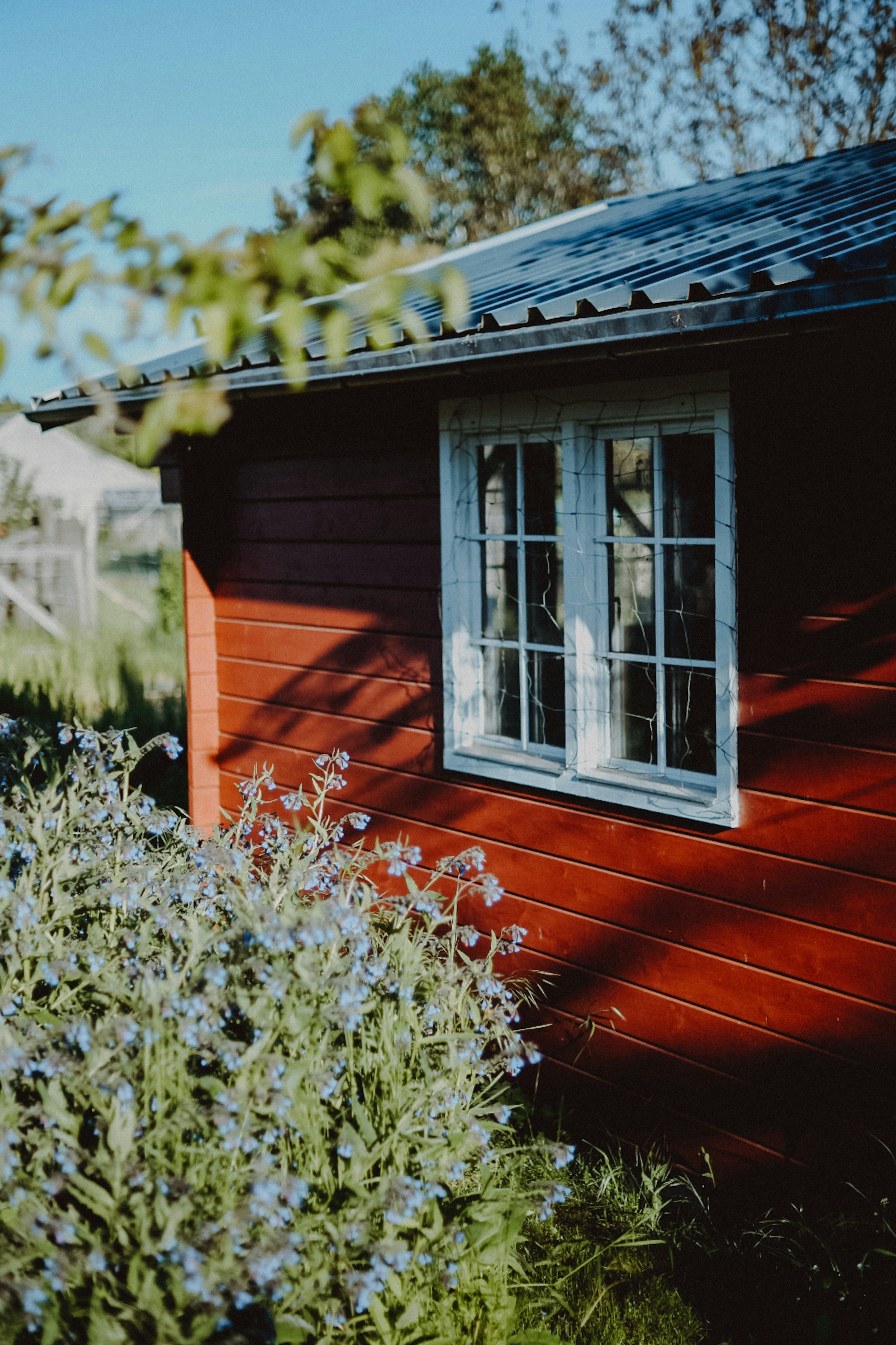
How Farm Sheds Can Elevate Your Rural Property Aesthetic
Discover how farm sheds can elevate a rural property's aesthetic with practical layouts, timeless materials, thoughtful colors, and designs that complement the landscape.
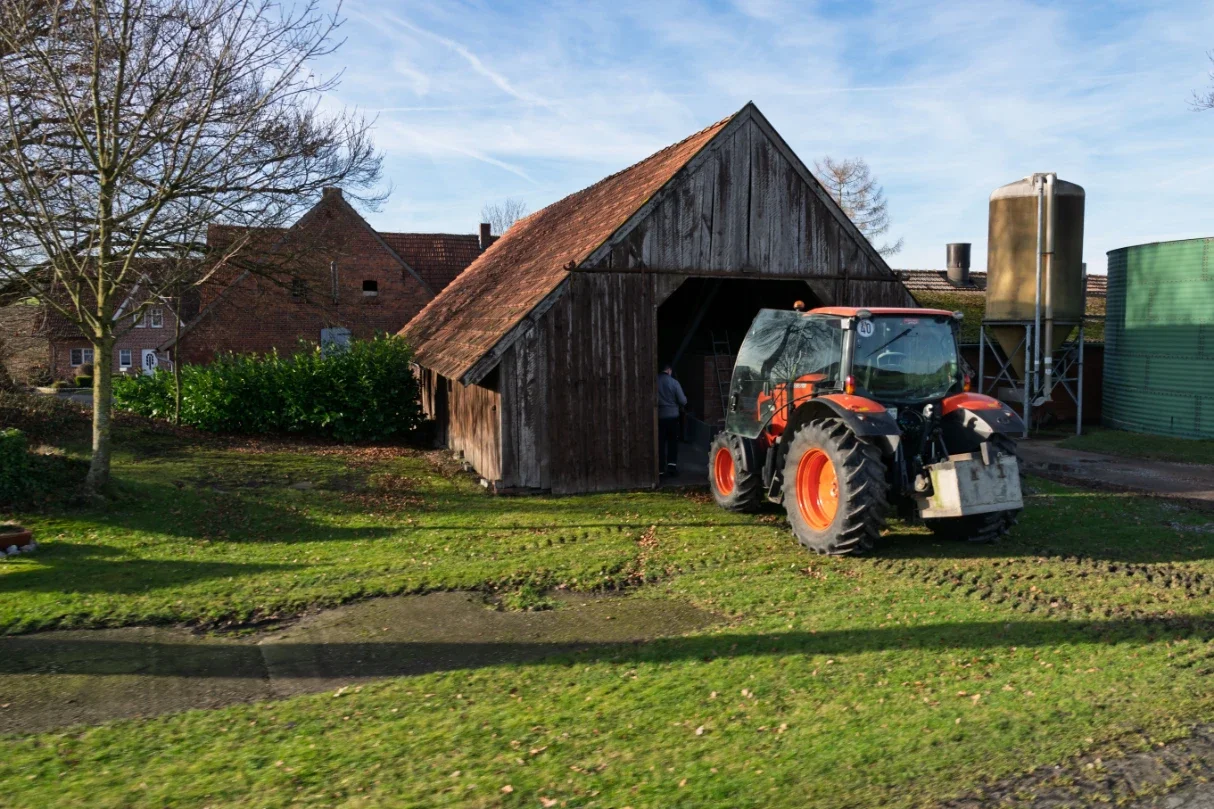
Rural properties have a character that is difficult to replicate elsewhere. Open land, natural textures, working structures, and simple architectural forms all contribute to a grounded, authentic feel. Yet one feature is often overlooked when planning the overall appearance of a property: the farm shed.
With thoughtful design, a shed does not have to sit apart from the rest of the property. Its position, proportions, roofline, colour, and surrounding landscape can help it feel like a considered part of the wider setting.
Choosing the Right Design for Your Land
Start by looking at the property itself. Consider the dominant colours, surrounding vegetation, slope of the land, existing buildings, and the views from the homestead or main access points.
A shed surrounded by golden grassland may benefit from different finishes than one positioned beside dense greenery or exposed soil. Rather than choosing colours and materials in isolation, consider how they will sit within the broader landscape.
Orientation is another practical design consideration. The direction a shed faces can affect sunlight, heat, weather exposure, and how the structure is viewed from different parts of the property. Thoughtful placement can also help the shed sit more naturally within the contours and sightlines of the land.
Landowners looking for farm sheds can choose from a wide range of customisation options. Dimensions, eave heights, access points, roller doors, and roof pitch can all be tailored to suit the practical needs and character of a property.
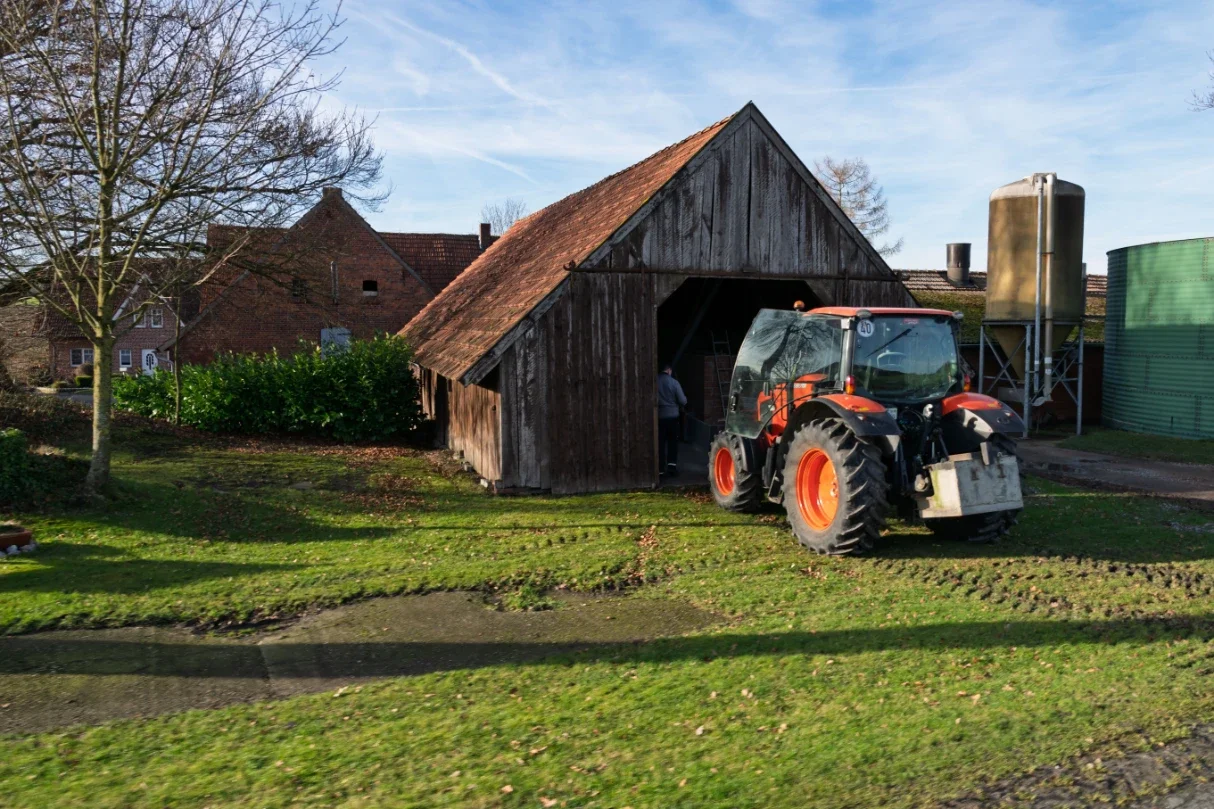
For a traditional farmhouse setting, a wide gable roof paired with earthy or neutral tones can complement existing architecture. On a more contemporary rural property, simple rooflines and muted greys can create a cleaner, more modern appearance.
The Aesthetic Power of Purposeful Structures
Farm sheds are often treated as purely utilitarian buildings, but their scale means they can have a significant visual impact on a property.
A well-positioned shed can help create structure within a large open landscape. It can frame views, define working areas, and create a visual connection between the homestead and other parts of the property.
Proportion is especially important. A large shed may feel imposing if its roofline, height, or placement does not relate well to its surroundings. Breaking up large surfaces through doors, openings, roof shapes, or changes in materials can make the building feel more balanced.
The goal is not necessarily to hide the shed. In many cases, it is better to make the structure look intentional.
A building that clearly belongs within the property often feels more visually appealing than one designed without considering the land around it.
Balancing Function and Appearance
A shed still needs to work first.
Access for vehicles, equipment, livestock, storage, or day-to-day maintenance should guide the basic layout. Once those practical requirements are established, aesthetic choices can be layered around them.
Consider how people approach and view the shed from different directions. A structure visible from the main homestead, driveway, or outdoor living area may deserve additional attention to its finish and surroundings.
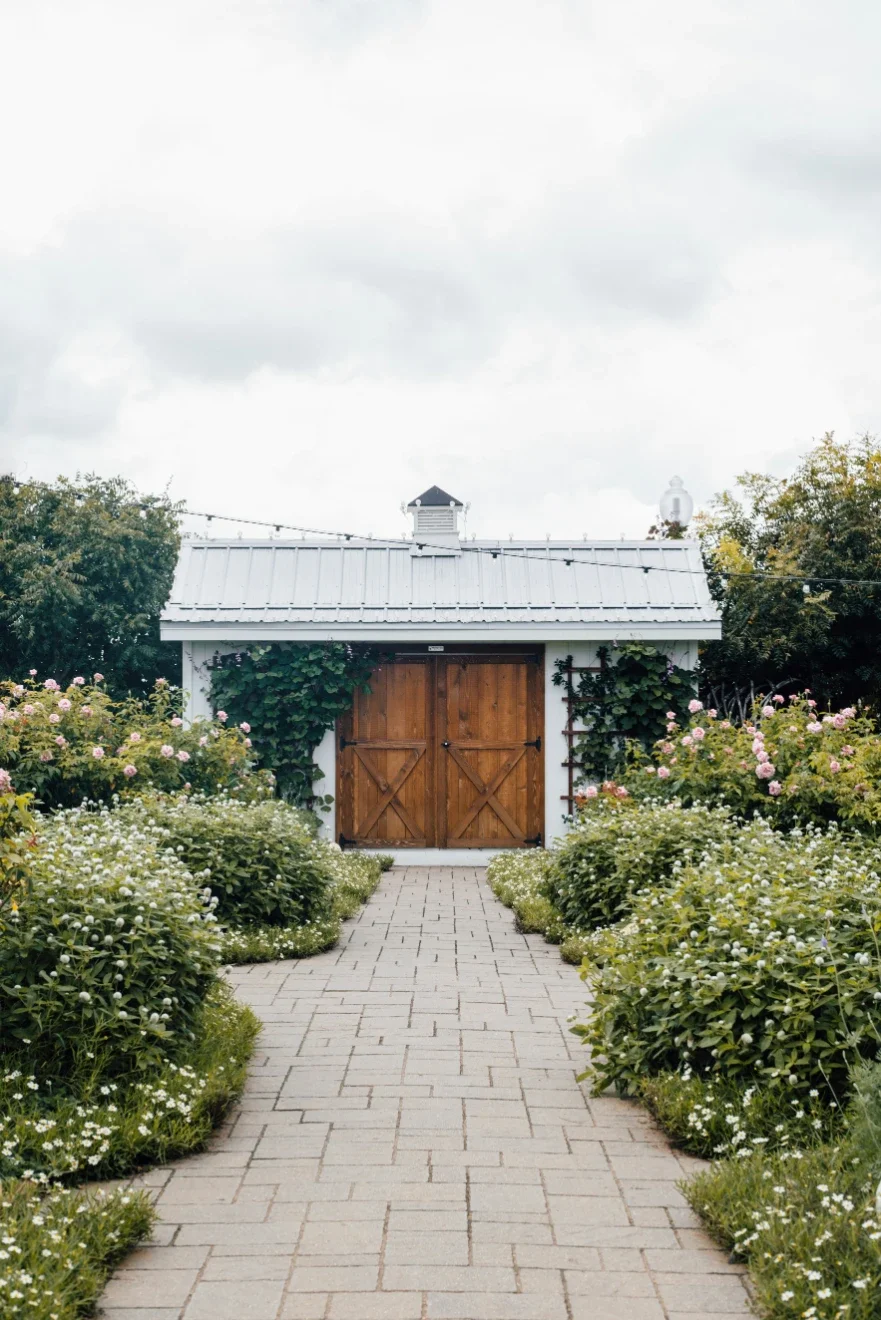
Landscaping can also help connect the building to the rest of the property. Gravel paths, native planting, simple fencing, or clearly defined access areas can soften the transition between the shed and surrounding land without interfering with its working purpose.
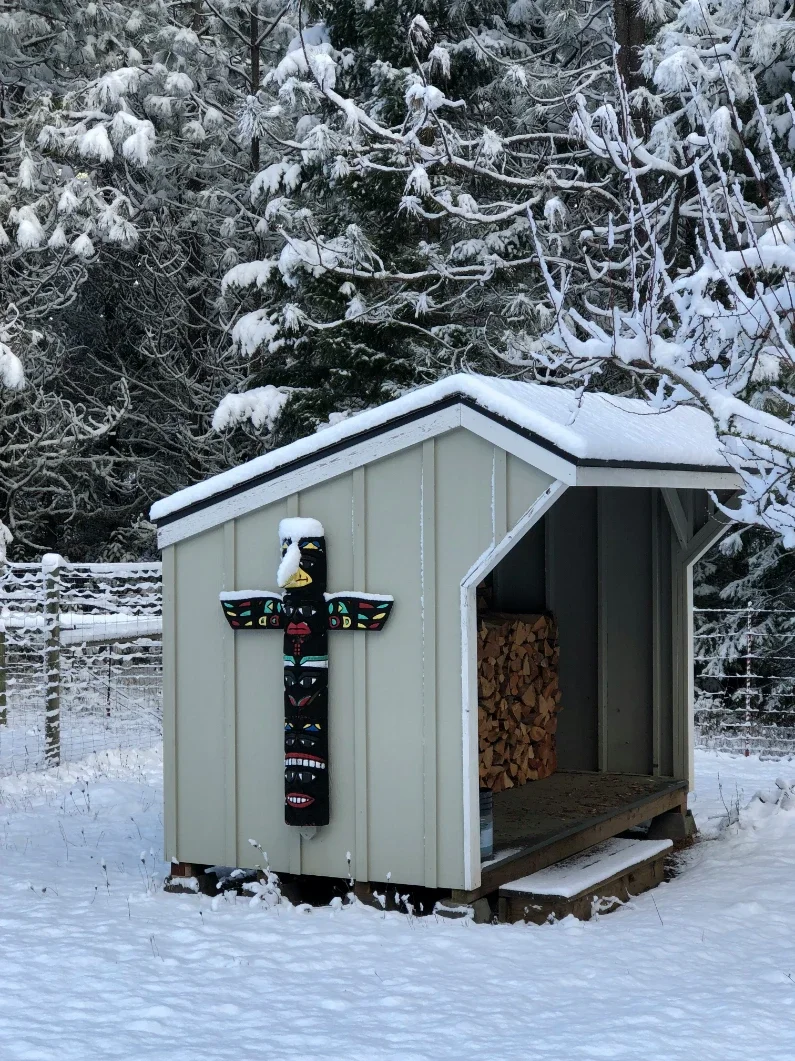
Skylights, ventilation openings, windows, and doors can also break up broad wall and roof surfaces. Used thoughtfully, these elements improve function while adding visual rhythm and variety.
Storage capacity does not have to come at the expense of appearance. Clean lines, balanced proportions, and carefully positioned openings can help even a large working shed feel like a deliberate part of the property.
Choosing Colours and Materials
Colour has a major influence on how prominent a shed appears in the landscape.
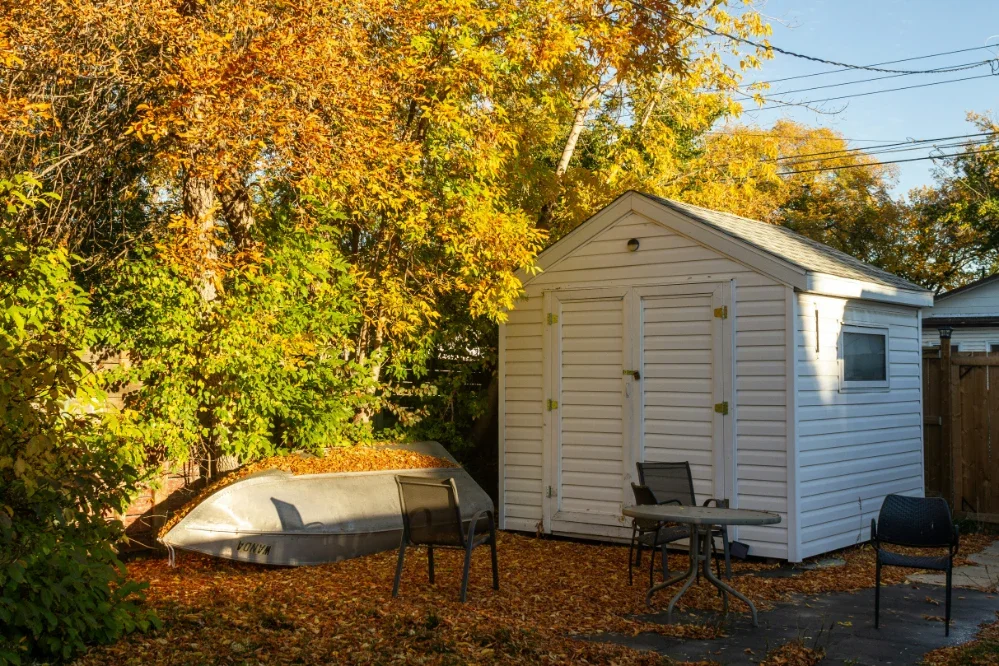
Darker tones such as deep charcoal, dark grey, or muted green can reduce the visual weight of a large structure, particularly near trees or darker vegetation. Lighter shades such as warm cream, off-white, or pale grey can create a brighter presence, especially for sheds closer to the homestead.
The right choice depends on whether you want the building to blend into its surroundings or act as a more noticeable architectural feature.
Materials also influence how the shed ages visually.
Durable, low-maintenance cladding can help preserve a clean appearance over time. Protective finishes can also reduce the amount of upkeep required, particularly for structures exposed to changing weather conditions.
Different roof styles, door configurations, wall heights, and finishes give property owners flexibility in shaping the overall appearance of the building.
The aim is not to make a working shed look decorative for its own sake. Instead, choose materials and finishes that support both the practical role of the structure and the visual character of the property.
Planning Your Shed as Part of the Bigger Property
The most cohesive rural properties are usually those where individual elements feel connected.
The homestead, fencing, driveways, gardens, sheds, and other outbuildings all contribute to how the property is experienced.
Before finalising a shed design, walk around the property and look at it from several viewpoints. Consider where vehicles enter, where people spend time, which areas are most visible from the home, and how the landscape changes across the day.
Think about whether the shed should blend quietly into the background or act as a stronger visual feature.
A thoughtfully positioned farm shed does more than provide storage or workspace. It can contribute to the identity of the property and reinforce the sense that every part of the land has been planned with purpose.
Wrap Up
A rural outbuilding can be practical without becoming an visual afterthought.
Thoughtful decisions around placement, proportions, roof design, colours, materials, access, and landscaping can help a shed feel connected to the wider property rather than separate from it.
Durable materials and careful planning can also help maintain that appearance over time.
When function and design are considered together, a farm shed can become more than a place to store equipment or complete everyday work. It can become a natural and well-integrated part of the rural landscape.
Stay up to date with our latest ideas!