The New Rule of Home Design: Creating Spaces That Work for Both You and Your Pets
Discover how to create a home that works for both you and your pets with smart design ideas that combine comfort, style, durability, and functionality.

Not long ago, designing a beautiful home and living comfortably with pets often felt like two separate goals.
Homeowners carefully selected furniture, colors, and décor to create a cohesive aesthetic, only to find themselves navigating dog crates, pet beds, scratching posts, and the occasional muddy paw print.
Today, however, the rules of home design are changing.
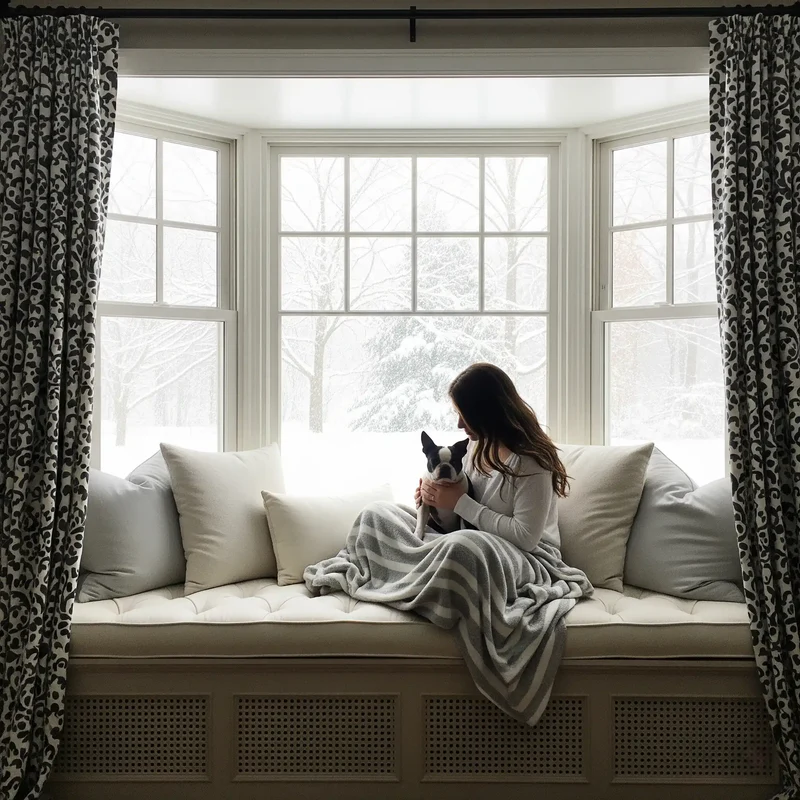
As pets become increasingly woven into daily life, designers and homeowners alike are embracing a new mindset: instead of designing around pets, design around real life.
The result is a more thoughtful approach to decorating—one that prioritizes comfort, functionality, and style for everyone who shares the space.
Here are four design ideas helping shape this new generation of pet-friendly interiors.
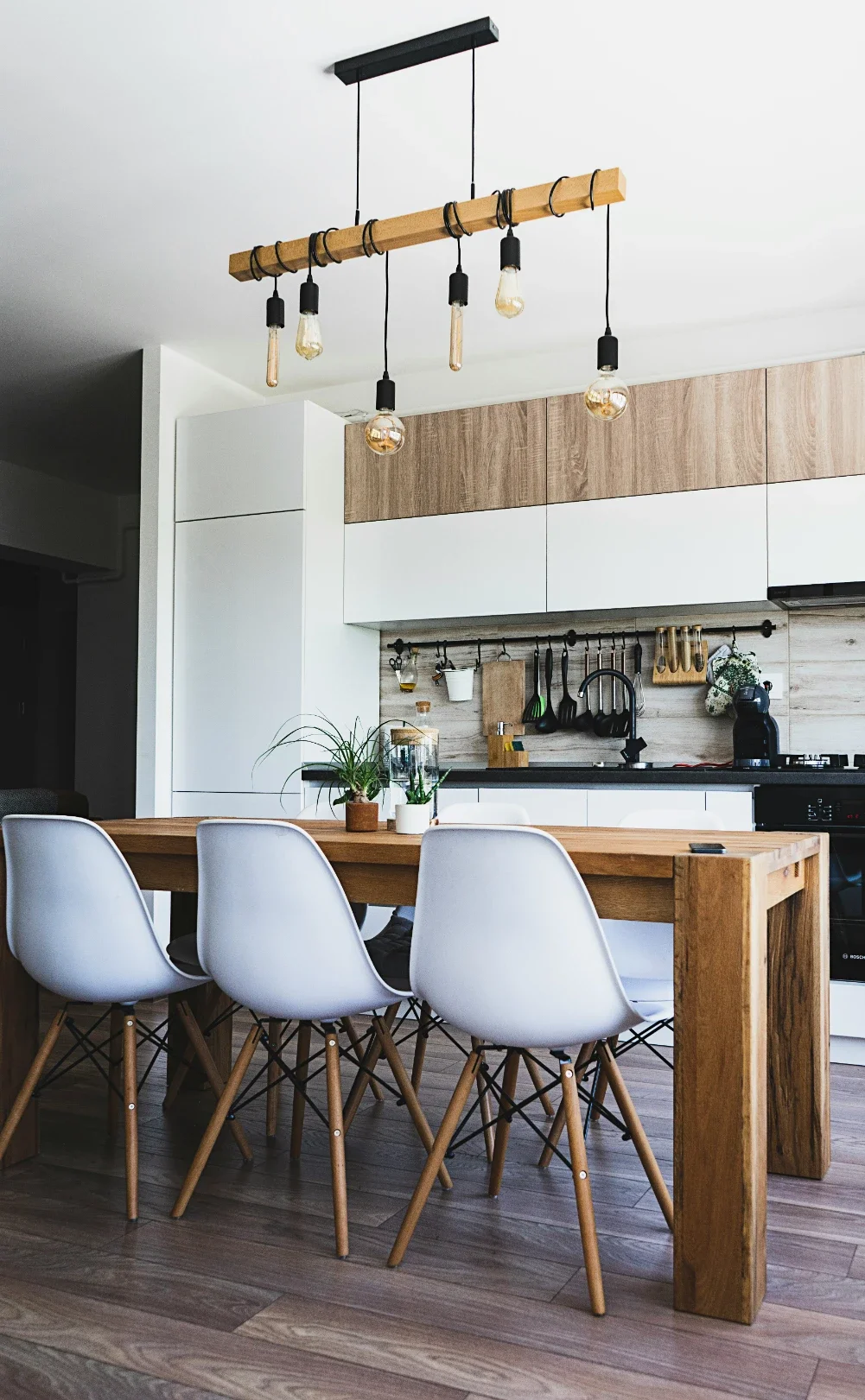
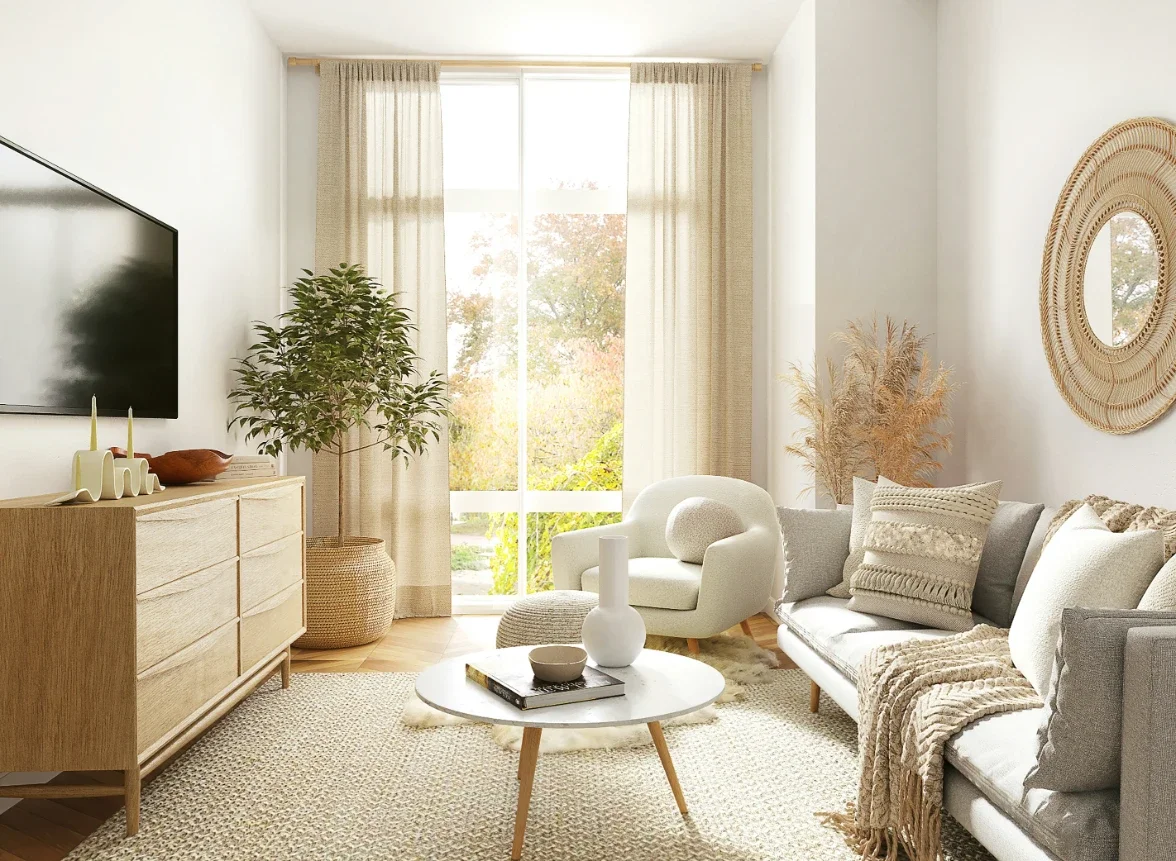
Design for Real Life, Not Just for Instagram
The most successful homes aren't necessarily the most perfect.
They're the ones that support everyday routines.
Morning coffee in the living room. Movie nights on the sofa. Dogs napping beside a desk during work hours. Cats finding their favorite sunny corner by the window.
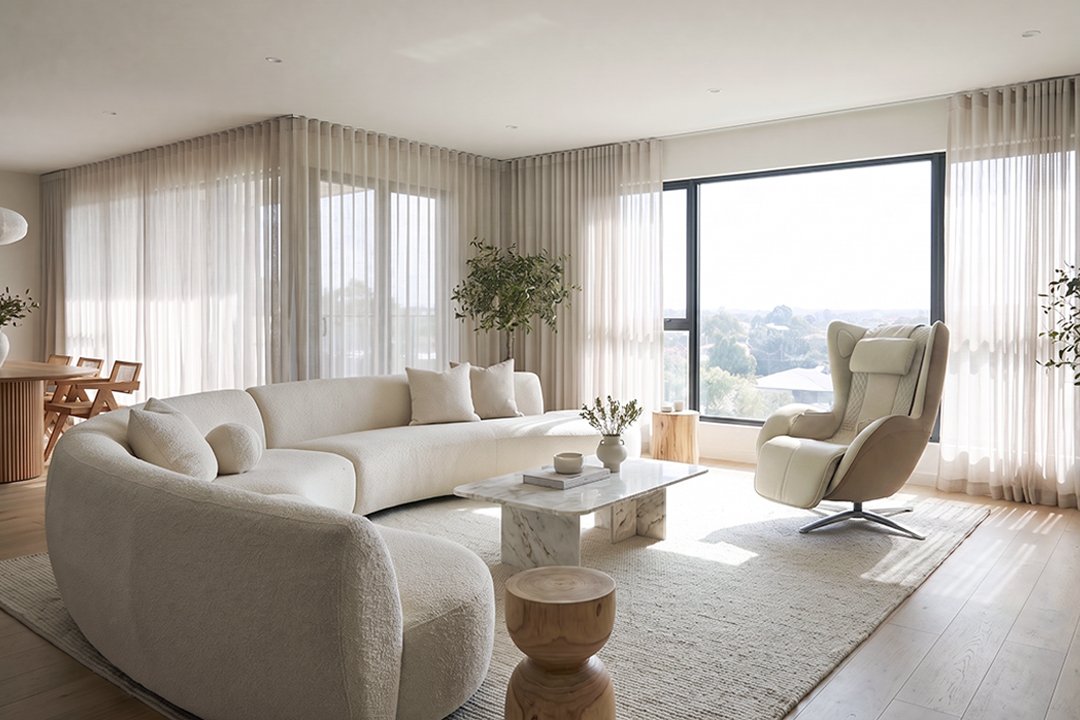
Real homes are active, dynamic environments, which is why more homeowners are prioritizing materials and furnishings that can handle everyday use without sacrificing aesthetics.
Washable textiles, durable surfaces, easy-maintenance finishes, and multifunctional furniture are becoming essential elements of modern interiors.
Rather than creating spaces that look untouchable, homeowners are increasingly choosing designs that remain beautiful even when life gets a little messy.
Because a well-designed home shouldn't require constant protection from the people—and pets—who live there.
Use Technology to Eliminate Design Guesswork
One of the biggest challenges in decorating is uncertainty.
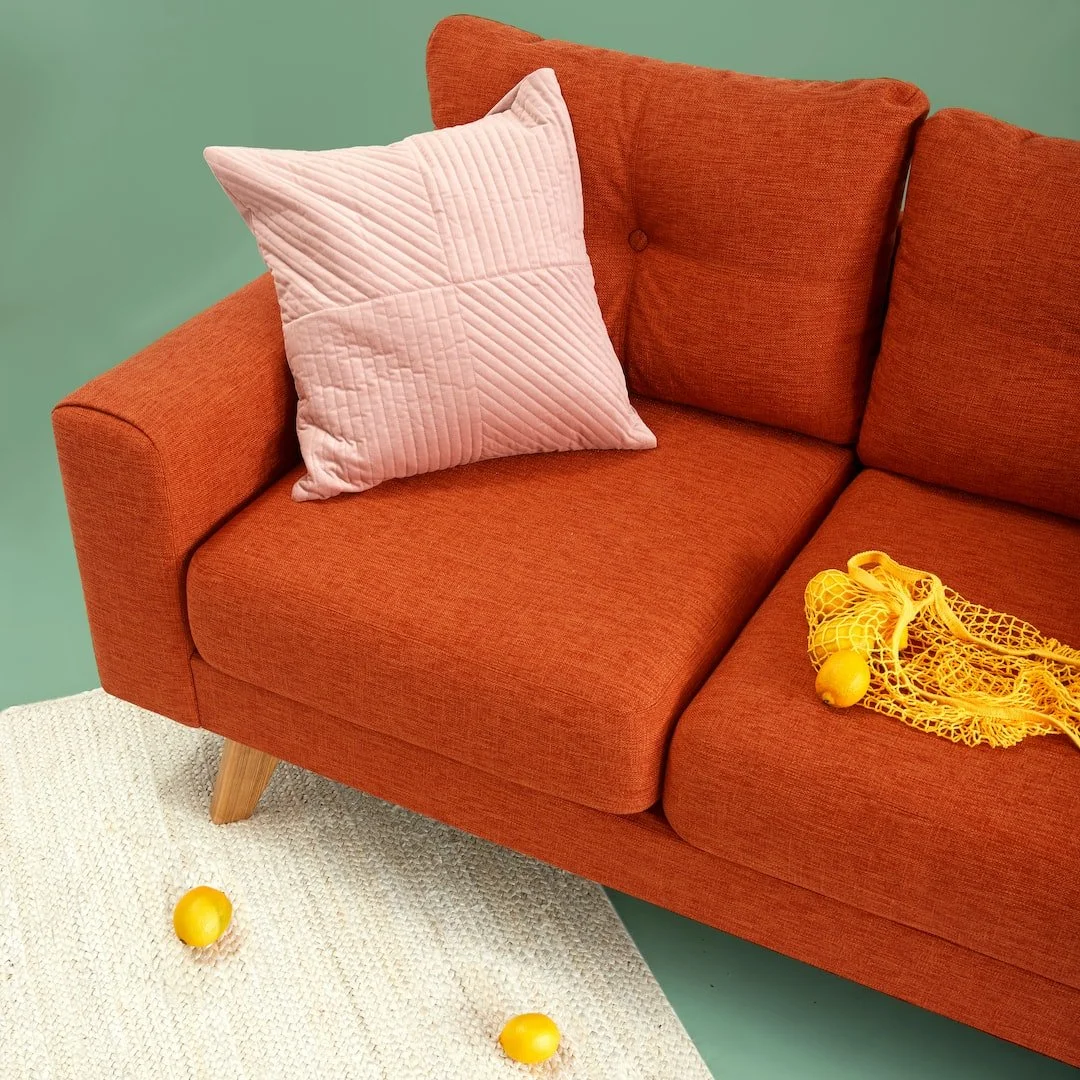
A rug might look perfect on a product page but completely different once it arrives in a room.
Scale, color, and placement can be difficult to judge online, especially when purchasing larger furnishings.
To address this, many home brands are beginning to offer AI-powered visualization tools that allow shoppers to preview products within photos of their own homes.
Instead of relying on imagination alone, homeowners can see how a piece may look alongside their existing furniture, flooring, and décor.
The result is a more personalized shopping experience and greater confidence when making design decisions.
As technology continues to reshape the home industry, visualization tools are quickly becoming one of the most useful additions to the decorating process.

Stop Hiding Pet Essentials
For years, pet products were treated as temporary necessities.
Dog crates were tucked into spare rooms. Feeding stations were pushed into corners. Pet furniture rarely matched the rest of the home's design.
But why should products used every day feel disconnected from the spaces around them?
A growing number of designers are rethinking pet essentials as part of the home's furniture collection rather than separate accessories.
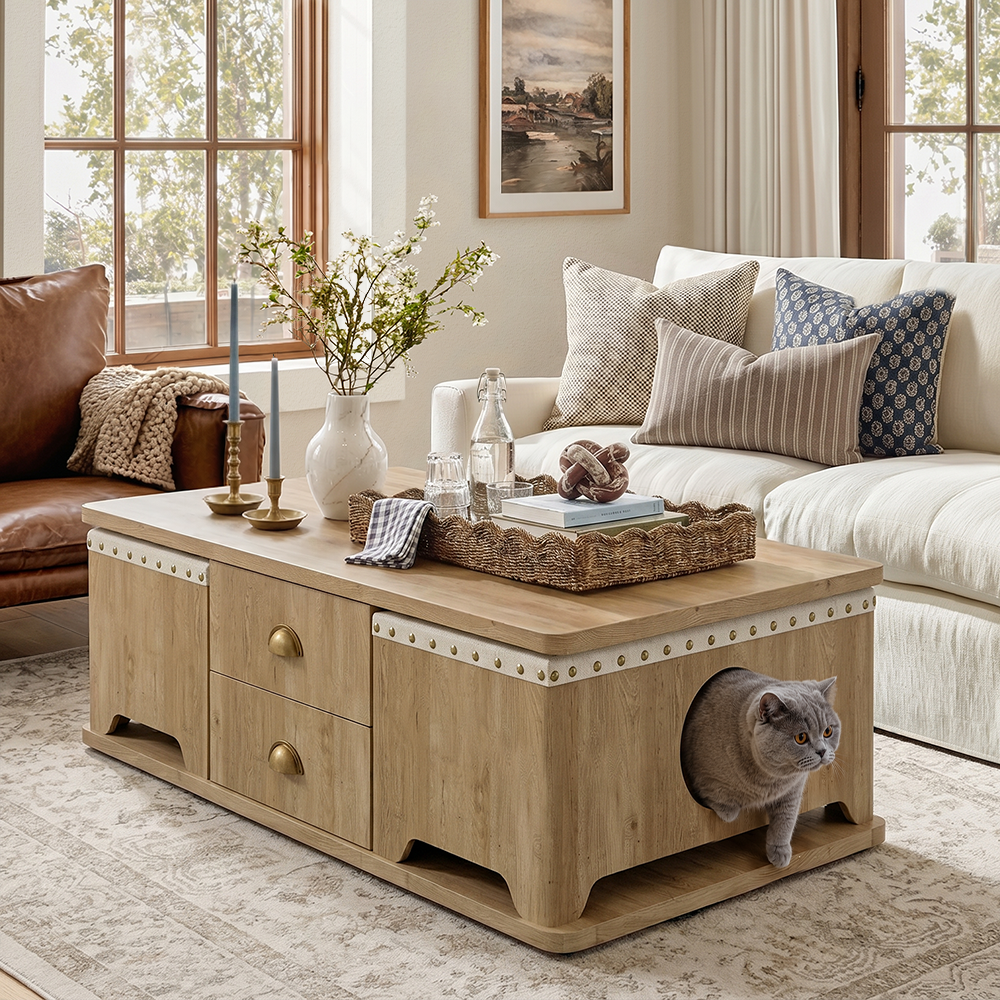
Furniture-style dog cabinets are a perfect example.
Instead of looking like traditional crates, these pieces function as storage consoles, sideboards, or accent furniture while simultaneously providing pets with a secure and comfortable retreat.
The concept isn't about disguising pet products.
It's about designing them thoughtfully enough that they naturally belong in the room.
When pet spaces are integrated into the overall design language of a home, the entire environment feels more cohesive.

Choose Decor That Adapts to Changing Needs
One of the most noticeable shifts in modern home design is the move toward flexibility.
Homeowners increasingly expect furnishings to do more than serve a single purpose.
This mindset is influencing everything from modular furniture to convertible spaces—and even rugs.
Traditionally, a rug offered one look and one experience. Refreshing a room often meant replacing it entirely.
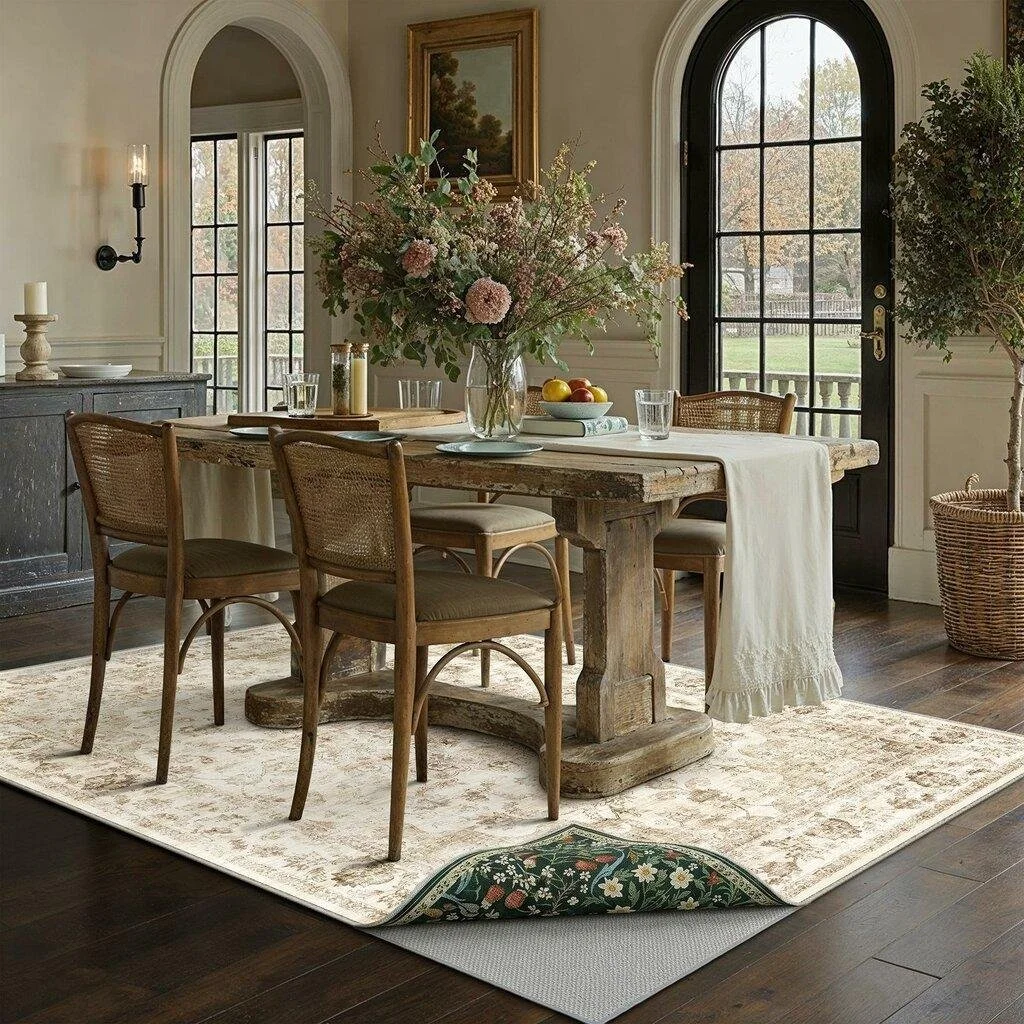
New concepts such as the DualSeason Rug™ approach the category differently.
Designed with two distinct sides, the rug offers two visual identities within a single piece. Each side features its own pattern, mood, and texture, allowing homeowners to change the atmosphere of a room simply by flipping it over.
One side provides a softer, cozier feel suited for colder months, while the reverse side offers a lighter, more breathable experience ideal for warmer seasons.
It's a simple idea, but one that reflects a larger trend: homeowners want products that evolve alongside their lifestyles rather than remaining fixed.
The Future of Home Design Is Shared Living
The most important shift happening in home design today isn't a color trend or a furniture style.
It's a change in perspective.
Homes are no longer designed exclusively around people. They're designed around the realities of everyday living—work, family, relaxation, and increasingly, pets.
Brands like PureCozy are exploring what this future looks like through adaptable rugs, furniture-integrated pet spaces, and technology-driven design tools, but the larger idea extends far beyond any single product.
The best interiors aren't simply pet-friendly.
They're thoughtfully designed for the way modern households actually live.
And for millions of families, that means creating spaces that feel just as comfortable for four-legged family members as they do for everyone else.
Stay up to date with our latest ideas!