Why Every Homeowner Needs a Portable Ice Maker?
Discover why every homeowner needs a portable ice maker for convenient, fast ice production that makes entertaining, cooking, and everyday living easier.
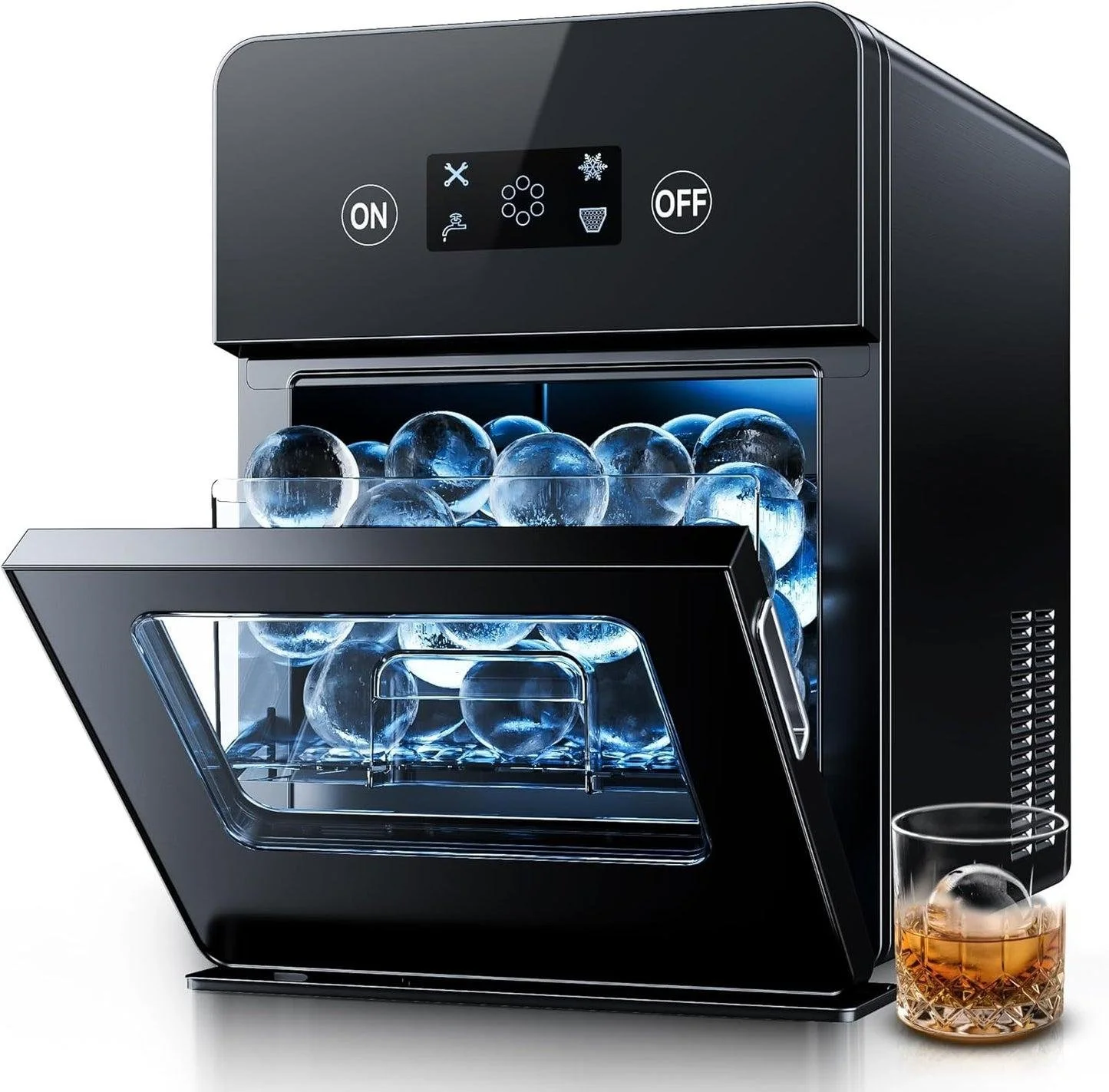
Picture this: it's a warm Saturday afternoon, friends are arriving for a backyard barbecue, and you reach into the freezer only to find a half-empty ice tray with barely enough cubes to fill two glasses. We've all been there—scrambling to twist stubborn ice trays, cracking open freezer bags that stick together, or making a last-minute dash to the convenience store for a bag of ice. Traditional methods of ice production simply can't keep up with the demands of modern entertaining or even everyday drink preparation. This is exactly where portable ice makers step in as a game-changing solution for today's homeowners. These compact, countertop appliances deliver fresh ice in minutes, eliminating the frustration of empty trays and inadequate freezer space. In this article, we'll explore how portable ice makers work, their key benefits for daily life and social gatherings, the different ice types available, how to choose the right model for your household, and practical tips for getting the most out of your investment. Whether you're a busy parent, an avid entertainer, or someone who simply enjoys a perfectly chilled drink, this guide is for you.
What Are Portable Ice Makers and How Do They Work?
Portable ice makers are compact, countertop appliances designed to produce ice on demand without requiring a permanent water line or dedicated installation. Unlike built-in ice makers that come integrated into refrigerators or require plumbing connections, portable models simply need an electrical outlet and a manual fill of water to get started. This makes them incredibly versatile—you can place them in your kitchen, home bar, patio, or even take them along to a vacation rental.
The operation is straightforward yet remarkably efficient. You pour water into the built-in reservoir, and an internal pump circulates that water to the freezing mechanism. Metal prongs or evaporator rods, cooled by a refrigerant-based condenser system, dip into the water and form ice around their surface. Once the ice reaches the desired size, the prongs warm slightly, releasing the formed ice pieces into a storage basket above. The cycle then repeats automatically until the reservoir runs dry or the basket is full. Most units feature sensors that detect when the basket reaches capacity, pausing production until ice is removed. Because these machines don't store ice at freezing temperatures long-term, any melted ice drains back into the reservoir and gets recycled into new batches, minimizing water waste. The entire process from water to finished ice typically takes just six to fifteen minutes per cycle, making them dramatically faster than traditional freezer trays that require hours of waiting.
Top Benefits of Portable Ice Makers for Homeowners
Rapid Ice Production for Daily Beverages
One of the most compelling reasons to own a portable ice maker is the sheer speed at which it delivers fresh ice. While traditional freezer trays demand four to six hours of patience, a portable unit churns out its first batch in as little as six minutes. Most models produce between 26 and 35 pounds of ice per day, which translates to a steady supply for morning iced coffees, afternoon lemonades, post-workout smoothies, and evening cocktails. For families who go through ice quickly—especially during warmer months—this continuous production cycle means you never have to ration cubes or plan ahead. The machine simply keeps working in the background, replenishing your supply as fast as you use it, making spontaneous drink preparation effortless rather than frustrating.
Convenience for Home Gatherings and Parties
When you're hosting guests, the last thing you want is to worry about running out of ice halfway through the evening. Portable ice makers solve this problem with their high-output capability and genuine portability. You can position the unit right next to your drink station, on the patio bar, or near the pool—wherever guests are gathered. Because these machines operate independently of your kitchen plumbing, they free up valuable freezer space for food while dedicating their entire function to ice production. During a party with ten or fifteen guests cycling through drinks, a portable ice maker can keep pace with demand in a way that two or three freezer trays simply cannot. This reliability removes the stress of entertaining, letting you focus on enjoying time with friends and family rather than managing ice logistics.
Understanding Ice Types: Nugget Ice vs. Bullet Ice
Not all ice is created equal, and understanding the difference between the two most common types produced by portable ice makers can significantly impact your satisfaction with the appliance. Nugget ice, sometimes called pellet ice or "sonic ice," consists of compressed ice flakes that create soft, chewable pieces with a porous texture. This type absorbs the flavor of whatever beverage it's placed in, making it a favorite for cocktails, soft drinks, and blended beverages. Its softer composition also makes it gentler on blender blades when crushing is needed, and many people simply enjoy chewing it as a refreshing snack.
Bullet ice, on the other hand, features a hard, cylindrical or bullet-shaped form with a hollow center. These dense cubes melt more slowly than nugget ice, making them ideal for situations where you want to keep drinks cold without rapid dilution—think glasses of water, iced tea, or spirits served on the rocks. Bullet ice is the more common output from affordable portable ice makers due to its simpler production mechanism. When choosing between the two, consider how your household primarily uses ice. Families who love smoothies, lemonades, and mixed drinks often gravitate toward nugget ice machines, while those who prioritize long-lasting chill in straightforward beverages tend to prefer bullet ice models.
How to Choose the Right Portable Ice Maker: A Step-by-Step Guide
Step 1: Assess Your Ice Needs
Before browsing models, take an honest look at how your household actually uses ice. If you primarily need ice for daily beverages—a couple of iced coffees in the morning and cold water throughout the day—a smaller unit with moderate output will serve you well. However, if you regularly host dinner parties, game-day gatherings, or summer cookouts with a dozen or more guests, you'll want a machine with higher daily production capacity. Consider your household size too: a family of five with active teenagers will burn through ice far faster than a couple who entertains occasionally. Think about seasonal patterns as well—summer months typically double or triple ice consumption compared to winter.
Step 2: Decide on Preferred Ice Type
Your ice type preference should directly reflect how your family enjoys their drinks. If your household is filled with cocktail enthusiasts, smoothie lovers, or kids who enjoy chewing soft ice, a nugget ice maker will bring daily satisfaction. If your priority is keeping beverages cold for extended periods without watering them down—particularly for iced teas, water bottles, or whiskey—bullet ice is the practical choice. Some households benefit from owning a bullet ice model for everyday use while reserving a nugget ice machine for entertaining, though most families find that one type covers the majority of their needs.
Step 3: Key Features to Consider
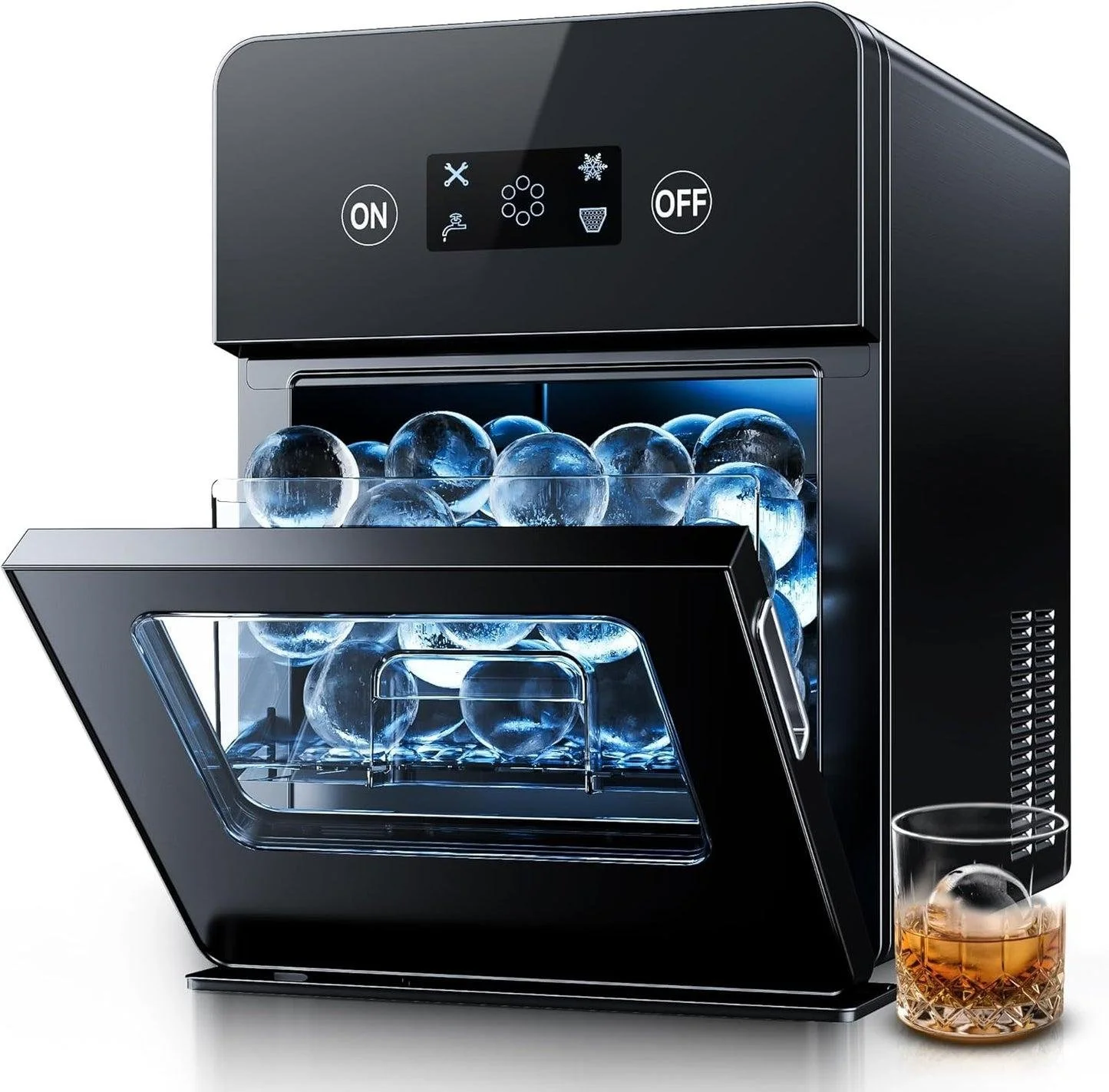
Once you've established your ice needs and type preference, compare models based on these critical features. Production capacity matters most—look for machines that match your peak daily demand rather than just average use. Physical dimensions are equally important since countertop space is precious; measure your intended placement area before committing. Brands like Euhomy offer compact designs that maximize ice output while maintaining a smaller footprint, which is worth considering if counter space is limited. Ease of cleaning should rank high on your checklist because mineral buildup affects ice taste and machine longevity; models with removable components and self-cleaning cycles save considerable effort. Energy efficiency impacts your electricity bill over time, especially if the machine runs daily. Finally, pay attention to noise levels if you plan to operate the unit in living spaces, and check whether the control panel offers intuitive size selection and status indicators that simplify everyday operation.
Practical Uses: Enhancing Parties and Daily Life with Ice
A portable ice maker transforms how you approach both entertaining and everyday routines in ways that extend far beyond simply filling glasses. During home gatherings, fresh ice becomes the backbone of your drink station—filling pitchers of sangria, keeping craft beer buckets cold, and ensuring every guest's cocktail stays perfectly chilled from first sip to last. Beyond beverages, you can use ice to create stunning seafood displays on platters, keep dips and salads cool on buffet tables during warm weather, or set up a self-serve dessert bar where ice cream stays firm in nested bowls. The continuous production means you can refill serving stations throughout an event without ever disappearing into the kitchen.
For daily life, the convenience is equally transformative. Morning routines become smoother when you can instantly add ice to a protein smoothie or iced coffee without waiting or planning the night before. After-school drinks for kids, afternoon iced teas while working from home, and post-exercise recovery beverages all benefit from having ice available on demand. Parents find particular value in always having ice ready for minor bumps and bruises—wrapping a handful in a towel for a quick compress takes seconds rather than hunting through a freezer. Even meal prep improves when you can blanch vegetables in an immediate ice bath. The portable ice maker quietly integrates into your household rhythm, solving small daily frustrations you may not have even realized were slowing you down.
Maintenance and Care Tips for Longevity
Keeping your portable ice maker in top condition requires minimal effort but pays dividends in performance and lifespan. Clean the interior every two weeks by wiping down the reservoir, water lines, and ice basket with a mixture of warm water and mild vinegar to prevent mold and mineral deposits. Descale the unit monthly if you have hard water, using a citric acid solution or manufacturer-recommended descaler to dissolve calcium buildup that can clog the system and produce off-tasting ice. When not in use for extended periods, drain all water completely, leave the lid open to air dry, and store the machine in a cool, dry location. If you notice smaller ice pieces, slower cycle times, or unusual noises, check for scale accumulation or ensure the condenser vents aren't blocked by dust—a quick brush cleaning often restores normal operation immediately.
Make the Switch to Effortless Ice Production
A portable ice maker is one of those household investments that seems modest on the surface but fundamentally improves how you live day to day. From eliminating the frustration of empty ice trays during busy mornings to ensuring your guests never face a warm drink at your next gathering, these compact appliances deliver consistent convenience that traditional methods simply cannot match. The speed of production—fresh ice in minutes rather than hours—means spontaneity is always on the table, whether that's an impromptu cocktail hour or a quick smoothie before heading out the door. Choosing the right model comes down to understanding your household's specific needs: how much ice you consume, which ice type suits your lifestyle, and which features align with your daily routine and countertop space. Nugget ice lovers and bullet ice enthusiasts alike will find machines tailored to their preferences, and with proper maintenance, these appliances deliver years of reliable service. If you've been tolerating the limitations of freezer trays or spending money on store-bought bags, now is the time to make the switch. Explore your options, match a model to your household's habits, and discover how effortless ice production can transform your home experience.
Stay up to date with our latest ideas!