Warm Minimalism: Why Tan Bedrooms Are Everywhere in 2026
Discover why warm minimalism and tan bedrooms are everywhere in 2026, bringing timeless style, natural warmth, and a calming atmosphere to modern homes.
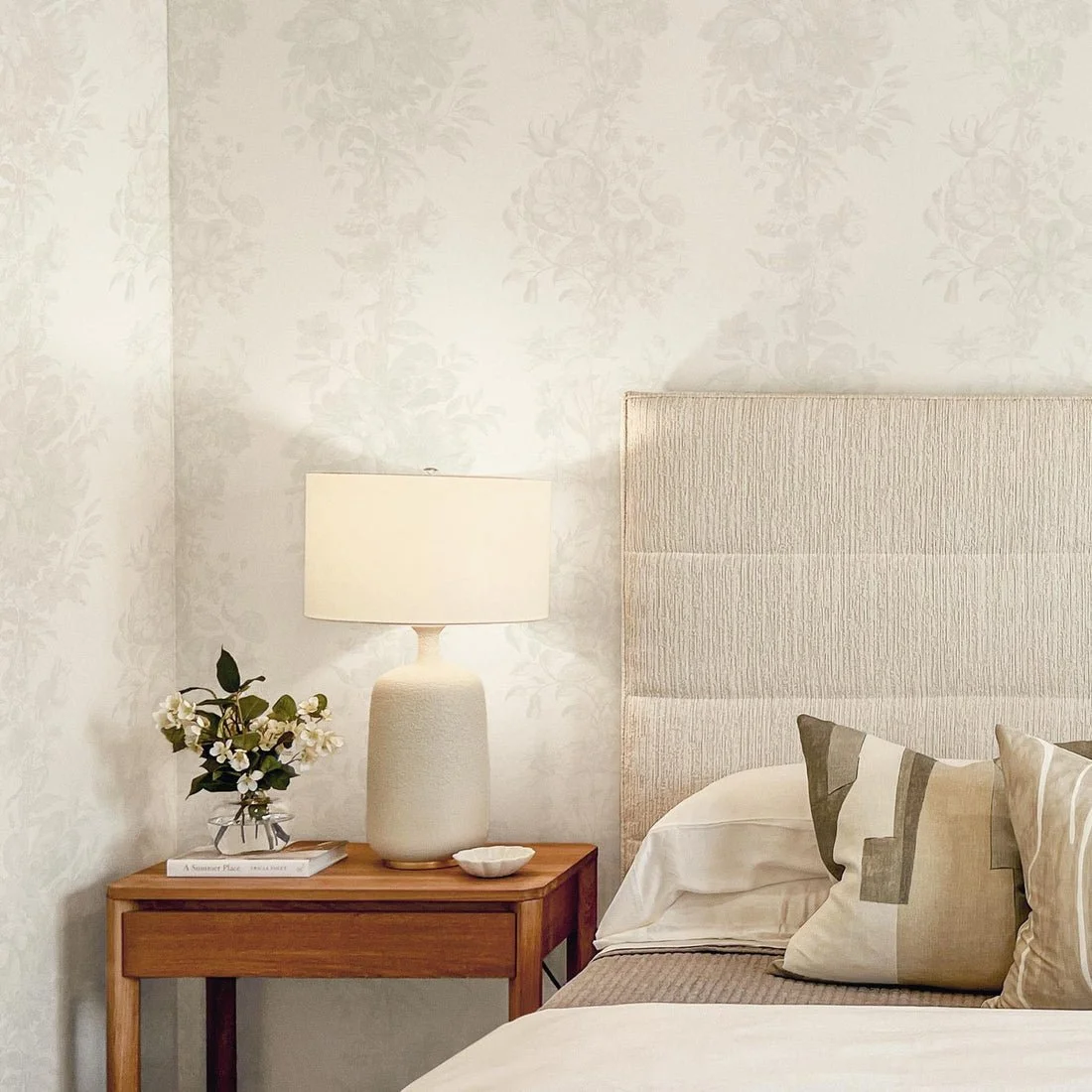
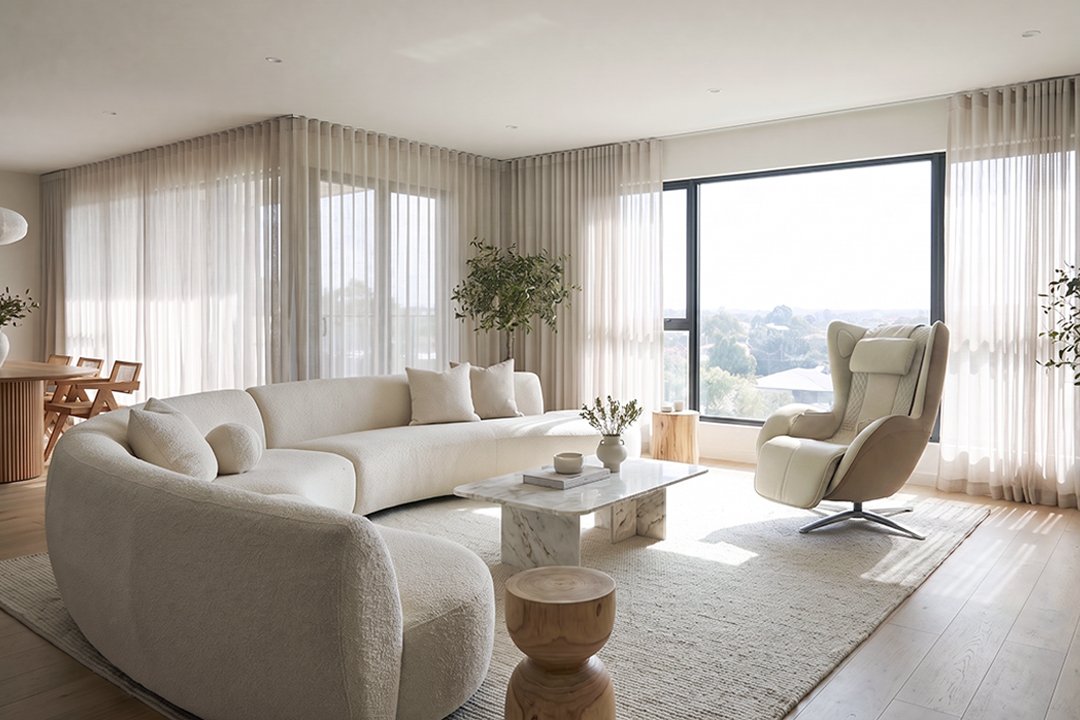
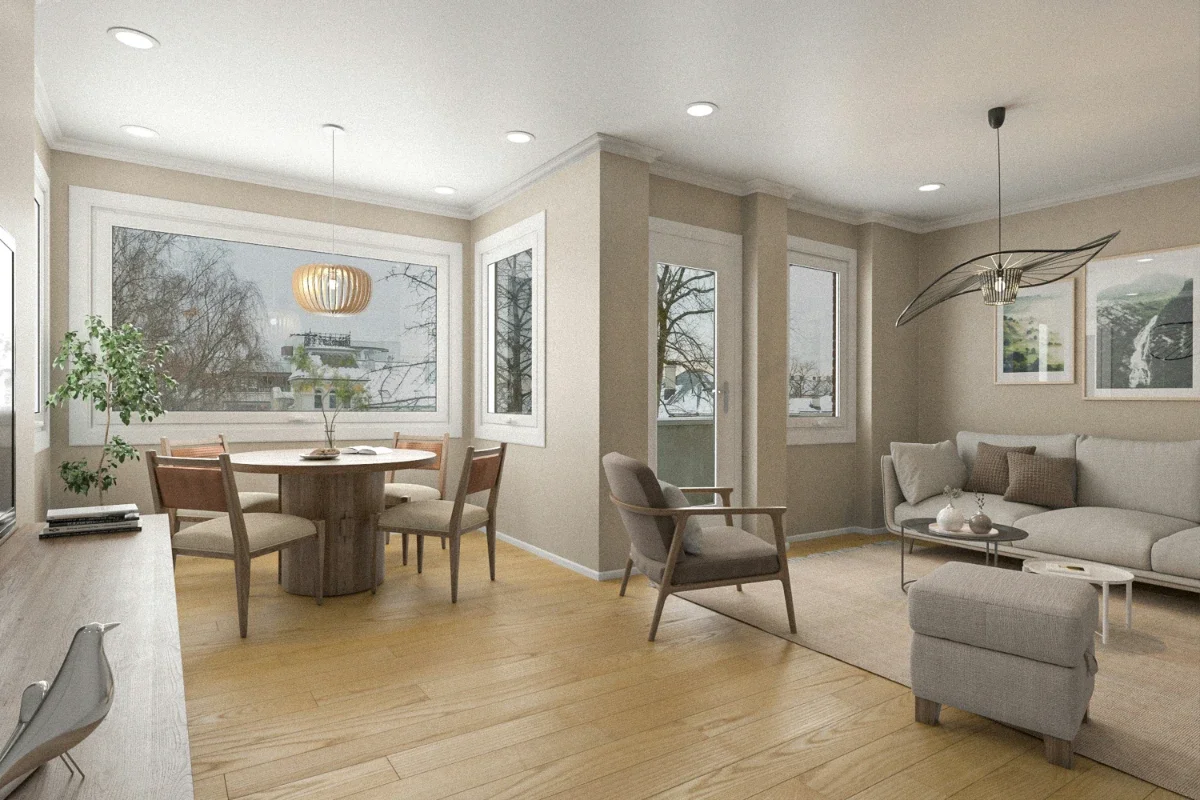
For most of the last decade, "neutral" meant one thing: gray. Greige walls, gray bedding, gray everything, chasing a cool, slightly clinical calm. That's shifting fast. Walk through any bedroom mood board right now and the neutral of the moment isn't gray at all — it's tan. Warm, soft, a little sun-bleached. It's less "spa lobby" and more "the kind of room you don't want to leave."
The Color Industry Just Confirmed It
This isn't just a vibe shift — it showed up in the industry's own color calls. Sherwin-Williams named Universal Khaki, a warm, versatile tan, as its 2026 Color of the Year, and color consultants tracking the broader trend have started calling the moment "Warm Minimalism." The reasoning tracks with what a lot of homeowners have been quietly saying for a while: after years of all-white and all-gray interiors, people still want rooms that feel light and calm, just not cold or sterile. Tan splits the difference — it's as easy to live with as gray, but it actually feels warm instead of just looking neutral on a paint chip.
Sherwin-Williams isn't alone in the pivot, either. Across this year's paint trend reports, grays are visibly giving ground to taupes, khakis, and warmer beiges, with muted, earthy tones anchoring more of the "best bedroom colors" lists than they have in years.
Why Tan Reads Differently Than Beige or Greige
Not all neutrals feel the same, even when they photograph similarly. Greige leans cool — there's a gray undertone doing the work, which is part of why it can start to feel a little flat or corporate in a bedroom. Tan leans warm, with a visible yellow-orange undertone that reads as sunlight, sand, or worn leather rather than "primer." That small shift changes how a whole room feels: tan walls make a space feel held and cozy at night, without turning heavy or dark the way a true brown can.
It's also unusually easy to live with. Tan doesn't fight your existing furniture the way a trendier accent color might — it sits quietly behind wood tones, brass hardware, and darker upholstery, which is probably why it keeps showing up in bedrooms that otherwise look nothing alike.
The Limits of a Can of Paint
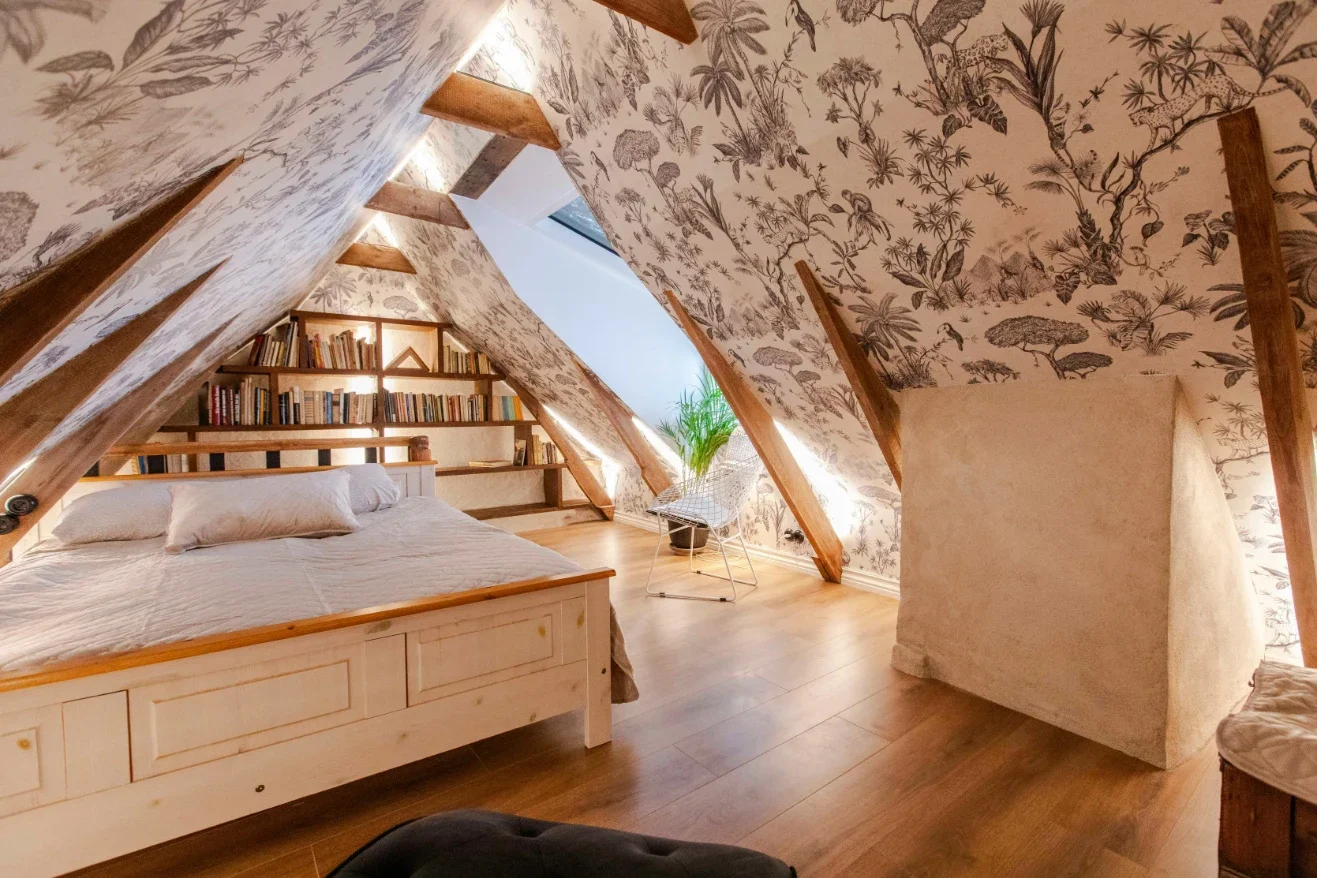
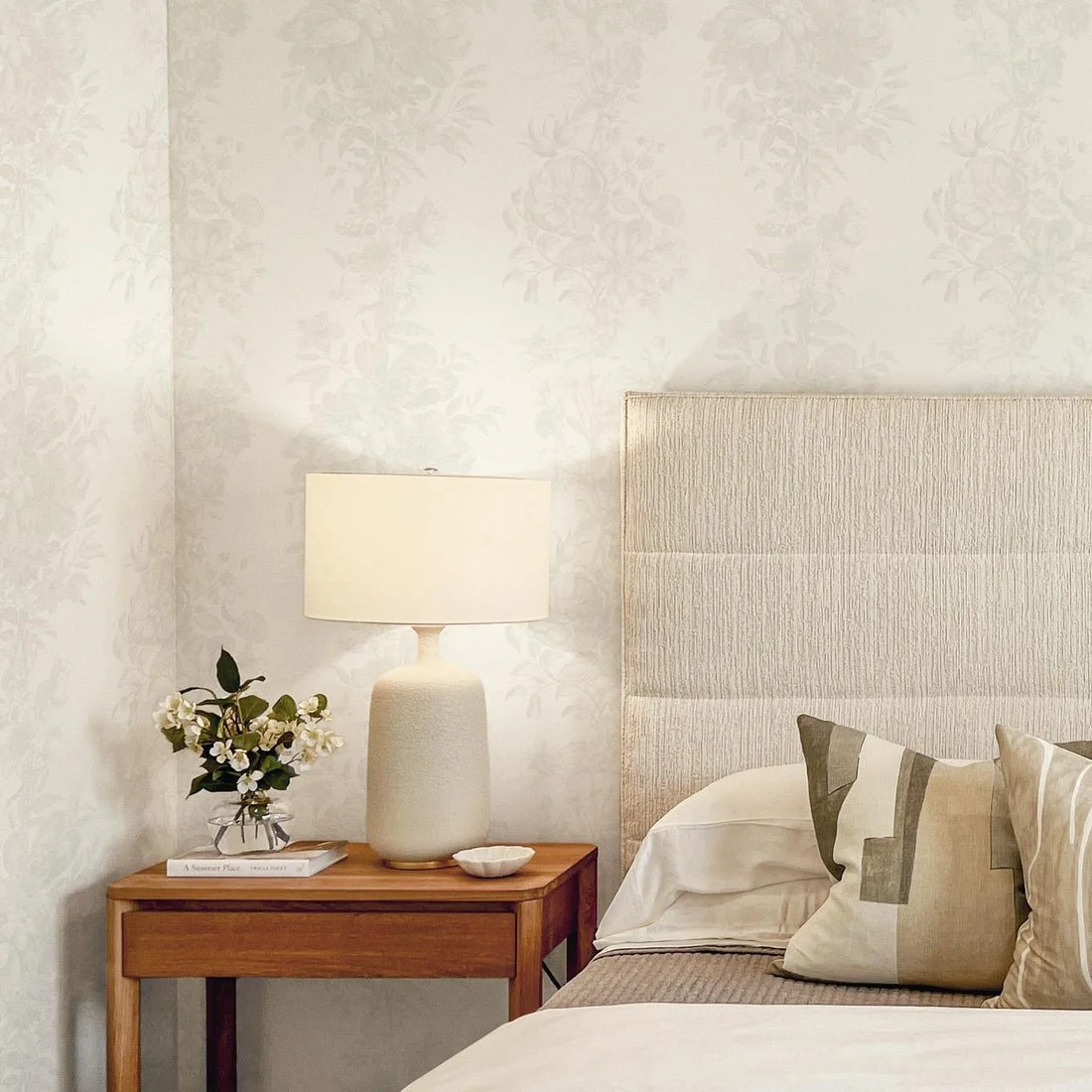
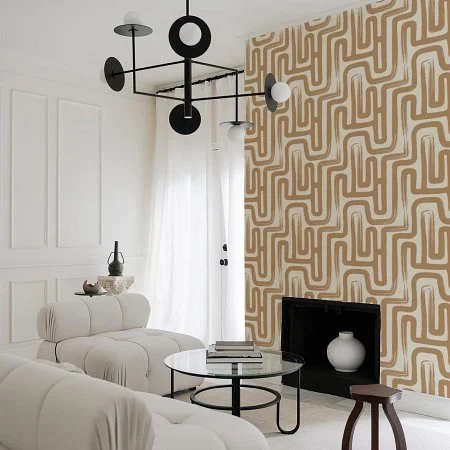
Here's the catch: paint alone only gets you halfway there. A flat coat of tan is a good backdrop, but it's just that — a backdrop. Most of the tan bedrooms actually driving this trend online aren't a single flat color at all; they're layered with texture. A woven-look print, a subtle grasscloth pattern, a soft botanical in tan and cream — these are what make a "tan room" look finished instead of just repainted.
That's really the gap between a tan wall and a tan room. If you want the depth without redoing your whole color scheme from scratch, it's worth browsing Livette's warm neutral wallpaper designs — the collection leans into exactly this palette, with enough pattern variety to add texture to a tan scheme without tipping it into "busy."
Why This Trend Fits How People Actually Redecorate Now
A lot of the rooms fueling this shift aren't full home renovations — they're single-room refreshes, done by people who rent, share a lease, or just don't want to commit to a paint job they might regret in a year. That's part of why tan has taken off the way it has: it's forgiving enough to try without much risk, and it works whether you're repainting an entire wall or just changing out textiles and one accent surface.
It also explains why texture-first options have become more popular than a straight repaint. A removable, peel-and-stick pattern gets you the same warm, layered look as a fully redone wall, without the deposit-losing commitment of paint on a rental, and without the labor of a full strip-and-repaint if you decide to change direction later. For a trend this easy to get wrong with a single "wrong beige," that lower-stakes way of testing it is a big part of the appeal.
How to Style a Tan Bedroom
A few pairings that make the look feel intentional rather than accidental:
Navy or forest green accents — both read as grounded and slightly formal, which keeps a tan room from feeling too soft or one-note. A navy throw blanket or forest green curtains do a lot of work here.
Blush or dusty rose textiles — a warm-on-warm combination that leans romantic without tipping into full pastel. Works especially well on bedding and cushions rather than large surfaces.
Brass or aged gold hardware — tan's warmth makes metallics look richer and more expensive than they do against cooler neutrals like gray or white.
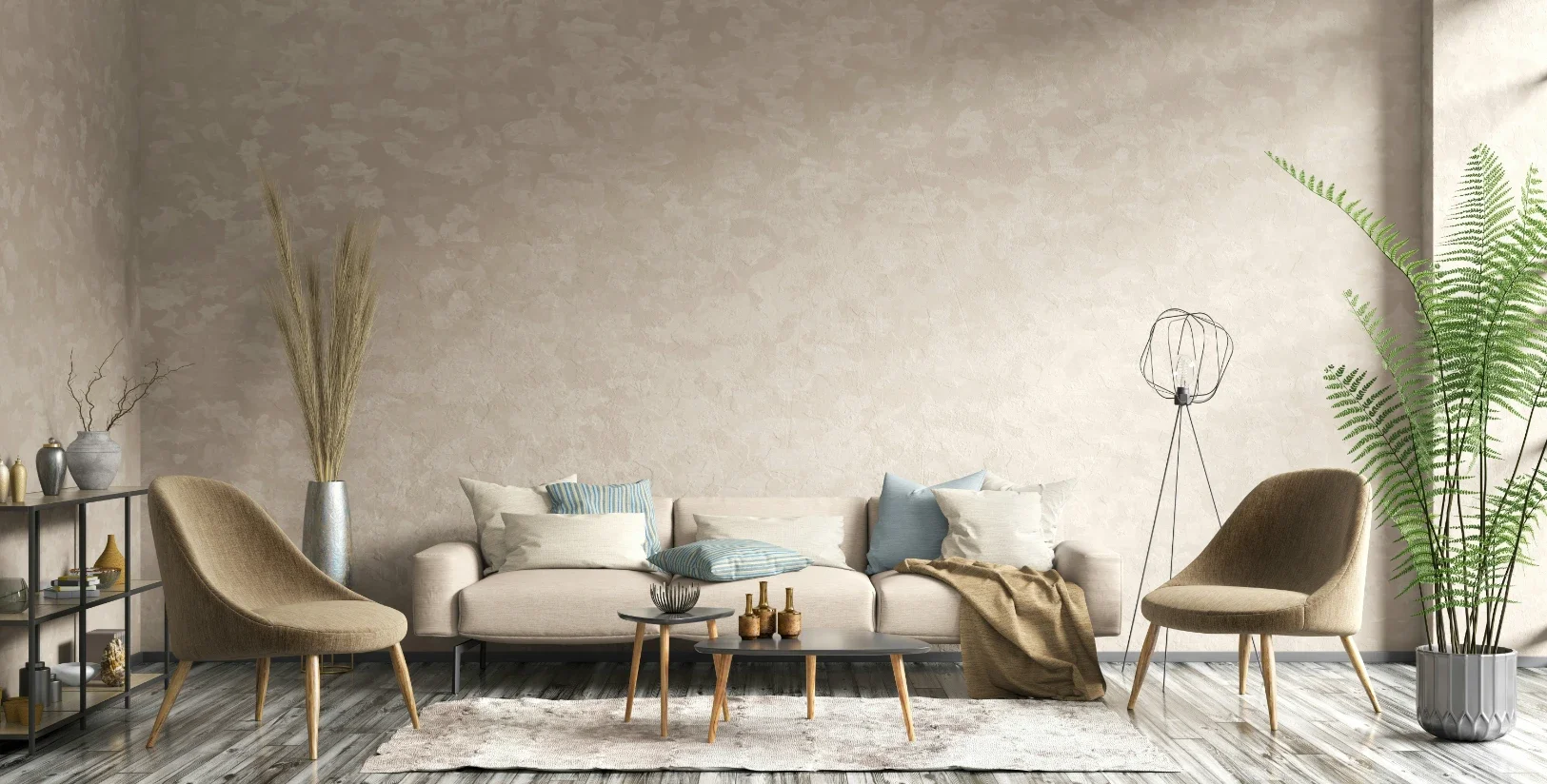
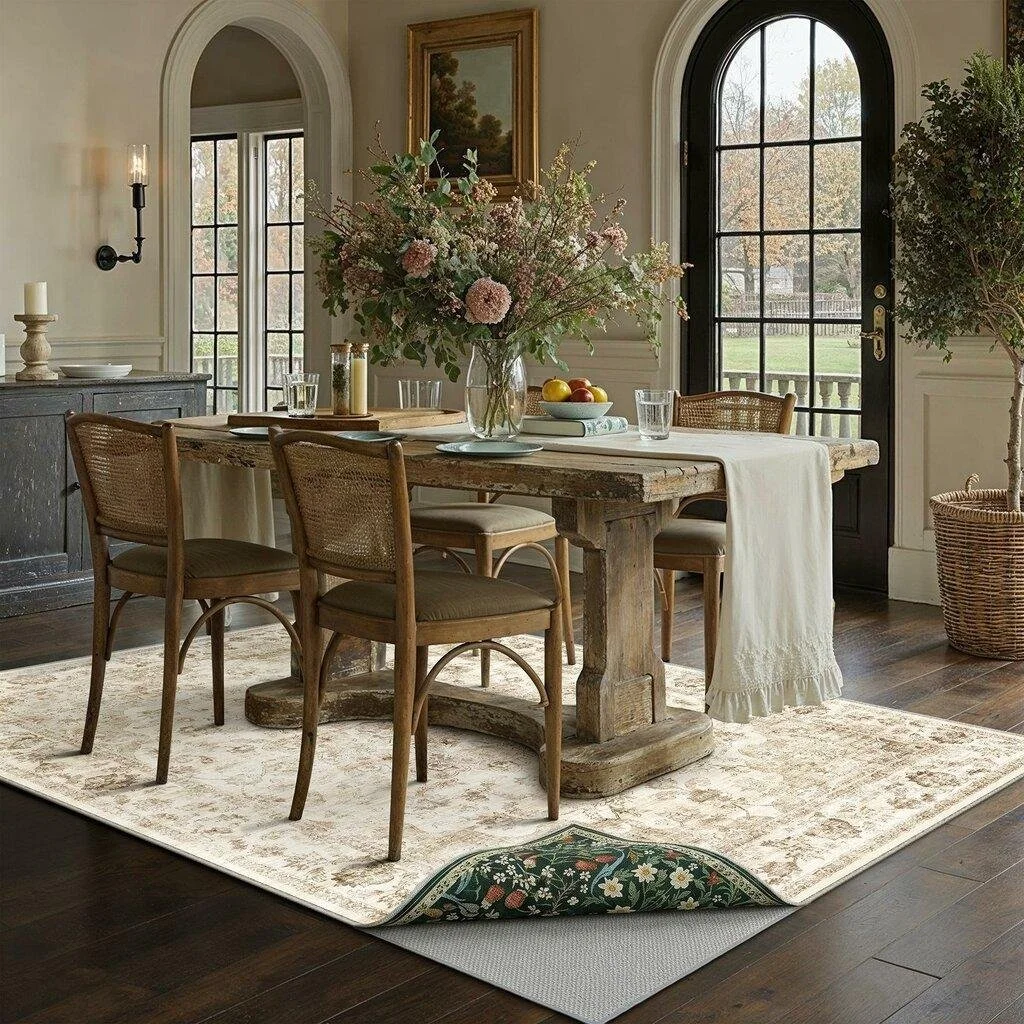
Natural wood and rattan — leans into the "sand and sun" read that makes tan feel intentional instead of just safe. A rattan headboard or woven pendant light reinforces the palette without adding another color.
One dark accent wall or headboard — charcoal, espresso, or black keeps an all-tan room from reading flat, and gives the eye somewhere to land in an otherwise soft palette.
The Bottom Line
Tan isn't a passing color trend so much as a correction — a warmer answer to years of interiors that looked calm but felt cold. Whether you get there with paint, textiles, or pattern, the goal is the same: a bedroom that feels lived-in and warm the moment you walk in, not just neutral on a swatch.
If there's one thing worth taking from a color call this specific, it's that the "safe neutral" bar has moved. Gray isn't wrong, but it's no longer the default — and a room that leans tan instead reads as considered rather than cautious. That's a fairly low-effort win for a color trend: it doesn't ask you to commit to anything loud, it just asks you to warm up what you were already doing.
Frequently Asked Questions
What colors pair best with a tan bedroom?
Navy, forest green, and charcoal all work well as grounding accents, since they add contrast without fighting the warmth. Blush and dusty rose lean into the same warm register for a softer, more romantic look. Brass and aged gold hardware tend to look richer against tan than they do against gray or white, since the warmth in the wall plays off the warmth in the metal.
Is tan a good choice for a small bedroom?
Generally, yes, and often a better call than a true dark brown. Tan reflects enough light to keep a small room from feeling closed in, while still adding more warmth and character than a stark white would. If the room gets very little natural light, a lighter tan or sand tone reads better than a deeper khaki, which can start to feel heavy in a space that's already tight on square footage.
Does tan work with existing wood furniture, or should it be replaced?
Tan is one of the easier neutrals to build around precisely because it doesn't compete with wood tones the way gray sometimes does. Lighter oak and warmer walnut furniture both tend to sit comfortably against a tan wall without needing to be swapped out, which is part of why the trend has been easy for people to adopt without a full furniture refresh.
Is tan or neutral wallpaper available as removable or peel-and-stick?
Most wallpaper brands, including Livette's, offer their neutral and tan-toned designs in both traditional and peel-and-stick materials, which is part of why the trend has traveled so well among renters and first apartments. Peel-and-stick gets you the same pattern and color depth as a traditional install, without the long-term commitment of paper and paste.
Stay up to date with our latest ideas!