How to Create a Home That Looks Expensive Without Overspending
Discover how to make your home look expensive without overspending, with smart decorating tips for lighting, furniture, colors, textures, and finishing touches.
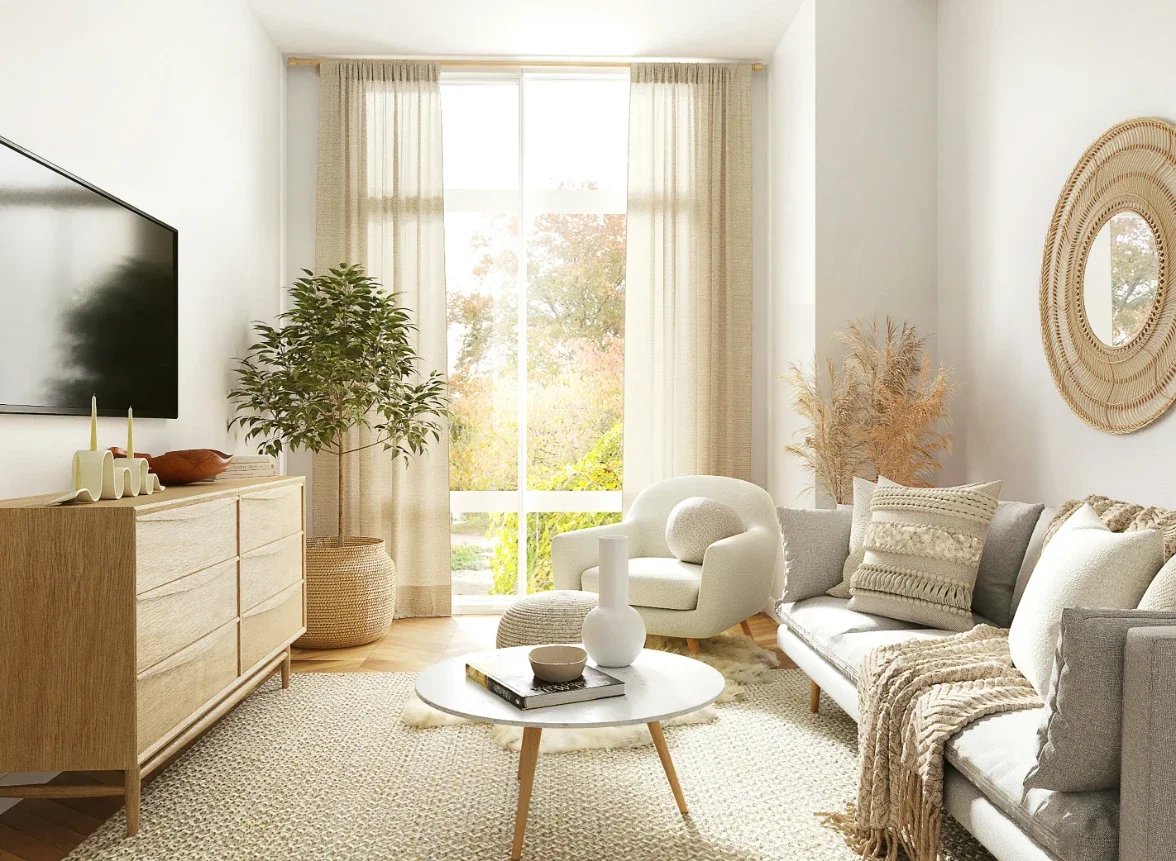
Creating a home that looks expensive doesn’t always mean you need to spend a fortune on furniture, renovations or flashy accessories. Often, the most impressive interior is one carefully thought out, with attention to detail and consistency.
Whether decorating a new property or upgrading a tired-looking room, there are plenty of ways to achieve a high-quality finish without breaking the bank.
We’ve put together some of the most effective ways to make your home look more expensive while keeping costs under control.
Start with a cohesive colour palette
A quick win for making your home feel more sophisticated is to create a consistent colour scheme.
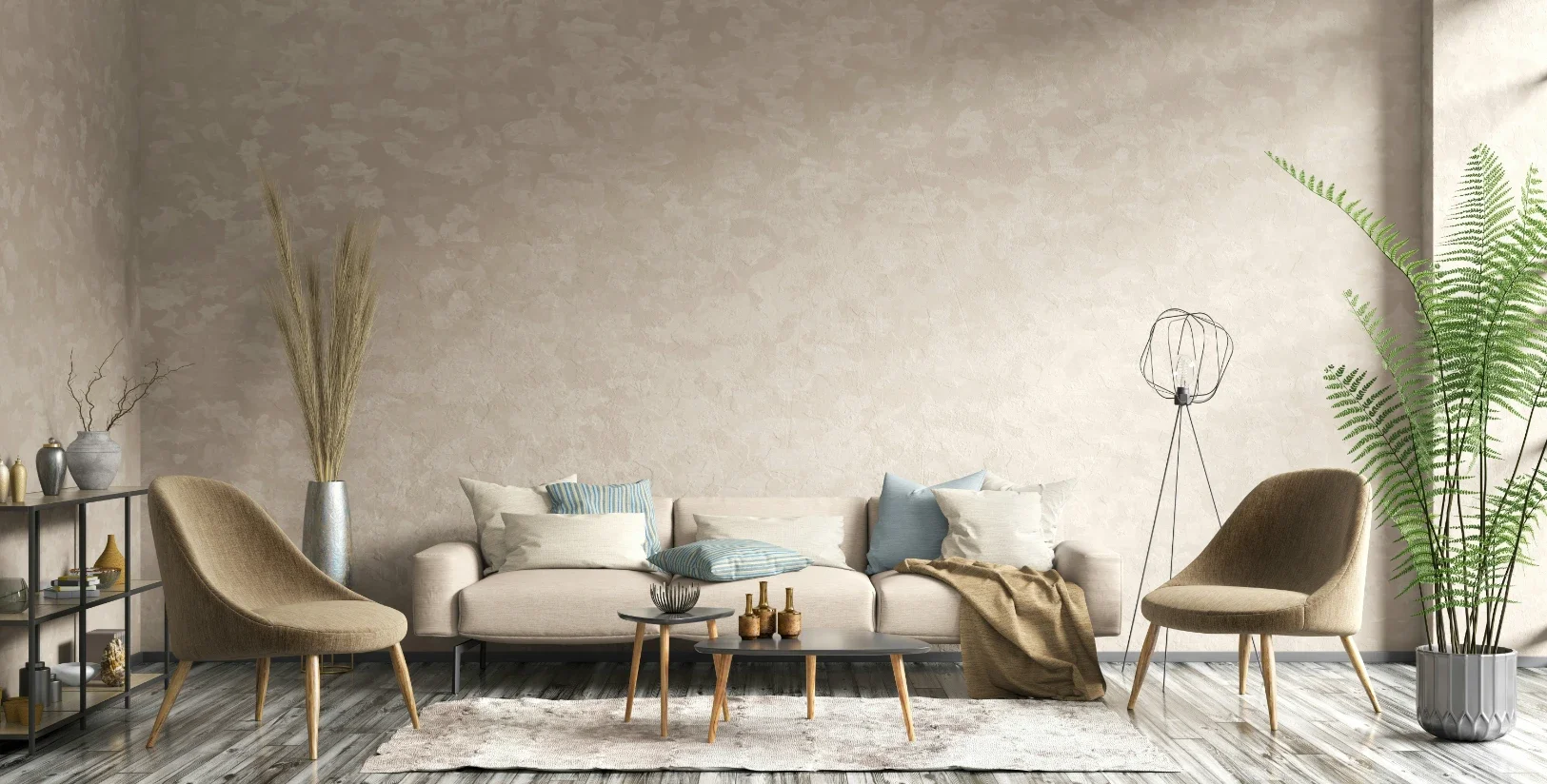
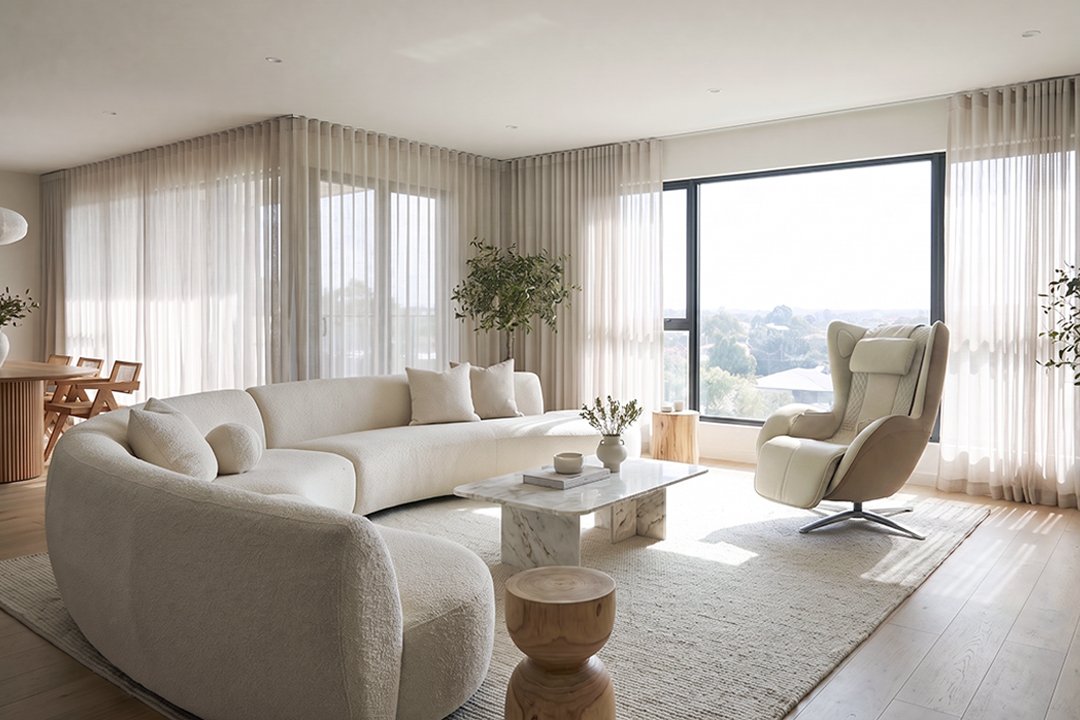
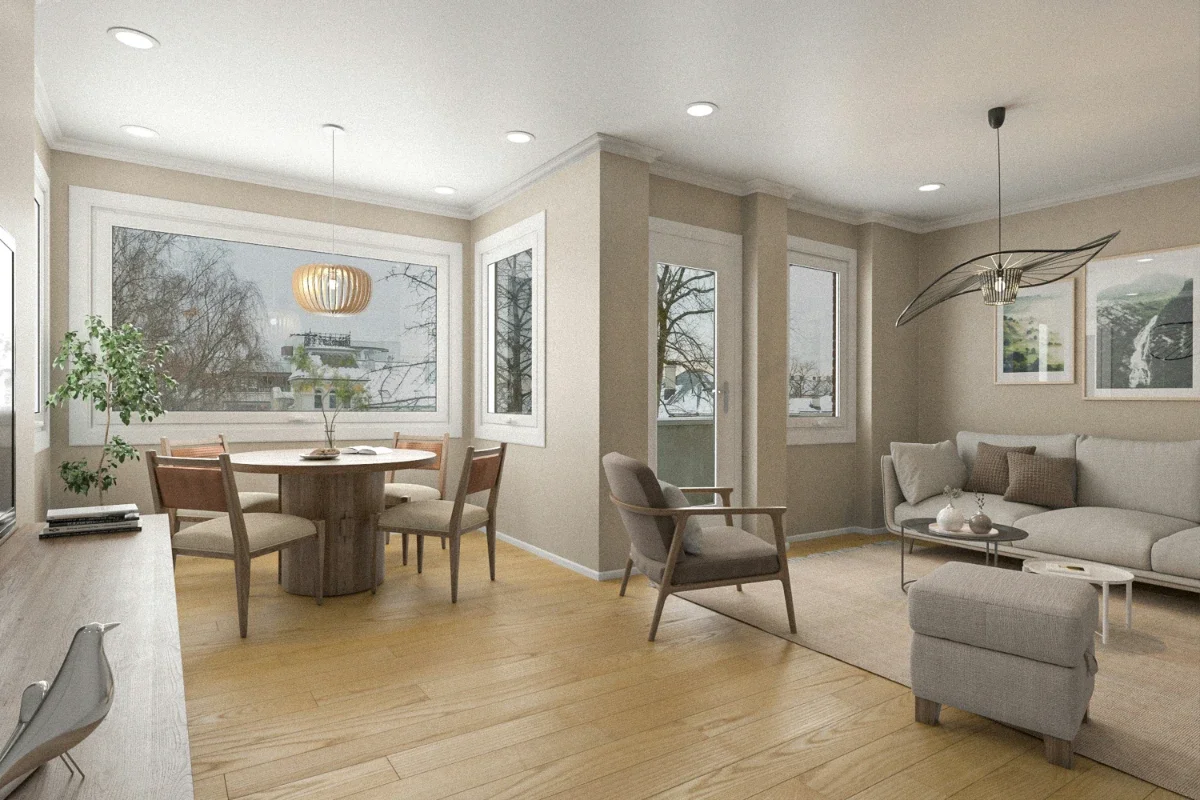
Rather than choosing a different colour for each room, select a small palette that works throughout your home. Neutral shades such as a warm white, beige, taupe, soft grey or muted earthy tones can provide an elegant foundation.
You don’t need everything to match perfectly. Instead, look for colours that complement each other.
An approach to consider is:
One main neutral for walls and larger surfaces
One or two complementary shades for furniture and textiles
A darker or bolder colour for accents
Metallic or natural finishes for additional interest
This can create a sense of continuity and make your interior feel considered rather than put together bit by bit.
Utilise lighting
Lighting can completely change the appearance of a room, but is often overlooked as focus moves towards furniture, flooring, and walls.
One bright light on a ceiling can make a room look stark; layering different sources of light creates warmth and depth.
Think about combining:
Ceiling lighting for general illumination
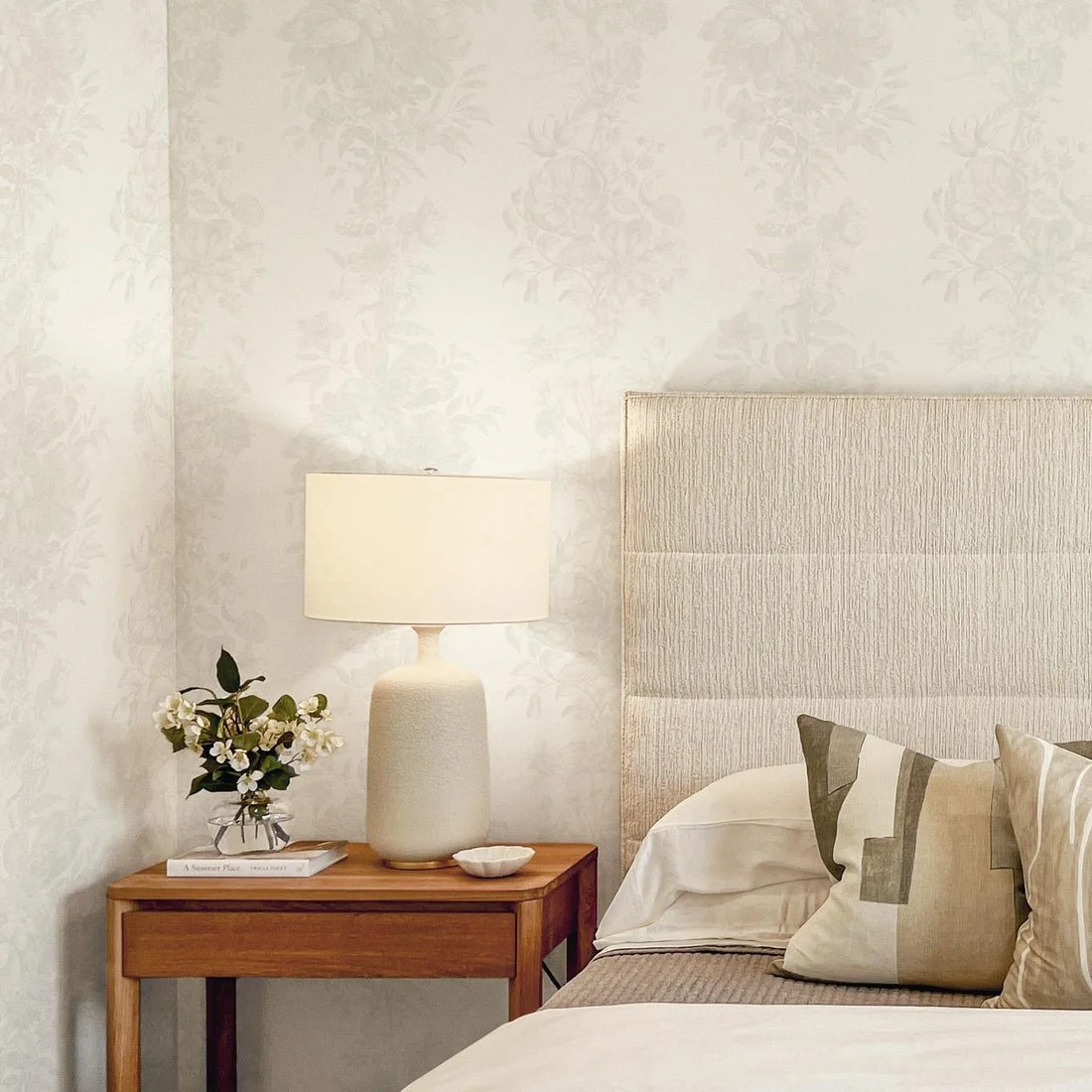
Table lamps for softer pools of light
Floor lamps to fill darker corners
Wall lights for additional ambience
Decorative candles or rechargeable lights for evenings
The fixtures themselves don’t have to be expensive. Designs with simple shapes and quality finishes can have much more impact than statement pieces everywhere.
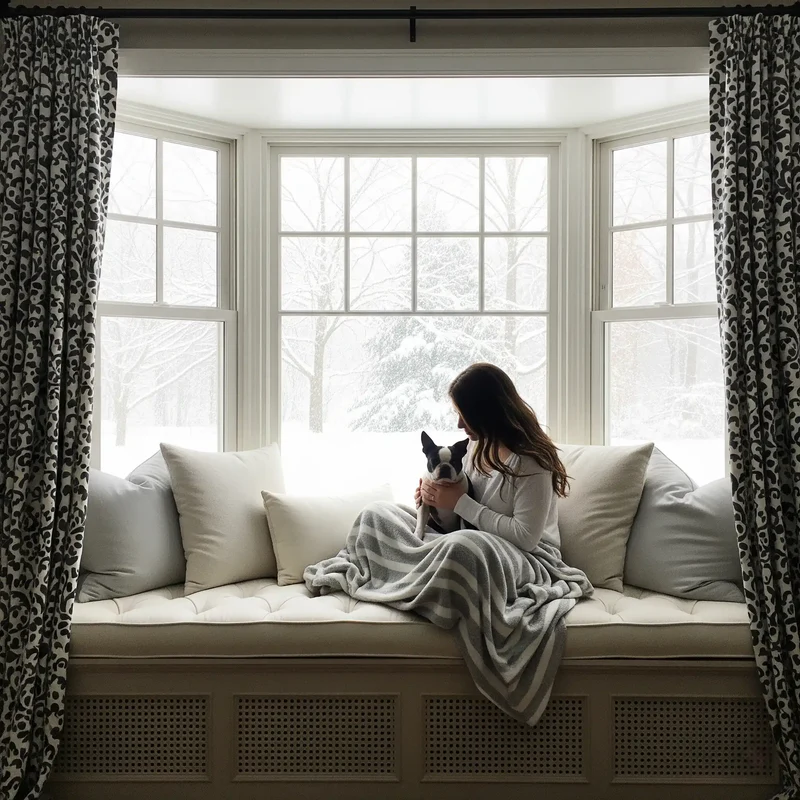
Optimise natural light where you can too. Keeping windows clear and using mirrors to reflect light around rooms can enhance the feel of a room.
Choose flooring that combines style and practicality
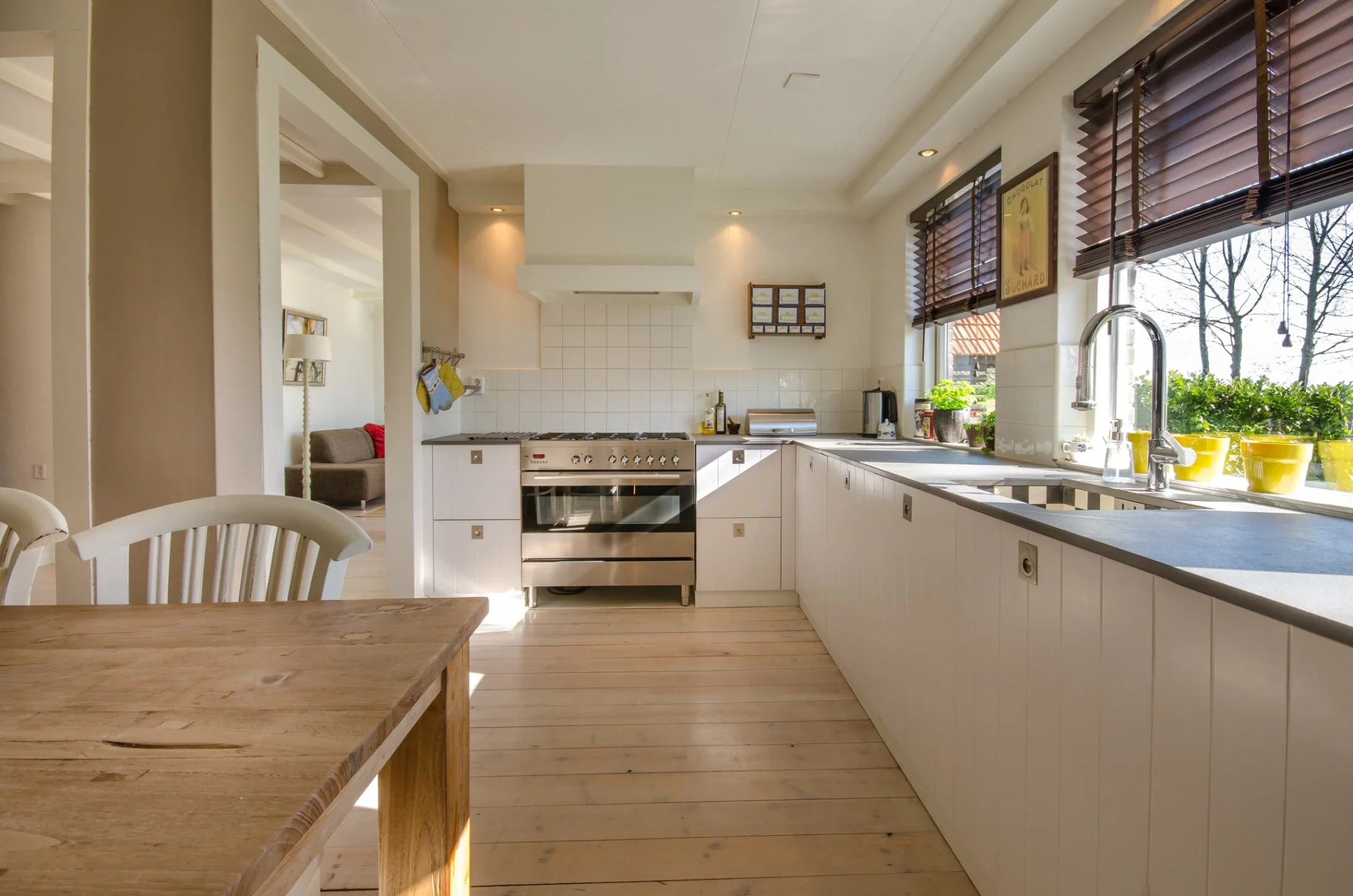
Flooring plays a big role in how a room looks and feels. However, choosing an attractive floor doesn’t always mean you have to spend big.
LVT flooring can be a worthwhile option for homeowners who want a premium appearance without the premium expense. It replicates the appearance of wood or stone, is easy to maintain, and is extremely durable. Unsure whether it’s for you? This guide on what LVT flooring is explains its versatility in more detail.
When choosing flooring for your home, think beyond just how it looks:
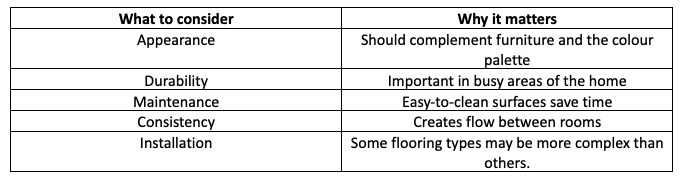
A good-looking floor can also provide a natural backdrop, allowing furniture and other features to become the focus of a room.
Spend on statement pieces rather than clutter
A common mistake when decorating on a budget is buying lots of inexpensive items in an attempt to make the room feel finished.
This can have the opposite effect.
Instead, choose a small number of pieces that have an impact. A large mirror, a substantial coffee table or an oversized piece of art can do more for a room than multiple smaller pieces. Think about where you want people to look when they come in.
Upgrade the small details
Sometimes, the assumption is that the whole room needs an overhaul, when in fact, small changes can have a big impact.
Simply changing some cabinet handles, replacing taps or changing the light bulbs can upgrade a room significantly with minimal expense. This extends to several other areas too. Curtain poles, lampshades, or adding some greenery or a piece of art can subtly elevate the overall finish.
Some affordable upgrades include:
Changing cabinet hardware
Updating lampshades
Replacing old cushions
Adding larger, better-proportioned mirrors
Updating larger picture frames
Replacing worn curtains or blinds
Introducing matching storage containers
Pay attention to proportion
Expensive-looking interiors tend to have one thing in common. The furniture and accessories feel appropriately sized to the room.
A small rug under a large sofa can make a room feel disconnected. At the same time, several small pieces of art may have much less impact than one statement piece.
Before you splash the cash on an item, think about how it fits in with the existing space.
Something worth remembering: avoid buying the smaller item just because it is cheaper. Sometimes buying one suitable item is much more cost-effective than buying several smaller alternatives.
Add texture to neutral spaces
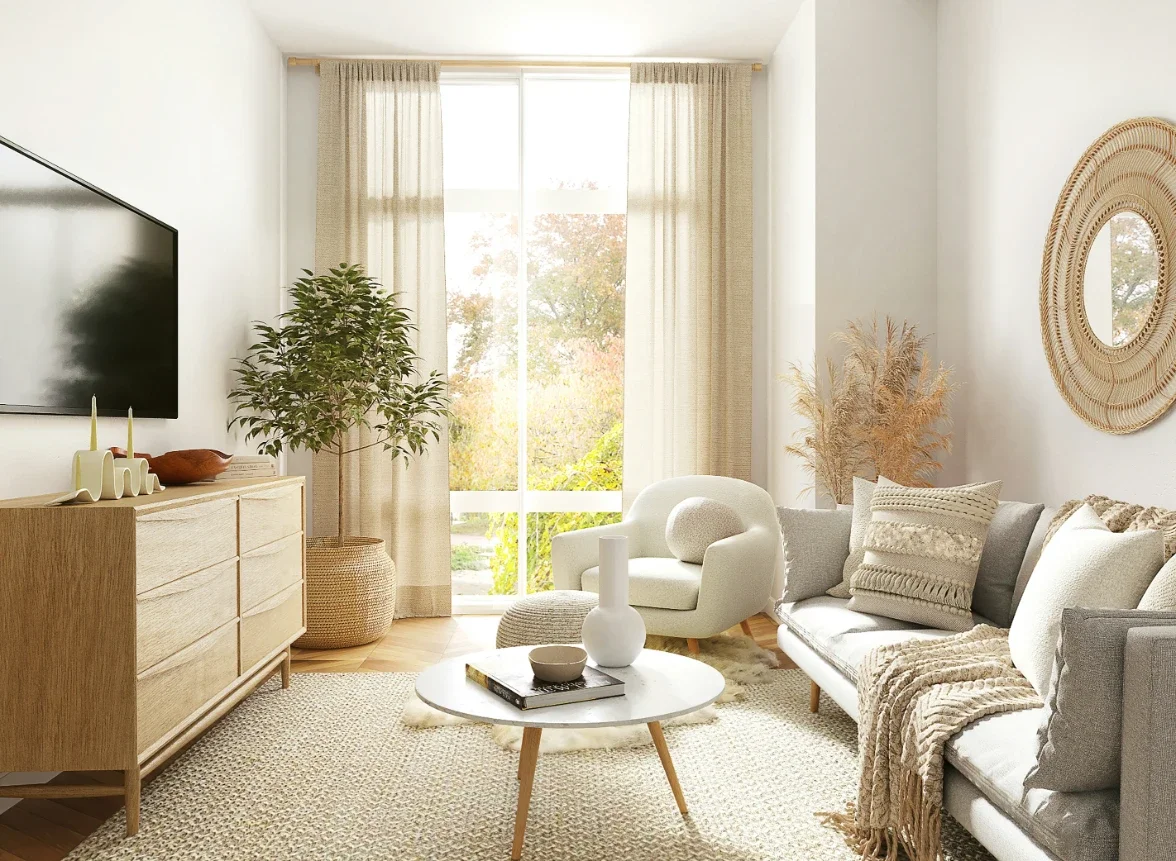
Neutral interiors don’t have to be boring. Texture is one of the easiest ways to add depth without introducing lots of colour.
Think about combining materials such as:
Linen
Wool
Cotton
Wood
Glass
Metal
Ceramic
Natural stone
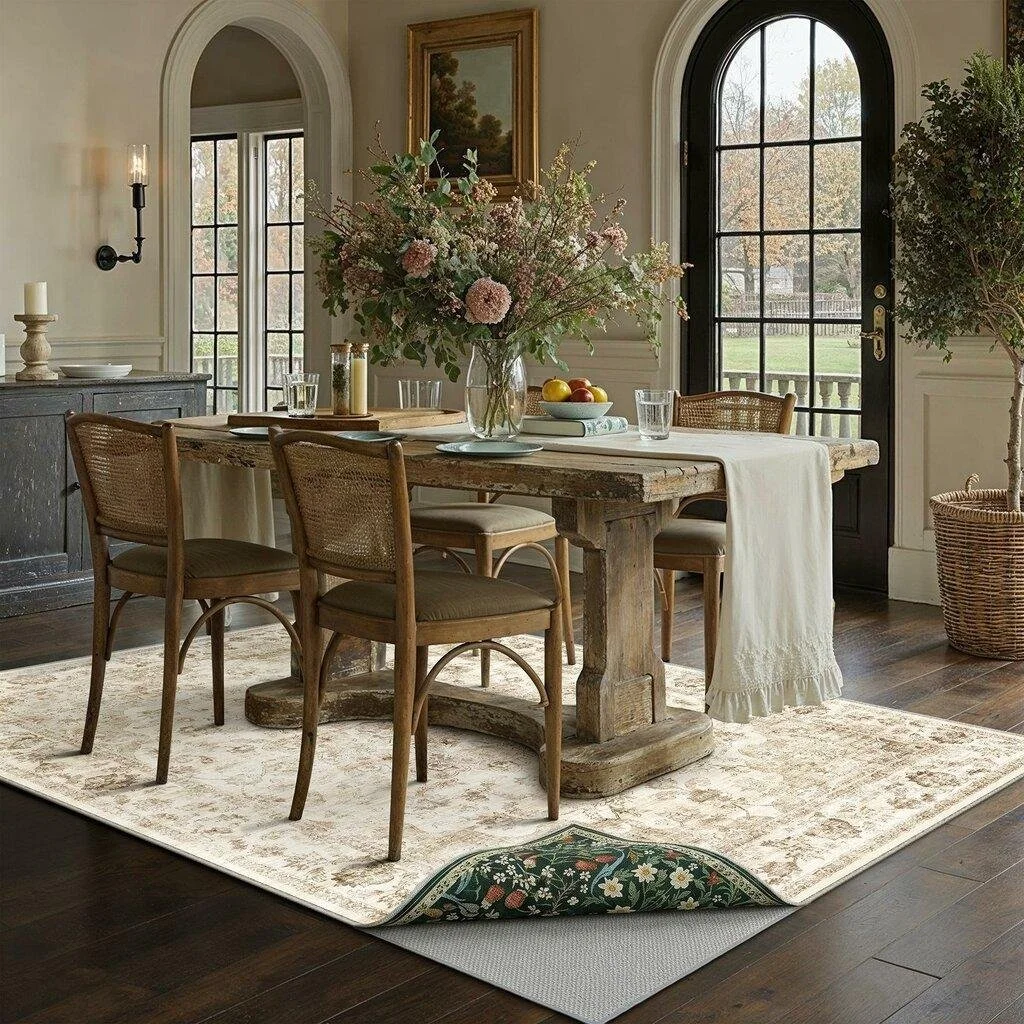
A neutral sofa, for example, can feel much more luxurious when it is paired with a textured throw, patterned cushions and a tactile rug.
The key is contrast. Combining materials draws the eye to new things while keeping the overall colour palette relatively simple.
Keep clutter under control
Perhaps the least expensive way to make a home look more sophisticated is to remove things rather than buy more.
Clutter makes it harder for you and others to appreciate the features you already have. Clear surfaces, organised shelves and good storage instantly upgrade the room and make it feel calmer.
Simply adding attractive baskets or boxes to hide everyday items can be a simple yet effective change.
Know where to spend and save
The best way to decorate on a budget isn’t necessarily to penny-pinch at every opportunity. Instead, decide which areas deserve a larger piece of the pie.
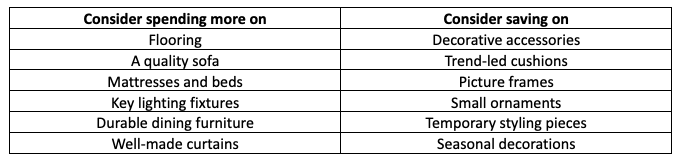
The right priorities will vary from home to home. A family with young children may value durable and easy-to-maintain materials more highly than someone furnishing a room only ever used as a guest room.
Create a home that looks expensive by being intentional
Ultimately, a luxurious-looking home isn't defined by how much money has been spent on it.
It comes from making deliberate choices about colour, proportion, lighting, materials and furniture. A relatively modest room can feel elegant when everything within it works together.
Focus on creating a cohesive foundation, choose practical materials that suit your lifestyle and avoid filling your home with things simply because you feel the space needs them.
The most effective improvements are often surprisingly simple: better lighting, less clutter, carefully chosen textures, appropriately sized furniture and a few well-selected statement pieces.
With a little planning, you can create a home that feels stylish, comfortable and expensive-looking without an expensive price tag.
Stay up to date with our latest ideas!