Learn how to design a pet-friendly home with practical ramps, non-slip rugs, safe lighting, and comfortable spaces that support your pets' everyday needs.

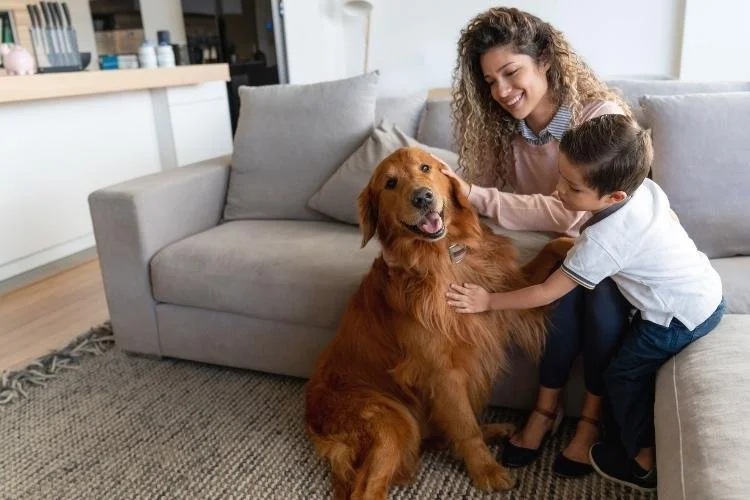
A beautiful room loses some of its charm when your dog slips across the floor or your cat struggles to reach a favorite perch. Good pet-friendly design starts with the small movements that fill an ordinary day: getting up from a nap, crossing the hallway, or finding a quiet corner.
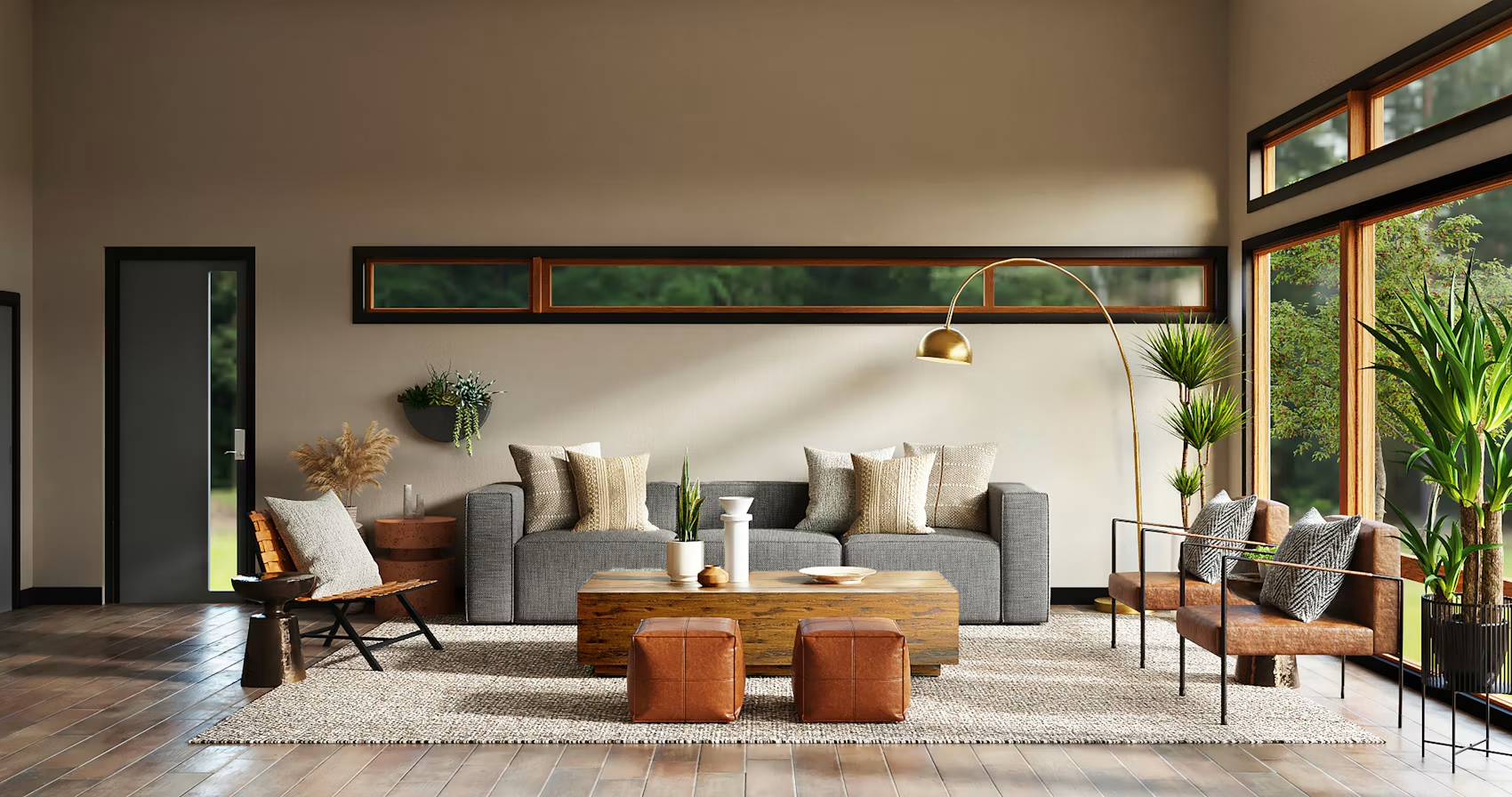
You don't need to sacrifice your decorating style to make those moments easier. A carefully placed ramp can look like furniture, a washable rug can warm up a room, and the right lighting can make nighttime wandering safer. The trick is to plan for the pet you have, not an imaginary one who never sheds, ages, or makes a mess.
Start with the Way Your Pet Actually Lives
Before buying anything, follow your pet's usual route through the house. Notice where they pause, jump, slip, eat, drink, and sleep. A dog that follows you from room to room needs clear paths to walk. A cat that likes high places may prefer a stable climbing shelf to another floor cushion.
Look at those habits from your pet's height. A fashionable coffee table might block a small dog's route to the window. A polished hallway may feel slippery beneath paws. Move low obstacles, keep doors from swinging into feeding stations, and give your pet room to turn around beside a bed or crate.
Think about care routines, too. A welcoming home needs a practical place for muddy towels, brushes, and other supplies. A cabinet near the entryway works well after walks; a small tray inside a bathroom cupboard keeps grooming items together. Choose a location you can clean easily rather than an exposed shelf that collects fur and dust.
Keep these everyday items accessible to adults but out of reach of curious mouths and paws. Store cleaning solutions and pet-care products according to their labels, and don't leave bottles where pets can knock them over. If your dog needs ear care, set up a calm, well-lit spot for checks and ask your veterinarian what's appropriate, especially if you notice redness, odor, or frequent head shaking.
Add a washable mat where you brush your pet, and keep a spare towel nearby. Small decisions like these make regular care less disruptive to the room, especially when time is short.
This is also where products fit naturally into a room's plan. Pup Labs offers dog supplements, including ear-care and soothing skin products, that owners might keep with their grooming supplies. If you're stocking a dedicated pet-care drawer, try Pup Labs for your pets and choose products that suit your dog's needs.
Make Ramps Look Like Part of the Furniture
Jumping onto a sofa may come easily to a young dog but become harder with age, an injury, or joint discomfort. A ramp can provide an alternative, as long as your pet can use it safely.
Choose a sturdy model with a grippy surface, a gentle incline, and enough width for your pet to move comfortably. Check its weight rating and make sure neither end slides when your pet steps onto it. For a high bed, measure the available floor space before buying; a short, steep ramp may be less useful than a longer one.
Match the ramp's finish to your furniture, or choose a neutral cover that echoes your upholstery. Never compromise its grip just to get the right color. Introduce it gradually with encouragement rather than forcing a nervous pet onto it.
Choose Rugs for Traction and Easy Cleaning
Rugs do more than soften a room. They can help pets cross slick flooring with greater confidence, particularly near doorways, sofas, and feeding areas.
Look for low-pile, tightly woven options that won't catch claws easily. Washable rugs suit busy households, but check their care instructions before putting them in a machine. Use a properly fitted non-slip pad underneath; a loose rug can become another slipping hazard.
Think about placement before pattern. A runner that links the bedroom to the hallway may be more useful than a decorative rug tucked under a table. For color, mid-tones and subtle patterns can disguise everyday fur and paw prints between cleanings without making the room feel busy.
Light the Routes Your Pet Uses at Night
Good lighting isn't only about ambiance. It helps people navigate around sleeping pets and makes steps, thresholds, and furniture edges easier to see.
Add gentle, low-level lighting along routes to water bowls, beds, and the back door. Motion-activated night-lights can work well in hallways, while a shaded lamp gives a living room softer evening light without strong glare.
Keep cords tucked away or covered so pets cannot chew them or get tangled. Avoid putting hot lamps out of reach of wagging tails, and make sure any floor light stays stable if bumped. During the day, leave your pet a comfortable place to enjoy natural light with access to shade.
Create Resting Spots That Suit the Room
Pets need places where they can settle without being stepped over or constantly disturbed. Put a bed against a wall or beside a sofa, away from busy doorways and direct drafts.
Choose a washable cover and supportive filling suited to your pet's size and comfort. For older animals, a low-entry bed may be easier to use than a deep, raised basket. Cats often appreciate an extra quiet perch, as long as it's firmly secured and easy to reach.
Work the resting area into the décor with a complementary fabric and a nearby basket for toys. Keep food and water accessible, but separate the bowls from delicate furnishings that could suffer from splashes.
Final Thoughts
A pet-friendly home doesn't need to look like a pet shop. Start with one problem you see every day: slippery flooring, awkward furniture access, a dark hallway, or nowhere peaceful to rest. Fix that first, then watch how your pet responds before changing anything else.
Good design leaves space for real life. Choose materials you can maintain, protect clear walking routes, and build comfort into the floor plan rather than treating it as an afterthought. Your rooms will feel more considered, and the animals who share them will have an easier time making themselves at home. Revisit the layout as your pet grows older or their habits change; comfort isn't a one-time decorating decision.
Stay up to date with our latest ideas!