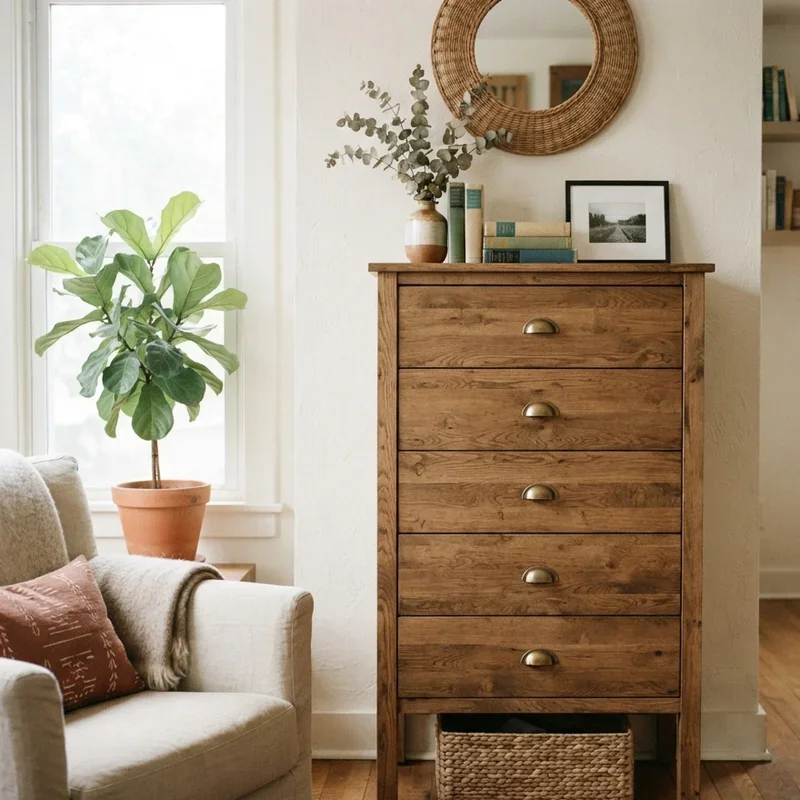
Discover how to choose an organic cotton comforter that balances everyday comfort, breathability, durability, and a healthier sleep environment.

A deep fold, a generous drape and a few well-placed pillows can make any bed look finished. The trick is choosing a comforter that looks that good on an ordinary Tuesday night too. An organic cotton comforter is a natural place to start. Choose it by color, size, warmth and care, and the rest of the room falls into place.
Let the Comforter Set the Color Palette
The comforter is the largest block of color in most bedrooms, so it's the easiest way to set the mood. Start with what you already have: wall color, flooring, curtains and the wood tone of the bed frame. Then choose a shade that either ties them together or adds one confident contrast.
Organic cotton comforters now come in far more than white. Here's how some popular shades work in a room:
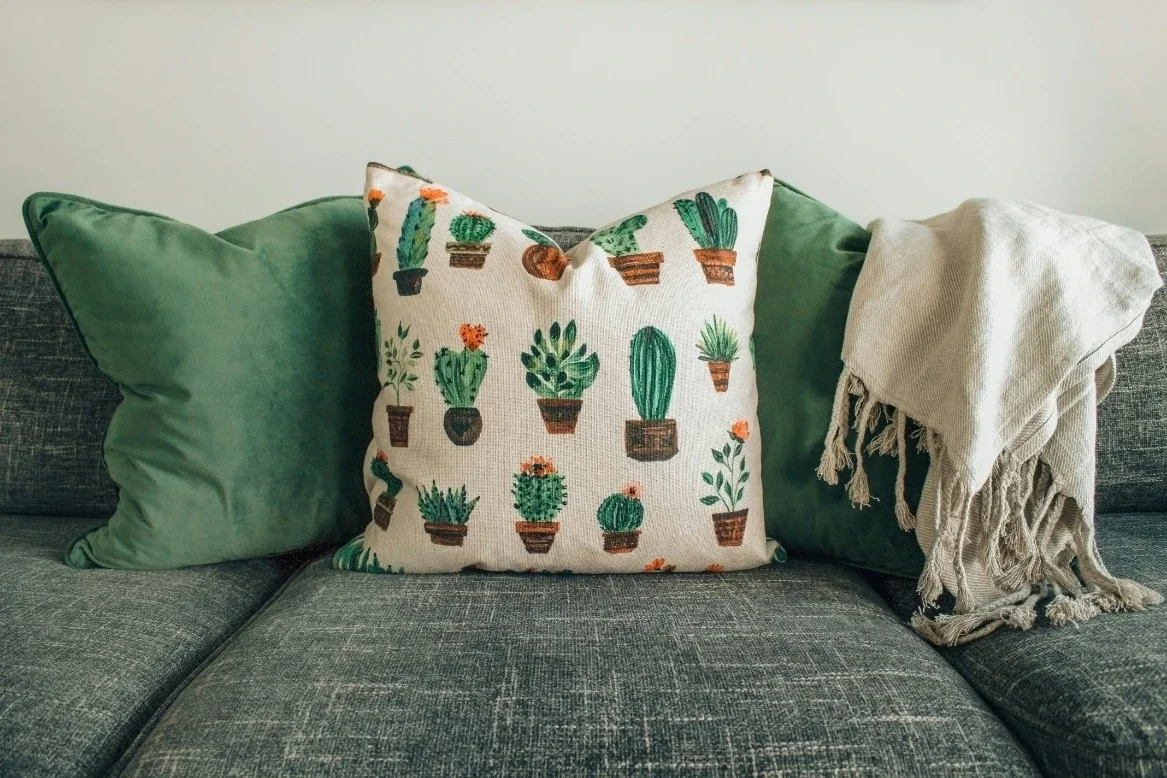
Laurel green pairs with oak furniture, cream walls and linen curtains for a calm, earthy bedroom.
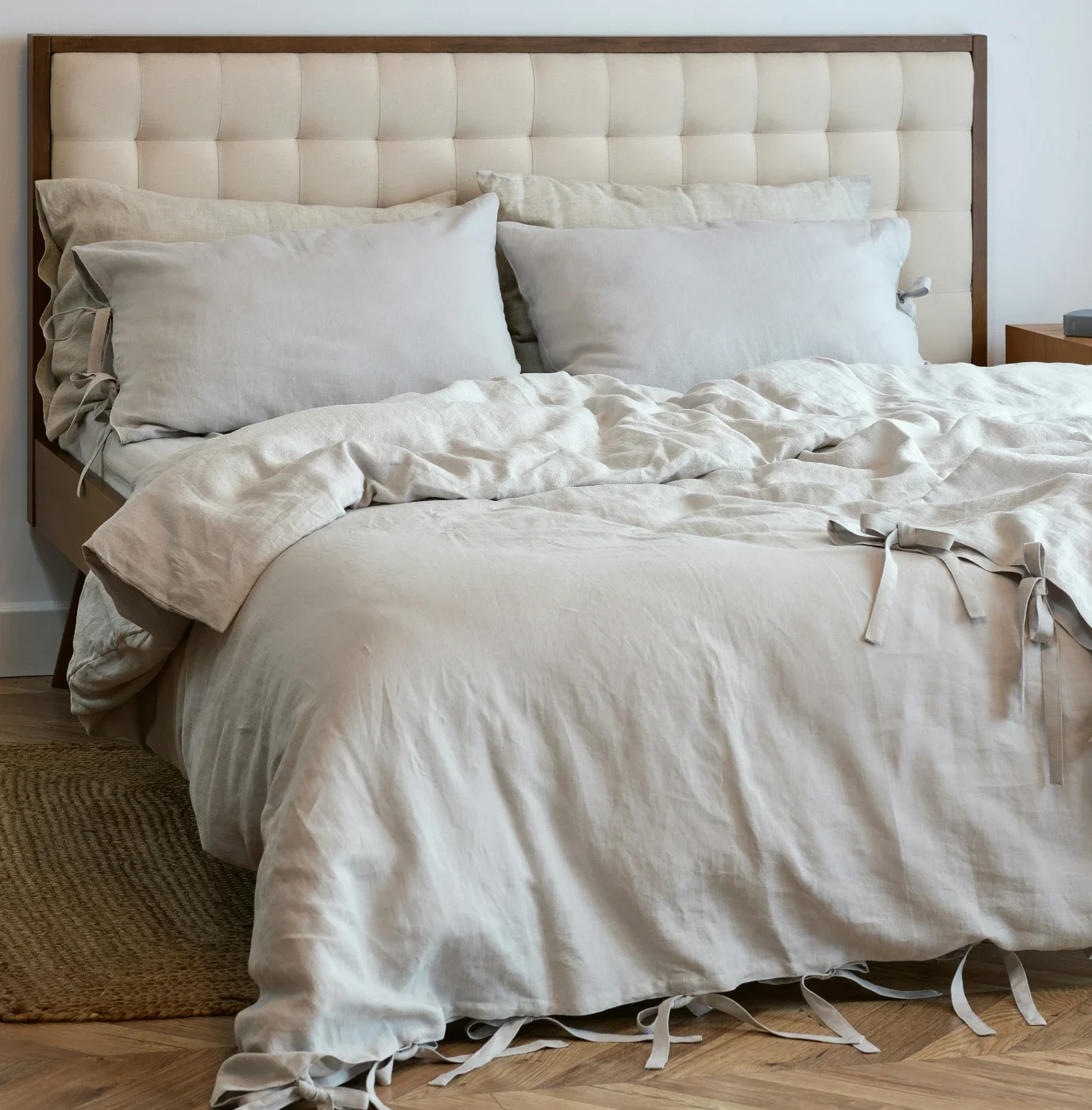
Oatmeal and fawn suit warm neutrals, rattan and natural wood. They make a bed feel soft and quiet.
Castle blue gives a modern or traditional room a deep, tailored anchor, especially with brass lamps and white sheets.
Lavender and rose bring gentle color to pale gray or white rooms without feeling busy.
Brick red and coffee brown are rich, seasonal choices. They work beautifully from late fall through the holidays alongside greenery, candlelight and plaid throws.
Repeat the comforter color once, in pillowcases or a throw, and let everything else stay neutral. One repeat makes the room feel planned. Several matching pieces can make it feel like a showroom.
Get the Proportions Right
Measure your mattress width and depth before choosing a size. Then decide how far you want the comforter to fall over each side.
To estimate the side drop, subtract the mattress width from the comforter width and divide by two. A queen mattress is 60 inches wide. An 88-inch full/queen comforter leaves about 14 inches on each side, while a 104-inch king comforter leaves about 22 inches for a fuller, hotel-style drape. Deeper mattresses use up more of that drop, so measure the depth too.
If you prefer to see the bed frame, stay with the matching size. If you love a generous, cascading look, sizing up is a simple styling trick.
Know What "Organic Cotton" Covers
An organic cotton comforter has two parts that do different jobs. The cotton shell is what you see and touch. The fill inside provides the warmth and loft.
For example, Puredown makes an organic cotton comforter with a 100% GOTS-certified organic cotton shell, an RDS-certified fill of goose feather fibers, goose feathers and down fibers, and materials tested to OEKO-TEX Standard 100.
When you compare options, check the shell and the fill separately. The GOTS consumer guide explains how to read a certification label.
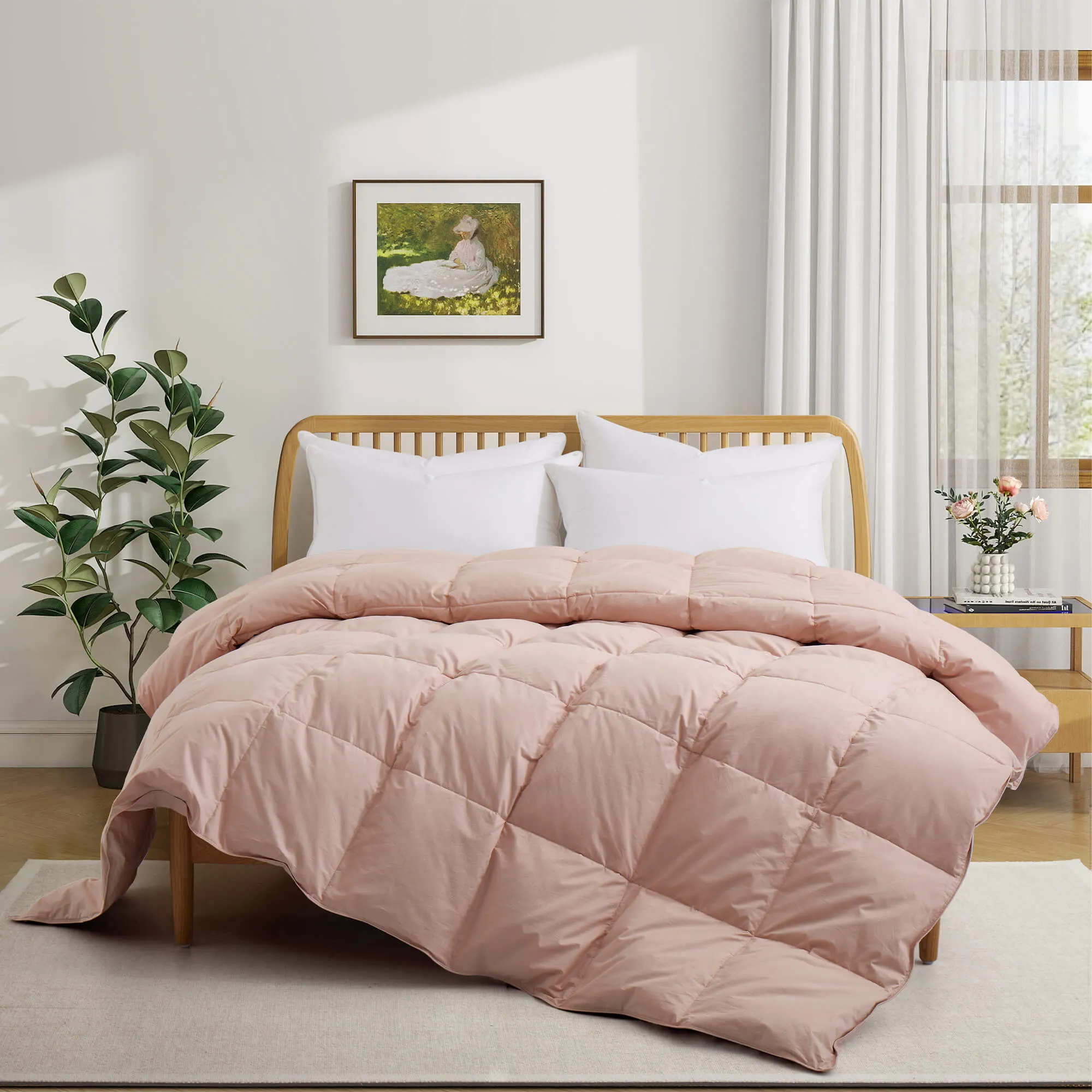
Match All-Season Warmth to Your Bedroom
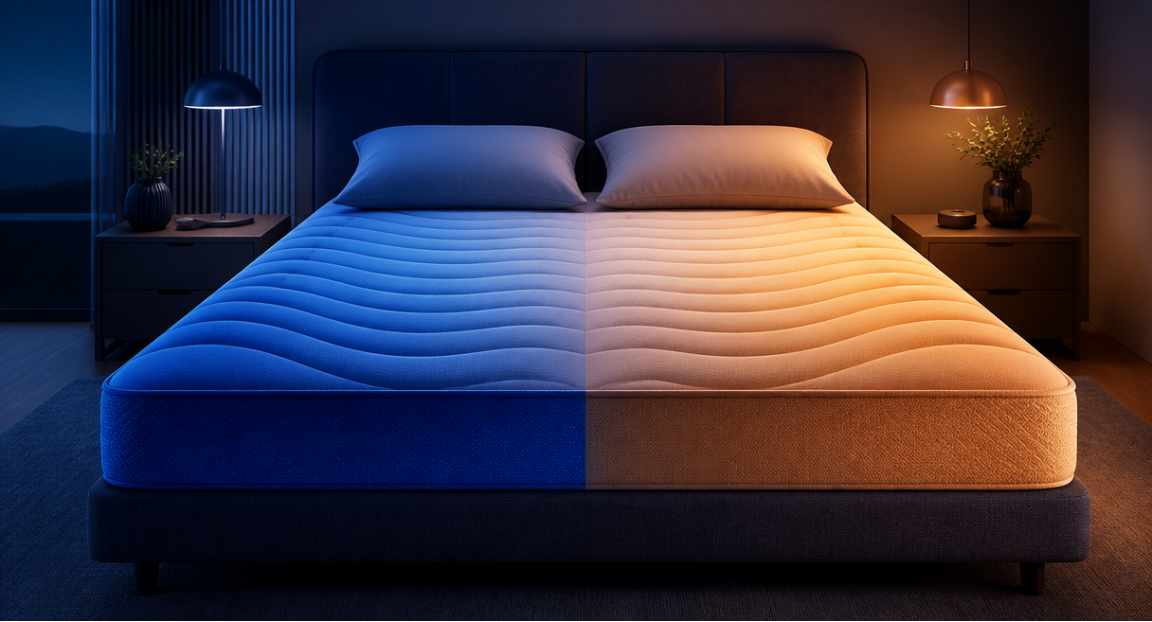
An all-season comforter is intended as a versatile warmth option. Whether it feels comfortable throughout the year depends on bedroom temperature, your warmth preferences and the other layers on the bed.
Think about how your room feels at night. In a bedroom that stays warm through winter, compare lightweight and all-season options according to how warm you tend to sleep. A room that cools down overnight might call for a throw at the foot of the bed, which you can pull up when needed.
Sewn-through stitching joins the top and bottom fabrics in a grid, helping hold the fill within compartments and giving the bed a neat quilted look. Overall weight and breathability also depend on the fabric and filling.
Style the Bed So It's Easy to Live With
Build the look around what stays on the bed at night: sheets, the comforter and your sleeping pillows. Add one accent layer, like a throw or a textured pillow, for contrast.
A deep fold at the head of the bed shows off the sheets and adds instant polish. Even side drops and a smoothed top surface give structure without a pile of decorative cushions to move every evening.
If you use a duvet cover, look for corner loops on the comforter. The cover's inner ties fasten to the loops, helping keep the insert aligned inside a correctly sized cover.
Make Care Part of the Choice
A comforter you can wash at home is easier to live with. Many cotton-shell down and feather comforters can be machine washed on a cold, gentle cycle and dried on low heat or no heat. Always follow the care label, and check that your washer and dryer are large enough before you buy.
A removable duvet cover means you'll wash the comforter itself far less often. Whatever routine you choose, make sure the fill dries completely before the comforter goes back on the bed, and fluff it regularly to keep its loft.
Frequently Asked Questions
Is an organic cotton comforter filled with cotton?
Not necessarily. "Organic cotton" often describes the shell, while the fill may be down, feathers, cotton or another material. Check the fill description to see what's inside.
Can an all-season comforter really work year-round?
It can, depending on bedroom temperature, personal warmth preferences and additional layers. A warmer room may require a lighter option; a cooler room may call for an extra layer.
Can I use a duvet cover with it?
Yes. Match the dimensions and look for corner loops that tie to the cover.
Take your measurements and a photo of your room when you shop. Choose the color first, then confirm the size, warmth and care, and you'll have a bed that looks styled and feels right every night.
Stay up to date with our latest ideas!