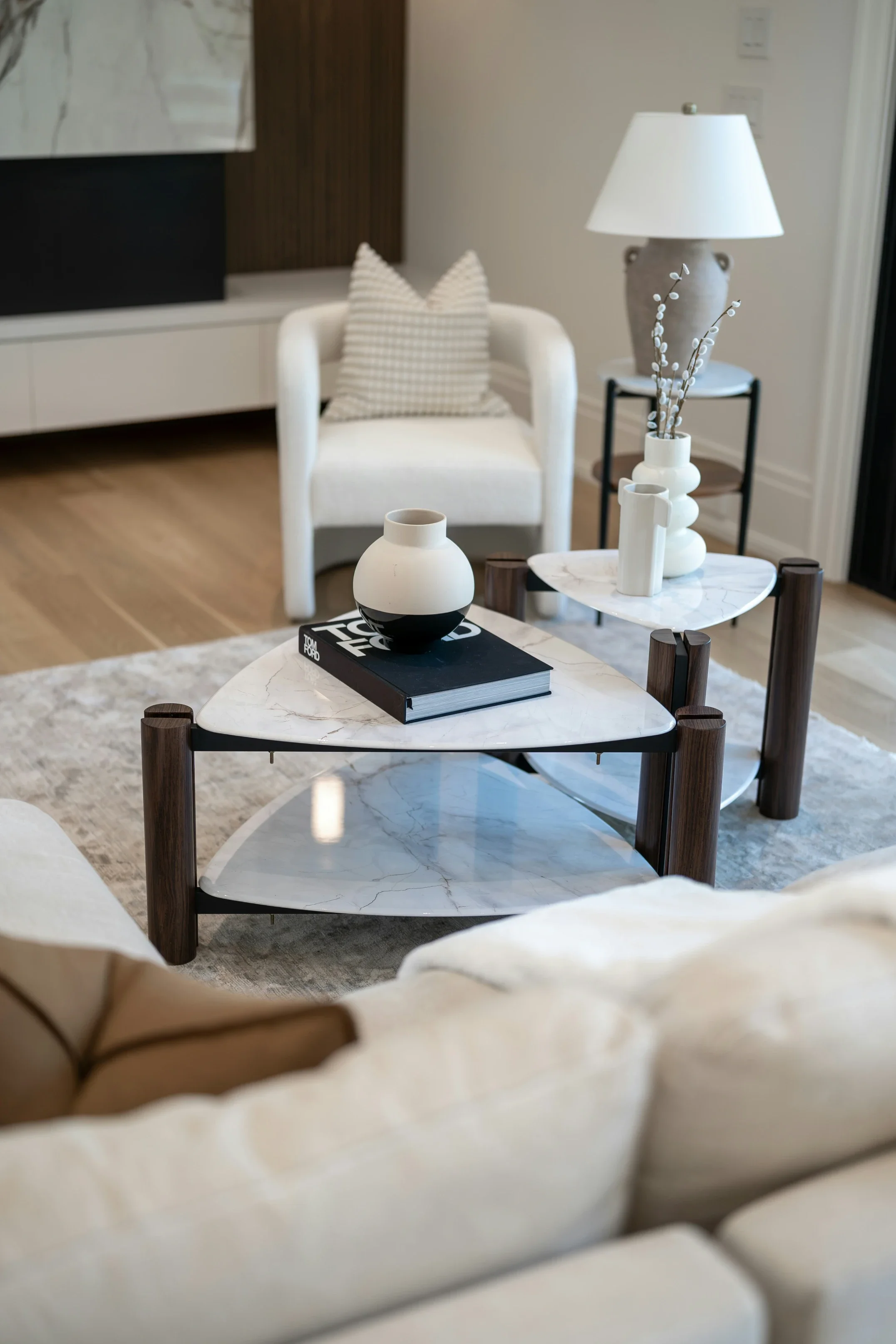
Discover how accent table rentals offer an affordable way to elevate your event or living space with stylish designs, flexible options, and budget-friendly decor.

Accent table rentals give you a stylish side piece for a monthly fee instead of a full purchase price. You pick the design, the rental company brings it to your door, and when the lease ends, you can return it, renew it, or swap it for something new. This makes renting a smart choice for apartments, home staging, offices, and short stays where buying doesn't add up.
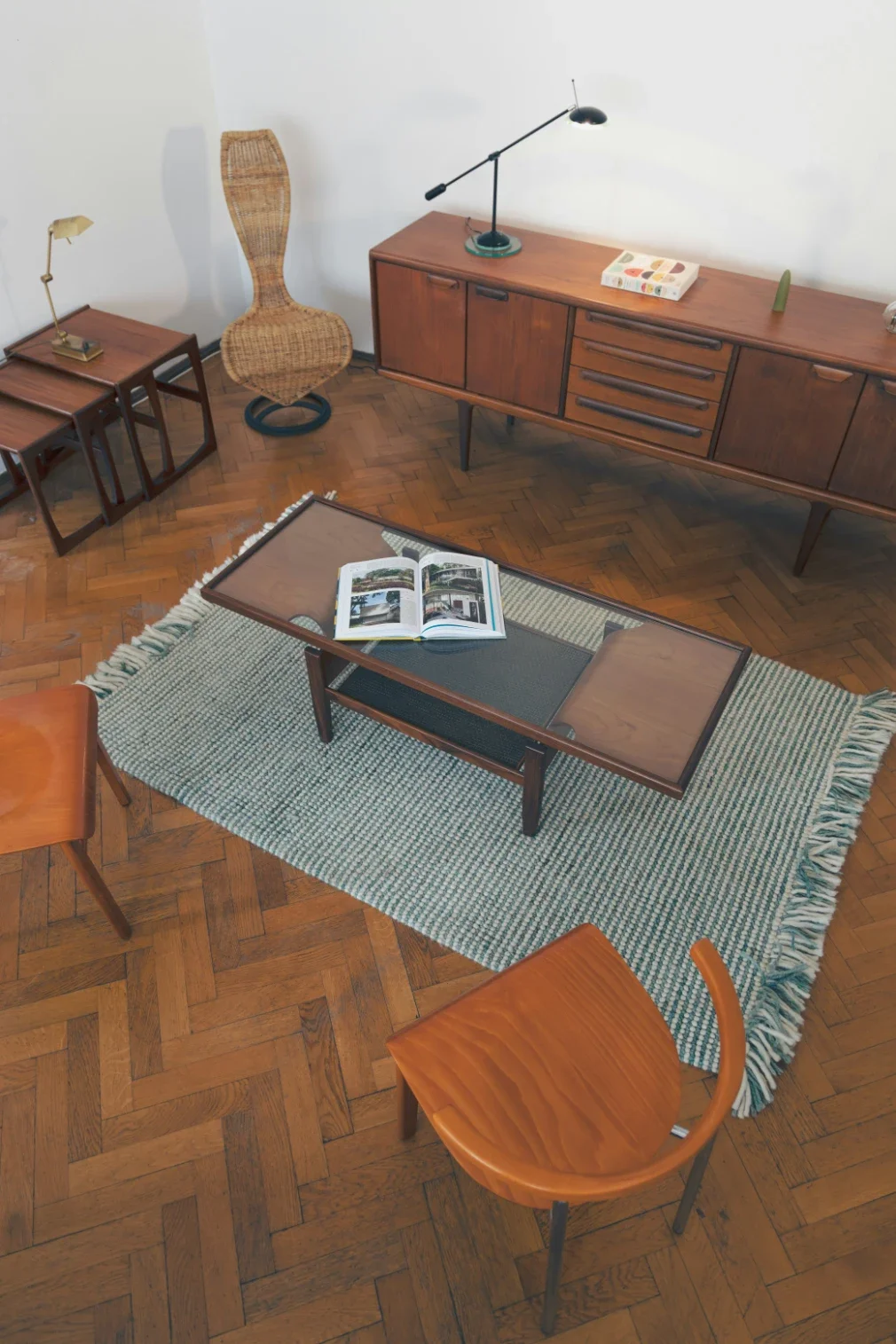
Here's the funny thing about small furniture: it does a lot of heavy lifting. A slim table next to a reading chair gives a lamp a home and a place for your coffee to land. A stone-topped piece in an entryway tells guests someone put real thought into the space. Yet these little pieces often cost far more than their size suggests, and they're usually the first things people leave behind when they move.
Renting flips that math. Instead of tying up cash in décor you may only need for a year, you pay for the time you actually use it.
Why One Small Table Can Change a Whole Room
Think of small tables as the punctuation in a room. Without them, a sofa and two chairs can look like they're waiting for something to happen. Add a side piece, and suddenly the seating feels connected, and the eye has somewhere to rest.
Accent tables also solve everyday problems. A well-placed one can:
Keep drinks and snacks off the floor and within easy reach
Give a lamp a stable base beside a reading chair
Hold a phone charger, remote, or a stack of books
Lift a plant closer to window light
Fill an awkward empty corner without crowding the room
Because they're small, they're also the easiest pieces to experiment with. A brass drum table can test whether you like metallic finishes before you commit to a gold mirror or new light fixtures. If the look doesn't work, you send it back. No regret, no resale listing.
How Renting Keeps More Money in Your Pocket
The savings come from two places: what you don't pay up front and what you don't have to deal with later.
The Hidden Costs of Buying Décor You Might Outgrow
Buying a designer side table means paying full price on day one. Then come delivery fees, possible assembly, and the real chance it won't suit your next home. Resale rarely makes up the difference, since used furniture tends to sell for much less than you paid, and finding a buyer takes time.
Frequent movers feel this most. Every move means more packing, more risk of chipped corners, and another round of wondering where that table should go now.
What a Monthly Fee Usually Covers
A rental plan typically bundles several services into one predictable payment. Terms vary by company, but common inclusions are:
Delivery to your home and placement in the room you choose
Pickup at the end of the lease, so there's nothing to sell or haul
The option to swap styles when you redecorate or relocate
Flexible lease lengths, from short terms to longer commitments
Access to premium materials like marble, glass, and solid wood
A table rental also spreads the cost across months. That matters when you're already juggling a security deposit, movers, and first month's rent all at once.
Who Gets the Most Value From Renting
More people are choosing this route than ever. Fortune Business Insights valued the global furniture rental service market at about USD 90.47 billion in 2025 and expects it to reach USD 98.20 billion in 2026, with growing interest in interior decoration named among the drivers. Several groups come out clearly ahead:
Renters and frequent movers who don't want to drag furniture across town every year or two
Home sellers and agents preparing a property for listing photos and showings
Students and interns living in temporary housing for a semester or a work placement
Businesses furnishing lobbies, model units, pop-up shops, or short-term offices
Event planners who need accent tables for lounges, receptions, or trade show booths
Sellers in particular have good reason to care about presentation. In the NAR 2025 Profile of Home Staging, 49% of sellers' agents said staging cut the time homes spent on the market, and 83% of buyers' agents said it helped buyers imagine the property as their own. The living room was the space staged most often. Renting a few finishing pieces lets sellers polish that room without buying furniture they'll pack up after closing.
Whatever group you fall into, browsing accent table rentals lets you compare finishes, sizes, and lease terms side by side before deciding which piece suits your space. On the flip side, if a piece will stay in the same home for many years, buying may cost less over time. Renting shines when the timeline is short or simply unknown.
How to Choose the Right Style and Size
A rented piece only works if it fits the room, so a few minutes with a tape measure saves a lot of hassle.
Match the Height to the Seat Beside It
A helpful guide is to keep the tabletop about level with, or slightly below, the arm of the sofa or chair next to it. Too tall, and it looks out of place. Too short, and you're reaching down every time you grab your cup. Measure the spot before you browse, and leave enough room to walk past without bumping a corner.
Pick Materials That Suit How the Room Is Used
Glass looks light and airy in a small apartment, but it shows fingerprints fast. Marble feels upscale, though it needs coasters to avoid rings. Wood and metal stand up well to daily use, which makes them a safe bet for busy family rooms. A few pairings that tend to work well:
A round accent table beside a curved armchair to soften sharp lines
A slim glass piece next to a bulky sofa to keep the room from feeling heavy
A warm wood side table in a cool-toned room for contrast
A brass or stone piece in a staged living room for a polished listing photo
Simple Habits for a Smooth Rental Experience
A few small steps make the whole process easier from the first order to the final pickup:
Read the lease terms closely, especially the minimum rental period and any early return fees.
Ask what counts as normal wear and what counts as damage.
Take photos of each piece when it arrives, so its condition is on record.
Use coasters and felt pads to protect accent tables from rings and scratches.
Schedule pickup dates early if you're moving out or listing a home.
With these habits in place, a table rental feels less like a commitment and more like a convenience.
Where to Find Designer-Look Pieces for Rent
If a room in your home, office, or listing needs a finishing touch, FurnitureRent makes it easy to compare styles, check lease terms, and find a piece that fits both the space and the budget. A well-chosen side table can make a room feel complete, and renting means you don't have to pay full price to get there.
Frequently Asked Questions
Is renting furniture cheaper than buying it?
It depends on how long you need it. Over a short period, renting usually costs less because you skip the full purchase price, delivery fees, and resale hassle. Over many years in the same home, buying often wins. Compare the total monthly cost against the time you expect to use the piece.
How long can I keep a rented accent table?
Lease lengths vary by provider. Some offer short-term plans for a few months, while others allow longer agreements. Many companies also let you extend your lease, and some give you the option to buy the piece outright at the end.
What happens if rented furniture gets damaged?
Normal wear, like light scuffs, is usually expected. Larger damage, such as cracks or deep stains, may lead to repair or replacement fees. Some providers offer protection plans, so check the contract before signing.
Can businesses and event planners rent furniture too?
Yes. A table rental works well for offices, hotel lobbies, model homes, trade shows, and private events. Short-term contracts make it easy to furnish a space for a few days or a few months without a large upfront purchase.
Is renting furniture a more sustainable choice?
It can be. Rental pieces get cleaned, repaired, and reused by many customers, which keeps them in service longer and out of landfills. In practice, its sustainability depends on each company's care and refurbishing habits.
Stay up to date with our latest ideas!