Learn how to plan a successful NYC apartment renovation with practical tips on budgeting, permits, contractor selection, design choices, and project timelines.

Renovating an apartment in New York City requires careful planning, practical design decisions, and a clear understanding of building regulations. Whether updating a Manhattan condo, remodeling a Brooklyn co-op, or undertaking a full-home renovation, property owners need to balance aesthetics, functionality, budget, and construction requirements. Although the phrase western fence company relates to a different type of home improvement service, choosing the right specialist for each project is essential. For apartment remodeling, experienced contractors such as Gaudioso Contracting can help homeowners navigate renovation planning and coordinate the work needed to transform an existing space.
Define Your Renovation Goals Before Starting
Before contacting contractors, identify what you want the renovation to accomplish. Some apartment owners need better storage, improved lighting, or a more efficient kitchen layout. Others may be planning a complete renovation involving bathrooms, flooring, electrical systems, plumbing, and interior finishes.
Start by separating essential improvements from optional upgrades. Addressing outdated infrastructure, water damage, or inefficient layouts may be more important than choosing decorative finishes. A written list of priorities also makes it easier to compare contractor proposals and avoid unnecessary scope changes.
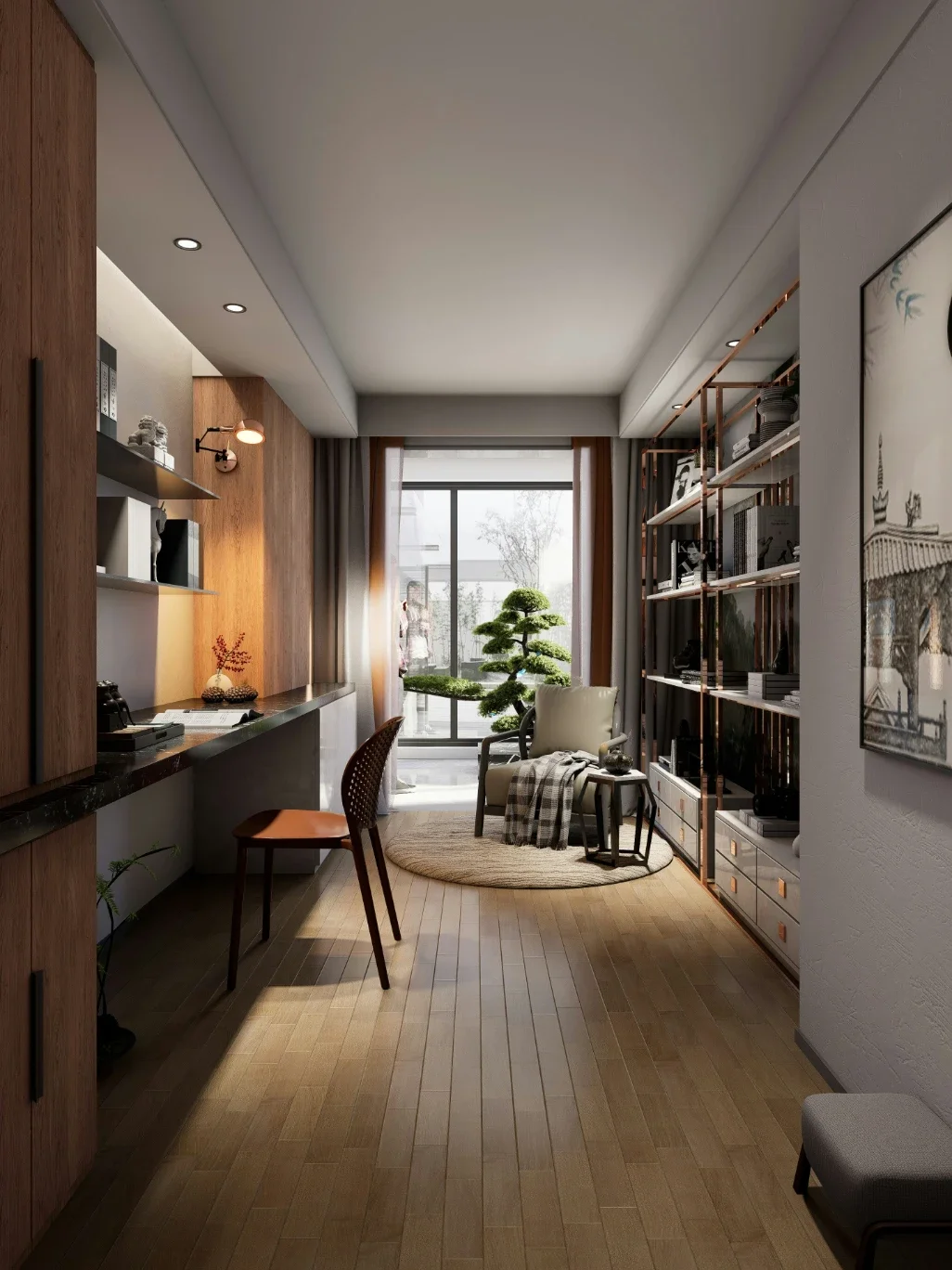
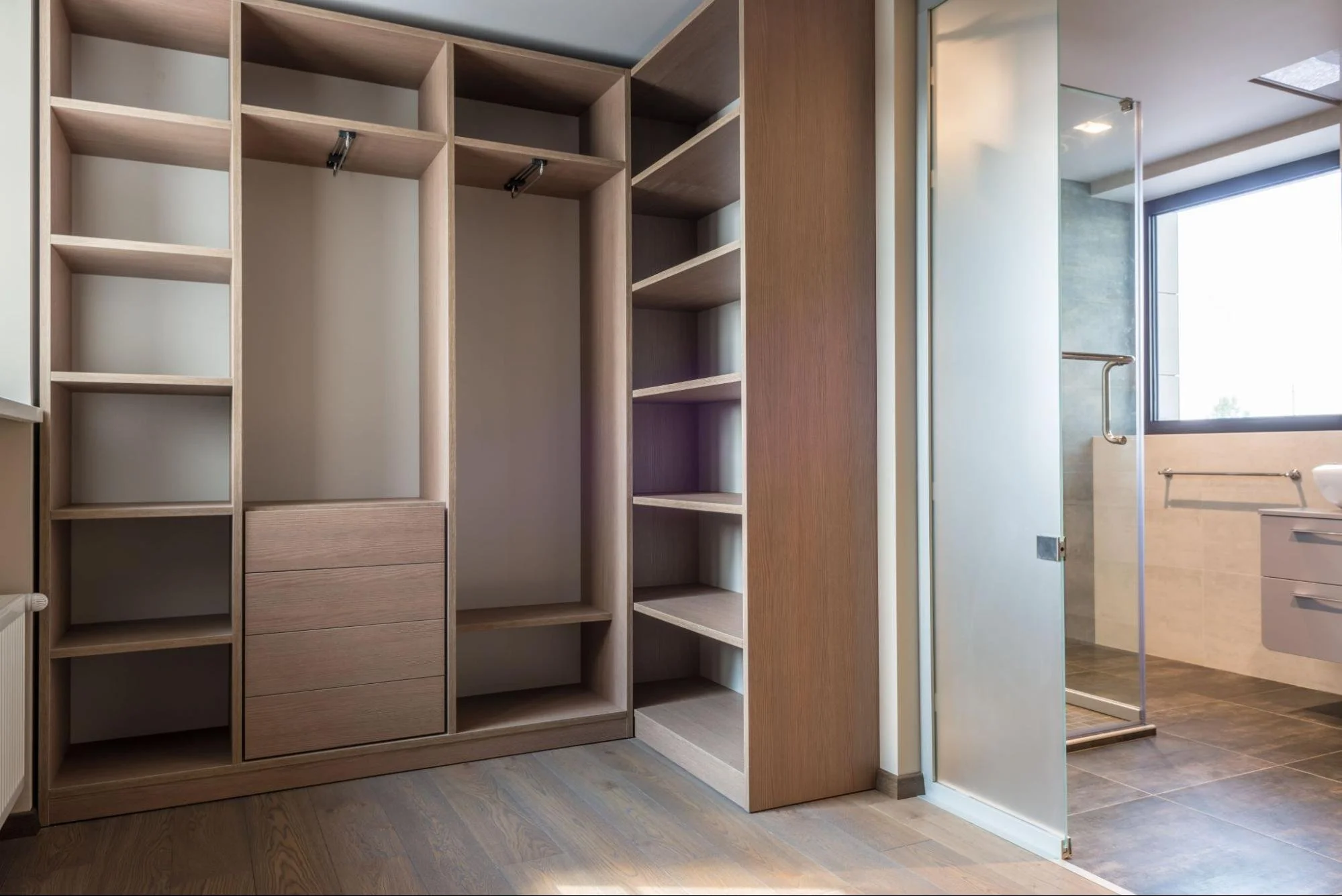
Consider how you use each room throughout the day. An open kitchen may improve interaction between cooking and living areas, while built-in storage can make a compact Manhattan apartment feel less crowded. In older Brooklyn properties, preserving architectural details may help maintain the character of the home while introducing modern conveniences.
Understand NYC Building Requirements
Apartment renovations often involve more administrative work than renovations in detached homes. Condo boards, co-op boards, building management teams, and local authorities may each have requirements that affect the project.
Review Building Approval Procedures
Before construction begins, check whether the building requires an alteration agreement, renovation application, contractor insurance documentation, work schedules, or deposits. Some buildings restrict noisy work to specific hours or require advance notice before materials can be delivered.
Co-ops may have particularly detailed approval procedures, so owners should understand the review process before committing to a construction timeline. Certain renovations may also require permits or professional plans, depending on the scope of work.
Confirm Permit and Inspection Needs
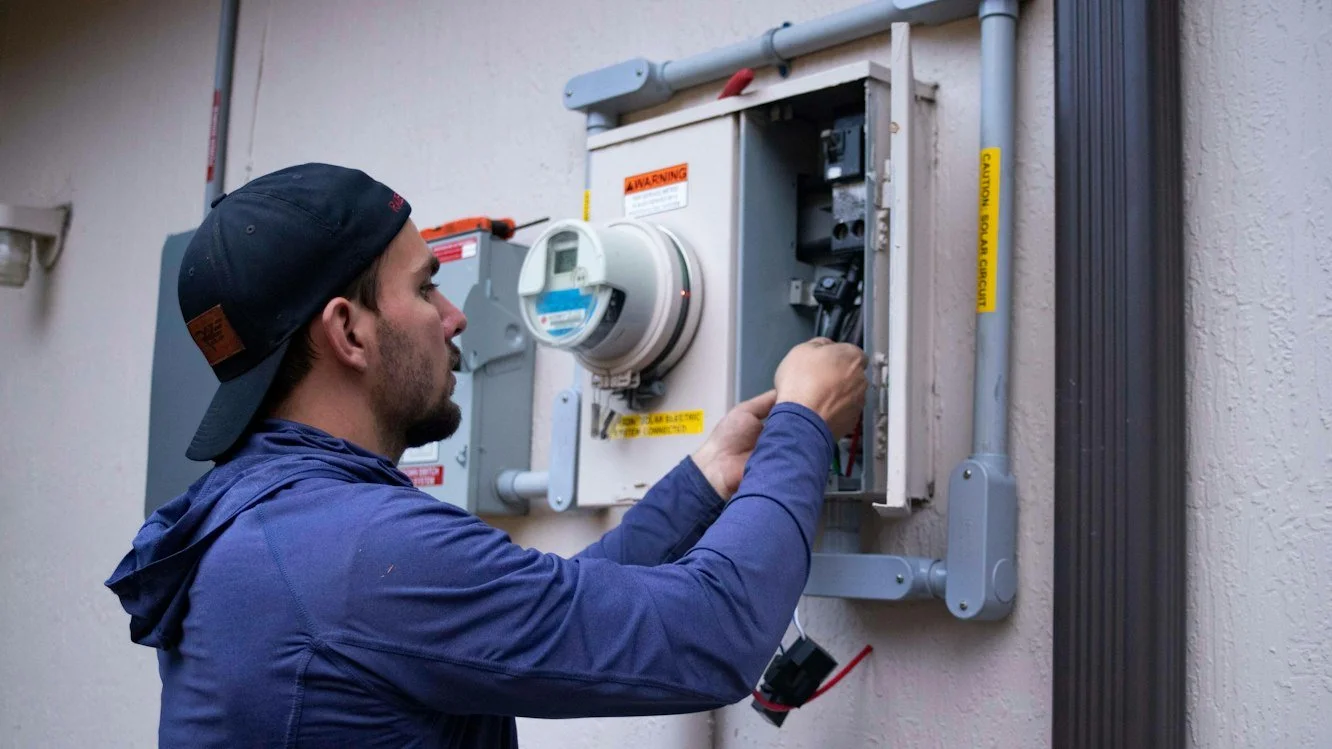
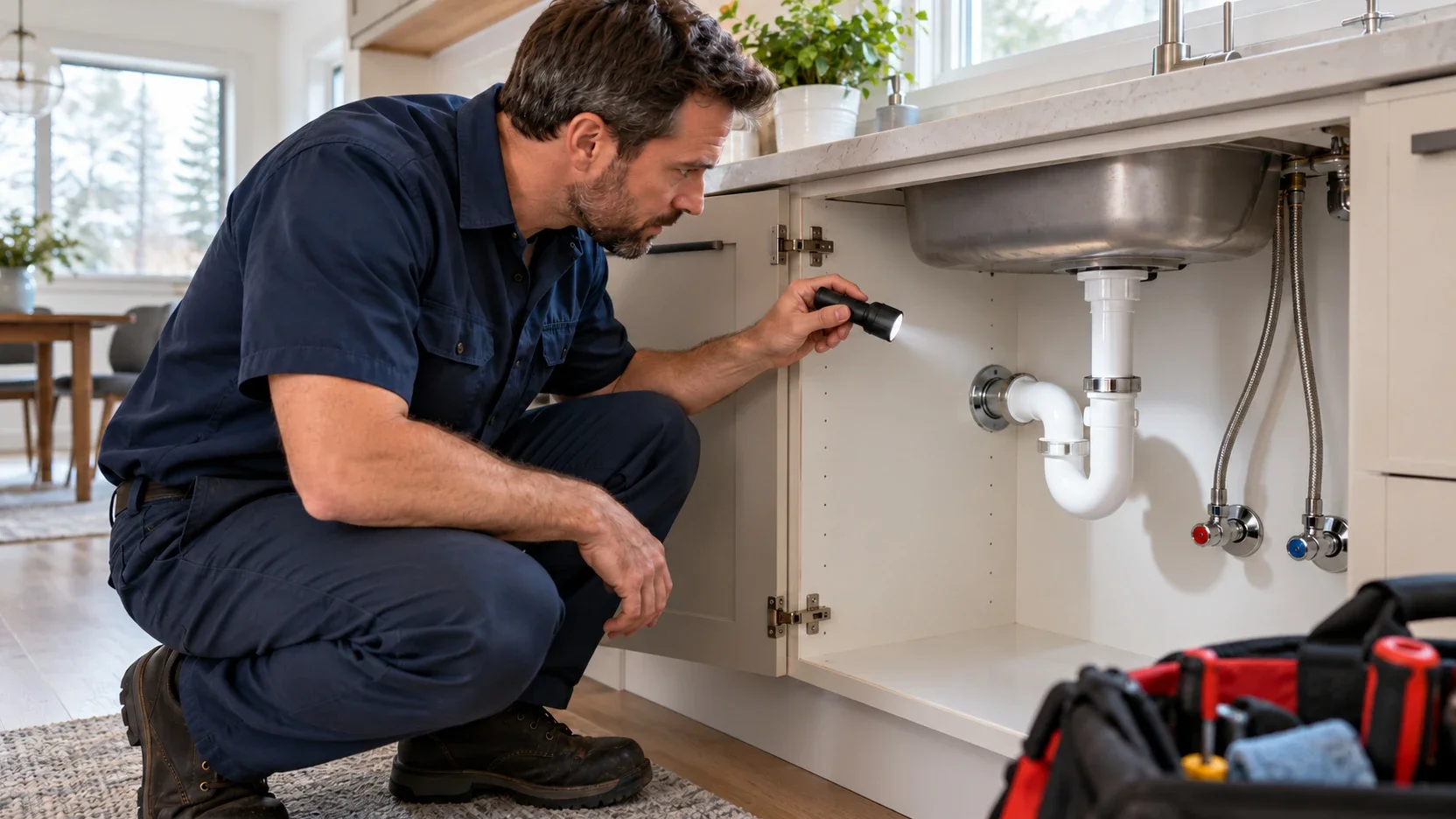
Changes involving plumbing, electrical systems, structural elements, or other regulated work may trigger specific permitting and inspection requirements. The exact obligations depend on the proposed work and applicable rules.
Discuss these requirements with the contractor early. Clarifying who prepares documentation, coordinates inspections, and obtains necessary approvals helps prevent avoidable delays after materials have been ordered or construction has been scheduled.
Choose a Contractor With Relevant Experience
A contractor who understands apartment renovations can help coordinate the practical challenges of working within a shared residential building. Experience with Manhattan and Brooklyn properties is valuable because access arrangements, building rules, limited storage, and neighboring residents can influence how work must be organized.
When reviewing contractors, ask for examples of comparable projects, references, proof of insurance, and a detailed written proposal. The proposal should explain the scope of work, materials, labor, payment schedule, exclusions, and anticipated timeline.
It is also important to understand how changes will be handled. If concealed plumbing damage or outdated wiring is discovered after demolition, the contractor should explain the implications for cost and scheduling before proceeding with additional work.
Avoid selecting a contractor solely because the initial estimate is the lowest. A proposal that omits essential preparation, protection, or finishing work may eventually cost more than a comprehensive estimate.
Establish a Realistic Budget
Apartment renovation costs vary according to the property's condition, project size, material choices, and complexity of the work. A cosmetic refresh involving paint and flooring generally requires less coordination than a full renovation with new kitchens, bathrooms, and mechanical systems.
Request itemized estimates so you can understand where the budget will be spent. Include demolition, material delivery, labor, permits where applicable, finishing work, and any building-related fees.
Set aside a contingency reserve for unexpected conditions. Older apartments may contain deteriorated pipes, uneven floors, damaged plaster, or electrical systems that need attention once walls and ceilings are opened.
If the budget becomes constrained, prioritize safety, essential infrastructure, and improvements that directly support your needs. Decorative upgrades can often be adjusted without compromising the project's fundamental quality.
Design for Space, Light, and Everyday Function
Space is often limited in New York apartments, making thoughtful design particularly important. The goal is not necessarily to make every room look larger, but to ensure that each area serves a clear purpose.
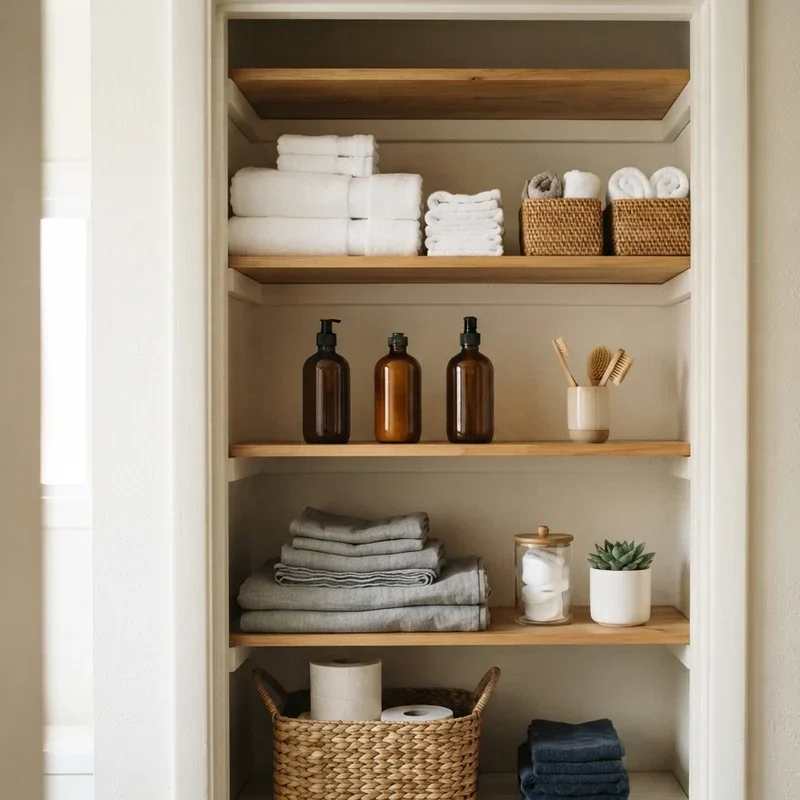
In smaller kitchens, vertical cabinetry, pull-out storage, and appropriately scaled appliances can improve usability. Bathrooms may benefit from recessed storage, efficient fixtures, and carefully positioned lighting. In living areas, furniture with built-in storage can reduce clutter without sacrificing comfort.
Lighting deserves special consideration, particularly in apartments with limited natural daylight. Combining general illumination with task lighting and accent fixtures can make rooms more flexible and comfortable.
Material selection also affects the overall result. Durable flooring, easy-to-clean surfaces, and finishes suited to the household's lifestyle can reduce maintenance while maintaining an attractive appearance.
Manage Construction and Communication
Once work begins, regular communication helps keep the project organized. Agree on how progress updates will be shared, who approves material substitutions, and how unexpected problems will be documented.
In occupied buildings, contractors may need to coordinate elevator reservations, protect common areas, manage debris removal, and minimize disruption to neighbors. These logistics should be addressed before demolition rather than improvised during construction.
Before accepting the completed project, walk through the apartment with the contractor. Check doors, cabinets, fixtures, flooring, paint, and other finished elements. Confirm that agreed-upon work has been completed and document any outstanding corrections.
Build a Renovation Plan That Lasts
A successful NYC apartment renovation combines sound planning, realistic budgeting, suitable design, and reliable project management. Understanding building requirements and selecting a contractor with relevant experience can reduce uncertainty throughout the process.
By defining priorities early, documenting the scope, and maintaining clear communication, apartment owners can create spaces that better reflect their needs while making effective use of every square foot. The strongest results come from balancing visual appeal with practical performance, so the renovated home remains comfortable and functional long after construction ends.
Stay up to date with our latest ideas!