Learn what homeowners should consider before a major exterior overhaul, including budgeting, material choices, contractor selection, and long-term maintenance needs.

Major home exterior renovations demand careful evaluation of structural integrity, seasonal climate stress, and durable materials before work gets underway.
Planning a major exterior renovation is one of the most substantial investments you can make in your home. Looking at a full exterior overhaul strictly as an aesthetic facelift can lead to costly mistakes by leaving deep structural issues hidden beneath fresh paint and new siding.
Your building envelope functions as an interconnected protective shield where the roof deck, moisture barriers, attic airflow, and siding interact continuously. You need to assess structural health, evaluate material longevity against your local climate, and sequence your construction project carefully to preserve your home equity.
Why Do You Need a Structural Diagnostic Before Renovation?
Uncovering hidden structural damage early keeps project budgets on track. Cosmetic finishes easily hide sub-deck moisture saturation, weakened rafter framing, and failing flashing channels. Water penetrating behind siding or under shingles degrades structural wood framing over time, creating unseen hazards that standard surface inspections miss.
Data from the National Association of Home Builders shows that carrying out whole-house exterior upgrades can significantly reduce ongoing maintenance expenses while improving overall energy performance when proper weatherization barriers are installed. Addressing structural framework repairs before applying new finishes protects your fresh materials from immediate water damage.
Identifying Attic Airflow and Flashing Issues
Balanced attic airflow works directly with your exterior roof system to regulate temperature and moisture levels. Trapped humidity in attic spaces warps structural roof decking and accelerates interior wood rot.
Inspect interior attic framing: Look for dark water stains, mold growth, or soft wood along rafters.
Examine perimeter flashing joints: Check step flashing around chimneys and side walls for rust or separation.
Verify ridge and soffit vents: Clear dust and debris from intake vents to guarantee unblocked air circulation.
When Should You Choose Full Replacement Over Ongoing Repairs?
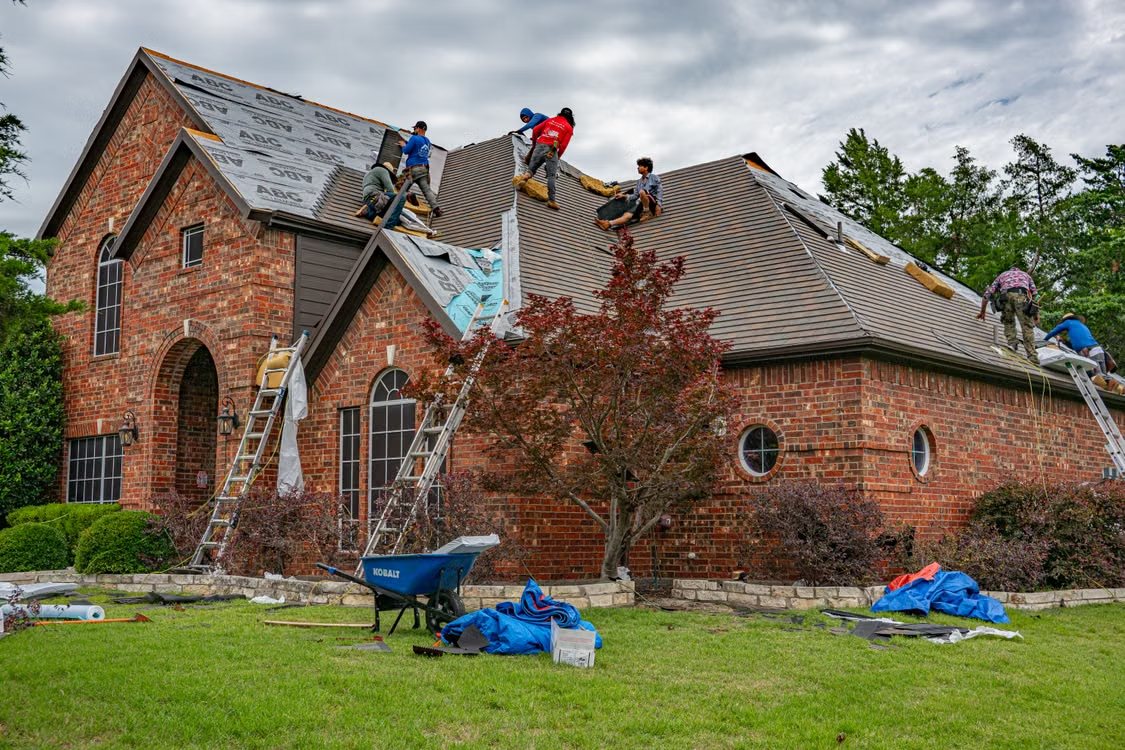
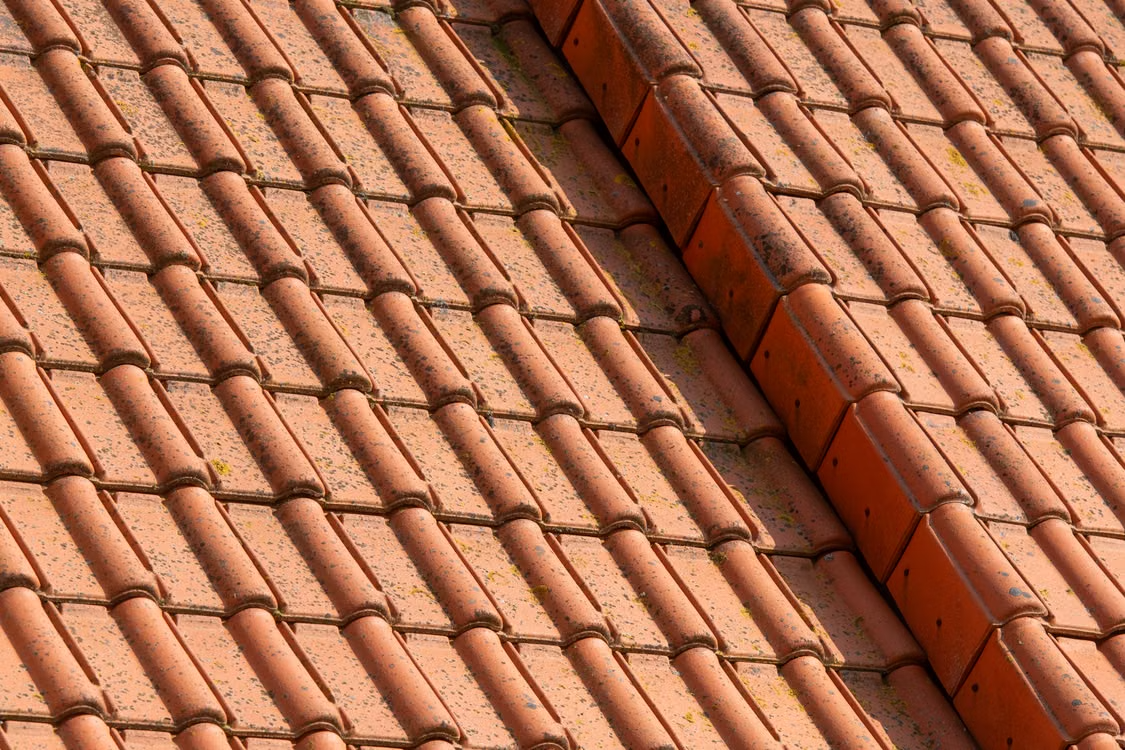
Persistent localized repairs eventually become a financial liability compared to comprehensive exterior renewal. Patching individual roof sections or siding panels often fails to resolve systemic moisture intrusion. While localized patch jobs may temporarily stall water entry, property owners facing recurring leaks will find that prioritizing replacing an ageing roof secures foundational decking and delivers far greater energy efficiency over the life of the home.
Evaluating contractor credentials and understanding warranty coverage guarantees your long-term investment remains protected. Manufacturer warranties cover material defects, while contractor workmanship warranties guarantee correct installation practices. Vetting installers thoroughly ensures your building envelope receives proper flashing, underlayment, and continuous moisture defense.
How Do You Select Exterior Materials for Local Climate Stress?
Selecting modern exterior building materials requires evaluating long-term performance rather than focusing solely on upfront pricing. Architectural dimensional shingles, standing-seam metal profiles, and composite siding feature vastly different thermal profiles and wind resistance capacities.
Federal Emergency Management Agency guidelines highlight that high-wind resistant roof shingles and standing-seam metal profiles cut wind-driven water intrusion risks by up to 50 percent. Selecting materials tailored to regional temperature swings and severe storms prevents premature system replacement.
Comparing Shingle and Metal System Longevity
Architectural shingles provide budget-friendly durability and simple installation across varied roof pitches. Standing-seam metal systems require higher upfront investment but deliver superior longevity and weather resilience over multi-decade lifespans.
Standing-seam metal panels feature continuous interlocking seams that eliminate exposed fasteners, reducing wind uplift risks during severe storms. High-grade architectural shingles utilize heavy adhesive strips to maintain integrity against strong gusts.
Metal roofing systems naturally reflect solar heat away from the building envelope. Multi-layered shingle options integrate reflective granules to decrease heat absorption into attic spaces during summer months.
How Can You Budget and Schedule an Exterior Renovation Effectively?
Creating a realistic renovation budget starts with separating essential structural repairs from optional aesthetic upgrades. Allocate funds for unexpected issues, such as hidden water damage, deteriorated insulation, or damaged roof decking, to avoid financial setbacks during construction.
Establishing a clear construction schedule helps contractors coordinate roofing, siding, gutter installation, and exterior painting efficiently. Completing these tasks in the correct order prevents newly installed materials from being damaged by subsequent work and reduces unnecessary labor costs.
Obtaining multiple detailed contractor estimates allows you to compare material specifications, labor charges, project timelines, and warranty terms. Prioritize experienced professionals who provide transparent pricing and documented agreements to ensure your renovation stays within budget while meeting quality expectations.
What Maintenance Steps Will Protect Your Renovated Exterior?
Routine exterior inspections help identify minor problems before they develop into expensive structural repairs. Examine roofing materials, siding joints, gutters, and flashing at least twice a year, particularly after severe storms or periods of heavy rainfall.
Keeping gutters clear and ensuring downspouts direct water away from your foundation reduces moisture accumulation around vulnerable areas. Trim overhanging branches, remove debris from roof valleys, and promptly reseal deteriorating exterior joints to maintain effective weather protection.
Following manufacturer-recommended maintenance schedules also extends the lifespan of your renovation materials. Documenting inspections, repairs, and warranty information helps you track the condition of your exterior systems, preserve property value, and reduce the likelihood of premature replacement.

Proactive exterior renovation preserves foundational integrity and delivers reliable protection against environmental stress. Evaluating structural conditions early and selecting climate-adapted materials transforms your home exterior into a durable shield, securing long-term property value and peace of mind.
Stay up to date with our latest ideas!