Explore six mid-century modern furniture companies worth knowing before you buy, with insights into their signature styles, craftsmanship, and design appeal.
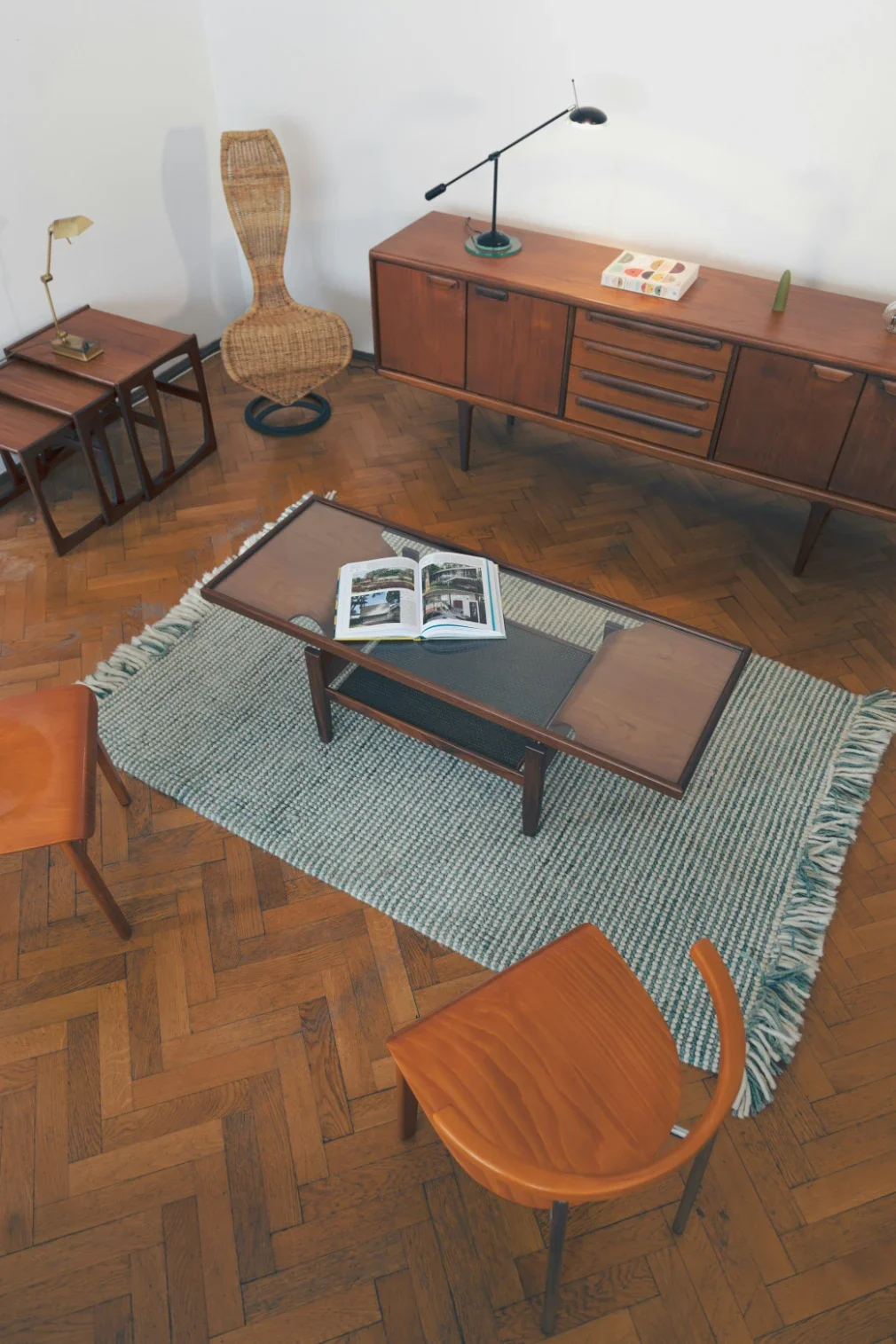
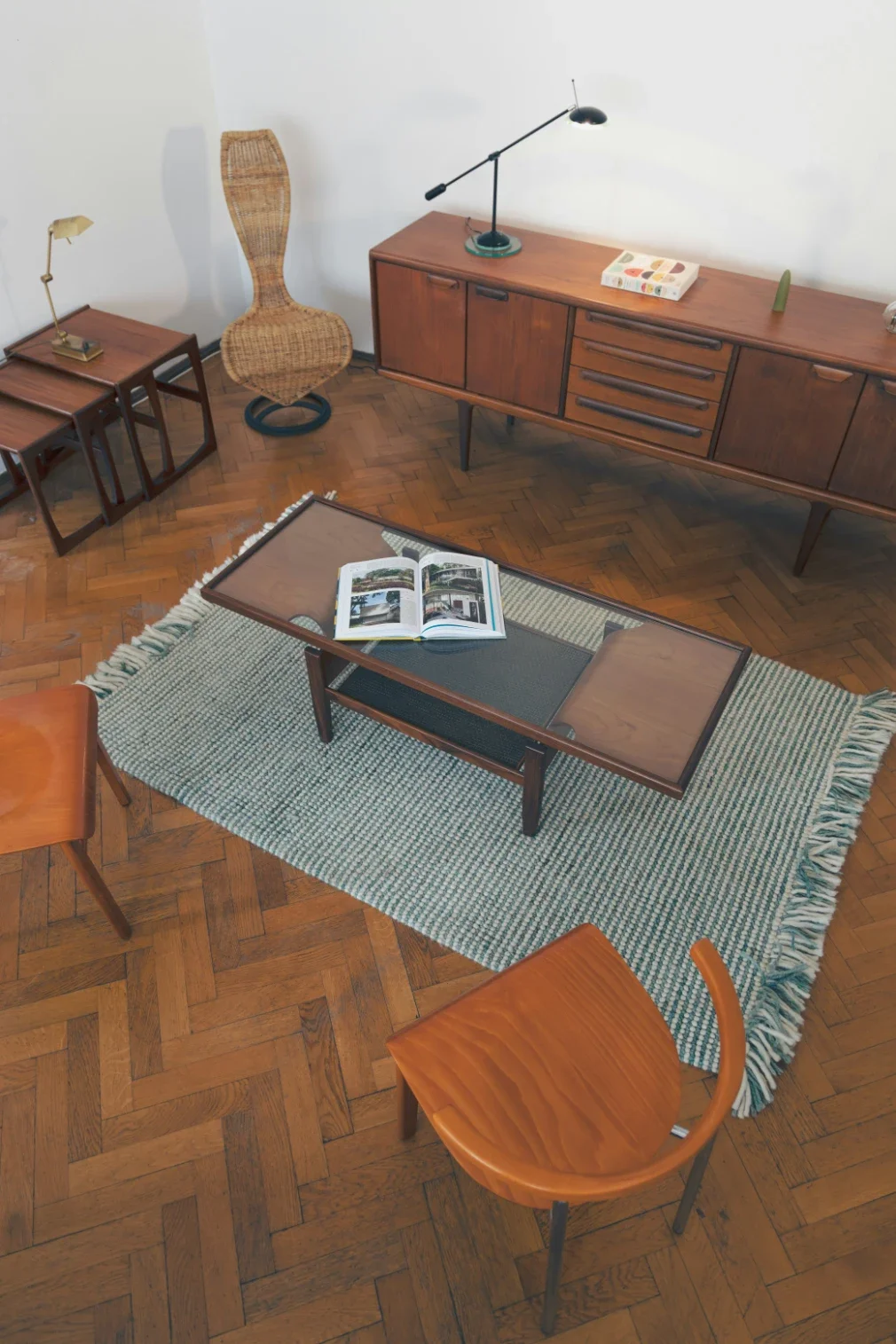
Mid-century modern furniture has outlasted nearly every trend that came after it. A walnut sideboard, a molded plywood chair or a pedestal dining table still looks right in a 1950s ranch house and a new-build condo alike.
The harder part is shopping for it. Some companies still make the original designs, while others build new pieces in the same spirit. Knowing which is which helps you decide where to spend and where to save.
What Makes Furniture Mid-Century Modern
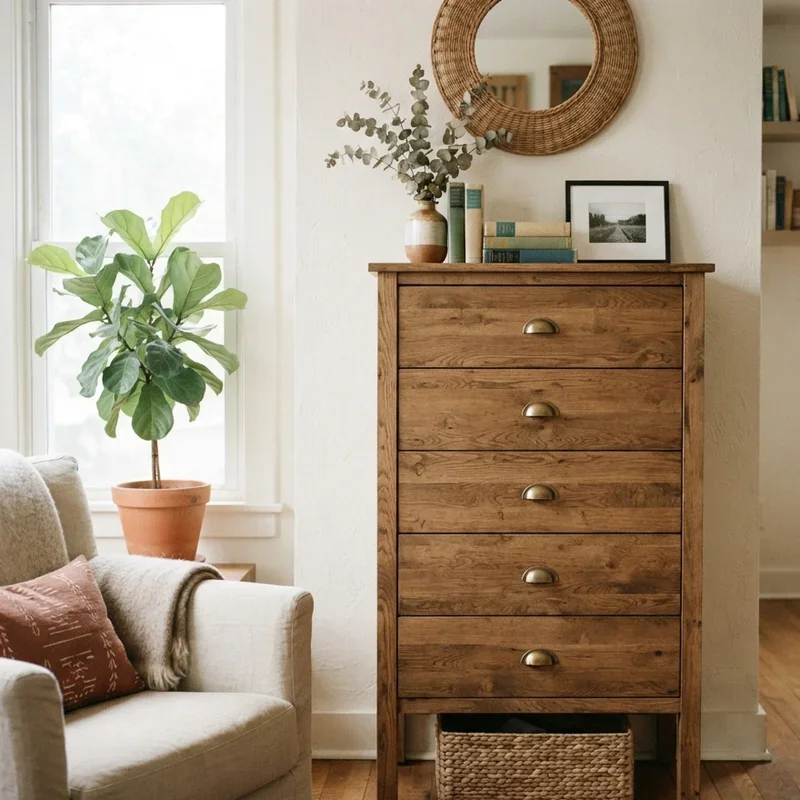
The style took shape in the late 1940s and ran through the 1960s, when designers paired warm hardwoods with newer materials like molded plywood, fiberglass and cast aluminum. Look for tapered legs, low profiles and clean lines that leave plenty of air around each piece.
Function mattered as much as looks. Many of the best designs of the period solved an everyday problem, such as a crowd of table legs or a chair that was hard to move. That practical streak is a good test for any modern maker using the label.
The Original Manufacturers
1. Herman Miller
Herman Miller introduced the Eames Lounge Chair and Ottoman in 1956. Charles and Ray Eames designed it from molded plywood and leather as a modern answer to the English club chair, and it has stayed in continuous production ever since.
If you want the original over an interpretation, this is where to start. A santos palisander veneer option echoes the Brazilian rosewood of the first chairs. The design is one of the most copied pieces of furniture in the world, so buy through Herman Miller or an authorized dealer if authenticity matters to you.
2. Knoll
Knoll has produced Eero Saarinen's Tulip table and chairs since 1958. Saarinen built the table on a single cast aluminum pedestal to clear away what he called the "slum of legs" under a typical table. Knoll also makes Harry Bertoia's wire Diamond Chair, in production since 1952.
The Tulip table suits a small dining nook, since one central base leaves more room for knees and chairs. Like the Eames chair, it is widely reproduced, so check the source if you want a genuine piece.
3. Fritz Hansen
Denmark's Fritz Hansen brings the Scandinavian branch of mid-century design into the home. Arne Jacobsen's Ant Chair has been in continuous production with the company since 1952. His Egg Chair has been made there since its 1960 launch.
Scandinavian pieces often read lighter and more sculptural than their American counterparts. They pair well with pale oak floors and white walls, and a single Egg Chair can anchor a reading corner on its own.
Makers Building in the Tradition Today
4. Room & Board
Minneapolis-based Room & Board draws on mid-century modern alongside Shaker, Bauhaus and Scandinavian design. More than 90 percent of its assortment is made in the United States, much of it by small family-owned workshops of woodworkers, weavers and metalworkers.
Room & Board works well if you want a cohesive room without tracking down licensed originals. The pieces have a clean, current edge that mixes easily with furniture you already own.
5. Bandpass Design
For households that host game night, Bandpass Design builds mid-century modern board game tables by hand in its Edmonds, Washington workshop, using solid walnut, cherry, white oak and maple. The Dresden is an everyday dining table that converts to a recessed game surface in seconds. The Firefly is a coffee table with a removable top and storage drawers.
Play surfaces come in speed cloth or velveteen, with cup holders and dice bins built in. With the top on, either table reads as hardwood furniture first, which helps when only one person in the house is the gamer. The lineup centers on game tables and shelving, so treat Bandpass as a specialist for one piece in a room.
6. Joybird
Joybird, founded in 2014 and owned by La-Z-Boy since 2018, focuses on mid-century modern upholstered furniture like sofas, sectionals and accent chairs. Every piece is made to order, so you choose the fabric, color and leg finish.
It's a strong option when color carries the room. A saturated velvet on a tapered-leg sofa gives you period character with updated proportions. Made-to-order production takes a few weeks, so plan ahead of a move or a holiday gathering.
How to Choose Between Them
Decide first whether you want a licensed original or a new design. Herman Miller, Knoll and Fritz Hansen sell the designs that defined the era. Newer makers offer more flexibility in size, finish and fabric.
Next, ask what sits under the finish. Solid hardwood can be sanded and refinished years from now, while veneer over particleboard has far less room for repair. Product pages and customer service teams can usually answer this in a sentence.
Finally, think about how the piece will be used on a normal Tuesday. A dining table that also handles homework, puzzles and game night needs a durable top and enough room for everyone, along with good looks.
Frequently Asked Questions
Is mid-century modern furniture still in style?
Yes. Its clean lines and warm woods sit comfortably alongside most other styles, which is why the look has stayed popular for decades. Mixing one or two mid-century pieces into a contemporary room is an easy way to start.
What wood is most common in mid-century modern furniture?
Walnut and teak are the woods most associated with the style, usually finished to show off the grain. Newer makers also work in oak, cherry and maple, which can suit lighter rooms.
Does mid-century modern furniture work in a small space?
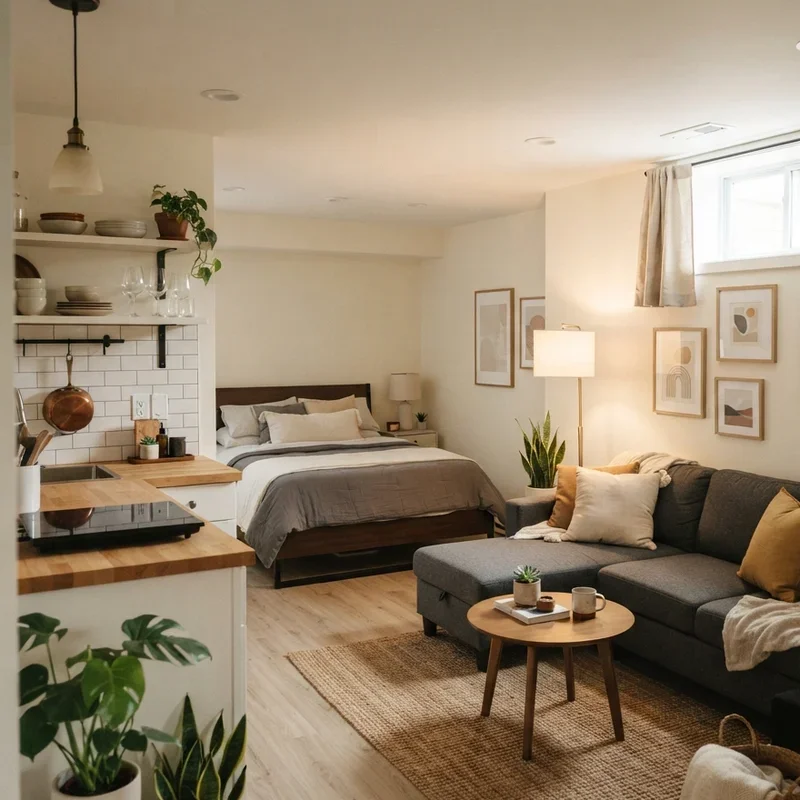
Often, yes. Raised legs and low profiles let you see floor underneath each piece, so a small room feels more open. Pedestal tables and armless chairs are especially easy to fit.
Matching the Maker to the Room
Start with the piece you will use most. An Eames lounge or a Tulip table makes sense when you want the original design and its history. Room & Board and Joybird can furnish a whole room in the same spirit.
A specialist like Bandpass Design fills one specific job, such as a dining or coffee table that doubles as the game night surface. Measure your space, note who uses the room and how, and the right company usually becomes clear.
Stay up to date with our latest ideas!