Learn how to choose windows that complement your home's interior design, improve natural light, and create a timeless architectural appearance.

Windows influence much more than the view outside. They affect natural lighting, room proportions, energy efficiency, and the relationship between indoor and outdoor spaces. In luxury homes, selecting the right windows can help create a cohesive design that feels both elegant and practical. Working with an experienced windows and doors company can help homeowners explore suitable styles, frame materials, and glazing options that complement their architecture while meeting everyday comfort requirements.
Match Window Styles to Your Home’s Architecture
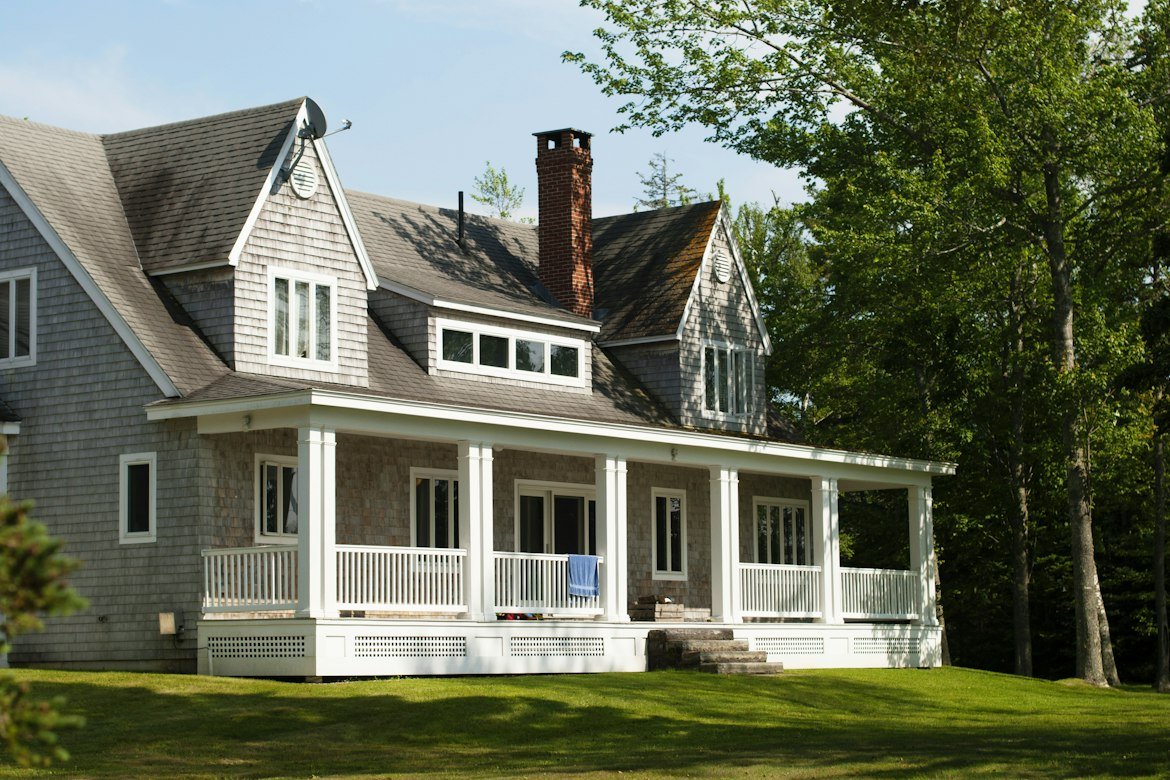
A window should feel like a natural part of the building rather than an isolated decorative feature. Before choosing a style, consider the home's architectural character, roofline, exterior materials, and interior layout.
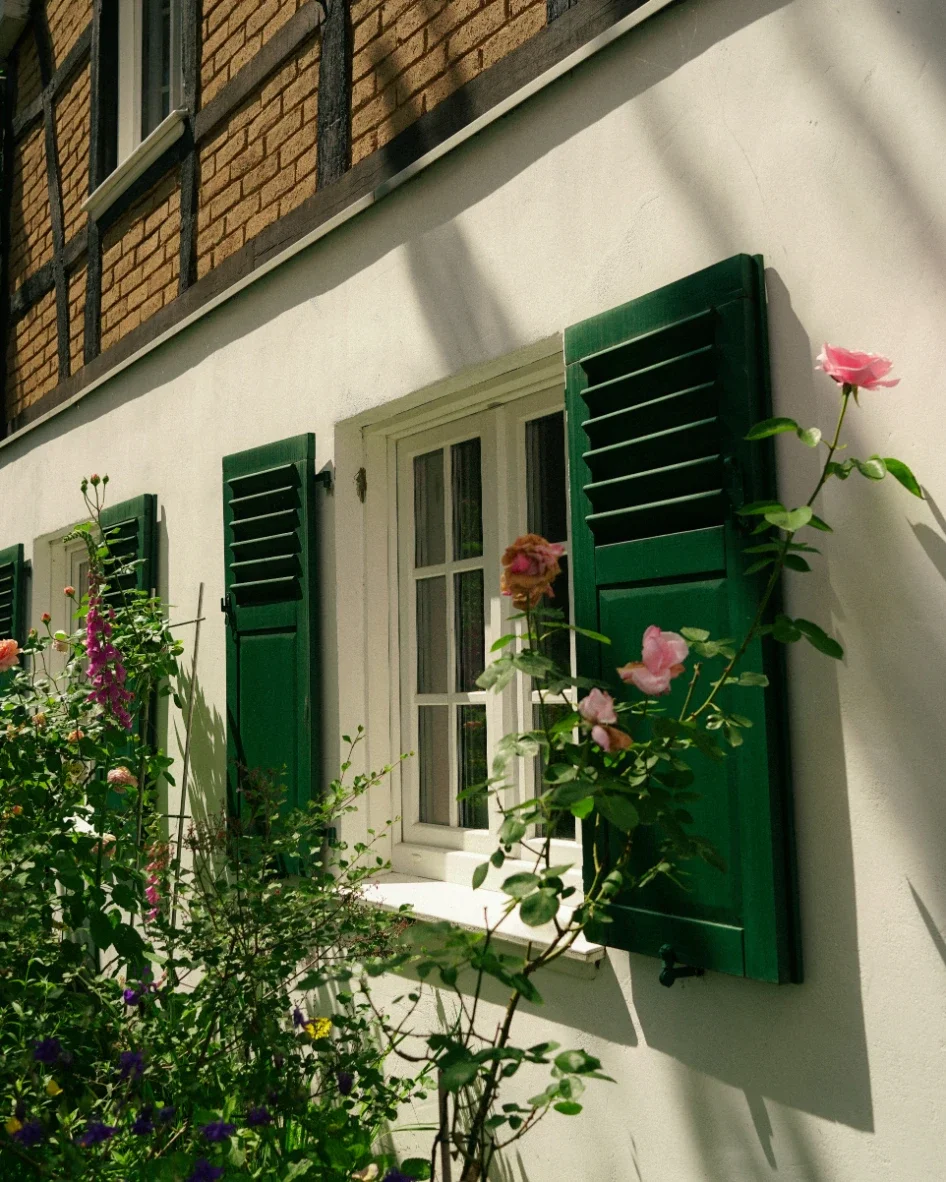
European-inspired homes often feature clean lines, tall openings, and carefully balanced proportions. Casement windows can complement these designs with their simple frames and wide openings, while tilt-and-turn windows offer a versatile appearance that works well in contemporary and traditional settings.
Traditional homes may benefit from divided-light designs or more decorative framing, while minimalist interiors often look best with large panes and understated profiles. Consistency matters, but every room does not need identical windows. The goal is to maintain a recognizable design language while responding to each space's practical needs.
Consider How Windows Affect Interior Design
Create a Balanced Visual Composition
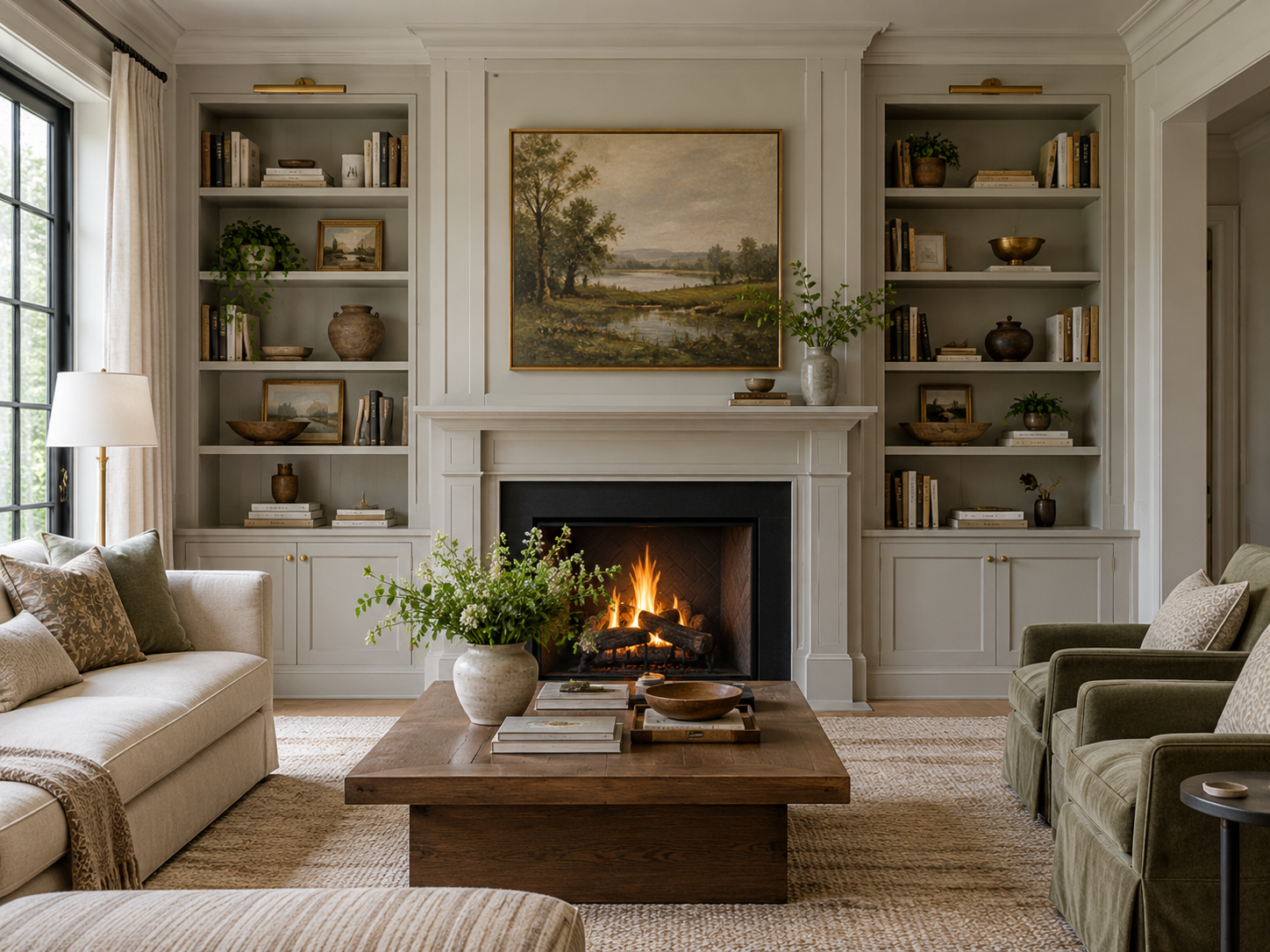
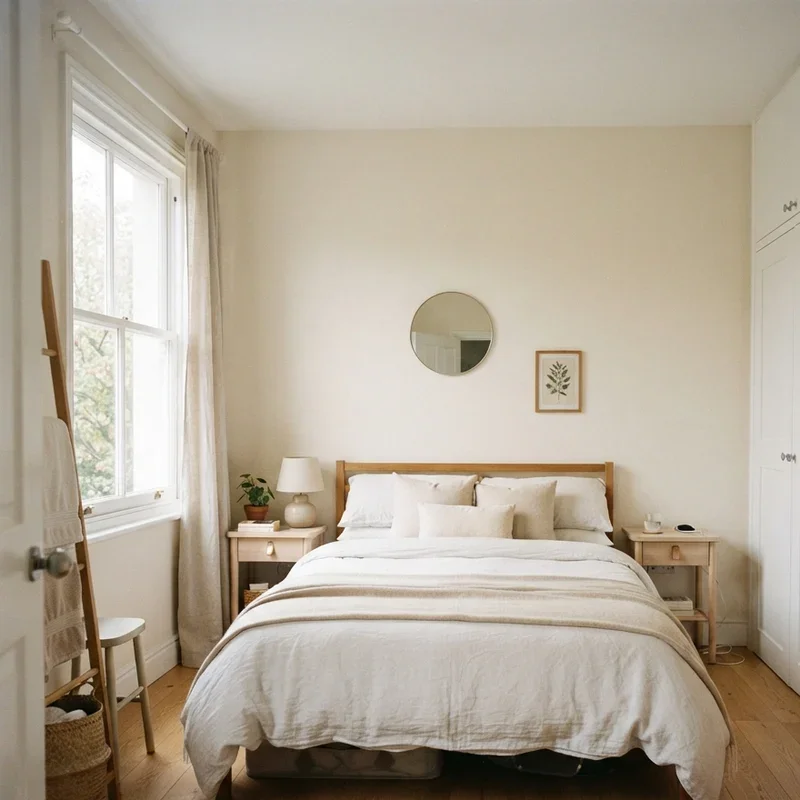
Window placement influences how furniture, artwork, and architectural details fit within a room. Large windows can become natural focal points, especially in living rooms, dining areas, and bedrooms with attractive outdoor views.
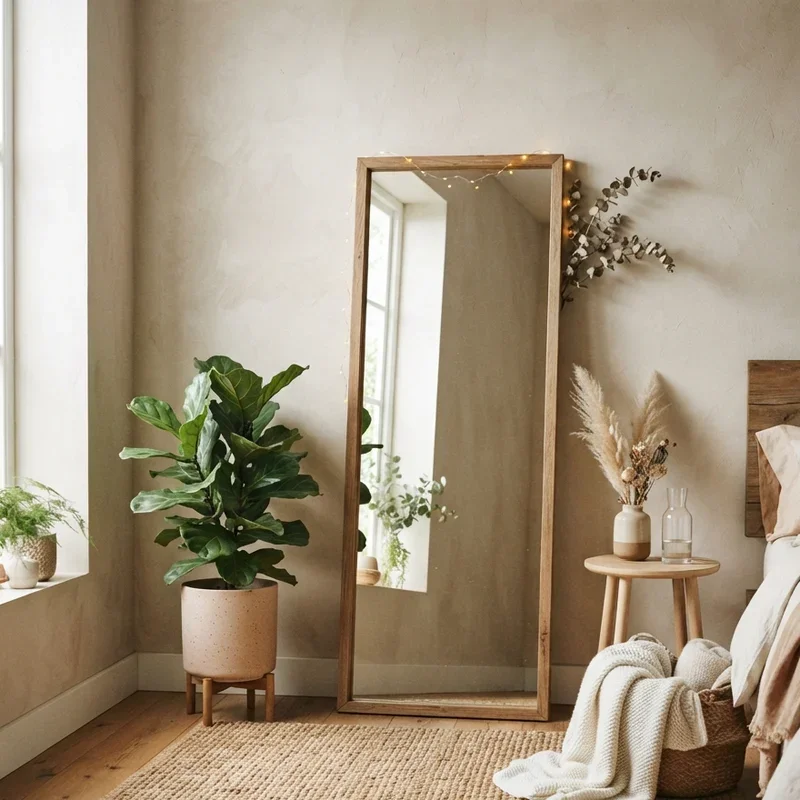
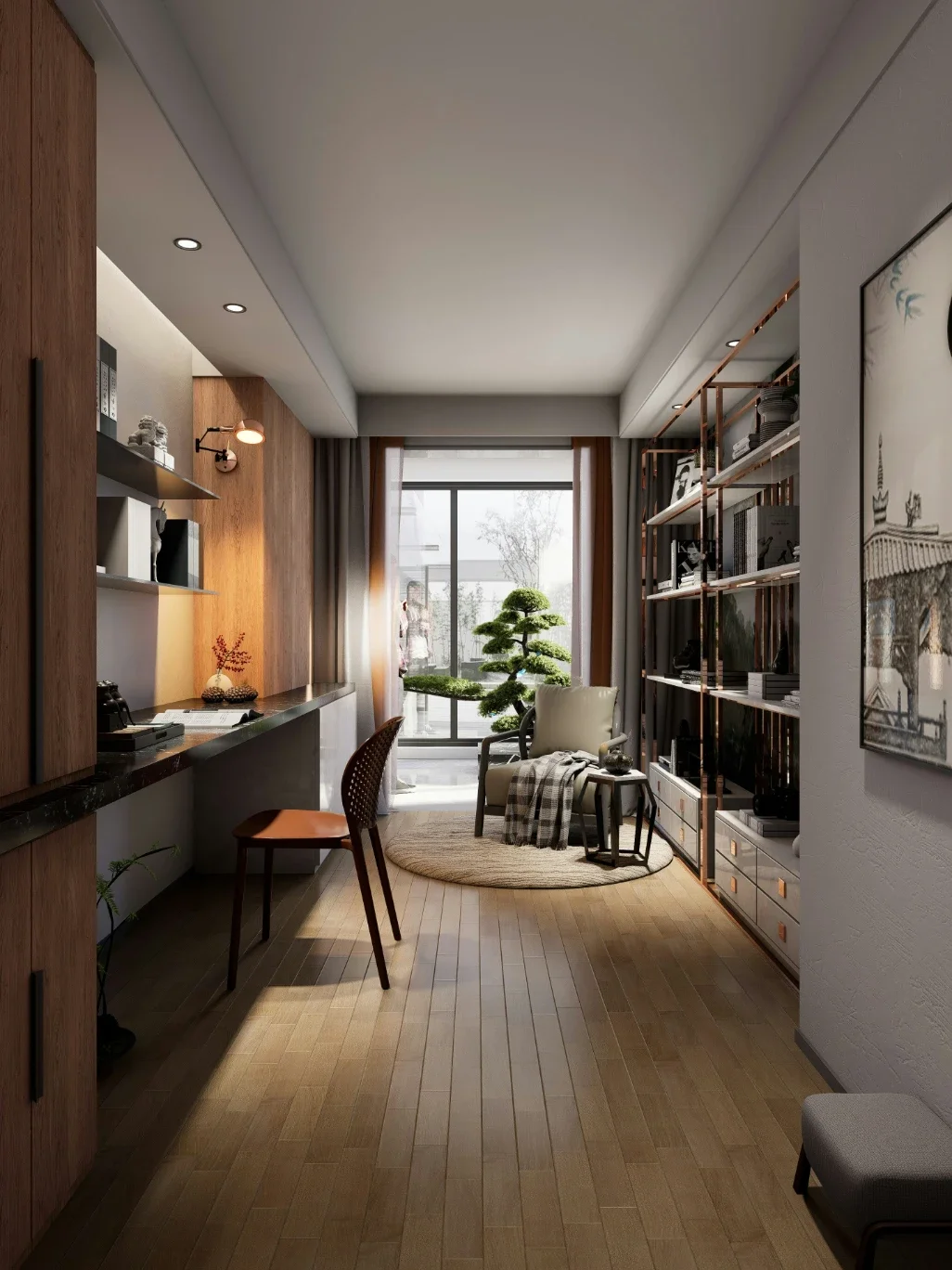
When planning a renovation, consider the position of sofas, beds, desks, and built-in storage before finalizing window dimensions. A low window may work beautifully behind a seating area, while a taller opening can emphasize ceiling height and make a narrow room feel more spacious.
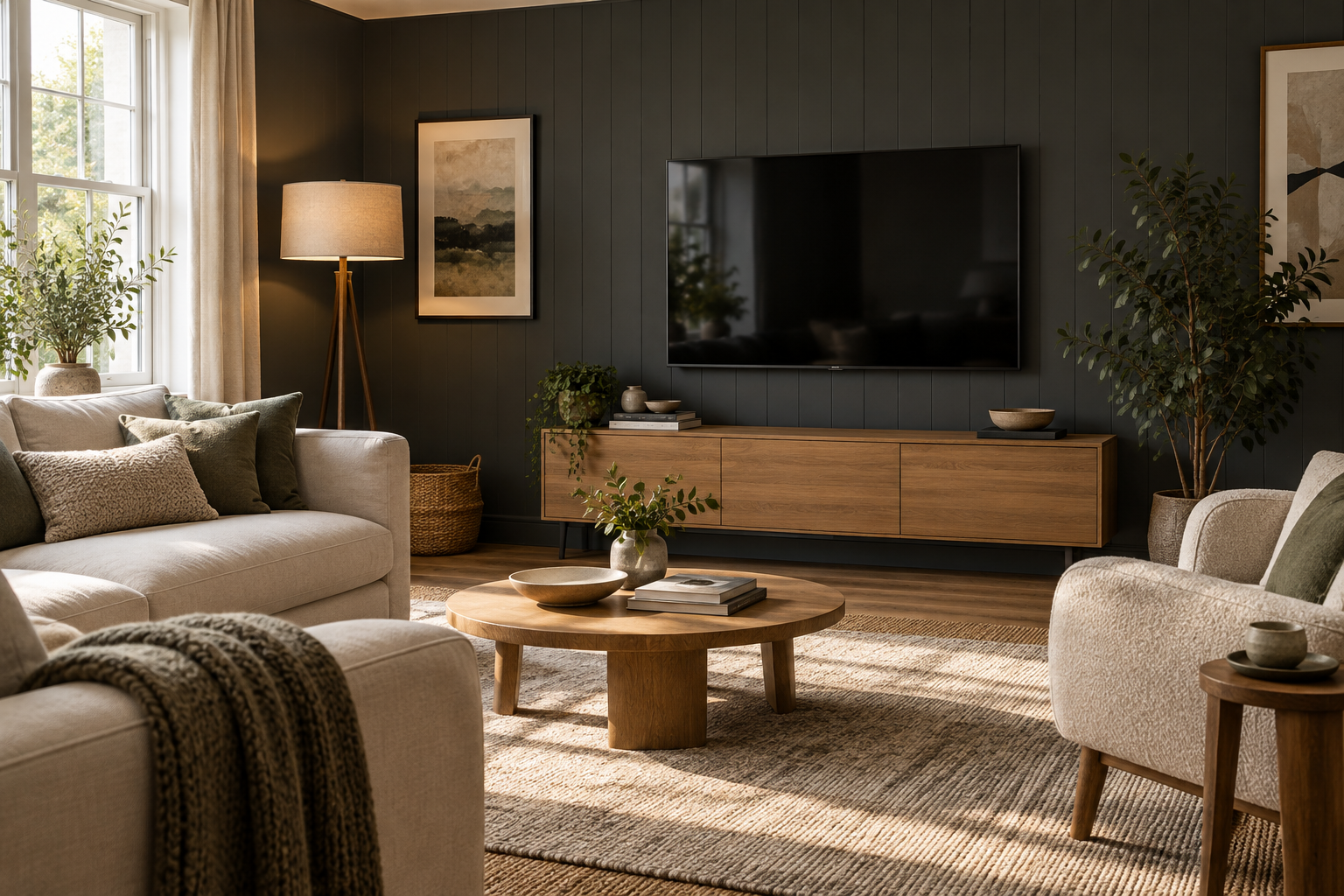
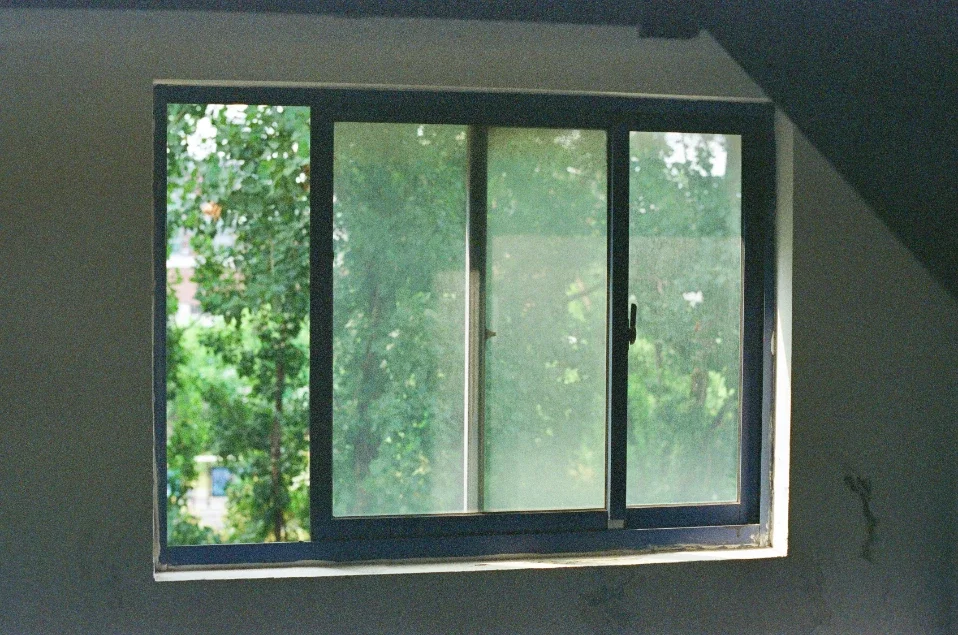
Frame color also affects the overall composition. Black or dark frames can create contrast against pale walls, while white and neutral finishes often blend into the background. Wood-look finishes may introduce warmth into interiors featuring natural stone, timber flooring, or textured fabrics.
Use Natural Light Strategically
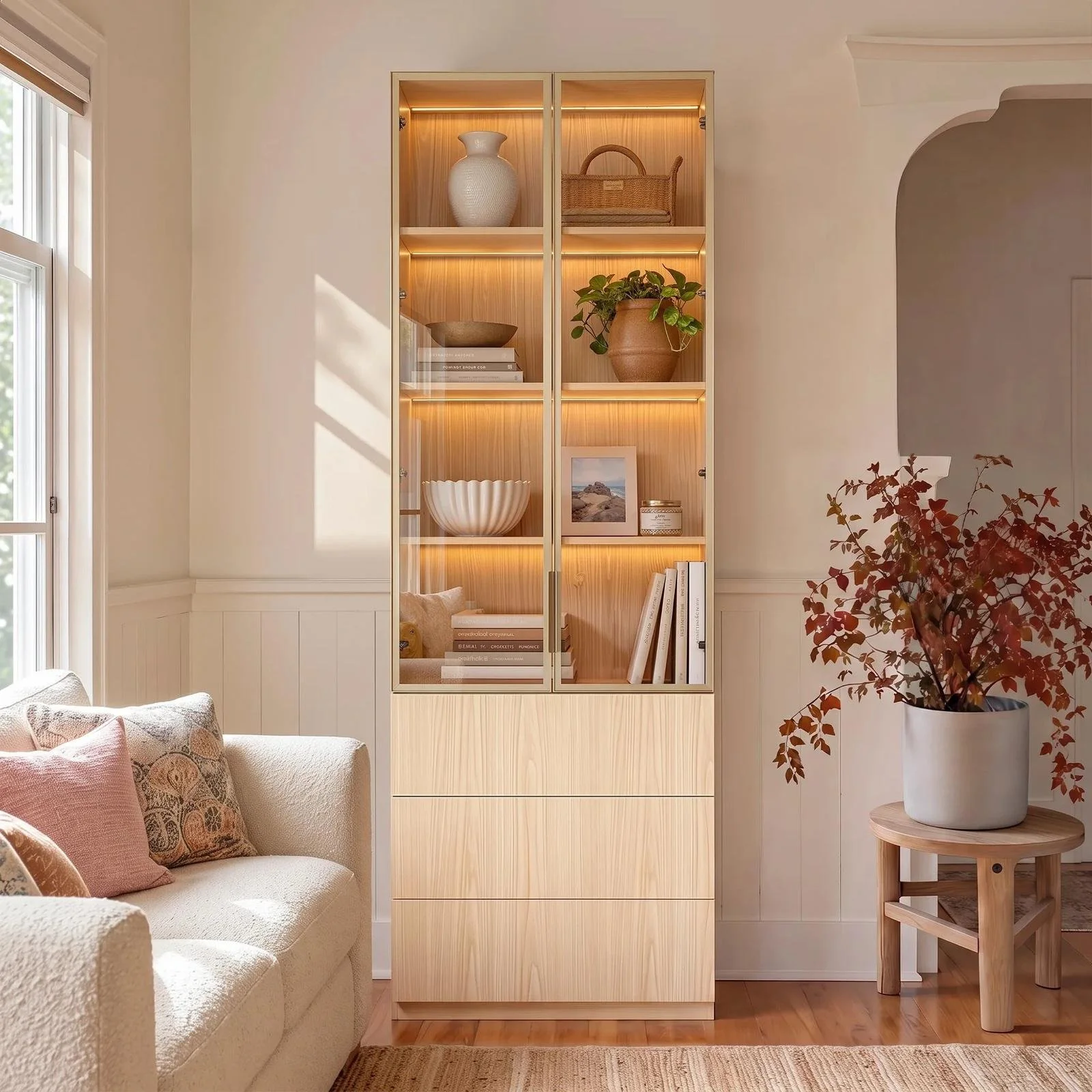
Natural light can make interior colors appear more vibrant and help rooms feel open. However, the amount and direction of sunlight vary throughout the day, so window selection should reflect the room's orientation and intended use.
South-facing windows in many northern-hemisphere locations may receive substantial sunlight, while north-facing openings generally provide more consistent, indirect light. East-facing windows bring morning sunlight, and west-facing windows can introduce stronger afternoon heat and glare.
For bedrooms, media rooms, and home offices, consider how direct sunlight affects privacy, screens, and comfort. Glazing choices, blinds, and curtains can help control light without sacrificing the architectural benefits of well-placed windows.
Choose Materials and Finishes Carefully
Window frames contribute to both the visual character and long-term performance of a home. Common options include vinyl, aluminum, wood, and composite materials, each with different maintenance requirements, appearance, and thermal characteristics.
Vinyl frames are often selected for their relatively low maintenance. Aluminum offers a slim, contemporary profile, although thermal performance depends on the design and construction of the frame. Wood provides a natural appearance that suits many traditional and luxury interiors but typically requires more upkeep. Composite frames may combine characteristics of different materials.
When comparing options, look beyond color and initial price. Consider frame durability, insulation, hardware quality, weather resistance, and compatibility with the local climate. A finish that complements the interior should also work with the exterior facade, particularly when the windows are visible from several sides of the property.
Explore European-Style Window Designs
European-style windows are popular in contemporary residential architecture because they often combine streamlined profiles with practical opening configurations.
Casement and Tilt-and-Turn Windows
Casement windows open outward or inward, depending on their design, and can provide substantial ventilation when appropriately positioned. Tilt-and-turn windows offer two opening modes: a tilted position for controlled ventilation and a wider opening for access and cleaning, depending on the installation.
These configurations can be useful in bedrooms, kitchens, and living spaces where flexibility matters. Before selecting an inward-opening design, check that the opening will not interfere with curtains, furniture, or countertops.
Large Glass Panels and Slim Frames
Large glass panels can strengthen the connection between indoor living areas and gardens, terraces, or balconies. Slim frames may also create a more expansive view, although structural requirements and energy performance should guide the final specifications.
In luxury homes, carefully proportioned glazing can make architectural features feel intentional rather than excessive. The best design balances views, privacy, insulation, and visual simplicity.
Prioritize Comfort, Efficiency, and Installation Quality
Beautiful windows must also perform well. Poorly sealed frames, unsuitable glazing, and inadequate installation can contribute to drafts, condensation, and uncomfortable indoor temperatures.
When evaluating products, review the glazing configuration, thermal performance ratings, air leakage resistance, and suitability for local weather conditions. Double or triple glazing may be appropriate depending on the climate, building design, and performance goals.
Installation deserves equal attention. Accurate measurements, proper flashing, suitable insulation, and effective sealing help protect the surrounding wall assembly from moisture and air infiltration. Even a high-performance window can underperform when installed incorrectly.
Homeowners planning a major renovation should coordinate window selection with insulation upgrades, exterior cladding, interior trim, and ventilation requirements. This reduces the risk of mismatched finishes or costly adjustments later.
Make Window Selection Part of the Overall Design Plan
Choosing windows is most effective when treated as part of a broader architectural and interior design strategy. Consider the building's style, room layouts, natural lighting, frame finishes, energy performance, and maintenance needs together.
A thoughtful selection can enhance the home's appearance while improving everyday comfort and functionality. By balancing aesthetics with technical requirements, homeowners can create interiors that feel brighter, more cohesive, and better connected to the surrounding environment.
Stay up to date with our latest ideas!