Transforming an Ugly Concrete Patio without Tearing up Your Backyard
Discover budget-friendly ways to transform an ugly concrete patio without demolition, using outdoor flooring, paint, furniture, plants, and stylish décor.

You spend months, sometimes even years, getting the inside of your house just right. You agonizingly compare paint swatches to ensure they match the furniture perfectly. The rugs tie the rooms together, the lighting sets the exact right mood, and every piece of decor feels intentional. Then you step out the back door, coffee in hand, ready to enjoy a peaceful morning, and stare at a giant, stained slab of gray concrete. It instantly kills the vibe. It is a harsh, utilitarian scar on an otherwise beautiful property. But fixing that monumental eye sore does not actually require heavy demolition. You do not need to destroy your backyard to save it; you just need to fundamentally rethink the surface.
Why skipping the demolition phase saves your sanity
Breaking up concrete is incredibly disruptive. It is deafeningly loud, endlessly messy, and surprisingly expensive just for the local landfill disposal fees. Heavy machinery will tear deep ruts into your carefully manicured lawn, and the vibrations can even threaten nearby plumbing or foundational walls. If the underlying concrete pad is structurally sound—meaning it is not severely sinking or heaving—and simply looks terrible, ripping it out is usually a massive waste of both time and money.
Instead, the smartest, most efficient approach is to build right on top of what is already there. Modern coatings and custom concrete finishes are engineered to bond directly to the old, weathered slab on a molecular level. Applying a specialized architectural product like carvestone completely changes the texture, pattern, and color of the patio without a single jackhammer striking the ground. Because it is applied directly over the existing foundation, the entire transformation happens quietly and cleanly. It mimics the luxurious look of high-end masonry while keeping your property entirely intact. Your delicate flower beds remain undisturbed. Your windows stay clean. Most importantly, the dogs can still use the yard at the end of the day.
Assessing the structural integrity of your slab
Before you commit to a resurfacing project, it is vital to determine if your current patio is a viable canvas. Not all concrete is created equal, and not all damage is purely cosmetic. Hairline cracks, minor flaking, and stubborn surface stains are perfectly normal and easily covered by high-quality overlays. These imperfections are simply the result of standard weathering and seasonal temperature shifts.
However, if your patio has deep, widening fissures, significant vertical displacement where one side of a crack is an inch higher than the other, or severe crumbling that turns to dust when you sweep it, you may have deeper structural or drainage issues. A reputable installer will always assess the base first, filling minor cracks with an industrial epoxy and grinding down uneven edges to create a perfectly prepared, porous slate before any new material is introduced.
Weighing the real cost of different outdoor surfaces
Choosing the right resurfacing material depends heavily on how much foot traffic the area gets, what kind of patio furniture you own, and what kind of weather hits your yard on a regular basis. You have to think beyond just the initial price tag and consider the long-term return on your investment.
Basic concrete paint and epoxy kits: This is the quintessential DIY route. It is cheap, easily accessible at any hardware store, and simple to roll on during a free Saturday afternoon. But it almost always chips, flakes, and peels within two years. The moment you scrape heavy metal dining chairs across it, or moisture gets trapped beneath the paint film, the illusion is broken.
Interlocking concrete pavers: Pavers offer a classic, structured look and handle heavy rain and drainage exceptionally well. You can lay them directly over old concrete by adding a layer of leveling sand. However, weeds constantly find a way to grow between the joints, requiring endless maintenance. The individual stones also tend to settle unevenly over time, creating subtle tripping hazards if the sand beneath them washes away.
Wood or composite decking tiles: These snap-together squares are a popular quick fix that floats directly over the old slab. While they provide immediate visual warmth, debris easily falls through the gaps, creating a damp environment underneath that can harbor mold and pests.
Hand-troweled stone overlays: These specialized coatings, like carvestone, bond permanently to the existing base slab. They provide the upscale, bespoke appearance of natural rock without the messy, porous mortar joints that easily crumble after a hard winter freeze. Because they are sealed, they resist fading, staining, and cracking, making them a true permanent solution.
Designing a surface that matches your actual house
A backyard should feel like a seamless, natural extension of your indoor living room. Slapping a bright, manufactured red brick pattern next to a modern, minimalist stucco house looks completely out of place. The textures, tones, and scale of the pattern need to coordinate with the existing environment.
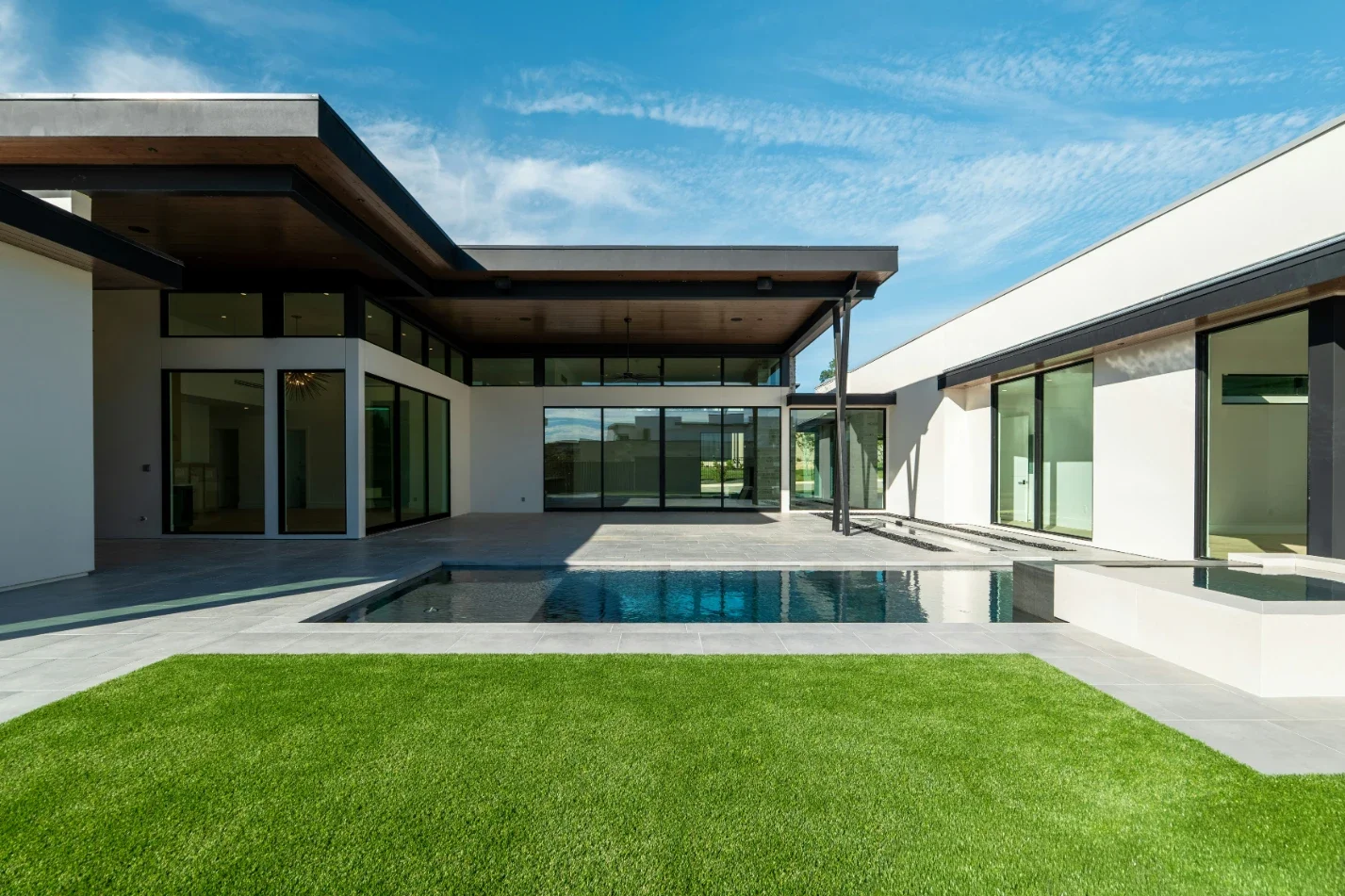
If your home features lots of natural cedar siding and raw limestone accents, you want a patio surface that echoes those warm, organic materials. Because a custom carvestone overlay is troweled, carved, and colored entirely on-site by skilled artisans, the installation team can mix custom pigments to match the exact shade of your exterior trim or roof line. Whether you want the rustic charm of irregular flagstone, the sleek elegance of large-format slate, or the warm, sun-baked appeal of Mediterranean travertine, the look is tailored specifically to your property. The end result is a surface that blends so perfectly with the surrounding architecture that it feels like it was always meant to be there, rather than a hastily applied afterthought.
Treating your patio like a real room
Once the floor finally looks polished and purposeful, the rest of the outdoor space naturally comes together. It is time to stop treating the patio like a makeshift storage zone for the barbecue grill, a tangled garden hose, and a few neglected, sun-faded plastic chairs. With a beautiful foundation in place, you can define the area with real intention.
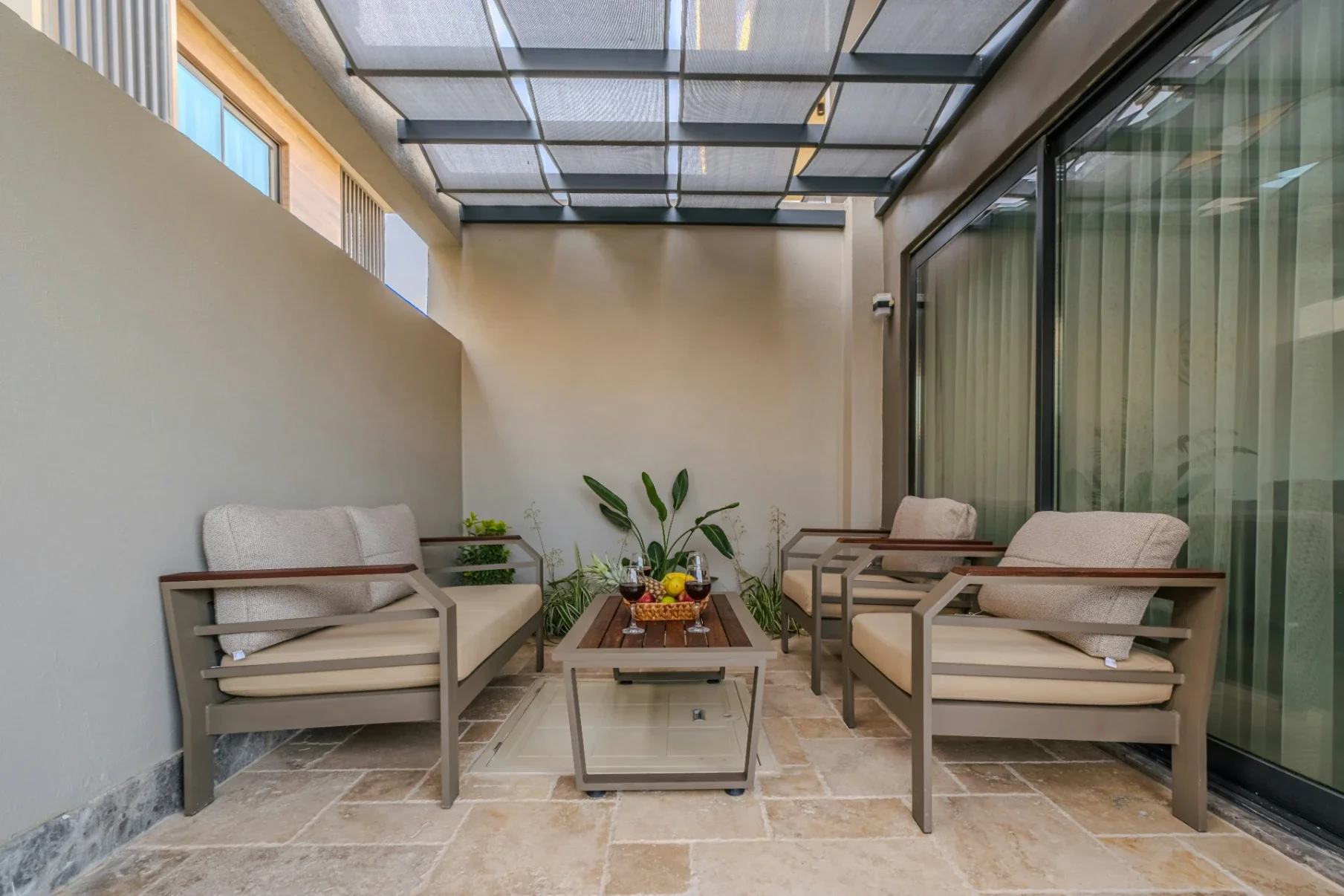
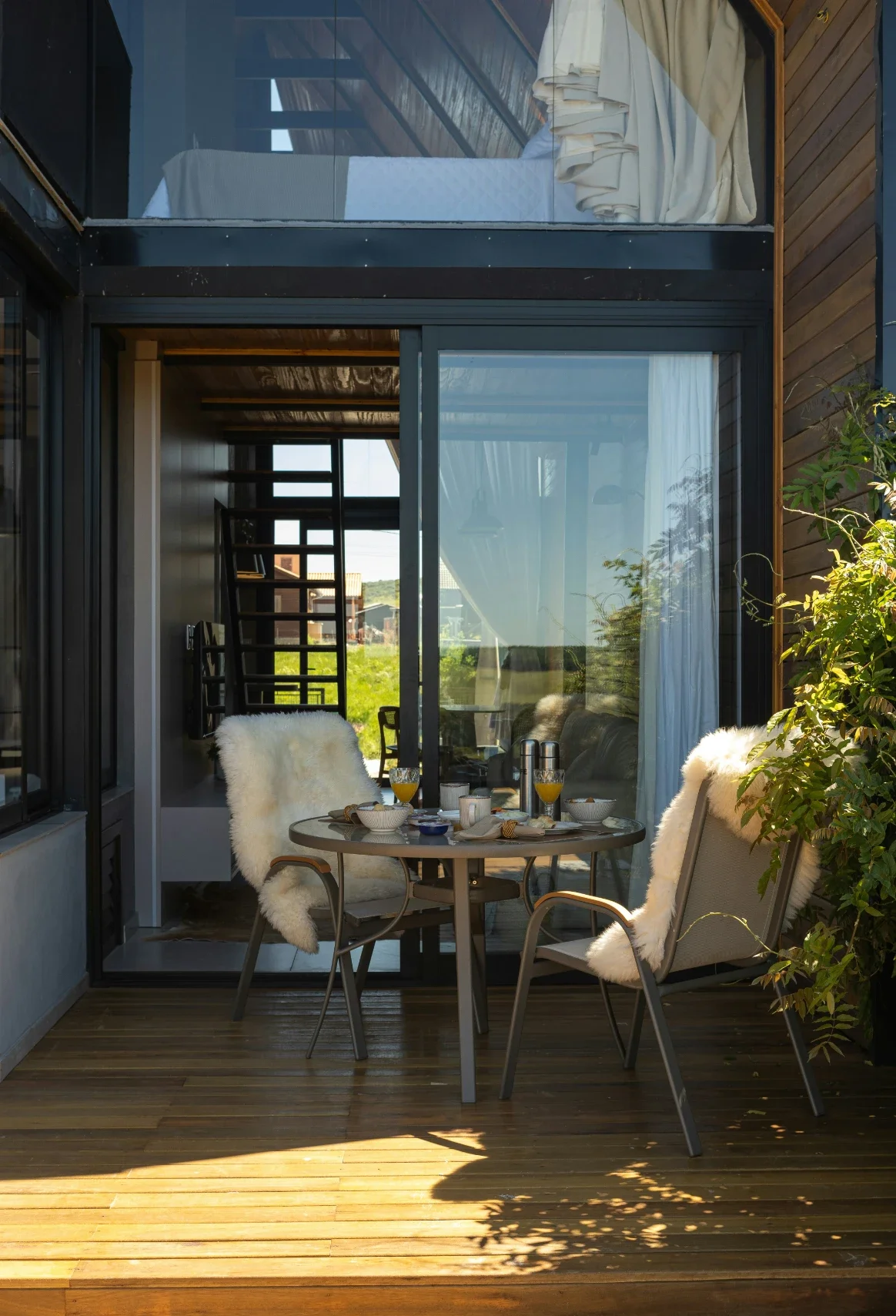
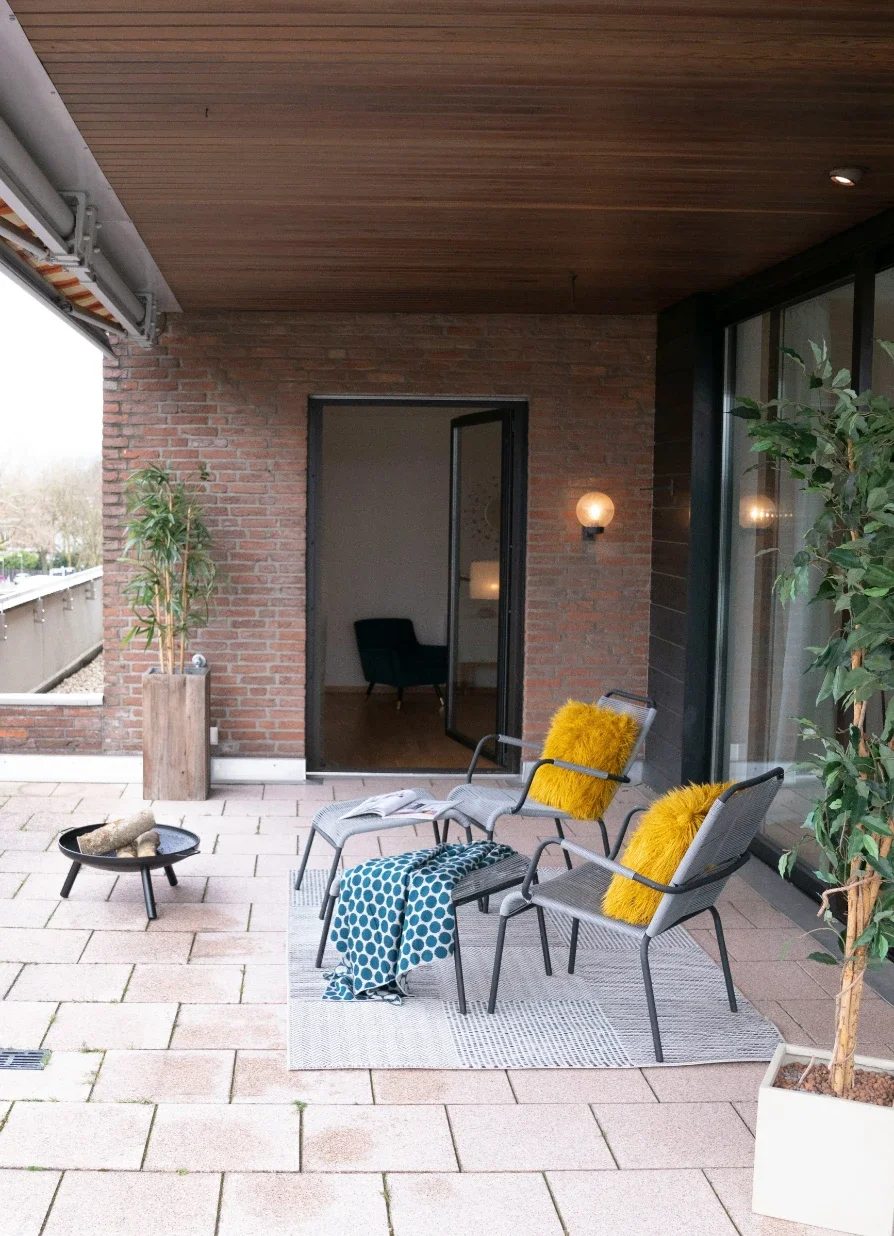
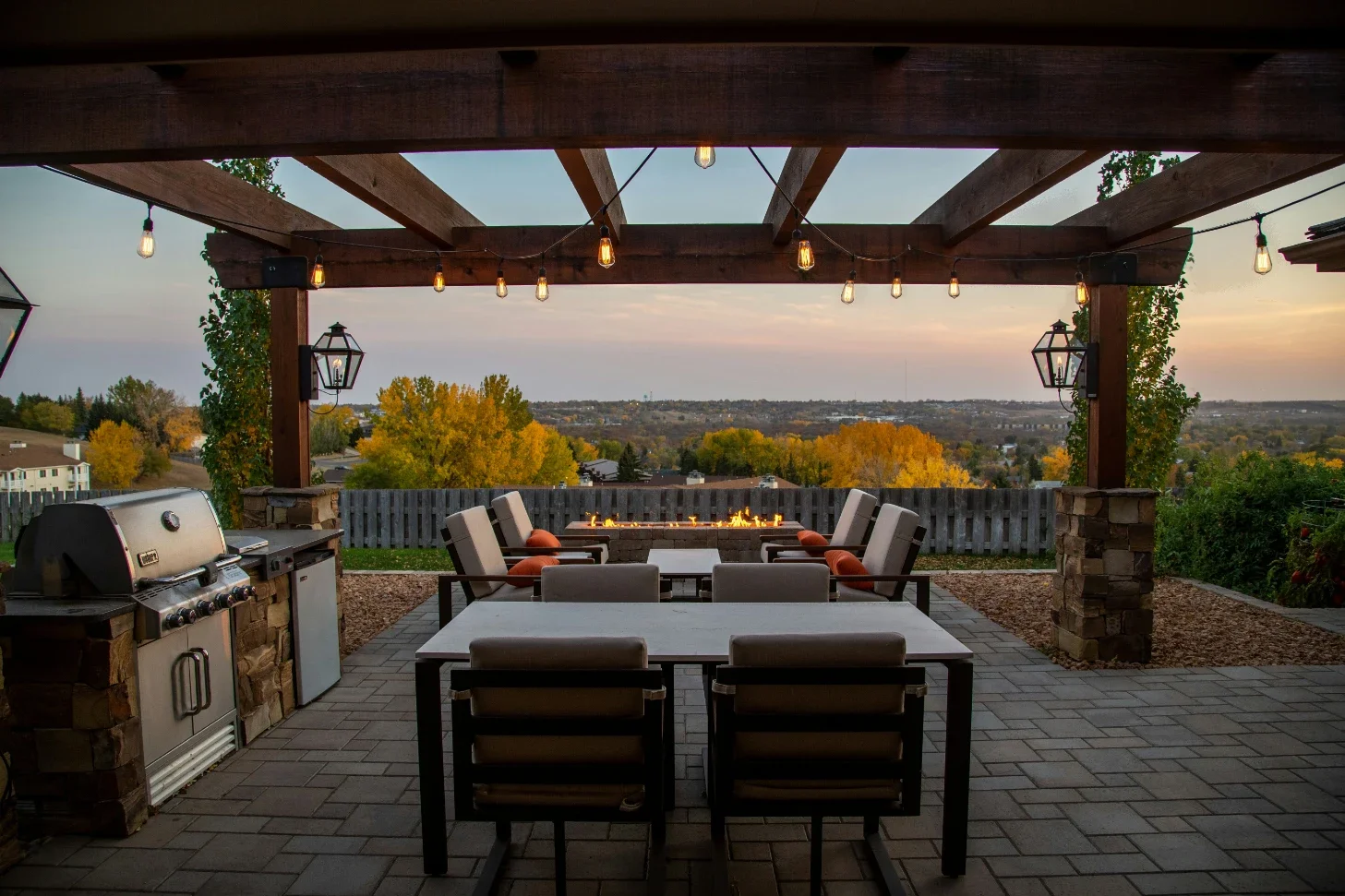
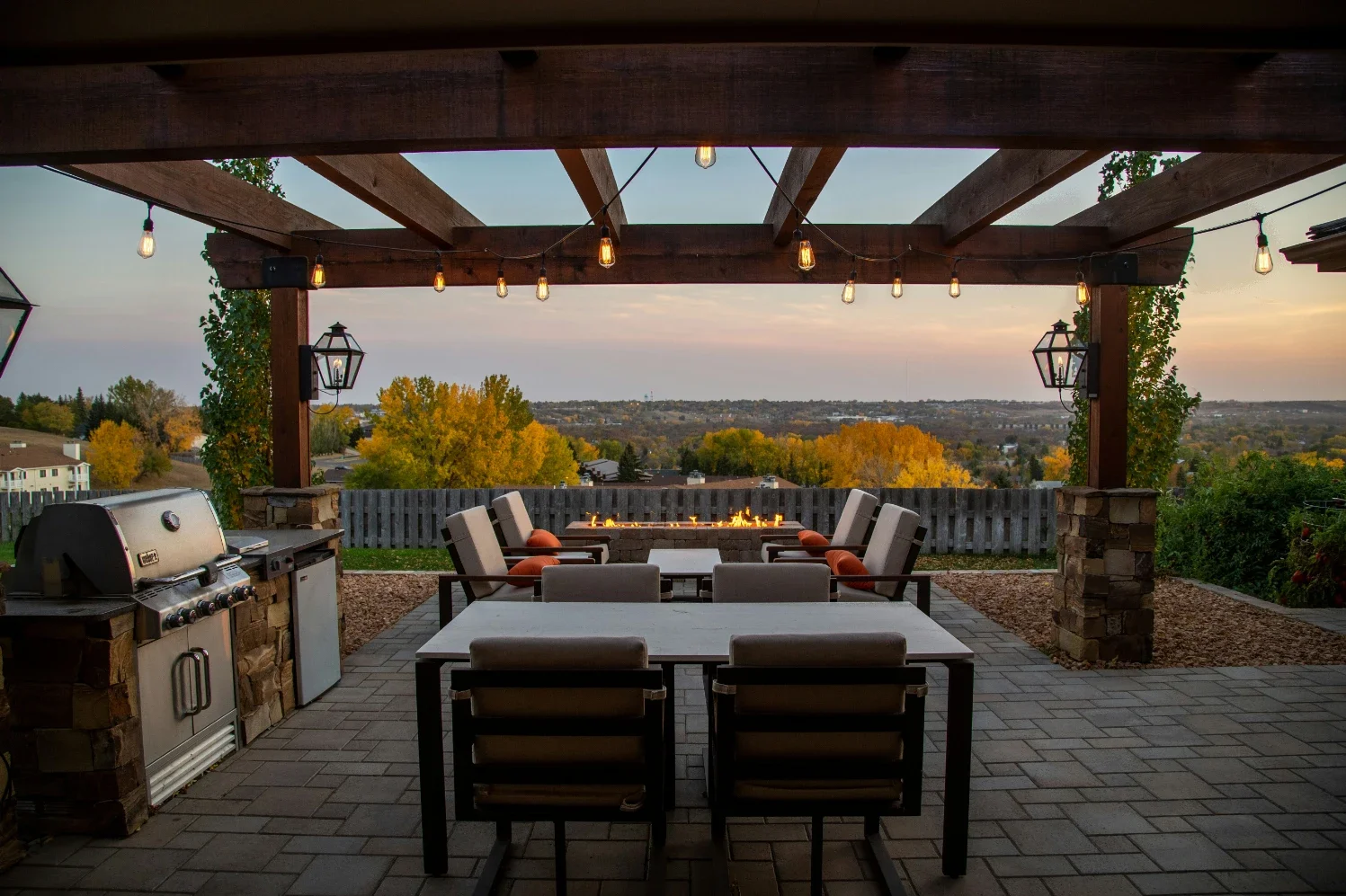
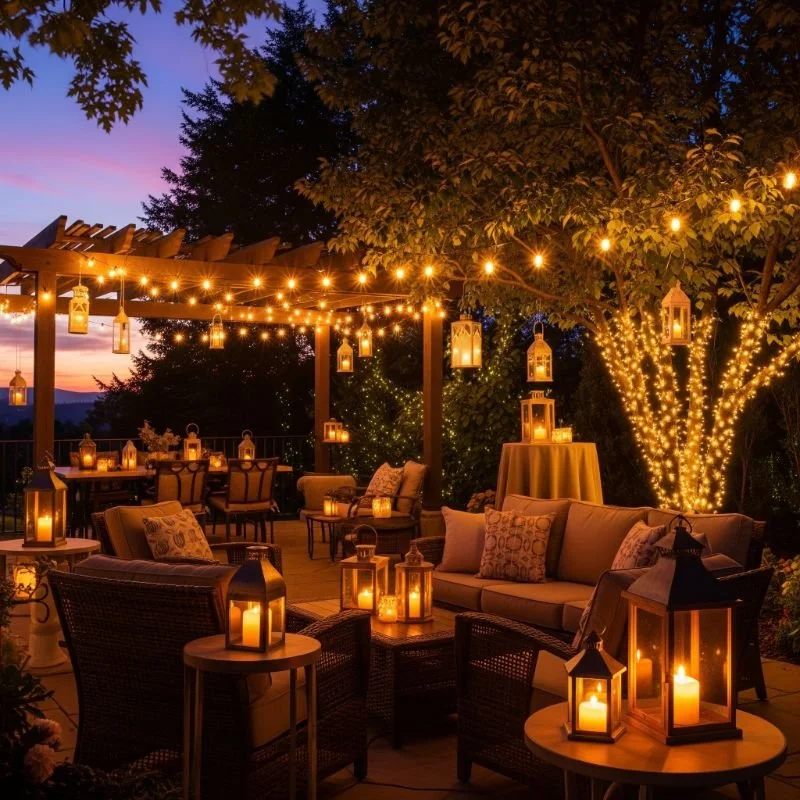
Start by establishing distinct functional zones. Set up a heavy teak or wrought-iron dining table under a modern shade sail or a wooden pergola to create a dedicated, inviting eating area. On the other side of the patio, cluster a few deep-seated, weather-resistant lounge chairs around a sleek smokeless fire pit for cozy late-night conversations. Layer the space with outdoor lighting—string lights woven through the pergola or solar-powered lanterns casting a warm glow on the new stone texture. Add heavy, geometric planters filled with tall ornamental grasses or bamboo to create a lush, natural privacy screen that blocks out the neighbors. When the ground beneath your feet feels high-quality, permanent, and beautiful, the entire backyard instantly elevates, transforming from a neglected exterior slab into your favorite destination in the house.
Stay up to date with our latest ideas!