4 Simple Touches For Effortless Wellness Rooms
Discover how to design home wellness rooms with simple touches. Clear clutter. Add calm textures. Learn how to build a restorative home retreat today.
More homeowners are turning spare corners and quiet nooks into personal wellness spaces that support daily reset rituals. The most successful transformations rely on deliberate design strategies that elevate standard rooms into genuine sanctuaries.
By defining the exact purpose, layering calming elements, adding a dedicated anchor, and maintaining a clean layout, anyone can create an effortless retreat.
1. Define What The Room Is For
Before moving furniture, determine the exact intention for your new space. When a room tries to serve every purpose, it naturally reverts to a messy storage area.
Clarity dictates the specific layout and lighting required for your routine.
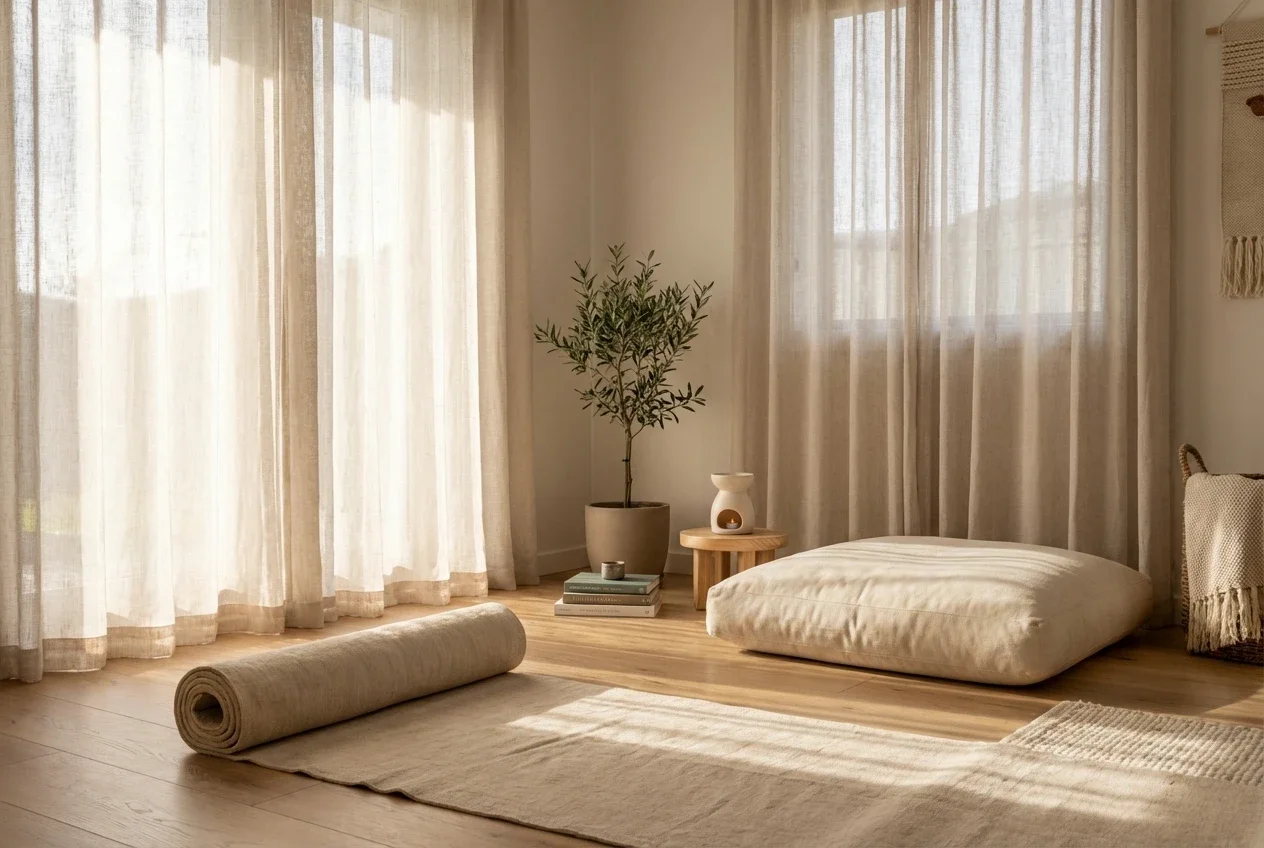
A yoga nook needs only a rolled mat and a floor cushion. Writing down a clear intention upfront prevents the area from feeling disjointed. Establishing this foundation ensures every future design choice supports your everyday habits.
Key Insight: Clarity of purpose is your best design tool. Without a specific intention, multi-purpose rooms naturally gravitate toward becoming storage zones, diluting the restorative atmosphere needed for true daily wellness.
2. Layer Calming Visuals That Feel Personal
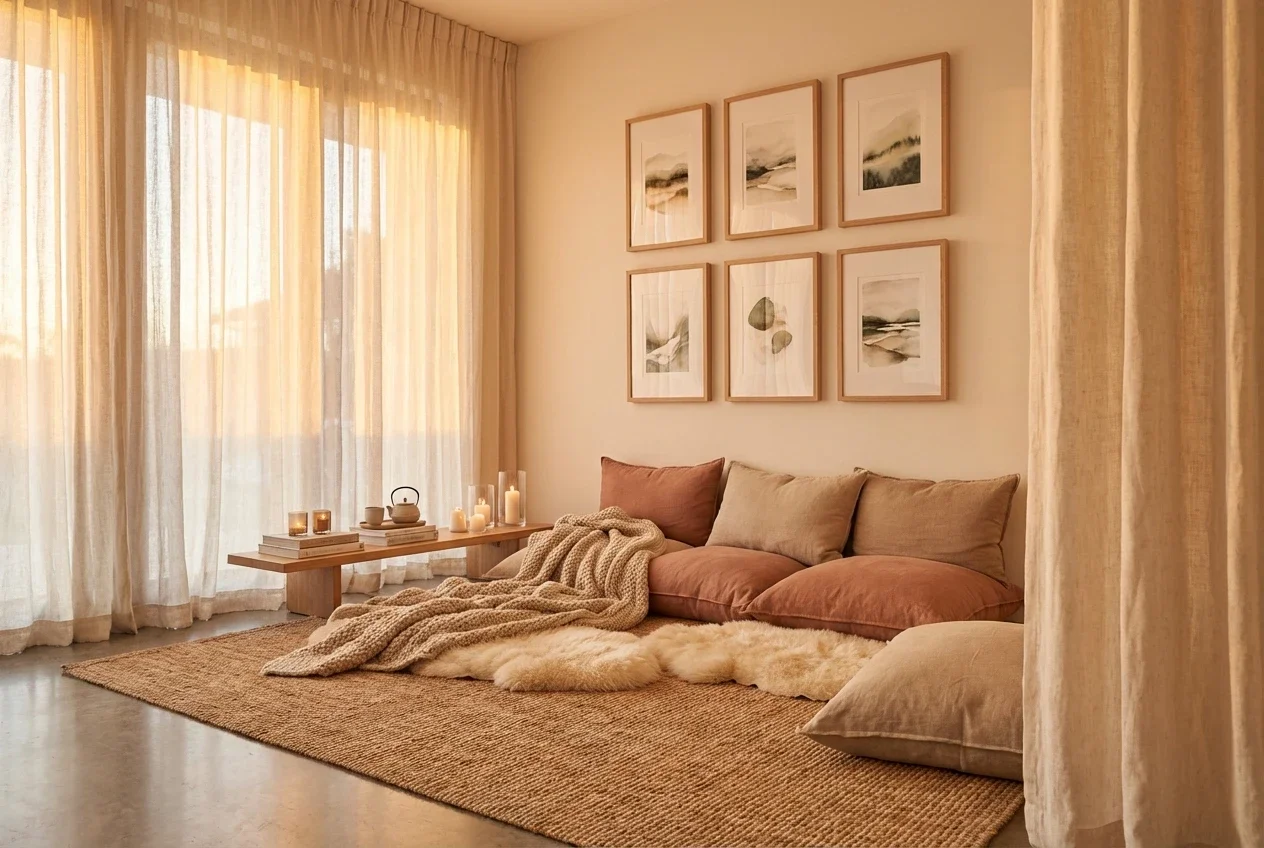
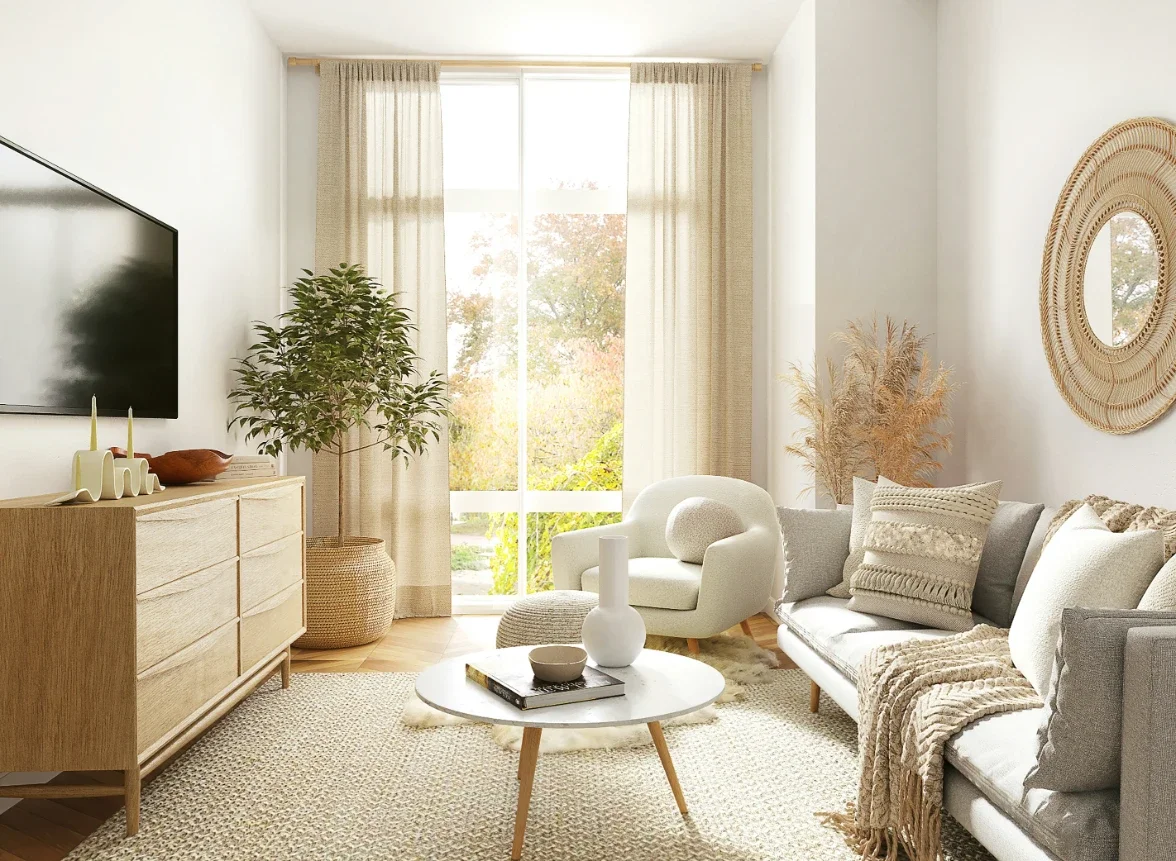
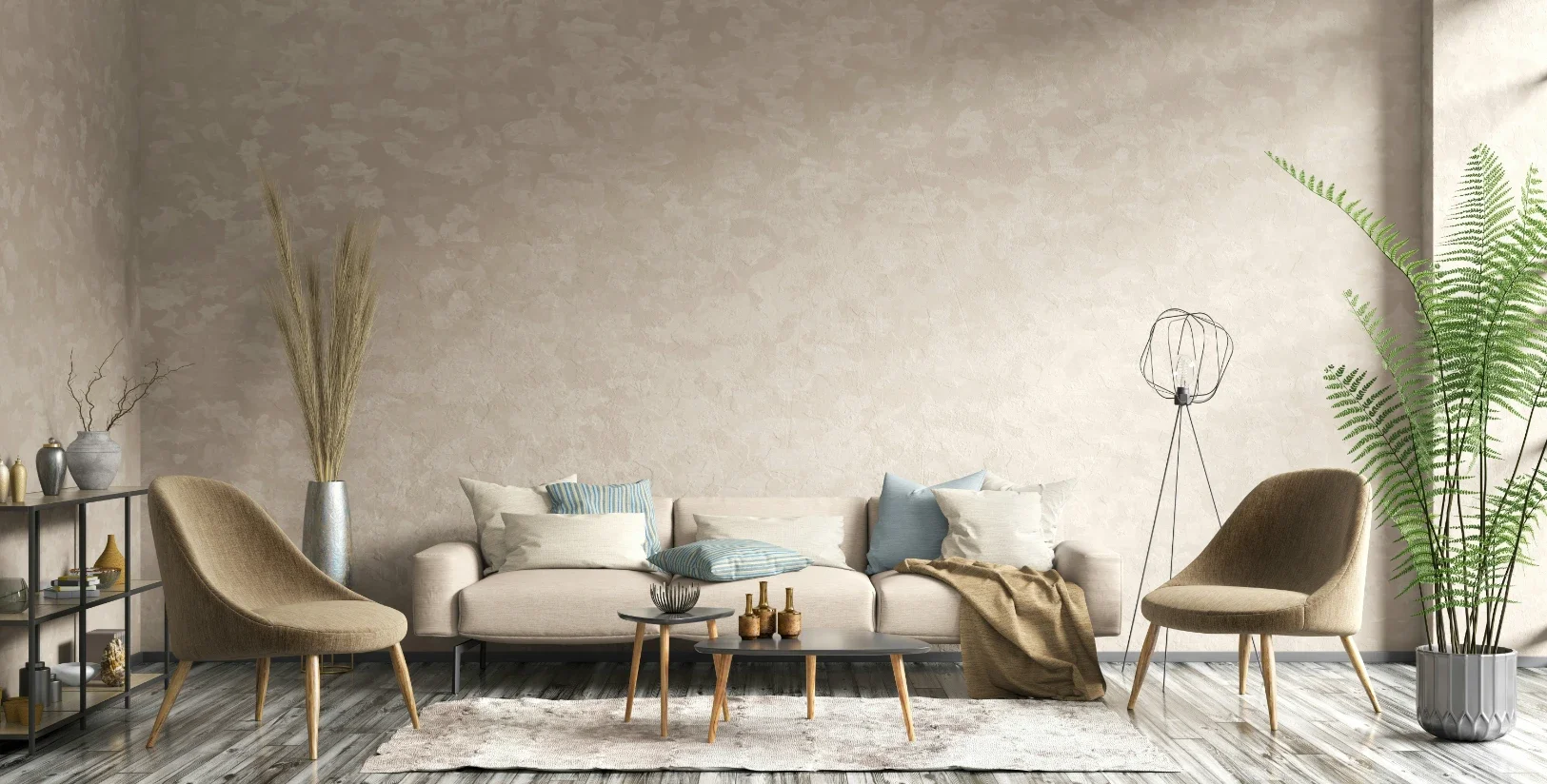
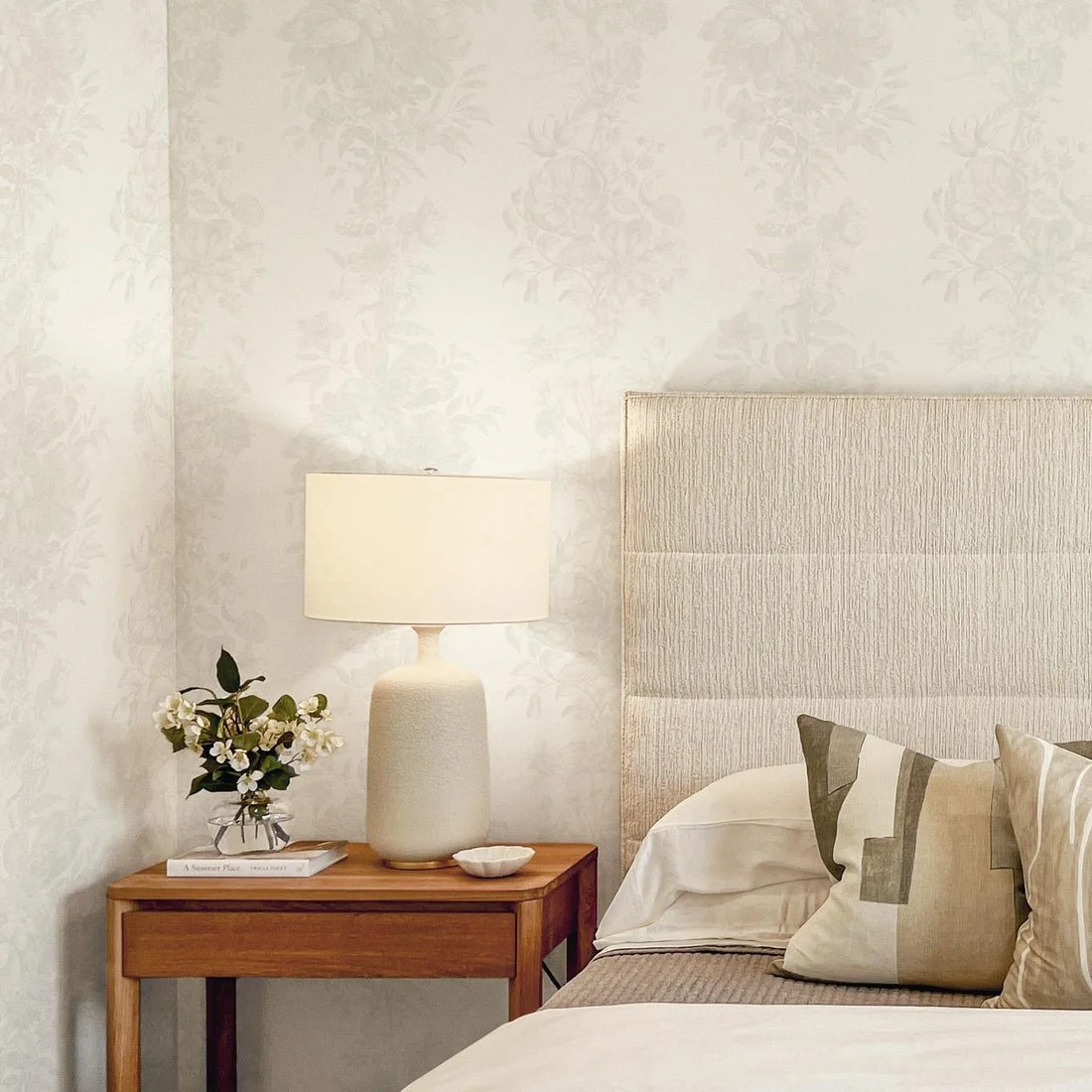
Visual calm relies on soft neutrals and natural textures. Wall art helps these spaces feel authentic rather than clinical.
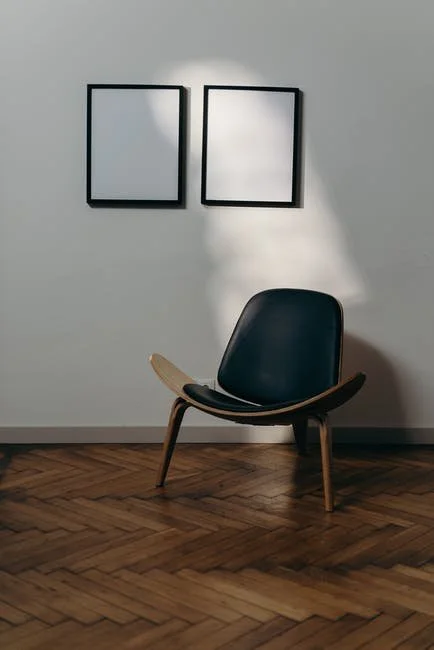
To display meaningful travel photography effortlessly, options like canvas prints, floating wooden frames, or a gallery wall frame set from Americanflat provide coordinated sizes.
Arranging these minimalist pieces above a meditation cushion creates highly personal surroundings without requiring professional styling.
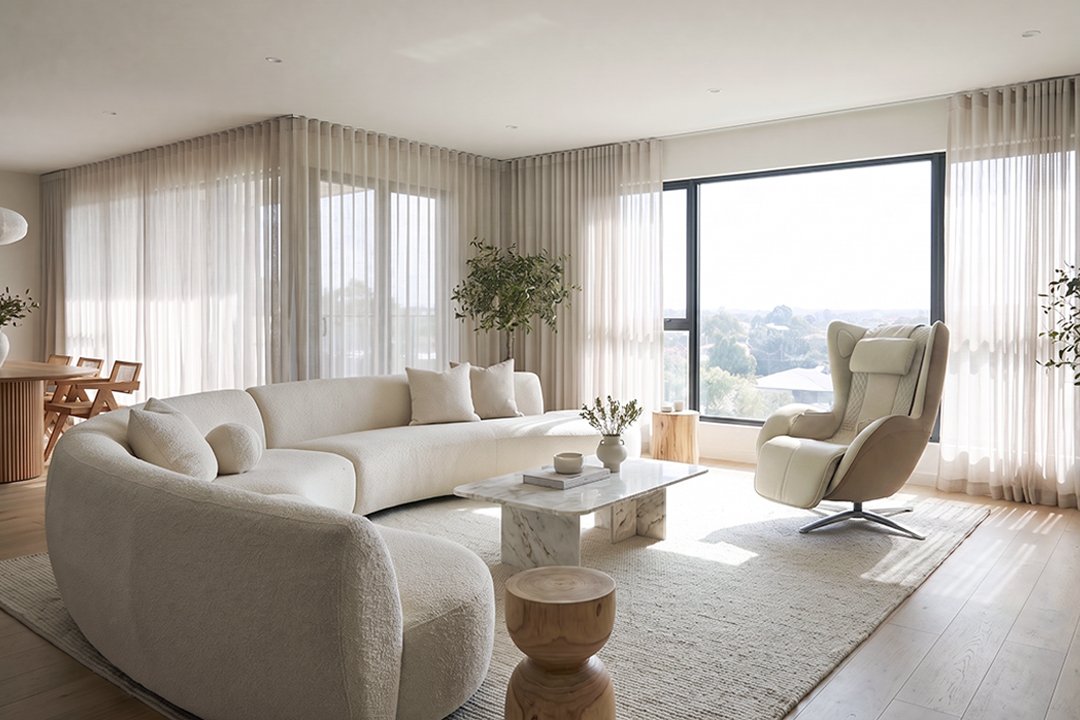
Thoughtful, relaxing room decor helps the nervous system recognize that the environment is meant for winding down. Meaningful art tells your brain that the sanctuary belongs entirely to you.
3. Add A Wellness Focal Point
Every well-designed space requires an intentional focal point that connects directly to physical recovery.
Adding a massage chair, a cold plunge tub, or an infrared sauna from Sun Home Saunas transforms a basic relaxation area into a genuine recovery zone.
These units provide full-spectrum heat therapy that supports your health, offering excellent recovery space and inspiration.
Integrating dedicated equipment provides excellent benefits for active individuals.
Recent sports science research suggests that utilizing an infrared sauna can even support fitness markers, resulting in higher peak power during post-session physical assessments.
A clean wood-paneled unit positioned against one wall anchors the room with a clear restorative identity.
4. Keep It Clutter Free And Easy To Use
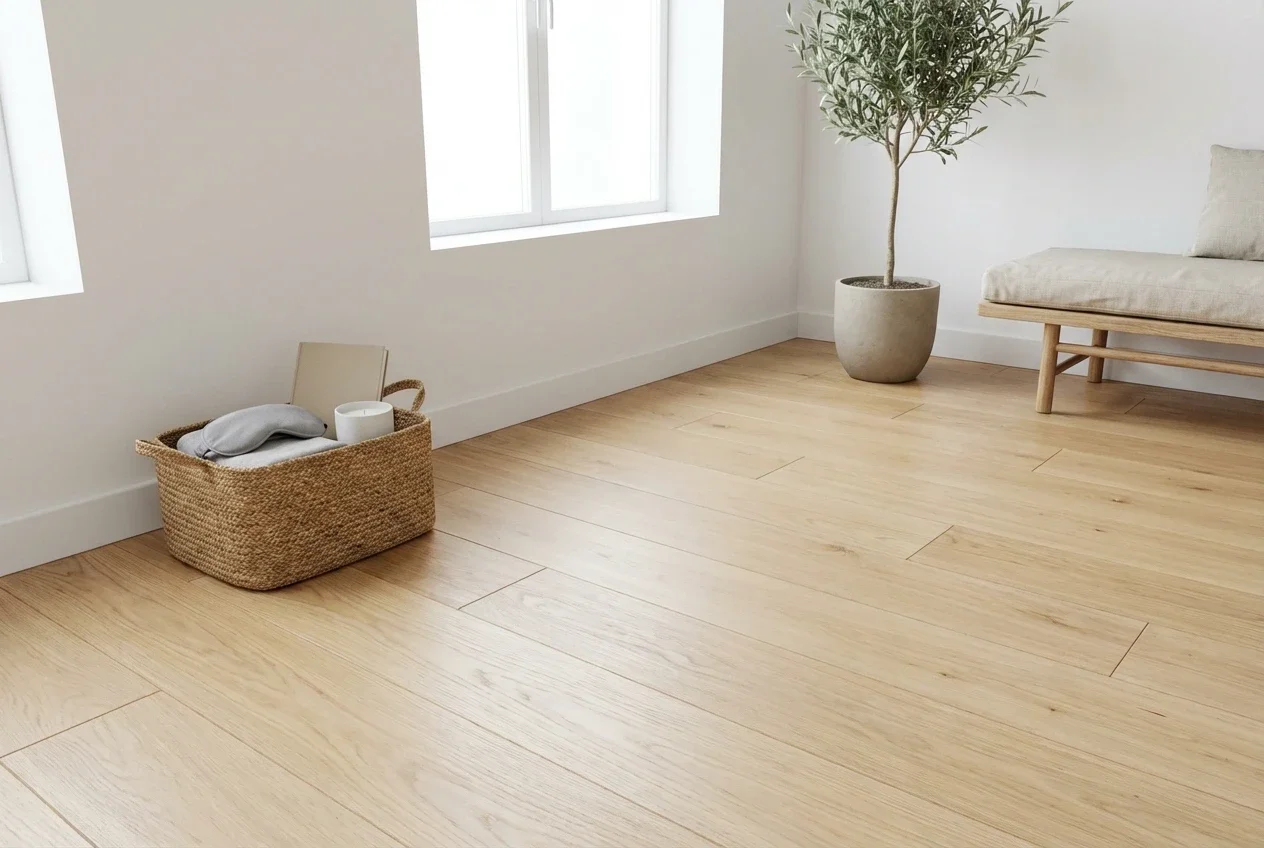
The most common reason home wellness spaces stop working is the steady accumulation of clutter.
When a yoga mat gets pushed aside for a laundry basket, the room begins to signal chores rather than rest. Within a few weeks, the friction of moving items out of the way discourages you from entering the space.
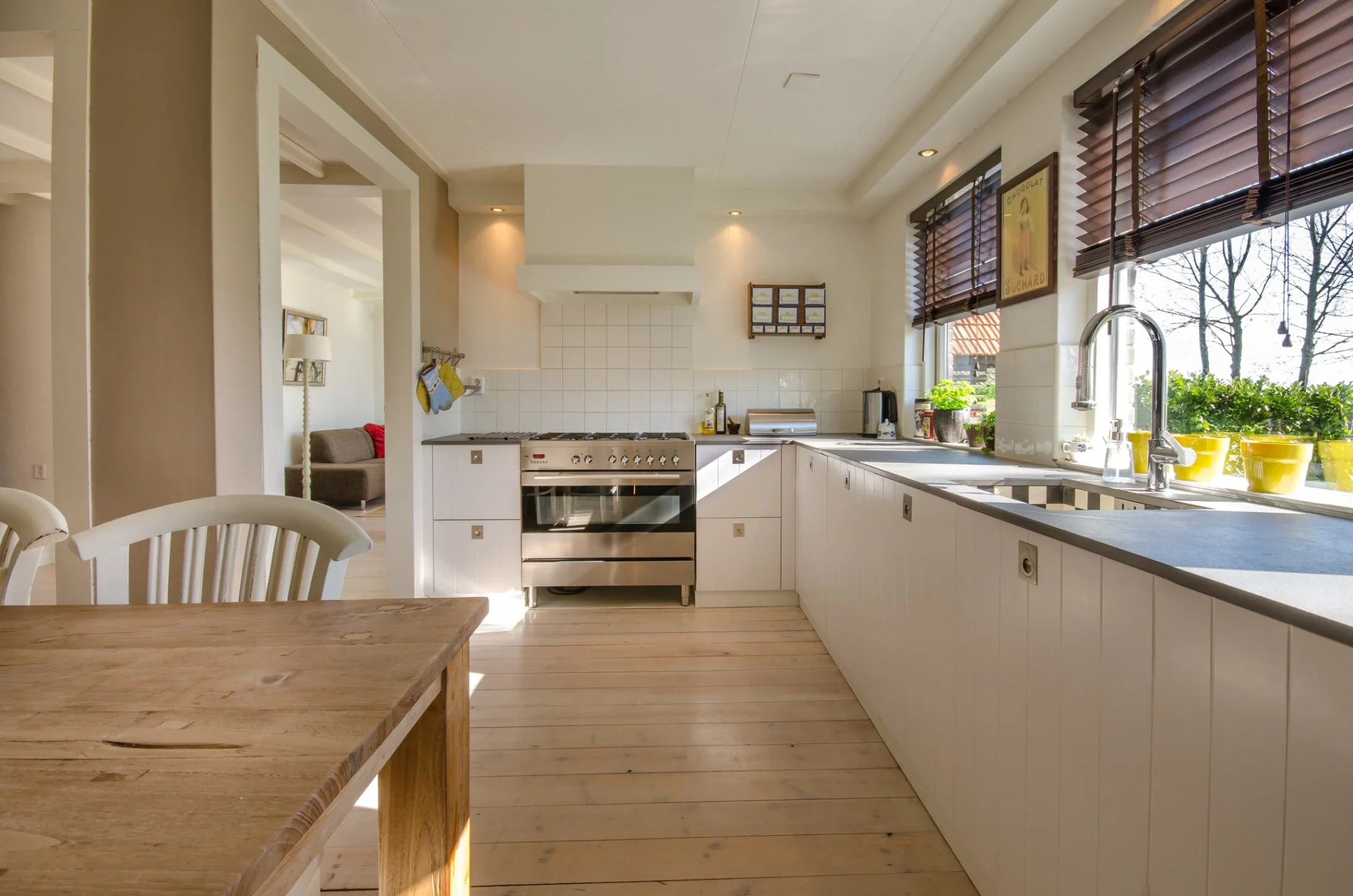
A clutter-free layout removes the friction between you and your restorative rituals.
Designate one specific basket or shelf strictly for supplies, such as candles, an eye mask, or magnesium spray. Keep the floor as open as possible, since physical openness translates directly to mental calm.
Remove any work documents or gym gear that belong to a different context. These misplaced items create subconscious stress that ruins the environment.
Establish a small daily habit to protect the area by spending five minutes each evening doing a light reset, ensuring it remains ready for you tomorrow.
Warning/Important: Visual clutter creates mental friction. When a sanctuary becomes a landing zone for laundry or work documents, your brain associates the space with tasks rather than rest, making you less likely to use it.
Putting It All Together
When these core elements combine, the space shifts from an abstract concept to a beautiful lived reality.
Walking into a finished room reveals warm lighting, personalized framed memories, and a dedicated recovery anchor. The floor remains completely open, ensuring every item serves a distinct restorative purpose.
Creating this spa-inspired home design does not require a massive renovation or a heavy initial investment.
Focus on a clear purpose, layer calming textures, establish a focal point, and maintain a simple layout to support your habits beautifully. Careful planning ensures the environment remains highly functional and deeply restorative.
Begin the transformation by selecting the one design element that feels most accessible to your current lifestyle. Choose just one of these home wellness room ideas to implement today, knowing the sanctuary you need is already within your home.
Over time, these small deliberate changes build an optimal environment for your daily well-being.
Stay up to date with our latest ideas!