How a Burbank ADU builder pairs in-house crews, a guaranteed contract price and one design-to-build contract for Los Angeles homeowners.

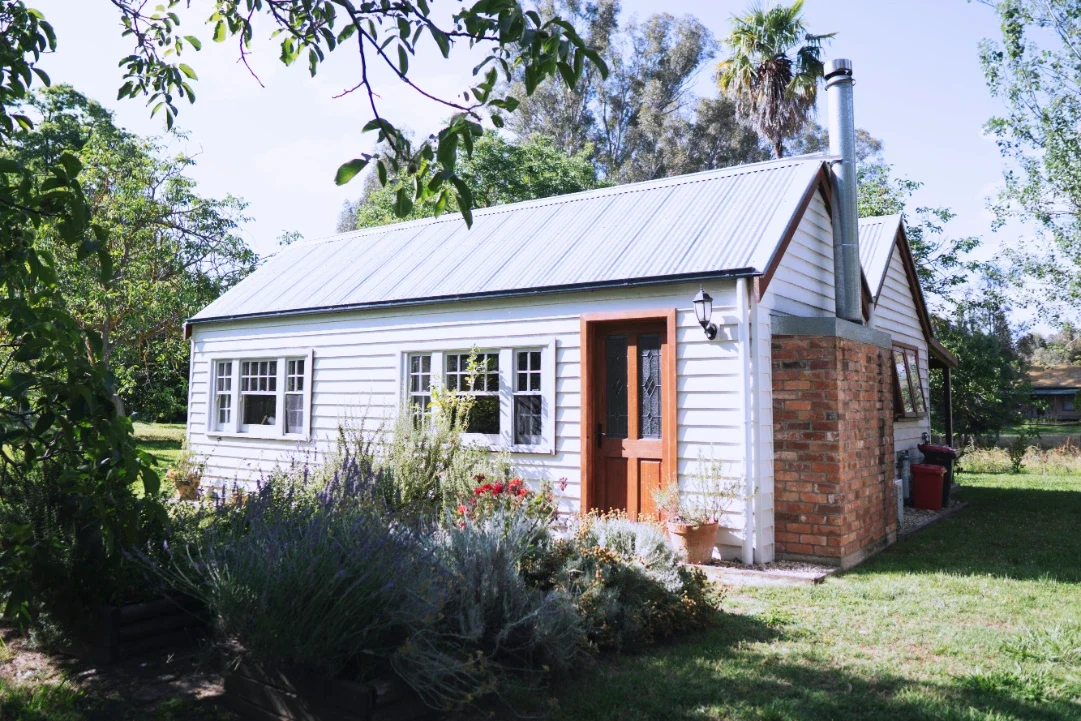
LOS ANGELES, CA: Backyard homes have become one of the most popular ways for Los Angeles families to add space, house relatives or create rental income. Yet many homeowners discover too late that the company selling them an ADU isn't the company building it.
As demand keeps growing, homeowners are paying closer attention to who designs the unit, who swings the hammer and who stands behind the price. That question now separates a smooth project from one that drifts over budget and over schedule.
Key Takeaways
Many ADU companies design and sell the project, then hand construction to the lowest subcontract bid.
A guaranteed contract price with milestone payments protects homeowners from budget creep.
One contract covering design, permitting and construction keeps responsibility in one place.
Honest feasibility advice before design can save homeowners thousands on a project that won't work.
Why Many Los Angeles ADU Projects Go Off Track
The City of Los Angeles adopted its ADU Ordinance in December 2019, and backyard homes have been a fixture of the local housing market ever since. That popularity has drawn in companies of every kind.
Some are design studios. Others are sales operations that collect deposits, produce drawings and then pass construction to whichever subcontractor bids lowest. Plenty of firms that market themselves as ADU specialists still take on kitchen remodels and general contracting work alongside backyard homes.
For the homeowner, that handoff creates gaps. The team that promised a price isn't always the team pouring the foundation, and changes in personnel often bring changes in cost.
A Builder That Does Its Own Building
Go ADU Construction takes the opposite approach. The family-owned company, based in Burbank, has focused on ADUs and nothing else since 2020 and has completed more than 50 across Greater Los Angeles.
Rather than subcontracting the job, the company self-performs each build with its own crews and superintendents. The people who plan the work are the people who carry it out, which keeps quality and communication consistent from the first site visit to the final inspection. It holds California contractor license No. 1076712.
One Contract From Design to Final Inspection
Homeowners sign a single contract that covers design, permitting and construction. Free 3D renderings are part of the design phase, so families can see room proportions, window placement and finishes before anything is built.
The team also works with homeowners who already have plans. Rather than starting over, it reviews existing drawings and carries them through permitting and construction under the same single agreement.
A Price That Stays Put
Budget surprises are one of the most common complaints in ADU construction. The company addresses that with a guaranteed contract price, so the number in the contract is the number homeowners pay.
Payments are tied to completed construction milestones, and there's no large upfront deposit. That structure lines up with California's general rule for home-improvement contracts, which caps the down payment at 10 percent of the contract price or USD 1,000, whichever is less.
Honest Advice Before Design Begins
Not every lot suits an ADU, and not every garage is worth converting. An old slab, undersized footings or poor drainage can make a conversion cost nearly as much as building new.
The company tells homeowners plainly when a lot won't work or when a garage conversion is the wrong call, before they spend money on design. That early candor helps families put their budget into a project that can actually be built.
How a Typical Project Moves Forward
Most site-built ADUs in Los Angeles follow a similar path. It starts with a site visit to check the lot, utilities, access and any existing structures. Design follows, with floor plans and renderings refined until the homeowner is happy with the layout.
The drawings then go to the city for plan check. Reviewers may request corrections or additional information, and other departments may need to sign off before the permit is issued. With a single contract, the same team responds to those comments rather than passing them between a designer and a separate builder.
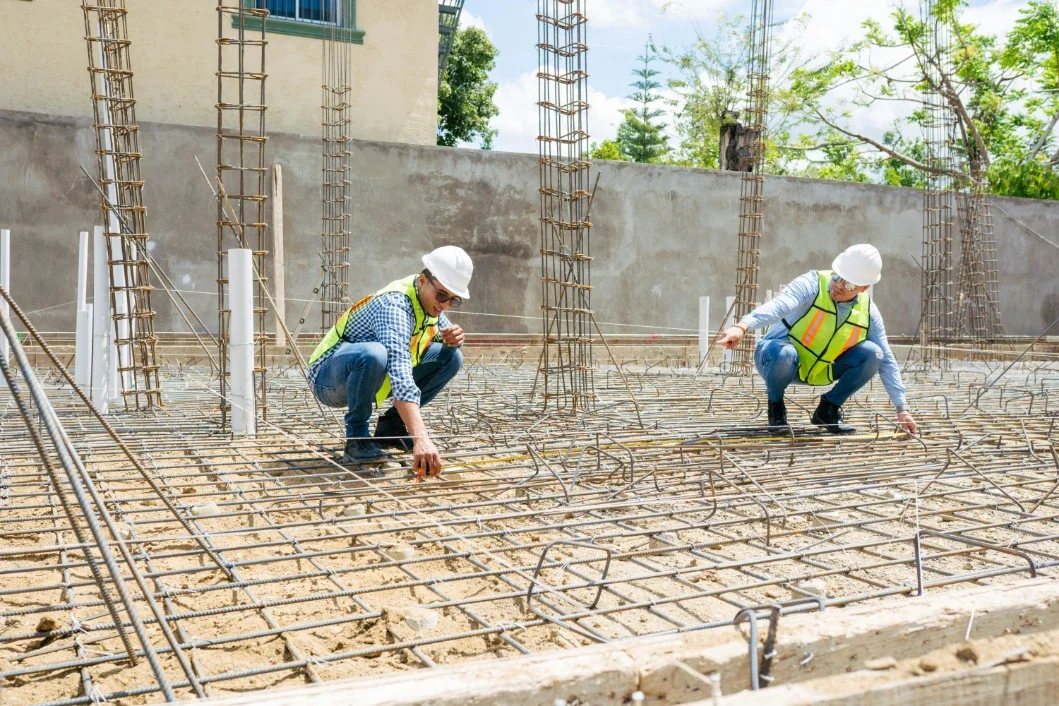
Construction moves through foundations, framing and roofing, plumbing and electrical work, insulation, drywall and finishes, with city inspections along the way. The project closes with final inspections and, where required, a Certificate of Occupancy. Homeowners should keep the approved plans, inspection records and warranties together in one file once the work is done.

Planning the Yard Around the New Home
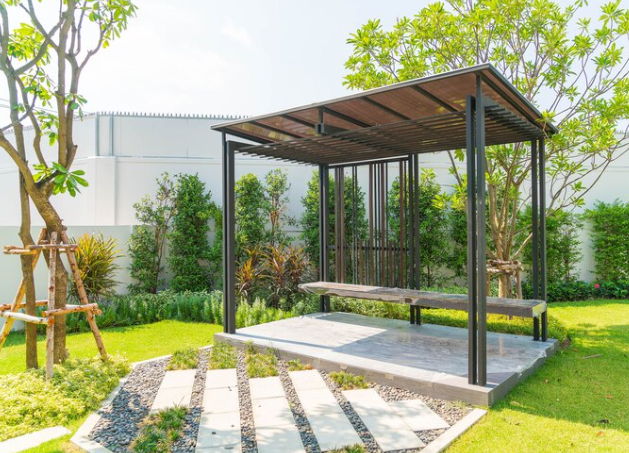
A backyard home changes how the whole garden works. Paths, planting and private outdoor areas need as much thought as the floor plan, especially once construction wraps up and the yard needs restoring.
Homeowners who want a garden that stays tidy with little upkeep can borrow from these low maintenance backyard ideas when planning the space around the new unit. Drought-tolerant planting, defined paths and simple hardscaping keep both households' outdoor areas easy to enjoy.
What Homeowners Should Ask Any ADU Builder
Whichever team a family considers, a few questions reveal how a project will run:
Who builds it? Ask whether crews and superintendents are in-house or subcontracted.
Is the price guaranteed? Confirm whether the contract price is fixed or an estimate.
How are payments structured? Look for payments tied to completed milestones and a small deposit.
What does one contract cover? Check whether design, permitting and construction sit in a single agreement.
Is the license current? Verify status with the Contractors State License Board.
Final Thoughts
Los Angeles homeowners have more ADU options than ever, but the strongest projects share a few traits: a builder that does its own construction, a price that doesn't move and honest advice before design begins. Families who ask the right questions upfront are far more likely to end up with a backyard home that arrives on budget and on schedule.
Stay up to date with our latest ideas!