Antique Tapestries in American Interiors: Centuries-Old Art for Contemporary Spaces
Explore how antique tapestries bring centuries-old artistry, rich texture, and history into American interiors, with ideas for styling them in modern spaces.

An antique tapestry does more than occupy a wall. Unlike conventional framed decoration, a historic woven textile can become part of the architecture itself, bringing scale, texture, color and centuries of cultural history into a room. For collectors and designers working with contemporary American interiors, this combination of artistic depth and material presence offers an especially compelling way to create contrast.
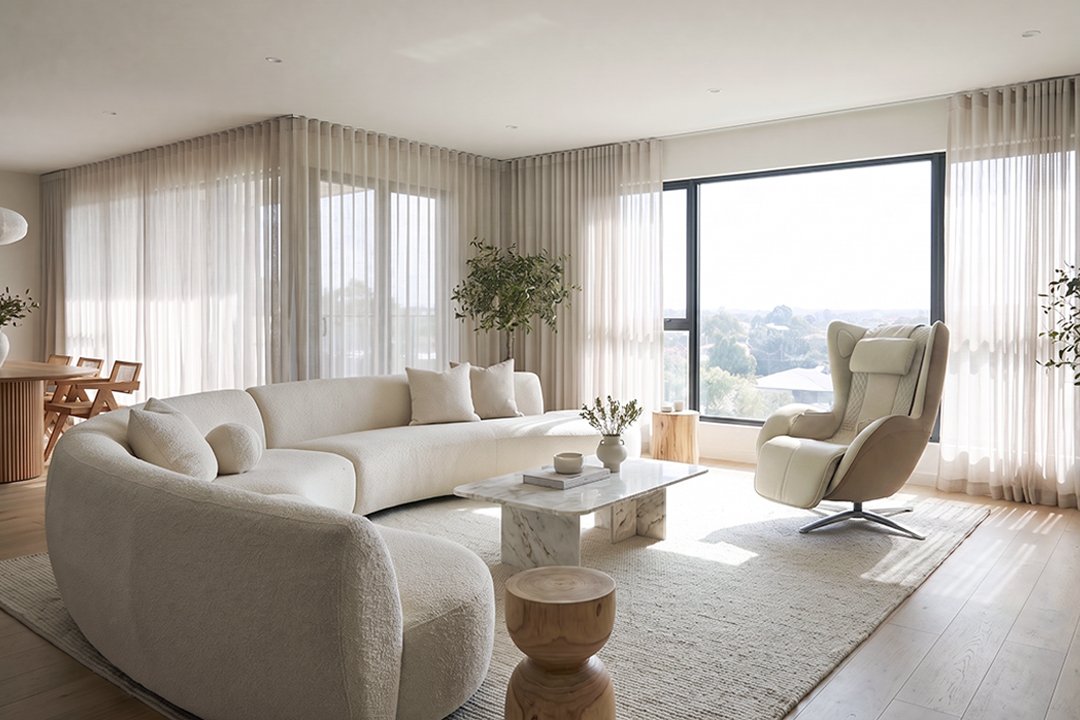
In a modern residence defined by glass, stone, steel or restrained architectural lines, the warmth of an antique tapestry can introduce an entirely different visual language. Its woven surface softens minimalist surroundings, while its monumental scale can give a large room a sense of intimacy and focus. Rather than making a contemporary interior feel traditionally decorated, a carefully selected tapestry can create a dialogue between different periods.
French and Flemish Traditions
European tapestry developed through numerous important weaving centers, but French and Flemish traditions remain particularly influential among collectors in the United States. Important examples date principally from the 16th through the 18th centuries and can be associated with workshops and manufactories in places including Aubusson, Beauvais, Paris and the Gobelins, as well as Brussels, Tournai, Bruges and Antwerp.
French tapestries are often admired for their sophisticated compositions, pastoral subjects, allegories and connections to courtly interiors. Aubusson became particularly renowned for its versatile decorative and narrative works, while the Gobelins developed a prestigious tradition closely associated with royal patronage.
Flemish tapestries, meanwhile, played a central role in the European textile arts of the Renaissance and Baroque periods. Brussels and other Flemish centers produced monumental compositions depicting mythology, religion, history and courtly subjects. Their intricate weaving and complex narratives can transform an interior into something resembling a private gallery.
Integrating Historic Textiles into Contemporary Spaces
The challenge for an interior designer is not simply finding a beautiful tapestry, but finding one that belongs naturally within its surroundings. Scale is one of the first considerations. A monumental 17th- or 18th-century tapestry may command an entire wall, while a smaller work can provide a more intimate accent above a console, fireplace or seating area.
Color is equally important. A tapestry does not necessarily need to match the room. In fact, contrast can often be more effective. Rich reds, muted greens, blues or warm earth tones can provide visual depth against neutral architectural surfaces.
Lighting also deserves careful attention. Historic textiles should generally be protected from excessive direct sunlight, while thoughtful ambient lighting can reveal the subtle variations in color and texture created by hand weaving.
For collectors and designers, several practical factors deserve attention:
Scale and proportions in relation to the room
Condition of the textile and previous restoration
Provenance and ownership history
Workshop or manufactory attribution
Materials and weaving techniques
Appropriate conservation and installation
An antique tapestry should ultimately be approached as an original historic artwork rather than simply as a decorative textile.
Expertise Matters When Collecting
For collectors and designers seeking antique European tapestries in the USA, specialist galleries can provide access to historically documented French and Flemish works while offering guidance on attribution, provenance and conservation.
Boccara Gallery has specialized in tapestries since the 1950s and today presents an important collection of antique European textiles in New York. Its selection includes French and Flemish works representing major European weaving traditions.
The gallery is directed by Didier Marien, whose connection to the subject is also personal: he was born near Aubusson, one of the historic centers of French tapestry production. Boccara describes his work as combining research into provenance, workshop identification, technical analysis and conservation with long-standing expertise in historic textiles.
The gallery's New York presence gives American collectors, architects and interior designers an opportunity to examine European textile art within the United States. Boccara lists its New York gallery location and presents works from traditions including Brussels, Aubusson, Beauvais and Paris.
A Dialogue Between History and Modern Architecture
Antique tapestries can occupy an unusual position in contemporary American interiors. They are historic objects, yet their scale, texture and visual complexity can feel remarkably at home alongside modern furniture and architecture.
The most successful installations do not attempt to hide the age of the textile. Instead, they allow its history to become part of the room. Against a clean architectural backdrop, the handwoven surface, intricate imagery and evidence of craftsmanship become more visible.
For collectors and designers, this is perhaps the enduring appeal of antique tapestry: it connects the present with centuries of European artistic tradition while remaining capable of transforming a distinctly contemporary space.
Stay up to date with our latest ideas!