Creating a Comfortable Home Starts Behind the Walls
Learn how creating a comfortable home starts behind the walls, with insulation, structure, and systems that improve long-term living quality and comfort.
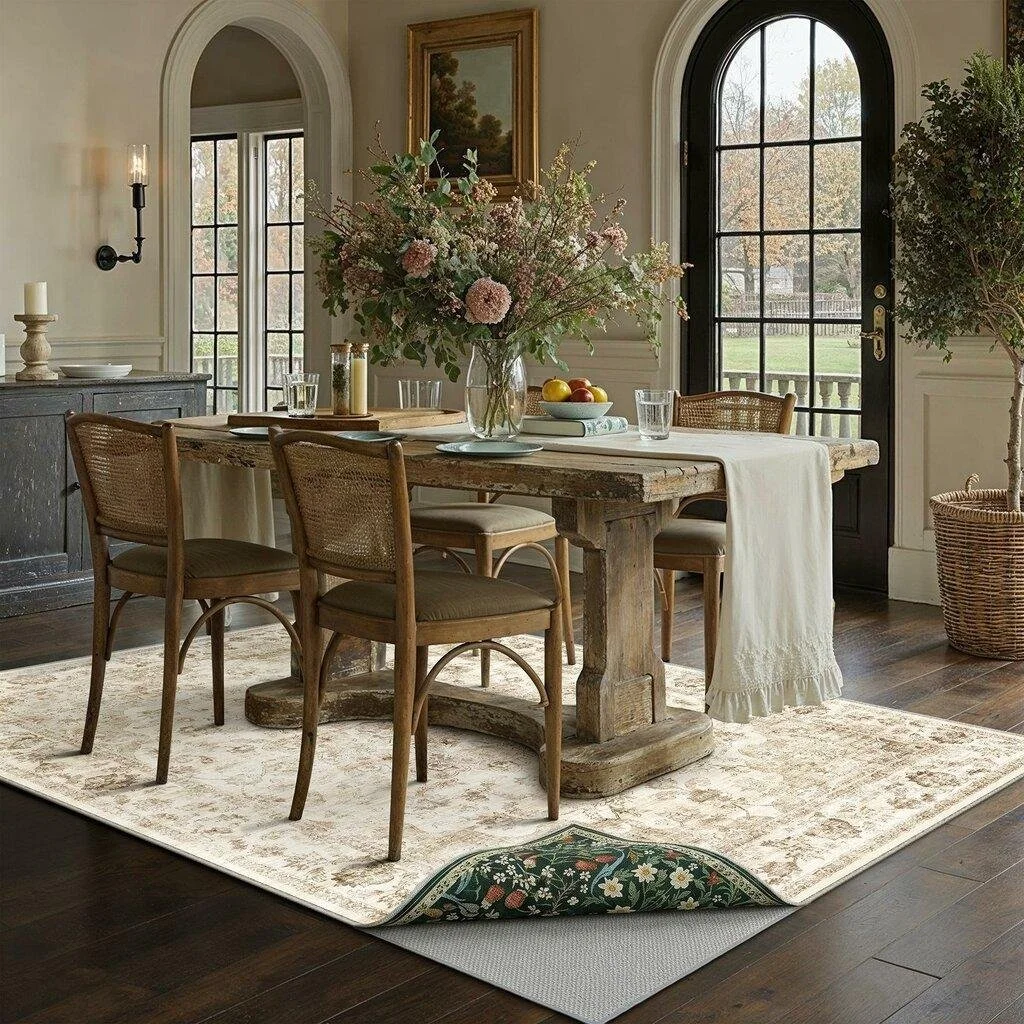
When people think about creating a beautiful home, their attention usually turns to colour palettes, furniture, flooring, and decorative details. These visible elements certainly influence how a space looks and feels. Yet many of the features that determine everyday comfort remain hidden behind walls, above ceilings, and inside utility spaces.
Modern Australian homes rely on a network of systems that support daily living. Electrical infrastructure, lighting, climate control, and energy management all contribute to how functional and enjoyable a home becomes over time. While these elements may not receive the same attention as design trends, they often have a greater impact on comfort, convenience, and long-term property value.
Across Queensland and particularly in tropical regions such as Cairns, homeowners are increasingly recognising that successful home improvement projects require a balance between appearance and performance.
Why Functionality Matters in Modern Home Design
Interior design has evolved significantly over the past decade. Homeowners are no longer focused solely on aesthetics. Instead, many seek spaces that support modern lifestyles while remaining practical and efficient.
Open-plan living areas, home offices, entertainment spaces, and outdoor living zones all require carefully planned infrastructure. Lighting needs to adapt to different activities, electrical systems must support growing technology demands, and climate control solutions need to operate efficiently throughout the year.
A well-designed room may look impressive in photographs, but its true success depends on how comfortably it functions every day. Poor lighting placement, inadequate power access, or outdated electrical systems can quickly diminish the enjoyment of even the most attractive interiors. This is particularly important in Far North Queensland, where climate conditions place additional demands on residential properties and household systems.
The Growing Importance of Electrical Planning
Electrical systems rarely receive much attention during decorating projects, yet they influence almost every aspect of daily life. Lighting, appliances, internet connectivity, security systems, air conditioning, and smart-home technology all depend on reliable electrical infrastructure.
Many older homes were not designed to accommodate today’s technology requirements. Families often use significantly more devices than previous generations, placing greater pressure on existing systems.
During renovation projects, homeowners frequently discover that electrical upgrades become necessary before other improvements can move forward. New kitchens, entertainment areas, and home offices often require additional circuits, upgraded switchboards, or improved wiring to safely support modern usage. Rather than viewing electrical work as a separate consideration, many designers now treat it as an essential part of the overall planning process.
Creating Comfortable Spaces Through Smart Upgrades
Comfort is influenced by numerous factors working together. Lighting plays a major role in setting mood and functionality, while efficient climate control helps maintain pleasant indoor conditions throughout changing seasons.
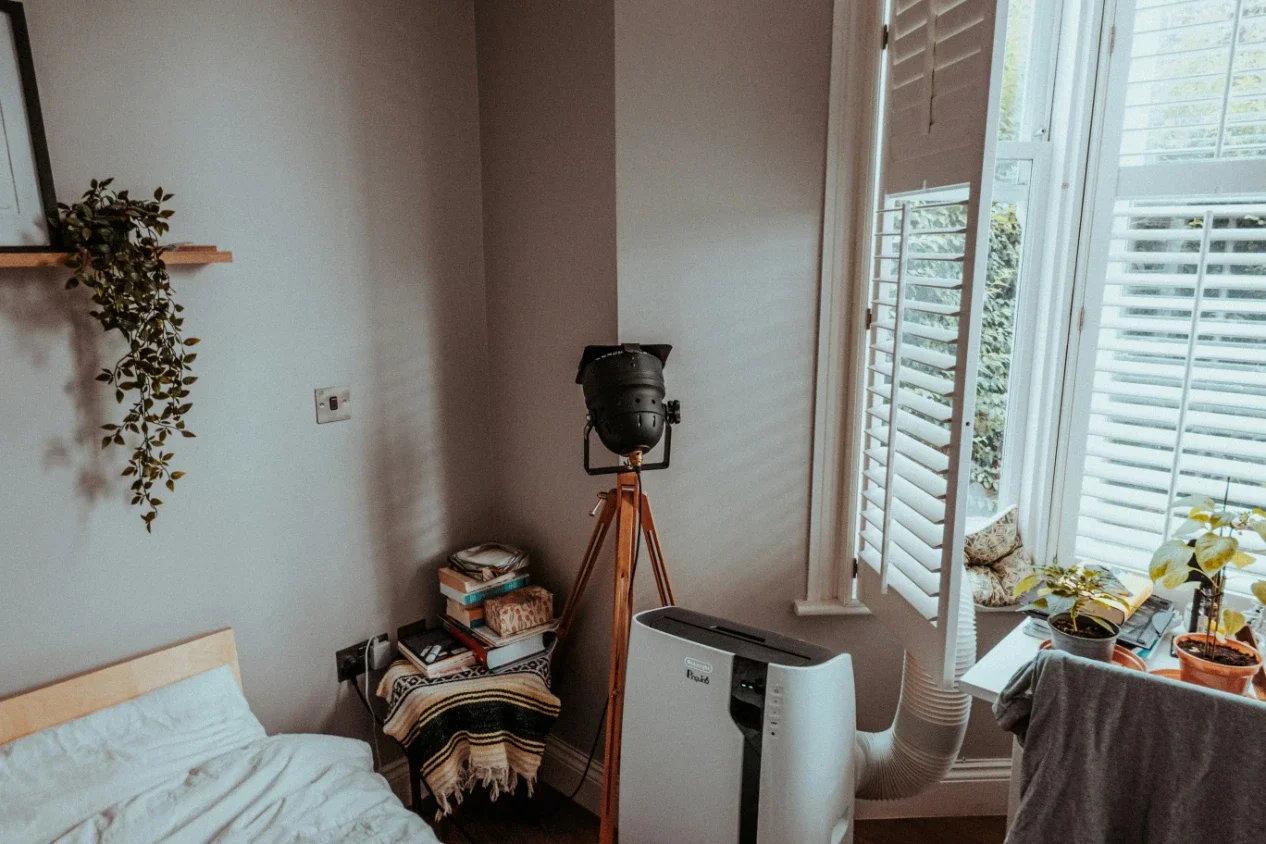
Homeowners in Far North Queensland often face unique challenges due to high temperatures and humidity. Reliable electrical systems become particularly important when supporting cooling solutions that help maintain comfortable living environments year-round.
When planning upgrades, many residents choose to consult a trusted electrician in Cairns to ensure their homes can support both current and future needs. Easy Cool Electrical provides residential and commercial electrical services throughout Cairns and Far North Queensland, including switchboard upgrades, appliance installations, solar systems, emergency electrical work, and electrical solutions that help homeowners improve comfort, safety, and efficiency. By addressing infrastructure alongside design improvements, homeowners can create spaces that function as well as they look.
The Role of Lighting in Home Atmosphere
Few elements influence interior spaces more effectively than lighting. The same room can feel dramatically different depending on how it is illuminated. Natural light remains highly desirable in Australian homes, but artificial lighting is equally important. Layered lighting strategies that combine ambient, task, and accent lighting help create flexible environments suited to different activities.
Kitchen workspaces require bright functional lighting, while living rooms often benefit from softer illumination that supports relaxation. Bedrooms typically require adjustable lighting that can transition between practical use and evening comfort.
Proper electrical planning makes these options possible. Without sufficient power access and well-positioned fixtures, achieving the desired atmosphere can become difficult or expensive to correct later.
Energy Efficiency and Long-Term Value
Energy efficiency has become a major priority for Australian homeowners. Rising energy costs and growing environmental awareness have encouraged many people to look for ways to reduce household consumption without sacrificing comfort.
Modern electrical upgrades often support these goals. Energy-efficient lighting, smart controls, solar integration, and improved electrical systems can contribute to lower running costs while enhancing convenience.
The benefits extend beyond monthly utility bills. Buyers increasingly consider energy performance when evaluating properties, making efficiency improvements attractive from both lifestyle and investment perspectives.
Publications such as ArchitectureAU have highlighted the growing integration of sustainability, technology, and functionality within contemporary Australian residential design. Modern homes are increasingly expected to balance aesthetic appeal with practical performance, reflecting changing homeowner priorities across the country. This shift reinforces the importance of considering infrastructure alongside decorative upgrades.
Preparing Homes for Future Technology
Technology continues to transform residential living. Smart lighting systems, automated climate control, security monitoring, electric vehicle charging, and connected appliances are becoming increasingly common. While not every homeowner plans to install these technologies immediately, preparing infrastructure during renovations can prevent costly modifications later.
Future-proofing does not necessarily require major investment. In many cases, strategic planning during upgrades allows homes to accommodate future innovations more easily.
This approach is particularly valuable for homeowners undertaking significant renovations or building projects. Small decisions made today can provide greater flexibility for years to come.
Safety Remains a Key Consideration
Beyond comfort and convenience, electrical systems play an essential role in household safety. Aging wiring, overloaded circuits, and outdated switchboards can create risks that are not always visible to homeowners. Renovation projects often provide an opportunity to identify and address these issues before they become serious problems.
Regular inspections and professional maintenance help ensure systems continue operating safely while meeting current standards. This proactive approach can reduce the likelihood of unexpected disruptions while providing peace of mind for occupants.
Safety improvements may not be as visually exciting as new furnishings or decorative upgrades, but they represent some of the most valuable investments homeowners can make.
Bringing Design and Function Together
The most successful homes combine visual appeal with practical performance. Beautiful interiors create positive first impressions, but long-term satisfaction depends on how effectively spaces support daily living.
Electrical systems, lighting, energy efficiency measures, and climate-control infrastructure all contribute to this experience. When these elements are planned thoughtfully alongside design decisions, homeowners can achieve results that feel comfortable, efficient, and adaptable.
For Australian homeowners, particularly those living in regions such as Cairns and Far North Queensland, considering what happens behind the walls is often just as important as selecting what appears in front of them. By balancing style with functionality, it becomes possible to create homes that not only look impressive but continue to serve their occupants well for many years to come.
Stay up to date with our latest ideas!