Childproofing Your Rental While Lowering Utility Costs
Learn how to childproof your rental while lowering utility costs with simple, renter friendly upgrades that improve safety, comfort, and efficiency.
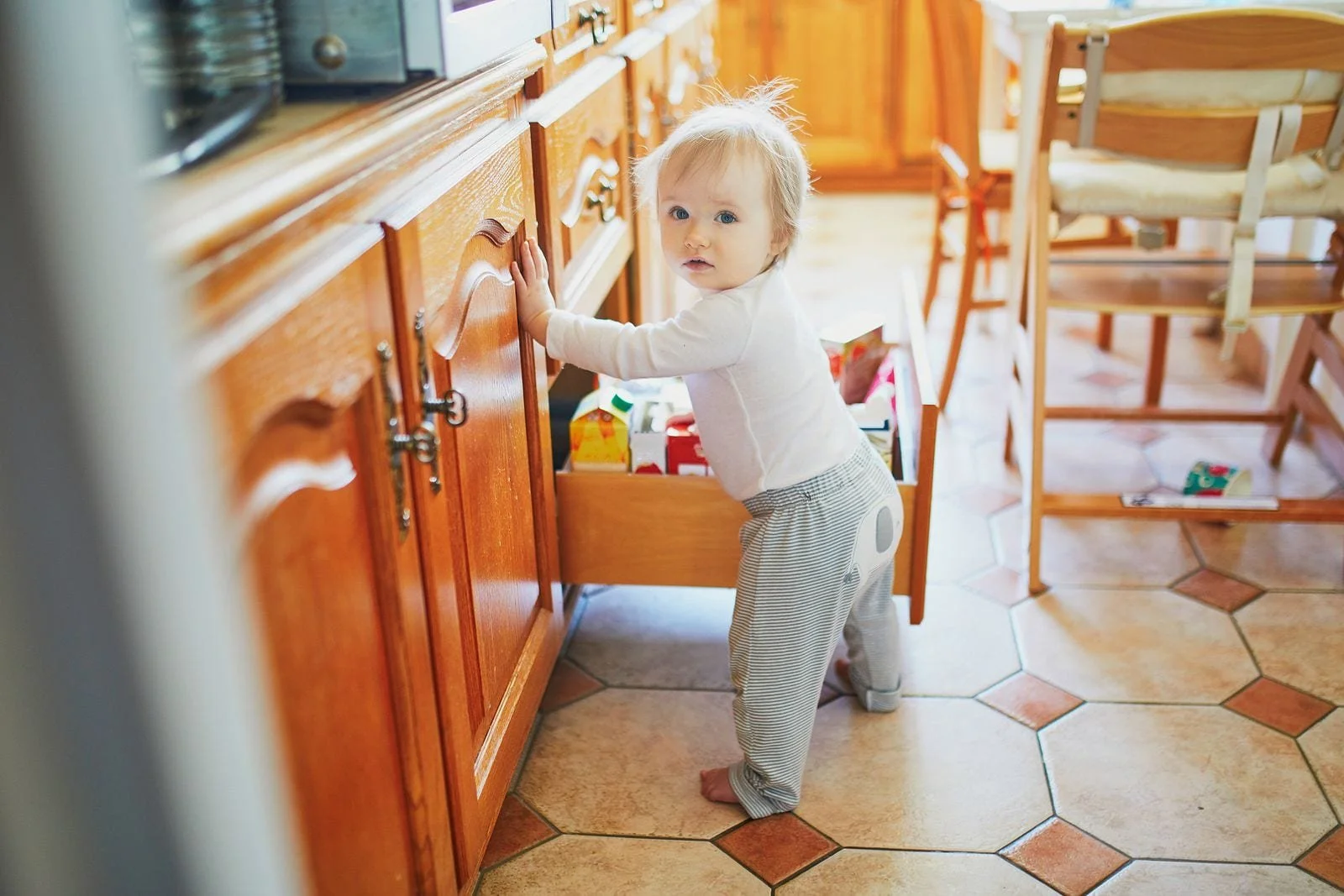
If your rental is currently occupied by a young family, you already know there are certain challenges that come with it. First is keeping the space safe for little ones while also keeping overhead costs manageable. One thing you should know is that these two goals aren't as separate as they might seem. Many of the upgrades that protect children also happen to cut down on energy waste.
These minor additions, such as outlet covers, cabinet locks, and window guards, do more than prevent accidents. When they are matched up with specific fixtures and when you make a few smart swaps, they will also help you save money on your monthly energy bill. Continue reading below as this article discusses all you need to know about childproofing your rental while lowering utility costs.
Why Childproofing is Essential in Rental Properties?
Once the lease is signed, you have a responsibility to ensure for maintaining a safe and habitable property, which may include addressing common safety concerns.
There are hazards in rental homes that adults can overlook, such as an outlet sticking out by the bathroom and stairs that don't have secure railings. For a toddler, they are real dangers to a child's safety. As a landlord, if a child gets hurt on your property, you could potentially be held liable for injuries, face legal issues, and reputational concerns.
A local Texas property manager can recommend childproofing upgrades that meet safety standards while reducing monthly energy usage for growing families. Furthermore, child-proofing gives your tenants an indication that you value the people who live in your property and not just the rent.
Energy-Efficient Childproofing Solutions
1. Window and Door Safety with Efficiency
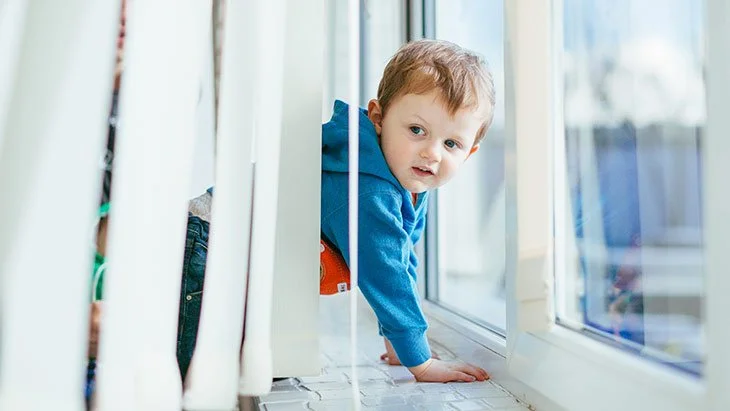
When it comes to childproofing and making your home more energy-efficient, the best places to start will be around your home's windows and doors. Window guards and stops prevent children from opening windows too wide. This also means less outside air sneaking in and less strain on the heating or cooling system. If your rental has older windows, adding weatherstripping alongside those safety stops seals out drafts without any major work.
Similarly, the same type of logic applies to doors. Door pinch guards help prevent little fingers from getting caught. In the same light, they help slow down the time that a door closes and reduce the amount of conditioned air that is pulled out of a room. Draft stoppers at the base of exterior doors pull double duty, too. They block the gap that lets cold or hot air in, and they also stop young children from inserting their fingers into areas they should not be put.
2. Lighting Upgrades
One of the simplest ways to increase the safety of your rental unit for children is to upgrade your lighting to increase both energy efficiency and safety. If you haven't switched to an LED bulb yet, then that's a great first step. LED bulbs run cooler than traditional bulbs, which means less risk of a curious child burning their fingers on a hot fixture. They also use significantly less energy, which can help reduce overall utility costs.
Next, consider tamper-resistant night lights for hallways and bathrooms. They help little ones navigate the space after dark without anyone fumbling for a switch, and they draw minimal power. Landlords should consider energy-efficient options such as solar panels.
Motion-sensor lighting is another smart addition, especially in common areas. Kids rarely remember to turn off the lights when they leave a room. Motion sensors handle that automatically, cutting down on wasted electricity without you having to say a word.
3. Smart Temperature Control
Temperature control is one of those areas where childproofing and energy efficiency naturally overlap, and it's worth paying attention to. Thermostat covers are a simple start. Kids love pressing buttons, and an unprotected thermostat can mean the heating or cooling runs all day without anyone realizing it. A lockable thermostat cover solves both problems at once: little hands stay out, and your energy bills stay predictable.
Another option would be to get a smart or programmable thermostat. It keeps the home at a safe, comfortable temperature without relying on tenants to manually adjust it throughout the day. Some of these systems even allow you to help maintain consistent temperatures, which complies with the lease terms and local habitability standards, which also eliminates both comfort issues and energy waste. This simple upgrade should pay for itself rapidly and will be appreciated by households with different safety needs.
Educating Tenants on Safe and Efficient Living
The upgrades you install only go so far. How your tenants actually live in the space day-to-day makes just as big a difference, and that's where a little guidance from you goes a long way. You don't need to hand them a lecture or a ten-page manual. A simple, friendly move-in guide covering the basics is enough. Walk them through the childproofing features you've put in place, explain how they work, and let them know which ones they're responsible for maintaining. When tenants understand what's there and why, they're far more likely to use it properly.
On the energy side, small reminders about keeping doors closed, using programmable thermostats correctly, and reporting leaks early can prevent the kind of wastage that quietly inflates utility costs over time. You should think of it less as laying down rules and more as setting your tenants up to succeed. When they're informed and comfortable in the space, they tend to take better care of it, and that's a win for everyone involved.
Conclusion
Childproofing your rental and cutting utility costs don't have to be separate projects on your to-do list. As you've seen, the right upgrades do both jobs at once, protecting the children in your property while quietly reducing what you spend to maintain it.
The changes don't have to be expensive or overwhelming. Start small, be intentional, and communicate openly with your tenants. When you approach your rental that way, you're managing a property while also building the kind of place families genuinely want to stay in, long-term.
Stay up to date with our latest ideas!