Constructing an ADU for Rent in Los Angeles: A Builder’s Guide
Learn how to construct an ADU for rent in Los Angeles with insights on planning, permits, design choices, costs, and rental potential.

Why Build an ADU for Rent in Los Angeles
Adding an accessory dwelling unit is one of the most practical ways to increase property value and generate steady rental income in Los Angeles. Working with experienced adu for rent los angeles professionals helps homeowners navigate local codes, streamline permitting, and deliver a durable, tenant‑ready unit. Early collaboration with a contractor and designer reduces surprises and keeps the project on schedule and on budget.
Preconstruction Planning and Site Preparation
Site Feasibility and Permits
A successful ADU begins with a thorough site assessment. Confirm zoning, setback, and parking requirements for your parcel, and obtain a site survey and soils report if needed. Permit readiness means submitting complete architectural, structural, and energy compliance documents so reviews proceed without repeated corrections.
Practical Preconstruction Checklist
Verify zoning and setback rules and confirm allowable ADU type (detached, attached, or JADU)
Complete site survey and soils testing to determine foundation needs
Prepare permit‑ready construction drawings including structural and MEP plans
Plan utility connections for water, sewer, gas, and electrical capacity upgrades
Set a realistic budget with contingency for soft costs, fees, and unforeseen site work
Construction Phases and Best Practices
Foundation and Framing
After permits are issued, begin with site grading and foundation work appropriate to soil conditions-slab, pier, or raised foundation. Framing establishes the unit’s footprint and load paths; coordinate closely with structural engineers to avoid costly changes.
Building Envelope and Systems
Install the roof, exterior cladding, windows, and insulation to create a weather‑tight envelope before mechanical, electrical, and plumbing rough‑ins. Prioritize energy‑efficient systems and proper ventilation to meet local code and reduce long‑term operating costs.
Interior Finishes and Accessibility
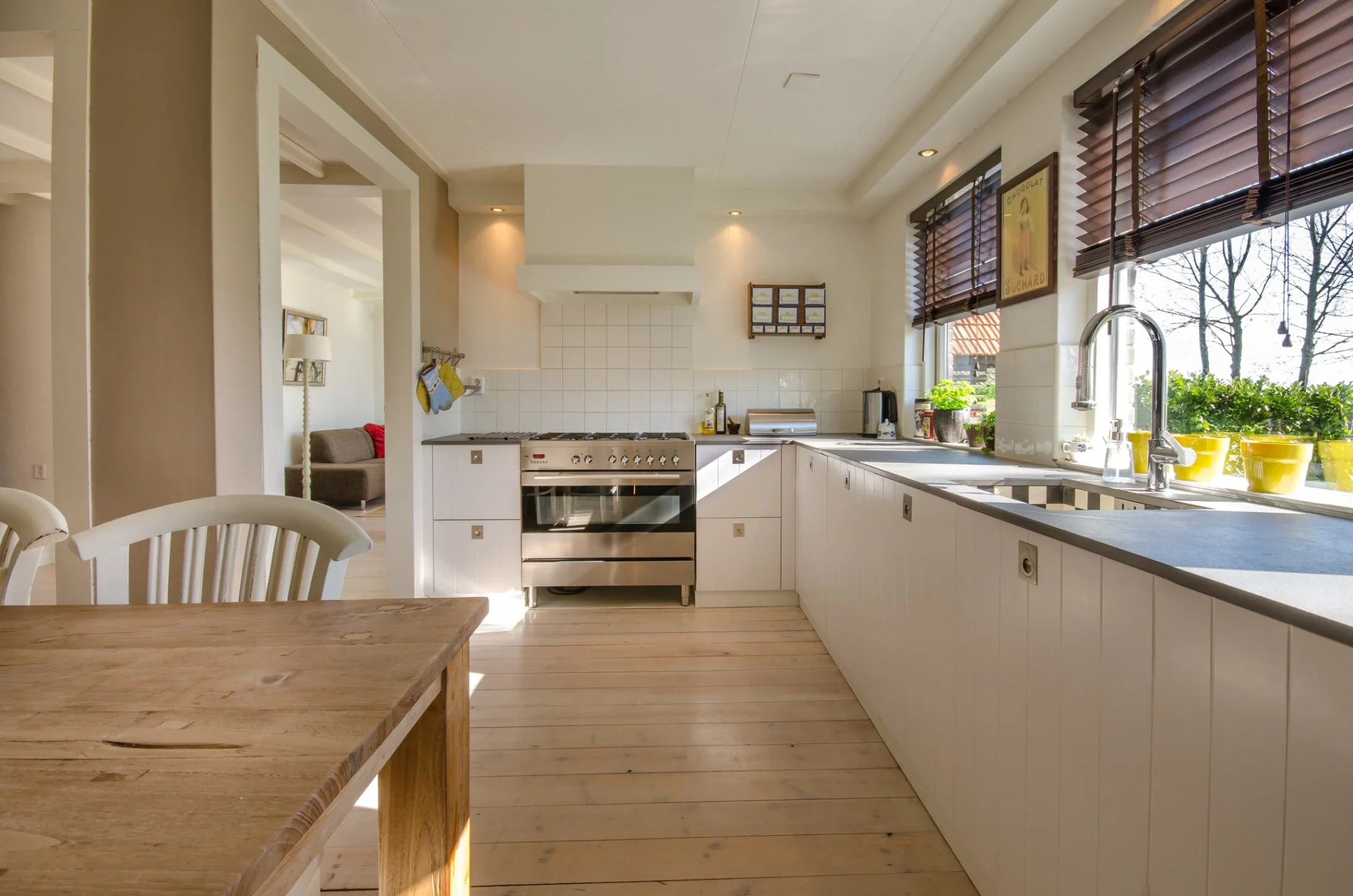
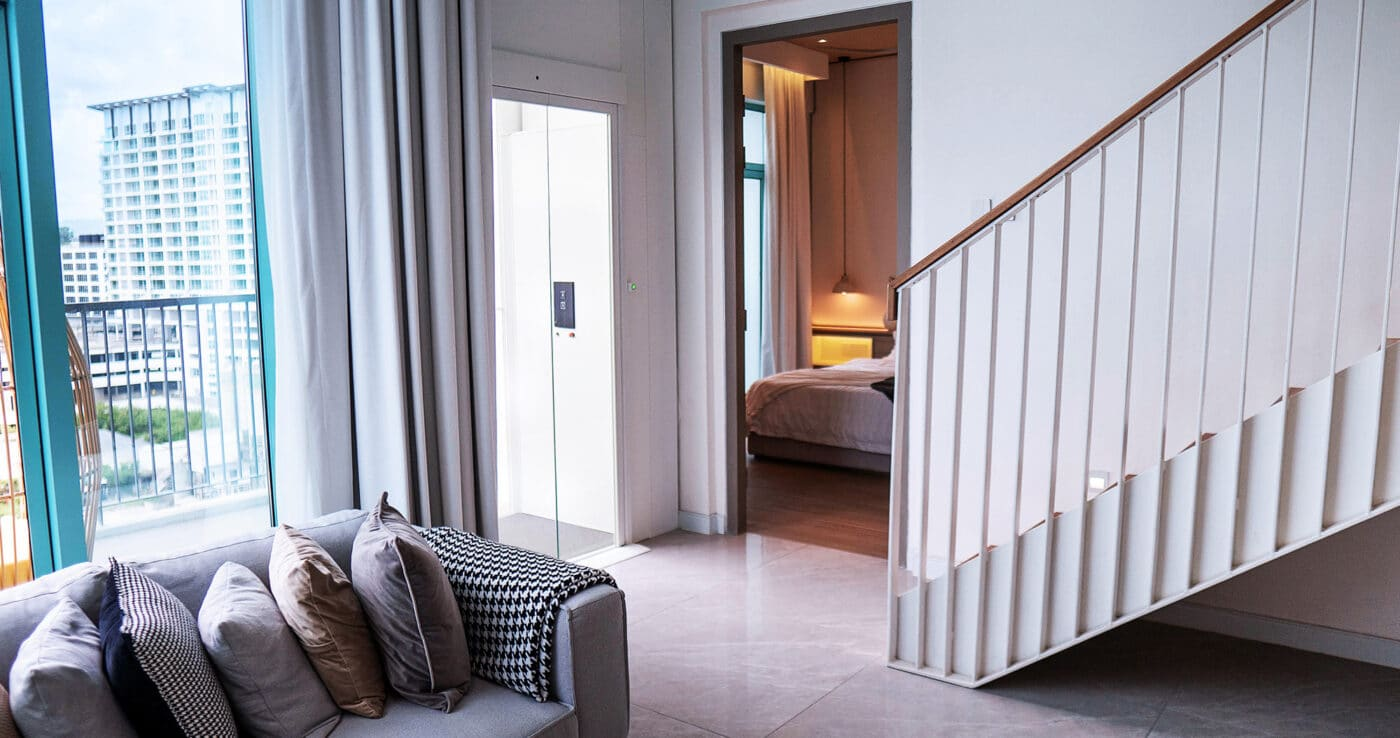
Choose durable finishes that withstand rental turnover: resilient flooring, low‑maintenance cabinetry, and efficient fixtures. Incorporate universal design elements-zero‑step entries, wider doorways, and accessible bathrooms-to broaden tenant appeal and future‑proof the unit.
Inspections, Commissioning, and Handover
Quality Control and Compliance
Schedule inspections at foundation, framing, systems, and final stages. A commissioning checklist for HVAC, plumbing, and electrical systems ensures reliable operation. Deliver as‑built drawings, warranties, and maintenance instructions to the homeowner at handover.
Budgeting, Timeline, and Risk Management
Managing Costs and Schedule
Material choices, site complexity, and utility work drive costs. Include soft costs-design, permits, impact fees-and a contingency of 10–20%. Maintain a clear contract with milestone payments and a documented change‑order process to control scope creep and protect both parties.
Conclusion
Constructing an ADU for rent in Los Angeles is a strategic investment when approached methodically. From early feasibility and permit preparation to disciplined construction management and tenant‑ready finishes, each phase benefits from experienced ADU builders who understand local regulations and construction realities. With careful planning and the right team, an ADU becomes a durable income stream and a long‑term enhancement to your property.
Stay up to date with our latest ideas!