7 Conservatory Design Ideas for All-Year Comfort
Explore 7 conservatory design ideas that improve year round comfort with better insulation, lighting, furniture, and climate control solutions.

Conservatory design has evolved dramatically from the drafty glass boxes of the past. Today, these spaces function as true extensions of the home, offering panoramic garden views alongside the cozy warmth of a traditional living room.
Achieving that perfect balance requires moving past basic setups and focusing on smart structural choices. Planning a complete overhaul or starting from scratch involves key elements that keep the temperature stable from January through December.
Upgraded Roof Conversions
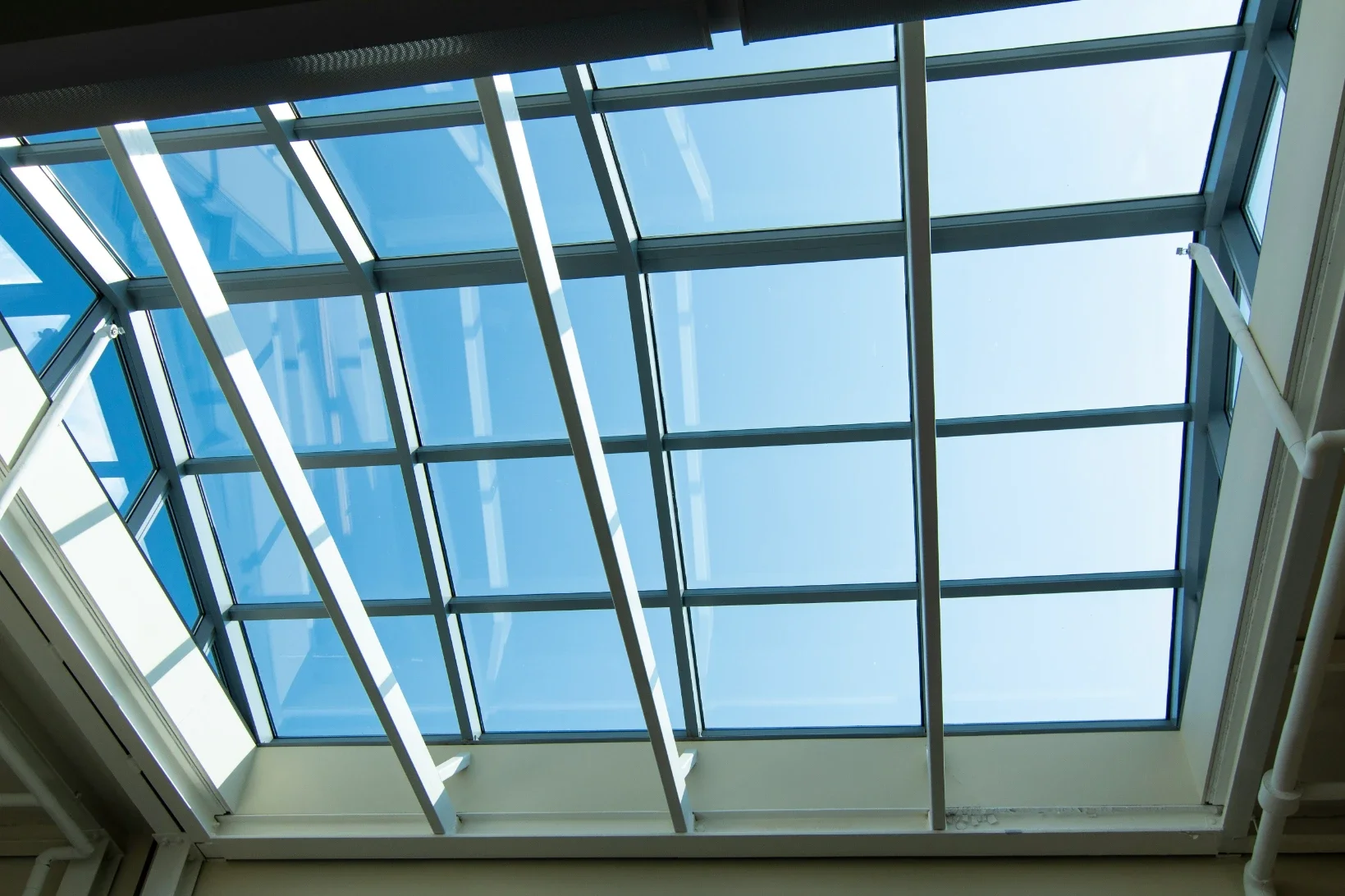
The roof handles the heavy lifting when it comes to temperature control. A hybrid roof design blends the benefits of a solid structure with the brightness of traditional glass extensions. These systems feature fully insulated solid tiled roofs broken up by large skylights or glass panels to maintain a bright atmosphere.
Adding a hybrid layout gives you the look of a traditional extension without sacrificing natural light. Homeowners often choose bespoke conservatories to achieve this precise balance of glass and insulation. This architectural choice makes the space usable during freezing winter nights and blazing summer afternoons.
Smart Glass Choices
Standard single-pane glass fails to keep the cold out or the heat in. High-performance double-glazing fixes this issue by utilizing advanced engineering to block external elements. A recent industry guide highlighted that glass roofs filled with argon gas provide excellent thermal efficiency while managing energy costs.
These advanced panes reflect solar heat during peak summer months to stop the room from overheating. They also lock in warmth indoors when temperatures drop. This simple upgrade prevents the classic greenhouse effect and creates a mild internal climate.
Advanced Underfloor Heating
Cold floors make any room feel uninviting during the winter months. Stone, tile, and high-quality vinyl handle heavy foot traffic well but get icy without a dedicated heat source. A home improvement publication noted that pairing durable floor tiles with underfloor heating systems keeps the room comfortable during cold spells.
Electric heat mats or water-based pipes distribute warmth evenly across the entire floor surface. This method eliminates cold spots and works efficiently without taking up valuable wall space like bulky radiators. It turns the floor into a gentle radiator that warms the room from the ground up.
Modern Roof Lanterns
If a solid roof feels too restrictive, a roof lantern offers a stylish middle ground. These raised glass structures sit atop a flat roof to flood the center of the room with natural light. An architectural trends report explained that modern lantern roofs use fewer glazing bars to deliver a sleek, contemporary look.
The reduced framing means fewer obstructions for sunlight and a cleaner aesthetic. It also cuts down on potential areas for drafts or thermal bridging. The elevated design creates an airy feeling that makes smaller rooms feel much larger.
Thermal Window Blinds
Glass walls offer beautiful views but need adjustable barriers to handle intense sunlight. Installing specialized blinds gives you immediate control over light levels and privacy. A decor feature revealed that blinds made from sunproof fabrics work best at blocking intense solar rays during summer.
Pleated or cellular blinds trap air inside tiny pockets to create an extra layer of insulation. Lowering them during summer peaks keeps the space cool, while closing them at night locks in evening warmth. This addition protects indoor furniture from fading under direct UV rays.
Strategic Fabric Layering
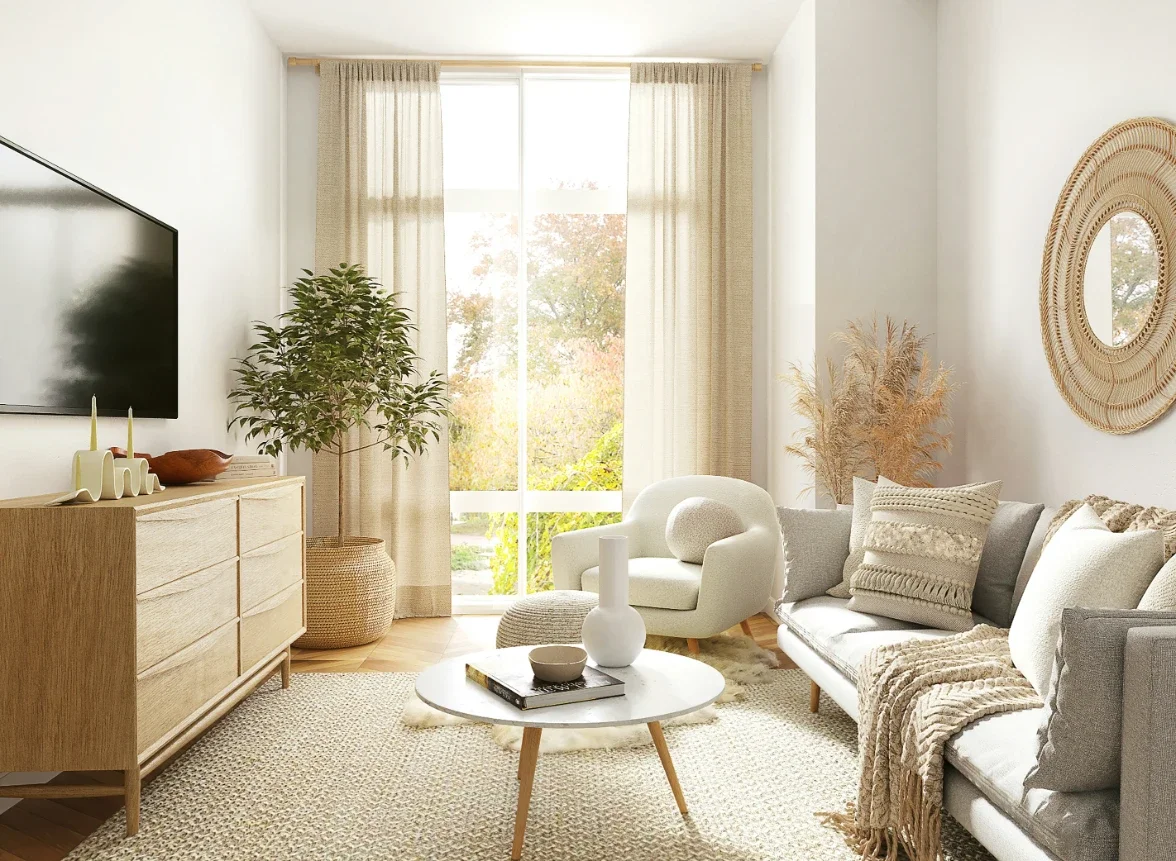
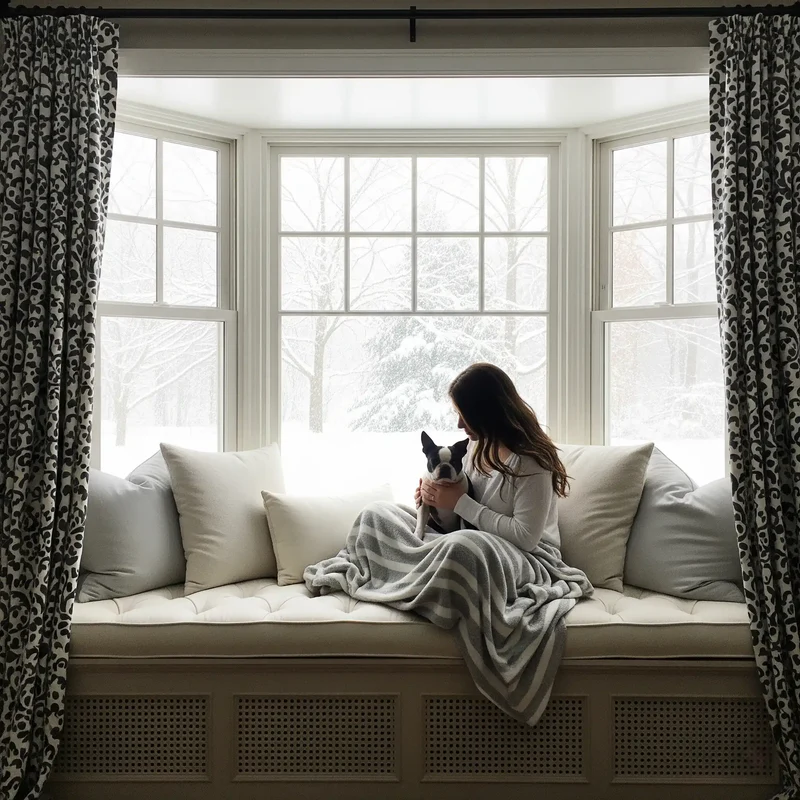
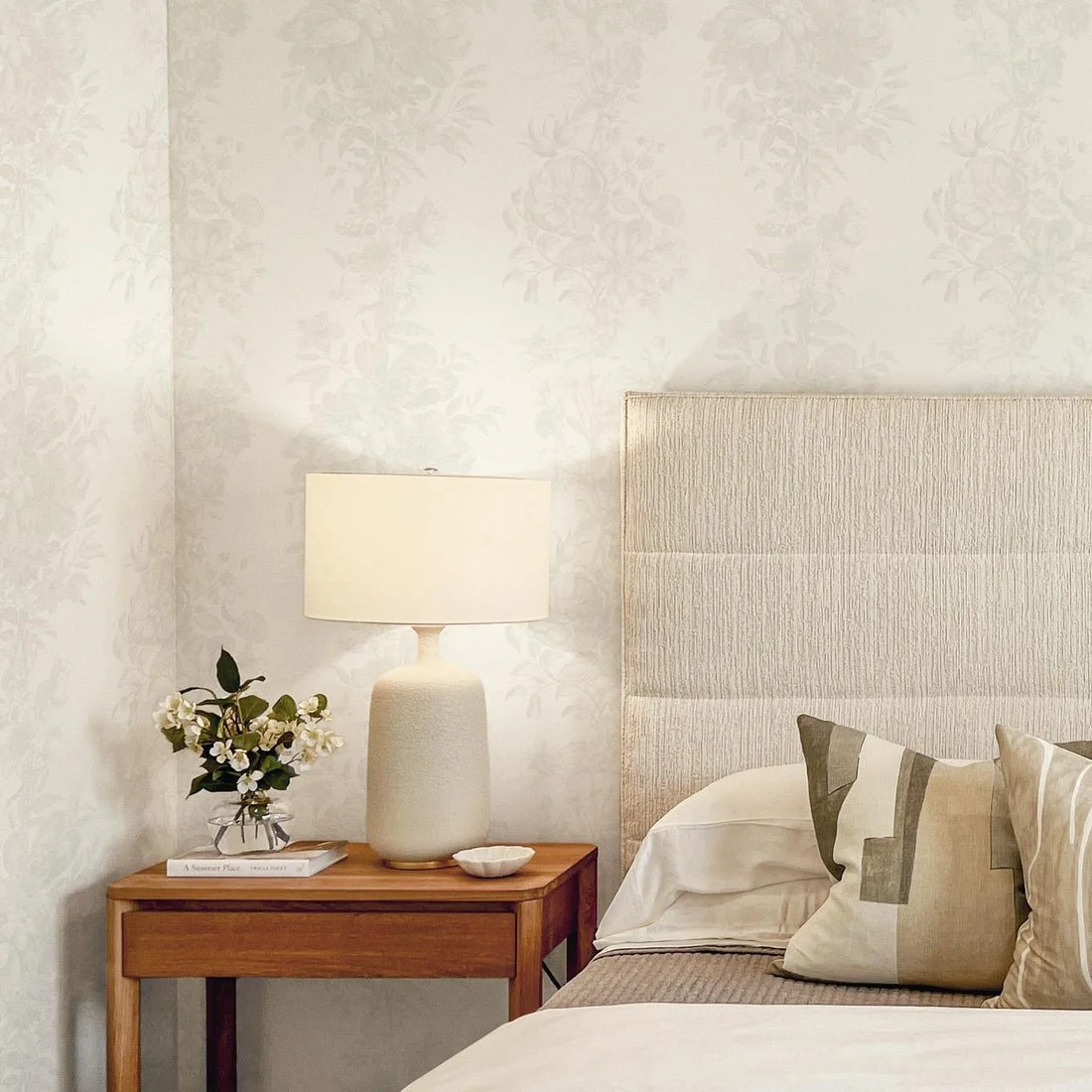
Furniture selection plays a massive role in how warm or cool a room feels. Metal and plastic frames transfer temperature quickly, making them feel cold to the touch. A textile design article suggested that layering different fabrics and soft furnishings makes glass rooms highly comfortable throughout the year.
Heavy wool throws add instant warmth to seating areas during winter nights.
Breathable linen cushion covers keep chairs feeling cool throughout July.
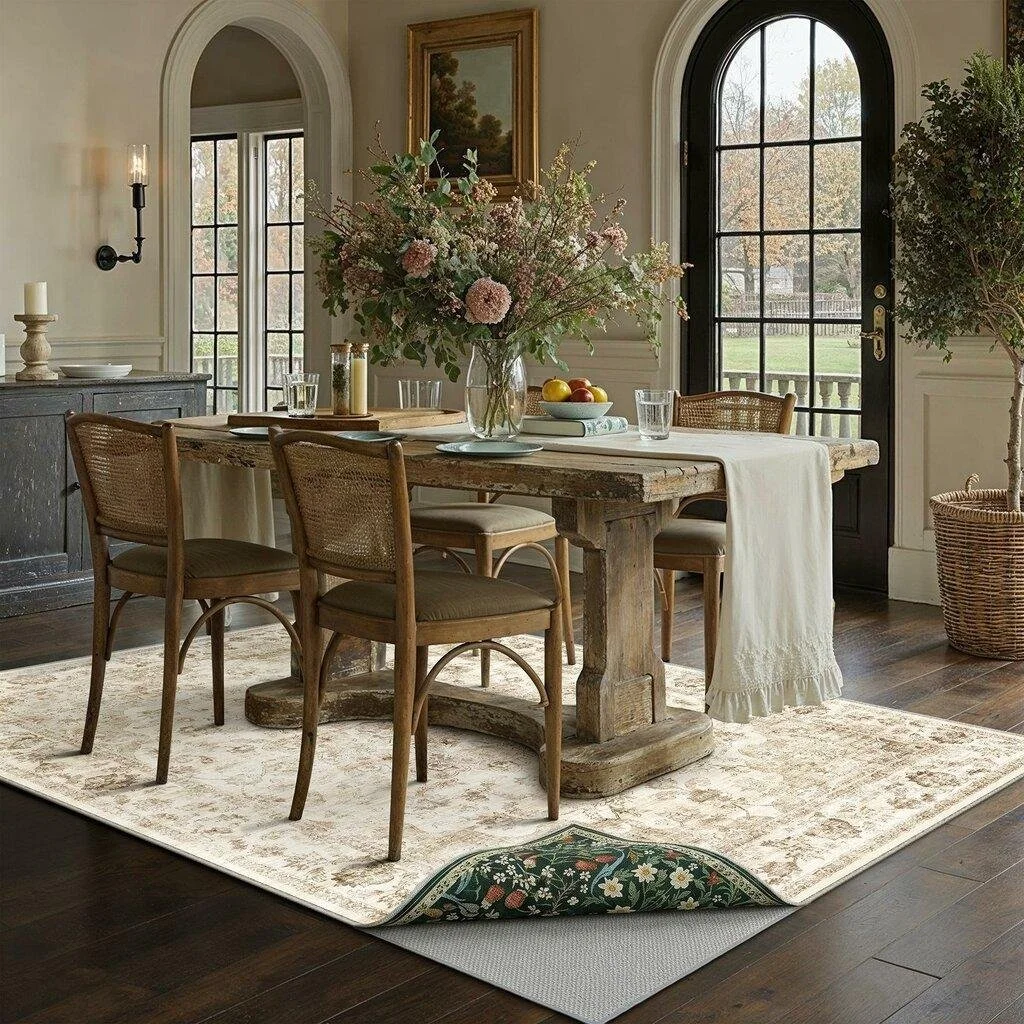
Thick area rugs prevent heat loss through the floor and soften the room's acoustics.
Insulated drapes block drafts around large glass doors.
Placing these elements strategically allows you to adapt the room to changing seasons without replacing major furniture pieces.
High-Efficiency Ventilation
Airflow prevents moisture buildup and keeps the air from feeling stagnant. Relying solely on open doors can create uncomfortable drafts or let in insects. Integrating roof vents or trickle vents into the window frames keeps fresh air moving safely.
A green building analysis confirmed that upgrading insulation and glazing reduces overall heat loss and lowers household energy bills. Proper ventilation works alongside insulation to control humidity and stop condensation on the glass. This combination keeps the indoor air clean, dry, and pleasant to breathe.
Investing in these updates transforms a seasonal room into a permanent sanctuary. Focus on quality insulation, high-performance glass, and adaptable decor to build a space for morning coffees, quiet reading sessions, or family dinners. The right design choices ensure your glass extension remains the most popular room in the house every single day.
Stay up to date with our latest ideas!