Discover the truth behind common DIY pest control myths, learn why some home remedies fail, and find effective ways to prevent infestations and protect your home.
Ask around, and nearly everyone has a pest story. One person sprayed the baseboards, another set out traps, and a neighbor swears by a peppermint trick that worked once. Results tend to be mixed, and the cause is rarely a lack of effort. More often, it’s a belief that sounds right but isn’t. Experienced technicians, like the team at CitiPest Control, spend much of their time helping homeowners sort fact from myth, and they hear the same few ideas again and again. Those ideas sit behind a good share of everyday pest control mistakes.
Below are eight of the most common myths about pest control, with what’s actually true and what tends to work better. You don’t need special equipment. Some patience helps, and so does a close look at the spots where pests like to hide.
DIY Methods Can Get Rid of Any Infestation
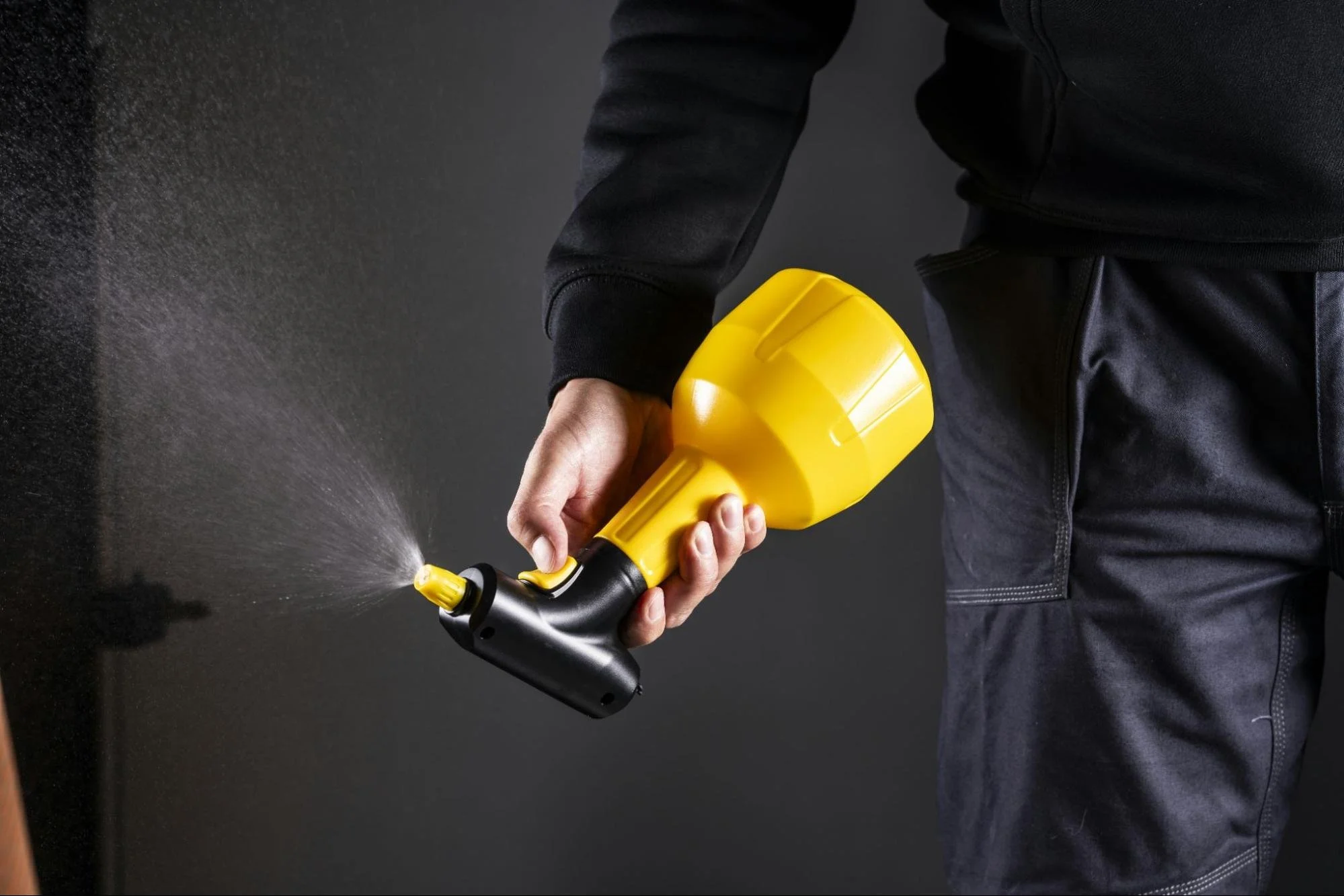
Whether DIY works comes down to scale. If ants are trailing across the counter, a bait trap and a good wipe-down will usually handle it. Termites are a completely different story, as are bedbugs and rodents that have already established themselves. These insects build their nests inside wall crevices, underground, and even within the folds of mattresses, which cannot be accessed with the help of your spray can. You might be able to kill the ones that you see, but those that you cannot see will breed again in two weeks. If you’ve made two or three serious attempts and the pests keep returning, it’s time to stop treating this as a DIY job.
If You Don’t See Pests, You Don’t Have Them
A quiet kitchen doesn’t prove much, since a lot of pests only come out after dark or stay tucked away. The hidden signs of pest infestation are easy to shrug off, and that’s usually why people catch them late. Here’s what to look for:
Small dark droppings, about the size of pepper flakes or rice grains, turning up along walls or at the back of cabinets
Chewed wiring, baseboards, or food packaging
A musty, oily smell near a closet, attic, or crawl space that won’t go away after cleaning
Tiny dark specks, shed skins, or egg casings around the seams of a mattress
Scratching inside the walls, usually once the house gets quiet at night
Spotting even one of these is reason enough to take a closer look.
A Clean House Can’t Get Pests
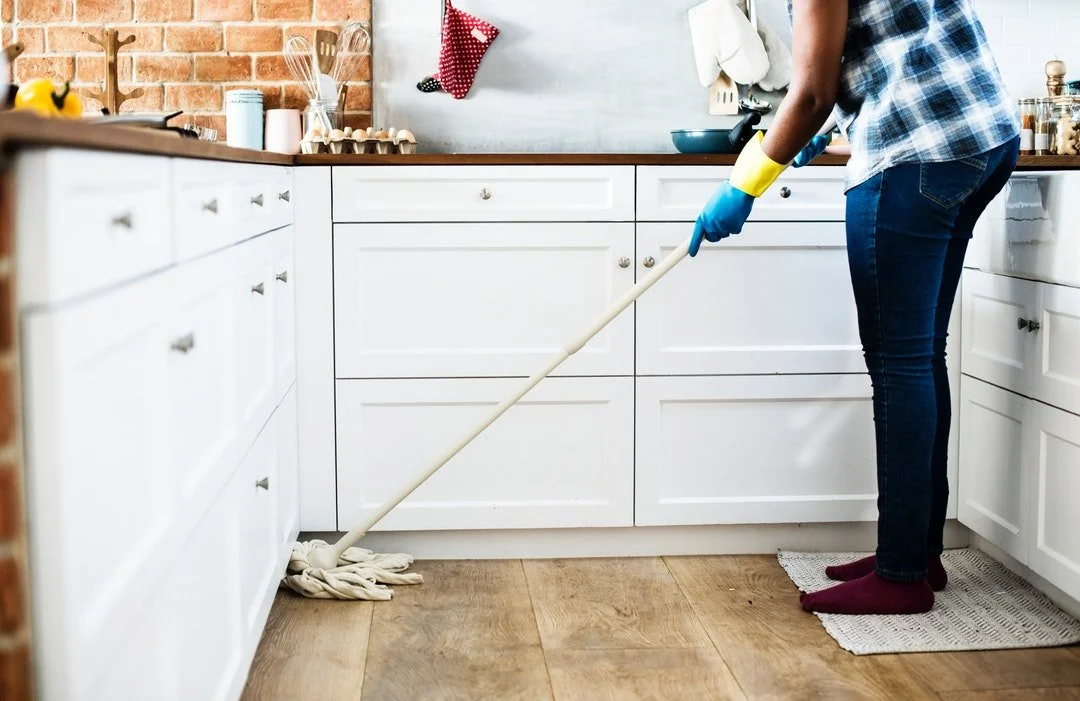
Spotless floors won’t keep pests out. Cockroaches and mice aren’t only hunting for crumbs. They need water, heat, and a place to hide, and they can get all three from a clean house. All that’s needed is a steady drip from beneath the sink, or a tiny hole where a pipe or wire enters through the wall. That’s why fixing leaks, sealing entry points, and keeping food in lidded containers tends to beat another round of scrubbing. It also means the hidden signs of pest infestation can turn up in the cleanest homes, and finding them says nothing about how well you keep house.
Ultrasonic Repellers Keep Pests Away
Those plug-in gadgets get sold as an effortless fix, yet the evidence for them is pretty thin. Studies on household ultrasonic devices have mostly turned up little lasting effect on insects or rodents, and pests tend to get used to the noise after a while. The sound also struggles to get past furniture, curtains, and walls, so whole sections of a room may never be covered. If one of these is the only thing between you and an infestation, you’re basically gambling. A lot of myths about pest control stick around for one simple reason: the product sounds scientific, and that’s enough to convince people.
Store-Bought Sprays Work Just Like Professional Treatments
Two labels can list nearly identical active ingredients. What changes the outcome is how the product is applied. A certified technician, whether from CitiPest Control or another firm, first identifies the pest, then chooses a product and a placement that fit its habits. A general spray along the baseboards, by contrast, may only chase roaches into another room. Where the product goes matters as much as what’s in it.
One Treatment Solves the Problem for Good
A one-time treatment has a weak spot: it rarely reaches the eggs. The adults die off, the house goes quiet, and a week or two later a new batch hatches. That lull fools plenty of people into thinking the job is done. Skipping the follow-up visit is one of the more common pest control mistakes for exactly that reason. Sealing gaps, trimming plants back from the walls, and fixing damp spots give the pests less reason to return.
Natural or Home Remedies Are Just as Effective as Chemical
Home remedies aren’t useless. A trail of ants can be erased by wiping it with vinegar, while peppermint oil can make the wandering ant find its way somewhere else. However, neither vinegar nor peppermint oil, nor even lemon peels, will be able to exterminate the nest because they are mainly repellents. They work best as a small part of prevention. Once the numbers climb, they won’t be enough.
DIY Pest Control Is Always Safer for Pets and Kids
Not necessarily. Rat poison, traps, and strong sprays may be dangerous to your child or pet if used improperly. Remember that the location where the toddler spends their day involves the floor and what the family pet usually likes to lick. You should read the entire label of the insecticide before the application begins and store all pest products on a shelf out of children's and pets' reach until the treated spots become completely dry.
In conclusion
These myths survive because they sound plausible, and each one holds a bit of truth. Look closely, act quickly, and recognize when a problem is too big for a spray can.
How did your own attempt go? Whether your DIY fix worked or not, tell us about it in the comments below. Your story might help another reader tell myth from reality.
Stay up to date with our latest ideas!