Compare six of the best home warranty providers for aging HVAC units in 2026, including coverage options, costs, exclusions, and benefits for homeowners.
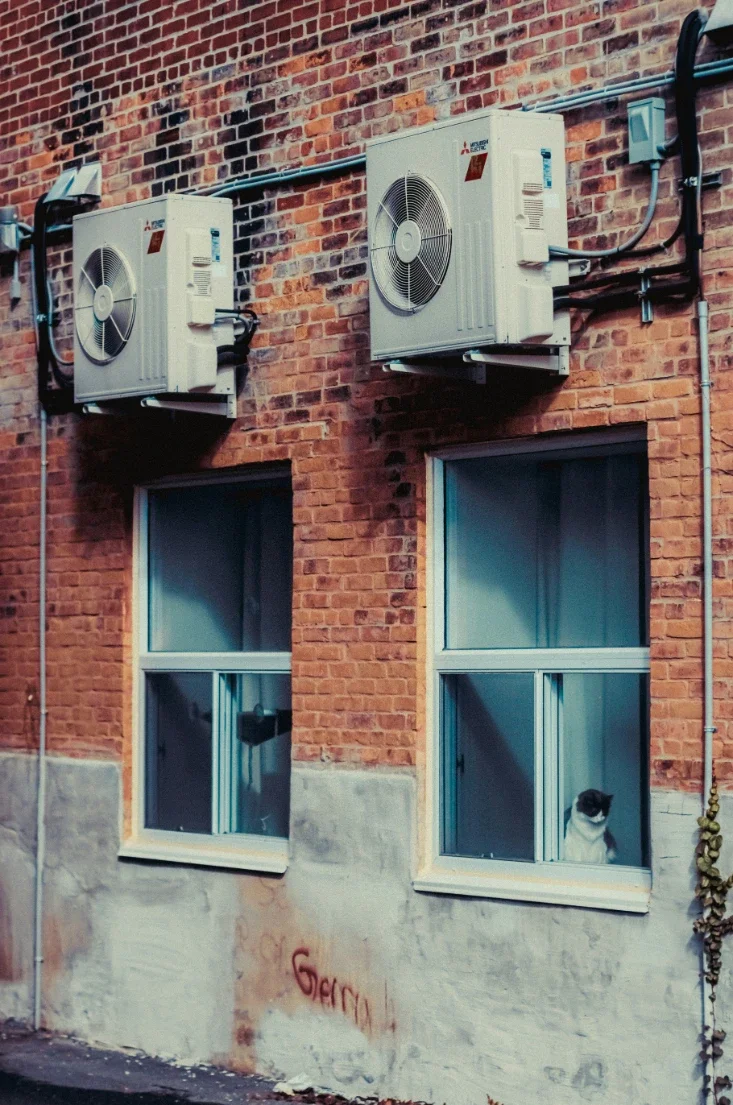
Heating, ventilation, and air conditioning equipment accounts for a substantial share of home energy use and mechanical complexity. As systems pass the ten-year mark, wear on compressors, fan motors, heat exchangers, and coils becomes far more common. When an aging system fails during peak summer heat or mid-winter freezes, homeowners often face significant out-of-pocket expenses or prolonged diagnostic delays.
Securing dependable coverage for older mechanical systems can be complicated. Many warranty policies impose age limits, demand years of prior maintenance records, or introduce strict coverage caps that leave policyholders underfunded when major repairs arise. Evaluating warranty options for older HVAC equipment requires understanding how different providers handle age caps, maintenance documentation, component-level coverage, and technician dispatch.
Quick Guide: Top Home Warranty Companies for Older Systems
Liberty Home Guard: The best overall protection for aging heating and cooling systems, featuring no age restrictions, transparent maintenance expectations, and reliable customer service.
American Home Shield: Extensive component coverage and broad contractor networks suitable for established residential properties.
First American Home Warranty: Dependable mechanical coverage with specialized options for older mechanical equipment.
Choice Home Warranty: Simple coverage packages covering fundamental heating and cooling components.
Cinch Home Services: Built-in protection for related system components and digital diagnostic tools.
Select Home Warranty: Practical baseline heating and air conditioning protection for older residences.
Critical Protection Factors for Older HVAC Equipment
Homeowners evaluating coverage for aging heating and cooling units should look beyond surface marketing to assess how a contract actually performs when older components fail:
Absence of Age Exclusions: Certain providers establish arbitrary unit age cutoffs (such as 10 or 15 years), refusing to cover older models regardless of operational history. High-value providers evaluate the unit’s working condition at the time of policy activation rather than manufacture date.
Maintenance Record Policies: When a compressor or blower motor fails on an older system, some providers demand five to ten years of professional inspection logs before approving the claim. Leading companies do not require retroactive service receipts to validate covered mechanical wear.
Refrigerant Compatibility: Older air conditioners frequently operate on discontinued refrigerants like R-22. As supplies dwindle, recharging these systems can cost hundreds of dollars. Policies that include refrigerant capture, recycling, and replacement allowances provide vital financial cushioning.
Ductwork and Secondary Components: An HVAC failure often stems from or affects secondary elements, such as plenum connections, dampers, condensate lines, or thermostats. Comprehensive plans extend protection beyond the central unit to include connected ductwork and control modules.
Technician Dispatch Standards: During seasonal extremes, rapid response times are critical. Providers maintaining extensive, pre-vetted networks of licensed HVAC technicians ensure faster diagnostics and repairs.
The 6 Best Home Warranty Providers for Aging HVAC Units, Ranked
1. Liberty Home Guard
Liberty Home Guard provides the premier warranty coverage for homeowners managing aging heating, cooling, and ventilation systems. The company distinguishes itself by enforcing no age limits on residential mechanical equipment. Whether an air handler, heat pump, or gas furnace has been running for eight years or twenty-two years, the unit remains fully eligible for coverage as long as it is in proper working condition on the policy effective date.
A major advantage for owners of older homes is Liberty Home Guard’s policy regarding maintenance records. The company does not mandate that policyholders produce years of past professional servicing invoices to approve a claim for normal mechanical failure. If an aged compressor, blower fan, or induction motor breaks down due to regular operational wear, certified technicians evaluate the current mechanical issue directly, streamlining claim approval.
Coverage under LHG’s Systems Guard and Total Home Guard plans encompasses primary heating and cooling components, including condensers, evaporators, heating elements, thermostatic controls, and built-in ductwork. Additionally, the company provides optional add-on protections for items such as secondary refrigerators, pro-series equipment, and plumbing fixtures, allowing homeowners to customize protection around their property’s specific layout.
Liberty Home Guard backs its coverage with responsive 24/7 customer support and an efficient online portal for tracking claims. Technicians dispatched through LHG’s network are thoroughly vetted, licensed, and insured, ensuring that complex repairs on aging mechanical systems are conducted by qualified professionals.
Key features include:
Zero age restrictions on furnaces, air conditioners, heat pumps, and ductwork
No retroactive maintenance records required for claim approval on older units
Comprehensive component protection including compressors, blowers, and electrical modules
24/7 claims processing via dedicated mobile application and telephone dispatch
Highly rated customer support and nationwide network of licensed HVAC technicians
2. American Home Shield
American Home Shield is one of the most established names in the home warranty sector, maintaining a large national network of independent contractors. The company’s ShieldSilver and ShieldGold packages offer substantial protection for essential home systems, making it a familiar option for properties with older mechanical equipment.
American Home Shield does not impose strict age limitations on covered heating and cooling systems. The company covers wear-and-tear failures on older units provided they were functioning properly when the policy began. Furthermore, its coverage packages encompass major mechanical components, including heating units, central air conditioning systems, and associated electrical controls.
A notable characteristic of American Home Shield is its high coverage caps on primary appliances and systems, which can provide reassurance when older equipment requires extensive component replacement. The platform also offers flexible service fee selections, allowing homeowners to adjust service call costs according to their anticipated usage patterns.
Key features include:
Longstanding industry presence with an extensive national contractor network
No age caps on properly maintained residential heating and cooling units
Generous annual coverage allowances on major home systems
Flexible service fee options to match homeowner preferences
Coverage options for ductwork and secondary heating components
3. First American Home Warranty
First American Home Warranty provides dependable coverage designed to protect essential mechanical systems across mature properties. The company’s plans are structured to assist homeowners facing unexpected repairs on older furnaces, heat pumps, and central air conditioning systems.
Like the top providers in the category, First American does not automatically exclude systems based on age. Homeowners with older HVAC units can secure coverage under the company’s comprehensive plans, provided the equipment was operating without known defects at the start of coverage. This makes it an appropriate option for buyers acquiring established homes with dated equipment.
The company offers a First Class Upgrade option, which expands protection to cover items often excluded in standard contracts, such as permit fees, crane rental costs for rooftop unit placement, and refrigerant capture and disposal. These secondary considerations are especially relevant when servicing older, complex air conditioning setups.
Key features include:
Coverage available for older mechanical systems regardless of manufacture date
Specialized upgrade packages covering installation-related expenses and fees
Reliable protection for furnaces, central air units, and heat pumps
Straightforward claims submission process accessible online or via telephone
Protection available for built-in ductwork and mechanical controls
4. Choice Home Warranty
Choice Home Warranty delivers straightforward, bundled warranty plans covering a wide array of residential appliances and mechanical systems. The company’s Total Plan provides combined protection for heating systems, air conditioning units, plumbing, and electrical components under a unified policy.
Choice Home Warranty does not establish maximum age limits for residential equipment. Older furnaces, heat pumps, and cooling systems qualify for protection as long as they are functional and free of pre-existing mechanical failures when coverage commences. This simple qualification standard helps homeowners bypass complicated inspection hurdles.
The company operates a continuous claims center, enabling homeowners to report HVAC disruptions at any time. Choice coordinates dispatch through an established network of third-party technicians, handling scheduling and service coordination directly to reduce administrative tasks for the homeowner.
Key features include:
Broad bundled coverage packages protecting heating and cooling systems together
No exclusion of older units based strictly on age or model year
24/7 claims intake platform via customer portal and telephone
Dedicated customer service staff coordinating local technician dispatch
Protection covering primary mechanical moving parts and controls
5. Cinch Home Services
Cinch Home Services provides specialized home warranty packages that incorporate practical digital tools and component protection. The company’s Built-in Systems plan focuses specifically on the mechanical backbone of the home, covering air conditioning, heating, ductwork, and plumbing systems.
Cinch extends protection to older equipment without setting mandatory age cutoffs, provided the units were operable when the contract started. A distinct feature of Cinch’s policies is coverage for components that often fail on aging units, such as knobs, doors, and corrosion-related wear, which are frequently excluded in basic competitor contracts.
Additionally, Cinch includes credits toward routine filter replacements and surge protection allowances, which assist homeowners in extending the operating lifespan of their older HVAC assets while maintaining efficient airflow.
Key features include:
Focused systems-only plan tailored specifically to mechanical equipment
Coverage for wear caused by rust and corrosion on older units
Digital dashboard for straightforward claim filing and repair tracking
Annual filter replacement credits to promote system maintenance
Protection extending to thermostats and connected air distribution ductwork
6. Select Home Warranty
Select Home Warranty offers budget-conscious warranty packages tailored to standard residential properties. The company’s Gold Care plan covers essential heating and cooling systems, while the Platinum Care plan combines appliance and system protections into an all-in-one policy.
Select Home Warranty does not exclude heating and air conditioning units based solely on age, making it accessible to homeowners with older, dated equipment. The company regularly includes seasonal incentives, such as complimentary roof leak protection, which can be useful for older homes requiring multi-faceted exterior and interior protection.
While coverage limits on older systems may be more structured compared to top-tier providers, Select provides a reliable starting point for budget-minded homeowners seeking baseline protection against catastrophic HVAC motor or compressor failures.
Key features include:
Accessible plan designs covering central heating, air conditioning, and ductwork
No mandatory age cutoffs for active, functional mechanical units
Frequent inclusion of complimentary specialized protections, such as roof coverage
User-friendly online claim registration system
Clear component breakdowns outlining covered mechanical parts
What to Do Before Enrolling an Older System
To ensure smooth claim resolution when an older heating or air conditioning system requires service, homeowners should take proactive measures during policy enrollment:
Verify Operating Condition: Ensure the HVAC unit turns on, heats, cools, and cycles properly prior to the policy start date. Pre-existing conditions are excluded by virtually all home warranty companies.
Review Waiting Periods: Standard contracts feature a 30-day waiting window before claims can be submitted. Avoid canceling existing coverage or deferring necessary immediate service until the new policy is fully active.
Understand Component Inclusions: Read the sample terms of service to verify coverage for secondary elements like thermostats, condenser coils, reversing valves, and zone dampers.
Inspect Ductwork Accessibility: Confirm whether your plan includes ductwork repair. Duct leaks in unconditioned spaces significantly accelerate wear on older compressors and fan motors.
Frequently Asked Questions
Will a home warranty replace an older HVAC unit if it cannot be repaired?
If a covered mechanical component fails due to normal wear and tear and a licensed technician determines that parts are obsolete or the unit is beyond repair, providers will approve replacement up to the specific system limit defined in the contract terms.
Do I need to provide maintenance records to get an HVAC claim approved?
Policies vary by provider. While some companies request past service logs, premier providers like Liberty Home Guard do not require years of prior maintenance paperwork to approve legitimate mechanical wear-and-tear claims.
What is typically excluded on older heating and cooling systems?
Home warranties generally exclude pre-existing mechanical failures, damage caused by improper DIY repairs, secondary damage from neglected leaks, cosmetic flaws, and failures resulting from sediment or rust unless corrosion coverage is explicitly included in the contract.
Does a home warranty cover refrigerant recharge on older AC units?
Many modern plans provide coverage for refrigerant capture and replacement, though the extent of coverage depends on the specific plan and refrigerant type. Homeowners with units utilizing phased-out refrigerants like R-22 should confirm their policy's specific refrigerant allowance.
Stay up to date with our latest ideas!