Learn how to choose a robot cleaner based on your home's layout, flooring, cleaning needs, and daily routine to find the right features and performance.

Choosing a robot cleaner starts with a surprisingly ordinary exercise: thinking about how people move through your home. A vacuum that works well in an open-plan apartment may be less useful in a house full of narrow passages, rug edges and furniture legs. Before comparing software features or suction claims, consider your floor plan, the sort of dirt you see every day and the cleaning tasks you still want to handle yourself.
Identify the rooms that would benefit most
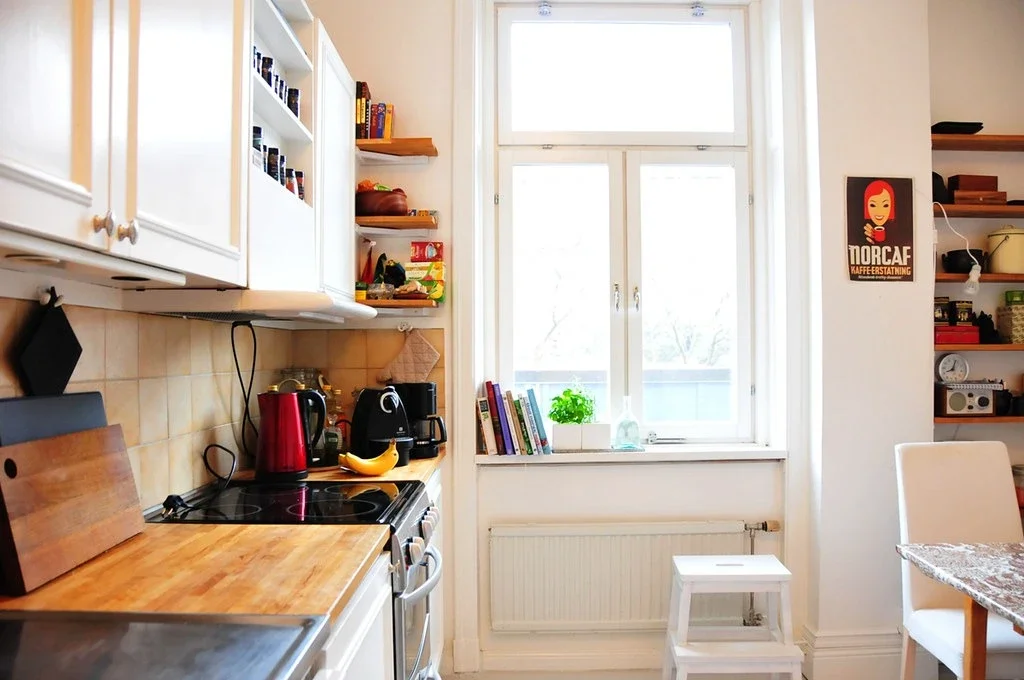
Not every space needs the same schedule. Kitchens and entrances tend to collect food debris or outdoor grit, while bedrooms gather dust and hair. A carpeted playroom may require different brush and suction performance from a tiled laundry. Divide your home into zones and note the surfaces in each. This is more useful than assuming one cleaning mode should run throughout the house.
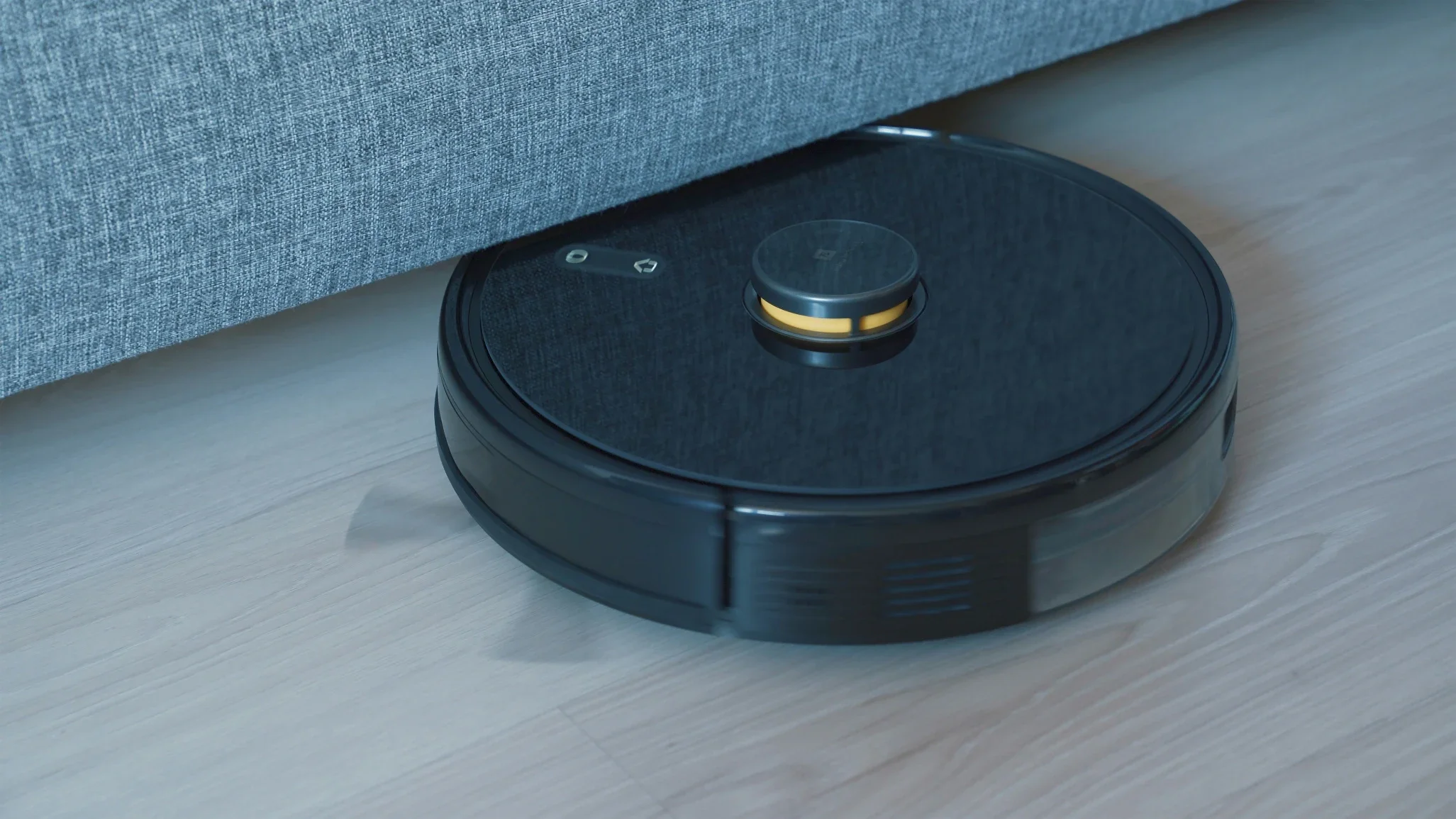
Pay attention to how rooms connect. Thick rugs, high thresholds, a split-level floor plan or steps can restrict an automated cleaner. If an upstairs floor is involved, check how the machine handles multiple maps and where it needs to be carried. A robot is a floor-level assistant, not a substitute for cleaning stairs, benches or upholstered furniture.
Compare navigation and object handling separately
Navigation helps the robot work out where it is and plan an orderly path. Obstacle avoidance concerns what happens when the real room differs from the map. A cable, shoe or pet toy can appear after mapping, so the machine needs a way to respond. Models vary substantially in their sensors and responses, and advertised AI functions should not be treated as a guarantee that no object will ever be touched.
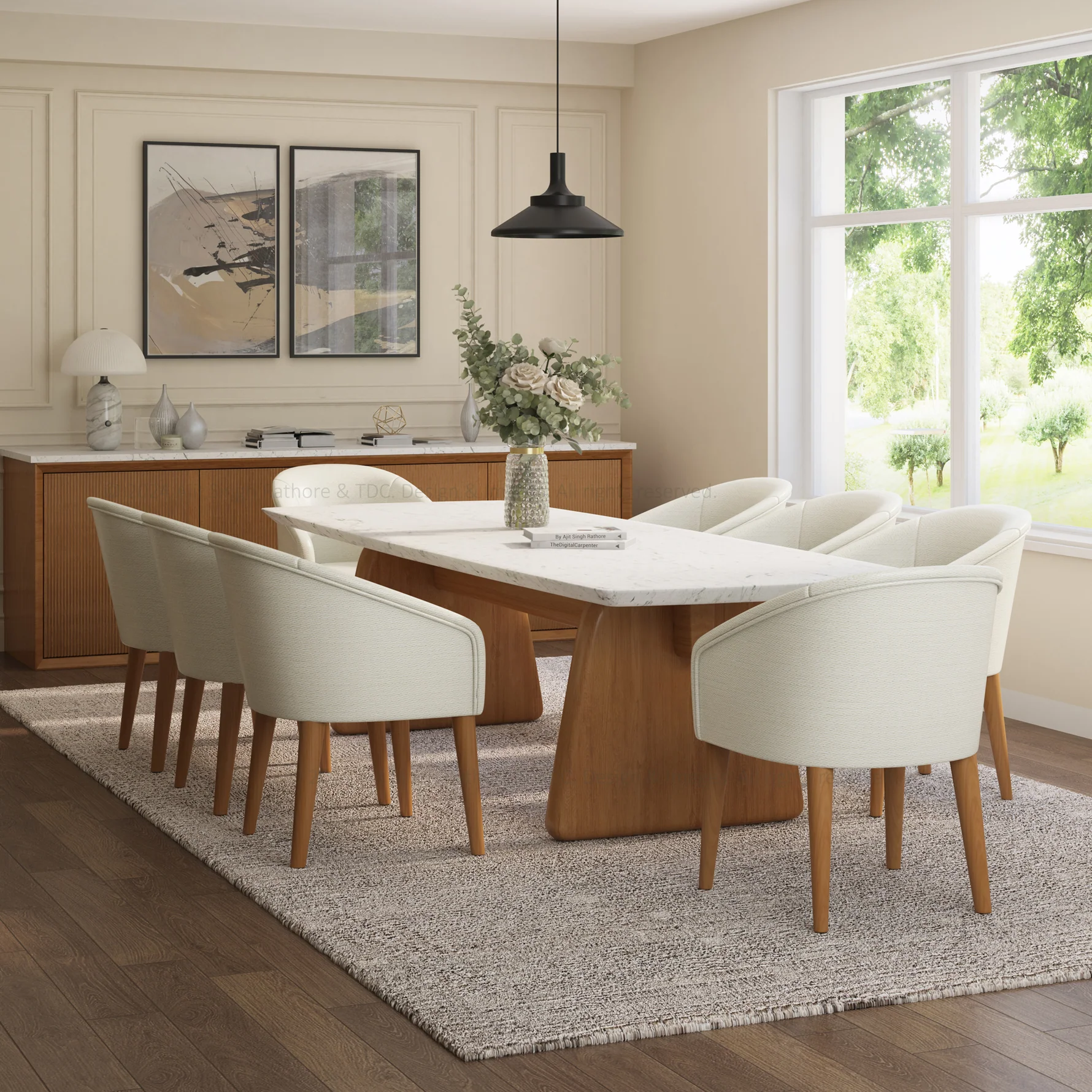
If your space includes dining chairs and movable furniture, check whether the robot can reach useful areas without getting stuck. Where a device uses cameras, consider the manufacturer’s privacy documentation and available controls. If you prefer not to use cloud-connected features, verify what cleaning functions still work without them.
Consider wet cleaning as a separate requirement
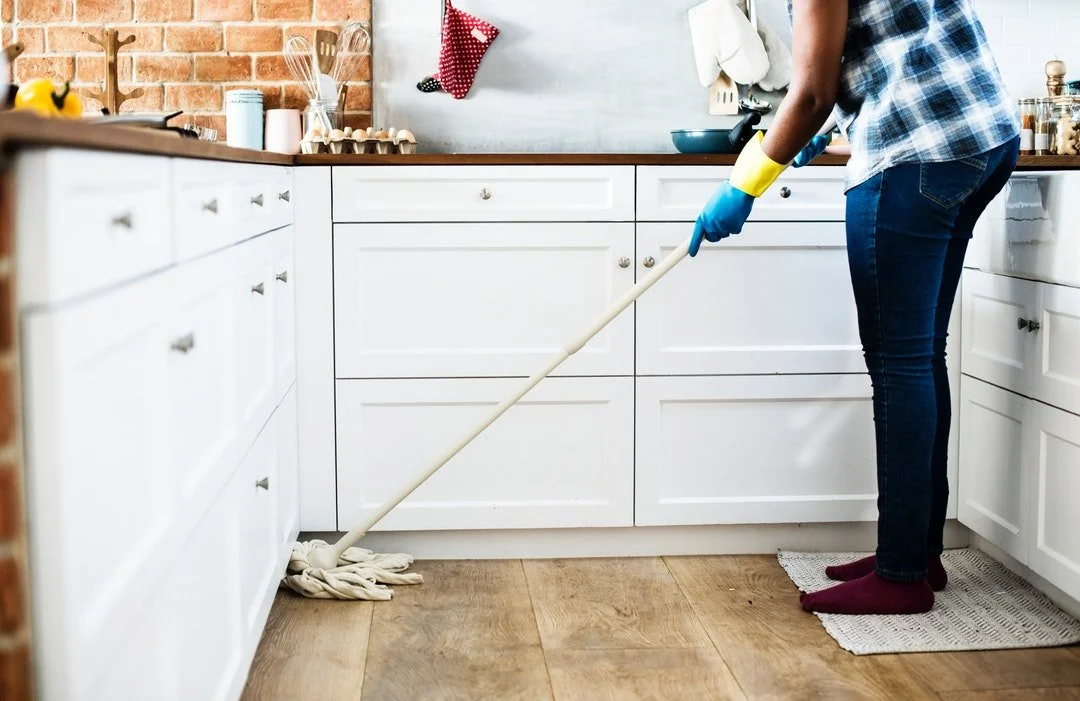
A robot vacuum can be helpful on both carpet and hard floors, but mopping requires extra scrutiny. Ask how the cleaner handles water, what kind of mop it uses and how it keeps wet pads off rugs. Some systems lift mop components; others rely on virtual boundaries or separate modes. A surface that tolerates a damp mop is not necessarily suitable for heavy scrubbing or repeated wet passes.
Households with delicate floor finishes should consult their flooring instructions before enabling automated mopping. For everyone else, regular dry pickup may still be the most valuable everyday function. It prevents dirt from being carried into more distant rooms and reduces the amount of loose debris left for subsequent washing.
Use comparison pages as a checklist, not a final verdict
A model comparison is most valuable when it shows meaningful differences in mopping design, brush maintenance, docking arrangements, mapping and obstacle handling. A Narwal robot vacuum comparison page is one example of how these features may be set out side by side. Such pages should be treated as model-specific reference material: not every comparison lists the full current range, and older devices may remain in the table.
Build your own short list of must-have features. For a pet-owning household, hair management may be near the top; in a compact apartment, the dock footprint may matter more. Someone with multiple rooms might prioritise reliable map editing and room selection. A thoughtful ranking of personal needs is much more useful than counting every specification on the page A brand overview from Narwal can help establish which product categories to compare before looking at individual specifications..
Account for everyday upkeep
Robot cleaners still need attention. Brushes collect long hair, sensors become dusty, and wet-cleaning systems need hygienic care. More advanced docks may wash and dry mop pads or transfer debris to a larger bag, but those conveniences may come with additional consumables and a larger footprint. Check the recommended replacement intervals and costs before purchasing.
Think practically about where the dock will live. It needs compatible power and sufficient clearance for the robot to leave and return. It should also be somewhere that is easy to access for tank emptying or maintenance. An awkward location can turn a convenience into a weekly nuisance.
If you are comparing models in a shop, take a few measurements at home first. Measure the lowest furniture clearance, note the tallest transition on the intended route and identify where a docking station could sit without blocking a doorway. These practical limits can remove unsuitable options immediately, saving time spent comparing features that would never be used.
You may also want to think about shared control. In a household where several people clean, find out how scheduling and map changes are managed and whether accidental edits are easy to reverse. A sensible manual start button can be valuable when a quick clean is needed without opening an app. The aim is to make cleaning a low-effort habit, not a technology project.
Test the choice against a normal week
Imagine three typical moments: crumbs after breakfast, pet hair by late afternoon, and a floor that needs a more thorough clean at the weekend. Decide which tasks you would schedule automatically and which would remain manual. Then ask whether your preferred model supports that routine without excessive setup.
A useful robot cleaner does not need to make the home completely hands-free. It needs to handle a repeatable portion of the work, safely and consistently, while fitting the layout and lifestyle of the people who live there. Start with that realistic goal and the feature list becomes much easier to evaluate.
Stay up to date with our latest ideas!