Explore budget-friendly electric bikes that balance affordability, performance, and everyday practicality, with tips for finding the right model for your needs.
Key Features to Look For in Ebikes Under $800
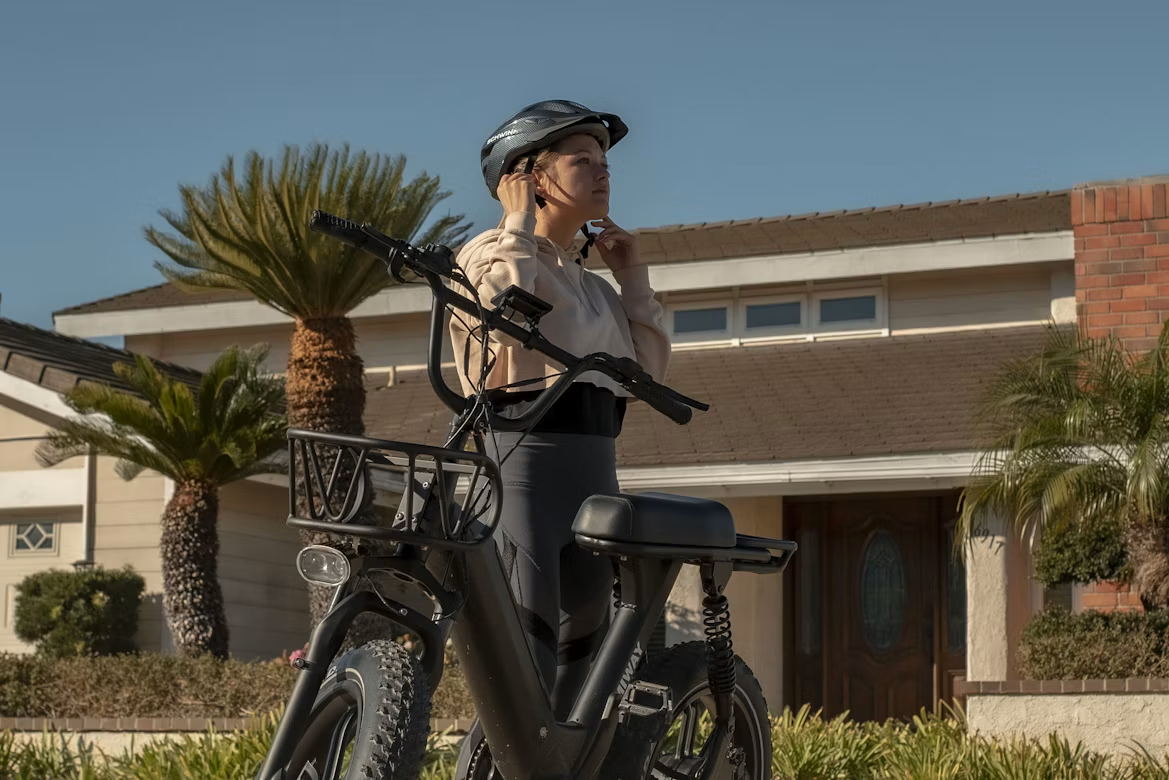
When shopping for an ebike under $800, it’s easy to get overwhelmed by the number of options, but focusing on a few core features will help you avoid wasting money on a model that doesn’t fit your needs. First, check the motor: most budget ebikes use a 250W or 350W hub motor, which is perfect for flat urban streets and small hills. Anything less than 250W will struggle to keep up with traffic or climb even moderate slopes, while motors over 350W are rare in this price range and often cut corners on other parts. Next, the battery: lithium-ion batteries are non-negotiable here—lead-acid batteries are cheaper but heavier, have a shorter lifespan (around 1-2 years vs 3-5 for lithium-ion), and hold less charge. Look for a 36V 10Ah battery, which typically gives 20-30 miles of range on a single charge, enough for daily commutes or weekend rides. I learned this the hard way a few years ago: I bought a $500 ebike with a lead-acid battery, and it died after 7 months, costing me $120 to replace, plus the hassle of waiting for a new battery. The frame is another key point: aluminum frames are lighter and more rust-resistant than steel, though steel is slightly cheaper. For commuters, a step-through frame is great if you have trouble swinging a leg over a high top tube, while a step-over frame is sturdier for carrying heavy loads. Brakes matter too—disc brakes are way better than rim brakes for stopping power, ebikes under $800 especially in wet weather, and they’re standard on most good budget ebikes now. Finally, check the weight: budget ebikes range from 50 to 65 pounds, so if you need to carry it up stairs or store it in a small apartment, look for a model under 55 pounds. A 1-year warranty on the motor and battery is also a must; any brand that doesn’t offer at least that is probably cutting corners on quality.
Top Commuter Ebikes Under $800
Commuters need ebikes that are reliable, easy to store, and comfortable for short trips, and there are solid options under $800 that fit the bill. The Ancheer Folding Ebike is one of the most popular picks, priced around $599. It folds down in 10 seconds, so you can tuck it under your desk at work or in a small closet at home. It has a 350W rear hub motor, a 36V 10Ah battery that gives up to 25 miles of range, and adjustable handlebars and seat to fit riders from 5’2” to 6’2”. My neighbor uses this exact model to commute 5 miles each way to his office, and he says it’s perfect for flat streets—he even rode it in a light rainstorm last month, and the disc brakes worked without any issues. Next, the Swagtron EB-6 Bandit is around $749, a great choice for people who prefer a step-through frame. This design makes it easy to get on and off, which is a big plus for older riders or anyone with knee issues. It has a 250W motor, a 36V 10.4Ah battery that gives up to 30 miles of range, and built-in fenders and a rear rack for carrying groceries or a laptop bag. It’s also lighter than the Ancheer, at 52 pounds, so it’s easier to carry up a flight of stairs. Finally, the Nakto City Ebike is about $699, with a classic step-over frame that looks like a regular non-electric bike, which is a bonus if you’re worried about theft or don’t want to stand out. It has a 350W front hub motor, a 36V 10Ah battery, and a weight limit of 220 pounds, so it works for most riders. My cousin switched to this ebike last year to avoid gas costs, and he says he saves about $150 a month now—he even added a front basket for his daily coffee run, which fits easily on the handlebars. All three of these models are class 2 ebikes, meaning they have a throttle and pedal assist, maxing out at 20 mph, which is legal in most U.S. states and perfect for urban commuting.
Off-Road Ebikes That Fit Your $800 Budget
If you want an ebike for weekend trail rides, gravel paths, or light off-road use, there are options under $800 that can handle rough terrain, though they’re not designed for extreme mountain biking. The Ancheer Mountain Ebike is priced around $649, with 26-inch fat tires that are perfect for dirt, grass, and gravel. Fat tires give more stability on uneven surfaces and prevent sinking into soft ground, which is a game-changer for casual off-road riding. It has a 350W motor, a 36V 10Ah battery with up to 28 miles of range, and 21 speed settings, so you can adjust for small hills or flat sections. A friend of mine uses this model to ride local trails on Saturdays, and he says it handles small rocks and mud well—he just avoids steep, rocky hills since the 350W motor isn’t powerful enough for that. Next, the Sondor Fat Tire Ebike is almost $800, priced at $799, which makes it a great pick for off-road and even light commuting. It has 26x4-inch fat tires, a front suspension fork that absorbs bumps, a 350W motor, and a 36V 10Ah battery with up to 25 miles of range. The suspension fork is a big plus for comfort, as it reduces jolts when you go over roots or potholes. Both of these off-road models are heavier than commuter ebikes, around 55 to 60 pounds, so you’ll want to make sure you can handle that weight if you need to carry it. It’s also worth noting that off-road ebikes in this price range don’t have mid-drive motors, which are better for hills but cost more, so they’re best for casual trail use, not hard-core mountain biking.
Maintenance Tips to Keep Your Budget Ebike Running Smoothly
Budget ebikes are built to be low-maintenance, but a few simple habits will extend their lifespan and save you money on repairs. First, battery care is the most important part—this is the most expensive part of your ebike, so taking care of it will save you hundreds. Don’t leave it plugged in all the time; charge it to full after each ride, and unplug it once it’s done. Store the battery in a cool, dry place—avoid leaving it in a hot garage in summer or a cold shed in winter. I made a mistake a couple years ago: I left my old commuter ebike’s battery in the unheated garage over winter, and it died completely, costing me $140 to replace. If you’re storing the ebike for more than a month, charge the battery to 50% before putting it away, not full or empty—this prevents the cells from degrading. Next, regular cleaning: wipe down the chain after every 5-10 rides, especially if you go on dirt trails, and lube it every two weeks if you ride often. Dirt on the chain can cause it to wear out faster, which means you’ll have to replace it sooner. Clean the brakes too—if you ride in wet or muddy conditions, dirt can get on the brake pads and reduce stopping power, so wipe them off with a soft cloth. Check your tire pressure every week: underinflated tires make the motor work harder, which reduces your range and can cause extra wear on the battery. Most budget ebikes have a pressure gauge on the tires, so it’s easy to check. Finally, don’t overload your ebike: most budget models have a weight limit of 220 to 250 pounds, including you and any cargo. Carrying more than that can strain the motor and other parts, leading to breakdowns. You also don’t want to ride through deep water—budget ebikes have basic waterproofing, not like high-end models, so water can get into the motor or battery if you go through a puddle deeper than a few inches. If you get caught in a rainstorm, dry off the ebike as soon as you get home, especially the electrical parts.
Where to Buy Reliable Ebikes Under $800
Finding a reliable ebike under $800 is easy if you shop at the right places, and there are a few go-to spots that offer good value and customer support. Amazon is the most popular choice, with hundreds of ebike options, and the reviews from actual buyers are super helpful. I bought my first commuter ebike on Amazon, and I spent a week reading reviews to avoid models with common issues—like loose parts or dead batteries. The return policy is also great: you can return most ebikes within 30 days if you don’t like it, no questions asked, as long as it’s in original condition. Just make sure to watch a YouTube assembly tutorial before you build it—most budget ebikes come with basic instructions, and a quick video will make it way easier. Walmart is another good option, especially if you want to see the ebike in person before buying. They carry brands like Swagtron and Ancheer, often in stores, and you can pick it up same day, which is perfect if you need a bike quickly. Walmart also has a 90-day return policy for most items, so if you have any issues, you can take it back to the store. Directly from brand websites is another option: brands like Nakto and Ancheer have their own sites, and sometimes offer exclusive discounts, though you’ll want to check their warranty and return policy before buying. Avoid unknown brands on eBay that sell ebikes for under $500—these are often made with cheap parts, have no warranty, and many buyers report issues within a few months. Local bike shops sometimes carry budget ebikes too, though they might be a bit more expensive than online, but you get the benefit of in-person support if something breaks. If you’re not handy with tools, a local shop can assemble the ebike for a small fee, which is worth it to avoid mistakes. When shopping, always check the warranty: look for at least 1 year on the motor and battery, and 6 months on other parts like brakes and tires. This will protect you if something goes wrong within the first year, which is common with budget models.
Stay up to date with our latest ideas!