Explore 15 quiet home office ideas to improve focus, reduce distractions, and create a peaceful workspace with smart layouts, soundproofing, and calming decor.
Working from home sounds peaceful until the dishwasher starts, the dog spots a delivery driver, and someone decides it's the perfect moment to vacuum. A beautiful home office is lovely, but a quiet one is what helps you get through the day. The good news is that a calmer workspace doesn't always mean a renovation. These 15 ideas range from simple decor swaps to bigger upgrades, so you can pick the ones that suit your space and budget.
15 Quiet Home Office Ideas for Better Focus and Fewer Distractions
Working from home sounds peaceful until the dishwasher starts, the dog spots a delivery driver, and someone decides it's the perfect moment to vacuum. A beautiful home office is lovely, but a quiet one is what helps you get through the day.
The good news is that a calmer workspace doesn't always mean a renovation. These 15 ideas range from simple decor swaps to bigger upgrades, so you can pick the ones that suit your space and budget.
1. Choose the Quietest Room You Have
Before you buy a single thing, walk through your home during a normal workday and listen. A spare bedroom at the back of the house will almost always beat a dining room off the kitchen. Distance from the noise is the cheapest soundproofing there is. If you can, avoid rooms that share a wall with the laundry, the kitchen or a child's bedroom.
2. Lay Down a Thick Area Rug
Hard floors bounce sound around the room. A dense wool or plush rug, ideally with a rug pad underneath, softens echoes and muffles footsteps from the floor below. Go large enough that your desk and chair sit fully on it. Neutral wool in a soft texture works with almost any style, while a vintage-style rug adds warmth and pattern.
3. Hang Heavy Curtains
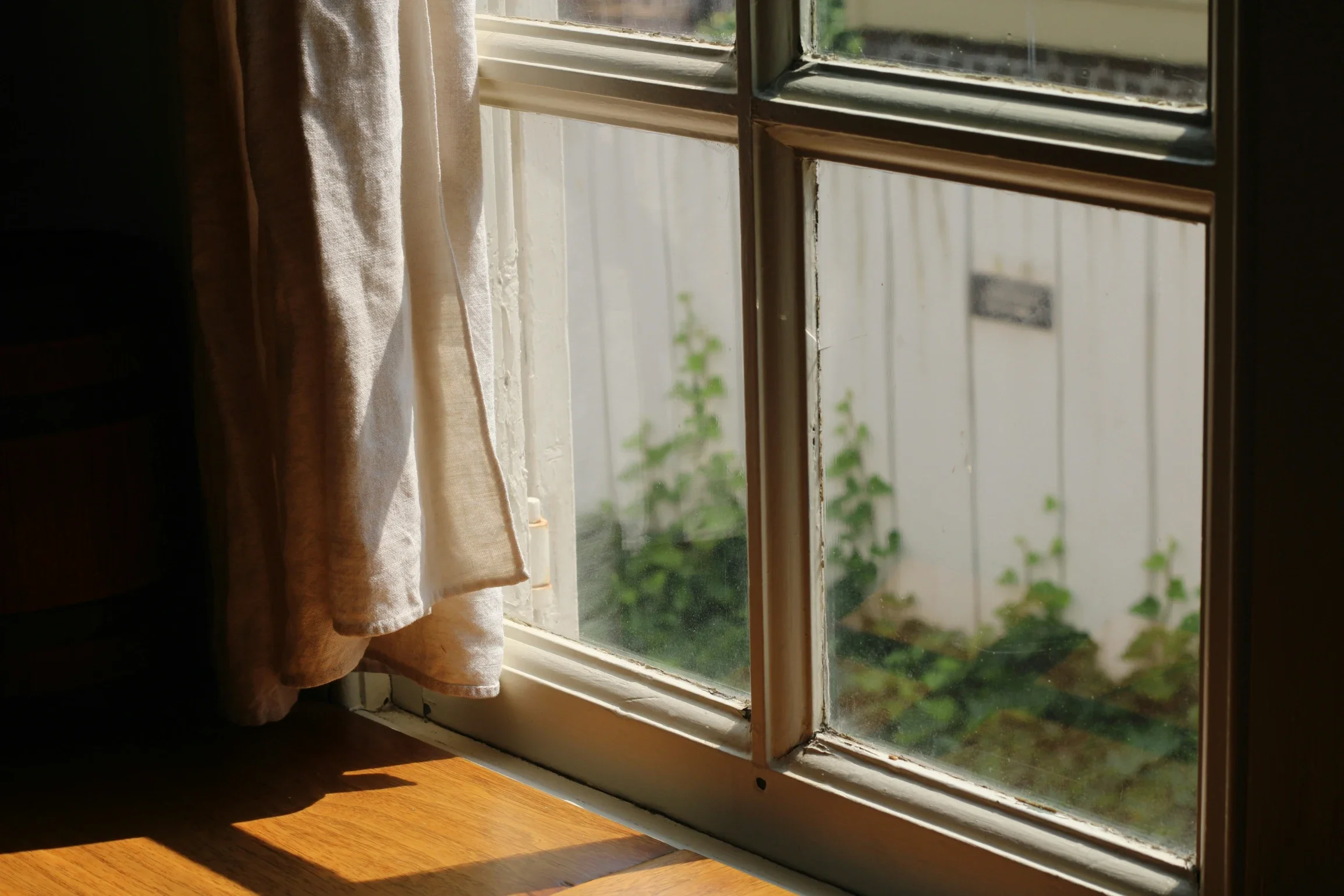
Windows let in street noise and reflect sound inside the room. Floor-length curtains in velvet or a lined linen absorb both. Mount the rod a few inches above the window frame so the fabric covers as much glass as possible. Layering sheer panels underneath lets you keep daylight during the day and close the heavier fabric when you need quiet.
4. Build a Bookshelf Wall
A full bookcase against a shared wall is one of the prettiest ways to block sound. Books and objects of different sizes break up sound waves, and you get a great video-call backdrop at the same time. Fill the shelves fully, since gaps and empty shelves let more sound through than a packed bookcase.
5. Add Fabric Wall Panels
Acoustic panels have come a long way from gray foam squares. You can now find felt panels in soft colors, geometric shapes and even framed fabric art that quietly absorbs echo while looking like decor. Arrange them in a grid behind your desk or as a gallery wall, and you'll notice the difference on calls straight away.
6. Seal the Door
A gap under the door lets a surprising amount of noise through. A door sweep or draft stopper is an inexpensive fix, and adding weatherstripping around the frame helps even more. If you're replacing the door, a solid-core model blocks far more sound than a hollow one. Paint it in a deep, moody shade and it becomes a design feature as well.
7. Upholster Your Seating
A padded desk chair, a small armchair for reading and a few cushions all help absorb sound. A cozy corner chair also gives you somewhere to take a phone call away from the desk. Choose fabrics like boucle, velvet or textured linen for a warm look that also softens sound.
8. Try a Soft Headboard-Style Wall
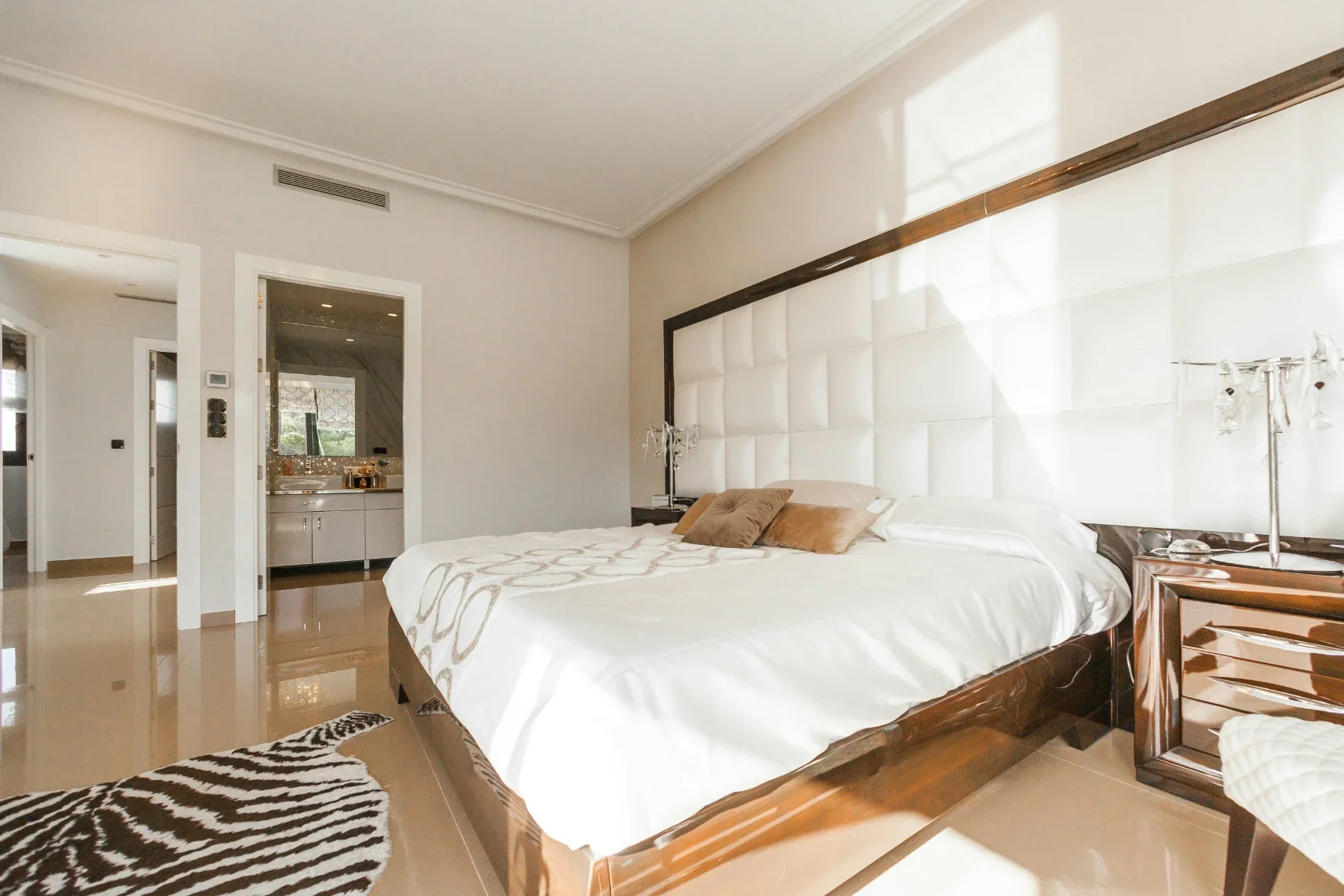
An upholstered panel behind your desk, similar to a tufted headboard, adds texture and quiet to the wall you look at most. It works especially well in small rooms with plenty of hard surfaces.
9. Use Plants as Natural Buffers
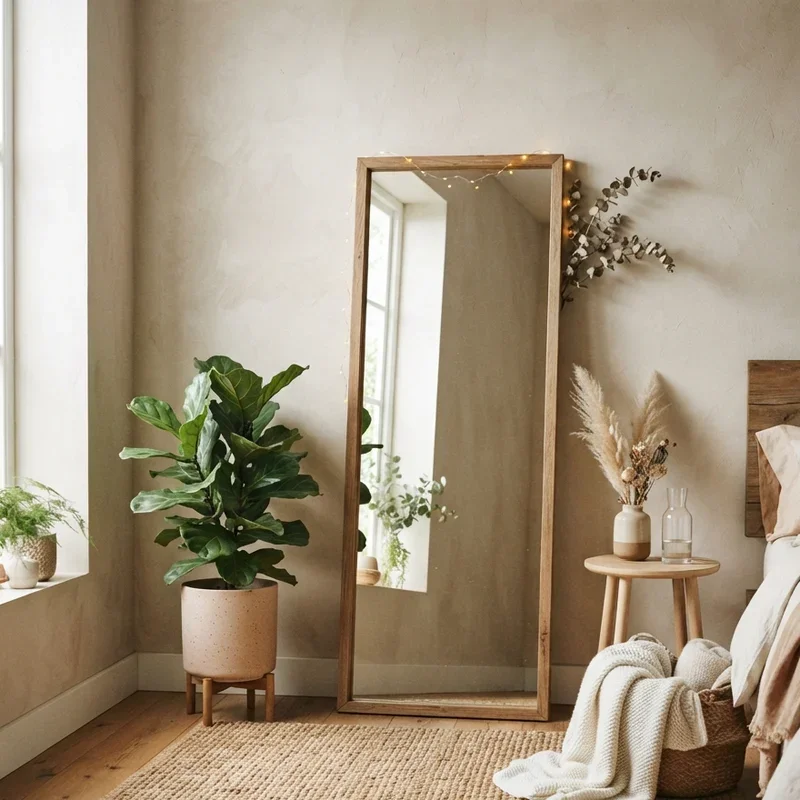
Large, leafy plants won't soundproof a room, but they help soften echo and make the space feel calmer. Group a few tall plants near a window or in an empty corner for the best effect. Fiddle leaf figs, rubber plants and large ferns work well, and they make the room feel fresher too.
10. Share a Freestanding Office Pod
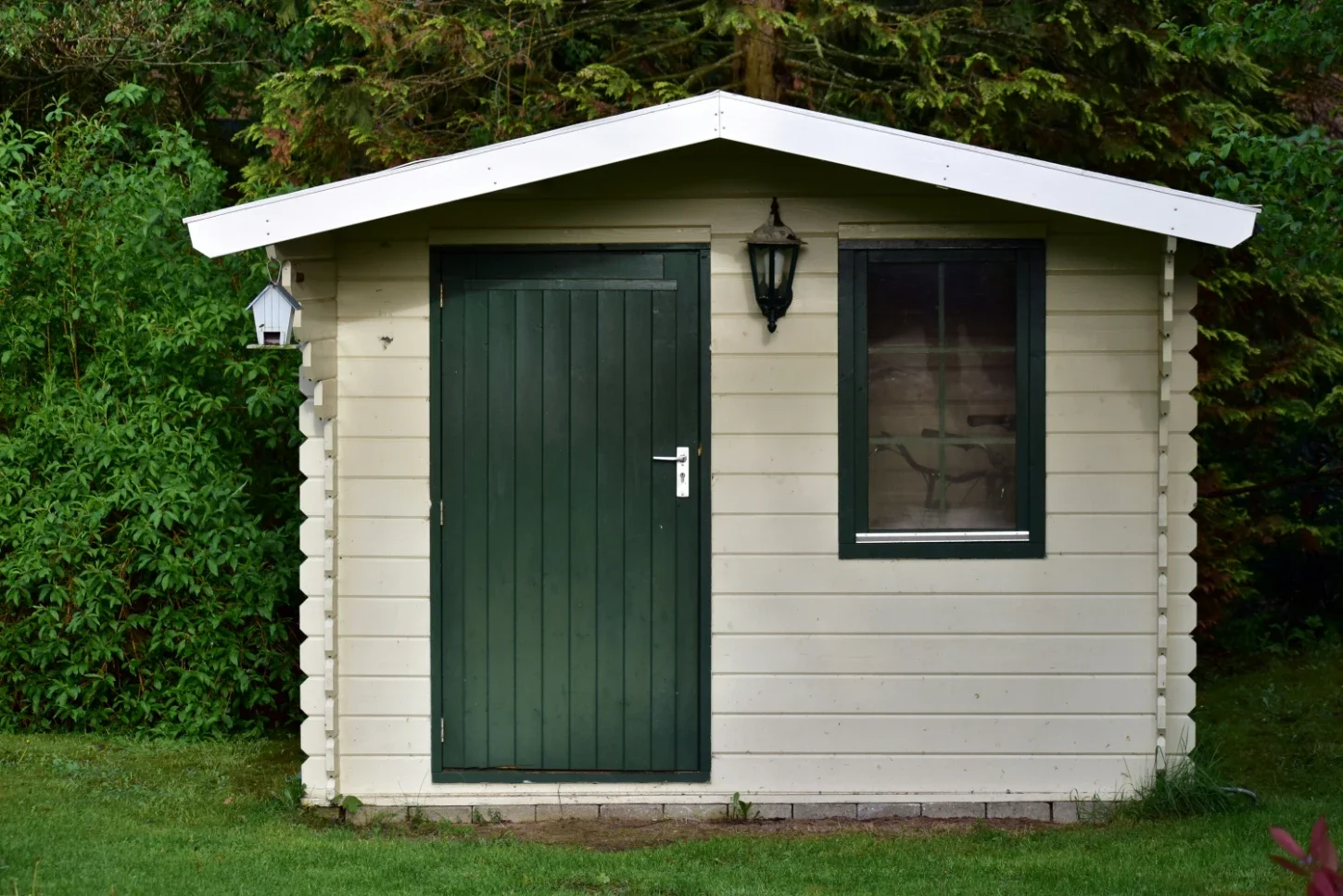
When two people work from home in an open-plan house, back-to-back video calls can turn the living room into a call center. A 2-person office pod is a freestanding booth that sits on your existing floor, plugs into a regular outlet and gives you both a private spot for calls, planning sessions or quiet work side by side. Look for one certified to ISO 23351-1 Class A, which means a normal conversation inside can't be understood outside, along with quiet fans for fresh air and soft, adjustable lighting. Many come in a range of colors and felt finishes, so it can blend into a basement, loft or bonus room.
11. Create a White Noise Zone
A small white noise machine or fan near the door helps mask household sounds before they reach you. Steady background sound is far less distracting than sudden noises. Many people also like soft rain or nature sounds, which feel calmer than classic static.
12. Pick Soft Lighting
Harsh overhead light makes a room feel busy and tense. A desk lamp with a fabric shade and a warm floor lamp help the space feel calmer, and you'll be less tempted to work from the sofa. Bulbs in the 2700K to 3000K range give a warm glow that feels relaxed but still bright enough for work.
13. Keep Electronics Quiet
Printers, speakers and humming hard drives add up. Move noisy devices to a cabinet or closet, and choose a silent keyboard and mouse if clicking bothers you or others on your calls. A tidy charging station also keeps cables and buzzing chargers out of sight.
14. Declutter for Visual Calm
Visual noise can be just as distracting as sound. Closed storage, matching boxes and a clear desk surface help your brain settle into work mode faster. A quick five-minute tidy at the end of each day makes the next morning start on a calmer note.
15. Set Household Quiet Hours
Sometimes the best decor idea is a conversation. Agree on a few quiet hours with the people you live with, and use a simple sign on the door so everyone knows when you're on a call. Even a small "on a call" light or a cute door hanger can save a lot of interruptions.
Final Thoughts
A quiet home office is built in layers. Start with the easy wins like rugs, curtains and a door sweep, then add bigger pieces as your needs grow. Whether you're working from a corner of the bedroom or a dedicated pod in the basement, a calmer space makes every workday a little easier. Pick two or three ideas from this list to try this month, notice what changes, and build from there. Small changes add up quickly when it comes to sound.
Stay up to date with our latest ideas!