Discover metal siding costs in 2026, compare popular materials and styles, and explore the key factors that affect installation expenses and long-term value.
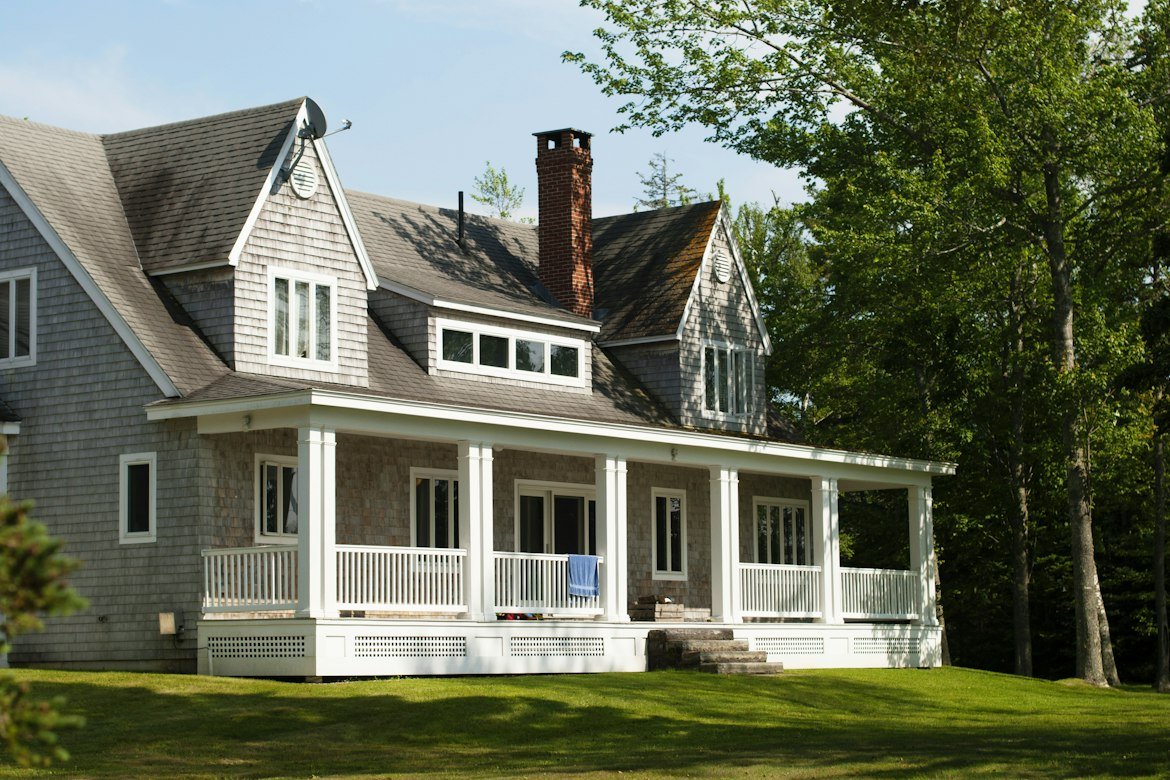
Metal siding has moved well beyond farm buildings. Board-and-batten, clapboard and plank-style metal panels now show up on modern farmhouses, colonials and contemporary homes, offering a durable, fire-resistant exterior with very little upkeep. The catch is that "metal siding" covers a wide range of metals, profiles and finishes, and the price swings just as widely.
According to HomeAdvisor's metal siding cost guide, updated June 19, 2026, the average installation costs $11,341, with most homeowners spending between $3,958 and $19,439. Per square foot, installed metal siding runs from about $1 to $35 depending on the metal you choose.
This guide breaks down cost by metal type, the best siding styles for different homes, the factors that move your final price, and how to choose colors that work with your house.
Key Takeaways
Most metal siding projects cost $3,958 to $19,439, with an average of $11,341.
Steel ($4 to 16persquarefoot)andaluminum(3 to $18) are the most common choices for homes.
Hidden-fastener profiles cost more than exposed-fastener panels but give a cleaner, seamless look.
Board-and-batten, clapboard and plank styles let metal match traditional or modern homes.
Labor typically makes up 30% to 60% of the total installed cost.
Metal Siding Cost by Type
The metal itself is the biggest single driver of your price. Here are typical installed costs per square foot from the same HomeAdvisor guide:
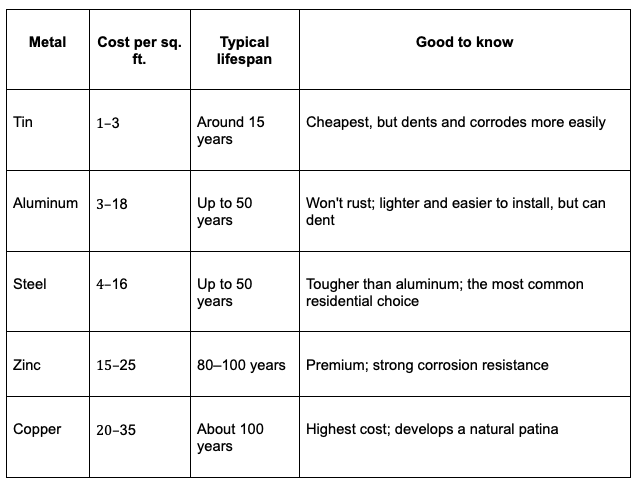
Steel is the go-to for most homes. Exposed-fastener steel panels sit at the lower end of its range, while concealed-fastener panels, which hide the screws for a seamless look, can cost about twice as much, reaching up to $16 per square foot. Corrugated steel typically runs $5 to $8 per square foot.
Aluminum suits homeowners who want a rust-free exterior on a moderate budget, though it scratches and dents more easily than steel.
Zinc and copper are premium metals, usually chosen for accents, high-end architecture or homes where longevity outweighs upfront cost.
Cost by Home Size
Bigger homes need more panels, trim and labor. As a rough guide, steel siding on a 1,400-square-foot home runs about $5,600 to $22,400, rising to $8,000 to $32,000 at 2,000 square feet. Aluminum on the same homes ranges from about $4,200 to $25,200 and $6,000 to $36,000. Your actual price will depend on wall area, the number of windows and doors, and the profile you choose.
The Best Metal Siding Options by Style
The metal sets your budget and durability, but the profile sets the look. These are the main styles homeowners choose, and the kinds of houses each one suits.
Board-and-Batten
Wide flat panels separated by narrow raised battens create strong vertical lines. Board-and-batten is the signature look of the modern farmhouse and works well on tall gable ends, barndominiums and contemporary rural homes. Hidden-fastener versions keep the face clean, with no visible screw heads.
Clapboard (Lap Siding)
Overlapping horizontal courses recall traditional wood lap siding, which makes clapboard-style metal a natural fit for colonials, Cape Cods and ranch homes. It gives you the familiar look with far less maintenance than painted wood.
Plank and Shiplap
Flat planks with restrained shadow lines suit contemporary homes and accent walls. Wood-look finishes are available on some plank profiles if you want warmth without the upkeep of real timber.
Ribbed and Corrugated Panels
Repeating ribs give visible texture and shadow. Traditionally used on agricultural and commercial buildings, ribbed and corrugated panels now appear on garages, additions and rustic or industrial-style homes. They are usually exposed-fastener panels, which keeps the cost down.
Where to Find These Profiles
Many manufacturers now offer residential profiles alongside their agricultural panels. Ohio-based Metal Exteriors, for example, makes American-made siding that ranges from traditional ag panels to shiplap-style siding, clapboard and its signature board and batten, including hidden-fastener styles, with a library of 38+ colors, patterns and textures. Ask any supplier for physical samples of your shortlisted profiles and colors, and view them against your home in different light before you order.
What Affects the Cost of Metal Siding
Home size and wall area. More square footage means more panels, trim and labor. Tall walls and complex layouts can also require scaffolding or lifts.
Metal and gauge. Thicker panels and premium metals cost more but resist dents and wear better.
Profile and fasteners. Hidden-fastener styles such as board-and-batten and clapboard generally cost more than exposed-fastener ribbed panels.
Finish. Paint systems vary in how well they resist fading and chalking, and the better systems carry a higher price. Ask what each finish's warranty covers in your climate.
Trim and accessories. Corner trim, J-channel, starter strips, window and door flashing and soffit all add to the materials list. Soffit and gutter work alone can run $1,050 to $3,300.
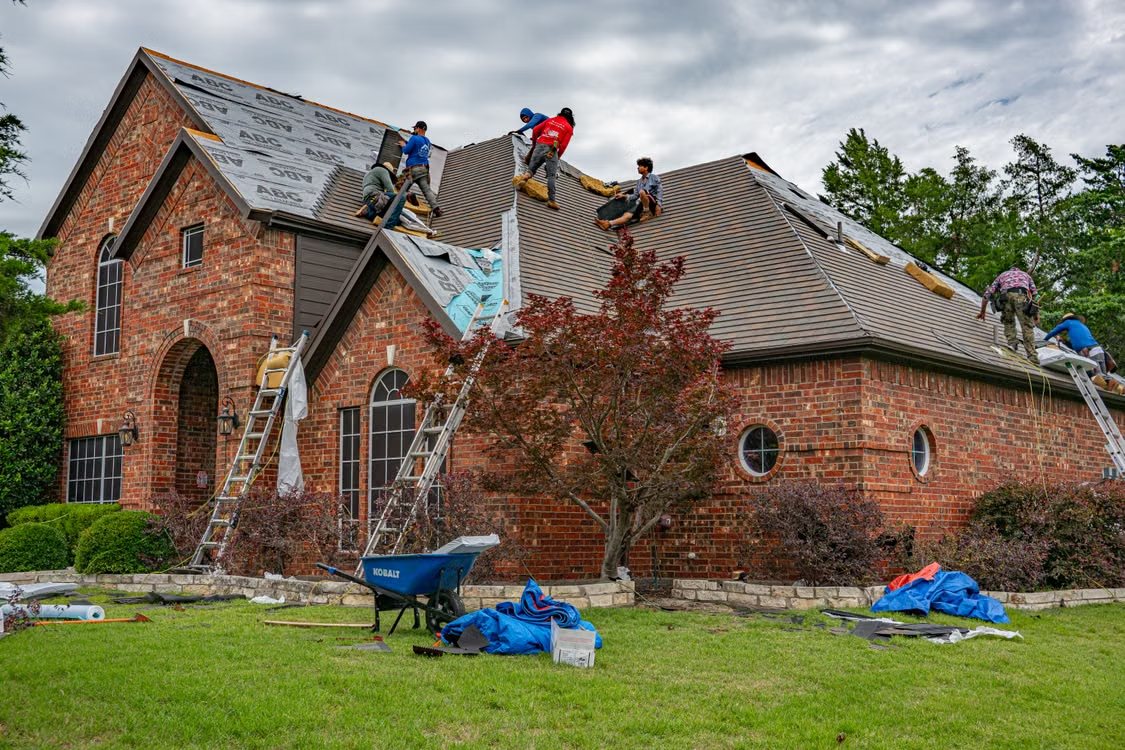
Removal and repairs. Tearing off old siding, disposal, and replacing damaged sheathing add cost. Ask contractors for a unit price for any repairs found after removal.
Labor. Installation labor typically accounts for 30% to 60% of the total, and remote or hard-to-access homes cost more.
Choosing Colors That Work With Your Home
Start with the materials that will stay: brick, stone, roofing, window frames and existing trim. Match warm siding colors to warm brick and cooler grays to blue-gray stone, then test the combination outside. Texture matters as much as color, and this guide to boosting curb appeal with color and texture combinations shows how smooth metal can balance rougher materials on the same facade.
Build a sample board with your siding, trim and roof samples. View it in morning, midday and late-afternoon light, since a charcoal that looks neutral indoors can read blue or brown beside brick outdoors.
DIY vs. Hiring a Professional
Metal siding is heavy and needs precise installation to keep water out, especially around windows, doors and roof-to-wall transitions. Unless you have professional experience, hire a siding contractor. Give every bidder the same specification, including the exact panel, gauge, finish and trim, so their quotes are directly comparable.
Conclusion
The best metal siding option depends on your budget, your climate and the look you want. Steel offers the strongest balance of cost and durability for most homes, aluminum suits budget-minded buyers who want to avoid rust, and zinc or copper make sense for premium projects. Pick the profile that fits your home's style, test colors against your fixed materials, and compare itemized quotes built on the same specification.
FAQ
How much does metal siding cost?
Most projects cost between $3,958 and $19,439, with an average of $11,341. Per square foot, installed costs range from about $1 for tin to $35 for copper.
What is the best metal siding for a home?
Steel is the most common choice for its durability and price. Aluminum works well where rust is a concern and the budget is tight. Zinc and copper are premium options with the longest lifespans.
Is metal siding cheaper than vinyl?
No. Vinyl typically costs $3 to $12 per square foot installed, while steel runs $4 to $16 and aluminum $3 to $18.
How long does metal siding last?
Tin lasts around 15 years, steel and aluminum up to 50 years, and zinc and copper 80 to 100 years or more.
Stay up to date with our latest ideas!