Discover why closed drawers and storage compartments collect dust, grime, and moisture, plus practical cleaning tips to keep them fresh and hygienic.

Opening a kitchen drawer and finding crumbs beneath the cutlery tray can be surprising, especially when the drawer is usually kept closed. Bathroom organisers develop a different kind of mess: dried toothpaste, loose hair, and powdery residue from everyday products. Bedroom drawers aren't immune either. Dust, fabric fibres, and small pieces of packaging can collect beneath belongings that haven't moved for months.
A closed drawer may appear protected from household dirt, but everyday use gradually introduces material that settles into corners and beneath removable organisers. The cleaning checklist published by Mums Cleaning Services Chicago includes drawer and cabinet interiors for certain cleaning packages, reflecting how these overlooked spaces can need attention beyond ordinary exterior wiping.
Keeping storage compartments clean doesn't mean emptying every drawer each week. The better approach is to understand where the dirt comes from, clean according to the drawer's material, and prevent spills from remaining hidden beneath organisers. Households using cleaning services can also identify storage interiors that need particular attention rather than assuming every drawer receives the same treatment during a routine visit.
How Dirt Gets Inside a Closed Drawer
A drawer doesn't need to remain open for long to collect debris. Much of the dirt enters on the objects placed inside it.
In the kitchen, utensils may carry tiny food particles after drying, packets can shed crumbs, and small amounts of seasoning may spill from containers. Even when the worktop is cleaned regularly, those particles can fall through the openings in a cutlery organiser and settle on the drawer bottom.
Bathroom drawers often collect residue from the products stored inside them. A loosely closed powder container can release fine particles whenever it is moved. Toothpaste tubes, hair products, and cosmetics may leave small marks on the surrounding organiser. Cotton fibres and loose hair gradually gather in corners where they aren't easily noticed.
Clothing drawers present a different problem. Fabrics release lint through ordinary handling, while paper tags, tissue, and cardboard packaging contribute small particles of their own. Dust may also enter through gaps around the drawer front, particularly when the furniture stands in a dusty room.
Repeated opening and closing can shift these particles toward the back of the compartment. Drawer movement may also disturb loose dust around the runners, causing it to settle in places that are difficult to reach.
Over time, the bottom of the drawer can become noticeably dirtier than the organiser resting above it. A quick glance at the stored items won't reveal the problem, which is why occasional emptying is more useful than repeatedly wiping only the visible top surfaces.
Why Organisers Can Hide More Dirt Than They Prevent
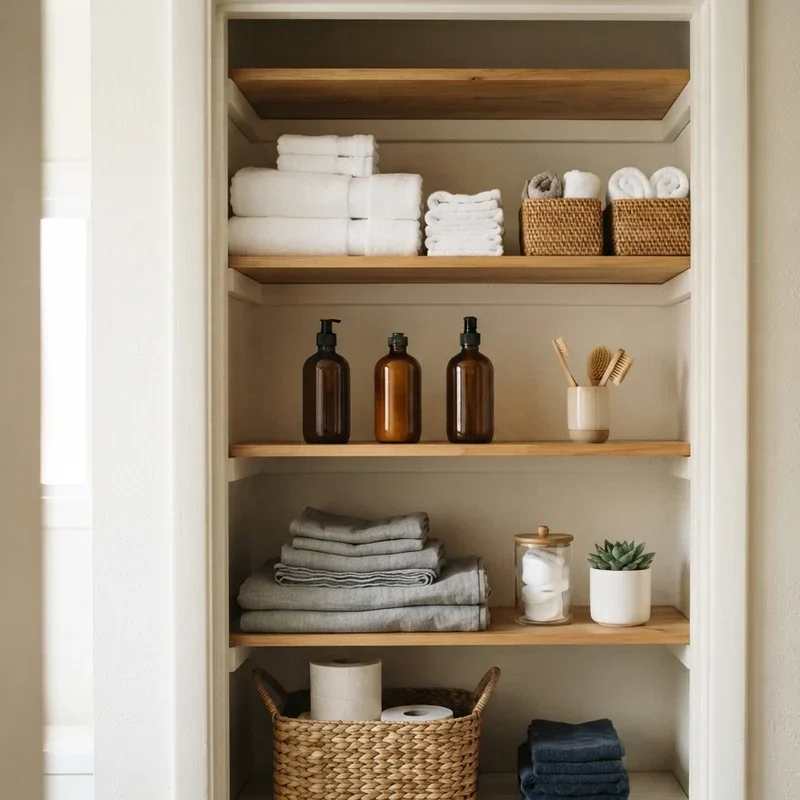
Drawer organisers help keep belongings separated, but their design also creates narrow spaces where residue collects.
A cutlery tray may have deep compartments that hold crumbs along the corners. Small kitchen organisers with removable dividers can trap particles beneath the joints. Bathroom trays may develop sticky patches where bottles have leaked, while fabric storage boxes collect lint within their seams.
The gap beneath an organiser is particularly easy to overlook. Each time a drawer opens, small particles can move under the tray. Because the organiser covers the area, the debris may remain there until the entire compartment is emptied.
Some organisers also fit too tightly against the drawer sides. This makes them difficult to lift out and can encourage homeowners to wipe around them instead of removing them. However, cleaning only the exposed edges leaves the hidden buildup untouched.
The material used for the organiser affects how it should be cleaned. Plastic trays may tolerate gentle washing, while bamboo, unfinished wood, cardboard, and fabric inserts require different methods. Putting every type of organiser into a sink full of water can cause swelling, warping, or damage to decorative coatings.
The solution is to clean each component according to its construction rather than relying on one method for the entire drawer.
Empty and Inspect the Drawer Before Cleaning
Cleaning a storage compartment is much easier when its contents have been removed. Trying to wipe around utensils, stationery, or bathroom products often pushes debris into corners and leaves moisture near belongings that should remain dry.
Place the contents on a clean surface and group similar items together. In the kitchen, separate utensils from food packaging and small accessories. In the bathroom, check bottles for leaks and remove any loose caps or damaged containers. Bedroom items can be placed on a clean towel or another suitable temporary surface.
As you empty the drawer, notice where the dirt has collected. A concentrated patch beneath a seasoning container suggests a spill. Greasy residue around a cosmetic bottle points toward product leakage. Dust spread evenly across the entire drawer is more likely to be ordinary accumulation.
Inspect the drawer bottom and side panels before applying moisture. Look for lifted veneer, peeling laminate, rough wood, or swollen edges. These conditions may affect how much cleaning the compartment can tolerate.
You usually don't need to remove the drawer from its runners. If the design allows easy removal and the manufacturer provides instructions, doing so may improve access. Otherwise, clean the accessible interior while keeping the drawer properly supported.
Avoid forcing a heavy drawer out of its tracks. Some units have release mechanisms, anti-tip features, or stops that can be damaged through incorrect handling.
Remove Loose Debris Before Using a Damp Cloth
Begin with dry cleaning. A soft brush can loosen crumbs from corners, while a vacuum fitted with a suitable crevice attachment can collect particles along the base and edges.
Use gentle suction around loose drawer liners, delicate veneer, and lightweight organisers. Strong suction may pull up a liner or disturb small fittings.
After vacuuming, inspect the corners again. Fine dust can remain beneath rails or along the joint between the drawer bottom and its sides. A clean, dry microfiber cloth may remove what the vacuum missed.
Only after the loose material is gone should you consider damp cleaning, and only if the drawer's finish permits it.
This stage shows why cleaning services chicago sometimes need a clearly defined scope when storage interiors are involved. Wiping a drawer front is a straightforward surface task; emptying the compartment, cleaning beneath organisers, drying the interior, and replacing belongings involve additional steps. When a household wants that level of detail, it's sensible to discuss the specific drawers beforehand.
Match the Cleaning Method to the Drawer Material
Storage compartments can contain exposed wood, laminate, painted surfaces, melamine, metal, or fabric-covered panels. Each material has its own limits.
Laminate and Melamine Interiors
Many kitchen and bathroom drawers have smooth laminate or melamine surfaces. When intact and properly finished, these may tolerate wiping with a lightly dampened cloth and a suitable mild cleaner.
However, the joints and exposed edges may still contain moisture-sensitive boards. Avoid pouring cleaning solution into the drawer or leaving water pooled along the corners.
If a sticky patch remains, apply a compatible cleaner to the cloth and work gently over the affected area. Finish by removing any permitted cleaner residue and drying the compartment thoroughly.
Painted Wood and Veneer
Painted and veneered drawers need more cautious handling. Excessive moisture can affect exposed edges, while strong chemicals may dull the finish or disturb existing coatings.
Start with dry dust removal. For washable finishes, use only the small amount of moisture recommended by the furniture or cabinet manufacturer.
Avoid abrasive pads and aggressive scrubbing. Some marks are scratches or worn areas rather than removable dirt, and repeated rubbing may make them more noticeable.
Unfinished Wood and Fabric-Lined Drawers
Unfinished wood can absorb liquid quickly, making wet cleaning unsuitable in many situations. Dry brushing or carefully controlled vacuuming may be a better starting point.
Fabric-lined jewellery drawers and decorative compartments are particularly delicate. Moisture can stain fabric, affect adhesives, or leave trapped dampness beneath the lining.
For these interiors, follow the furniture manufacturer's instructions. A specialised furniture cleaner may be needed if the lining has developed a stubborn stain or unpleasant smell.
Whatever the material, don't return stored belongings until the drawer has dried completely.
Clean Removable Organisers Without Damaging Them
Once the drawer itself is clean, turn your attention to the trays, dividers, and small containers removed from it.
Plastic organisers are often the simplest to maintain. Many can be washed with a soft cloth and mild soapy water, provided their manufacturers allow it. Pay attention to the corners and the underside, where crumbs and sticky deposits may remain hidden.
Some plastic trays contain rubberised coatings or adhesive pads that should not be soaked. Check for these details before rinsing the entire organiser.
Bamboo and wooden dividers require a different approach. Prolonged soaking can cause swelling, splitting, or warping. Follow the care instructions and dry the material promptly after any permitted damp wiping.
Fabric organisers may be washable, spot-clean only, or unsuitable for wet cleaning. Their construction matters: a fabric exterior may conceal stiff cardboard inserts that lose their shape when wet.
Metal dividers can collect fingerprints and dust but may have coatings that scratch or corrode. Avoid abrasive products unless the manufacturer recommends them.
Before putting an organiser back into the drawer, inspect the bottom for trapped moisture. A tray that looks dry on top may still hold water inside raised edges or recessed sections.
At Mums Cleaning Services Chicago, the published checklist distinguishes ordinary cabinet and drawer exterior wiping from interior cleaning included in particular service levels. That distinction matters when organisers and stored belongings are involved, because access and preparation can significantly change the work required.
Stop Leaks and Product Residue From Returning
Cleaning a drawer once won't solve the problem if its contents continue releasing residue.
In the kitchen, check seasoning jars, food packets, and small containers for loose lids or damaged packaging. Where possible, keep ingredients in properly sealed containers that are easy to wipe. Avoid storing damp utensils in a drawer, especially one made from moisture-sensitive material.
Bathroom storage benefits from similar attention. Wipe the bottoms of bottles before putting them away, and check whether a pump, tube, or cap is leaking. A small amount of lotion can spread under several containers before anyone notices it.
Makeup powders and similar products can release fine particles that settle into organiser corners. Keeping lids closed and removing loose residue from packaging can reduce the amount that reaches the drawer.
For bedroom drawers, shake out visibly dusty storage pouches when appropriate and avoid placing damp clothes inside. If a drawer develops a persistent musty smell, investigate possible moisture sources instead of covering the odor with fragrance.
Removable liners can make some compartments easier to maintain, but choose a liner compatible with the drawer finish. Adhesive liners may leave residue or pull away delicate coatings when removed. Loose liners can also trap crumbs beneath them if they are not lifted occasionally.
The simplest prevention method is to deal with spills promptly. Removing a sticky mark while it's fresh usually requires less effort than cleaning several layers of dried product later.
Decide Which Storage Areas Need More Frequent Attention
Not every drawer needs to be emptied on the same schedule. The contents and level of use matter more than the room where it is located.
A kitchen drawer containing cutlery may need periodic inspection because food particles can enter through regular handling. A bathroom drawer used for cosmetics and hair products may collect residue more quickly than one storing unopened supplies. An occasionally used bedroom drawer might only need light dust removal.
Look for practical signs that cleaning is due: visible crumbs, a sticky film beneath containers, dust along corners, or an unpleasant odor that appears when the drawer is opened.
If a drawer stays clean between inspections, there's little reason to wash it repeatedly. Excessive damp cleaning can increase wear, particularly when the furniture contains unfinished or damaged edges.
Families who use recurring cleaning services can keep ordinary room maintenance separate from occasional drawer resets. Kitchen countertops, bathroom fixtures, and floors may require regular attention, while storage compartments can be addressed when their condition warrants it.
That approach also makes it easier to protect personal belongings. Drawers containing medication, important papers, valuables, or private items should not be emptied or rearranged without clear permission and appropriate arrangements.
Cleaning should improve the condition of the space without introducing risks to the contents.
Recognise When the Problem Is More Than Ordinary Dirt
Sometimes an unpleasant drawer smell or recurring stain indicates a problem that wiping won't correct.
A swollen drawer bottom may suggest previous water exposure. Peeling laminate can reveal vulnerable boards underneath, while rust on metal runners may point to repeated moisture contact.
A drawer that develops a musty smell despite being emptied and cleaned may need inspection for leaks, damp walls, or moisture trapped in surrounding cabinetry.
Pest-related debris deserves separate attention. If you find droppings, nesting material, or signs of insect activity, follow appropriate public-health and pest-control guidance rather than treating the compartment as an ordinary dusty drawer.
For suspected rodent contamination, avoid dry sweeping or vacuuming droppings, which may spread contaminated particles into the air. Use current health-authority guidance or seek qualified assistance.
Mechanical problems also fall outside ordinary surface cleaning. A drawer that jams, tilts, or no longer closes properly may have worn runners or damaged hardware. Cleaning its interior won't necessarily repair the mechanism.
Knowing the difference prevents repeated treatments that fail to address the underlying issue.
Keep Closed Storage Spaces Clean With Less Work
Drawers and organisers become dirty not because they stay open, but because everyday objects bring small amounts of residue inside. Crumbs, dust, loose fibres, powders, and product leaks gradually settle beneath trays and along corners where they remain hidden.
An occasional thorough reset is usually enough to reveal these deposits. Empty the compartment, remove loose debris, clean each material appropriately, and let everything dry before returning the contents. Taking care of leaking containers and damaged packaging can then prevent the same mess from developing again.
The cleaning packages listed by Mums Cleaning Services Chicago distinguish routine surface upkeep from more detailed cabinet and drawer interior work, so the intended scope is worth confirming before an appointment. Homeowners arranging cleaning services for a more thorough household refresh can identify the particular storage areas that need attention without turning every closed drawer into an unnecessary project.
A well-maintained drawer doesn't have to be perfectly organised to stay clean. It simply needs suitable care for its materials, occasional access beneath organisers, and prompt attention to the small spills that otherwise remain hidden for months.
Stay up to date with our latest ideas!