Create a lush shade garden with ferns, compatible companion plants, layered planting ideas, and practical tips for a thriving low-light landscape.

A shaded corner of the yard can be one of the hardest places to landscape. Grass grows thin, flowering plants struggle, and bare soil becomes increasingly noticeable beneath trees or along north-facing walls. Yet these areas offer an opportunity to create a peaceful, woodland-inspired retreat.
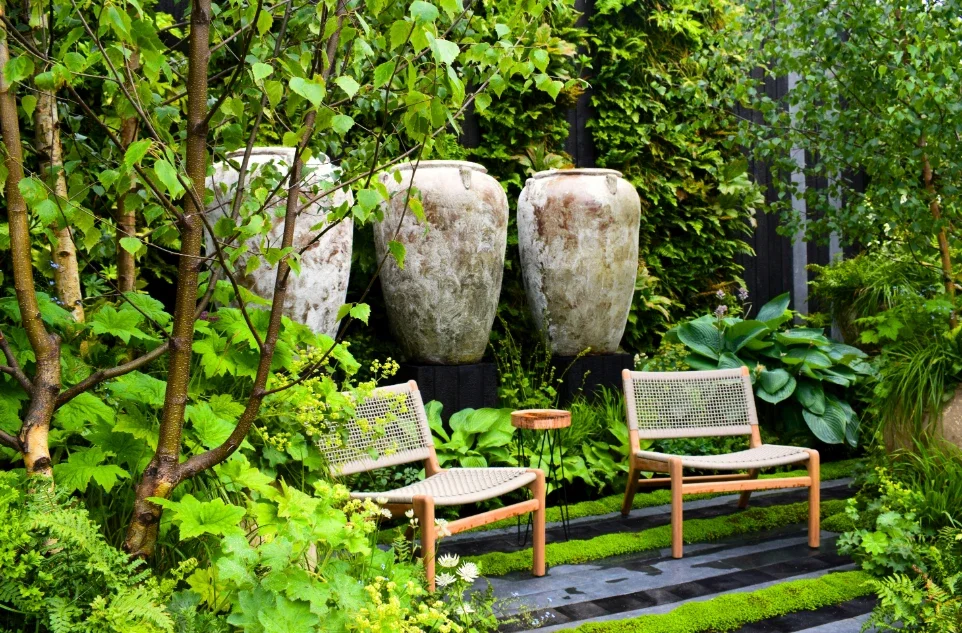
Building a shade garden with ferns is an effective way to introduce greenery, texture, and natural movement without relying on sun-loving flowers. Their arching fronds soften hard edges, while carefully selected companion plants bring contrasting foliage and seasonal color.
The key is understanding the growing conditions before choosing plants. With suitable fern varieties, thoughtful layering, and a manageable maintenance routine, even an overlooked shaded bed can become an attractive part of the landscape.
Assess Your Shade, Soil, and Moisture Conditions
Successful shade garden design begins with understanding how much light reaches the planting area.
Partial shade generally means a few hours of direct sunlight daily, preferably during the cooler morning hours. Dappled shade occurs when sunlight filters through tree branches, creating moving patches of light. Full shade receives little or no direct sunlight, although indirect daylight may still support suitable plants.
Dense shade beneath heavy tree canopies can be more challenging. Most ferns need some usable light to grow vigorously, even if they dislike direct afternoon sun.
Moisture matters just as much. Some shaded beds retain moisture, but those beside walls or beneath roof overhangs can be dry because rainfall does not reach the soil. Beneath mature trees, roots absorb water and the canopy intercepts rain. Check actual soil moisture rather than assuming shade means damp conditions.
Before selecting plants, assess four conditions:
Sun exposure: Observe how light changes from morning to evening.
Soil drainage: Check whether the ground drains freely or remains saturated after rainfall.
Water access: Determine whether irrigation or supplemental watering is practical.
Local climate: Consider winter temperatures, summer heat, humidity, and seasonal rainfall.
These observations help distinguish plants that merely tolerate shade from those likely to thrive in a particular location.
Choose Ferns That Suit Your Site and Climate
Not all ferns need the same conditions. Some prefer consistently moist woodland soil, while others tolerate occasional dryness once established. Mature height, spreading habit, winter hardiness, and temperature requirements should guide selection.
Several fern varieties for shade are worth considering where growing conditions are appropriate.
Lady fern (Athyrium filix-femina) produces finely divided, light-green fronds that create a delicate woodland appearance. It performs well in partial to full shade with rich, moist, well-drained soil. Its graceful growth makes it useful for softening the middle of a garden border.
Japanese painted fern (Athyrium niponicum var. pictum) adds a different visual element through silvery foliage with green and burgundy tones. It generally develops its best coloring in light shade and prefers soil that retains moisture without becoming waterlogged.
Autumn fern (Dryopteris erythrosora) produces attractive coppery new growth that gradually matures to green. It suits shaded locations with organic-rich soil and can retain foliage through milder winters. Its hardiness and potential to spread should be checked against local growing conditions.
In warmer climates, tropical ferns can offer additional shapes and textures. However, many require protection from frost and may be more practical in movable containers outside consistently warm regions.
Check the USDA Plant Hardiness Zone, local invasive-plant guidance, and specific growing requirements before choosing any variety. Native ferns adapted to regional conditions are also worth considering, particularly for woodland-style landscapes.
Pair Ferns With Shade-Loving Companion Plants
A garden filled exclusively with fine-textured ferns can appear visually uniform. Introducing shade-loving companion plants with broader leaves, upright flowers, or contrasting colors creates greater depth and interest.
Hostas are popular companions in suitable temperate climates. Their broad, often heart-shaped leaves provide a strong contrast against delicate fern fronds. Varieties with blue-green, chartreuse, or variegated foliage can brighten shaded areas.
Heuchera, commonly called coral bells, offers another layer of color. Depending on the cultivar, its rounded leaves may feature burgundy, bronze, lime, or purple tones. Many varieties prefer partial shade and reasonably well-drained soil.
Astilbe introduces seasonal flowers through upright plumes of pink, white, or red. It works particularly well alongside moisture-loving ferns, although it generally performs poorly in beds that dry out regularly.
Ornamental sedges can complete the composition. Their narrow, arching leaves create a grass-like texture, while suitable evergreen varieties provide structure when deciduous ferns disappear during winter.
The most important consideration is compatibility. Plants grouped together should have similar moisture, drainage, and climate requirements.
Combine Texture, Height, and Seasonal Interest
A layered planting design works best when each plant contributes a distinct shape or function.
For example, in a moist, partially shaded border in a temperate climate where the chosen varieties are hardy, lady ferns can form the middle layer. Broad-leaved hostas provide contrast nearby, while smaller heuchera plants define the front edge. A few astilbes introduce vertical flower spikes during their growing season.
Repeating this combination creates a cohesive appearance without requiring numerous different species.
Plan the Layout and Source Plants for a Cohesive Design
Good low-light landscaping depends on arrangement as much as plant selection. Instead of placing individual plants randomly, organize them into repeated groups that guide the eye through the garden.
Begin by identifying the main viewing points, existing trees, pathways, and any permanent landscape features. Taller ferns generally work well toward the back of a border, while compact companions can soften its edges. In an island bed viewed from several directions, position taller plants closer to the center.
Avoid arranging every species in rigid, alternating rows. Staggered clusters and gently curved planting lines often create a more natural woodland appearance.
Spacing is equally important. A young fern in a small nursery pot may eventually occupy considerably more space. Use its expected mature width to determine planting distances rather than relying on its appearance at purchase.
Sketch the garden before ordering, recording each plant variety, approximate spacing, and quantity. This also helps identify gaps that could benefit from groundcovers or mulch while plants mature.
Plan Quantities Before Placing an Order
For a larger shaded border, multi-property landscaping project, or coordinated garden-center display, plant quantities and consistent container sizes become important parts of the design. Landscaping professionals and plant retailers may choose to buy ferns wholesale when organizing broader installations instead of purchasing plants individually. Confirm the exact species or cultivar, outdoor hardiness, and current availability before ordering, particularly when selecting plants for permanent outdoor beds. Preparing a detailed plant schedule makes it easier to coordinate quantities, sizes, and planting phases.
For residential gardens, the same principle applies on a smaller scale. Calculate quantities from mature plant dimensions, allow room for paths and access, and avoid purchasing extra plants simply to make a new bed look instantly full.
Plant Ferns and Companions for Healthy Establishment
Once the layout is finalized, careful planting gives ferns and their companions a better chance of establishing healthy root systems.
Start by checking the soil. In beds away from established tree roots, incorporate suitable organic matter where needed, taking existing drainage conditions into account.
Beneath established trees, use small plants that fit into spaces between roots and dig carefully by hand. Avoid mechanical tilling, cutting major roots, or adding soil to raise the existing grade over the root zone. If roots prevent planting in one spot, choose another location.
Place nursery pots in their planned positions before digging. Viewing the arrangement from different angles makes it easier to adjust spacing, balance colors, and refine the overall composition.
Follow the nursery's recommended planting depth, keeping fern crowns at the appropriate soil level rather than burying them. Backfill gently, firm the surrounding soil, and water thoroughly to settle the roots.
Apply a modest layer of shredded leaves or organic mulch to help conserve moisture and reduce weeds. Keep mulch away from plant crowns and tree trunks.
New plantings need regular moisture checks, especially during warm or dry weather. However, watering frequency should reflect the species, soil conditions, and rainfall rather than assuming every fern requires constantly wet ground.
Maintain a Lush Shade Garden Through the Seasons
A well-planned fern garden can be relatively easy to maintain, but low maintenance does not mean no maintenance.
During the first growing season, check soil moisture regularly while roots become established. Insert a finger into the soil near the root zone to determine whether watering is needed. Water thoroughly when appropriate, rather than applying small amounts that only wet the surface.
Replenish organic mulch as it decomposes, keeping it clear of crowns to prevent moisture-related problems.
Remove damaged or dead fronds when necessary. Deciduous ferns naturally lose their foliage during colder months, while evergreen varieties may need occasional cleanup as older fronds deteriorate.
Watch for signs that growing conditions need adjustment:
Brown, scorched fronds: Excessive direct sun, dry soil, or drying winds may be contributing factors.
Yellowing foliage and persistently wet soil: Poor drainage or excessive irrigation may be affecting root health.
Crowded growth: Mature plants may need division or repositioning to restore space and airflow.
Seasonal observations are especially valuable. A shaded bed may become noticeably brighter before deciduous trees leaf out in spring, while summer canopy growth can reduce available light.
Adjust maintenance according to these changes rather than following an identical routine throughout the year.
Next Steps: Turn Your Plan Into a Planting List
Creating a beautiful shade garden is easier when every decision follows the conditions of the site.
Start by documenting sunlight patterns, checking soil drainage, and identifying areas affected by tree-root competition. Choose ferns suited to the local climate, then select companion plants with compatible moisture and light requirements.
Sketch the planting arrangement, group plants for visual impact, and calculate quantities using their mature dimensions. Finally, schedule planting during a suitable season and establish a realistic watering and maintenance routine.
A successful woodland-style garden does not need dozens of plant varieties. A few carefully chosen ferns, complementary foliage plants, and thoughtfully arranged layers can transform a difficult shaded space into a lush, inviting landscape.
Stay up to date with our latest ideas!