Discover how the right gravel aggregate can transform your driveway, reduce maintenance, improve drainage, and save time and money on long-term upkeep.
A gravel driveway has a way of looking like the easiest project on the block, right up until somebody starts pricing it. Cover a hundred feet at twelve feet wide and the bagged stone at the home center adds up fast, especially once you notice each bag holds less than half a cubic foot and the price per ton lands two or three times above what loose material costs. That is before anyone has loaded a single bag into a trunk, driven home, and thrown it off the tailgate.
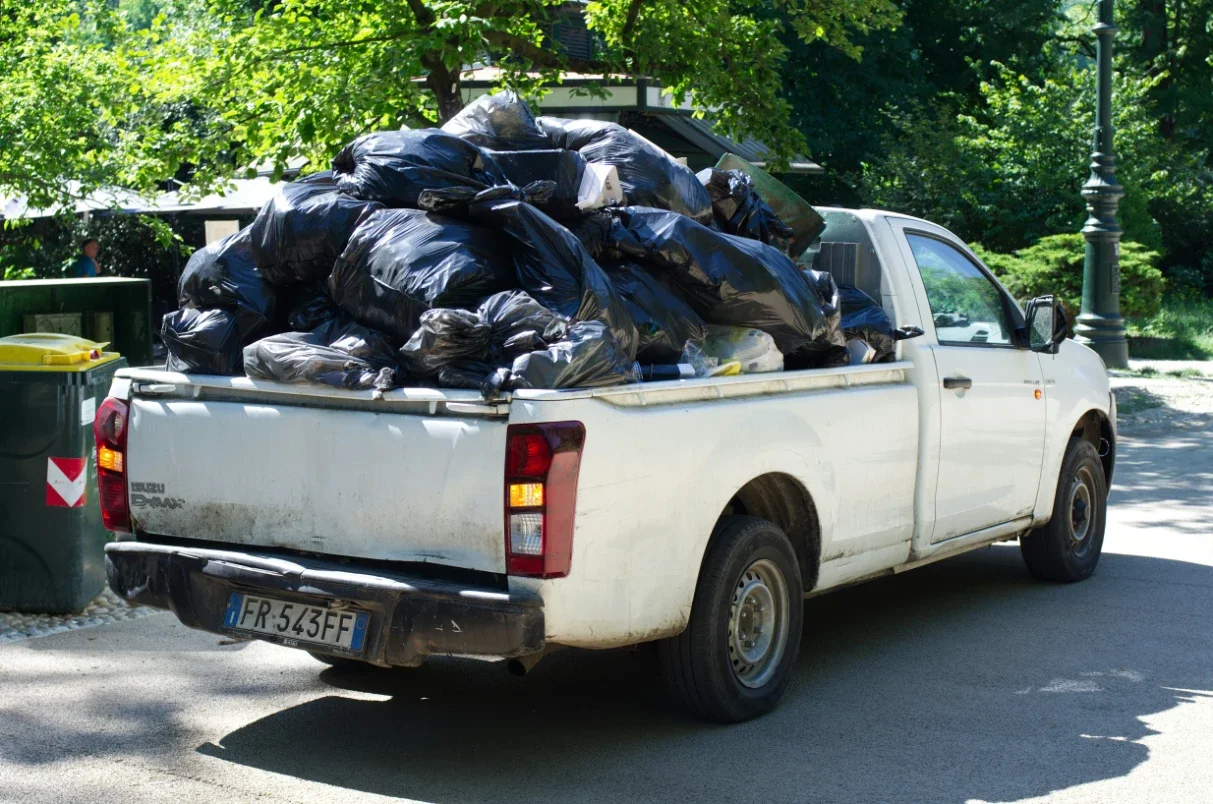
Which is usually the point where a bulk aggregate supplier starts to look a lot more sensible. One truck, a few yards at a time, tipped exactly where you want it. No pallets to break down, no forty-pound sacks to haul, no fifth trip back to the store because the estimate was short by a yard. Contractors figured this out years ago, and homeowners rebuilding a drive have been catching on ever since.
The Base Does the Work, Not the Pretty Stone
This is where many DIY driveways fail. You get too caught up in the cosmetic stone you’ve chosen to splash your budget on and neglect the sub-base. You’ll quickly find that your driveway has developed rutting when delivery trucks turn around.
Driveways are made of layers: subgrade, compacted sub-base and a surface course. If you get the middle layer correct, you’ll have a great surface course that will look good for years.
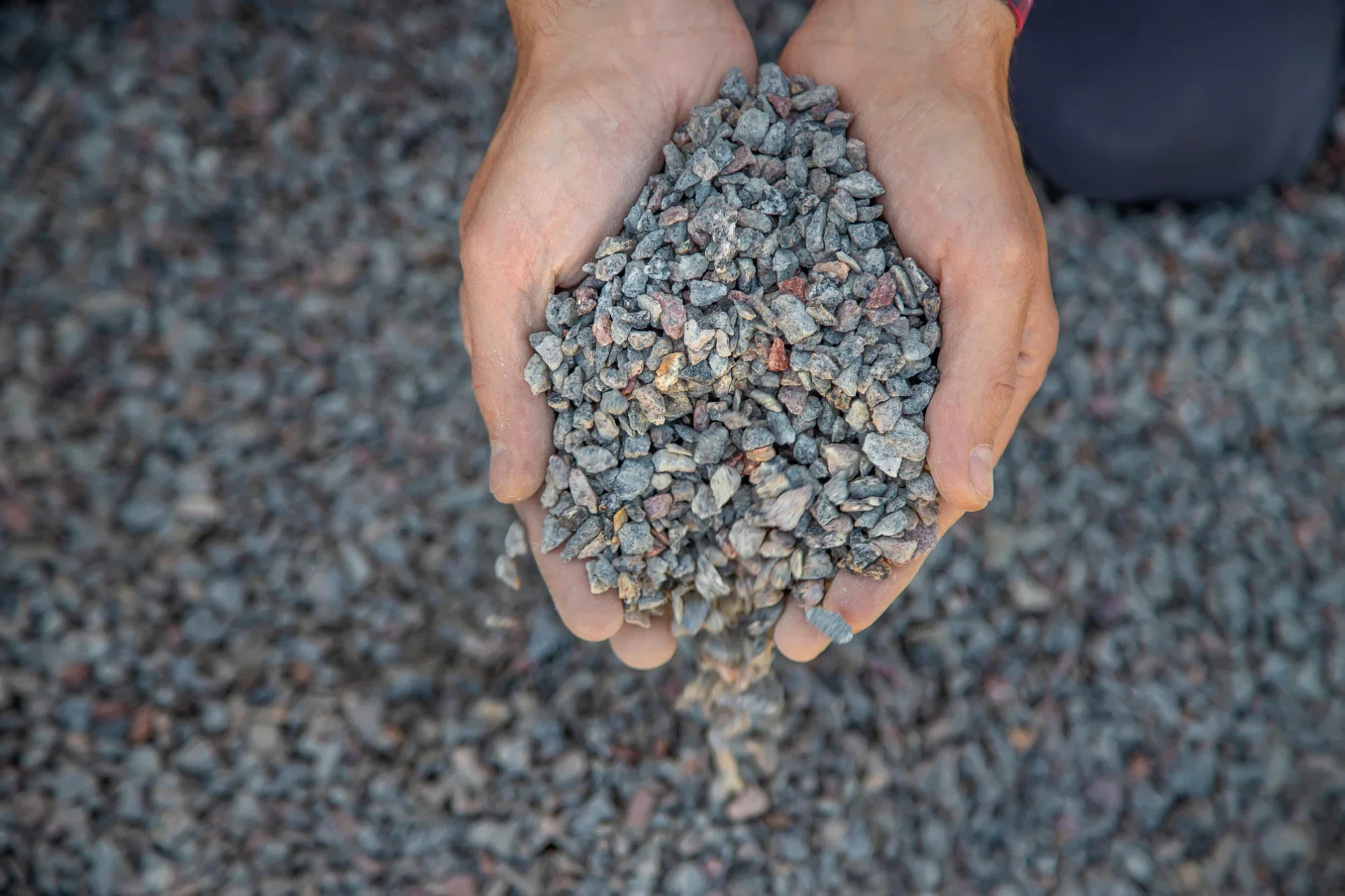
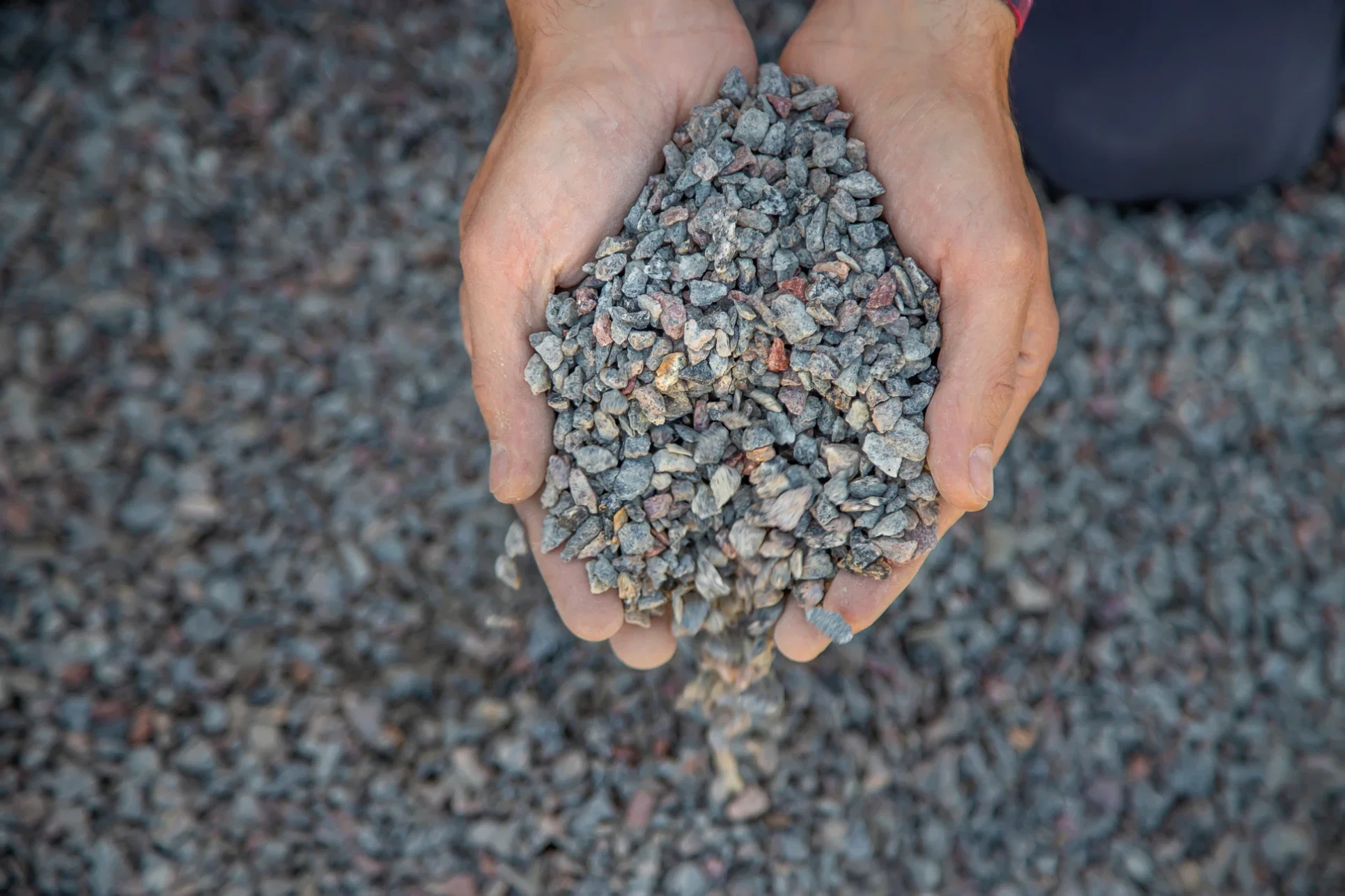
Crushed limestone in a CA6 or CA7 grade, or a graded road mix, locks together under compaction into a surface that spreads load and drains. River rock, for all its charm, rolls. It makes a fine border and a terrible driveway.

Cheap Estimates Get Expensive
Stone prices have not been kind lately either. Where you live can shape the bill as much as how much you order: as Rock Products reported, the national average price of crushed stone, sand and gravel climbed 15.8% between 2019 and 2022. Some states saw far steeper jumps, with New Jersey up 41.1% and Utah up 32.6%.
So guessing at tonnage hurts more than it used to. Come up short and you eat a second delivery fee on a half load. Overorder and you own a pile of stone that never quite goes away.
Finish It With Something Worth Looking At
Your top layer will also need to be tough enough to cope with tire and plow damage. This is what will define your whole property! Using crushed granite, river rocks, and cobbles as your edging material will give your driveway a nice cohesive look that gray stone can’t.

What to Ask Your Bulk Aggregate Supplier Before the First Load
A good bulk aggregate supplier asks questions before quoting anything. How steep is the slope? What sits under the subgrade? Will a plow run over it every winter? The answers change the recommendation. The yard that walks through those details with you is the one worth calling back.
Stay up to date with our latest ideas!