Beautiful images can attract attention, but useful content keeps readers engaged. Learn how to turn home decor inspiration into valuable website content.

Learn how to turn inspiring home decor ideas into content that helps readers make decisions for their own spaces.
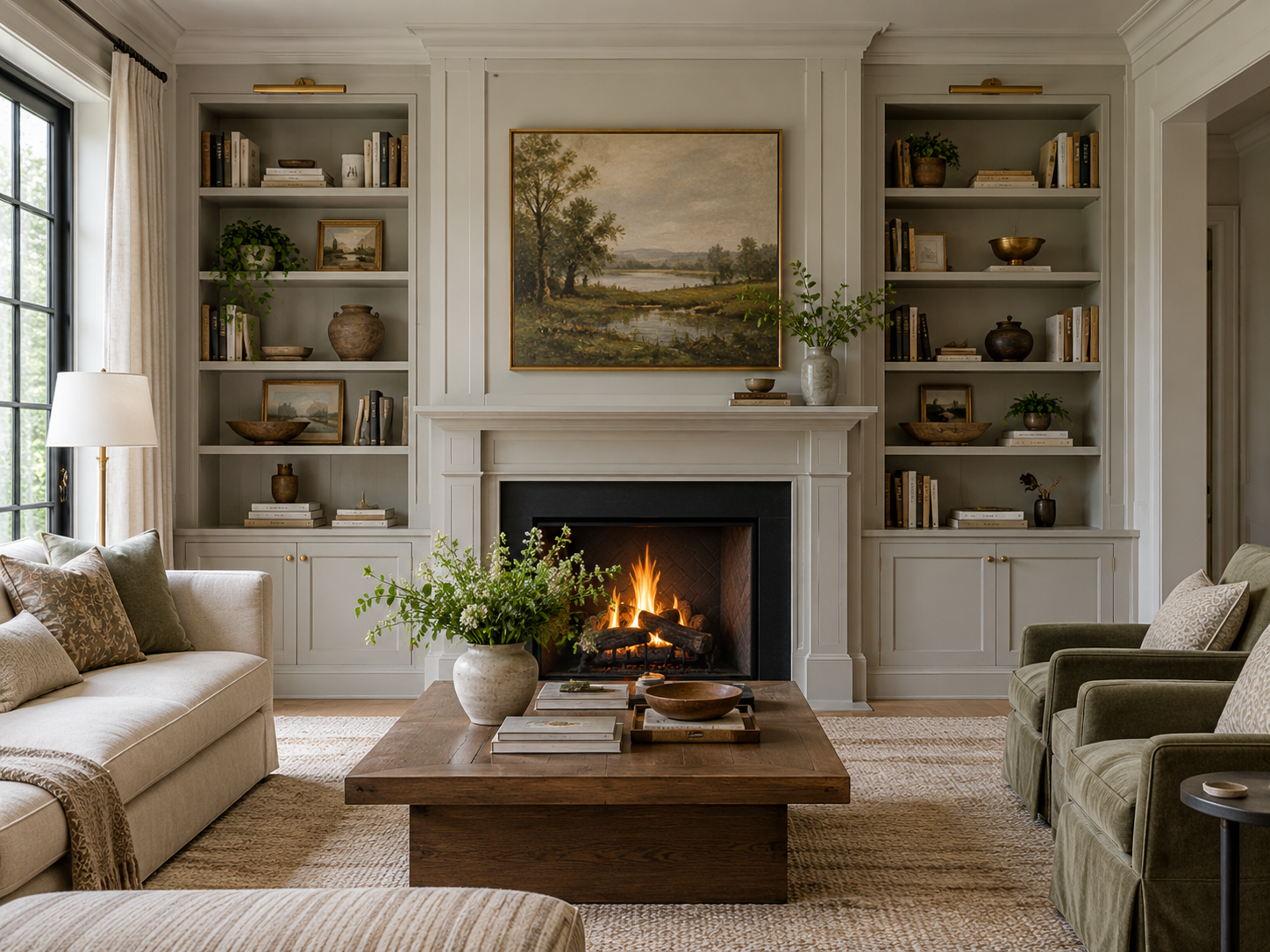
A striking color palette or a beautifully styled shelf can stop someone mid-scroll in a way that few other topics can, and that visual pull is exactly what draws readers in. But an eye-catching image or a trending style only goes so far. The opportunity lies in taking that initial spark of inspiration and building something more substantial around it, giving readers a reason to stay and explore.
Answer the Questions Behind the Search
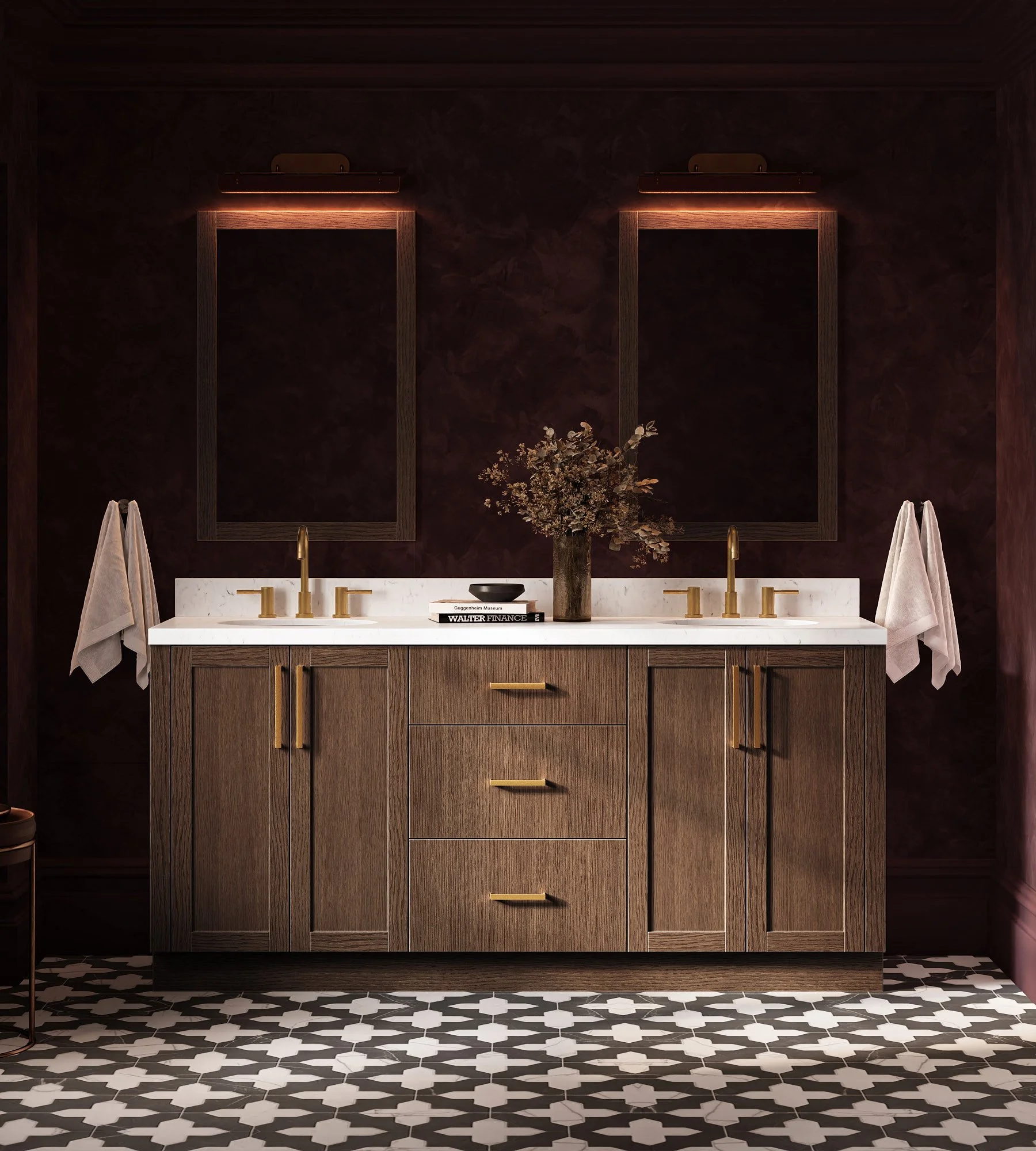
People rarely search for decor inspiration without something they want to figure out. A single image can introduce an idea, but it doesn't show how that idea might translate to a reader's own space or budget. A bathroom with dark walls, for example, might look striking in a photo, but there are practical considerations that only become clear with more context, such as how the color affects the feel of a small space.
Those underlying questions can become the basis for stronger content. It also means recognizing that different readers can land on the same image for different reasons. This creates room for different perspectives. For instance, one reader may want to recreate the exact look, while another may just want reassurance that the room won't feel too closed in. Content that anticipates those differences becomes more useful without losing the visual appeal that brought the reader in.
Tip: Look beyond the initial search intent. Think about what they’ll want to know next, and build those follow-up questions into the content so they don’t have to search elsewhere for the rest of the answer.
Turn Popular Trends Into Practical Guides
Trends are a great starting point for content, particularly when people are actively searching for a particular style. But instead of treating the trend itself as the subject, use it as an entry point into broader design ideas. For instance, a story about Japandi style can break through in the moment, but a guide on combining natural materials, clean lines, warm neutrals, and functional furniture can keep working long after the trend headline stops being new.
Explaining why a popular color palette works, the contrast, the warmth, and how it reads in daylight versus lamp light, gives readers a skill they can reuse even after that specific palette falls out of favor. The difference lies in giving readers enough context to make the idea their own, rather than simply showing them what is currently popular. This is the kind of strategic thinking specialized marketing teams use to turn short-lived trends into content with a longer shelf life.
Tip: Use the trend as the hook, but make the advice useful beyond it. Show readers how to apply the underlying colors, materials, patterns, or styling principles in their own space.
Create Content for Different Budgets
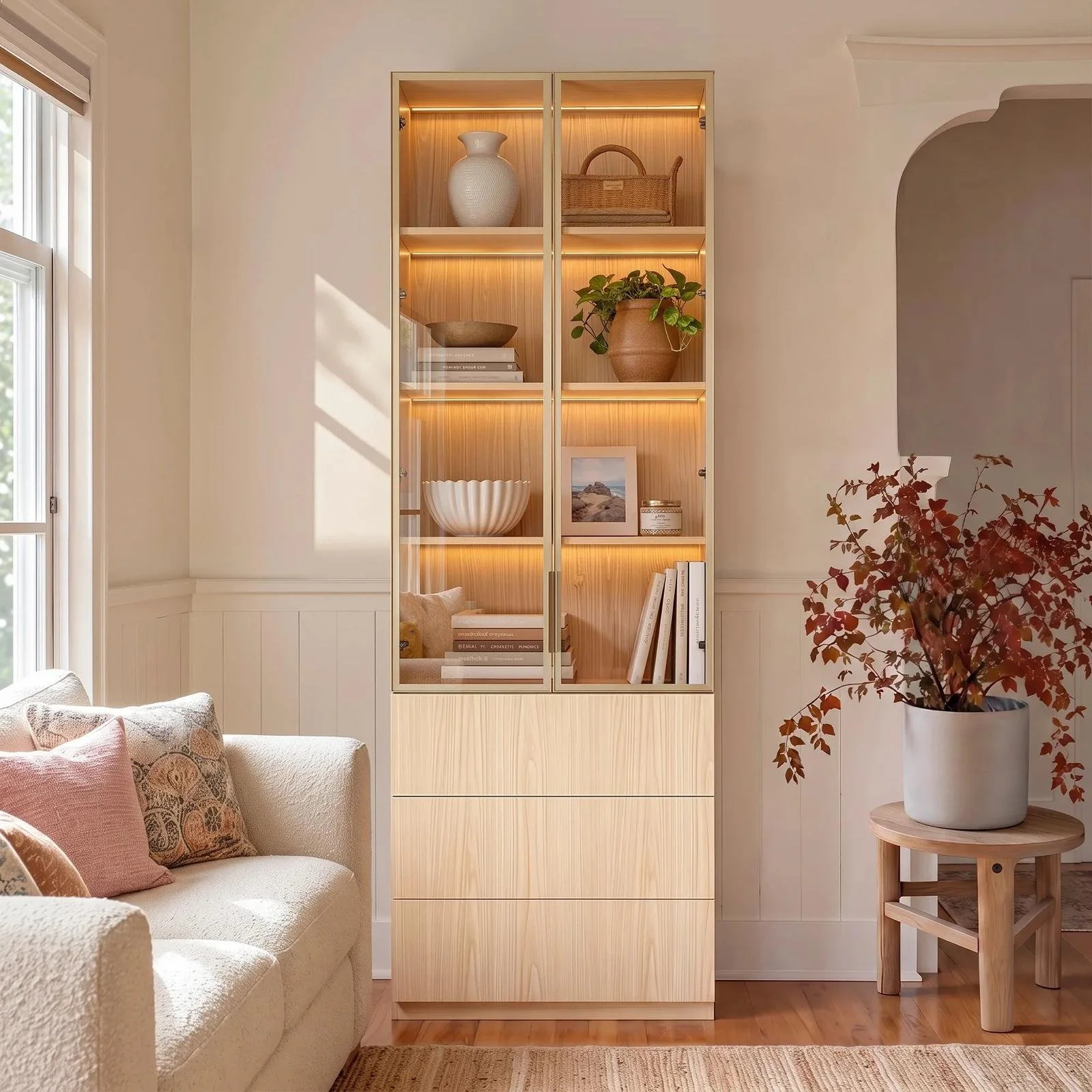
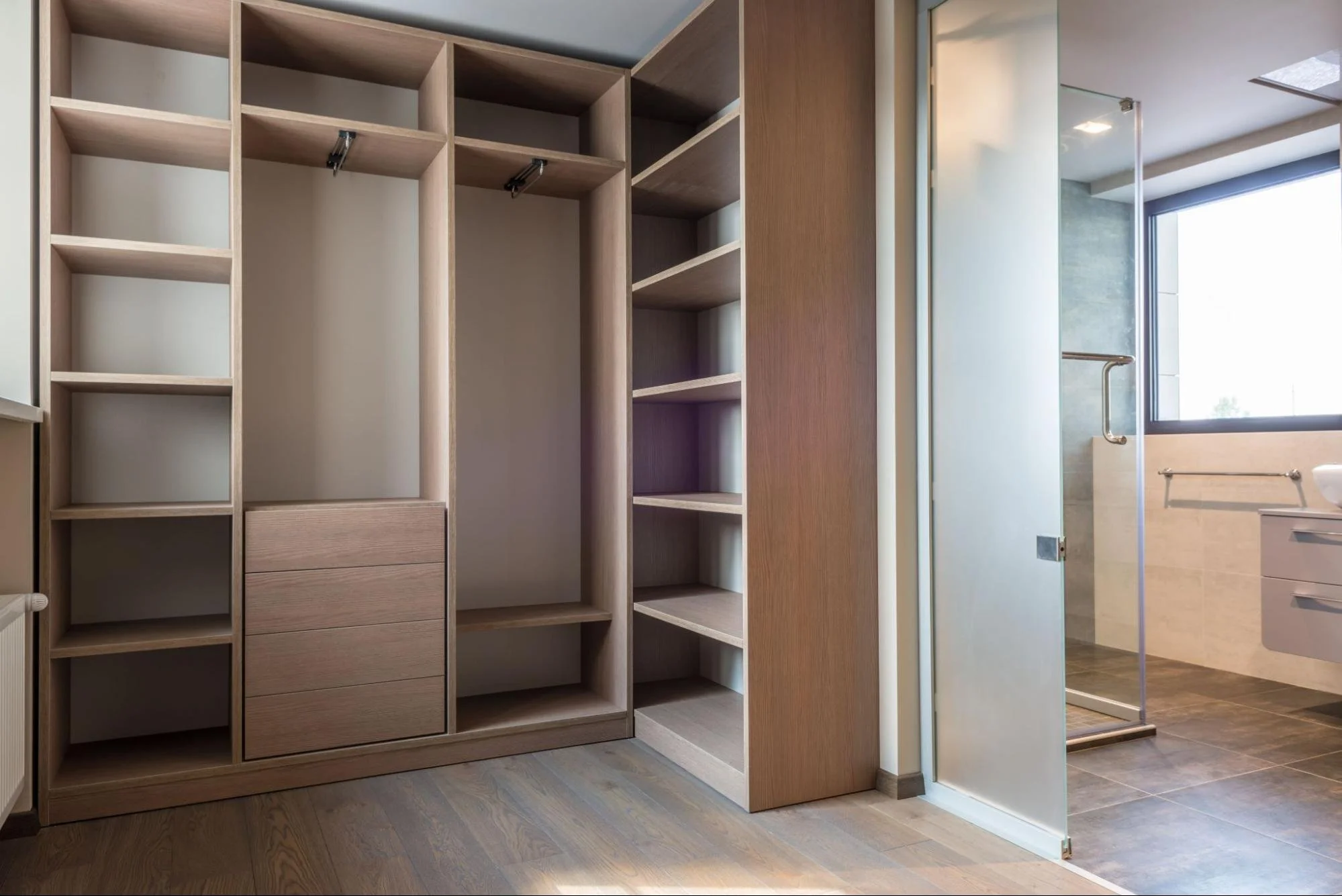
The same decor idea can look very different depending on what someone's willing to spend, and content built around only the high-end version leaves many readers out. A post on built-in shelving might cover a custom carpentry option alongside a stock-shelving alternative, so both audiences find something they can actually use.
Where reliable pricing information is available, providing a realistic range can be more useful than vague labels such as ‘affordable’ or ‘premium.’ Saying a kitchen backsplash ranges from affordable tile to custom stone might not help much on its own. Make sure the figures reflect the relevant location, materials, labor, and current market conditions.
Tip: Help readers decide where to spend and where to save. Not every part of a room needs the most expensive option, so point out which choices have the biggest impact on the finished space.
Turn One Piece of Inspiration into Multiple Content Formats
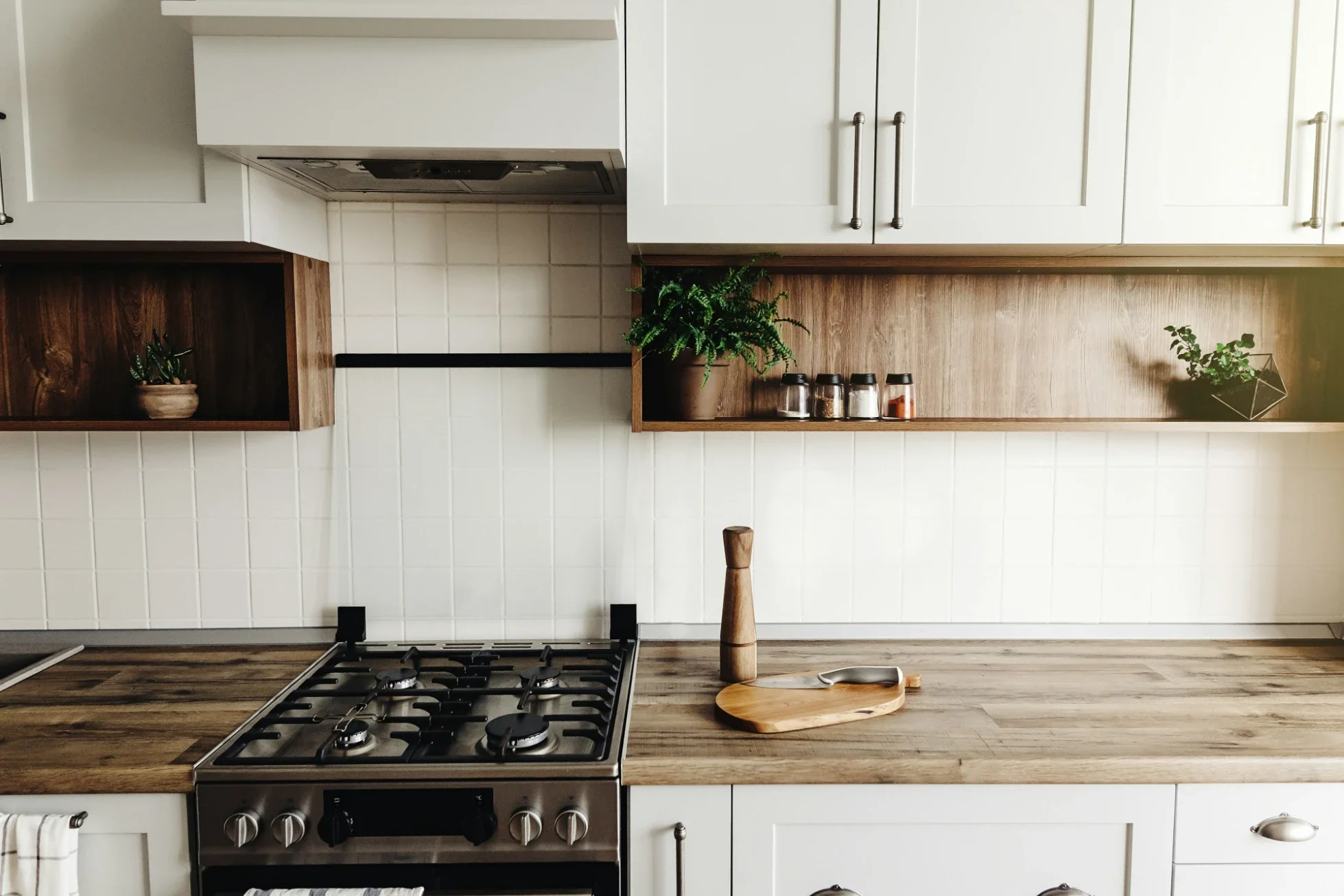
Grouping related content into clusters, several posts on the same room or style linked together, helps both readers and search engines see the full picture. A kitchen inspiration image, for example, could lead to a cabinet buying guide, a breakdown of lighting options, a backsplash comparison, and a small-kitchen layout guide. Each article addresses a different decision while contributing to a larger topic.
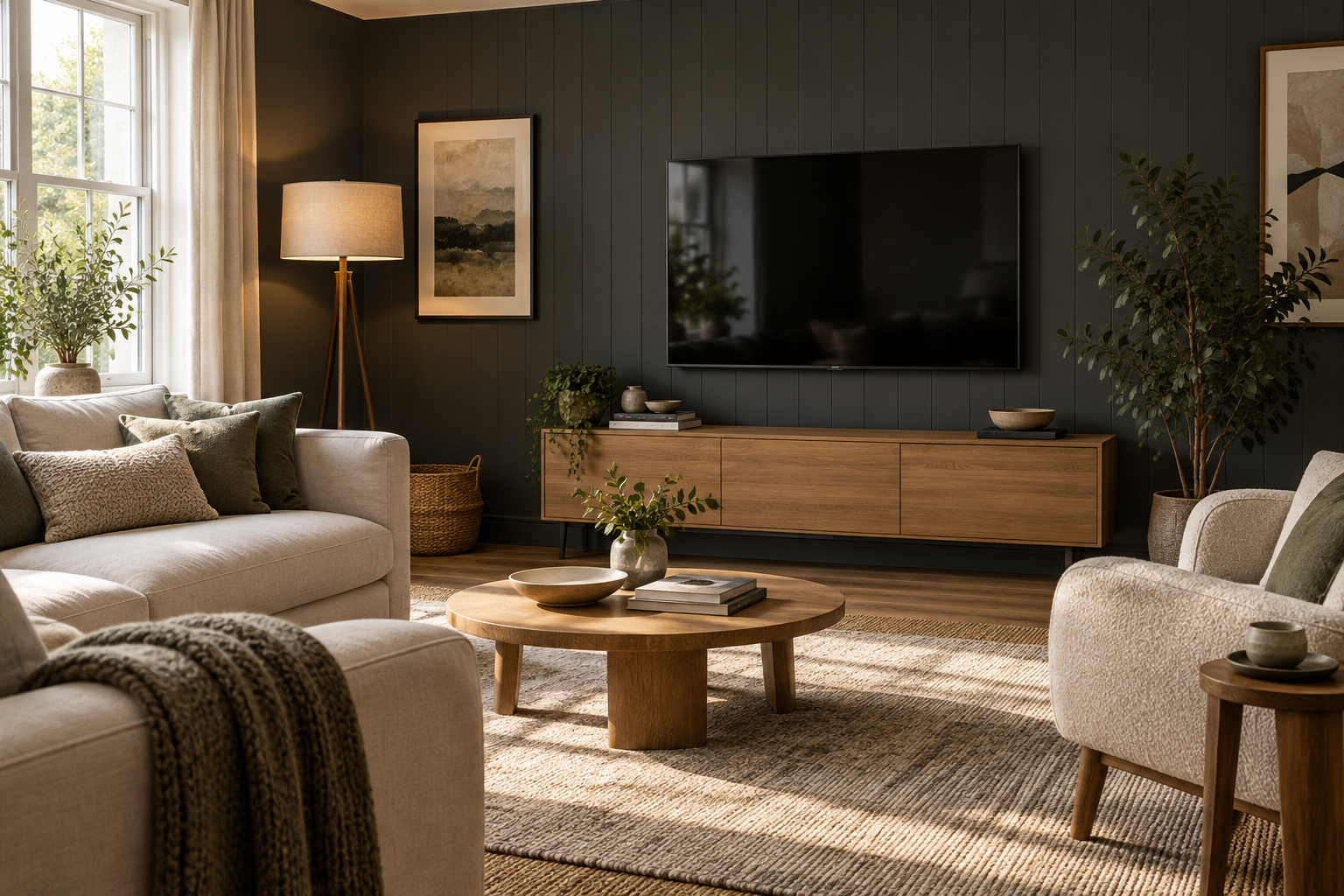
Seasonal relevance is another way to develop an idea further. A neutral living room guide, for example, could lead to separate seasonal pieces covering practical changes in textiles, lighting, color accents, and accessories for fall or spring. The main idea stays the same, but the details can change with the season and what readers are looking to update in their homes. This gives the original idea more room to evolve and gives readers a reason to return to it at different points throughout the year.
Tip: When planning a content cluster, make sure every article has a distinct purpose and answers something the others don't.
Make Inspiration Actionable
Turning inspiration into something actionable usually means helping readers see what they can actually do with an idea. That could mean suggesting a specific product category to look for or providing a rough price range to plan against. Practical details give readers a way to move from simply liking an idea to thinking about how they could use it in their own space.
The way information is presented matters too. Sequencing the details can help readers work through a project in a logical order. Instead of describing a finished mudroom all at once, breaking it into what to tackle first, storage, then seating, gives a reader a place to actually begin. The important point is to reduce the distance between reading and doing. A reader should be able to finish the article knowing what they could consider, compare, measure, buy, or change next.
Tip:Make the path from inspiration to action visible on the page. Readers should be able to move naturally from seeing an idea to understanding how to approach it.
Bringing It Together
Inspiration will always be the starting point in decor content; that's what gets someone to click. But what keeps them reading, and brings them back, is everything that comes after the photo, from materials and cost to the reasoning behind the design and what they can do next. When inspiration is supported by such depth, a beautiful image becomes more than something to admire.
Stay up to date with our latest ideas!