How a Nearby Construction Site Affects Your Home
Learn how nearby construction activity can impact your home, from noise and dust to structural concerns, and discover practical ways to reduce its effects.
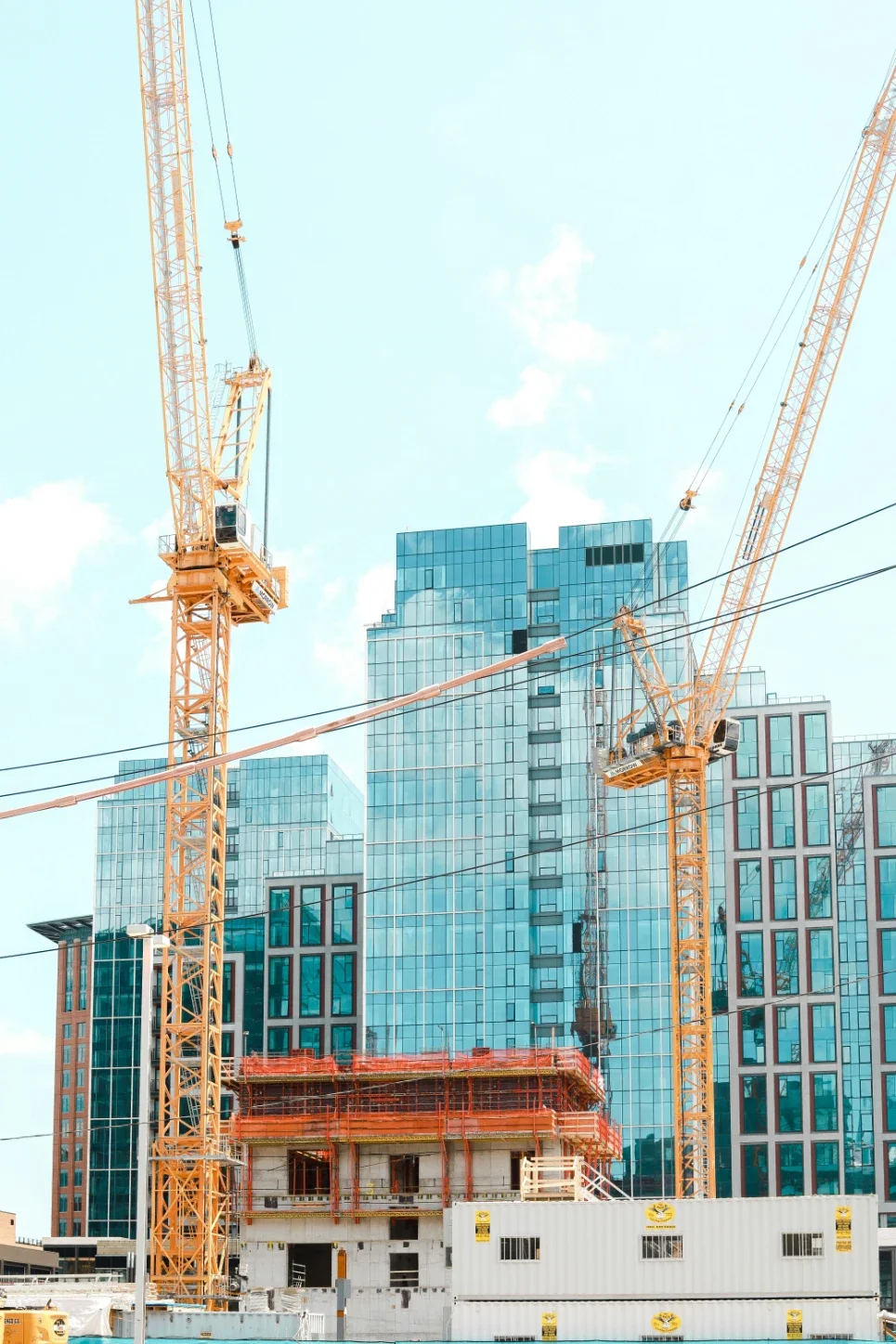
Having construction close by isn't fun – it's noisy, it's dusty, but that's not the only problem; there's also chaos.
Your carefully styled and maintained outdoors – your deck, your garden, your kids' playground – is now next to cement mixers and cranes, which means that you no longer sip your coffee at the patio to the sound of birds chirping, but to all kinds of rackets the construction equipment makes. And as you can imagine, that's not ideal.
But, luckily, and that's what this article is about – your outdoors don't have to necessarily lose its charm just because of the mess that's currently surrounding you. Your chairs can still stay clean, and your pants don't have to clog up with construction dust/debris. All it takes is a few tactical changes, and you're golden!
Let's dive in!
How Nearby Construction Changes Your Outdoor Environment
Once the construction starts near your home, you notice it right away.
The dust starts to settle on your chairs, planters, and tabletops; you'll even find it in your coffee if you decide to drink it outside.
And no matter how many times you wipe the surfaces down, the dust still reappears every single time. You'll also notice changes in light because the equipment or temporary barriers block the sun sometimes. You might even see some planters and decor shifted or fallen due to small vibrations from trucks and smaller machinery.
Then there's the issue of moving around your property because, guess what – that could be an actual issue.
Sidewalks and driveways can be harder to get around because workers and equipment are everywhere. You'll want to pay attention to how the work happens so you can plan around it, especially if you live in a neighborhood that's busy already. San Diego residents often look for a pedestrian injury lawyer in Southern California who can help navigate complex liability claims stemming from hazardous construction zones. Consulting experienced professionals helps ensure that all relevant safety violations are thoroughly documented and reviewed.
The thing is, workers are careful, but they're not careful enough.
Just look at all the construction equipment run-over incidents in Chicago, NY, L.A., Dallas, and all the bigger cities in general. It's no wonder that law firms such as Rosenfeld Injury Lawyers are constantly swamped with cases.
When things get hectic, it's easy to lose focus, and that's when accidents happen.
And you don't want to be anywhere near them when they do.
How to Maintain the Cleanliness of Your Outdoors?
If you don't want dust and debris all over your outdoors, you'll need to make a few adjustments. You don't have to, sure. But keep in mind that if construction just started, it'll likely be there for a good while.
And unless you want to forfeit part of your house, you'll need to adapt.
If you aren't looking to give in, here's how to do it:
Furniture
When you have dust coming from every way, the material your furniture is made of makes a big difference. Pieces that were made from coated metal or all-weather wicker keep their shape and finishes easier, even when you're wiping them down all the time. Ceramics is another good choice.
Fabrics are also important, and in this situation, washable, removable covers are your best friends.
Slightly heavier chairs and tables can help, too, because they won't shift that easily when there are small vibrations coming from passing trucks or equipment.
Protection
If you add a few protective layers, you'll save yourself from a lot of cleanup.
Covers for furniture and protectors for cushions are easy to toss on when you're not using the space, and even if all you do is throw a cloth over a table, you'll still have a lot less dust to wipe down.
When things get really messy (and they will, sooner or later), roll-down shades or a temporary tarp can block most of that debris before it even gets to your patio.
If you have outdoor rugs, make sure they're not flimsy and can withstand frequent washes well.
Plants
Plants get stressed during construction season, and they like to show it, so make a few tweaks to help them out. Move sensitive plants to a spot that's more sheltered, even if all you have is a corner that catches less dust.
Raised stands will keep the leaves cleaner on days when debris is everywhere.
If you want something that doesn't require constant attention, hardy plants are the way to go, like evergreen shrubs and big succulents.
(Tiny) Layout Changes
In short – shuffle things around.
The crane might be casting an appealing shadow over where you sit in the morning (or evening, depending on the orientation), or more dust/debris might be going into your backyard in a particular spot. This could be because of positioning or because of how the wind blows. The point is – move your seating area a bit further.
If you manage to place it behind a protective wall, you'll be protected from all the nasties, but also partially from the noise that's coming your way.
Pro tip: You could even close the deck off with a protective plastic screen. Sure, it might seem like an unnecessary investment, but if you've got cold winters or harsh rain combined with wind where raindrops fall under all kinds of angles, this might actually be a long-term solution; the construction annoyance only served as the grant motivator in this case.
Conclusion
Construction season, regardless of how annoying it may be for you, won't last forever. Before you know it, the contractors are gone, and everything is back to normal. Even the sound of silence might become loud until you adjust.
So, there's no need to go hyper about it. No need to crack the skin on your hands with all the cleaning products you might be using daily, nor is it required for you to clean your plants from all the dust.
Sure, don't let it get too bad. But there's no need to panic about it.
Stay up to date with our latest ideas!