Renovate Or Rebuild? How To Know When A Home Needs More Than A Makeover
Learn how to decide between renovating or rebuilding a home by evaluating structural issues, costs, functionality, and long term value.

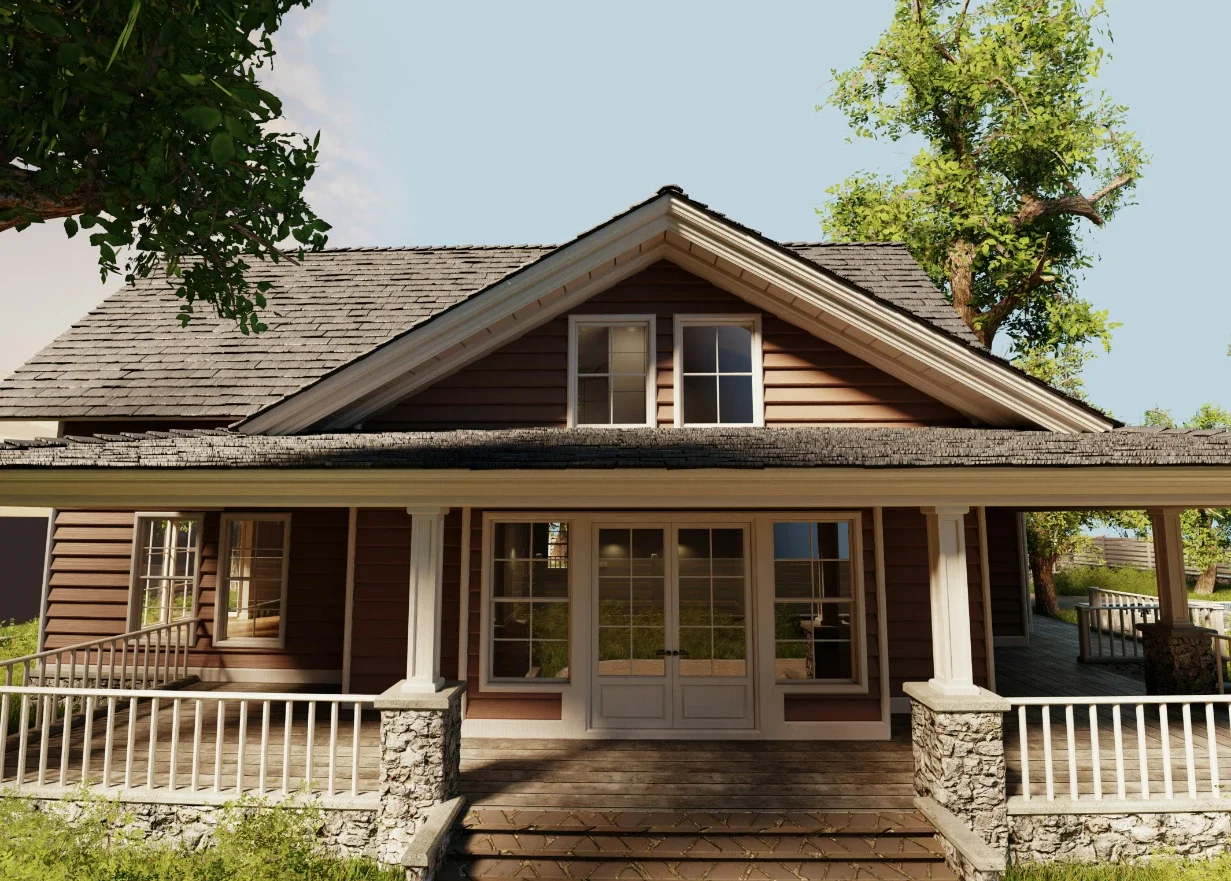
Renovation has a natural appeal. It feels less drastic than starting again, and it lets homeowners imagine keeping the best parts of a house while improving the parts that no longer work. A fresh kitchen, new flooring, better lighting, and updated bathrooms can completely change the way a home feels.
Sometimes, though, a house needs more than cosmetic improvement. When the structure, layout, services, insulation, and long-term function are working against you, renovation can become a costly way to address problems. Knowing when to renovate and when to rebuild helps you avoid spending heavily on a home that still will not suit the life you want.
Start With Whether The Existing Home Still Deserves Saving
The first question is not whether the house looks dated. Almost every tired home can look better with paint, lighting, flooring, and styling. The real question is whether the existing structure gives you enough to work with. If the foundation is sound, the layout can be improved sensibly, and the home already has the space you need, renovation may be the smarter path. If the house has major structural problems, poor orientation, awkward ceiling heights, weak natural light, serious moisture issues, or a layout that conflicts with modern living, rebuilding may warrant a closer examination.
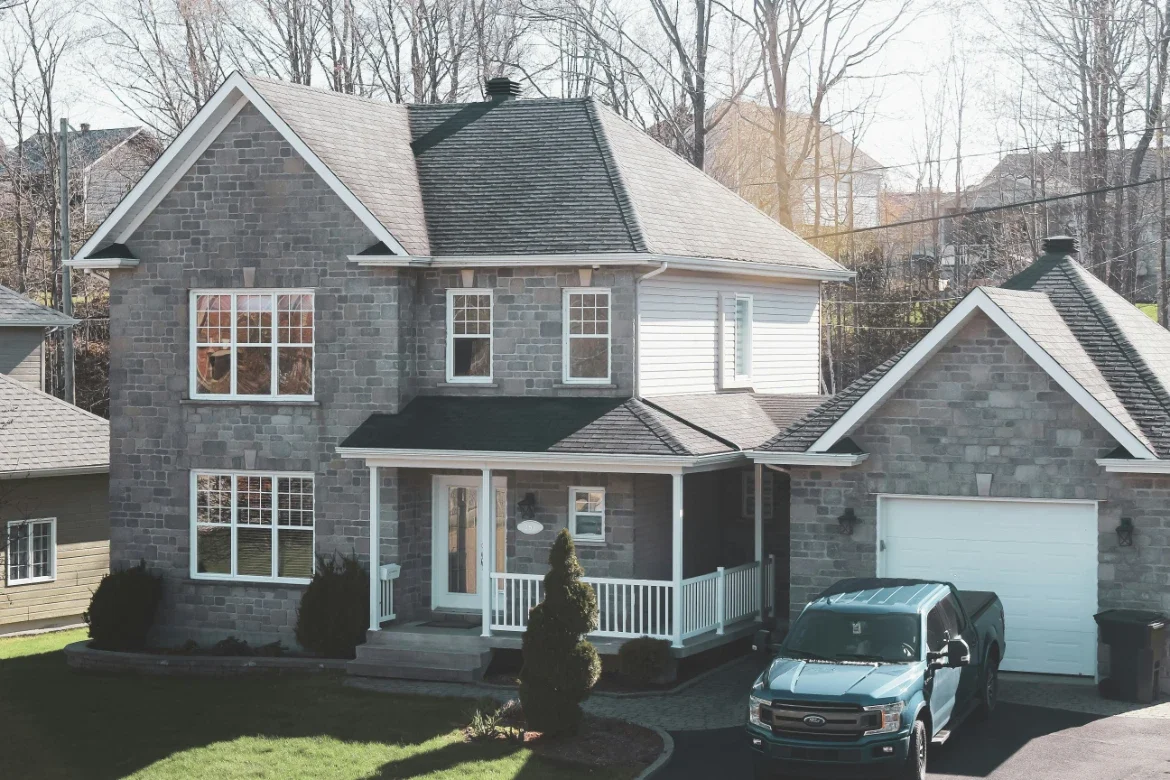
A useful example is the way some home builders present the knockdown rebuild option for owners who love their location but not the house sitting on it. That framing makes sense because many people do not want to leave their street, neighbours, school zone, commute, garden, or local routine. Their problem is not the block. It is the building. In that situation, a rebuild can offer a new home in a familiar place, rather than forcing a choice between an imperfect renovation and moving away.
This does not mean rebuilding is automatically better. It means the decision should begin with the home’s real condition, not emotional attachment alone.
Look Beyond The Pretty Parts Of Renovation
Renovation plans often begin with the visible wish list: a larger kitchen, calmer bathroom, better flooring, new windows, a fresh colour palette, or more storage. These upgrades matter, but they can hide deeper questions. What is happening inside the walls? Is the wiring old? Is the plumbing unreliable? Does the roof need major work? Are there drainage problems? Is the insulation poor? Does the home struggle with heat, cold, damp, or noise?
A makeover can improve how a house looks while leaving expensive weaknesses underneath. That is where budgets become dangerous. Once walls are opened, older homes can reveal issues that were not obvious during the planning stage. Repairing these problems may still be worthwhile, but it changes the scale of the project.
Before committing to renovation, get realistic inspections and quotes. A builder, structural engineer, electrician, plumber, roofing specialist, or building inspector can help identify whether the planned updates are sitting on a stable base. If essential repairs consume most of the budget before the design improvements even begin, rebuilding may be more logical.
Ask Whether The Layout Can Truly Be Fixed
Some homes only need better room planning. Removing a non-structural wall, widening an opening, adding built-in storage, or reworking furniture placement can make a huge difference. Other homes have deeper layout problems that are difficult to solve without major structural work.
Pay attention to circulation. Do people have to walk through one room to reach another awkwardly? Is the kitchen cut off from the living area? Are the bathrooms badly placed? Are bedrooms too small to function properly? Is the laundry in the wrong part of the house? Does the home lack a clear connection to the garden?
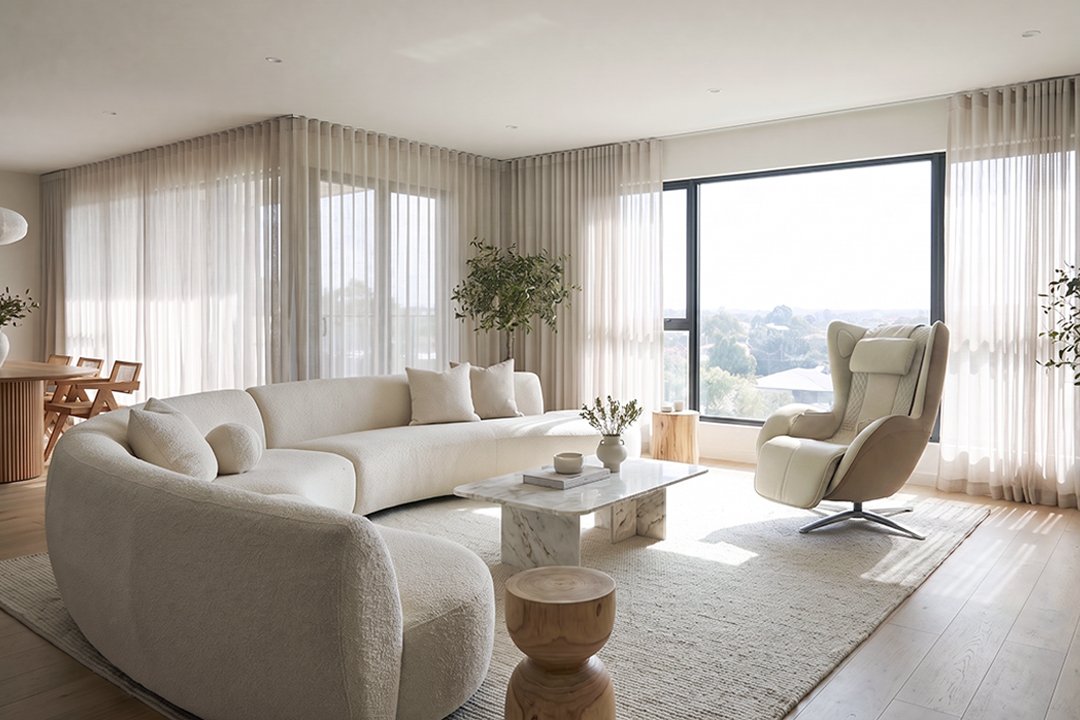
If the layout problems can be solved with a targeted renovation, it may be worth preserving the home. But if every solution creates another compromise, the existing floor plan may be limiting the property. A rebuild gives you the chance to design around how you actually live: open but defined living areas, proper storage, better bedroom placement, stronger indoor-outdoor flow, and spaces that suit work, guests, family, and privacy.
Good design should make daily life easier. If the original layout cannot support that, surface updates may not be enough.
Compare Costs Honestly, Not Emotionally
Many homeowners assume that renovation is cheaper because it sounds less extensive. Sometimes it is. But major renovation can become expensive when it involves structural changes, new services, roofing, extensions, asbestos removal, drainage work, custom joinery, temporary accommodation, and repeated surprises.
Rebuilding has its own costs: demolition, design, approvals, site preparation, construction, landscaping, professional fees, and possible rental costs while the work is underway. Still, it can offer more cost clarity once the project is properly scoped, especially compared with a renovation where unknown problems may appear gradually.
The comparison should include more than the initial quote. Think about the final result. After spending a large amount on renovation, will you still have low ceilings, poor orientation, limited storage, awkward rooms, or an old structure? Or will the finished home genuinely meet your needs for the next decade or more?
A cheaper project is not always a better value. The better choice is the one that gives you the most durable, functional, and satisfying result for the money spent.
Consider Energy Efficiency And Comfort
Older homes can be charming, but they are not always comfortable. Poor insulation, single glazing, draughts, inefficient heating and cooling, and weak ventilation can make everyday living more expensive and less pleasant. Renovation can improve these issues, especially if you upgrade windows, insulation, roofing, appliances, and heating systems.
However, there is a point where improving performance becomes difficult because the home was never designed for modern efficiency. A rebuild can allow better orientation, improved insulation, more efficient glazing, stronger ventilation, solar readiness, smarter shading, and more thoughtful material choices from the beginning.
This matters because comfort is not only a winter or summer problem. A home that stays more stable in temperature, uses energy more efficiently, and handles natural light well feels better every day. If comfort problems are deeply built into the existing structure, rebuilding may offer a cleaner long-term solution.
Endnote
Renovating makes sense when the bones are solid and the layout can evolve without endless compromise. Rebuilding becomes smarter when structure, comfort, efficiency, and function are all working against you. The best decision protects your budget, respects the site, and creates a home that truly supports daily life comfortably well.
Stay up to date with our latest ideas!