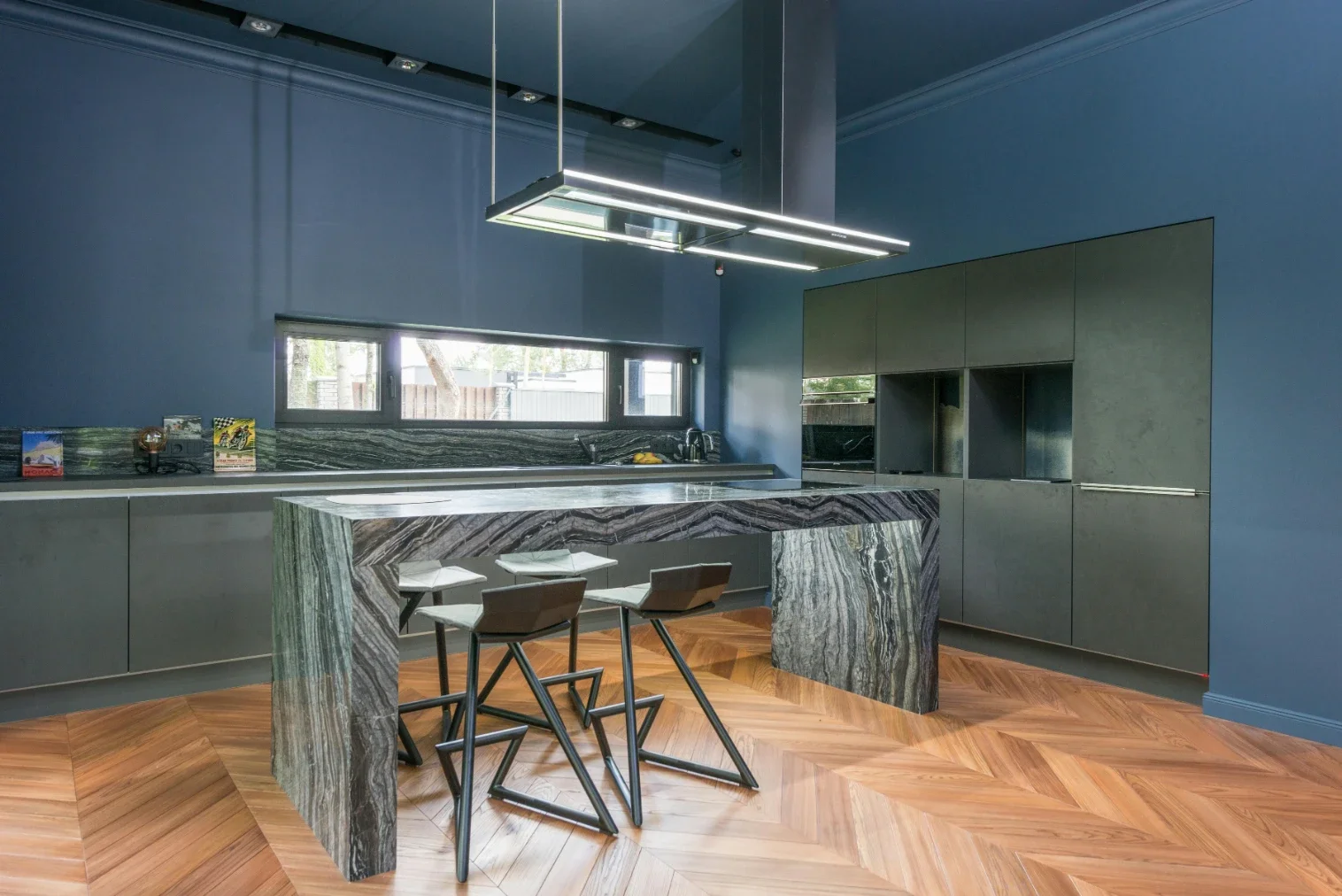
Designing A Year-Round Retreat: Lessons From Mountain Town Living
Discover lessons from mountain town living to design a year round retreat with cozy interiors, functional spaces, and a strong connection to nature.
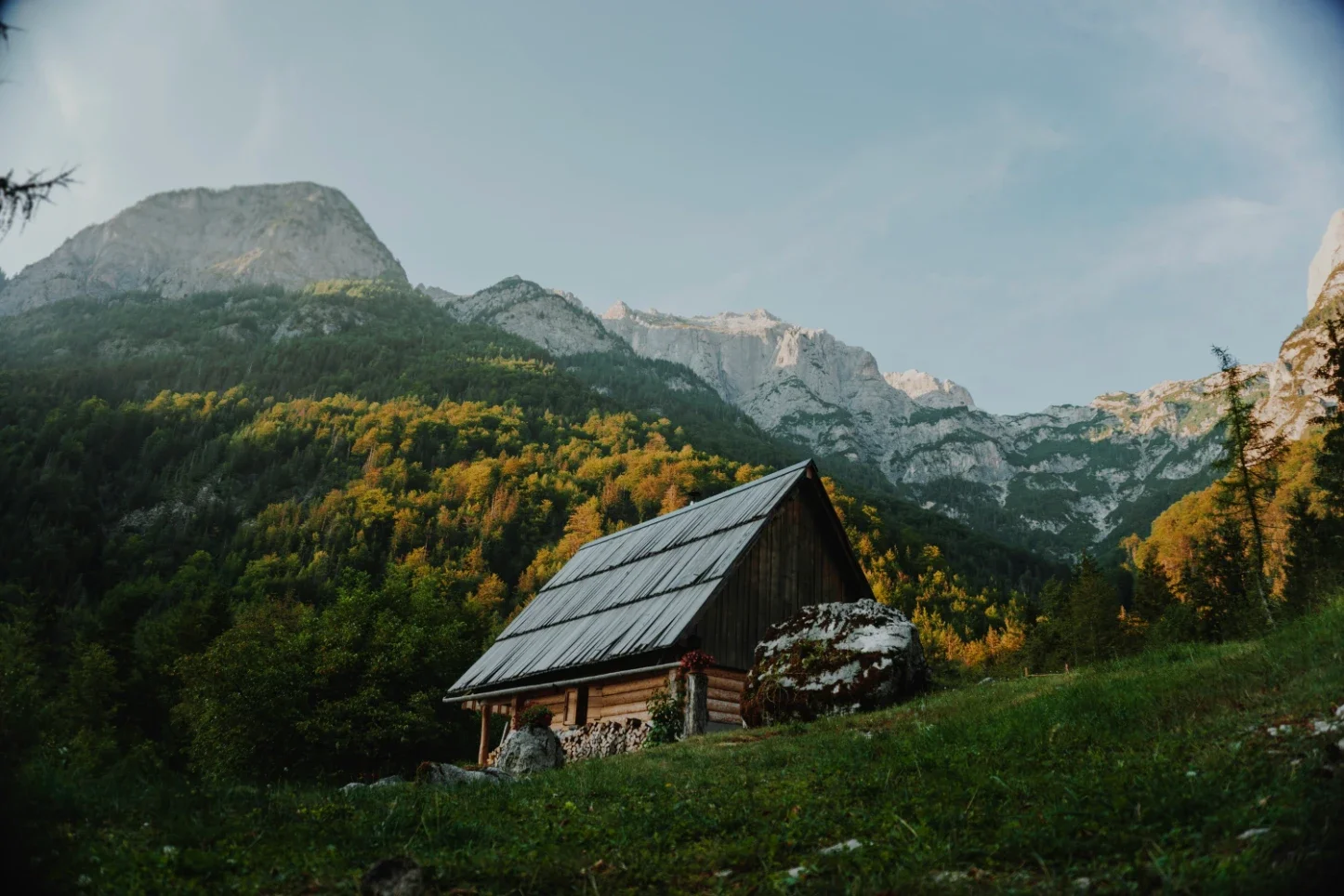
A year-round retreat is not just a home that looks cozy in winter or beautiful in summer. It is a space that works through muddy spring mornings, hot afternoons, snowy evenings, quiet weekends, family visits, and daily routines. Mountain town living offers some of the best design lessons because homes in these places must balance comfort, durability, views, storage, weather, and relaxation all at once.
The result is a style that feels warm without being heavy, practical without being plain, and connected to nature without feeling unfinished. Whether your home is in the mountains or simply inspired by them, the right design choices can make it feel like a retreat in every season.
Start With A Home That Responds To Its Setting
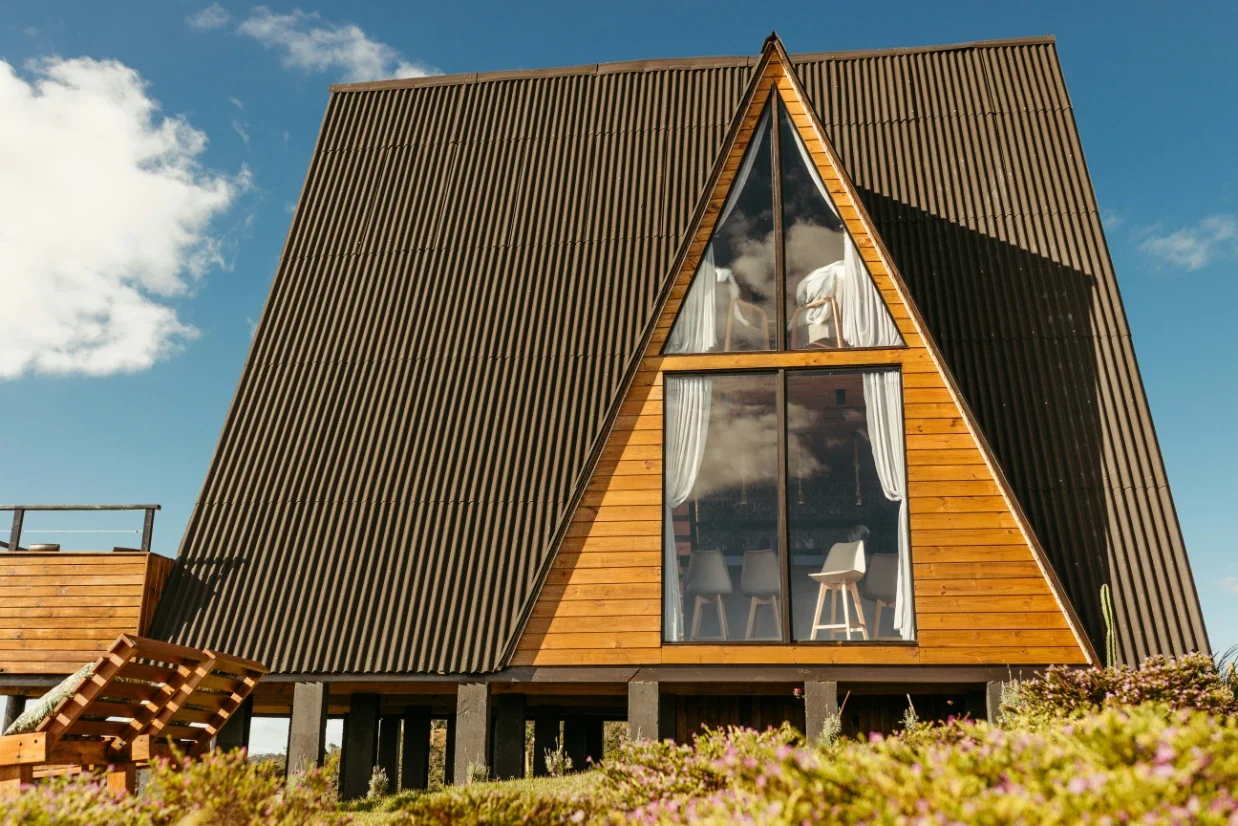
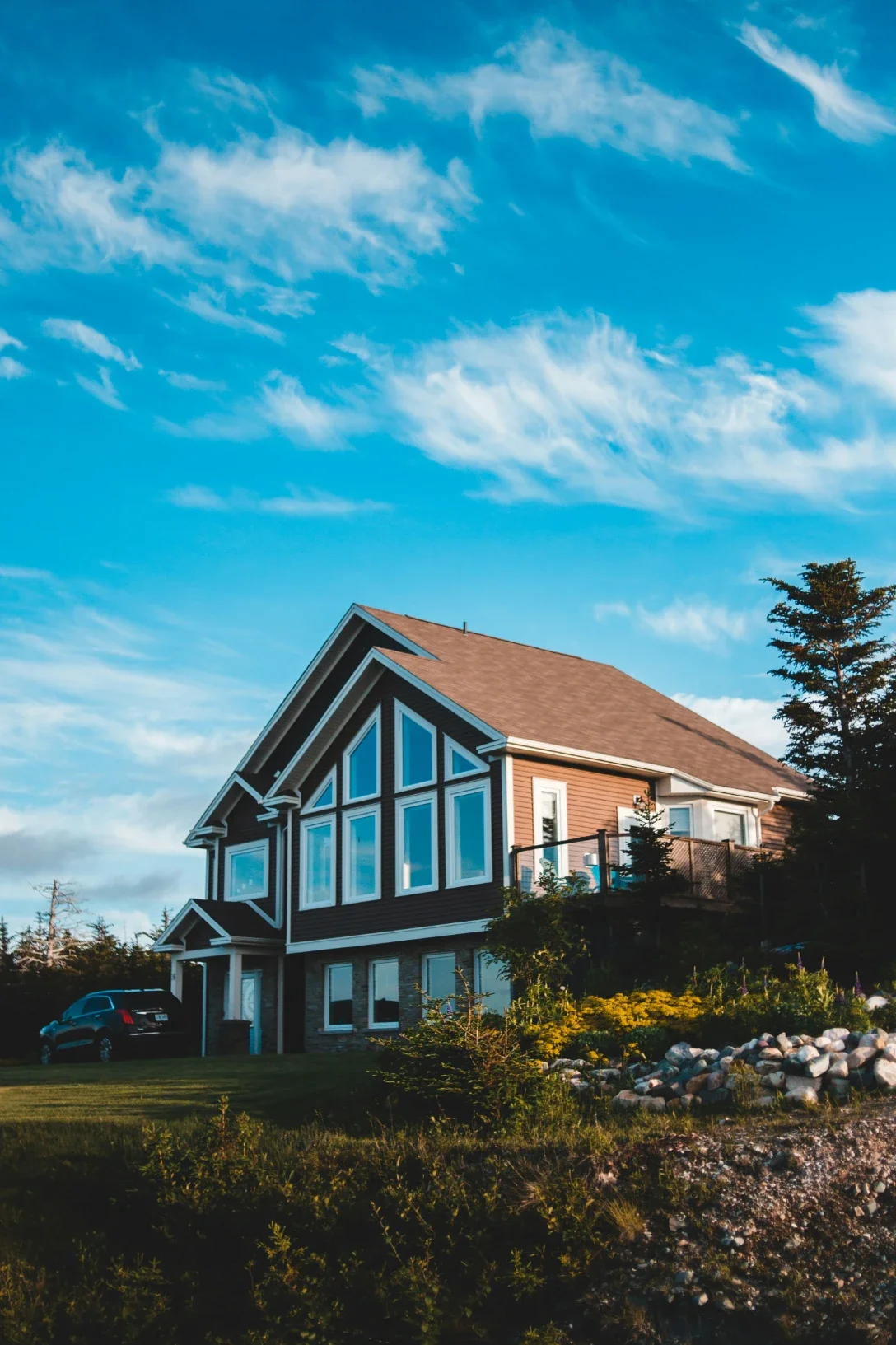
Mountain homes work best when they are designed around their surroundings rather than decorated as though they could sit anywhere. That does not mean every room needs antlers, plaid blankets, or heavy log furniture. It means the home should respond to climate, light, views, materials, and the way people actually move through the space.
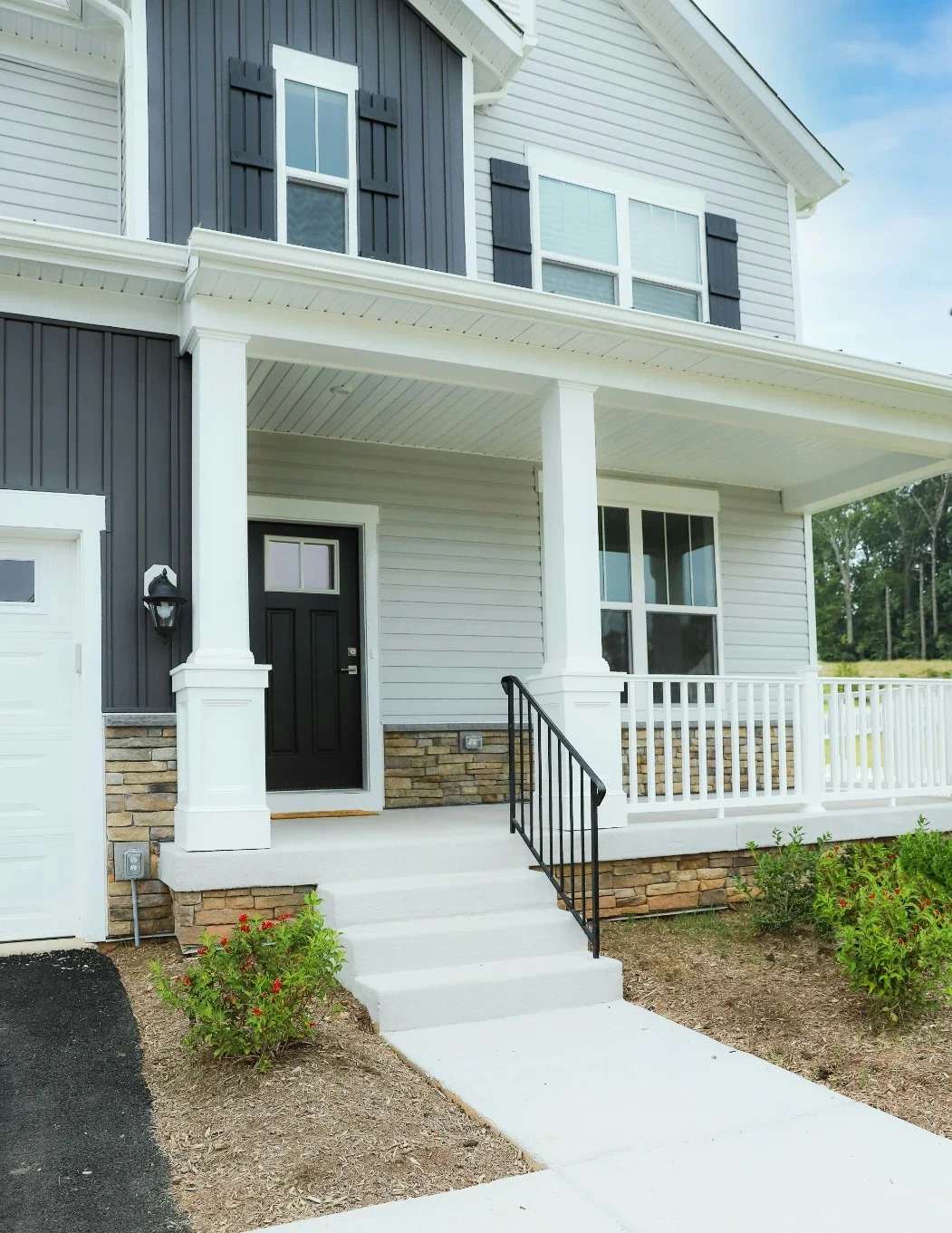
This is where real estate and design naturally meet. Pages discussing new real estate in Steamboat Springs often focus on new development in a mountain-resort setting, where homes are not simply judged by square footage. Buyers are also thinking about access, views, seasonal use, comfort, and how the property fits into an outdoor lifestyle. That same thinking is useful when designing a retreat at home. The design should not begin with a random mood board. It should begin with the question: What does this location ask the home to do?
If the property has strong views, arrange furniture to face them instead of treating windows as background. If winters are cold, include durable entry storage and layered textiles. If summers are bright, use breathable fabrics, shaded outdoor seating, and window treatments that soften glare without blocking the landscape. A retreat feels effortless only when it has been planned around real conditions.
Build Around Warmth, Not Clutter
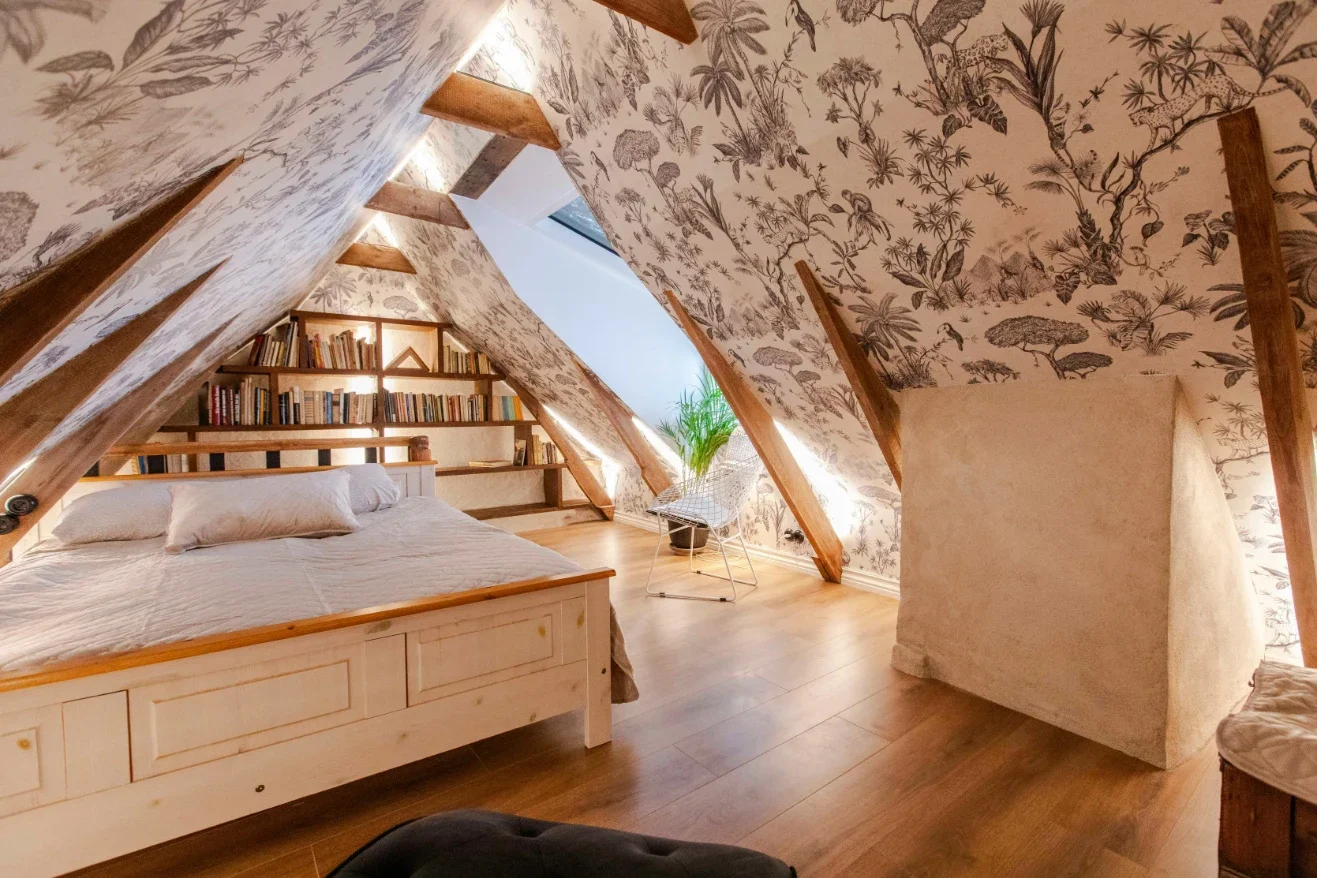
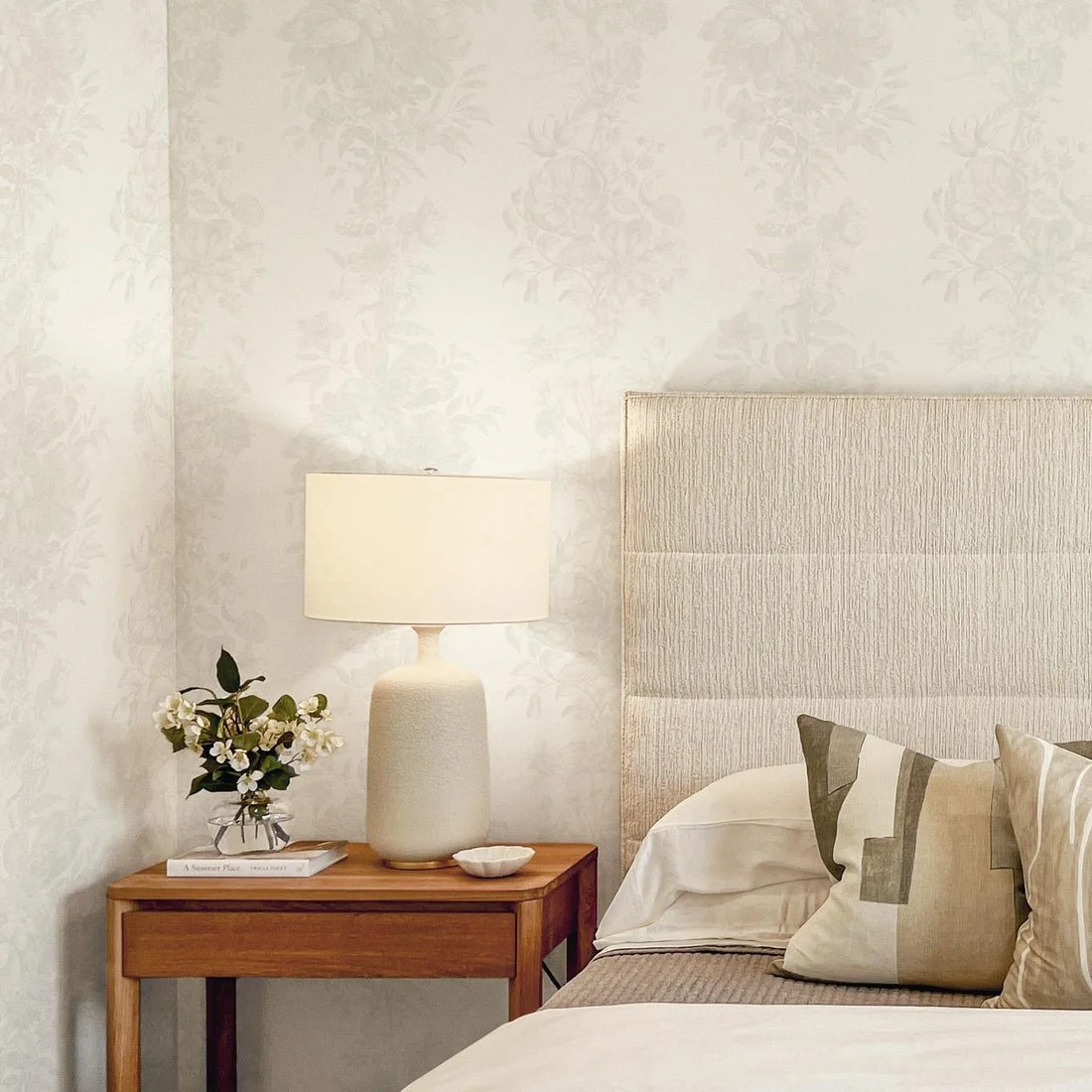
Mountain-inspired interiors often go wrong when warmth is confused with visual weight. A room does not need to be packed with dark wood, oversized furniture, and rustic objects to feel cozy. True warmth comes from balance: layered textures, comfortable seating, soft lighting, natural materials, and enough open space for the room to breathe.
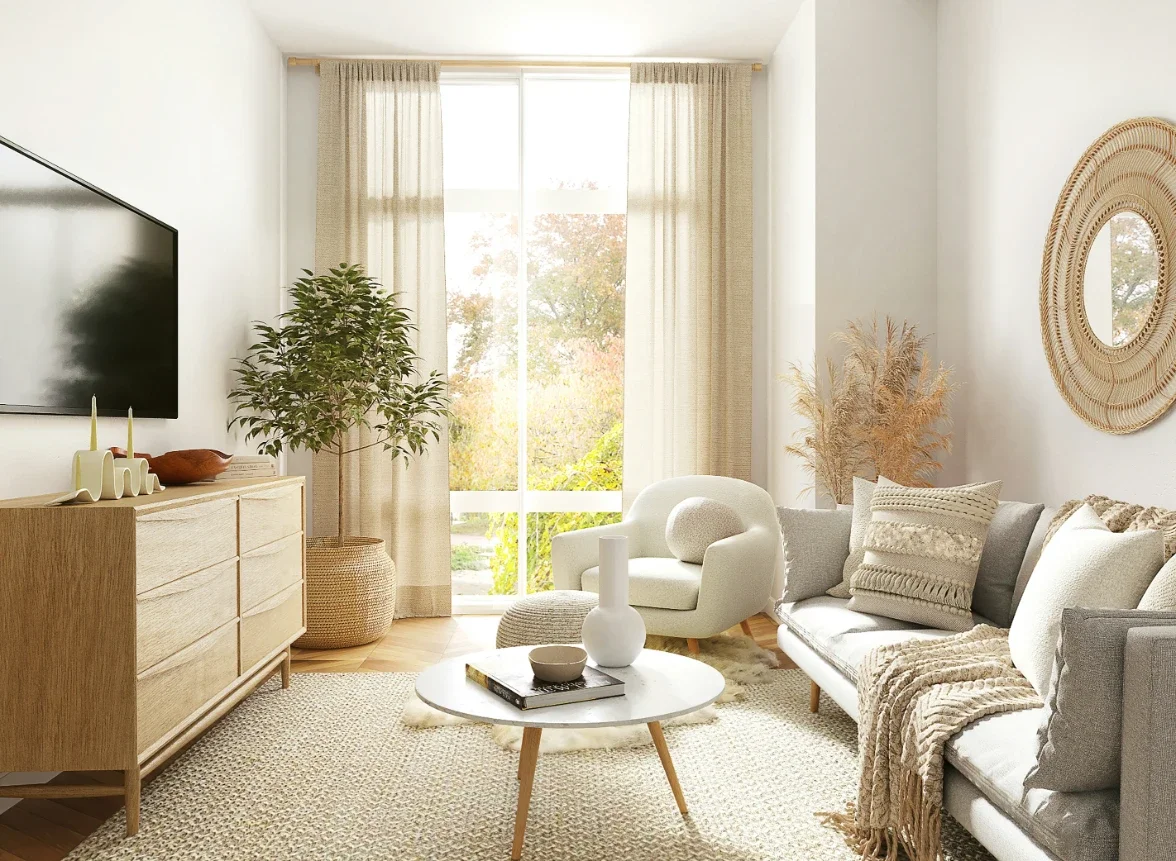
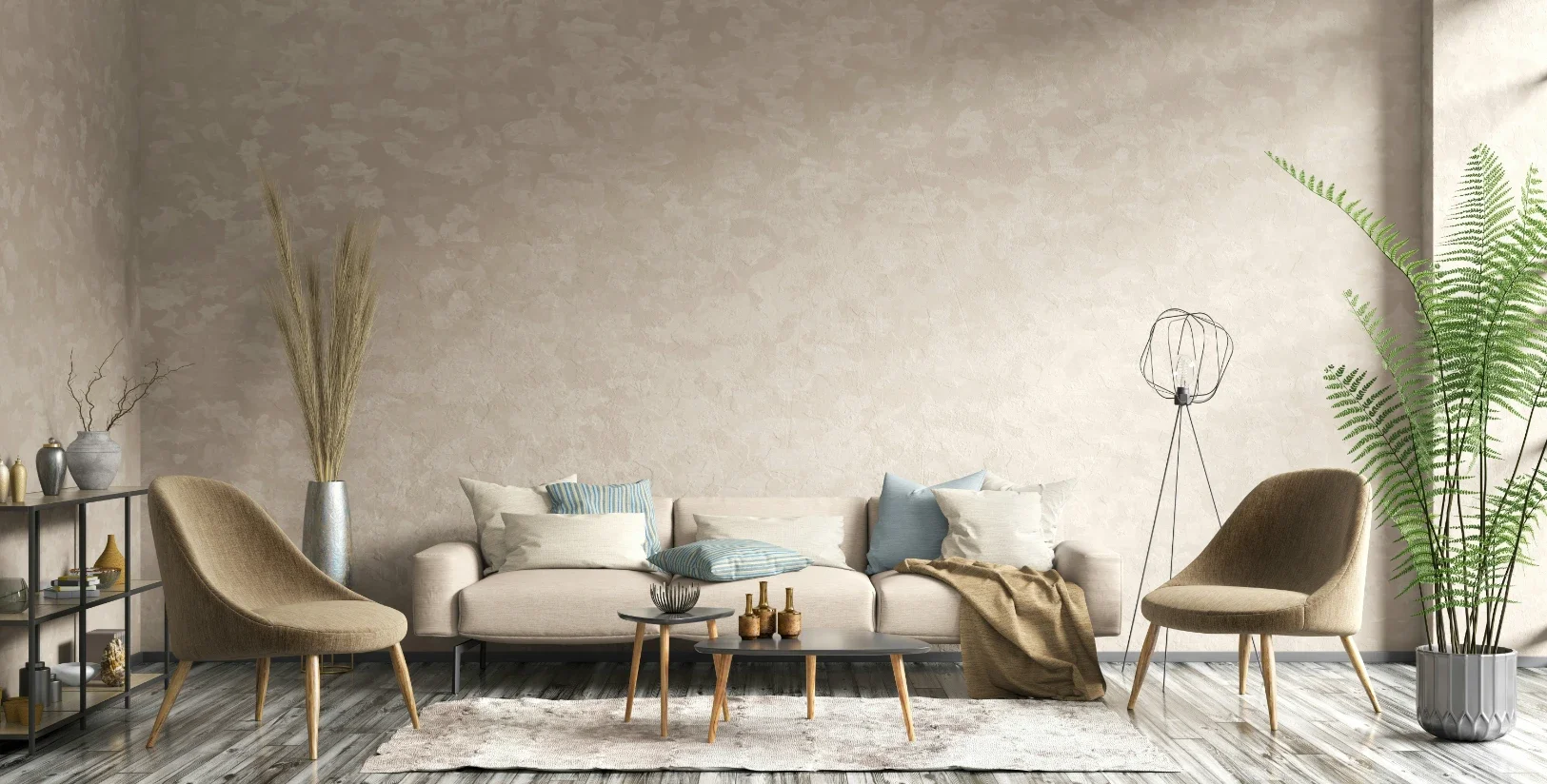
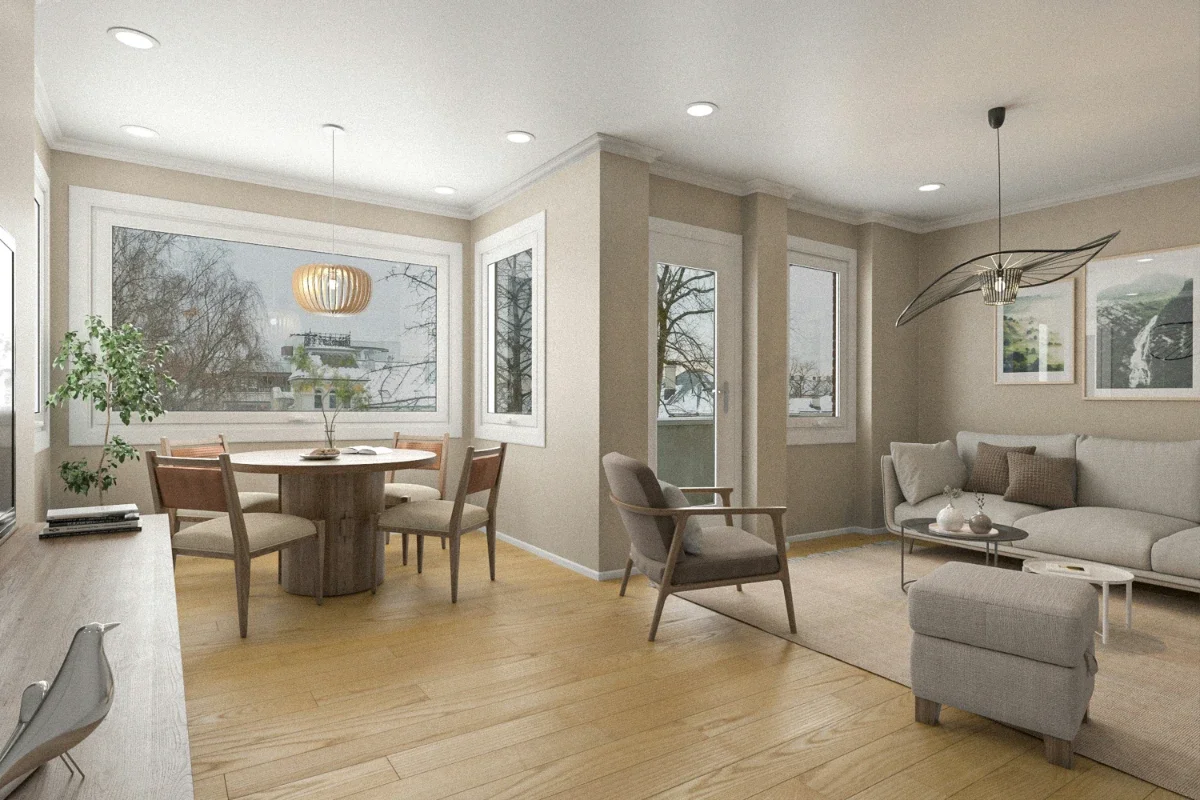
Start with a calm base. Warm whites, stone gray, soft taupe, muted green, clay, charcoal, and natural wood tones all work well because they echo outdoor landscapes without overwhelming the home. Then add texture through wool throws, linen curtains, leather chairs, woven baskets, ceramic lamps, and timber accents.
The key is restraint. One substantial wooden coffee table can feel beautiful. Five heavy wooden pieces in one room may make the space feel dark and dated. A stone fireplace can anchor the room. Too many rough finishes can make it feel like a themed lodge.
A year-round retreat should feel welcoming in January and fresh in July. Keep the warmth, but leave enough lightness for the home to adapt across seasons.
Design An Entryway That Handles Real Life
In mountain towns, the entryway is not decorative filler. It is a working zone. Snow boots, rain jackets, hiking shoes, dog towels, backpacks, sports gear, umbrellas, and grocery bags all pass through it. Even if your home is not in a snowy climate, the same principle applies: a retreat needs a practical threshold between the outside world and the calm interior.
A good entry should include closed storage, open hooks, a bench, washable flooring, and a place for small everyday items. If space is tight, use vertical storage. Wall hooks, slim cabinets, floating shelves, and baskets under a bench can turn a narrow hallway into a useful drop zone.
Materials matter here. Choose flooring that can handle water, grit, and frequent cleaning. Stone, tile, brick, sealed concrete, or durable luxury vinyl can work better than delicate surfaces in high-traffic areas. Add a washable runner to soften the look and reduce mess.
The entry sets the tone for the whole home. When it works properly, the rest of the house stays calmer, cleaner, and easier to enjoy.
Make The Living Room Flexible Across Seasons
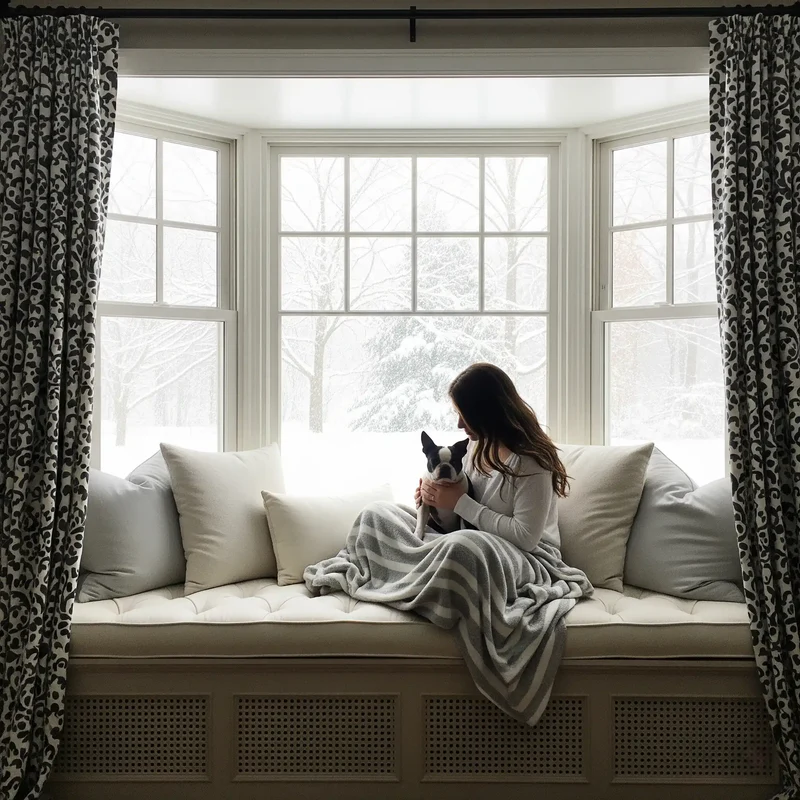
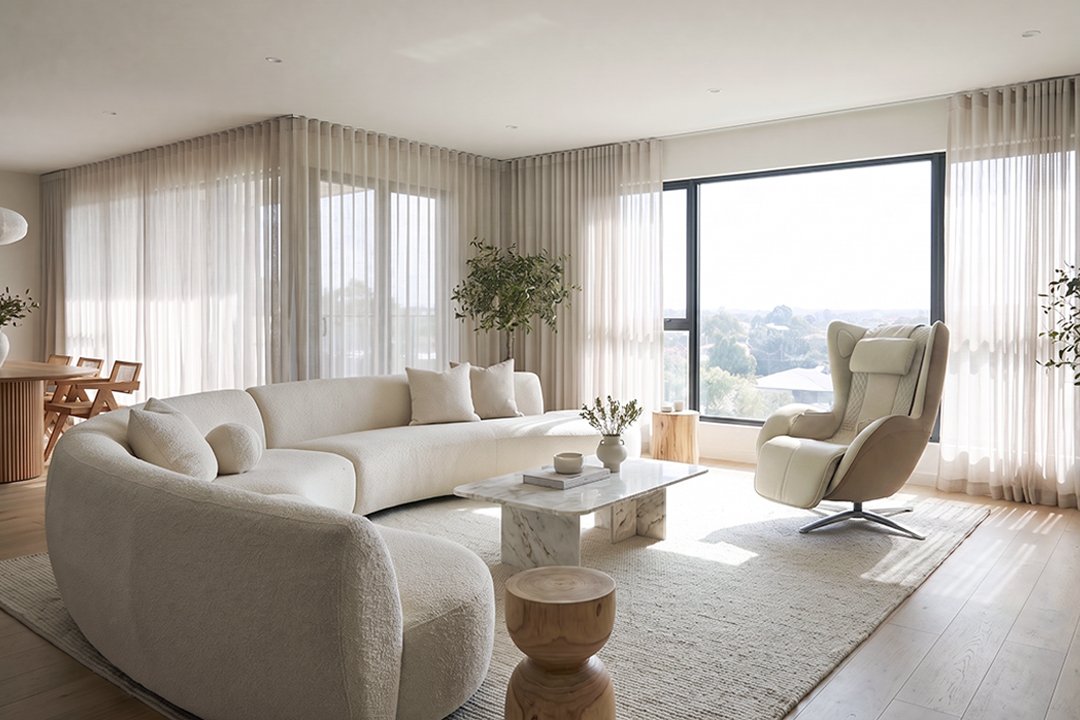
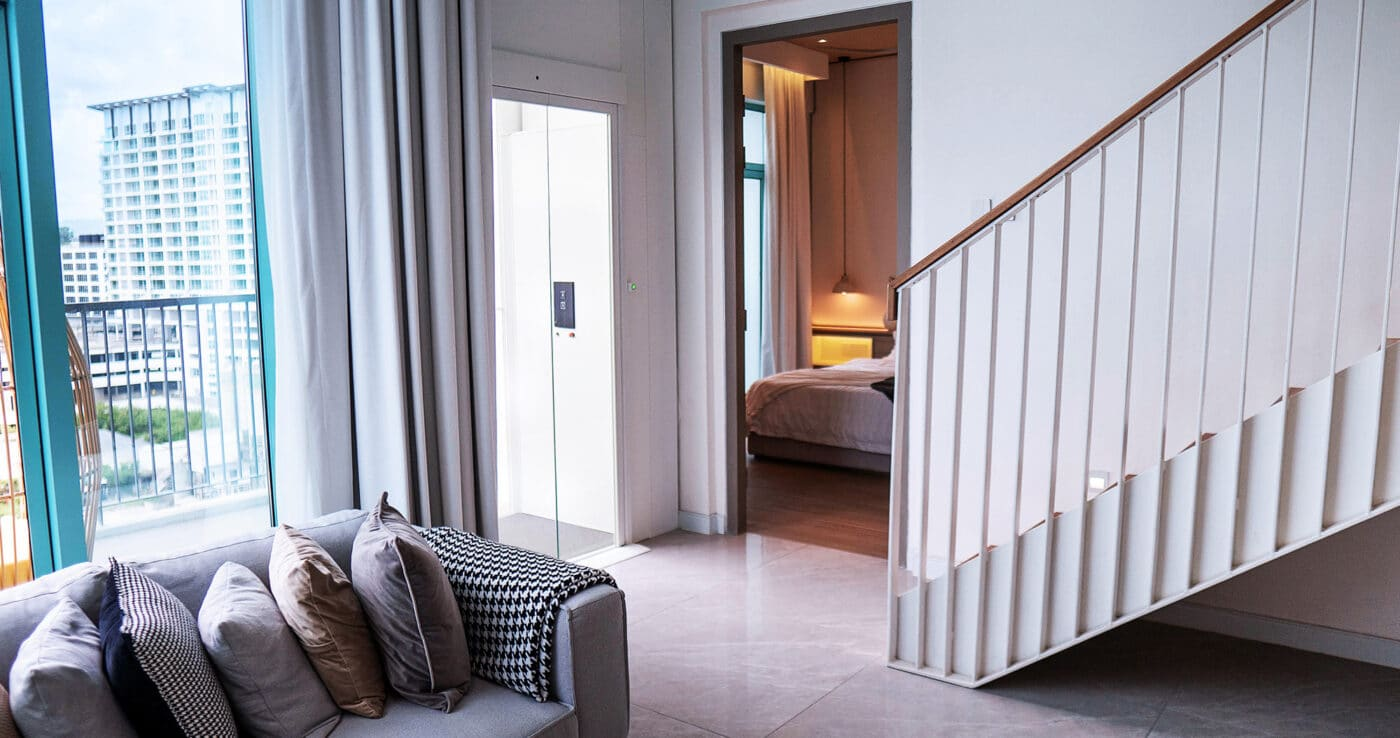
A retreat-style living room should support more than one kind of day. In winter, it might need to feel cocooning and intimate. In summer, it should feel open, relaxed, and connected to the outdoors. The best way to achieve that is through flexible layers rather than permanent heaviness.
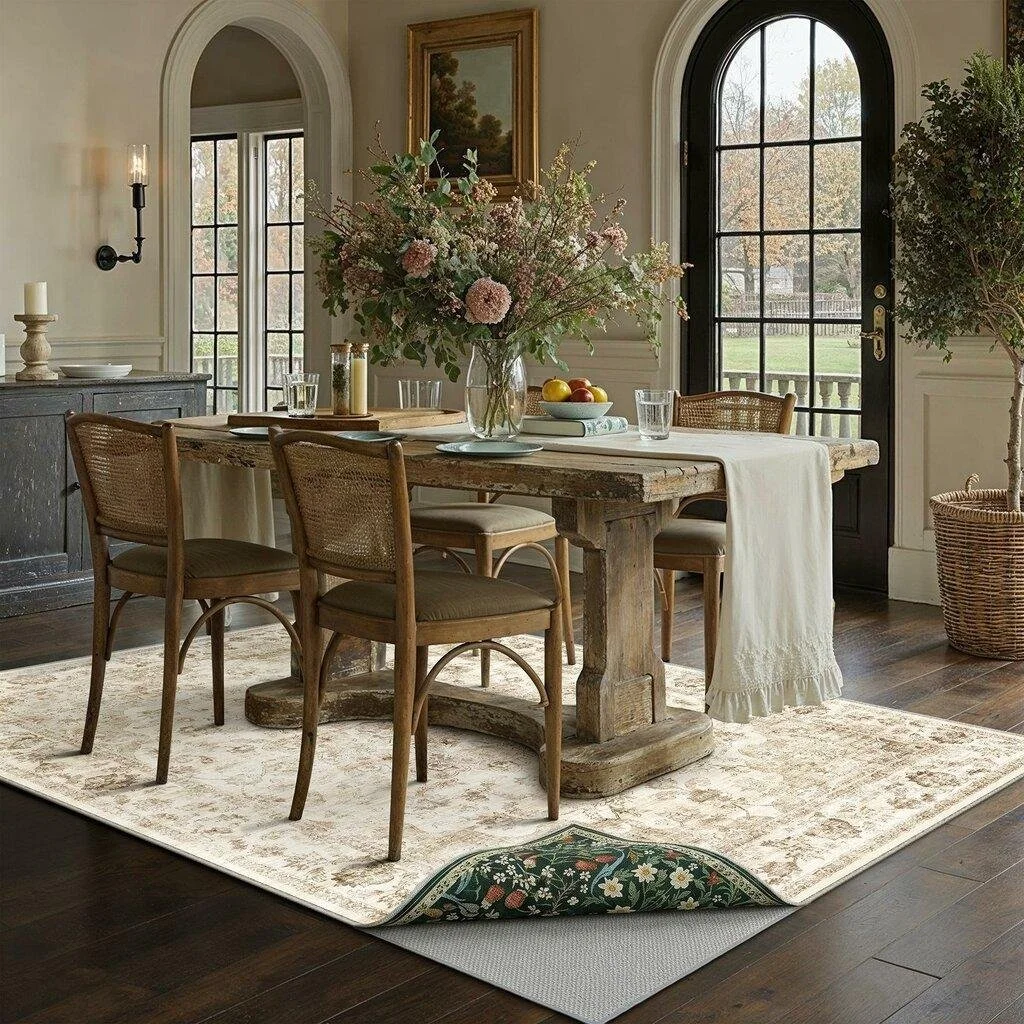
Choose seating that encourages conversation, reading, and rest. A deep sofa, two comfortable chairs, and a few movable stools or ottomans can make the room more adaptable than a single oversized sectional. Use rugs to anchor the space, but choose materials that suit your lifestyle. Wool is warm and durable, while flatweave rugs can be easier to clean in busier homes.
Lighting should be layered. Do not rely only on one ceiling fixture. Use table lamps, floor lamps, sconces, and dimmable bulbs so the room can shift from bright morning coffee to quiet evening relaxation.
Keep seasonal styling simple. In colder months, add heavier throws, deeper colors, and extra candles. In warmer months, swap in lighter cushions, fresh greenery, and breezier fabrics. The room should evolve without needing a full redesign.
Let Outdoor Living Become Part Of The Retreat
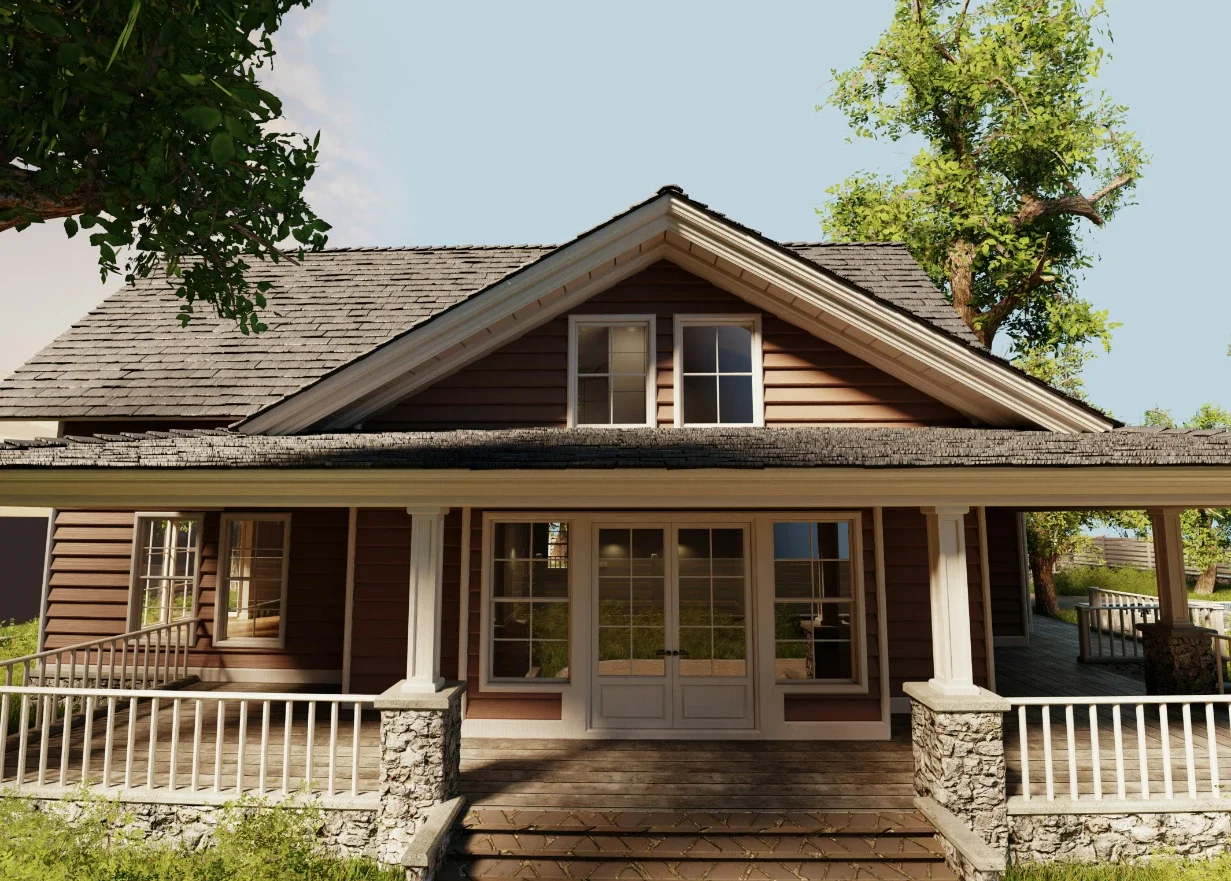
Mountain town living teaches a valuable lesson: outdoor areas are not separate from the home. Decks, patios, balconies, porches, and small gardens can all extend the retreat feeling, even when the weather changes.
Think of outdoor space as another room. Use proper seating, side tables, lighting, planters, and weather-resistant textiles. A small balcony might only need two chairs and a compact table, while a larger deck can handle dining furniture, lounge seating, and layered planters.
Shelter is important. Pergolas, umbrellas, covered porches, wind screens, and outdoor rugs can make exterior spaces more comfortable. If evenings are cool, add blankets or a fire feature where appropriate and safe. If summers are hot, focus on shade and airflow.
The design should also make the view feel intentional. Keep railings, furniture, and planting arrangements from blocking the best sightlines. A retreat is not only about what is inside the home. It is about creating more ways to pause, look out, and feel connected to the landscape.
Wrapping Up
Designing a year-round retreat means building comfort around real conditions, not seasonal fantasy. When interiors respond to views, weather, storage, light, and daily routines, the home feels calm in every month. Mountain town living shows that practical choices and warm design can work together without losing beauty or personality inside.
Stay up to date with our latest ideas!