Simple Home Upgrades That Make Everyday Living Healthier
Discover simple home upgrades that support healthier everyday living by improving air quality, comfort, lighting, and overall wellness at home.
A healthier home does not have to look clinical. It can still be warm, layered, beautiful and full of personality. The difference usually comes down to the choices that sit beneath the surface: the water you drink, the air you breathe, the materials you touch every day and the small systems that make the house easier to live in. Good design has always been about more than how a room photographs. The best homes support the people moving through them.
Health-focused upgrades belong in the same household planning as lighting, furniture, paint and layout. They may not always be the first details visitors notice, but they often shape how a home feels over time. A kitchen that makes clean water easy to reach, a bedroom that supports deeper rest or a living room that collects less dust are all practical changes, but they can feel subtly luxurious when done well.
Start with Indoor Air Without Overcomplicating It
Air quality is an invisible part of home comfort. Dust, pet dander, cooking fumes, cleaning products, smoke from outside and poor ventilation can all affect how a room feels. Source control, ventilation and filtration can help reduce exposure to indoor pollutants and improve indoor air quality.
Your upgrade does not need to begin with something dramatic. Start with the basics. Replace HVAC filters on schedule, use a range hood when cooking, open windows when outdoor conditions are good and keep soft furnishings clean. Rugs, curtains, upholstery and bedding all collect particles over time, so regular cleaning matters more than people like to admit.
Air purifiers can also help in bedrooms, home offices or living spaces where dust and allergens tend to build. Look for units sized properly for the room, and avoid treating them as magic boxes. They work best alongside good cleaning habits and better ventilation.
Improve the Quality of the Water You Use Every Day
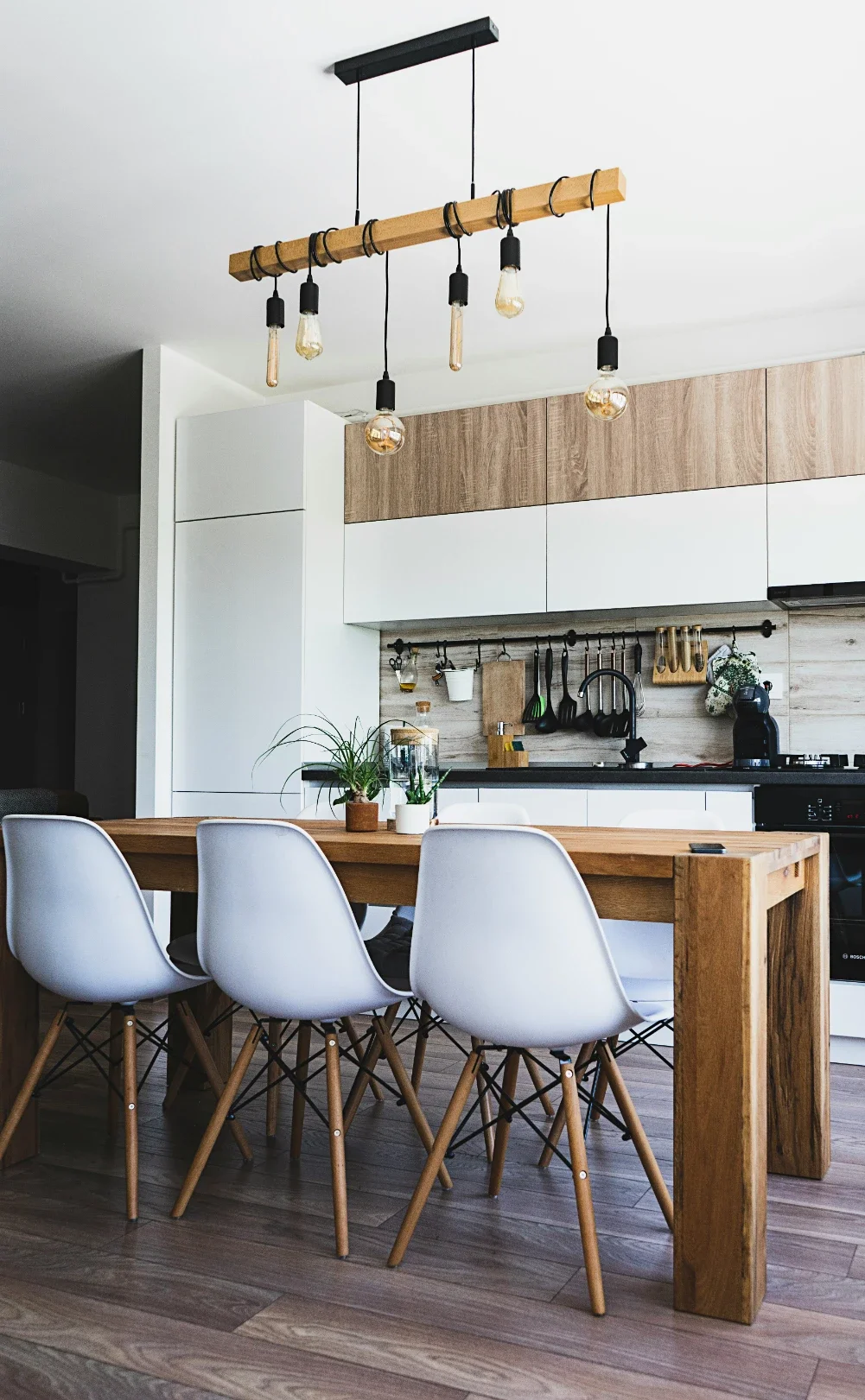
Water is also one of the most basic parts of home life, yet it is easy to overlook until taste, odor or trust becomes a concern. It goes into coffee, tea, cooking, water bottles, pet bowls and the glass on the nightstand. Improving that daily experience can make the whole kitchen feel more considered.
A Berkey water filter is one option you may look at when you want a countertop system that becomes part of the kitchen routine rather than a hidden appliance. For many households, the appeal is practical: filtered water within reach, fewer single-use plastic bottles and a setup that doesn’t require a full remodel.
Before choosing any filter, you should also review the specific contaminants you may want to reduce and compare product testing information carefully. It is recommended to select home water treatment systems based on the issue being addressed and check certification through independent organizations where applicable.
Choose Materials That Feel Better to Live With
Your choices in paint, flooring, furniture, cabinetry and textiles all affect your indoor environment in small ways. Low-VOC paints, natural fibers and well-made furniture can help lower the heavy chemical smell that sometimes lingers after decorating. This is especially worth considering in bedrooms, nurseries, home offices and living spaces where people spend longer stretches of time.
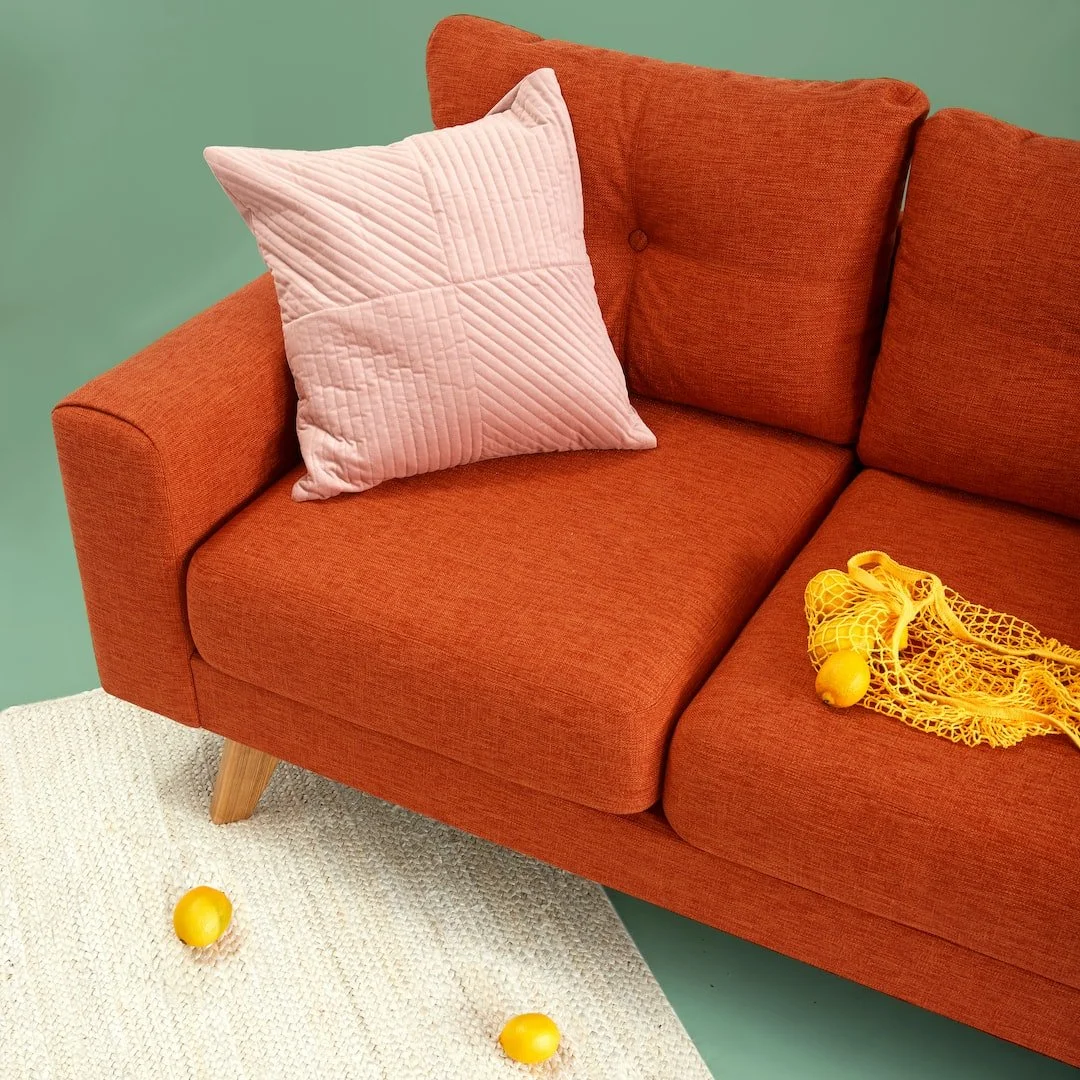
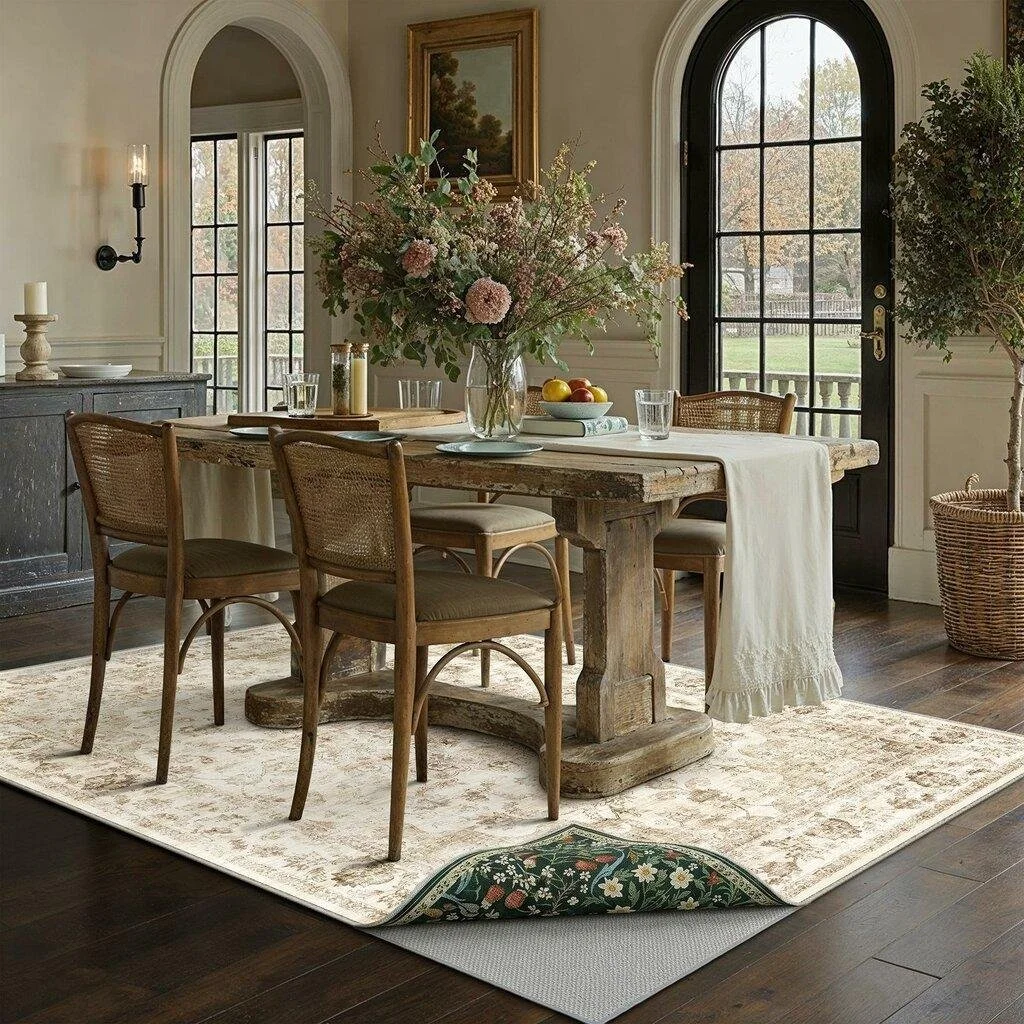
For those with sensory preferences, cotton bedding, wool rugs, linen curtains and solid wood furniture bring texture without turmoil. They age well, feel comfortable and often create a more grounded atmosphere than cheaper, synthetic-heavy alternatives. A room doesn’t need to look overly zen to support well-being. Sometimes it only needs better air, softer light and materials that don’t fight the body.
Make Light Work Harder
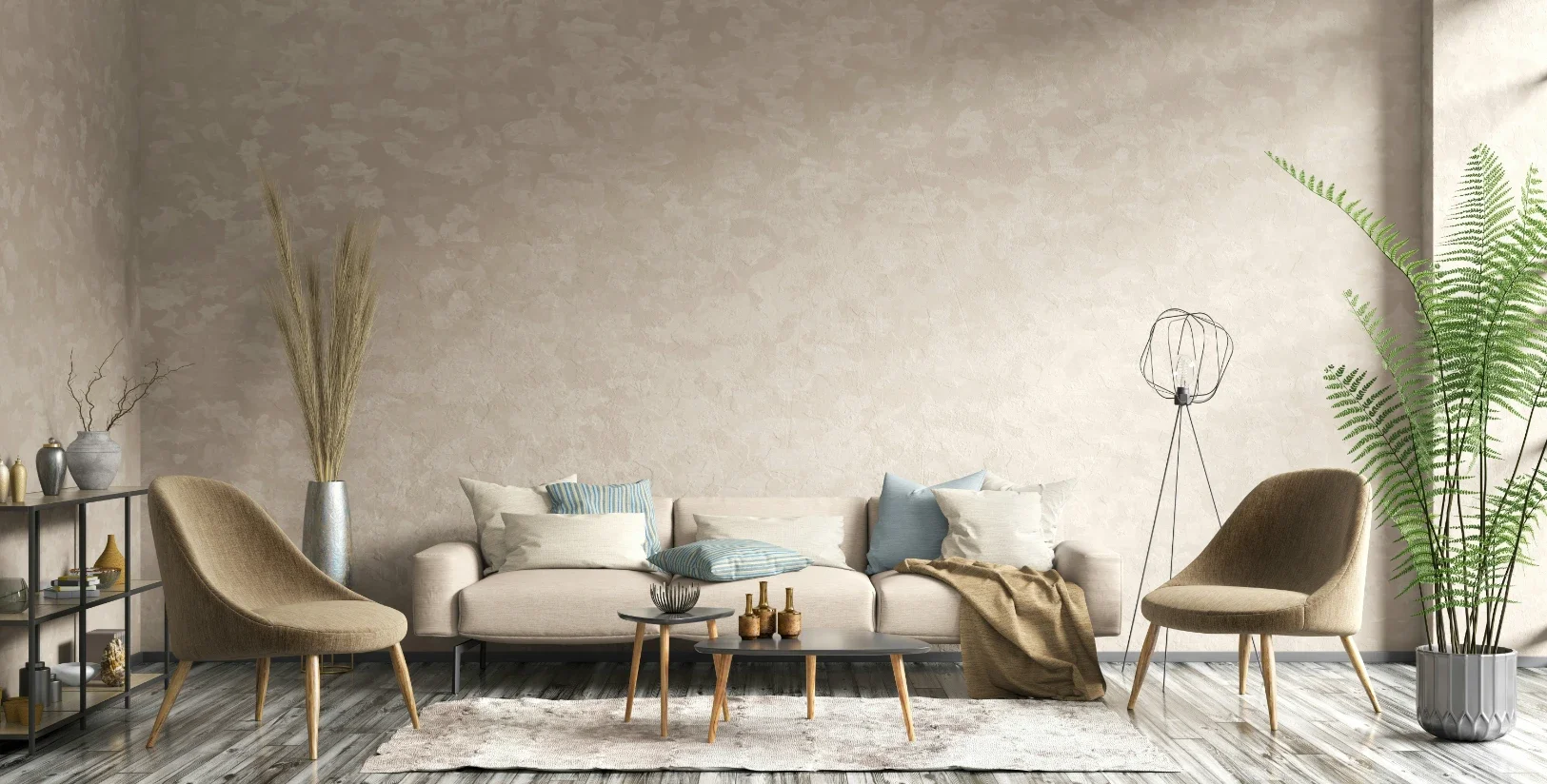
Lighting can change how a home feels almost instantly. Harsh overhead lighting can make even a beautiful room feel tired. Layered lighting, by contrast, helps rooms adapt throughout the day. Bright task lighting belongs in kitchens, bathrooms and workspaces. Softer lamps make bedrooms and living rooms more restful. Keep in mind that dimmers are one of the simplest upgrades with the biggest effect.
Natural light deserves a moment in the spotlight too. Heavy window treatments may look elegant, but they can make a room feel dull if they block too much daylight. Sheer curtains, lighter blinds and mirrors placed carefully can help move light through a space. In darker homes, warmer bulbs and multiple light sources can soften the mood without making the room look flat.
Build Calm Into the Bedroom
The bedroom is often treated as a place to decorate last, which is unfortunate because it does some of the hardest work in the house.
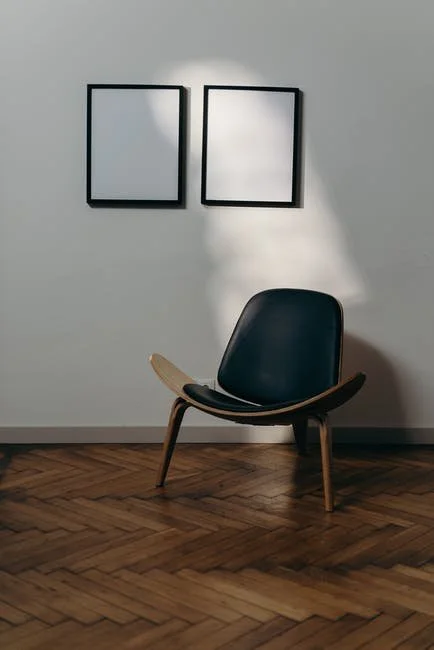
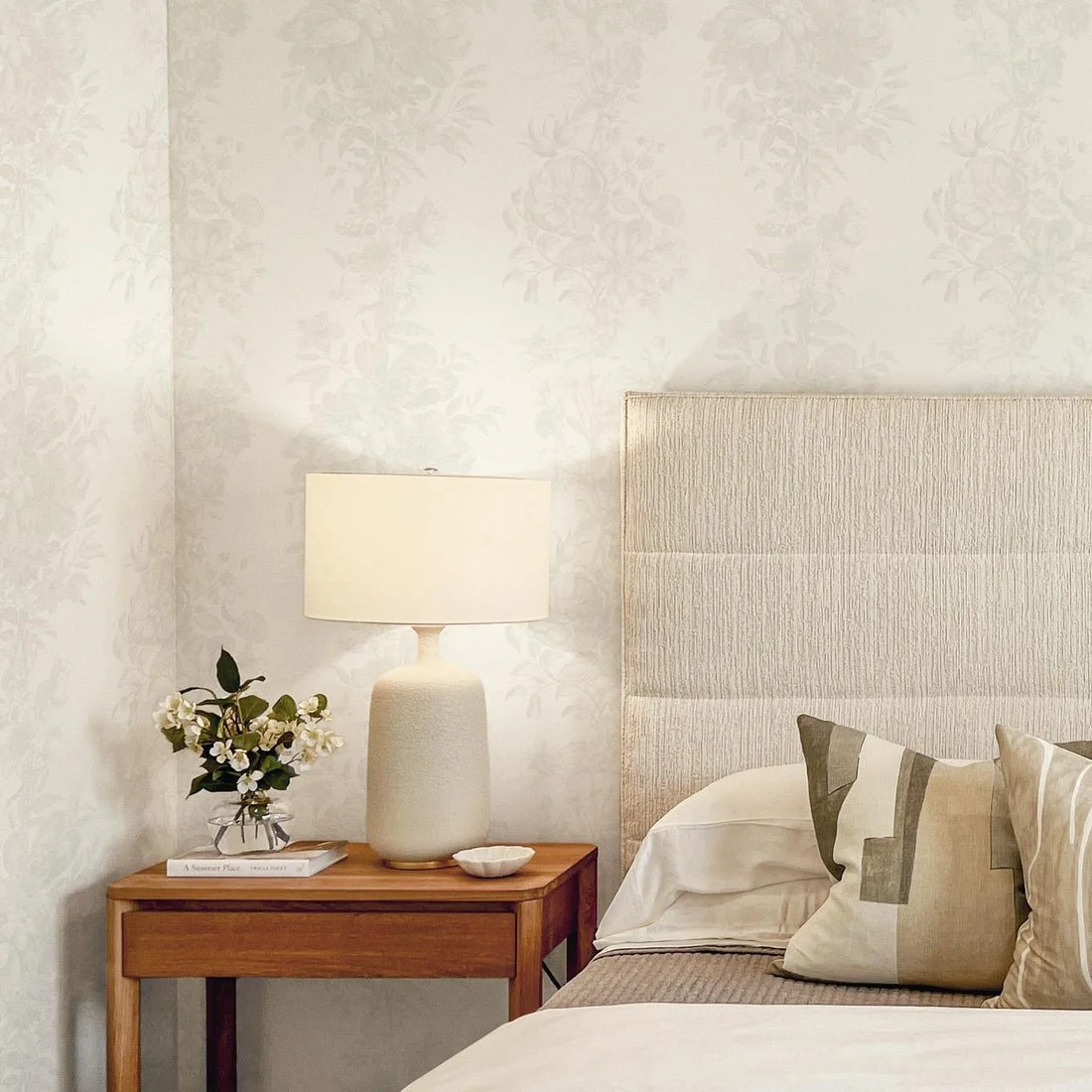
A healthier bedroom starts with fewer distractions. That does not mean turning it into a blank white box. It means giving the room a clear job. Rest. Recovery. Quiet at the end of the day. Better bedding, breathable fabrics, blackout curtains and a consistent nightstand setup can make the room easier to use well. Keep chargers, work papers and laundry piles from taking over if possible. A chair in the bedroom can be a lovely feature until it becomes a fabric-covered guilt sculpture.
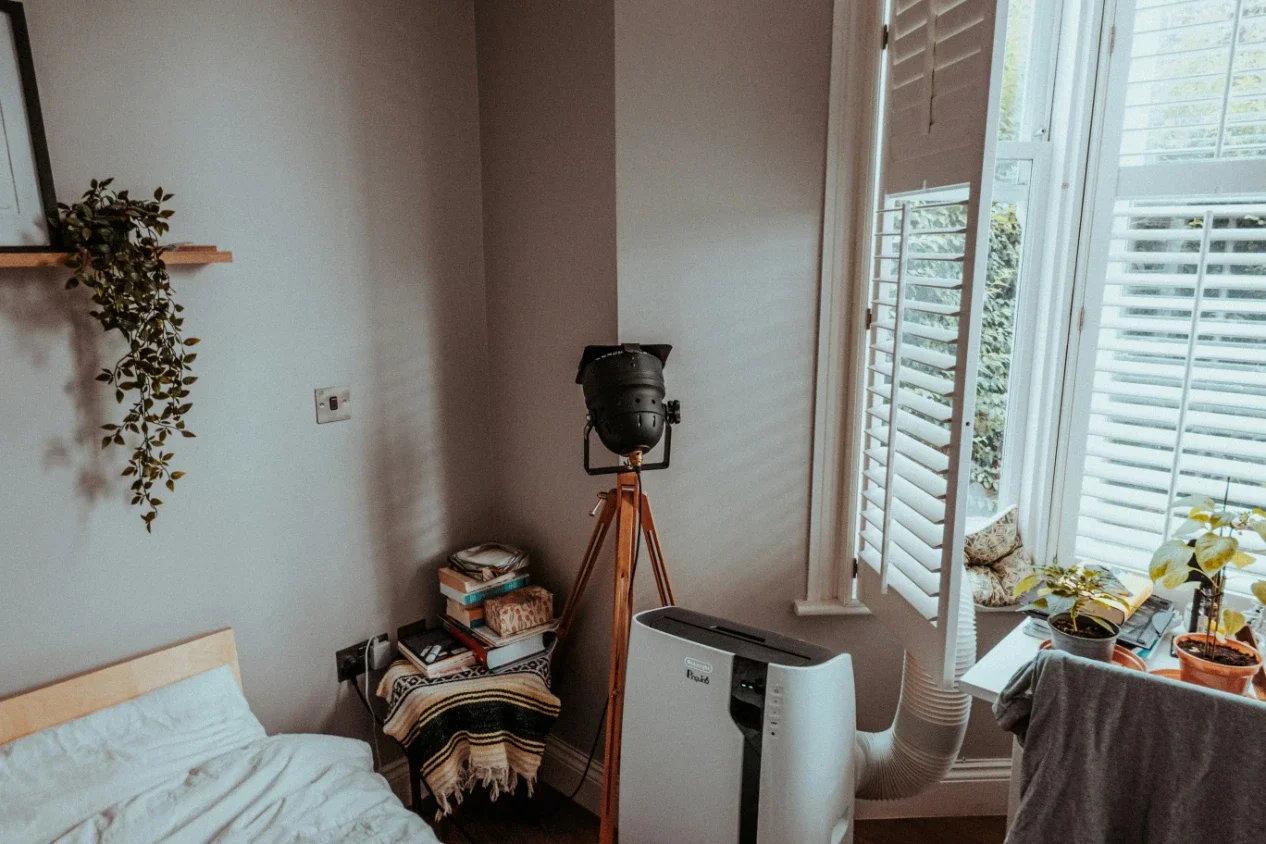
Temperature also matters. Bedrooms that stay too warm can make sleep feel restless, while good airflow and lighter bedding can help the space feel more comfortable.
Make Cleaning Less of a Battle
A home that is easier to clean is often healthier by accident. Entryway mats reduce dirt coming inside. Closed storage keeps dust off everyday items and baskets make clutter easier to gather before it spreads. Investing in a good-quality, cordless vacuum can help you reach the toughest of spots and will get used more often than a heavy machine buried in a closet.
This is not glamorous, but it is powerful. The healthiest homes usually support ordinary habits. They make it easy to wipe counters, refill water, air out a room, wash bedding and clear surfaces.
Healthier Living Can Still Look Beautiful
The best upgrades won’t make your home feel like a checklist. They’ll make everyday life feel smoother. Filtered water within reach, cleaner air in the rooms used most, softer bedroom light with better materials against the skin and storage that lowers stress rather than adding to it.
None of these changes need to be dramatic. In a well-designed home, the healthiest choices often blend into the background. They simply make the space work better, day after day.
Stay up to date with our latest ideas!