Key Upgrades That Make Accommodation Properties Safer and More Functional
Discover key upgrades that make accommodation properties safer and more functional, improving guest comfort, security, and everyday operations.

Accommodations are far more than just an aesthetic, and there are numerous unseen systems that require regular attention. Electrical systems deteriorate silently, firefighting equipment falls out of line with regulation, and water systems suffer from issues that become apparent only when they fail. As such, for property owners, there exists a marked difference between a visually pleasing property and a safe one, and this is a distinction that is ever-growing.
One reason why this topic requires close scrutiny is because many improvements in terms of safety actually make the property more efficient overall. Enhanced electrical systems result in less malfunctioning; proper ventilation keeps the property dry and mold-free, thus preventing negative feedback. Moreover, accessibility ensures fewer legal problems. It should come as no surprise that properties that retain value and maintain their positive reputations are those where such foundations were established from the outset.
There Is Value in Paying Attention to Electrical Systems.
An electrical system only makes its presence felt once a problem arises. Accommodation properties provide an environment in which guests make use of foreign appliances within an unfamiliar setting while at times experiencing heavy occupancies throughout the year. The deterioration that results from this usage is real and accumulative. Old switchboards, worn-out cables, and overloaded circuits are not abstract possibilities but are some of the issues likely to be uncovered in property inspections carried out after several years since the last time an electrical assessment was done.
It is also important to note that residual current devices are another area of concern. This refers to the safety switches installed to protect against current leaks in order to minimise the possibility of any harm resulting. The installation of such switches is required by law for compliant accommodation facilities, but it is insufficient for a safety switch simply being there. Only through RCD testing will it be possible to ensure these devices are indeed reacting to problems as expected.
In addition to complying with safety requirements, this practice leads to a safer electrical system overall.
Fire Safety Is More Than Installing Smoke Alarms
Smoke alarms are required by law, but where they are located, their state of maintenance, and their connection play important roles. Just having one in an appropriate location can meet basic standards while offering little benefit in a larger property. Connecting alarms so that all go off upon detecting smoke ensures extra time for guests to respond no matter where they are inside. Wireless systems now provide an easier solution to connecting alarms, especially in older buildings that were not initially designed for such setups.
Planning an escape route in case of fire is yet another aspect of fire safety that can be neglected. Visible signs, well-marked escape routes, and clear assembly points won’t come into play until they are needed. Then, however, they could mean the difference between life and death. Periodic inspection to ensure everything is in place and that any changes caused by renovation projects are accommodated seems like a reasonable request from any guest.
Finally, extinguishers and fire blankets located in kitchens should also be updated regularly. Fire equipment that is not properly maintained will offer little help in case of emergencies.
Accessibility and Physical Design Factors
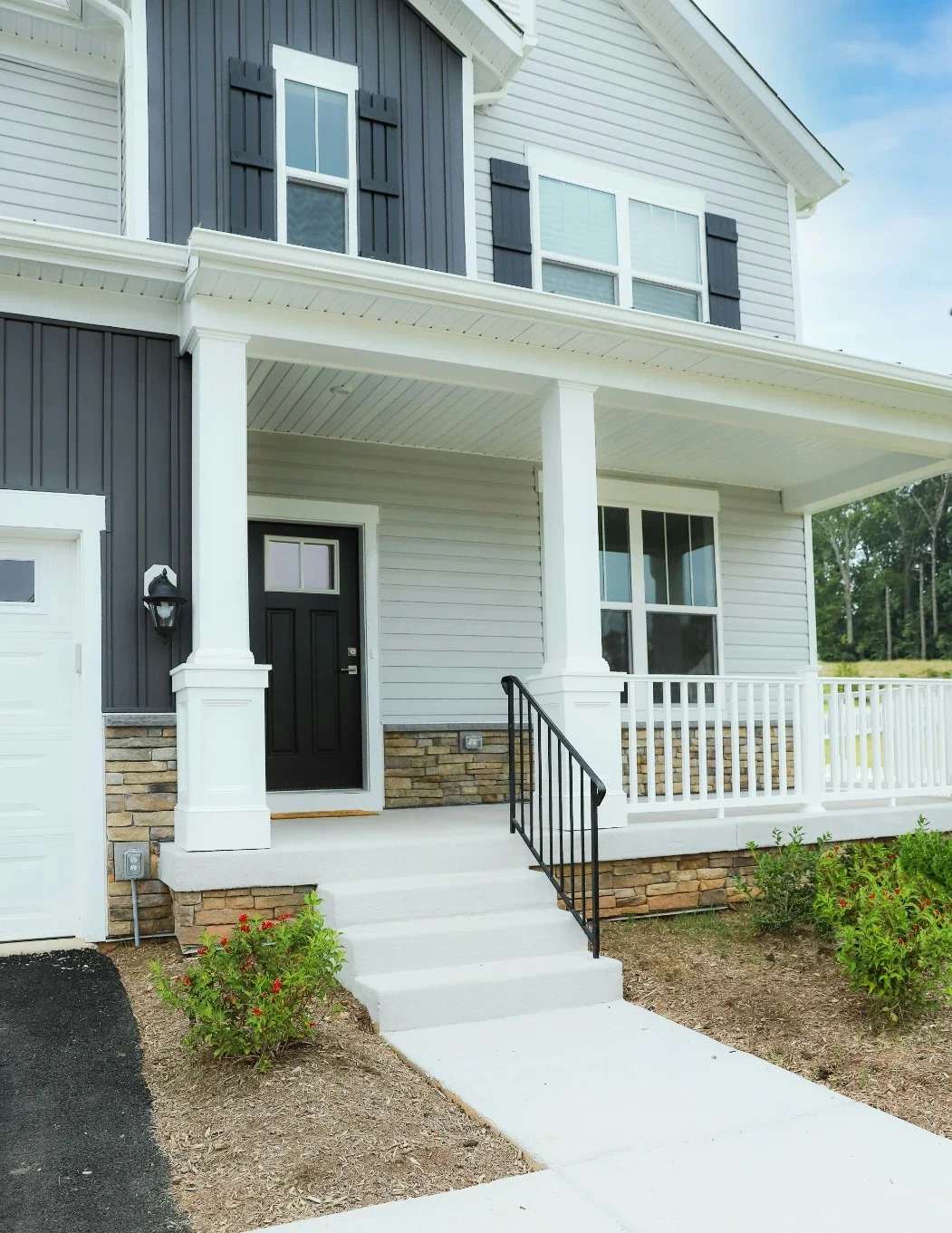
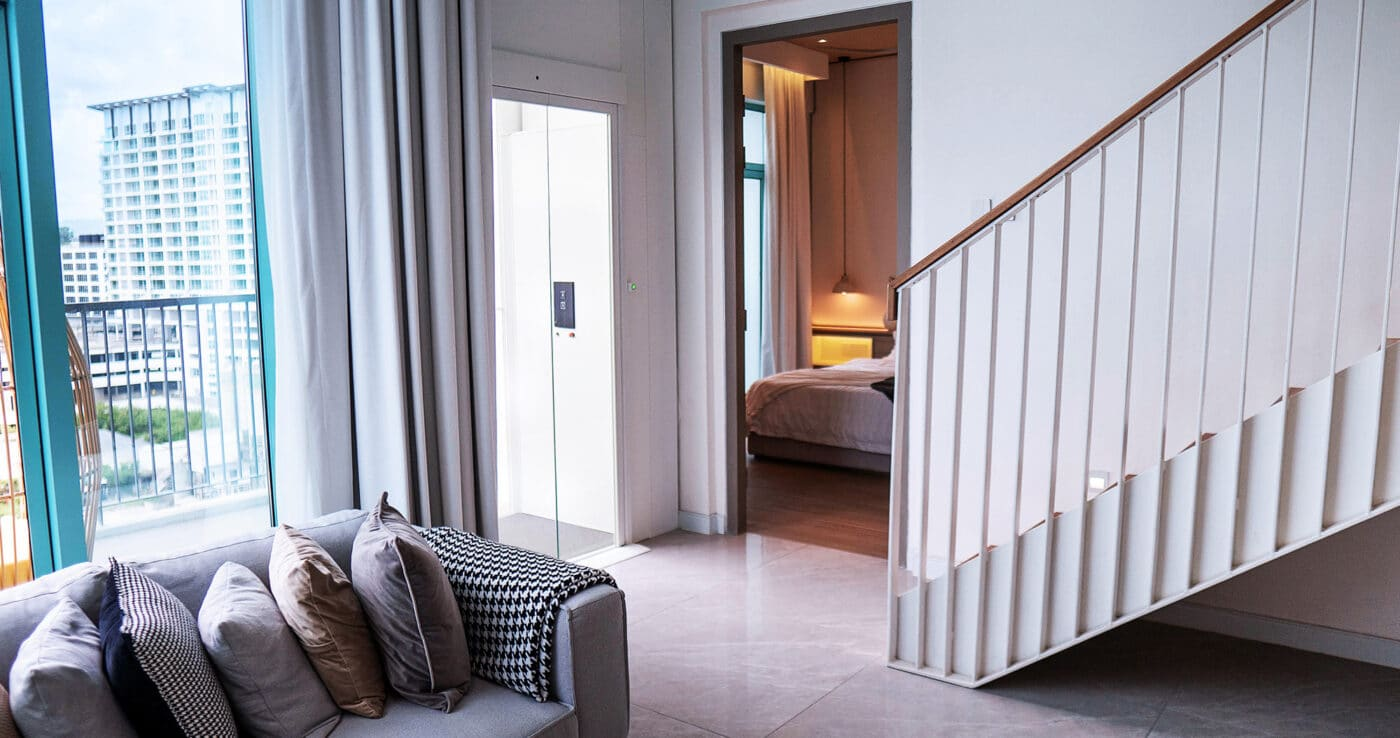
Properties constructed or renovated many years ago might not meet present-day standards regarding the ease and safety of access. Steps leading into a property, cramped doorways, and a lack of proper grab bars in bathrooms can be contributing factors behind slip-and-fall accidents, which happen to be some of the most frequent liability issues encountered by accommodation providers. They are also risks which, with relatively little expense, can be easily reduced.
The installation of non-slip floor tiles in bathrooms and similar facilities is certainly a worthwhile change a property owner can effect. Notably, it is one whose absence is unlikely to attract much comment from guests. The cost of remedying an accident which has already happened, on the other hand, entails not just inconvenience but potentially injury as well and expenses which tend to greatly exceed the cost of improved flooring.
In addition to providing access for people with physical limitations, step-free entry and suitable bathroom facilities open up the guest pool to include elderly travellers and those recovering from an injury.
Security and Outdoor Lighting
The emergence of digital access systems has revolutionised the approach to entering a number of accommodations. By utilising keypad locks and digital keys through apps, the difficulties that come with using physical keys are mitigated, especially for accommodations that operate remotely or during different time periods for arrivals. They also help in keeping track of those entering the building for any possible issues later on.
Outdoor lighting is equally important. Adequate lighting of access ways, parking areas, and staircases will ensure that a potential crime is deterred by making the area less desirable to the would-be attacker and improving the experience for visitors in the dark. Motion detectors will prove to be very useful and effective, as they consume little power but serve their purpose efficiently.
Plumbing and Water Systems
Water systems in accommodation properties can develop issues that are not visible during a routine walk-through. Hot water temperature is one example. Water stored or delivered at temperatures below accepted thresholds can create conditions that support bacterial growth, including Legionella. Maintaining hot water systems within the recommended temperature range and periodically flushing outlets that see infrequent use are standard precautions for this reason.
Plumbing Areas Worth Checking Regularly
Hot water system temperature and servicing schedule
Pipework condition in older buildings, particularly for signs of corrosion or scale
Water pressure across all outlets, including those in less frequently occupied rooms
Catching plumbing issues before peak season is considerably easier than managing them mid-booking run. A slow leak or pressure problem that seems minor in winter has a habit of becoming urgent in the middle of summer occupancy.
Ventilation and Indoor Air Quality
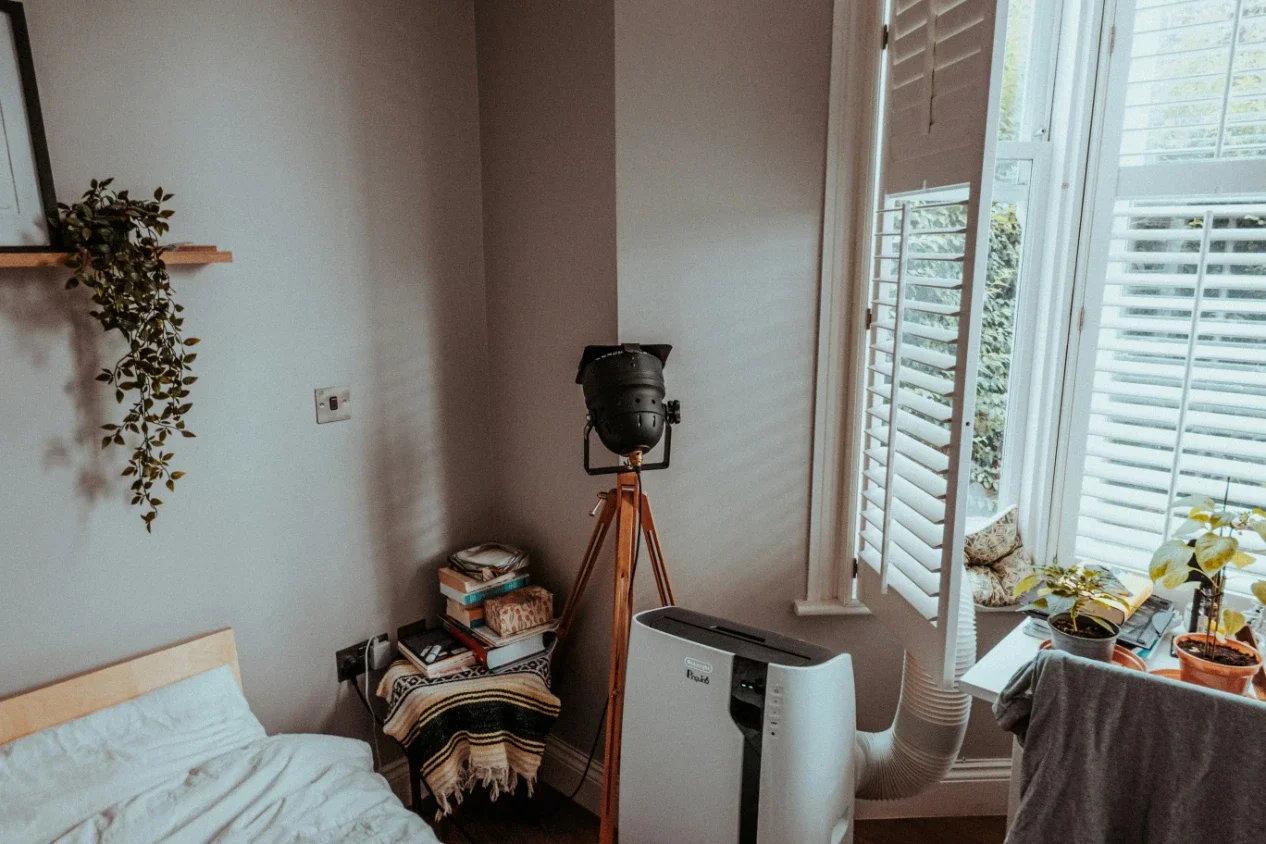
Poor ventilation shows up in guest reviews before it shows up in maintenance reports. Musty odours, condensation on walls, and rooms that feel stuffy are symptoms of a ventilation problem, not just a cleaning problem. Bathrooms and kitchens are the most common trouble spots, and ensuring exhaust fans are in working order and extracting air effectively is a basic but genuinely important maintenance task.
In properties with ducted heating or cooling, filter maintenance affects both air quality and system efficiency. Filters that have not been cleaned or replaced in some time push dust and particulates back into living spaces and make the system work harder than it should. Neither outcome is desirable, and addressing it is relatively straightforward.
The Case for Getting the Basics Right
There is a version of property upgrading that prioritises what guests will photograph and a version that prioritises what keeps them safe and the property running without incident. The most experienced operators tend to understand that these are not mutually exclusive, but they also know which one comes first.
Electrical compliance, fire detection, secure access, structural safety, sound plumbing, and adequate ventilation are the systems that underpin everything else. They do not generate reviews in the way that a well-decorated room might, but they prevent the kind of problems that generate very different kinds of attention. For accommodation owners thinking about where their maintenance and upgrade budget is best spent, this is usually the most honest answer.
Stay up to date with our latest ideas!