Learn how Michigan home sellers can compare sale prices with actual take-home amounts by understanding closing costs, agent fees, taxes, and other selling expenses.

A home may sell for $250,000, yet that does not mean the seller walks away with $250,000. Several costs and financial obligations can come out of the sale. This is why sellers should compare the sale price with their estimated take-home amount. A slightly lower offer with fewer expenses may leave more money in your pocket than a higher offer carrying higher costs.
Start With What You Actually Keep
The number on an offer sheet is only one part of the financial picture. Sellers need to know what will remain after the transaction is completed.
The sale price is the amount a buyer agrees to pay for the property. Your take-home amount, often called net proceeds, is what remains after selling expenses, loan balances, taxes, and other deductions are settled.
Think of it as a simple equation:
Sale price − selling costs − mortgage payoff − other obligations = estimated take-home amount
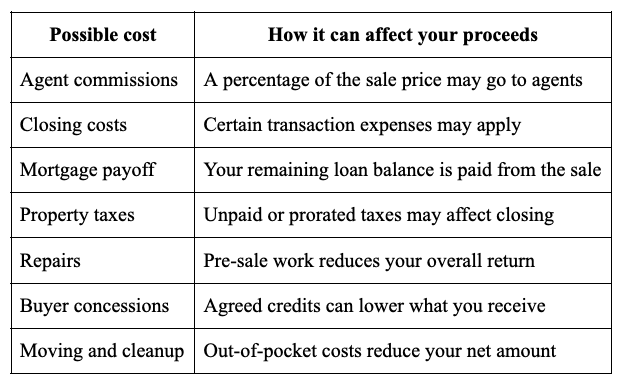
Where Your Sale Money Goes
Several expenses can reduce the amount you receive at closing.
A Higher Offer Is Not Always Better
Imagine two buyers are interested in a Michigan house.
Buyer A offers $250,000 through a traditional sale, with several selling expenses and $8,000 in preparation and repair costs.
Buyer B offers $238,000 with fewer seller-paid expenses and no major preparation work.
Buyer A appears to offer more. Once the costs are considered, the difference may become much smaller.
This does not mean sellers should automatically choose a lower offer. Every offer deserves a closer look. Compare the money you are likely to keep, the conditions attached to the offer, and how certain the transaction appears.
Repairs Can Change Your Math
Repairs can help attract buyers or support a higher asking price. The important question is whether the expected increase in sale price is greater than what you spend.
For example, spending $15,000 on updates may not make sense if those improvements add only $8,000 to the eventual sale price. Before starting a project, get realistic estimates and consider how the expense affects your expected net proceeds.
Compare Offers Side by Side
When reviewing offers, create a simple comparison instead of focusing on the biggest number.
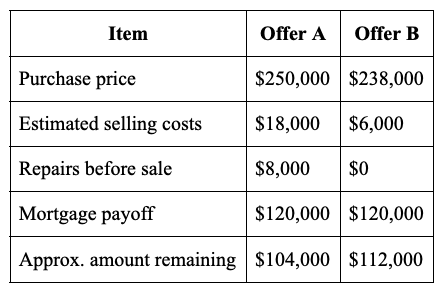
These figures are examples, not estimates for a specific Michigan property.
How Selling Method Can Affect Your Net
Traditional listings can provide broad exposure and may work well for sellers whose homes are ready for the market. They can also involve preparation, showings, negotiations, inspections, and transaction expenses.
For owners comparing alternatives, Sell Your House Fast Metro Detroit may be worth researching alongside other selling options. Ask for a clear breakdown of the proposed amount, fees, closing timeline, and responsibilities before making a decision.
Check Your Mortgage Beforehand
Your mortgage payoff can make a major difference to your final proceeds. The amount on an old mortgage statement may not be the exact figure needed at closing, so request an up-to-date payoff statement.
Getting these details early can help you avoid an unpleasant surprise when the final settlement figures arrive.
Look Beyond the Headline Number
A strong offer is not simply the one with the highest sale price. Look at what you will spend, what you still owe, what the buyer asks you to cover, and how long the transaction may take.
Ask yourself:
How much will I spend before closing?
How much will I owe when the sale is completed?
Are there credits, commissions, or other costs?
How much money should I realistically receive?
Does the timeline fit my plans?
Before You Sign, Check What Is Left
A clear estimate also makes it easier to spot an offer that looks attractive at first yet carries costs that reduce your overall return.
Selling a Michigan home is a financial decision, so the amount left after everything is settled may matter more than the headline price. A high offer can look attractive on paper while leaving less money behind after expenses.
A Few Questions Michigan Sellers Ask
Is the sale price the same as my profit?
No. The sale price is what the buyer pays. Net proceeds are what remain after applicable selling expenses, loan payoffs, taxes, liens, and other deductions.
What is usually deducted from a home sale?
Possible deductions include agent commissions, closing expenses, mortgage balances, taxes, liens, credits, and agreed seller costs. The exact items depend on your transaction.
Should I make repairs before selling?
It depends on the repair, its cost, and its likely effect on the sale price. Get estimates and compare the expected return with the money and time required.
How can I compare a cash offer with a traditional offer?
Compare the estimated amount you will keep rather than the purchase prices alone. Review fees, repair requirements, concessions, financing conditions, and closing timelines. A written breakdown makes the differences easier to see.
Stay up to date with our latest ideas!