Interior Design Tips for Anaheim's Historic Colony District Homes
Discover interior design tips for Anaheim's Historic Colony District homes that balance preservation, character details, modern comfort, and thoughtful updates.

There's something deeply satisfying about walking through Anaheim's Colony Historic District. The tree-lined streets, the preserved homes, the sense that you're stepping into a different era—it all feels like a secret the rest of Orange County hasn't discovered yet.
If you're lucky enough to own one of these historic beauties—whether it's a rambling Ranch, a stately Colonial, or a brick Tudor Revival—you're not just a homeowner. You're a steward of Anaheim's architectural heritage. And that comes with unique design challenges. When moving into one of these properties, working with experienced Anaheim movers who understand original features and know how to navigate narrow doorways and vintage staircases becomes essential. These homes weren't built with oversized furniture in mind.
Understanding Your Home's DNA
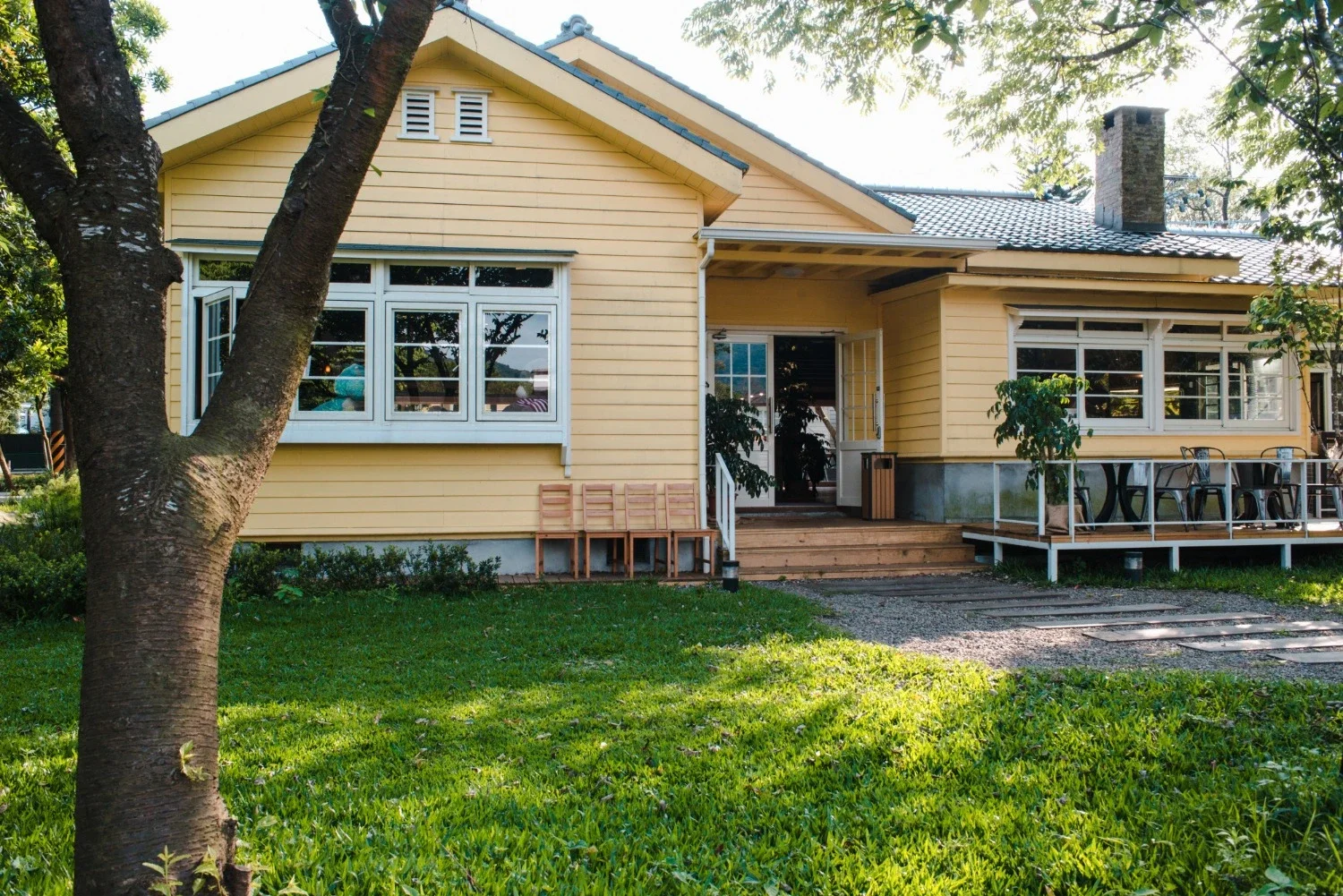
Before changing anything, understand what you have. Colony and Hoskins Historic Districts contain homes built between the 1920s and 1950s, each reflecting its era's design sensibilities. Tudor Revivals feature multi-gabled roofs and brick chimneys. Colonial homes showcase symmetrical facades and classical proportions. Ranch-style properties embrace horizontal lines and indoor-outdoor flow.
Don't rush to rip out vintage tile or paint over original wood paneling. Spend time living with the house first. Notice how light moves through rooms. Pay attention to which original features give the house its character—leaded glass windows, built-in bookshelves, Art Deco fixtures. They're not just old, they're storytelling elements.
Study the architectural details that make your home distinctive. These reflect specific architectural traditions worth preserving.
Balancing Modern Needs with Historic Integrity
Nobody wants to live in a museum. You need functional kitchens, updated bathrooms, and climate control that works. The challenge is making necessary updates without gutting what makes your home special.
Start by identifying what's negotiable and what's sacred. Original hardwood floors? Sacred. That ugly 1980s bathroom addition? Totally negotiable. Understanding this difference is key.
Think about "reversibility." Ideally, any changes could be undone by future owners without damaging original features. Add electrical outlets without cutting through original plaster. Update kitchens while keeping the room's original footprint and architectural details.
I've seen brilliant solutions in which homeowners tucked modern amenities into spaces without compromising historic character. A friend converted a pantry into a powder room without touching the original bathroom. Another preserved Tudor leaded-glass window, with interior storm windows for efficiency. The modern interior design trends of 2025 can coexist with historic architecture when approached thoughtfully.
Color Palettes That Honor the Era
Paint color is where people often get it wrong. They either go full historically accurate (stuffy and dated) or completely ignore the home's era (visual confusion). The sweet spot is somewhere in between.
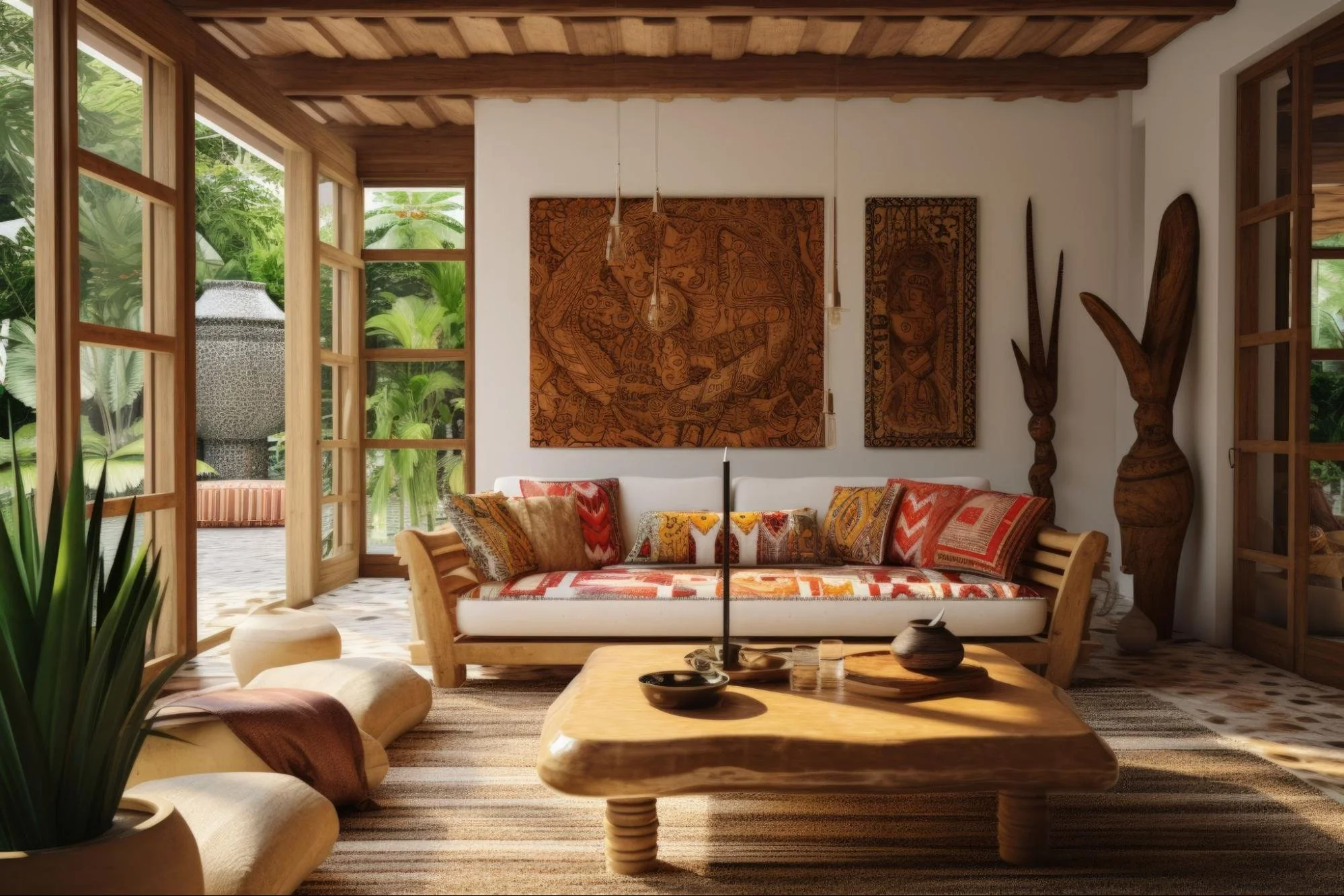
Period-Appropriate Color Strategies:
Tudor Revivals: Deep, rich colors work beautifully—forest greens, burgundy, navy, warm creams. Accent brick with complementary tones.
Colonial Homes: Colonial blue, sage green, warm ochre. Modern neutrals can complement historically informed accent colors.
Ranch Homes: Warm earth tones, muted turquoise, butter yellow, soft pinks all feel appropriate.
All Styles: Use historical color as inspiration, not law. Choose colors that feel like they could have been original.
The trick is choosing colors that feel original to the home, even if they weren't. This creates visual harmony between old and new elements.
Furniture That Fits
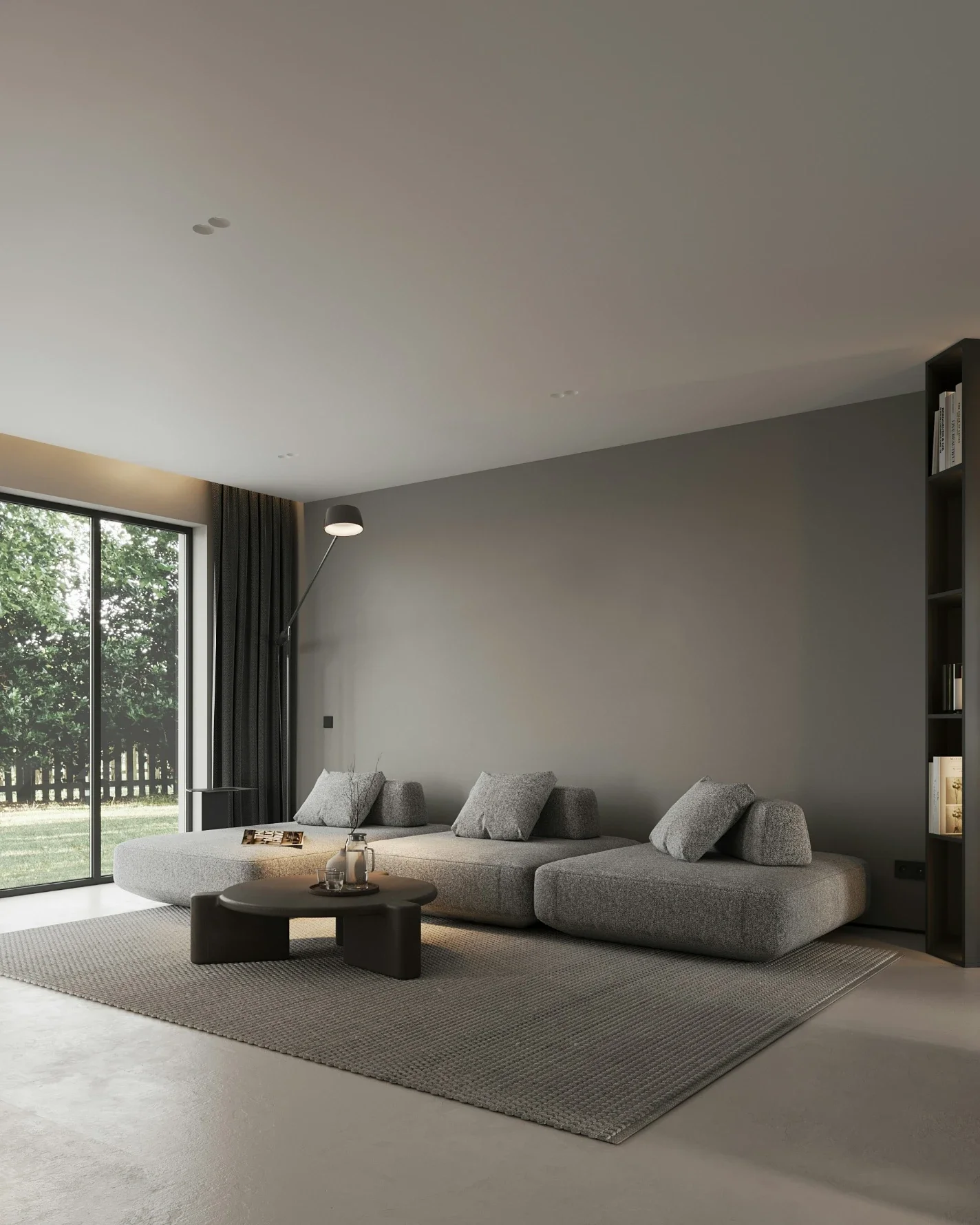
Scale matters tremendously in historic homes. Rooms are often smaller than those in modern construction and have more defined purposes. Your massive contemporary sectional might look amazing in a modern loft, but in a 1930s Tudor with compartmentalized rooms and lower ceilings, it'll feel wrong.
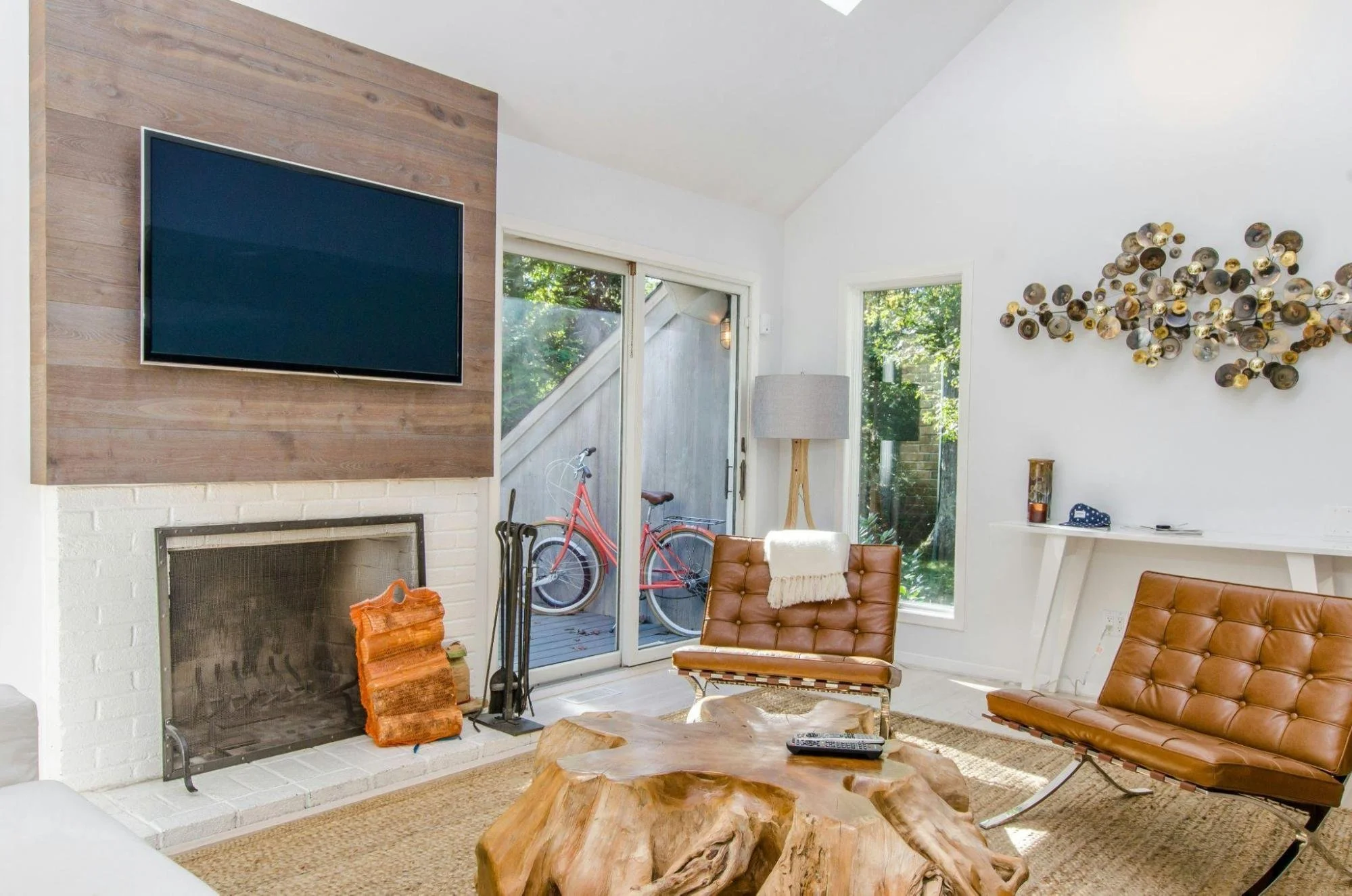
Look for furniture that respects your home's proportions. Mid-century modern pieces work beautifully in Ranch homes—clean lines, functional form. Traditional or transitional furniture suits Colonial and Tudor homes better, with their formal layouts and classical details.
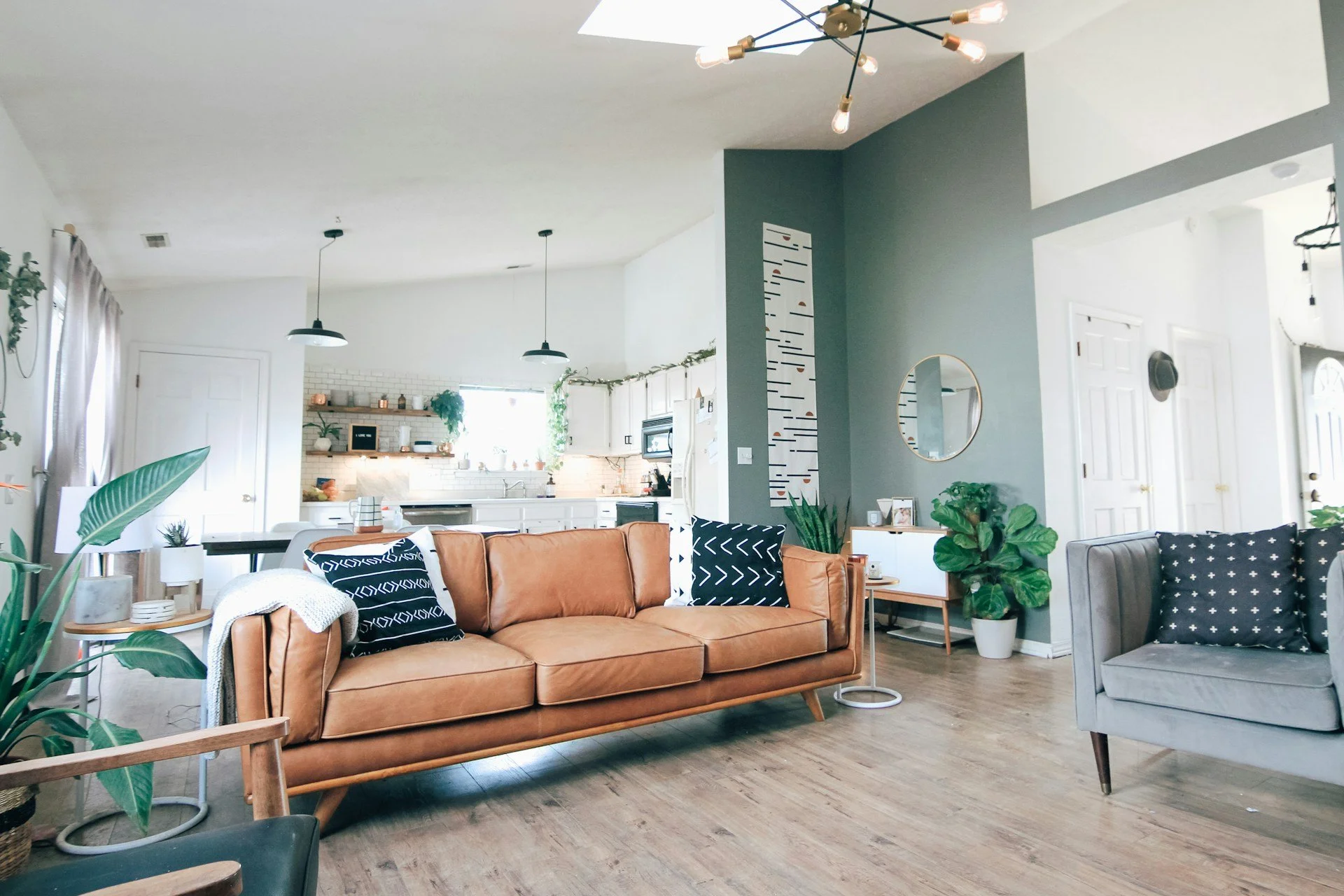
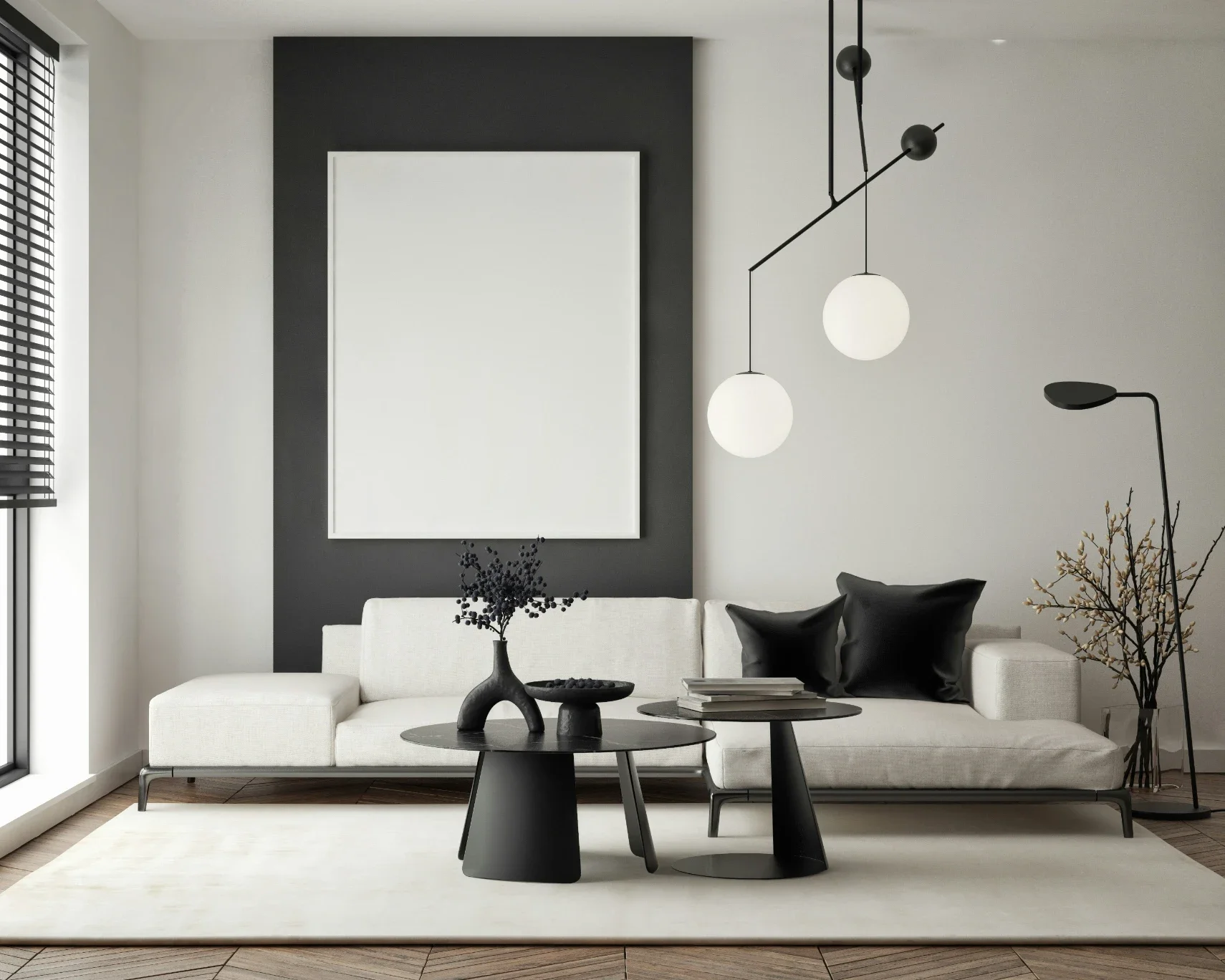
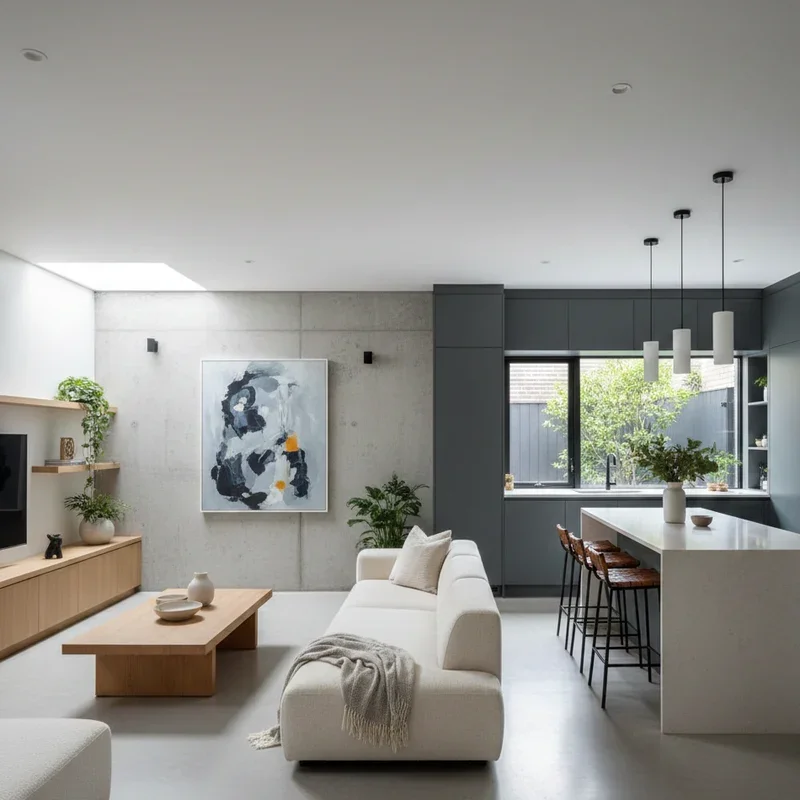
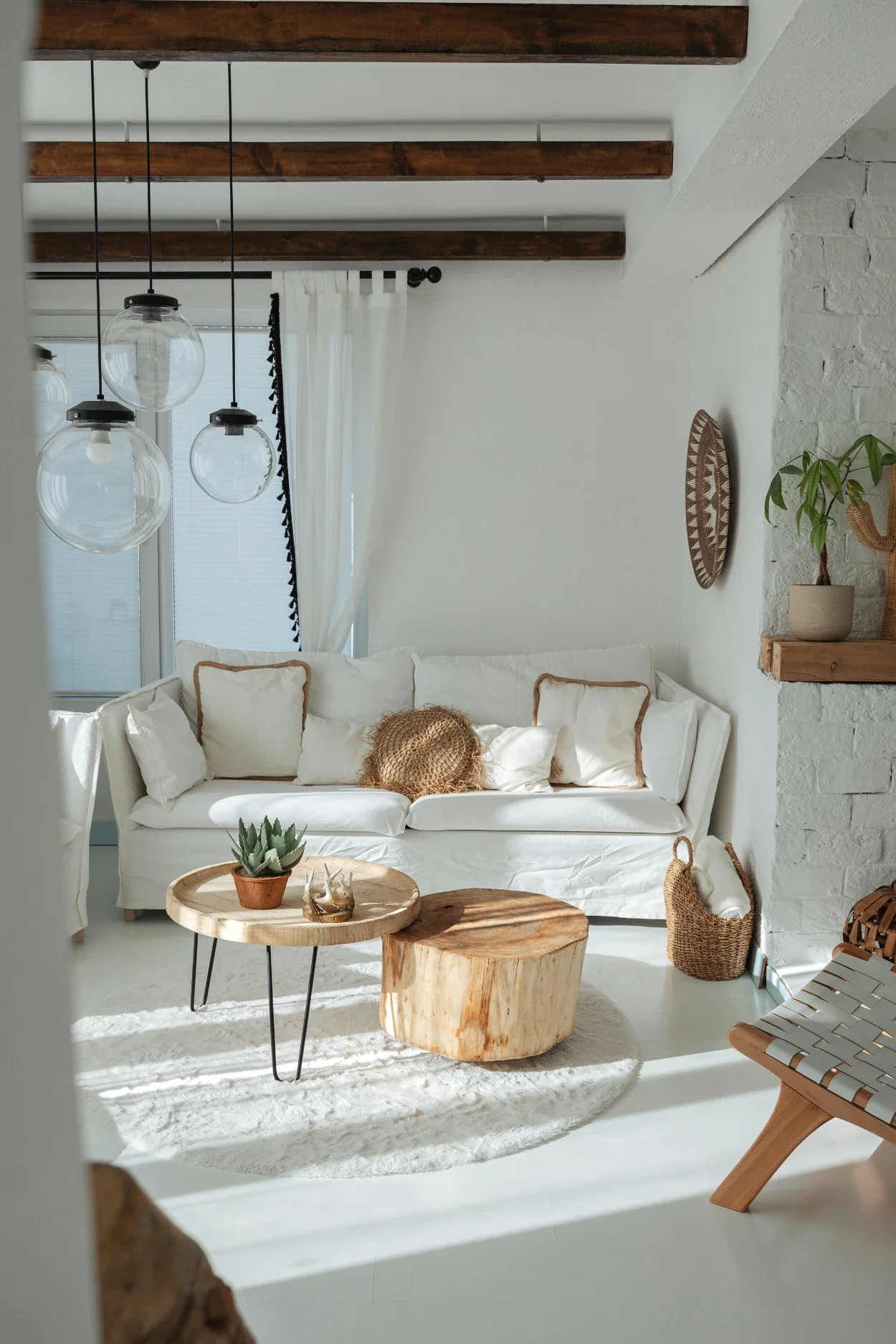
Mixing eras can work, but it requires thoughtfulness. The goal is to create conversation between old and new, not conflict. A sleek modern sofa can look stunning in a historic living room if balanced with vintage textiles, period-appropriate lighting, and respect for original architectural features.
Lighting Solutions
Original lighting in these homes was designed for a different era. You'll need to update, but that doesn't mean installing recessed can lights everywhere.
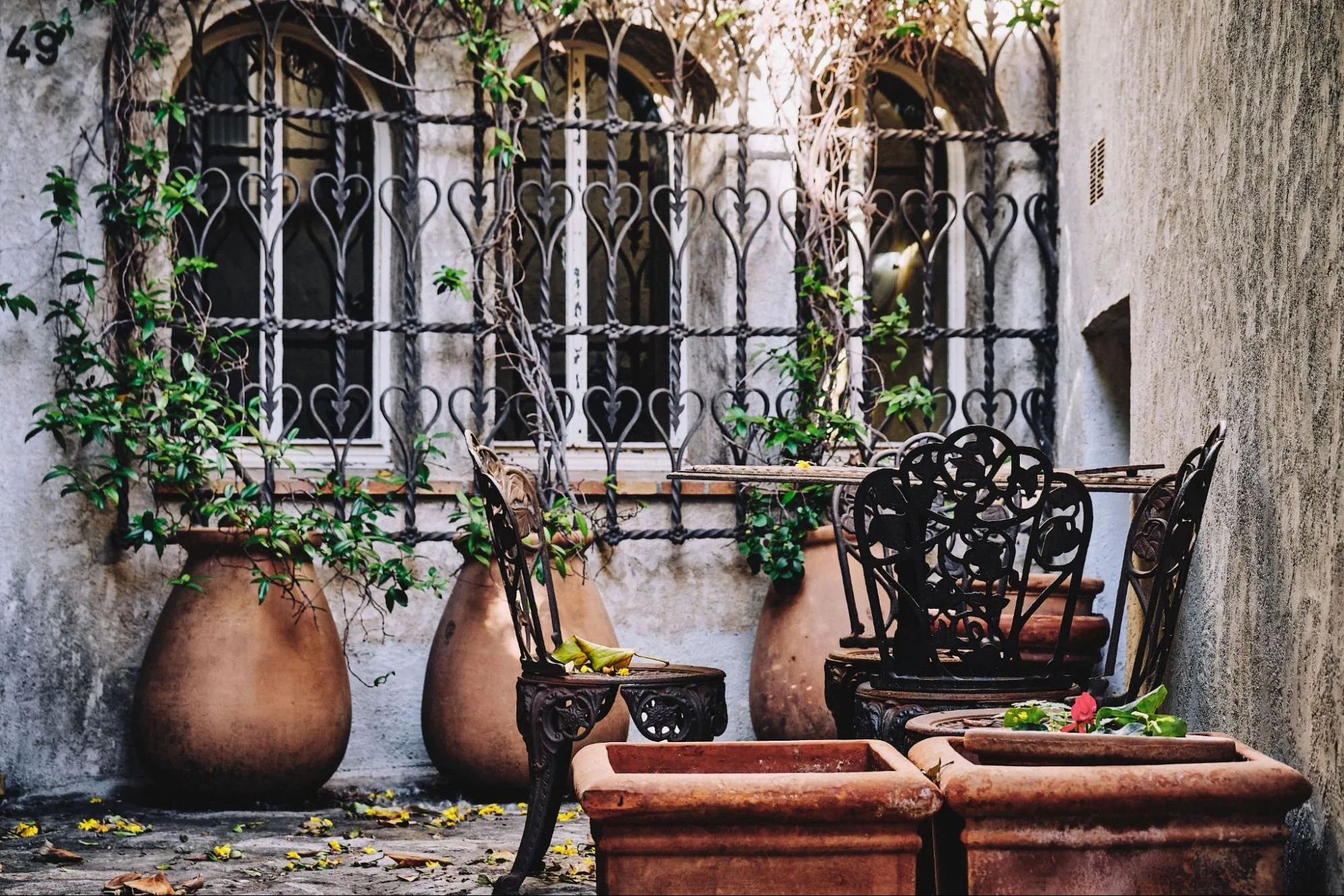
Period-appropriate fixtures are your friend. Tudor homes suit iron or bronze fixtures with Arts and Crafts influences. Colonial homes work with traditional chandeliers and lantern-style fixtures. Ranch homes can handle streamlined mid-century designs—Sputnik chandeliers, simple pendants, clean-lined floor lamps.
Consider how luxury interior design handles lighting—layered, intentional, atmospheric. You need ambient, task, and accent lighting, but the fixtures should be appropriate for your home's era.
When adding new electrical, work with the house rather than against it. Run wiring through closets rather than cutting through the original plaster. Use wall-mounted fixtures instead of requiring new ceiling boxes.
Preserving Original Features
If your historic home still has original features, celebrate them. Built-in cabinets, original tile, hardwood floors—these are irreplaceable. Once removed, they're gone forever.
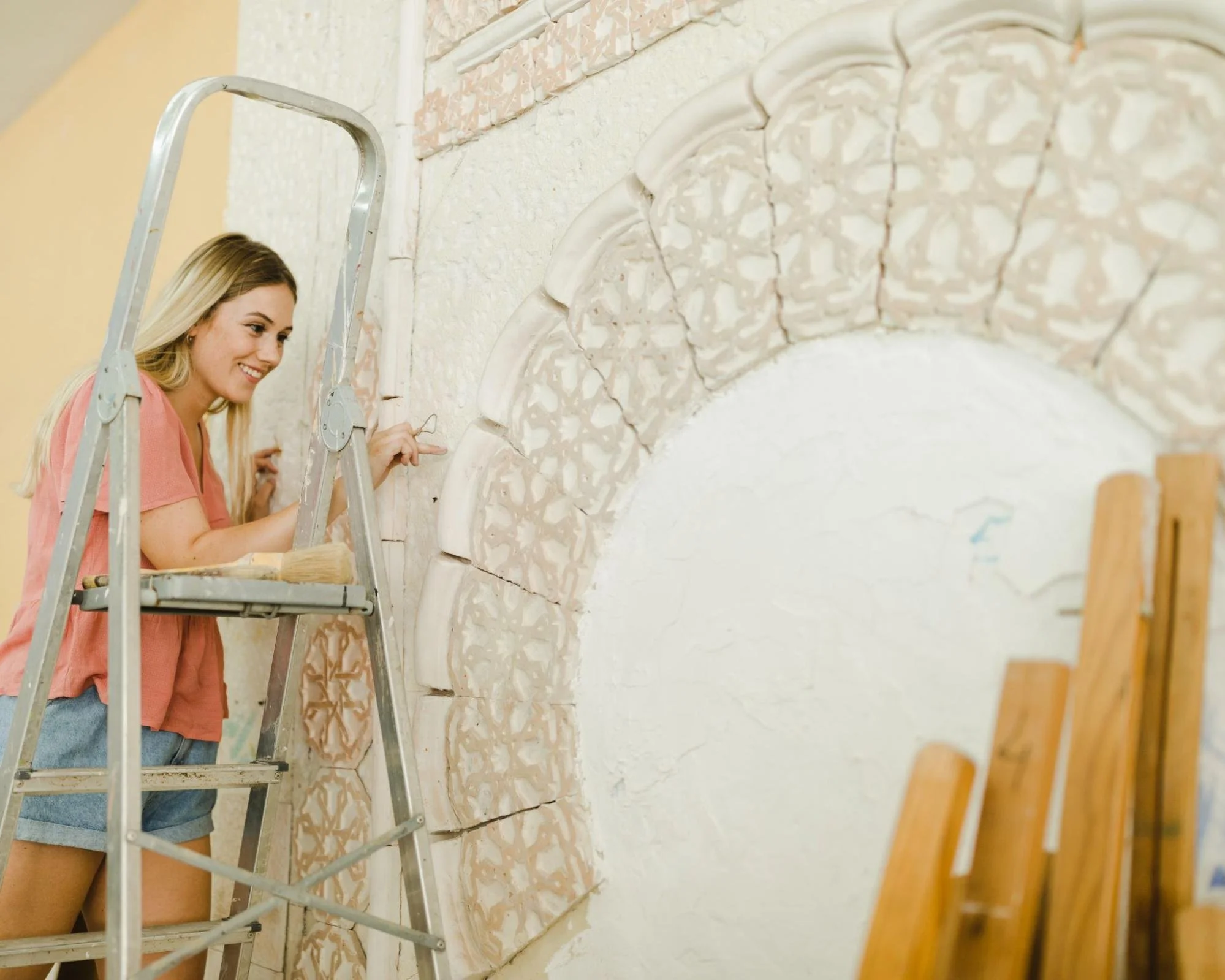
Priority Features to Preserve:
Original hardwood floors: Refinish, don't replace. The patina of old wood can't be replicated.
Built-in cabinetry: Custom-designed for your specific home. Paint or replace hardware, but keep the structure.
Original windows: Less energy-efficient but fundamental to character. Add storm windows instead of replacing.
Architectural millwork: Crown molding, baseboards, wainscoting—this is where detail lives. Repair rather than replace.
Historic tile: Often better quality than modern alternatives. That pink 1950s bathroom tile is durable and increasingly appreciated.
Not everything old is worth saving. Later additions that don't contribute to character—like 1970s drop ceilings—can and should go. Ask: Does this feature contribute to what makes this house architecturally significant?
Living With Historic Quirks
These homes have personality, which means quirks. Floors that aren't perfectly level. Doors that stick. Rooms that are oddly shaped by modern standards. Windows that aren't standardized sizes.
You can fight against these realities and spend a fortune trying to make your 1930s Tudor behave like new construction. Or embrace the imperfections as charm. That slight floor slope? Evidence of settling over decades. Those non-standard windows? They require custom curtains, but they also let in beautiful light.
The happiest historic homeowners appreciate these houses for what they are, not what they wish they were. If you need everything perfectly straight and standardized, historic homes will frustrate you. But if you see beauty in age and craftsmanship, you'll find living in one deeply satisfying.
Planning Your Move
When moving into your historic Colony District home, remember these houses require special consideration. Narrow doorways, steep stairs, delicate details—all demand careful planning. Professional movers like Mario Moving Company, with experience in historic properties, understand how to protect both your belongings and the home itself.
Measure doorways and stairways to ensure furniture fits. Identify which pieces need disassembly. Protect floors and walls appropriately. The last thing you want is to damage original features due to poor planning.
Living in Anaheim's historic neighborhoods means joining a community that values preservation and character. Your job is continuing that tradition while making the space work for modern life. You're not just decorating a house—you're preserving a piece of California history, one design decision at a time.
Stay up to date with our latest ideas!