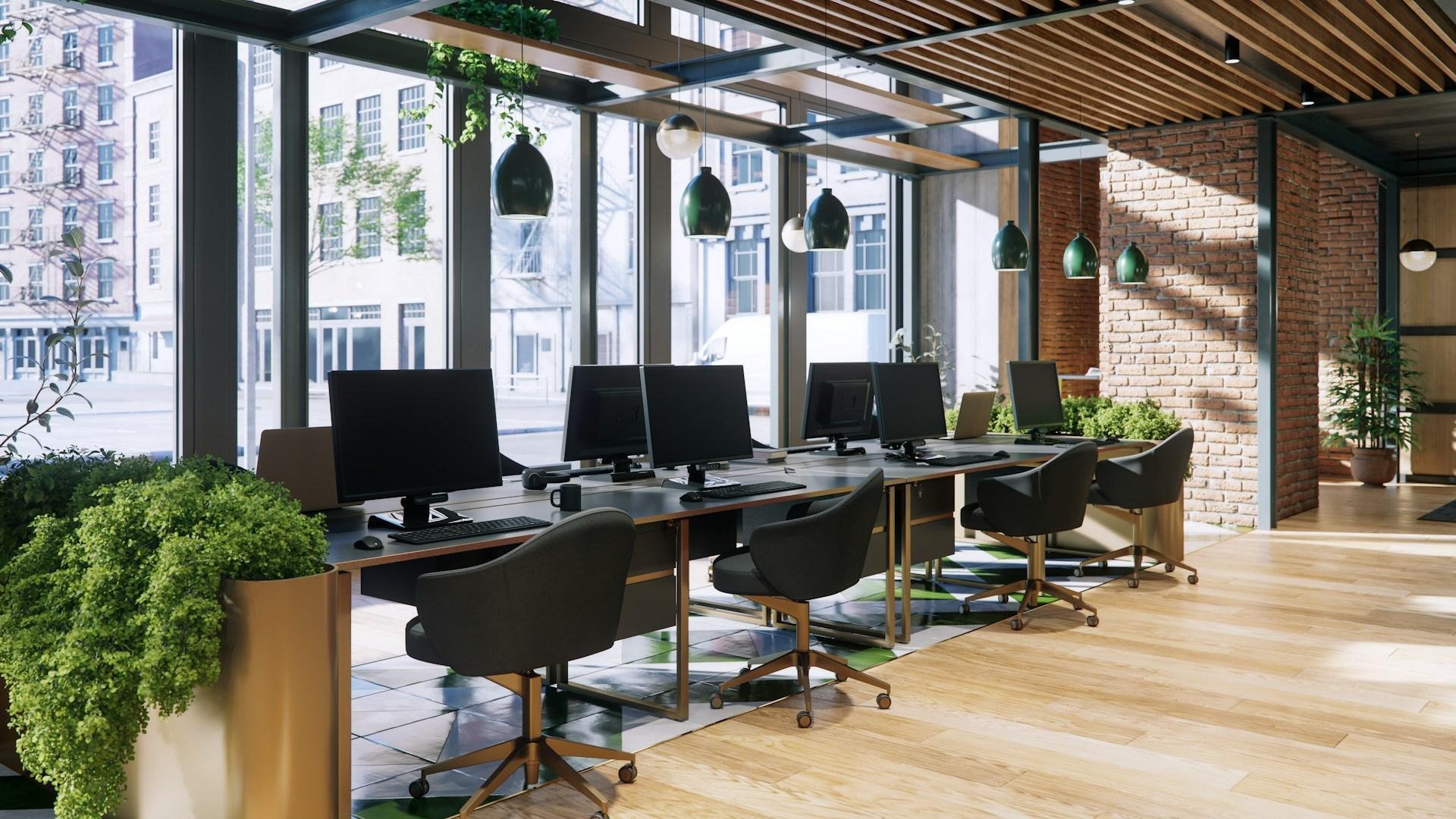
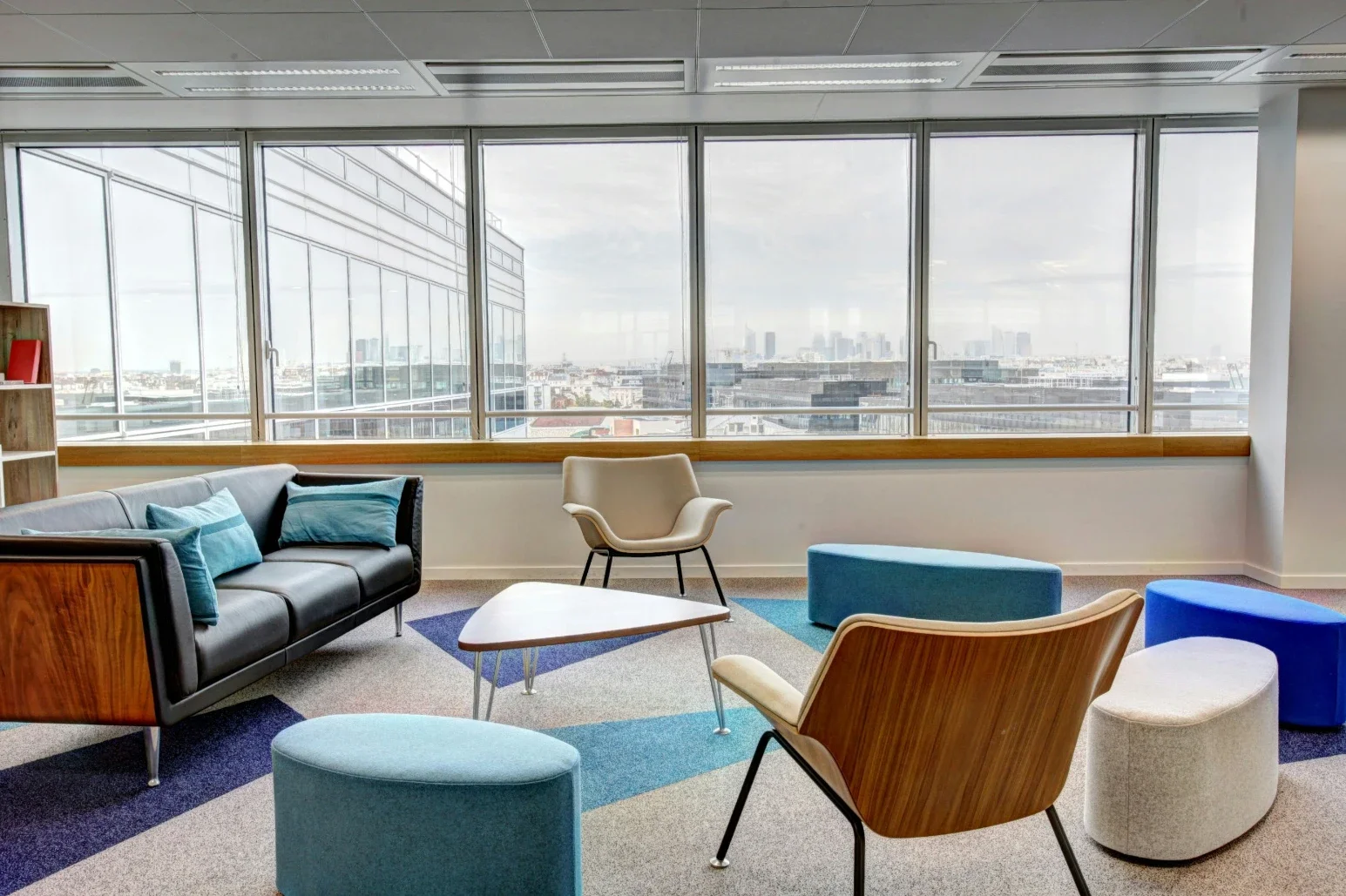
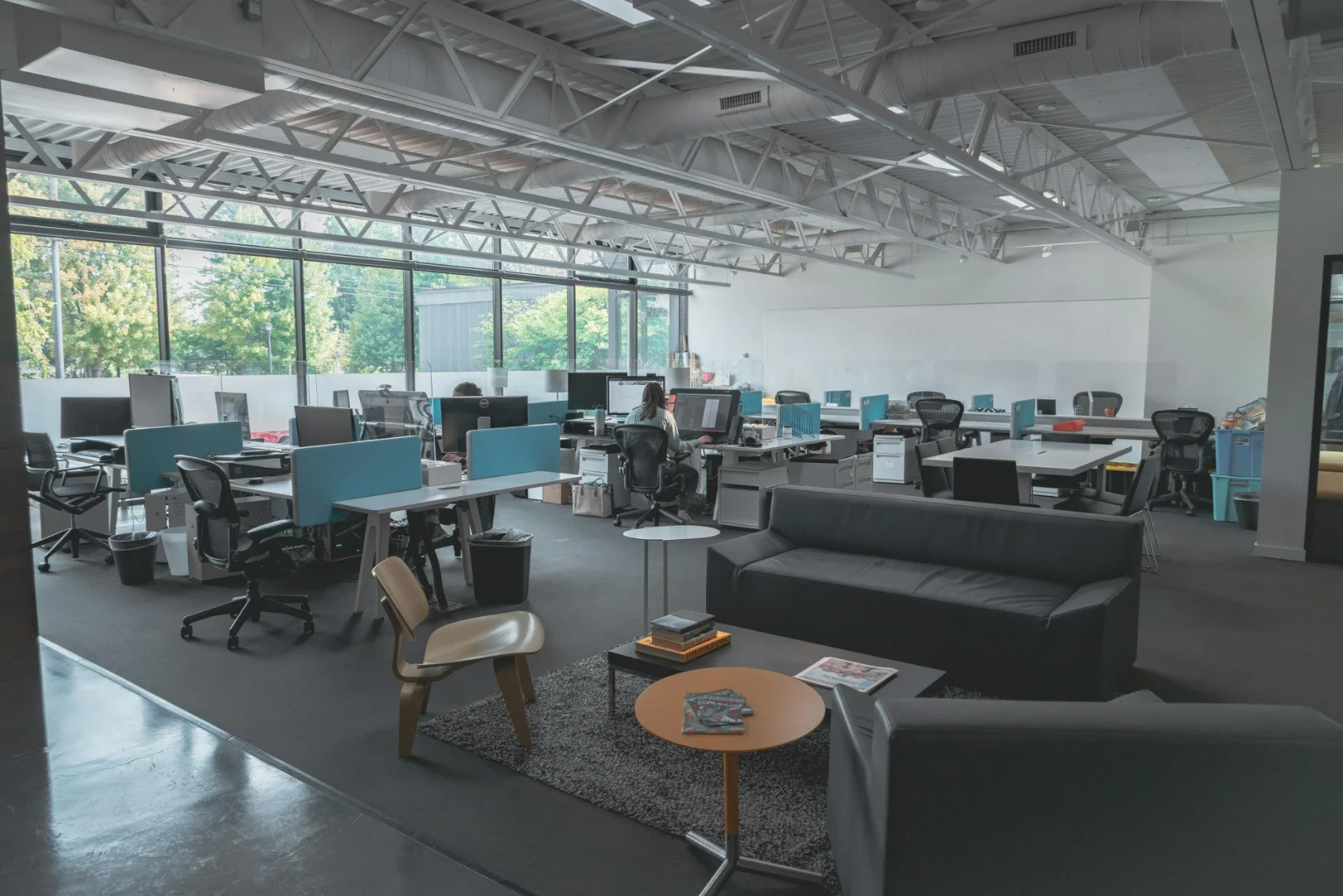
From Chaos to Calm: Decluttering Your Workspace for Better Focus
Learn how decluttering your workspace can improve focus, reduce distractions, and create a calmer environment with simple organization and practical storage tips.

There's a particular kind of tired that comes from working in a messy space. It isn't just the visual noise - it's the low hum of unfinished business that clutter represents. A stack of papers you haven't sorted. A drawer of cables you don't recognise. A to-do list scattered across sticky notes, half-read emails and your own memory. Before you can properly focus on the work in front of you, your brain is quietly cataloguing everything you haven't dealt with yet.
Most decluttering advice stops at the physical: clear the desk, sort the shelves, donate what you don't use. That's a solid start, and it genuinely does change how a space feels. But anyone who has tidied a room only to feel just as scattered an hour later knows there's more to it. A clean desk sitting on top of a messy set of habits and systems doesn't stay clean for long, and it doesn't do much for your focus either. Real clarity comes from decluttering both what you can see and what you can't.
I've spent a fair bit of time helping people set up spaces meant for concentration, whether that's a home office, a studio or a small workshop, and the pattern is almost always the same. The furniture gets chosen carefully. The shelving gets styled. And then, a few weeks in, the surfaces fill back up and the calm quietly disappears. It rarely means the person did the decluttering wrong. More often, it means only half the job was done in the first place.
Why Clutter Costs You More Than Space
Clutter isn't only an aesthetic problem. Researchers who study attention have found that visual clutter competes for the same limited mental resources you need for concentration, which is why a messy environment can leave you feeling drained even before you've started working. Every object out of place is a small, unresolved decision sitting in your peripheral vision, and your brain keeps checking in on it whether you want it to or not.
The same is true of disorganised routines and processes. A task that lives only in your memory, a workflow that changes depending on who's doing it, or a checklist you've never written down all create the same background static as a cluttered desk. You can't see it in the same way, but you feel it in the same way: a persistent sense that something might be slipping through the cracks. Understanding this connection is the first step towards tackling both kinds of clutter properly, rather than tidying the desk and leaving everything else as it was.
Start With What You Can See
Physical clutter is the easiest place to begin, mostly because progress is immediate and satisfying. A few habits make the difference between a tidy-up that lasts and one that reverts within a week.
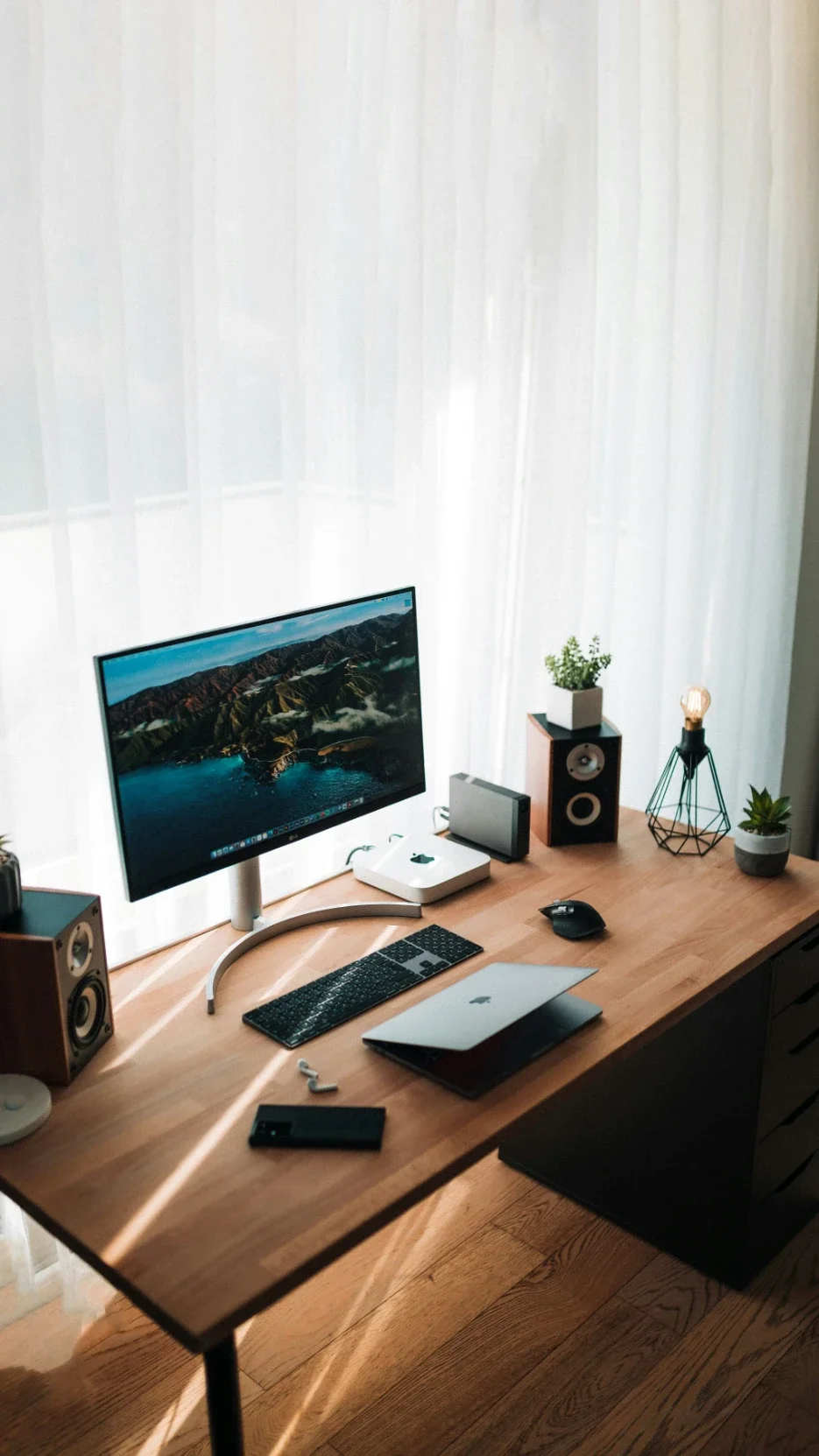
Clear the surfaces first. Your desk, shelves and any flat surface within arm's reach accumulate clutter fastest, simply because it's always easier to put something down than to put it away properly. Start by removing everything that isn't actively in use, then reintroduce only what earns its place back.
Work in zones rather than tackling everything at once. Trying to declutter an entire room in a single afternoon is overwhelming, and it rarely sticks. Instead, finish one zone completely - the desk, then a shelf, then a drawer - before moving to the next. Small, completed wins build far more momentum than one exhausting, half-finished overhaul.
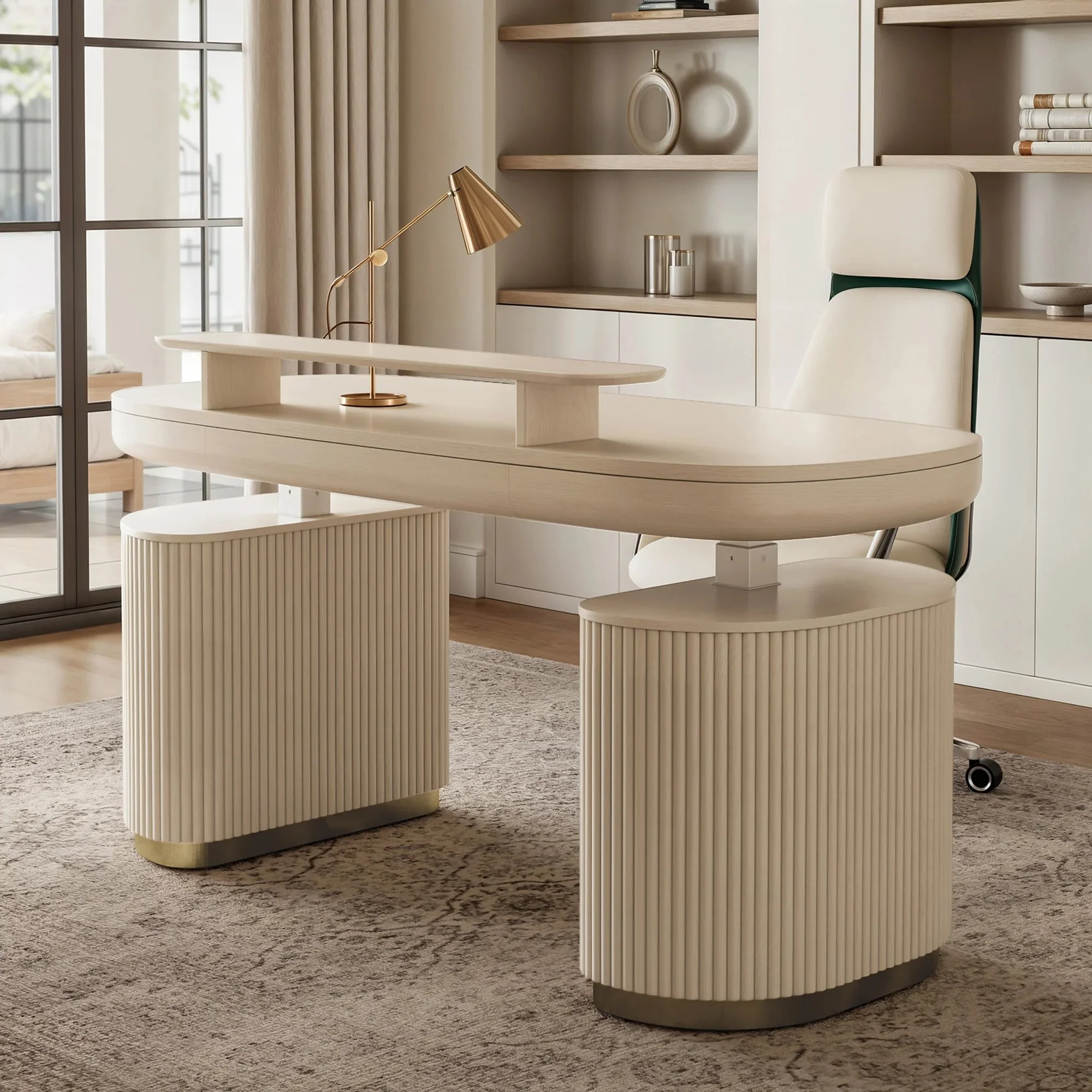
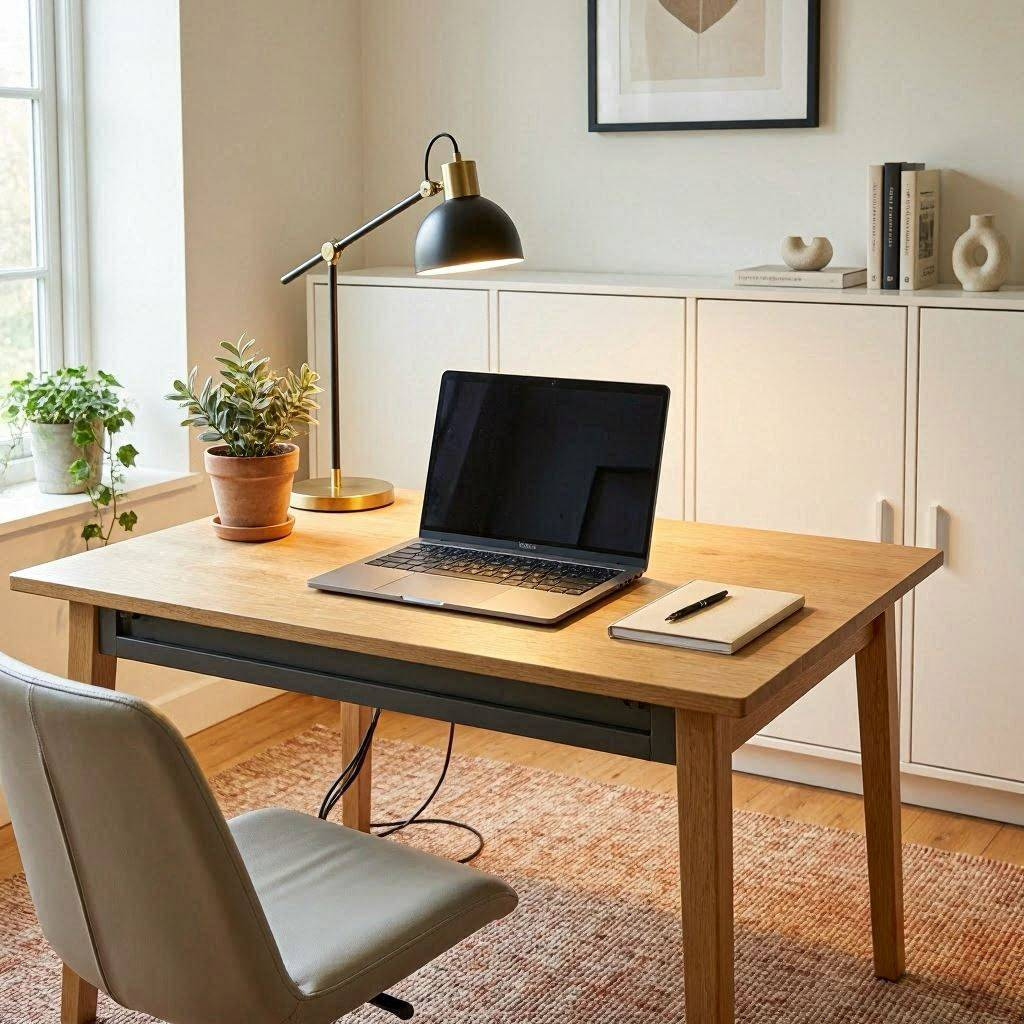
Choose calming materials and colours once the clutter is gone. What you keep matters just as much as what you remove. Natural materials such as timber and linen, a muted colour palette and soft, indirect lighting all signal calm to your nervous system in a way that bright plastics and harsh overhead light simply don't.
Give Everything a Home
The single habit that keeps a decluttered space decluttered is this: every item needs a designated place to live. Clutter rarely comes from having too much stuff. It comes from things not having an obvious home, which means putting them away requires a decision rather than a reflex.
A tray for the mail. A drawer organiser for cables. A shelf reserved for reference material. Once every item has a clear, specific place, tidying up stops being a chore you have to think about and becomes something closer to muscle memory. This is the principle worth carrying into the next part of the process, because it applies just as neatly to the parts of your work you can't physically see.
The Clutter You Can't See
Here's where most decor advice falls short: a tidy desk doesn't help much if the systems behind your work are still a mess. Scattered task lists, processes that only exist in someone's head and workflows that change depending on the day create exactly the same mental drag as a messy room. You just can't see it as easily, which makes it easier to ignore and harder to fix.
This kind of clutter shows up everywhere, not only in offices. It's the household running on memory rather than a shared system. It's the small business owner tracking jobs across three different apps and a notebook. It's the team relying on a WhatsApp thread to remember what was agreed on last week. In every case, the fix follows the same logic used on the physical side of decluttering: give every task a home, work through one process at a time, and make the invisible visible.
It's also worth noticing how the two kinds of clutter feed each other. A cluttered desk often gets that way because there's no clear system telling you what to keep close at hand and what to file away, and a cluttered workflow often gets that way for the same reason: nobody has decided where each piece of information should live. Fixing one without the other tends to be a temporary patch rather than a lasting change.
Making the Invisible Visible
Just as physical items need a designated place, tasks and processes need a clear system rather than a mix of sticky notes, text messages and memory. This is where the same decluttering principles that tidy a desk can tidy an entire operation.
For anyone managing a home-based business, a workshop or a small team, this often means moving recurring checklists, inspections and tasks out of scattered notes and into a single connected system. Platforms such as Mitti are built for exactly this kind of operational tidy-up. Instead of relying on memory or a patchwork of apps, tasks, inspections and workflows sit in one place, visible to everyone who needs them. It's the digital equivalent of the tray for the mail or the drawer for the cables: a designated home for the things that used to float around unresolved.
The value here isn't the tool itself so much as what it represents - the same underlying habit of giving every moving part in your work a clear, findable place, so nothing depends on remembering it correctly.
Keeping the Calm
Decluttering, whether physical or operational, isn't a one-off event. It's a habit that needs light maintenance to stick. A few practices help keep the chaos from creeping back in.
Do a short reset at the end of each day. Clear surfaces, close off loose loops and glance at what's coming tomorrow, so you start the next day from a clean baseline rather than picking up where the mess left off.
Apply a simple "one in, one out" rule. This works for physical items on your desk just as well as it does for new tasks or tools added to your workflow. If something new comes in, something outdated should leave.
Schedule a periodic audit. Once a month or so, walk through your space and your systems and ask what's no longer earning its place. Clutter, physical or otherwise, tends to build up gradually enough that you stop noticing it unless you deliberately check.
Involve anyone who shares the space or the workflow with you. Decluttering tends to unravel fastest when only one person understands where things belong. If a partner, housemate or colleague doesn't know the system, they'll default to putting things wherever is convenient, and the clutter creeps back in through the gaps. A quick conversation about where things live, physically and operationally, goes a long way towards making the calm last.
The Takeaway
A calm, focused workspace isn't really about minimalism for its own sake. It's about removing friction so your attention goes where it's actually needed. That applies just as much to the systems quietly running behind your work as it does to the surface of your desk. Sort out the visible clutter, then turn the same attention to the invisible kind, and the sense of calm tends to follow both.
Neither side of this holds up on its own for long. A beautifully styled desk sitting above a chaotic set of routines will slide back into clutter within weeks, and the tidiest workflow in the world won't feel calm if you're working in a space that's constantly pulling your attention elsewhere. Treat the two as one project rather than two separate chores, and the result is a workspace, and a way of working, that actually holds its shape.
Stay up to date with our latest ideas!