The Role of HR During an Office Move
Learn how HR can support an office move by managing communication, employee needs, logistics, policies, and a smooth transition to the new workplace.

HR plays an important role in office moving, because in addition to the usual transportation of equipment or furniture, there is an emotional background between employees, their feelings, and so on. And it is HR that helps them deal with all this, so that it does not dramatically affect productivity and employee mood. Often, it is the management of this human side that determines whether employees see the office move as a well-organized change or as a chaotic process.
Communicating the Move to Employees
Office moving affects all employees, so the quality of communication is as important as the logistics themselves. Employees usually have quite specific questions: where the new office is located, when the move will take place, whether the route to work will change, what will be required of them during the move itself. It is often important for them to communicate these topics in advance so that they are prepared both physically and mentally, as it is not an easy process.
A short and clear announcement, followed by gradual addition of details, works better than one big letter with all the information at once. It is also helpful to be clear about which details have been confirmed and which are still under review, so that employees do not think that something will change again soon. The choice of communication channel is also important. A one-time announcement in a general meeting is easily lost, while a written update that the employee can refer to later leaves fewer details for misunderstanding.
Addressing Employee Concerns and Questions
A move naturally raises questions that HR needs to answer in advance, not on a case-by-case basis. Will parking be available? Is the new office accessible to people with disabilities? What will happen to the current desk? Creating a dedicated channel for these questions, a shared mailbox, periodic Q&A meetings, or a shared FAQ document can help prevent the spread of rumors and give HR time to address real issues early on.
It is essential that any employee’s concerns are taken seriously, as this helps maintain employee trust during uncertain times. Often, it is enough for HR to acknowledge the question and promise a specific date for a response, even if they don’t know the answer right away. This simple gesture often does more to reassure employees than a detailed but delayed response. Often, it is the silence, not the bad news itself, that makes employees most anxious.
Coordinating With Other Departments
HR rarely manages an office move alone. IT needs to prepare the network and equipment for the new location, the back office needs to coordinate the physical move, and department heads need to be informed about how the move will affect their team’s schedules. These processes occur independently of each other and often at different paces, making coordination especially important. HR’s role is often to coordinate these parts: IT’s timelines align with those of the back office, and department heads know what to hand over to their teams and when.
Having a single, shared schedule available to all departments reduces the back-and-forth messages that arise when each team tracks the move on its own, separate schedule. Designating a single point of contract, even if HR does not personally handle all the tasks, gives other departments a single place to address scheduling conflicts early on. Without this, each department often gets its own version of the plan and only discovers at the last minute that others were working on different dates.
Helping Employees Settle Into the New Office
The work is not done once the move is completed. Employees need time to learn the new layout, get used to the space, and adjust to the changes. HR can help facilitate this process by offering a simple orientation to the new office, clearly communicating any changes to the physical space policy.
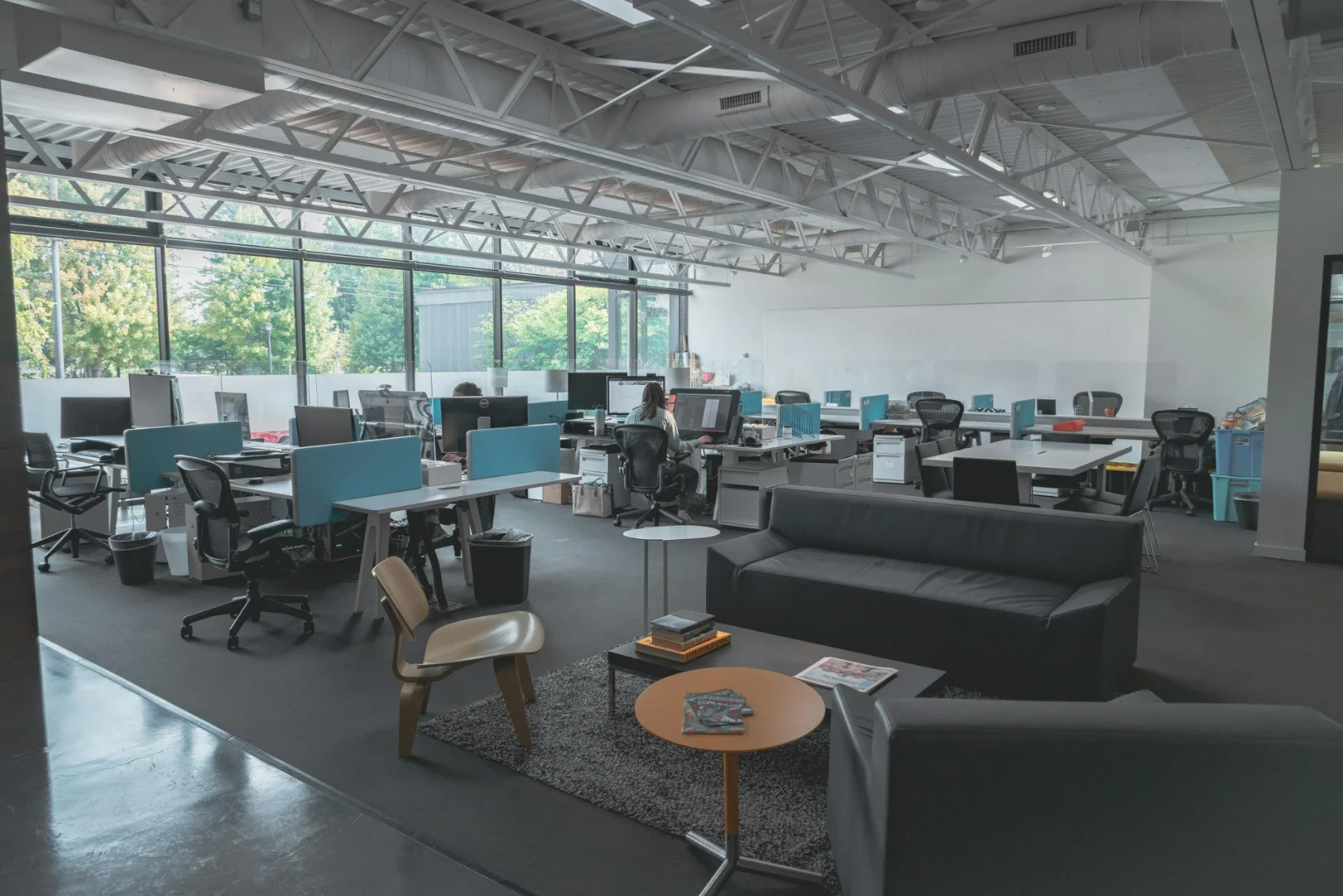
This follow-up check is often more important than it seems. Noise, lighting, and awkward seating often only become apparent after people have actually been working in the new space for a few weeks, not on the first day. For HR, this means that the move isn’t officially over when the move-in day is over. It’s important to make sure the team feels as productive as possible in the new space.
Stay up to date with our latest ideas!