Designing Offices That Adapt: Why Flexible Workspaces Are the Future
Discover why flexible workspaces are the future, with adaptable office designs that support collaboration, productivity, changing team needs, and long-term growth.

The modern workplace has changed dramatically over the past few years. Hybrid work, evolving employee expectations, advances in technology, and a growing emphasis on wellbeing have reshaped what businesses expect from their office environments. Today’s offices are no longer designed simply to accommodate desks and meeting rooms. Instead, they are expected to support collaboration, focused work, creativity, and company culture while remaining adaptable as organizational needs change.
This shift has made flexibility one of the most important principles in commercial interior design. Rather than creating static layouts that may become outdated within a few years, businesses are increasingly investing in spaces that can evolve alongside their workforce. A thoughtfully designed office not only improves day-to-day operations but also provides long-term value by responding to changing business priorities without requiring major renovations.
Why Workplace Flexibility Matters
Few organizations operate exactly as they did five or ten years ago. Teams grow, departments change, technology advances, and work styles continue to evolve. Offices that cannot adapt often become inefficient, forcing companies to invest in costly redesigns sooner than expected.
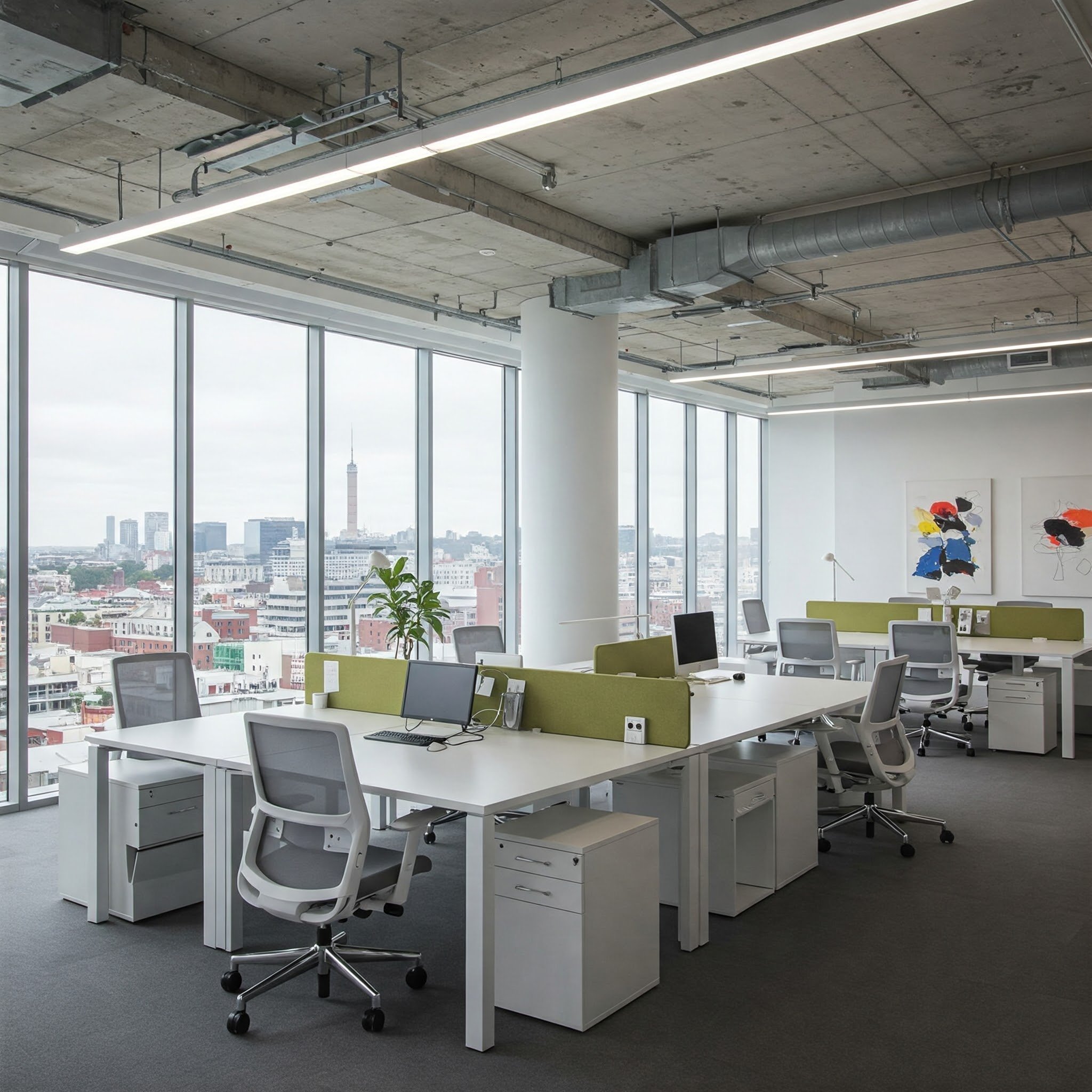
Flexible workspaces are designed with change in mind. Instead of fixed layouts, they incorporate movable furniture, modular partitions, multi-purpose areas, and adaptable infrastructure that allows spaces to serve different functions throughout the day.
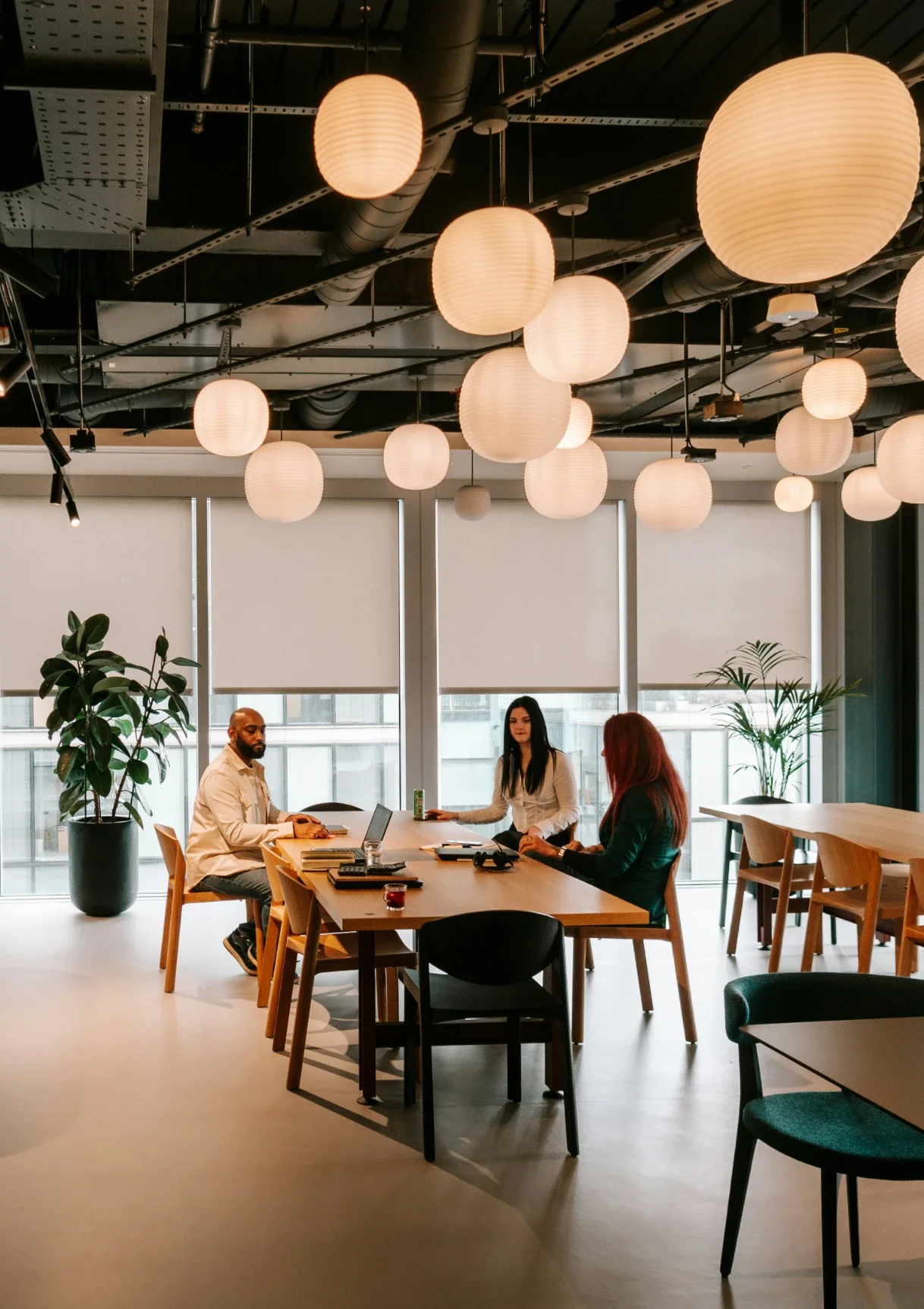
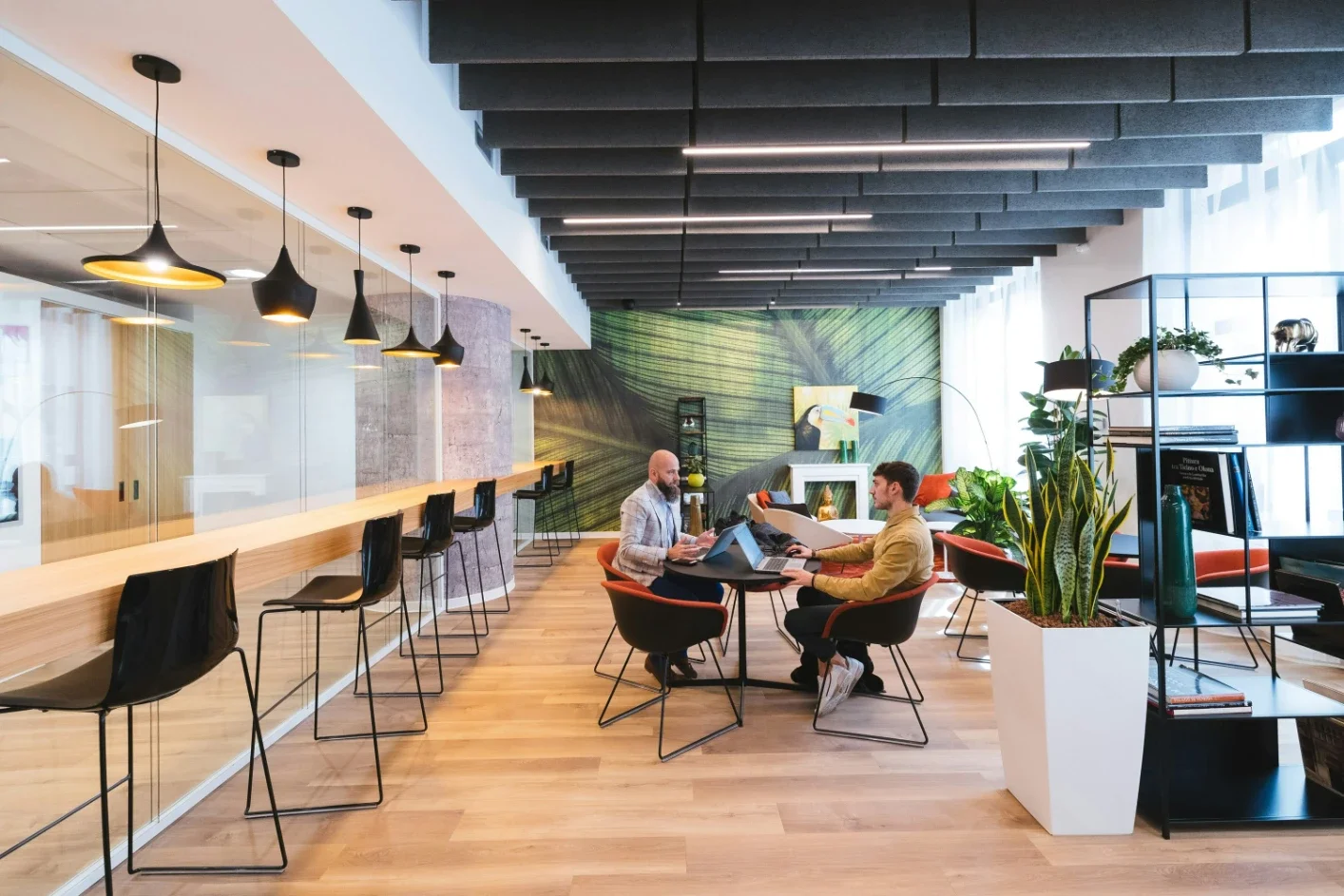
For example, an open collaboration area may host team meetings in the morning, client presentations in the afternoon, and informal brainstorming sessions later in the day. This versatility allows businesses to maximize the value of every square metre.
Design Should Support the Way People Work
The most successful office designs begin with understanding how employees actually use a space rather than focusing only on aesthetics.
Businesses investing in office interior design Malaysia are increasingly looking for workplaces that balance functionality, employee wellbeing, and long-term adaptability. Lum Chang Brandsbridge specializes in integrated interior design and fit-out solutions for corporate offices, retail environments, financial institutions, and commercial spaces throughout Malaysia and Southeast Asia. Their approach combines workplace planning, space optimization, project management, and quality craftsmanship to create environments that not only reflect a company’s identity but also support productivity and future growth.
By designing around real workflows instead of assumptions, organizations create workplaces that remain effective even as business needs change.
Balancing Collaboration and Privacy
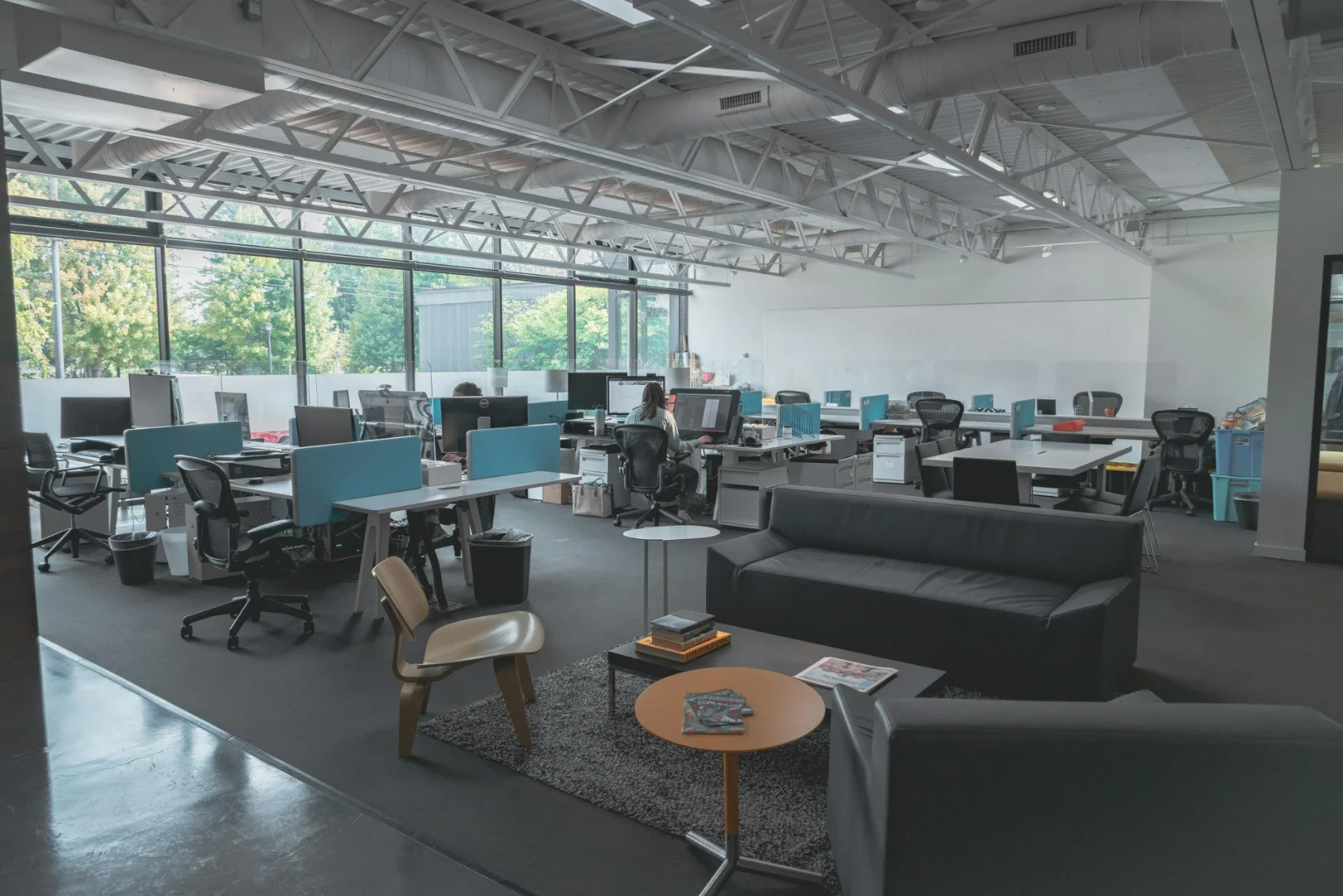
Open-plan offices became popular because they encouraged communication and made better use of available space. However, businesses soon discovered that completely open environments can also create distractions, increase noise levels, and reduce opportunities for focused work.
Modern office design seeks a better balance. Flexible workplaces often combine collaborative zones with quiet areas where employees can concentrate without interruption.
Common features include:
Informal meeting spaces
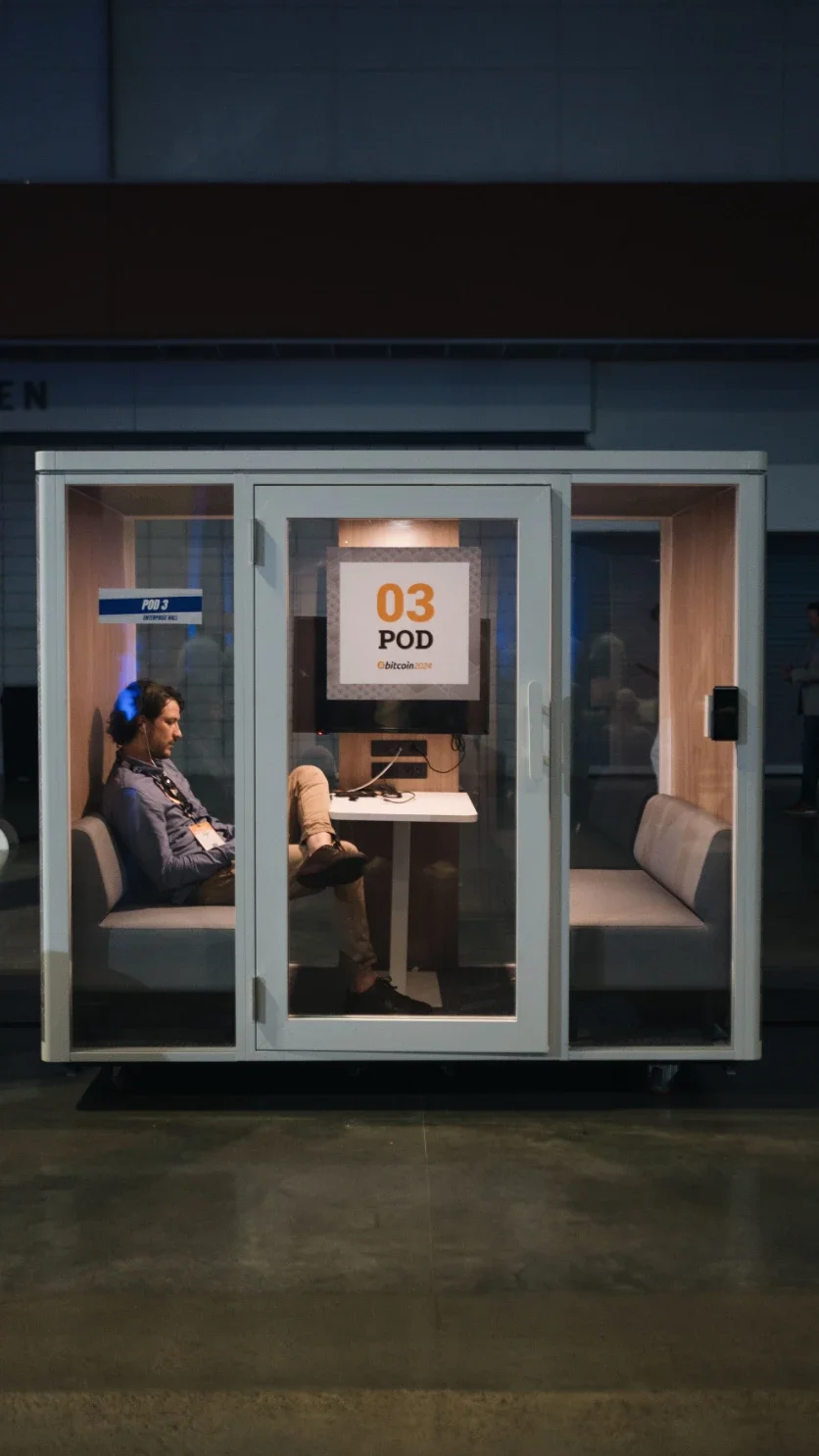
Private phone booths
Quiet focus rooms
Collaborative project areas
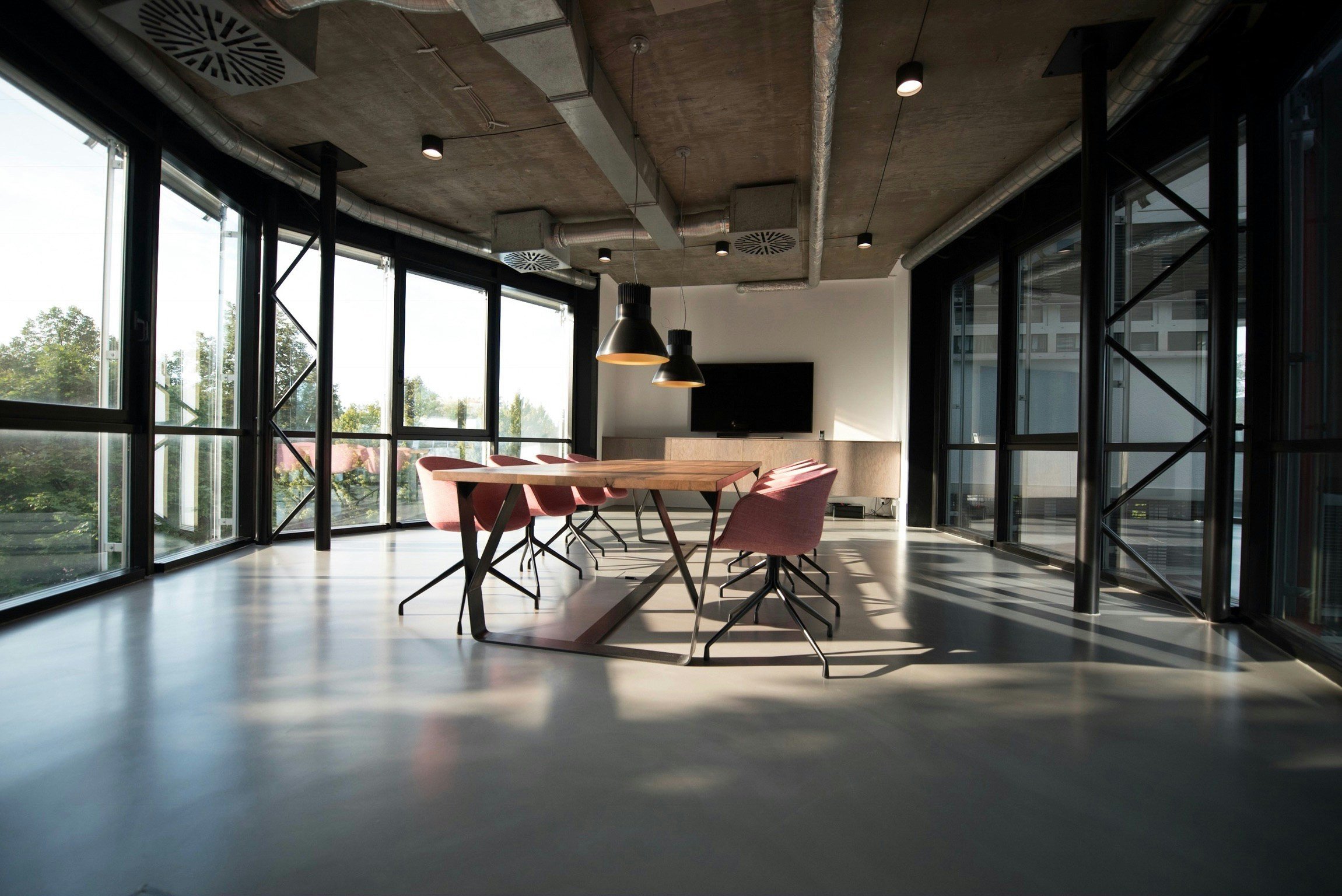
Flexible conference rooms
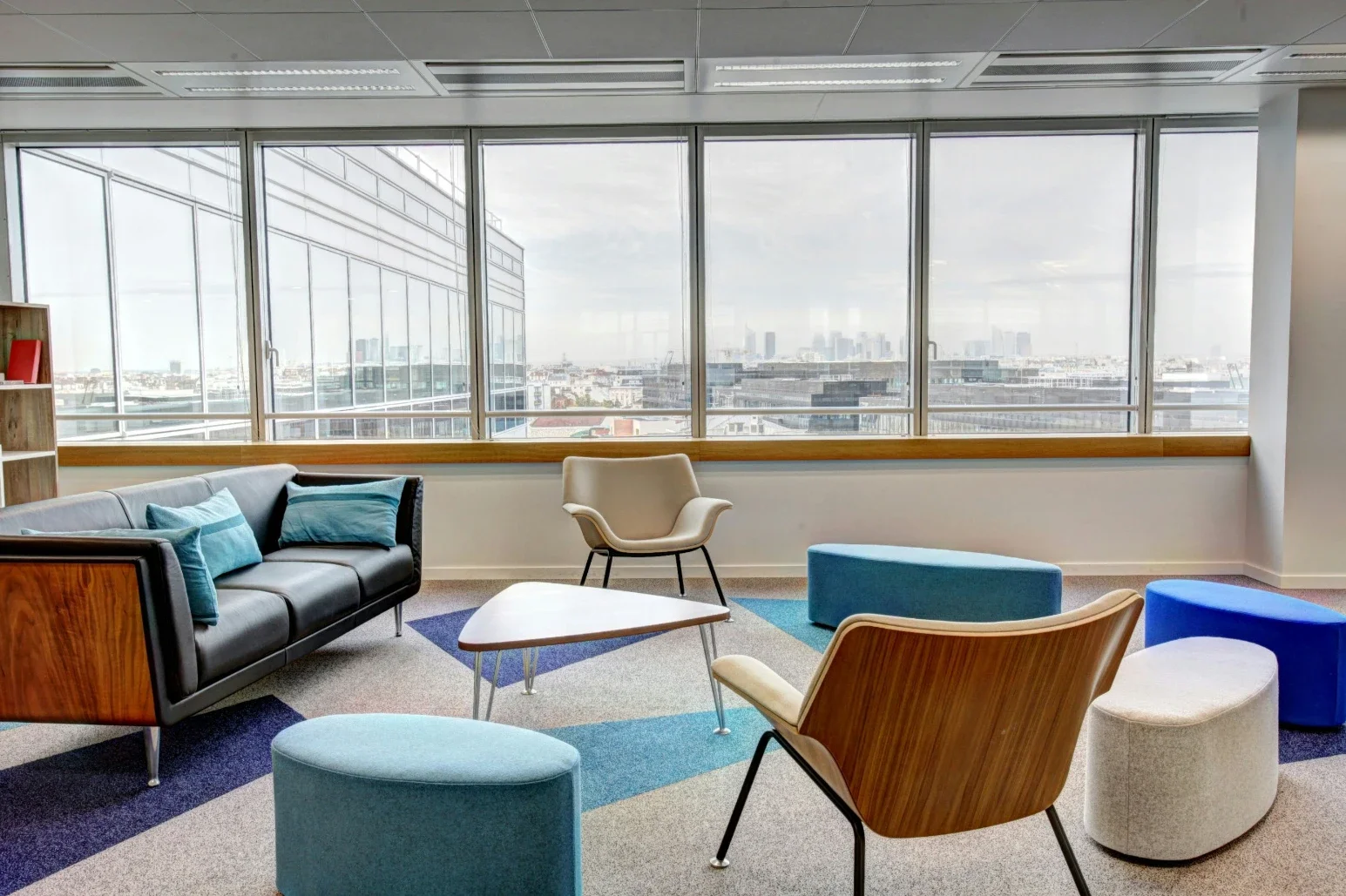
Comfortable breakout spaces
Providing employees with different types of work environments allows them to choose spaces that best support the task they are performing.
Furniture Plays a Strategic Role

Furniture has become an important part of workplace flexibility. Modular desks, movable storage units, mobile whiteboards, and reconfigurable seating allow organizations to adjust layouts without extensive renovation.
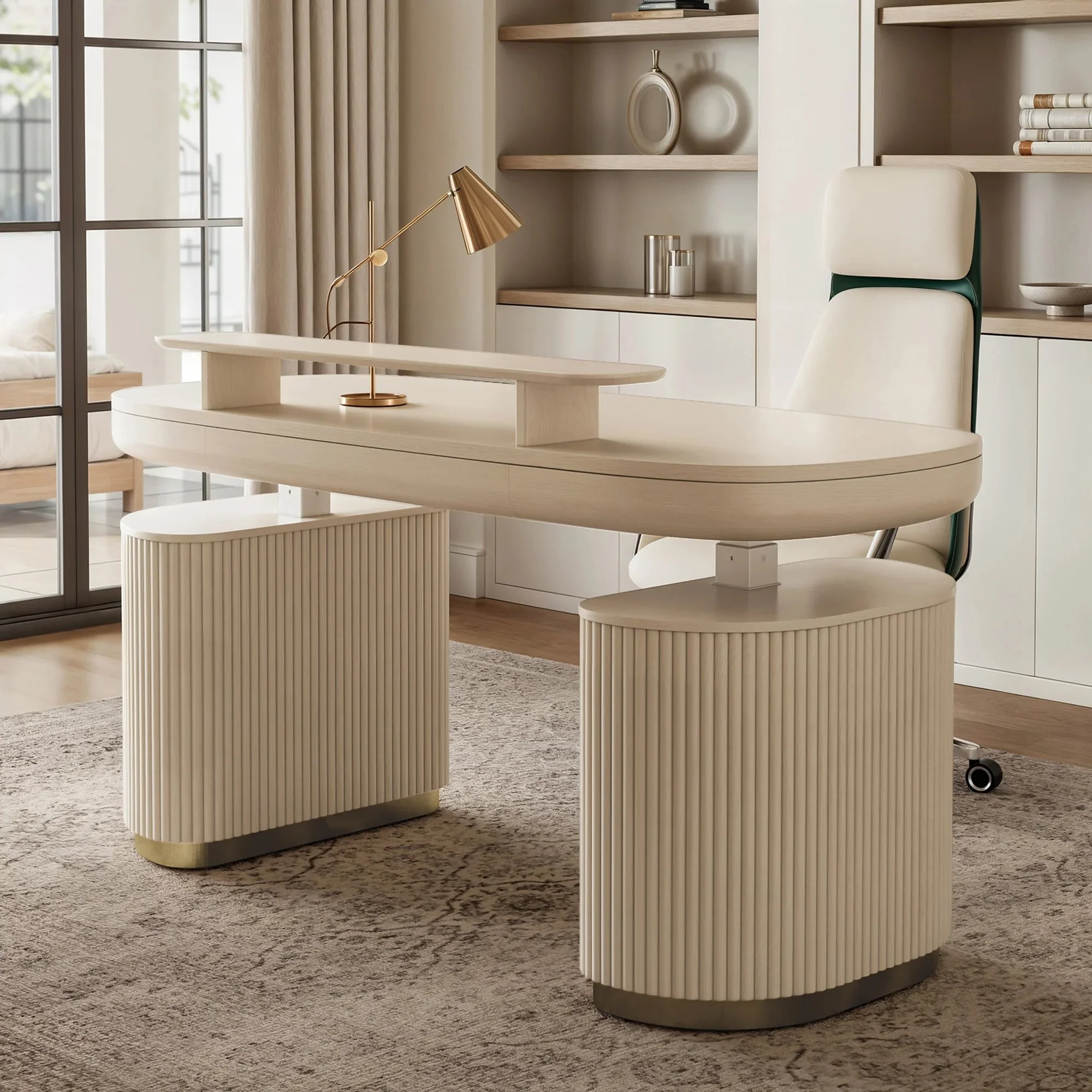
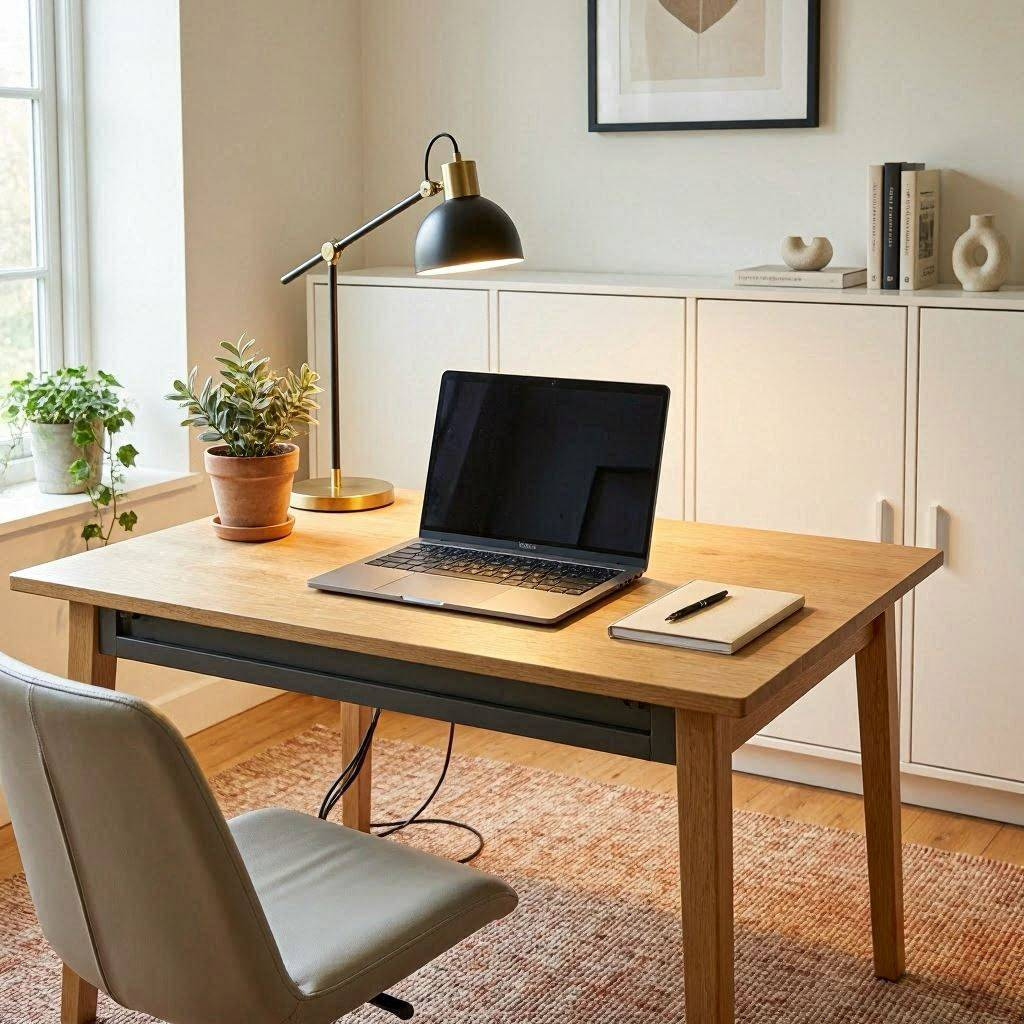
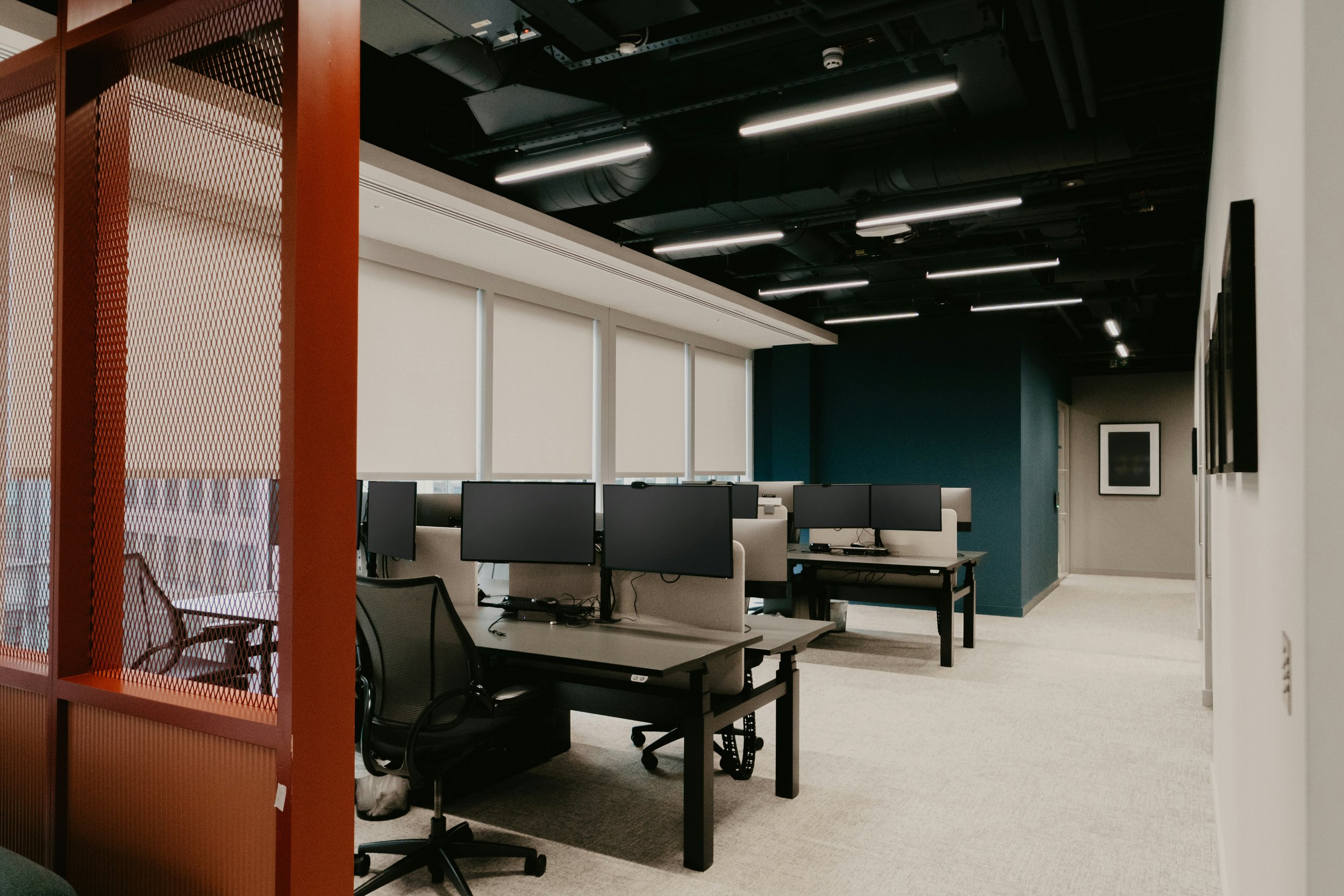
Height-adjustable desks also continue to gain popularity because they support employee comfort while accommodating different working preferences. Rather than purchasing furniture solely based on appearance, companies increasingly evaluate how each item contributes to long-term adaptability and efficient space utilization.
Technology and Interior Design Work Together
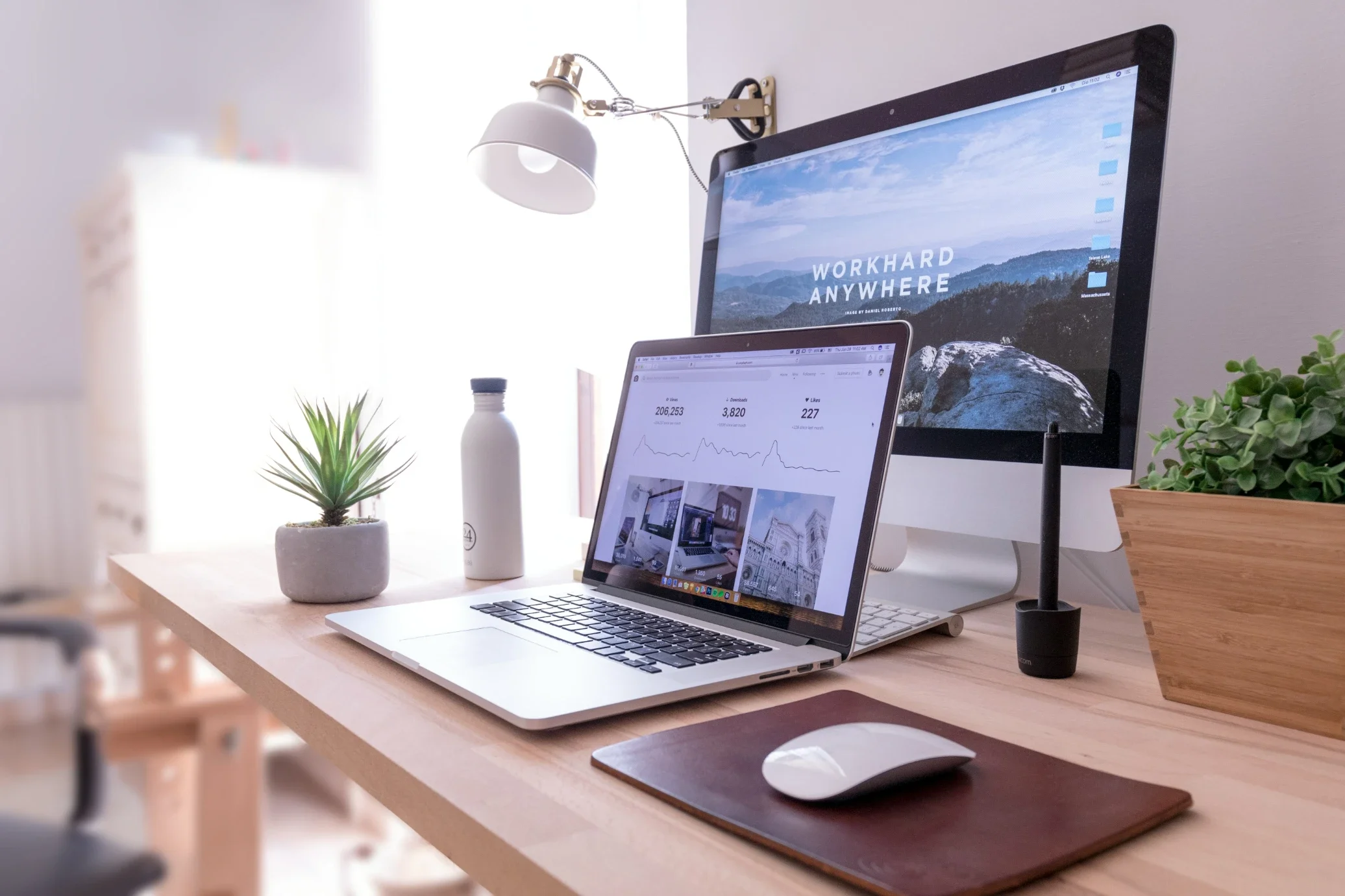
Technology has become fully integrated into workplace design. Meeting rooms now require reliable video conferencing capabilities, collaborative digital displays, charging stations, and cable management systems that support both in-office and hybrid teams.
Flexible office design considers these technological requirements from the earliest planning stages. Electrical infrastructure, lighting, wireless connectivity, and equipment placement must all work together seamlessly to avoid clutter while supporting productivity. Planning technology alongside the physical environment helps ensure that future upgrades can be implemented with minimal disruption.
Creating Healthier Work Environments
Employee wellbeing has become a central consideration in commercial interior design. Comfortable workplaces support both physical health and overall job satisfaction.
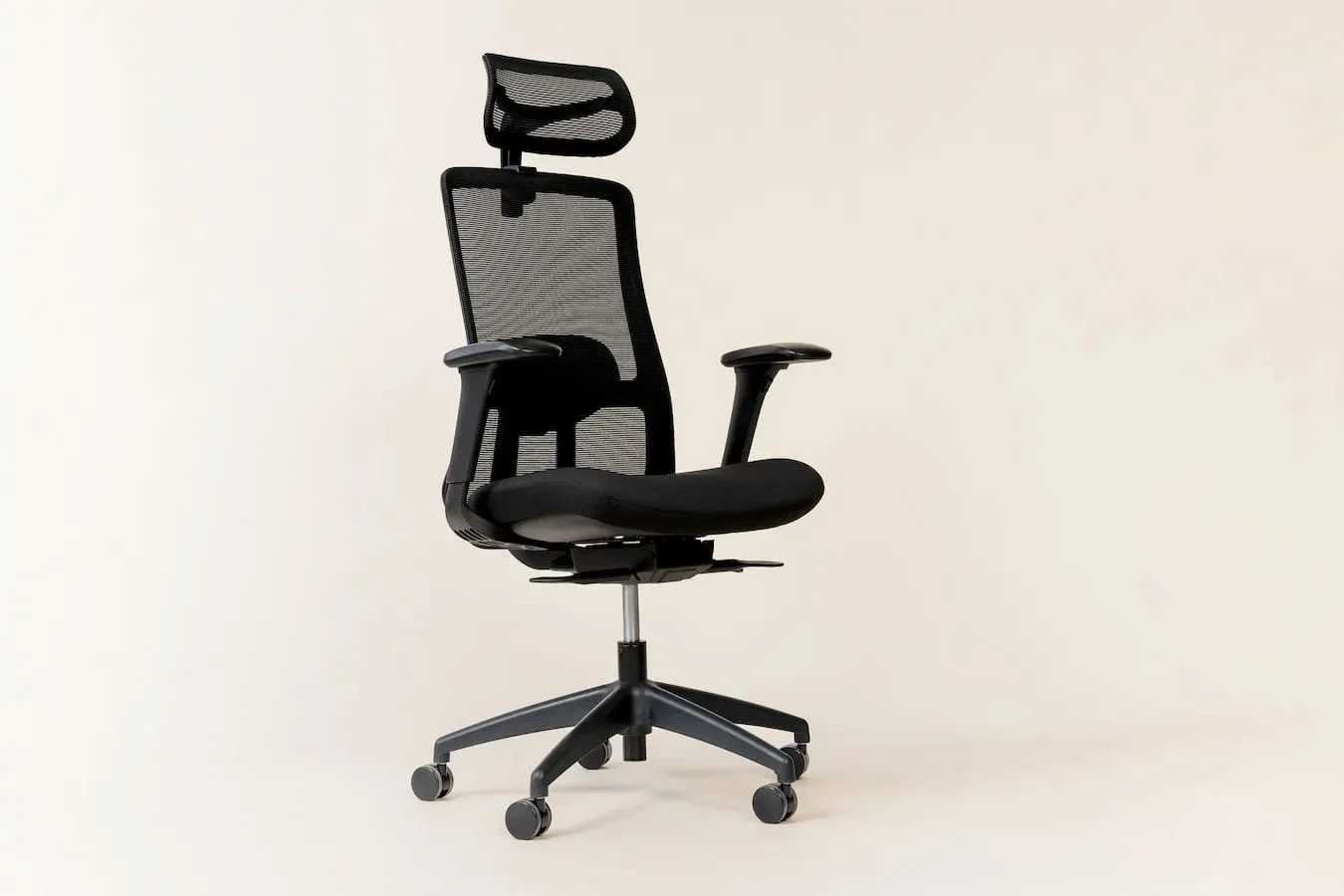
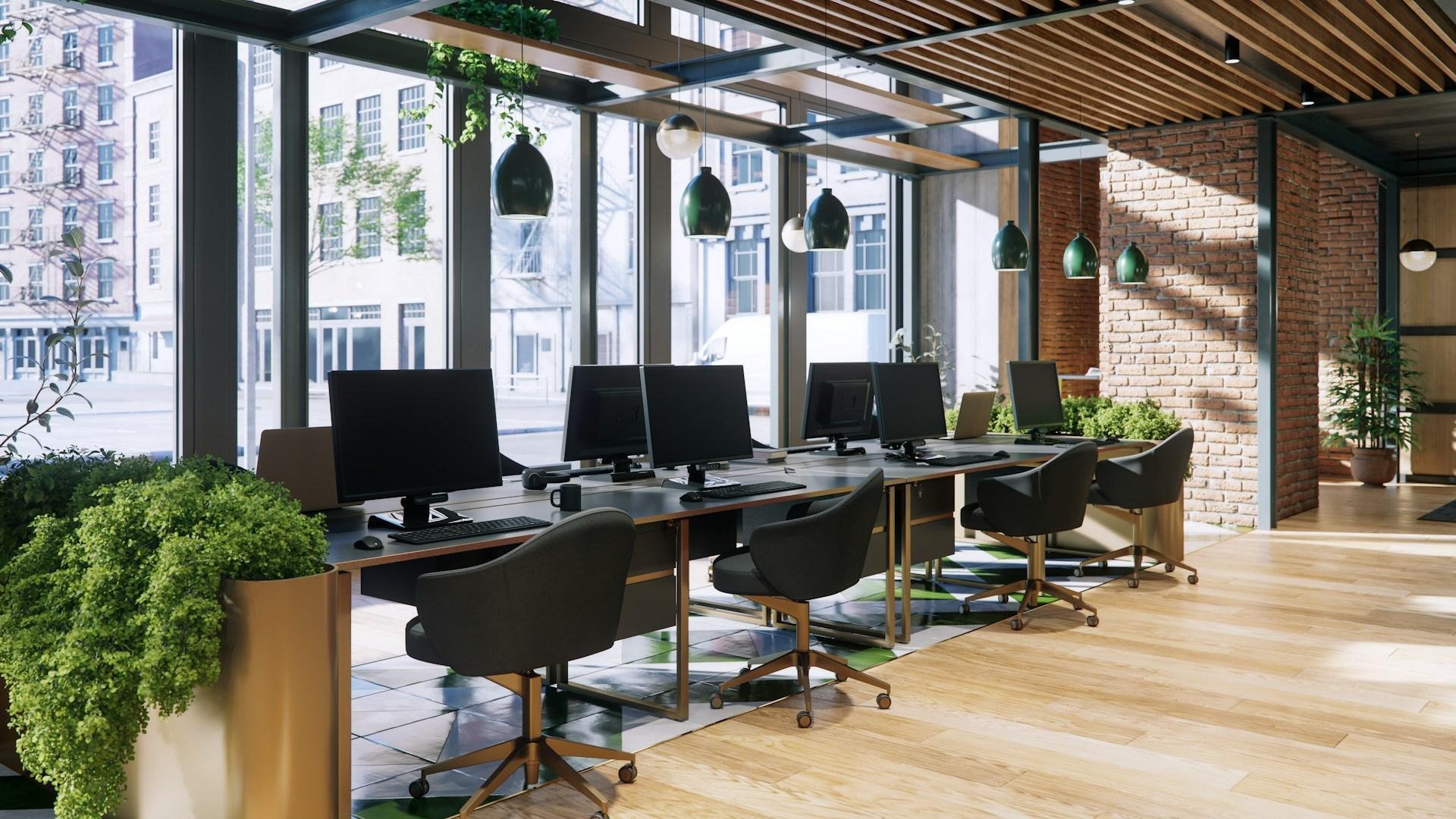
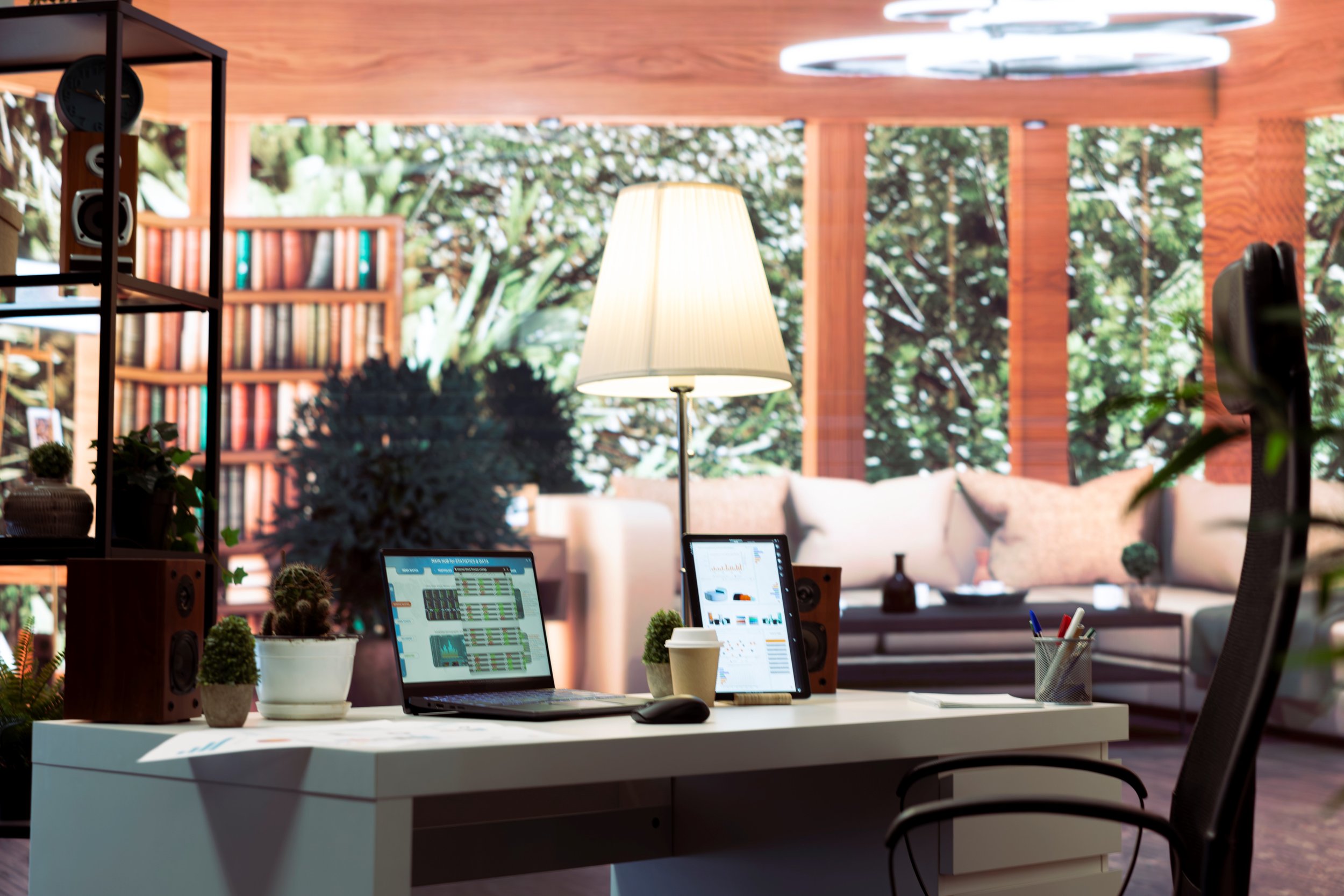
Natural light, ergonomic furniture, improved ventilation, acoustic treatments, indoor greenery, and carefully selected materials all contribute to healthier work environments. These features not only improve comfort but can also help reduce fatigue and create more enjoyable workplaces.
The Harvard Business Review has highlighted that thoughtfully designed work environments influence collaboration, employee engagement, and organizational performance. Rather than treating office design as purely decorative, businesses increasingly recognize the workplace as a strategic asset that supports both people and business objectives.
Planning for Future Growth
One of the greatest advantages of flexible office design is its ability to accommodate change without requiring complete reconstruction. Growing businesses may need additional workstations, larger meeting areas, or entirely new departments. Companies adopting hybrid work may reduce assigned seating while expanding collaborative spaces. Others may introduce new technologies that require different infrastructure.
Planning for these possibilities during the initial design phase allows organizations to respond more efficiently as their needs evolve. Instead of creating rigid environments, designers can incorporate flexible partitions, adaptable furniture systems, and scalable layouts that continue serving the business for many years.
Sustainability and Longevity
Sustainable design is becoming increasingly important in commercial interiors. Organizations are paying closer attention to how materials, construction methods, and space planning affect long-term environmental impact.
Flexible offices naturally support sustainability because adaptable spaces reduce the need for repeated renovations. Durable materials, energy-efficient lighting, responsibly sourced finishes, and modular components all contribute to longer-lasting workplaces with less waste. Rather than replacing entire office layouts every few years, companies can make targeted adjustments while preserving much of the existing environment.
Every Business Has Different Needs
There is no universal formula for designing an effective workplace. A financial institution has different operational requirements from a technology company, healthcare provider, retailer, or creative agency.
Factors that influence office design include:
Company size
Industry requirements
Team structure
Client interaction
Technology needs
Growth projections
Employee work styles
Available floor space
Understanding these variables allows designers to develop customized solutions rather than relying on generic office layouts.
Building Workplaces That Continue to Perform
Office design should never be viewed as a short-term project focused only on appearance. A successful workplace supports employees, reflects organizational goals, adapts to changing business requirements, and continues delivering value long after construction has finished.
Flexible workspaces represent a practical response to an increasingly dynamic business environment. By combining thoughtful planning, adaptable layouts, integrated technology, and employee-focused design principles, organizations create offices that remain functional, efficient, and welcoming regardless of how work continues to evolve.
As businesses prepare for the future, investing in adaptable commercial interiors is becoming less about following design trends and more about creating resilient workplaces that support productivity, innovation, and long-term success.
Stay up to date with our latest ideas!