Why Your Office Furniture Might Be Quietly Killing Productivity
Discover how your office furniture might be quietly reducing productivity and learn how ergonomic upgrades can improve comfort, focus, and performance.

Ever walked into an office and immediately felt... tired? Not because of the workload or the fluorescent lights, but because the whole setup just felt wrong. The chair was stiff, the desk was too low, and the monitor sat at an angle that practically begged for a neck cramp. Turns out, that gut feeling about a poorly designed workspace isn't just in your head. It's backed by a surprising amount of research.
The Chair Problem Nobody Talks About
Here's the thing. Most people spend somewhere around eight hours a day sitting at their desk. That's a third of their entire day parked in one spot. And if that spot happens to be a cheap, unsupportive office chair, the body starts to protest pretty quickly. Back pain, shoulder tension, that annoying pins and needles feeling in the legs. All of it adds up.
A study from the British Journal of Sports Medicine found that prolonged sitting in poorly designed seating contributes to musculoskeletal issues, which then leads to more sick days and lower output. It's a domino effect. Bad chair leads to sore back leads to distracted employee leads to missed deadlines. Simple as that.
But it goes beyond just chairs. The entire furniture setup of an office sends a message to the people working in it. It either says "we care about how you work" or "we bought whatever was cheapest."
Desks, Layout, and the Psychology of Space
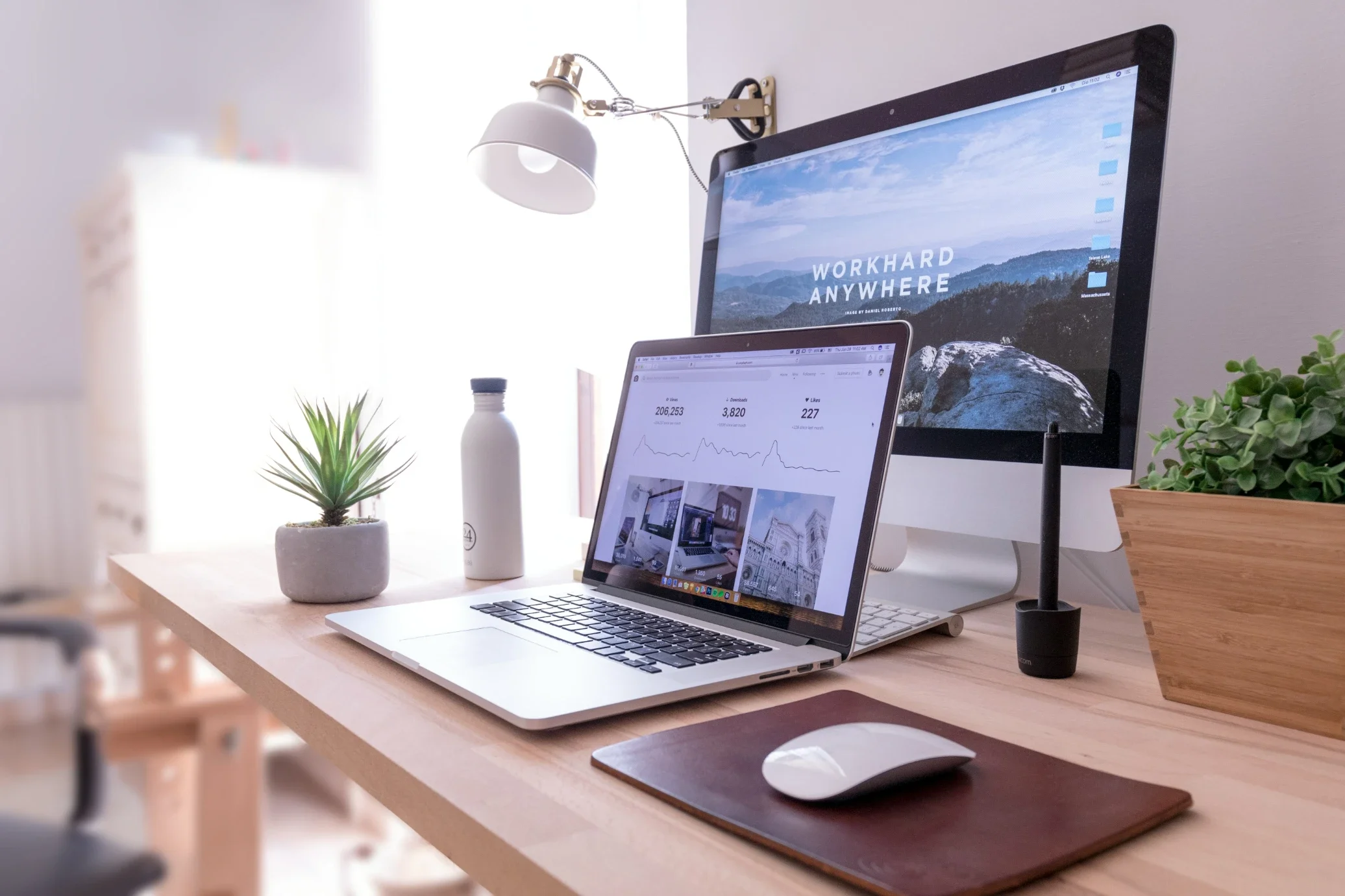
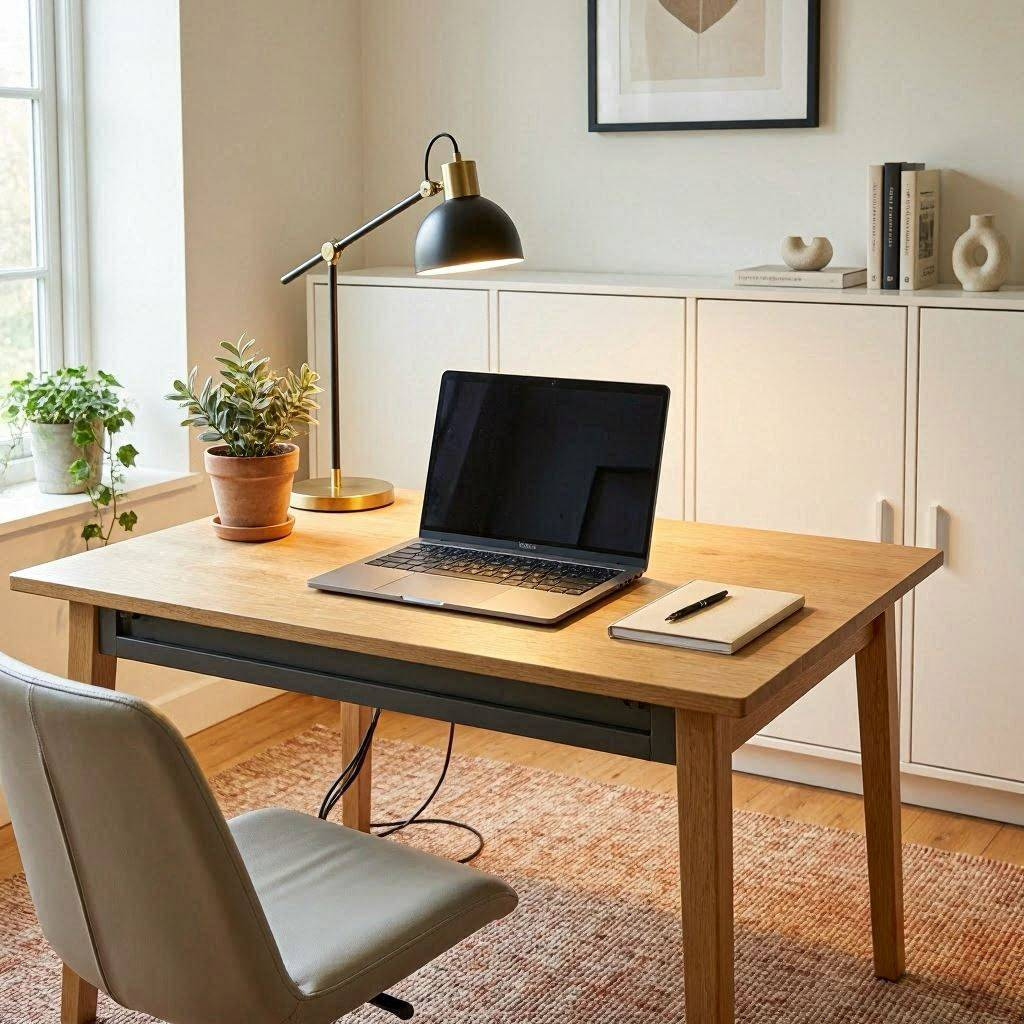
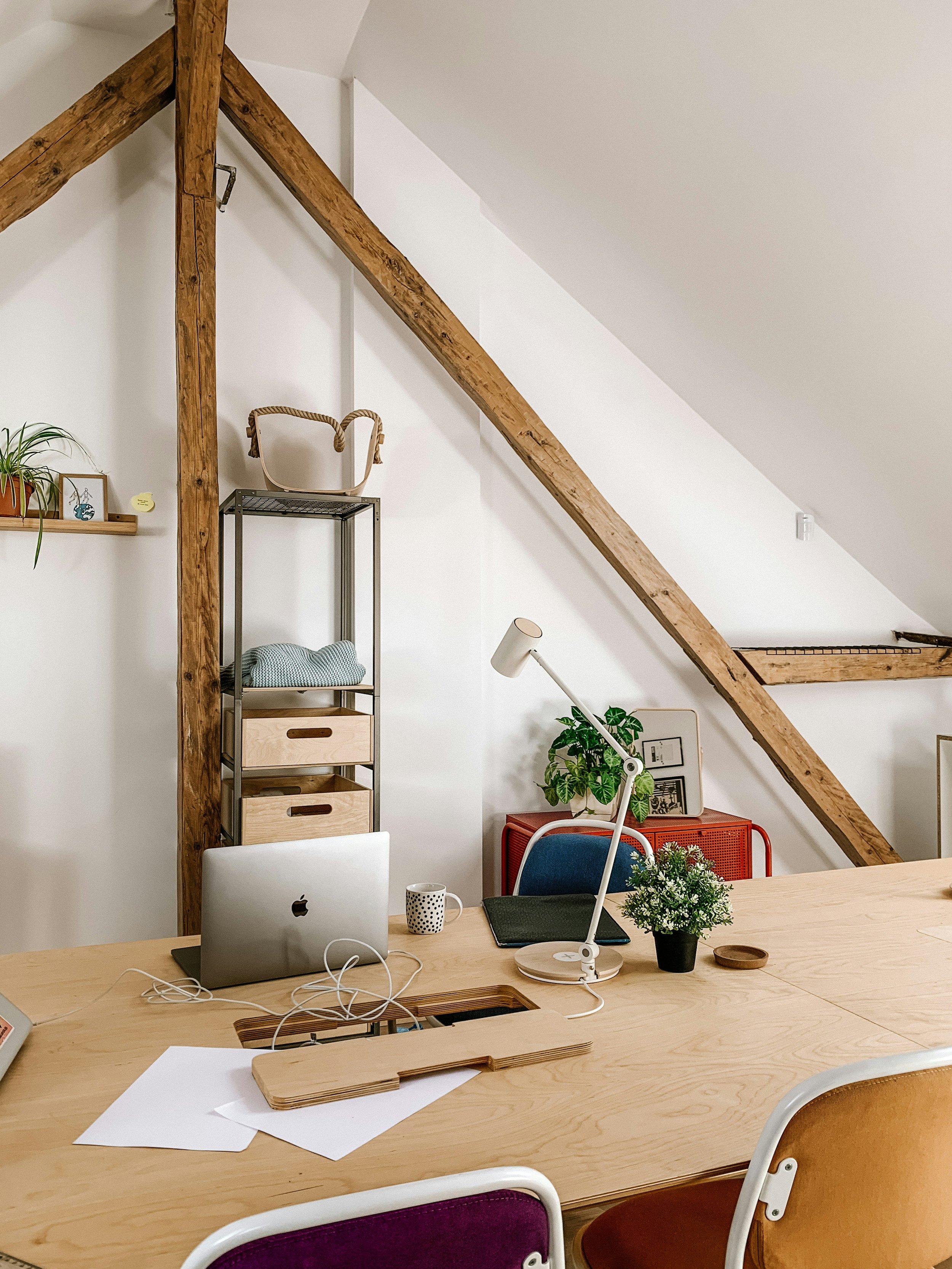
Picture this. Someone's trying to concentrate on a complex report, but their desk is so small that their keyboard is practically hanging off the edge. Papers are stacked because there's no storage. Their colleague is about forty centimetres away, having a phone conversation at full volume. Not exactly a recipe for deep focus, is it?
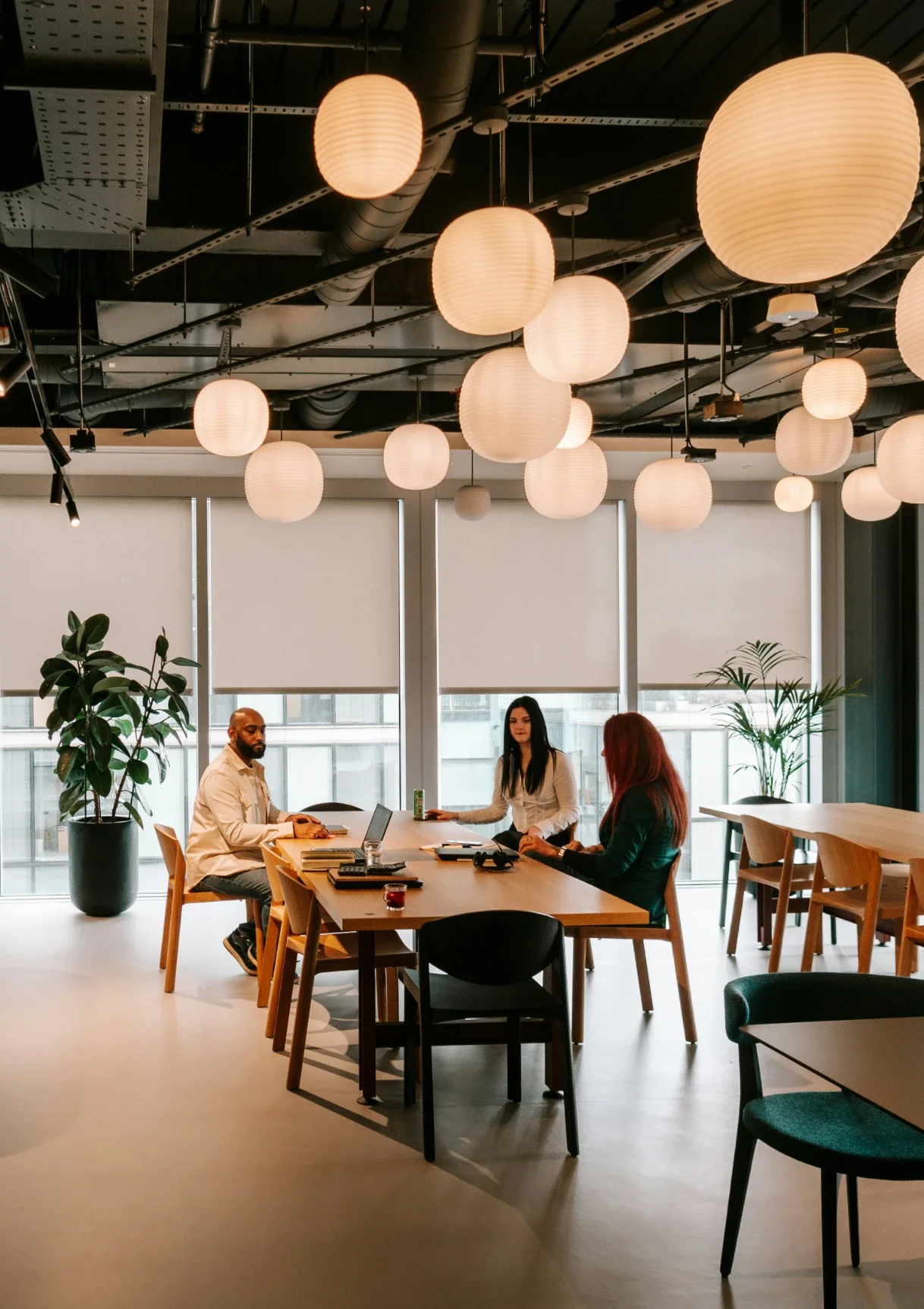
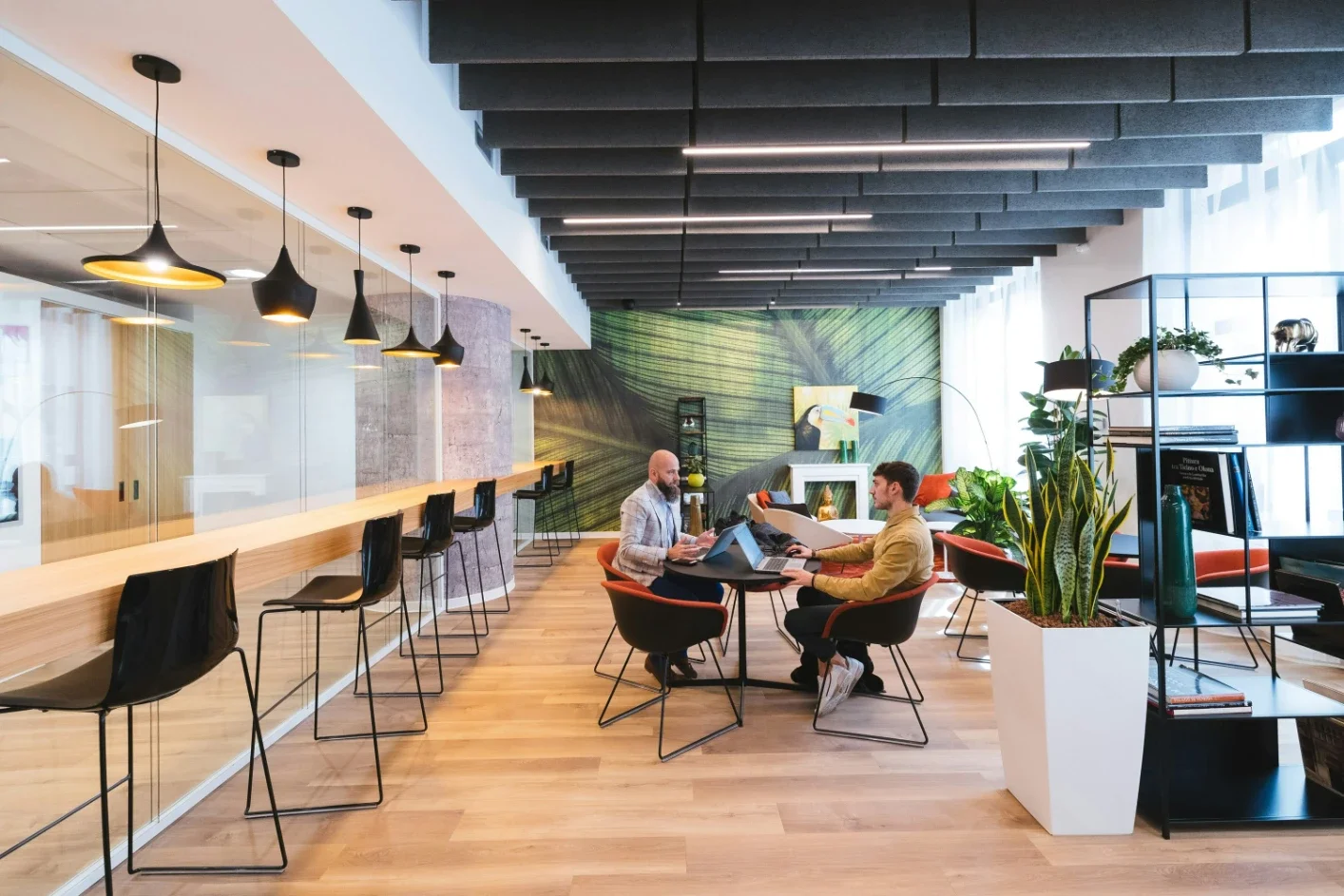
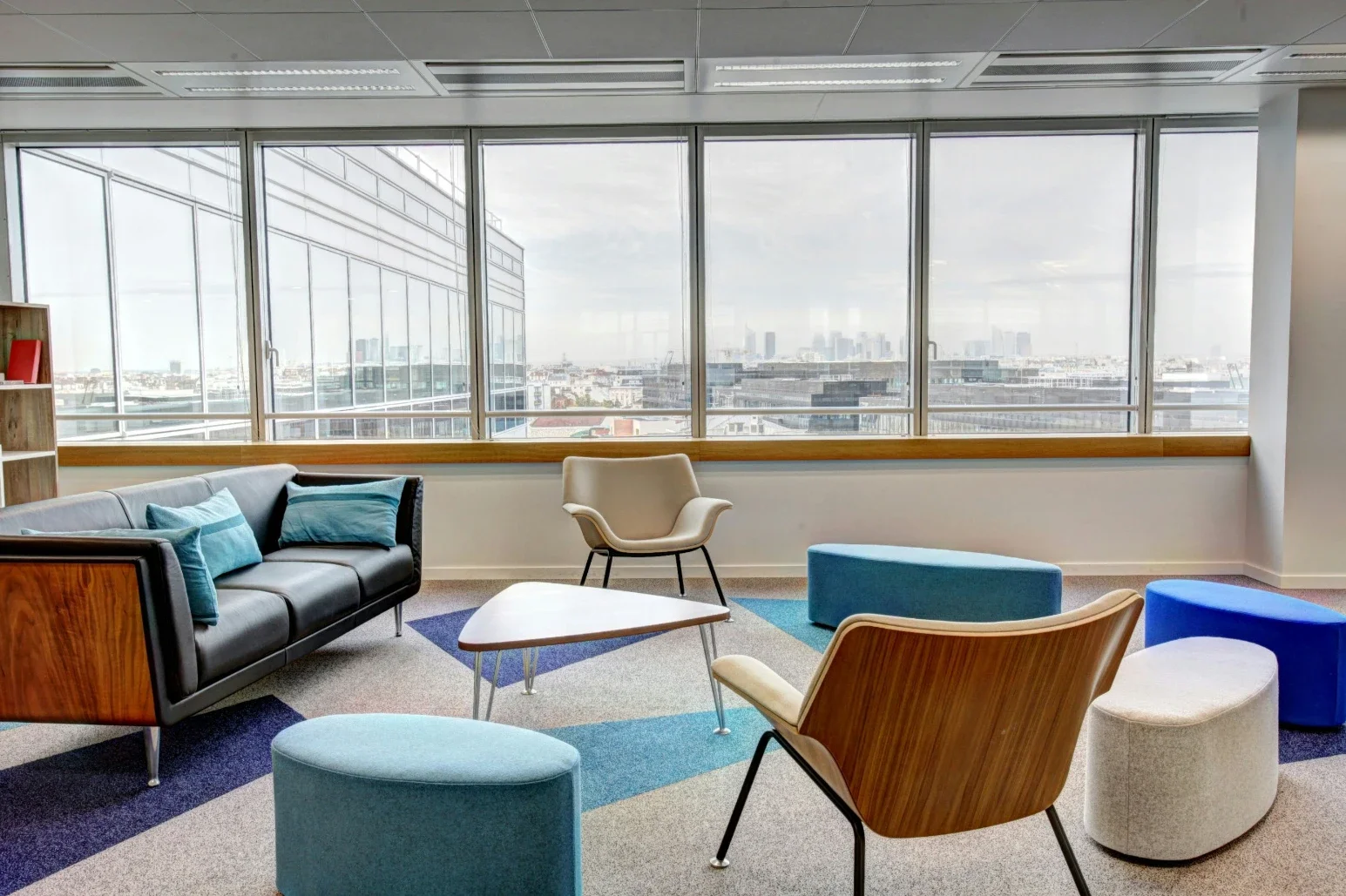
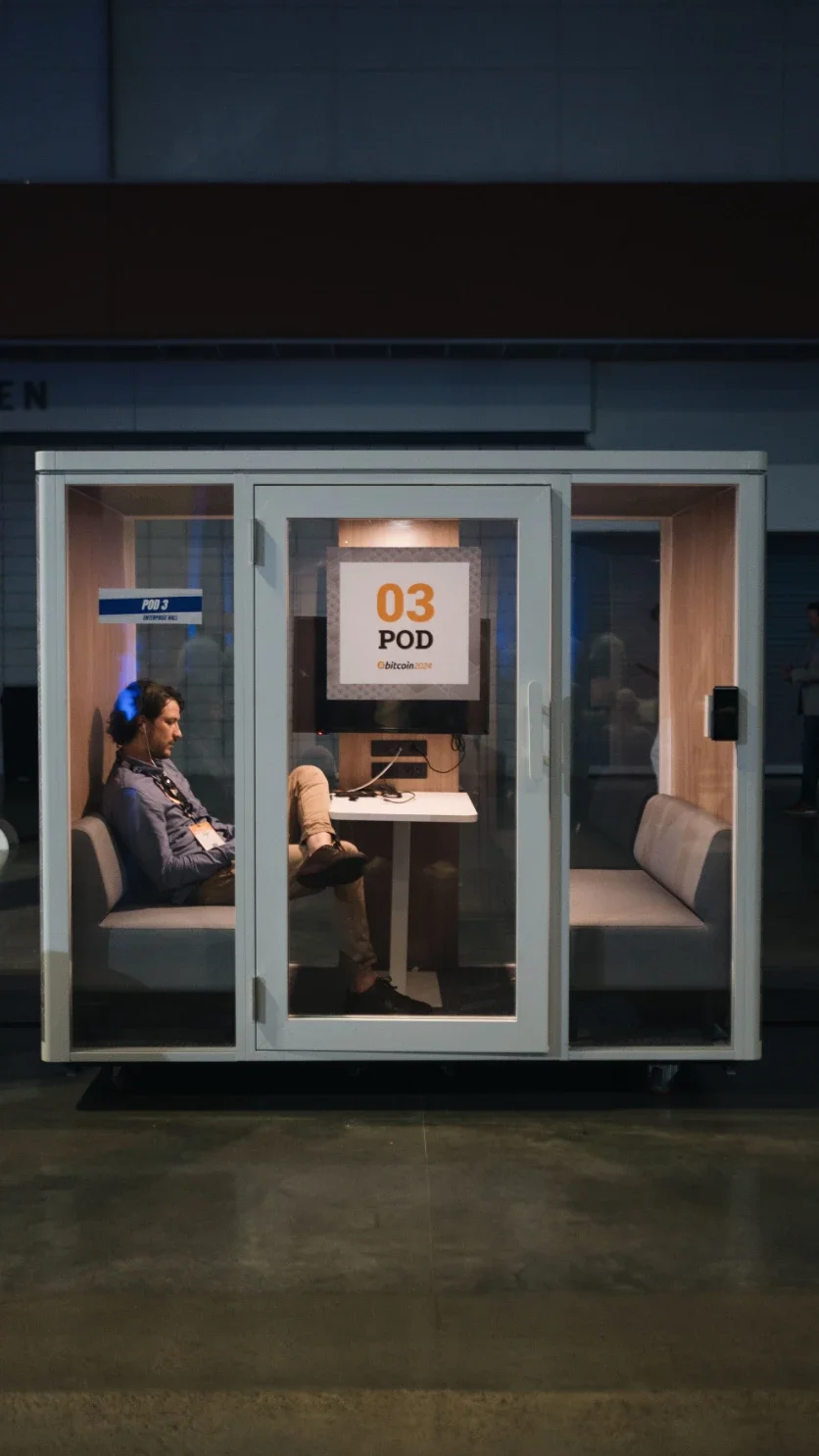
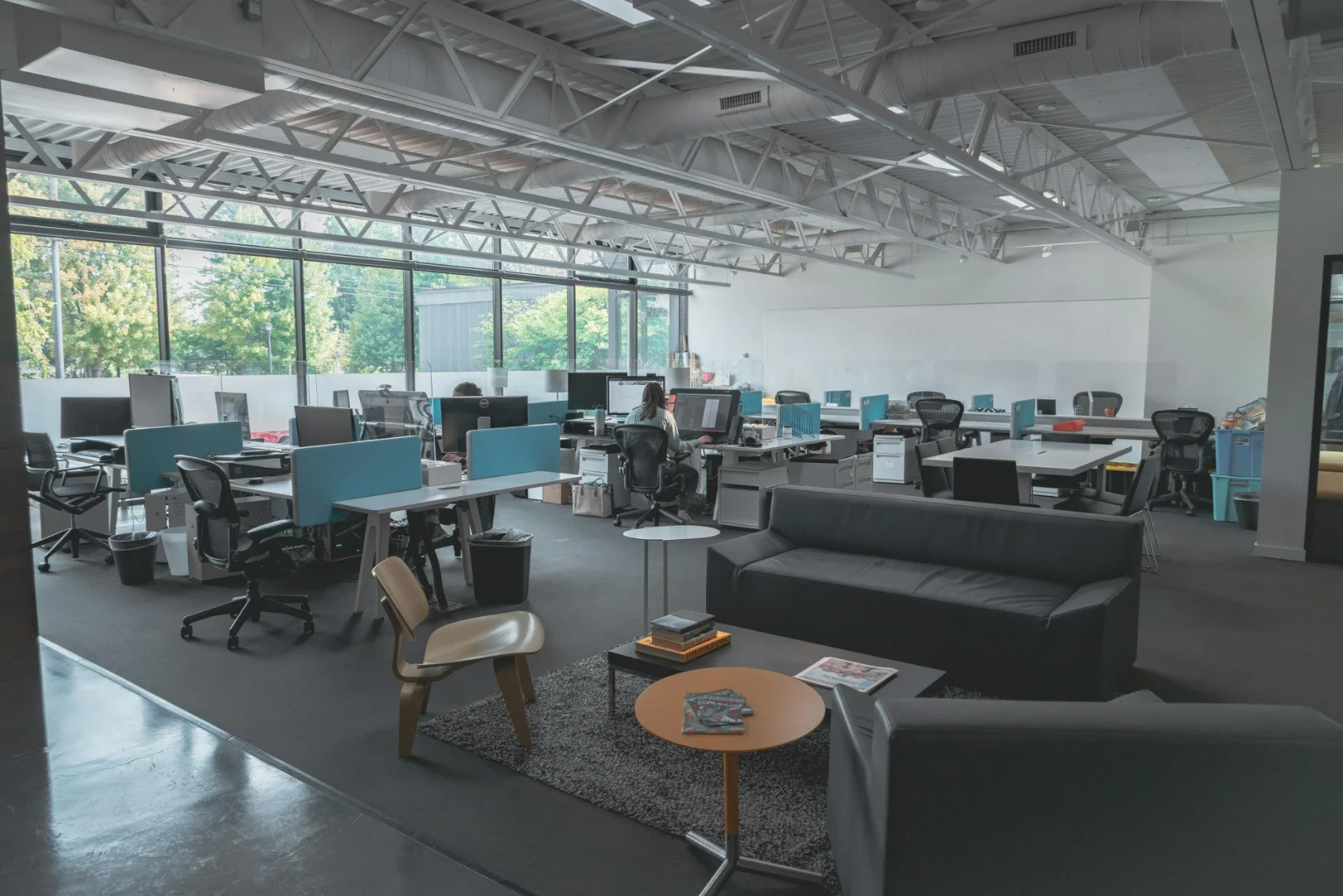
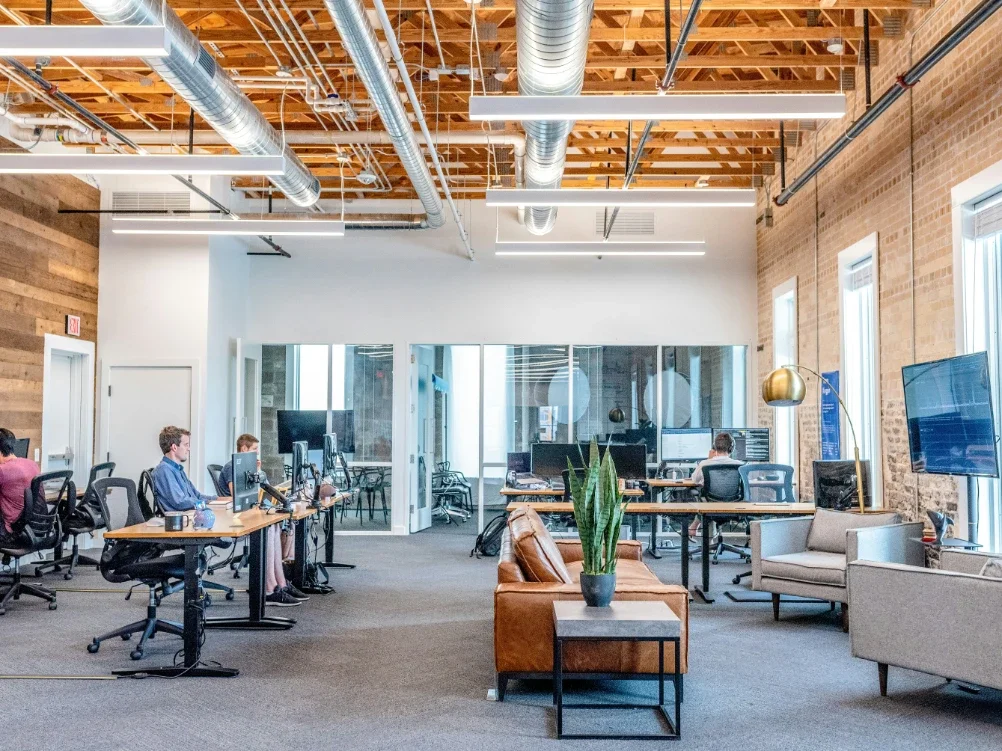
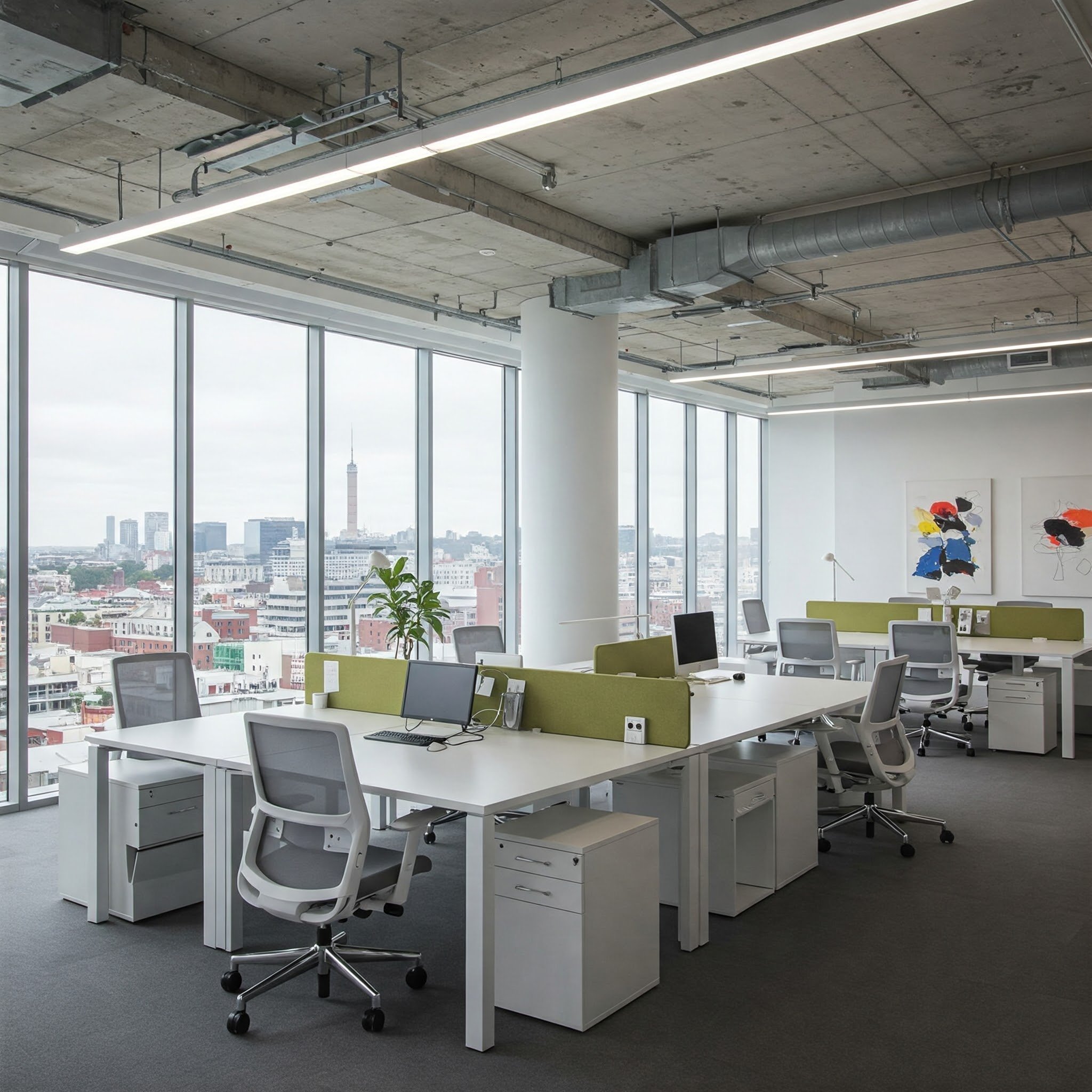
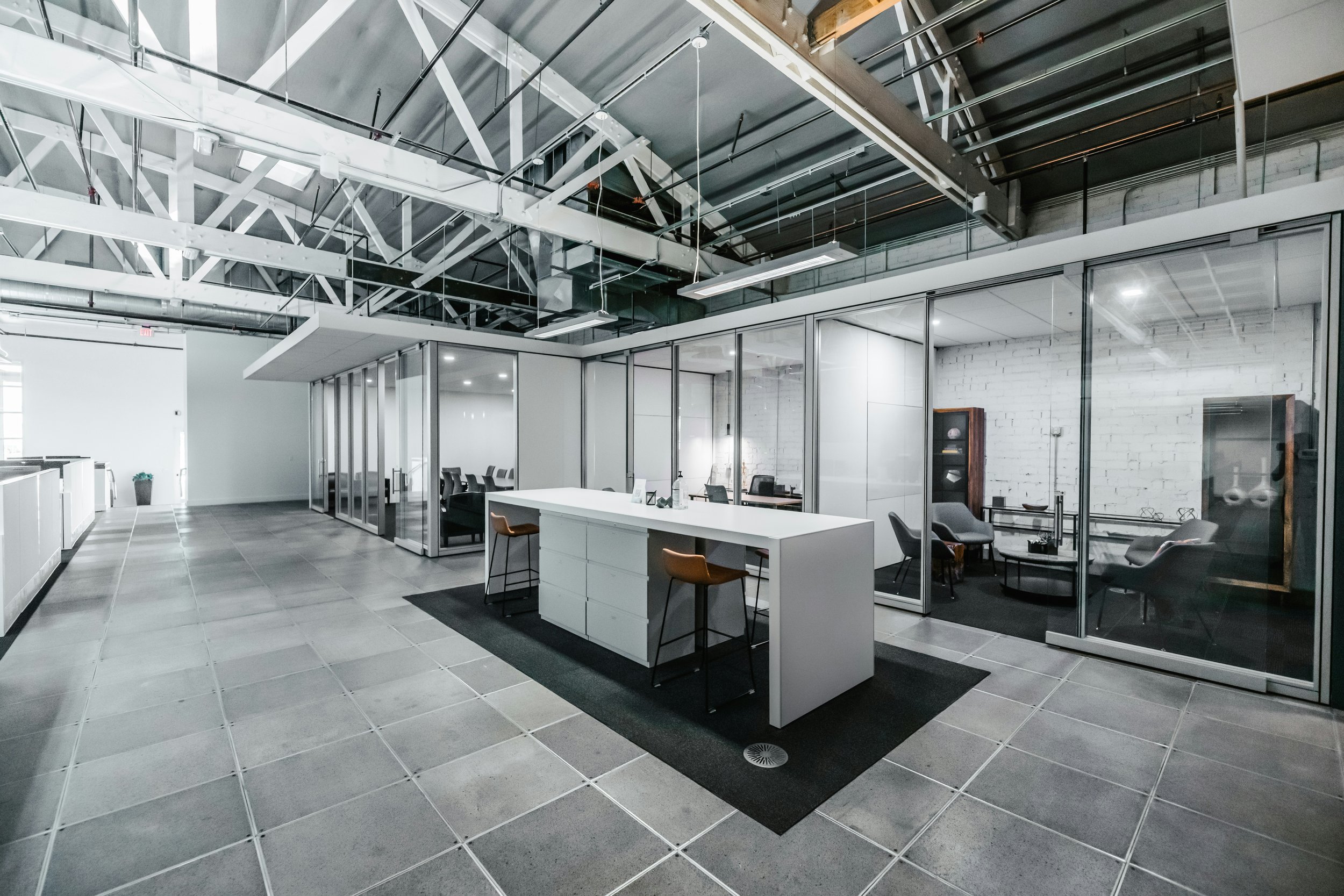
The layout of office furniture plays a huge role in how people interact, concentrate, and even feel about their jobs. Open plan setups can encourage collaboration, sure, but without the right furniture to create zones for quiet work, they can also become chaotic. A well chosen mix of collaborative tables and private workstations gives people options. And options, it turns out, make people feel trusted.
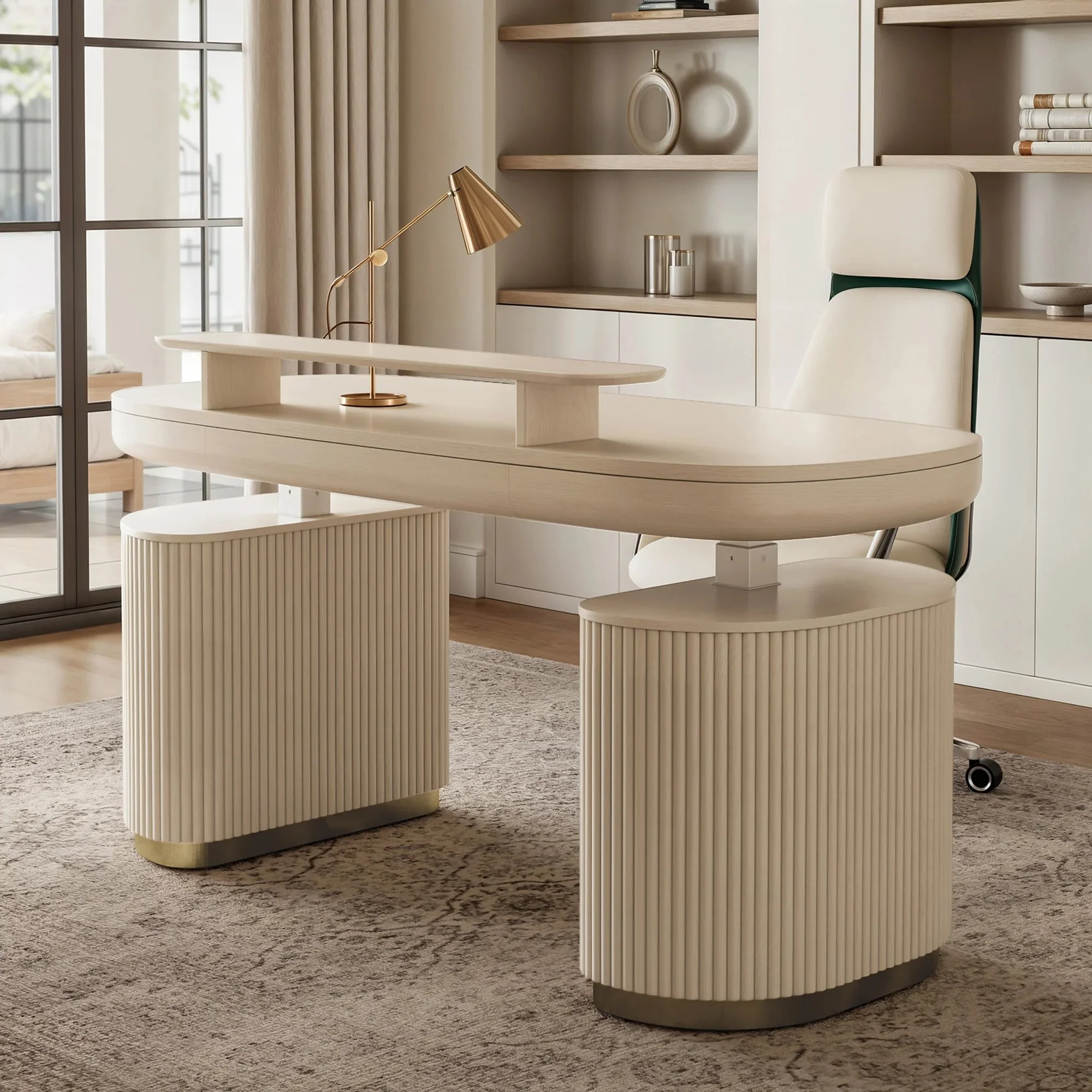
Companies looking to rethink their setup often start by browsing an office furniture store to explore what's actually available now. The range has changed dramatically in recent years, with adjustable desks, modular shelving, and ergonomic seating becoming standard rather than luxury.
Small Changes, Big Differences
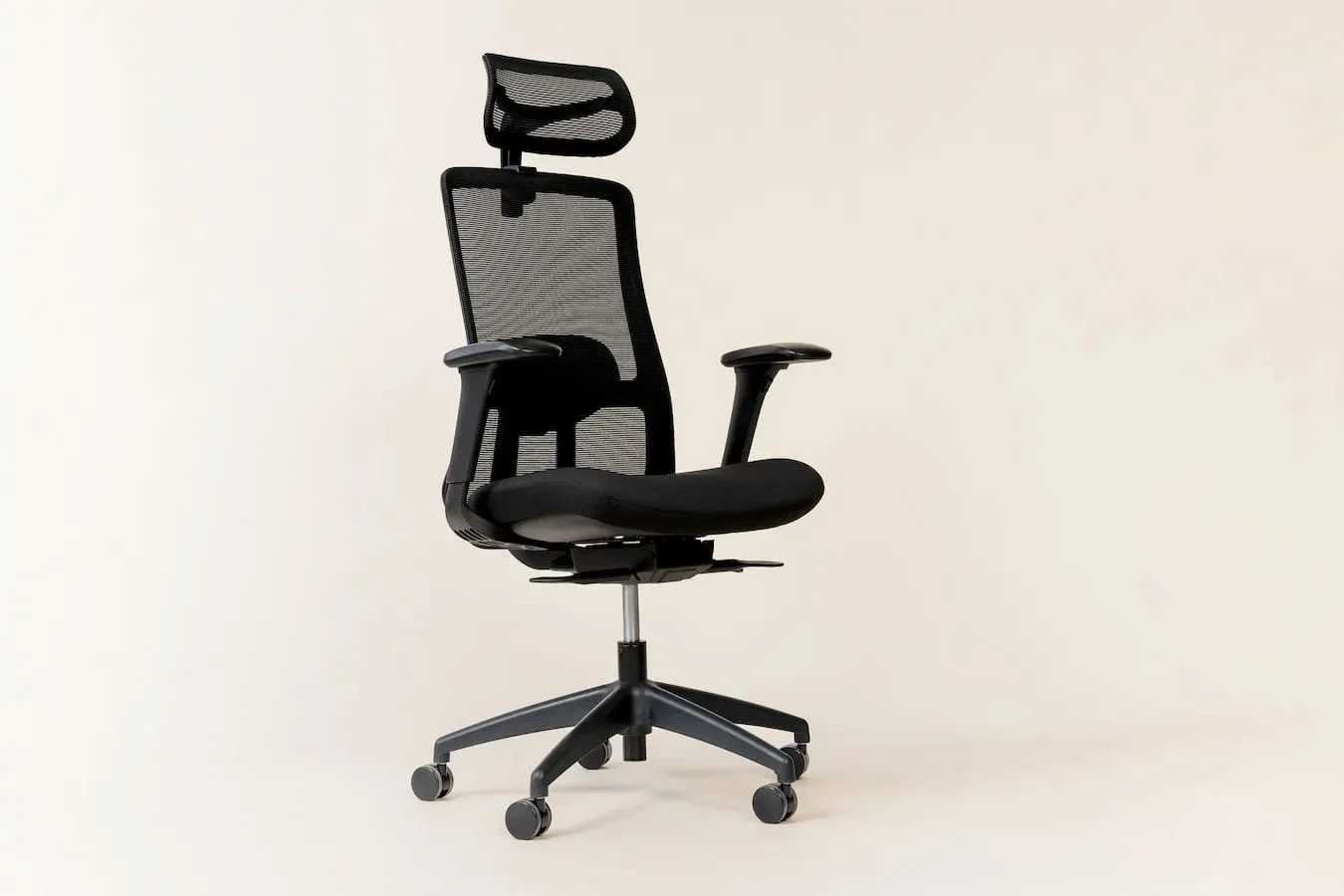
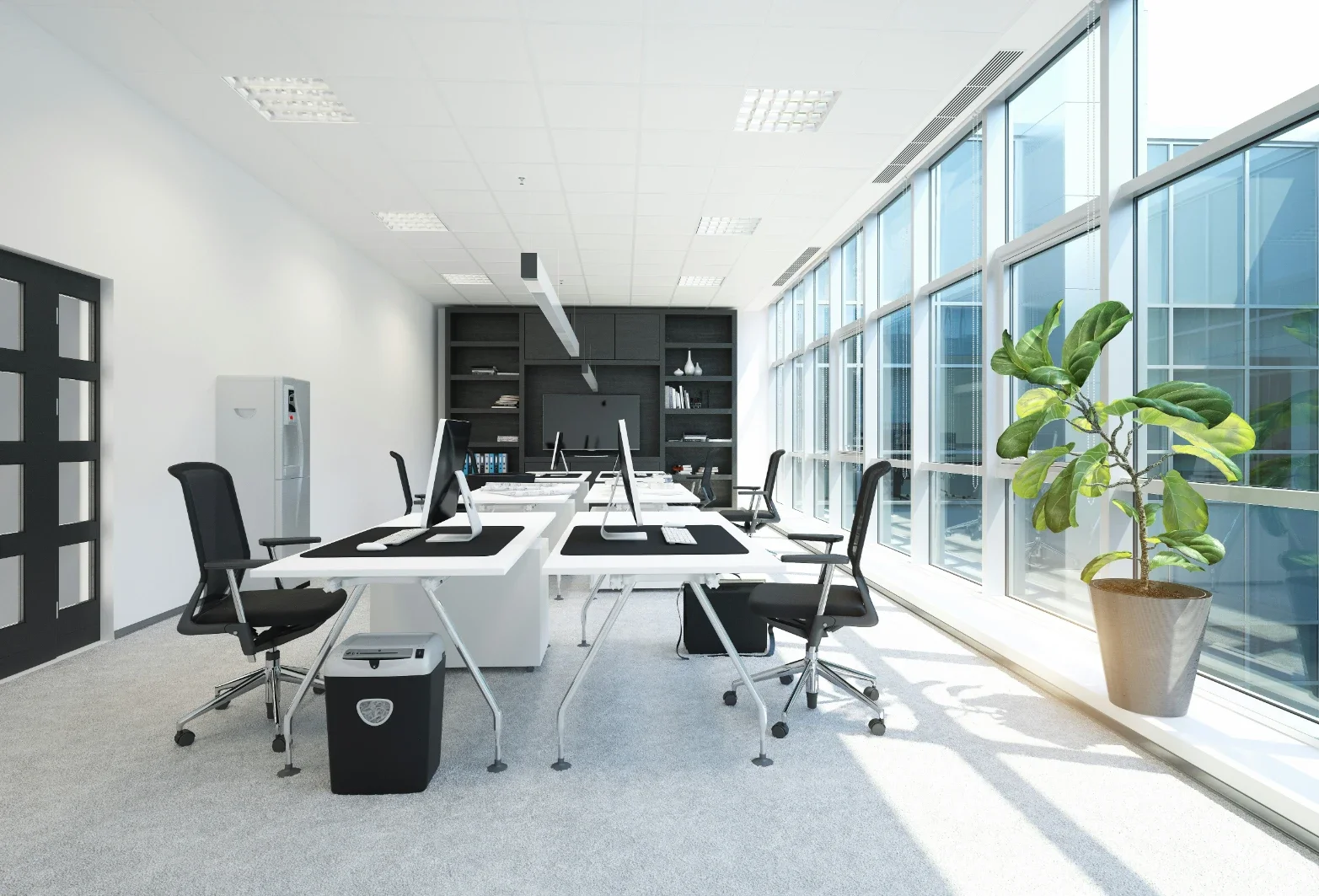
The good news is that improving a workspace doesn't always mean gutting the whole office. Sometimes it's as simple as swapping out old chairs for ones with lumbar support. Or raising monitors to eye level. Or adding a standing desk option for people who want to stretch their legs without leaving their workstation.
One thing that often surprises business owners is how quickly employees respond to these kinds of changes. There's almost an immediate shift in energy. People sit up straighter. They move more freely. They complain less about headaches and fatigue. It sounds almost too simple to be true, but the physical environment shapes behaviour more than most people realise.
It's Not Just About Comfort
Comfort matters, obviously. But there's a deeper layer here. When a company invests in good furniture, it signals something to the team. It says their wellbeing is a priority. That kind of message builds loyalty, reduces turnover, and honestly just makes the workplace a nicer place to be.
So the next time someone shrugs off office furniture as a boring operational expense, maybe remind them that it's one of the few investments that affects every single person in the building, every single day. That's not a small thing. That's pretty much the foundation everything else is built on.
Stay up to date with our latest ideas!