Small Space, Big Focus: How to Design a Home Office That Works
Learn how to design a small home office that maximizes focus, comfort, and productivity with smart layouts, storage, lighting, and practical workspace ideas.

Working from home has reshaped the way we think about our living spaces, and one of the biggest challenges homeowners face is finding room for a dedicated workspace without sacrificing style or function. The good news? You don't need an entire spare room to make it happen. With the right approach to layout, storage, and furniture, even the smallest corner can be transformed into a home office that supports focus, creativity, and everyday productivity.
Choosing the Right Corner
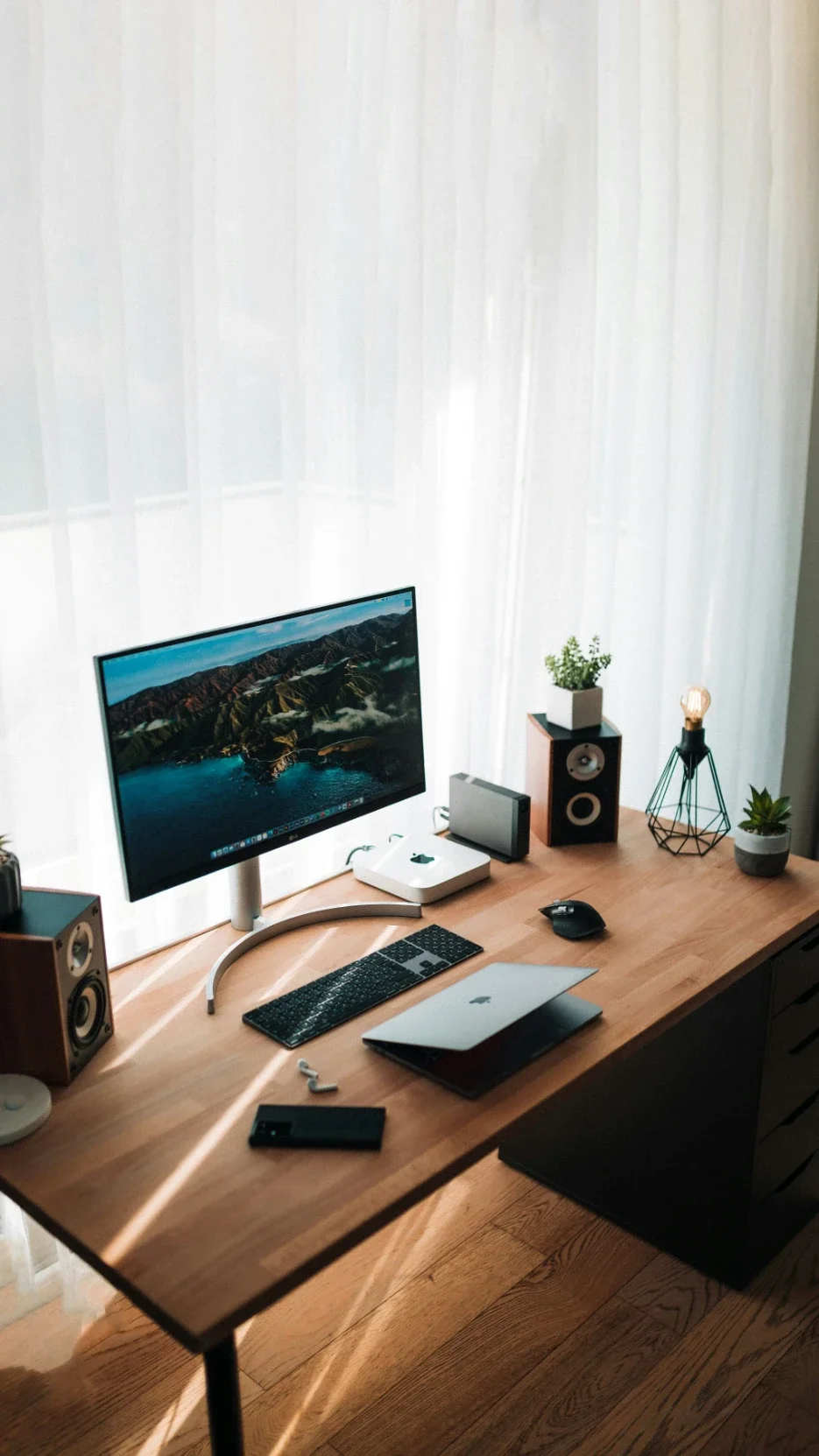
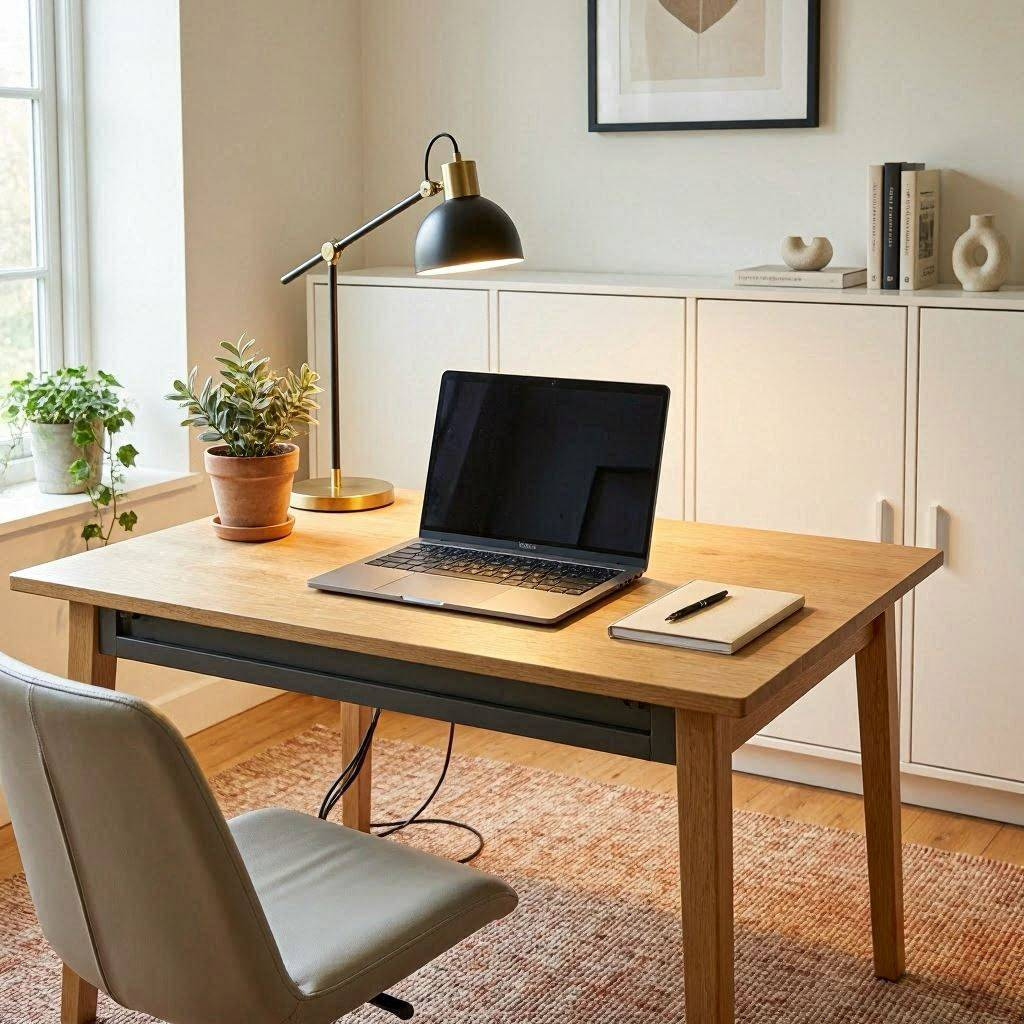
Every home has untapped potential lurking in its layout. An underused nook by a window, the end of a hallway, a portion of a bedroom, or even a closet with the doors removed can all become the foundation of a functional workspace. The key is identifying a spot with enough natural light and minimal foot traffic, so your new office feels intentional rather than squeezed in as an afterthought.
Once you've chosen your corner, define it visually. A statement rug, a fresh coat of paint on a single wall, or a decorative room divider can create a sense of separation, signaling to your brain (and anyone else in the house) that this space is for work.
Smart Storage Solutions for Small Spaces
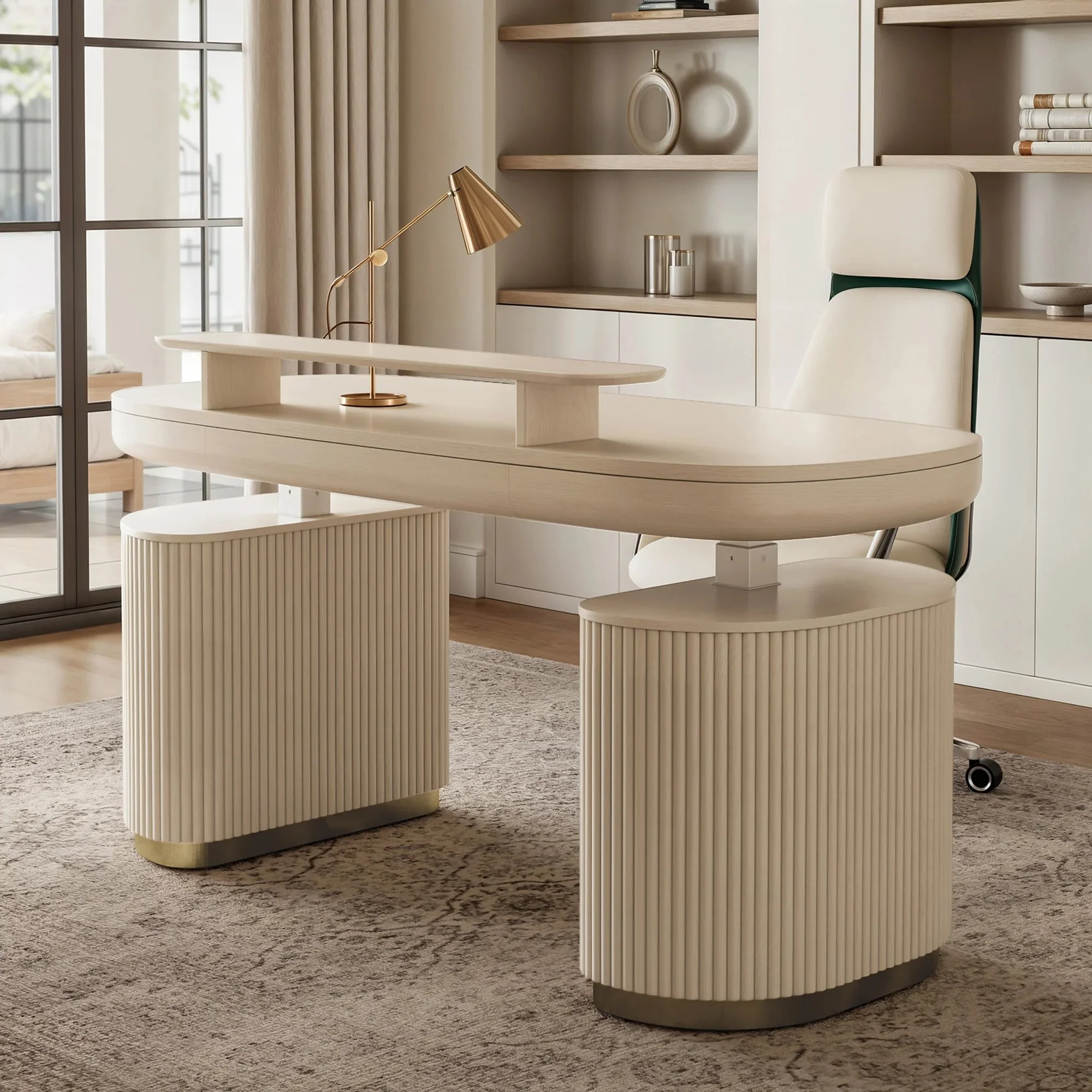
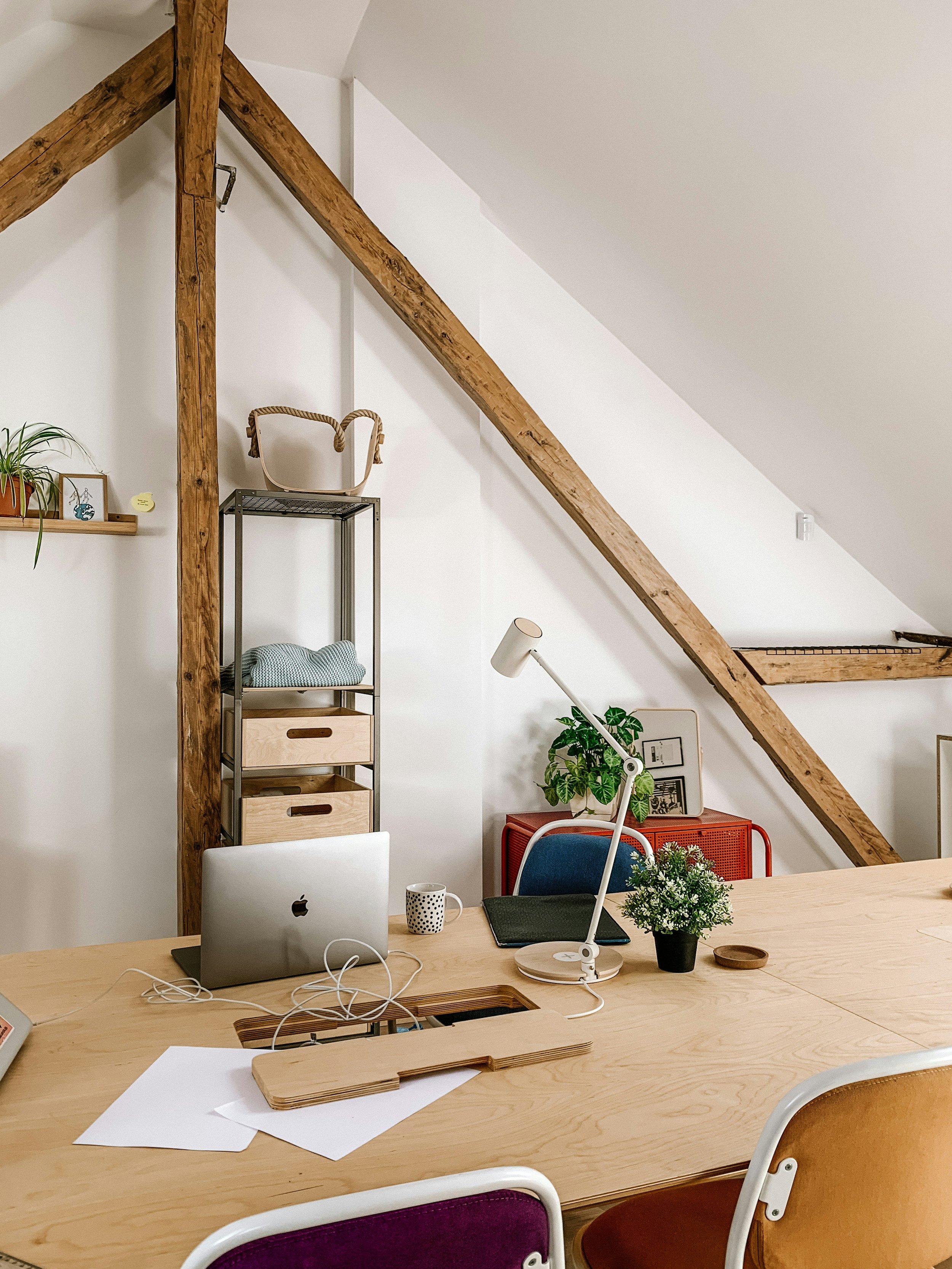
Limited square footage means every inch needs to earn its keep. Vertical storage is essential here. Floating shelves, wall-mounted organizers, and slim filing cabinets allow you to keep supplies accessible without cluttering your desktop. Look for furniture designed with built-in storage, such as a desk with drawers or a credenza that doubles as extra surface space.
Multi-functional pieces are especially valuable in compact home offices. A storage ottoman can serve as both seating and a place to stash cables or paperwork, while a bookshelf with closed cabinets can hide away office supplies while keeping decorative touches on display. The goal is a workspace that looks curated, not crowded.
Why Your Chair Deserves Priority Placement
When designing a home office, it's easy to focus first on the desk, the decor, or the technology. But the piece of furniture that will have the greatest impact on your daily productivity and long-term wellbeing is your chair. This is where investing in ergonomic office chairs pays off in ways that go far beyond aesthetics.
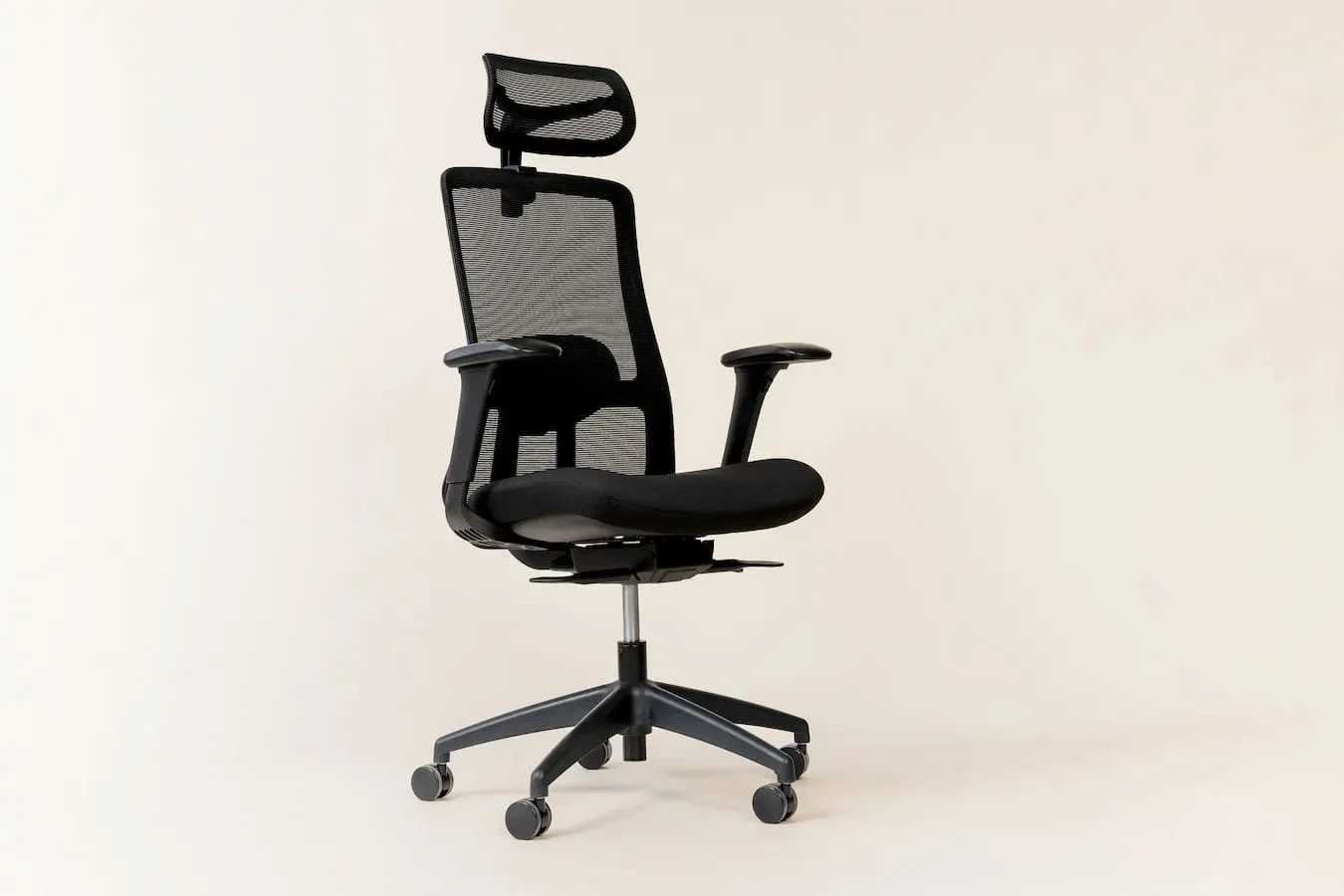
Ergonomic office chairs are engineered to support the natural curve of your spine, reduce strain on your neck and shoulders, and encourage healthier posture throughout long stretches of work. Features like adjustable seat height, lumbar support, and breathable materials make a measurable difference in comfort, especially for anyone spending six or more hours a day at a desk. Without that support, even a beautifully designed office can leave you distracted by discomfort by mid-afternoon.
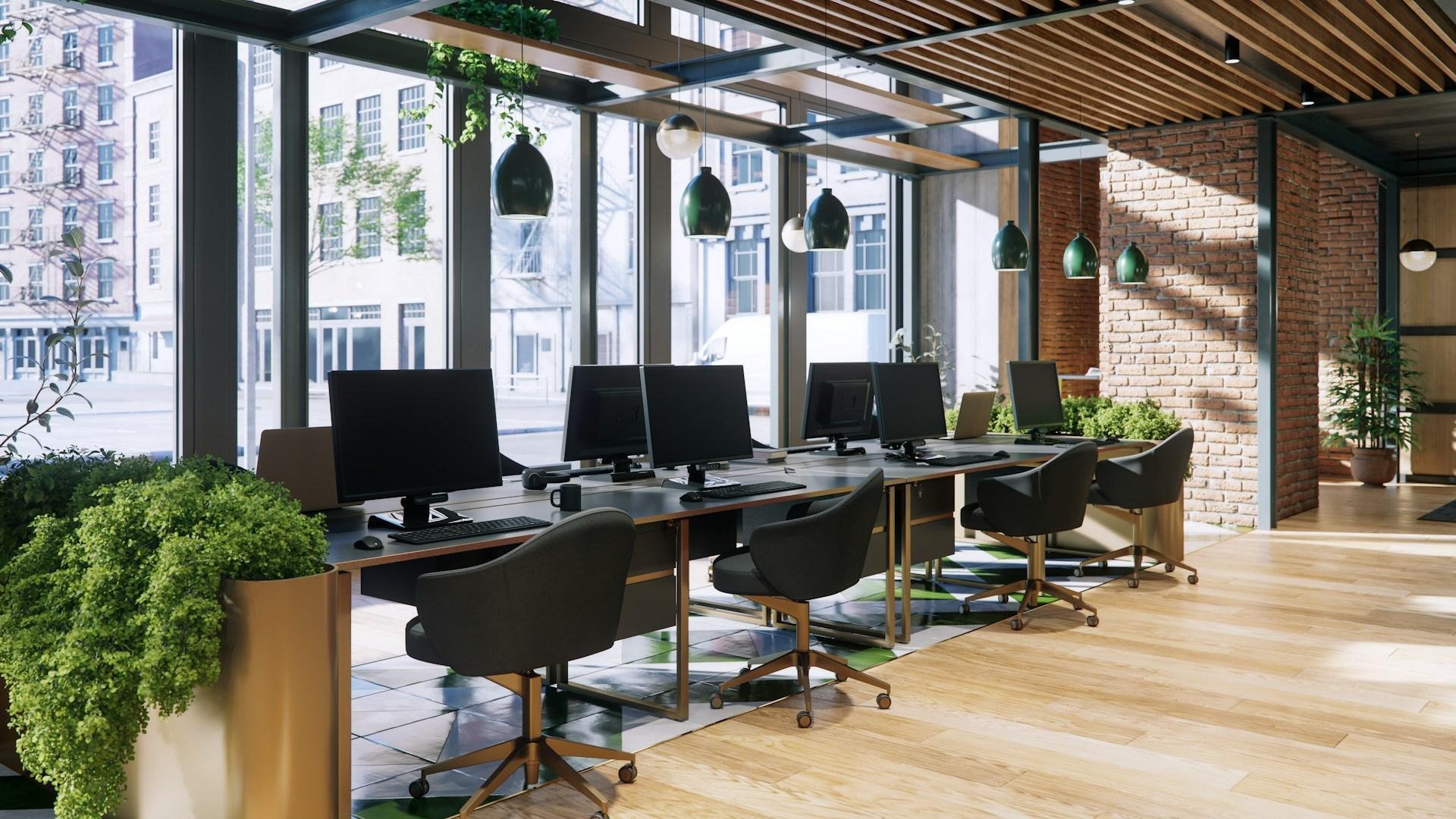
The market for office chairs has expanded significantly, which means you no longer have to choose between style and function. Many ergonomic office chairs now come in slim profiles and sophisticated finishes designed to complement modern interiors, so your workspace can look polished while still prioritizing your physical health. When shopping for office chairs for a small space, look for models with a compact base and armrests that tuck in or adjust, allowing the chair to slide neatly under your desk when not in use.
Lighting That Works as Hard as You Do
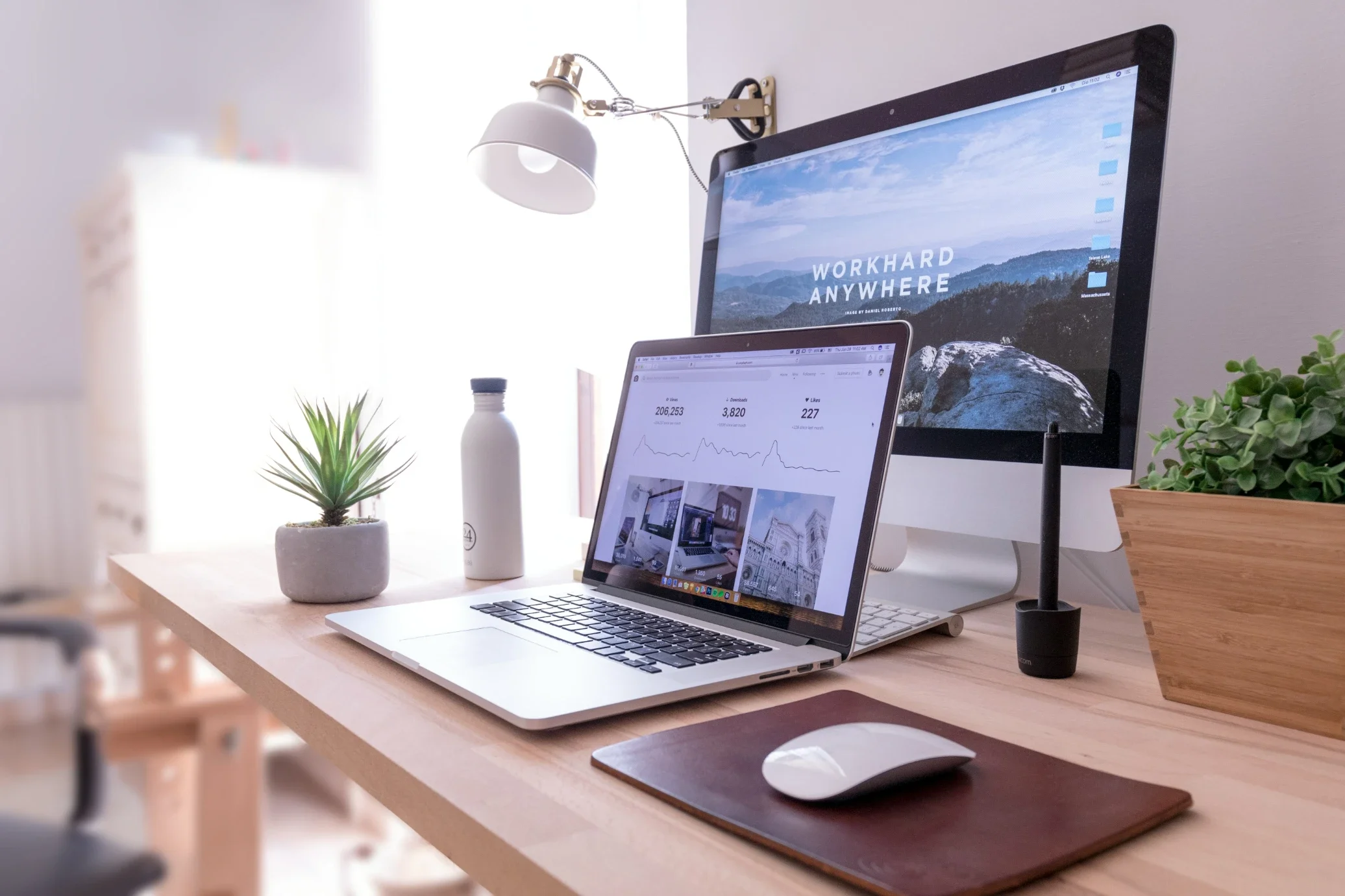
Good lighting is one of the most overlooked elements of a productive workspace. Position your desk near a natural light source whenever possible, since daylight has been shown to improve focus and reduce eye strain. Supplement this with a well-placed task lamp for darker mornings and evenings, and consider adding ambient lighting, such as a wall sconce or LED strip, to keep the space feeling warm rather than clinical.
Mirrors can also play a functional role in compact offices. Positioned to reflect natural light, a mirror can visually expand a tight corner while brightening the entire area, making your workspace feel more open and inviting.
Personal Touches That Elevate the Everyday
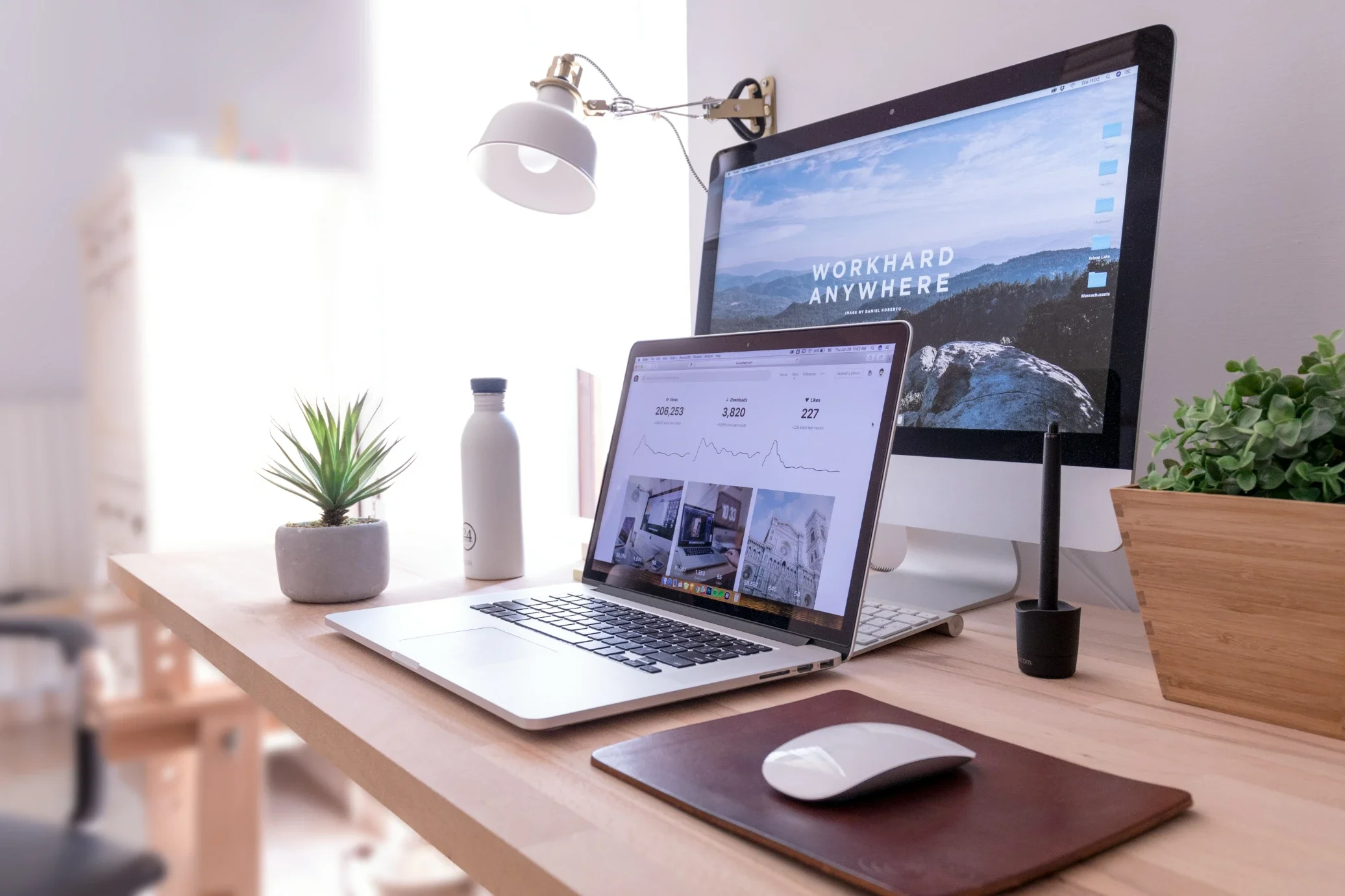
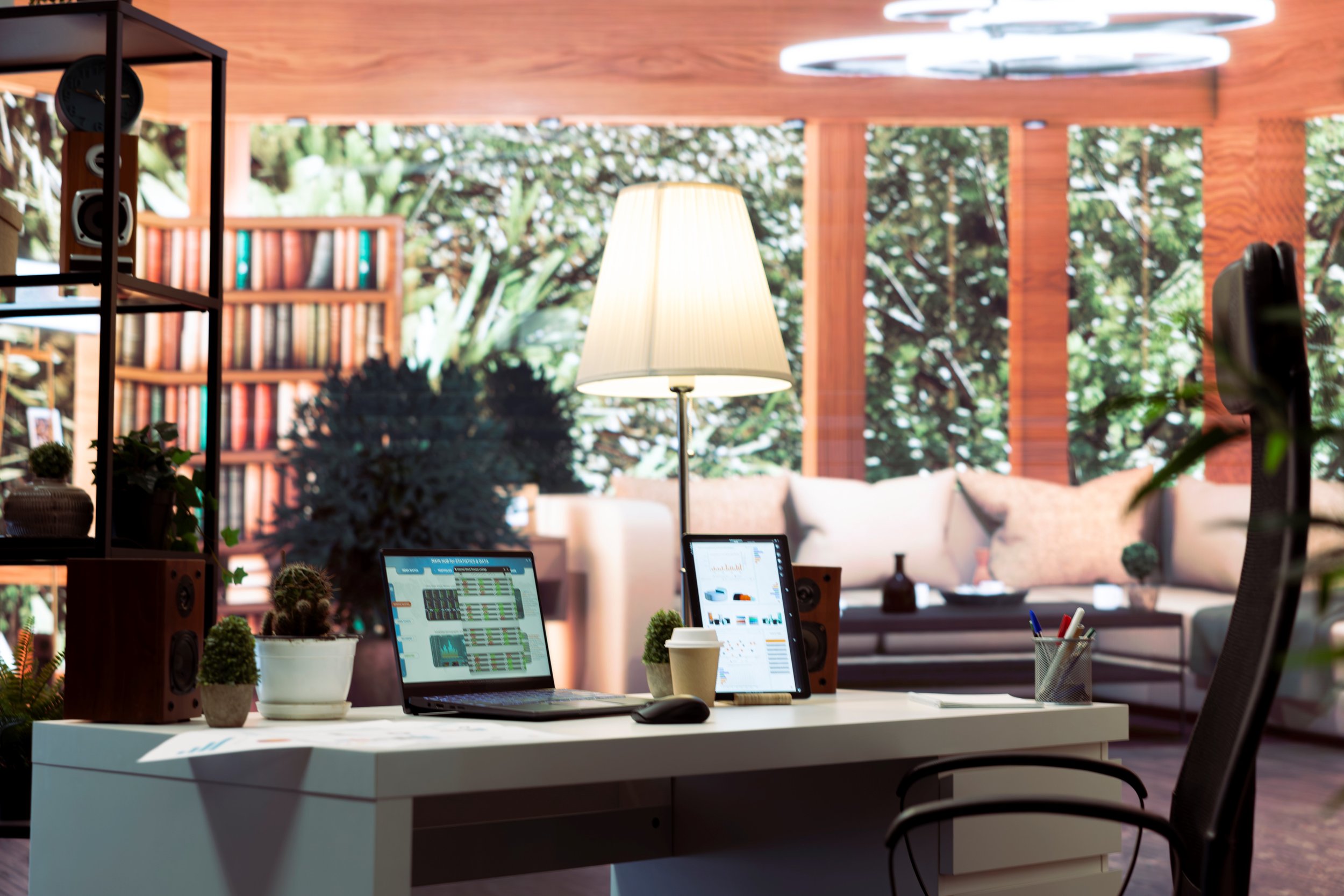
A productive home office doesn't need to feel sterile. Layering in personal elements, such as artwork, a favorite plant, or a textured throw for cooler months, helps the space feel like an extension of your home rather than a sterile corporate outpost. Keep your desktop styled with intention: a decorative tray for daily essentials, a ceramic cup for pens, and one meaningful object can go a long way toward making the space feel like yours.
Final Thoughts
Creating a productive home office is less about square footage and more about smart, deliberate choices. Prioritize vertical storage to keep clutter at bay, invest in quality office chairs that support your body through long workdays, and layer in lighting and personal details that make the space feel warm and inspiring. With these elements in place, even the smallest corner of your home can become a workspace that elevates both your productivity and your everyday living.
Stay up to date with our latest ideas!